briefs
Topic · across the network

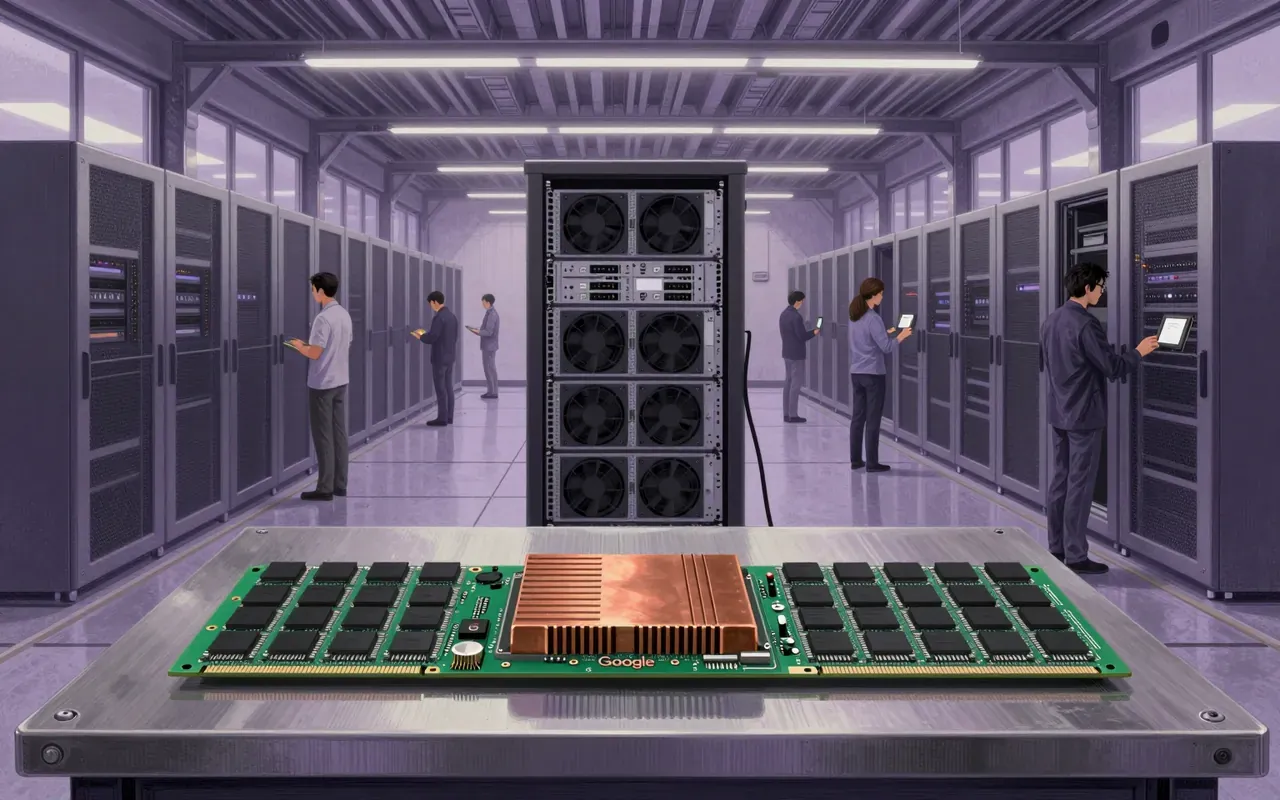
Hardware

The physical constraint the software keeps forgetting about.

709
briefs
7
subjects
9:28
average
6706 min
in total
Abstraction 407Absurdism 137Acoustics 220Acting 65Adaptation 372Addiction 95Adolescence 202Advertising 77Age of exploration 14Ageing 113Agriculture 100Algorithms 114Ambition 46Anarchism 38Ancient Egypt 17Ancient Greece 38Ancient Rome 30Animals 172Anthropology 23Apartheid 12Architecture 165Archives 32Argentina 10Art Deco 26Artificial intelligence 78Astronomy 81Attention 42Australia 32Automation 73Avant-garde 164Aviation 79Banking 72Banned works 40Bauhaus 12Beer 5Behavioural economics 22Berlin 16Big tech 6Biodiversity 136Biography 86Birds 41Black holes 20Blockchain 12Boxing 14Branding 77Brazil 43Bread 29Britain 131Brutalism 4Bubbles 3Buddhism 28Byzantium 10California 17Canada 18Capitalism 94Cars 468Celebrity 59Censorship 110Cheese 24Chefs 9Chemistry 104Chess 2Childhood 87China 109Chocolate 8Christianity 49Cinematography 343Cities 90Class 485Climate change 107Club culture 100Cocktails 2Coffee 11Cognitive bias 14Collecting 16Colonialism 284Colour 42Comedy 89Community 52Complexity 21Computing 309Consciousness 16Conservatism 14Conspiracy theories 8Cooking 178Corruption 38Cosmology 31Cover versions 64Craft 116Crate digging 42Creativity 8Crime 234Cryptocurrency 8Cryptography 24Cuba 10Cybersecurity 30Dada 12Debt 38Decision-making 28Decolonisation 46Deep time 80Democracy 45Denim 16Deserts 45Detroit 17Dinosaurs 12Directing 168Disasters 59Disease 109DJ culture 89Dreams 32Drones 5Drum machines 96Dystopia 69East Africa 28Ecology 337Economics 36Editing 72Education 92Egypt 12Electric vehicles 59Emotion 22Empire 92Endurance 49Energy 120Engineering 541Entropy 8Epidemics 13Equality 9Espionage 31Ethics 44Evolution 174Existentialism 106Expertise 2Exploration 49Extinction 23Failure 37Family 240Fandom 22Fascism 45Fashion 215Fast fashion 12Fear 34Feminism 122Fermentation 126Film music 81Fishing 12Folklore 71Food history 588Football 16Forests 31Forgery 7France 163Fraud 15Free will 13Freedom 16French literature 15Friendship 24Furniture 36Gambling 14Gender 63Generations 28Genetics 87Geology 96Germany 66Globalisation 74Gothic 32Greece 5Grief 126Habits 6Happiness 2Hardware 709Haute couture 22Headphones 8Hi-fi 12Hinduism 12Hoaxes 1Human history 23Human nature 41Identity 138Illustration 8Impressionism 6Improvisation 249India 89Indonesia 15Industrial design 342Inequality 13Inflation 4Information 34Infrastructure 280Insects 29Intelligence 8Interiors 31Internet culture 88Invention 329Iran 41Islam 40Islands 17Israel 9Italy 52Jamaica 10Japan 114Jewellery 5Journalism 34Judaism 13Justice 42Korea 41Language 70Law 90Leadership 20Learning 6Liberalism 1Libraries 6Literary criticism 26London 12Loneliness 61Los Angeles 62Lost works 9Love 67Luxury 55Machine learning 15Management 10Maps 5Marketing 21Markets 51Mars 6Marxism 26Masculinity 46Materials 138Mathematics 79Meaning 6Medicine 124Memory 82Mental health 70Mesopotamia 4Mexico 38Migration 95Minimalism 68Mining 30Misinformation 9Modernism 63Money 24Monopoly 32Mortality 61Motivation 2Mountains 16Museums 27Mysticism 11Mythology 60Nationalism 40Neuroscience 23New York 36Nigeria 7Nihilism 10Noise 31Nostalgia 33Nuclear 29Nutrition 17Oceans 48Oil 42Open source 45Painting 18Palaeontology 29Parenting 14Paris 18Partition 6Patents 71Patronage 14Perception 44Personal style 27Personality 2Persuasion 8Peru 10Philosophy 77Photography 37Physics 206Plants 26Platforms 89Podcasting 1Poetry 25Poland 17Policing 34Pop Art 16Populism 2Portraiture 6Portugal 18Postmodernism 23Power 91Prehistory 24Preservation 28Printmaking 21Privacy 11Probability 6Productivity 1Programming 54Prohibition 1Propaganda 35Protest 75Pseudoscience 17Psychology 80Publishing 22Punishment 16Quantum mechanics 44Race 145Radio 30Railways 35Rave 17Realism 47Record labels 19Recording 810Relativity 23Religion 154Resilience 15Restaurants 30Restoration 2Retail 94Revolution 58Risk 18Ritual 96Robotics 26Romance 96Russia 58Salt 9Sampling 246Satire 84Scandinavia 28Scientific method 186Screenwriting 26Sculpture 7Secularism 2Self-deception 14Semiconductors 73Sexuality 102Ships 18Silence 24Silicon Valley 17Slavery 35Sleep 2Smartphones 27Sneakers 15Social media 58Socialism 9Software 68Songwriting 180Sound design 332Sound systems 20South Africa 19South East Asia 30Space exploration 84Spain 18Special effects 41Spices 62Spirits 12Sport 82Startups 21Statistics 10Status 9Stoicism 4Storytelling 68Strategy 70Street food 99Streetwear 16Studio craft 508Subcultures 59Sugar 12Supply chains 115Surrealism 53Surveillance 21Sustainability 30Synthesis 232Tailoring 37Taxation 14Tea 24Textiles 97Thailand 11The American Revolution 19The American South 88The Arab world 41The Arctic 19The Balkans 17The Belle Epoque 13The body 29The brain 26The Caribbean 28The civil rights movement 62The Cold War 160The eighties 268The Enlightenment 29The financial crisis 19The First World War 39The food industry 157The French Revolution 9The Gilded Age 9The Great Depression 18The Holocaust 20The Industrial Revolution 93The internet 61The interwar years 135The Middle Ages 35The Moon 4The music business 169The Netherlands 10The nineties 26The Olympics 10The pandemic 13The Reformation 1The Renaissance 16The Russian Revolution 19The Second World War 102The seventies 58The sixties 28The space race 5The United States 19The universe 7The Victorian era 37Therapy 20Tokyo 11Trade 48Tragedy 22Translation 5Trauma 85Travel 5True crime 2Turkey 18Typography 54Uniforms 23Unions 8Urban planning 66Utilitarianism 1Utopia 5Vaccines 10Vegetarianism 15Venture capital 6Video games 291Vietnam 12Vintage 65Vinyl 6Virtual reality 11War 169Watches 4Water 11Weather 29West Africa 29Wilderness 10Wine 3Work 22Workwear 19Worldbuilding 121

music.briefs Music

All 2 in music →
8:53

The Firebird

Igor Stravinsky · 1980

The 1928 Columbia recording is the first orchestral capture of Stravinsky’s 1910 ballet — conducted by the composer, using whole-tone and octatonic harmony as dramatic agents, and deploying extended techniques as deliberate ruptures. It is not nostalgic. It is not polite. It is structural storytelling in sound.

13:00

Selected Ambient Works 85–92

Aphex Twin · 1992

Selected from years of cassette recordings Richard D. James made from age thirteen on equipment he built himself, this debut curated by label head Renaat Vandepapeliere reads as a fully formed statement rather than a curiosity. Its melodic, sometimes industrial tracks pair beauty with unease and remain a founding document of ambient techno.

design.briefs Design

All 6 in design →
9:24

Nintendo Entertainment System

Masayuki Uemura

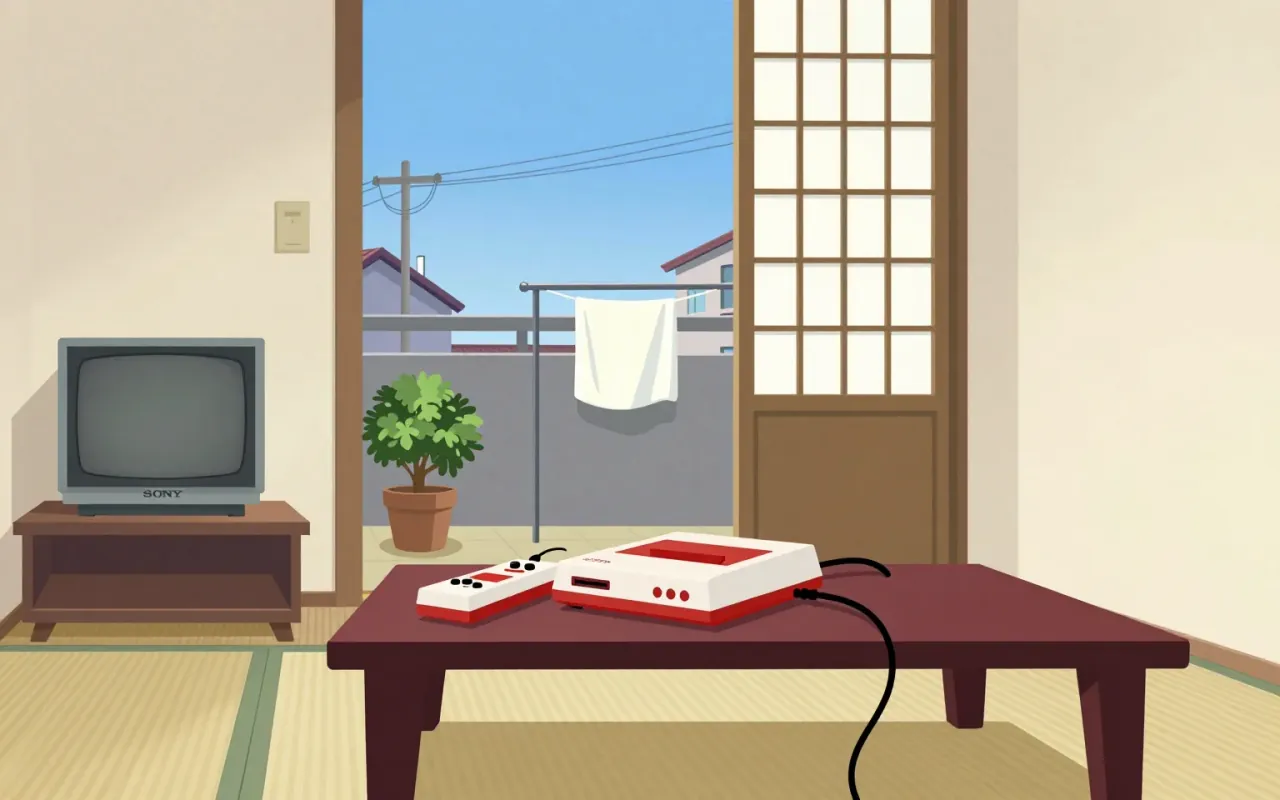
The Nintendo Entertainment System is an 8-bit home video game console. It began as the Family Computer (Famicom), released in Japan in July 1983. It was later redesigned and rebranded for Western markets as the NES.

9:05

Game Boy

Gunpei Yokoi

The Game Boy is industrial design as strategic subtraction.

10:27

IMac G3

Jonathan Ive

The iMac G3 is not a nostalgic icon — it is a tightly constrained industrial design response to market irrelevance, manufacturing pressure, and strategic reset. Its decisions were specific, costly, and reversible. Its influence is factual, not mythical.

11:12

IPod

Jonathan Ive · 2001

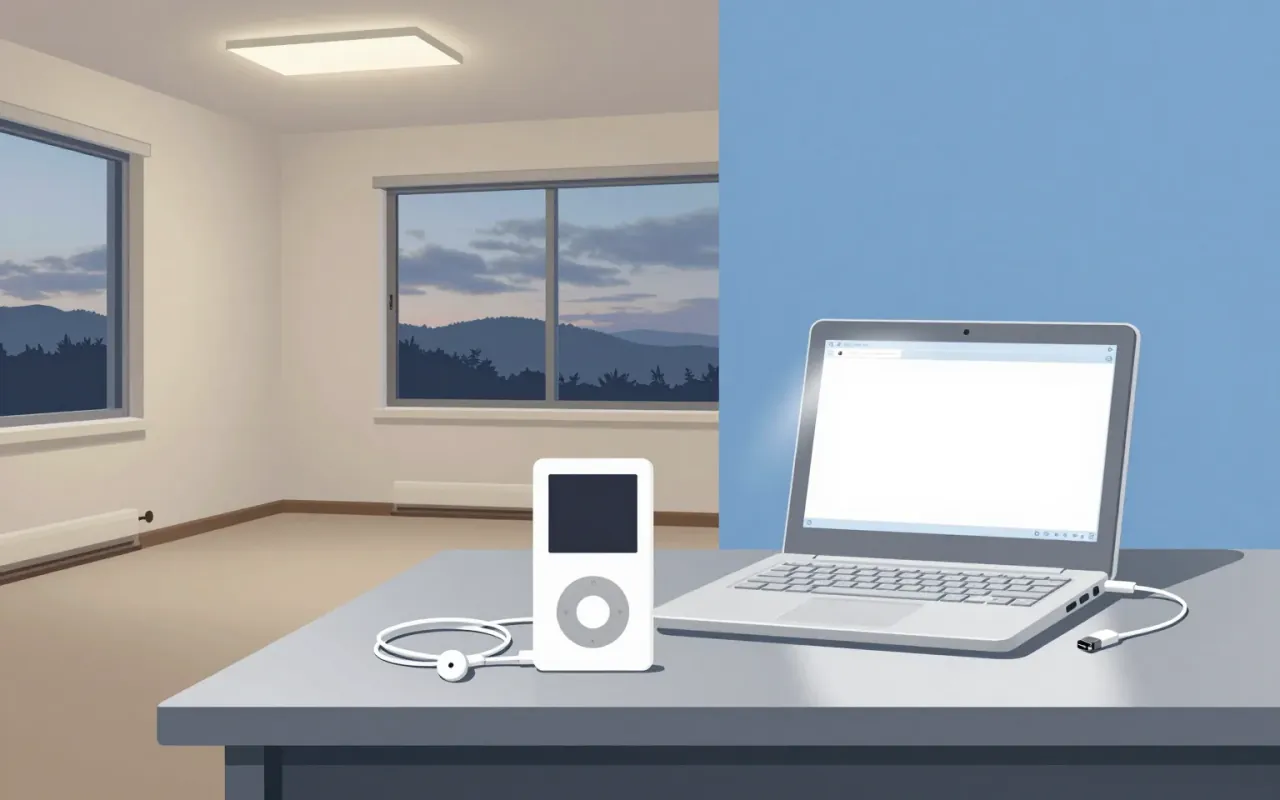
The iPod is a landmark industrial design object whose longevity and scale emerged from disciplined constraint-handling — not originality of form or interaction. Its lineage, licensing, and timing are better documented than its materials or mechanics. It belongs in industrial design history not as a breakthrough, but as a benchmark for execution under real-world limits.

9:59

Macintosh 128K

Steve Jobs & Apple · 1984

The Macintosh 128K is the original Macintosh personal computer from Apple. It is the first successful mass-market all-in-one desktop personal computer with a graphical user interface, built-in screen and mouse. It was pivotal in establishing desktop publishing as a general office function. Its hardware includes a 9-inch, 512×342 pixel monochrome CRT display, a Motorola 68000 microprocessor running at 7.8336 MHz, 128 KB RAM shared by the processor and display controller, and 64 KB ROM containing the boot procedure, OS routines, and the complete QuickDraw picture language and interpreter. The RAM consists of sixteen 64-kilobit modules soldered to the logic board. It ships with MacPaint and MacWrite to showcase its GUI and mouse-driven workflow.

9:48

Susan Kare

She didn’t invent the GUI — she gave it a face, a voice, and a sense of humour, all on graph paper.

games.briefs Games

All 159 in games →
11:06

1080° Snowboarding

Nintendo · 1998

1080° Snowboarding is a Nintendo 64 snowboarding game released in 1998. Players control one of five snowboarders in third-person across eight levels. Core gameplay splits between racing (Race, Time Attack, 2 Players, Match Race) and trick-based scoring (Trick Attack, Contest). Tricks — 24 standard and 5 secret — fall into grab or spin categories and require circular stick motions plus R, Z, and B inputs. Scoring rewards complexity, combos, and timing. Characters and boards have distinct stats affecting technique, speed, weight, balance, and edge control. The game emphasises realistic physics and responsive controls.

9:13

Advance Wars 2: Black Hole Rising

Intelligent Systems · 2003

Advance Wars 2: Black Hole Rising is a Game Boy Advance turn-based strategy game released in 2001 by Intelligent Systems. It refines the Wars series’ core loop with non-linear campaign progression, Super CO Powers, and terrain-specific objectives like capturing Black Cannons. It asks players to sequence actions across turns with precision, not flair. Its rigour is its strength—and its limit.

10:30

Carmageddon II: Carpocalypse Now

Stainless Games · 1998

Carmageddon II: Carpocalypse Now is a 1998 Windows vehicular combat sequel developed by Stainless Games. It uses hardware acceleration to power a world-first fully featured physics engine, enabling detailed vehicle deformation — including fenders, spoilers, and catastrophic splitting — and replaces the original’s ‘stealworthy cars’ mechanic with universal purchase of wrecked vehicles.

9:14

Clock Tower (1996 video game)

Human Entertainment · 1996

Clock Tower (1996) is a point-and-click survival horror game with 3D graphics, released by Human Entertainment on Super NES in 1995 and on PlayStation as Clock Tower 2 in 1996. Players navigate using cursor clicks, manage inventory via screen-top access, and survive Scissorman under a dynamic strength system shown by cursor colour. Narrative branches from early choices lead to ten possible endings.

9:56

Command & Conquer (1995 video game)

Westwood Studios · 1995

Command & Conquer (1995) is a real-time strategy game developed by Westwood Studios. It builds on Dune II’s interface and adds pre-rendered 3D sprites, FMV briefings, and a streamed pop/rock/techno soundtrack. Players command GDI or Nod in a Tiberium-fuelled war. They deploy an MCV on flat land, gather Tiberium via harvesters, convert it to credits at refineries, store excess in silos, maintain power with plants, build units in faction-specific production structures, and advance along a tech tree. GDI prioritises firepower and armour at higher cost and slower speed; Nod prioritises speed, numbers, and unconventional tactics at lower durability and weaker weapons. Campaigns feature branching mission selection, FMV briefings, and objectives to destroy or capture enemy forces and bases. The DOS release supported up to four-player multiplayer; the Gold edition expanded this.

9:46

Dance Dance Revolution (1998 video game)

Konami · 1998

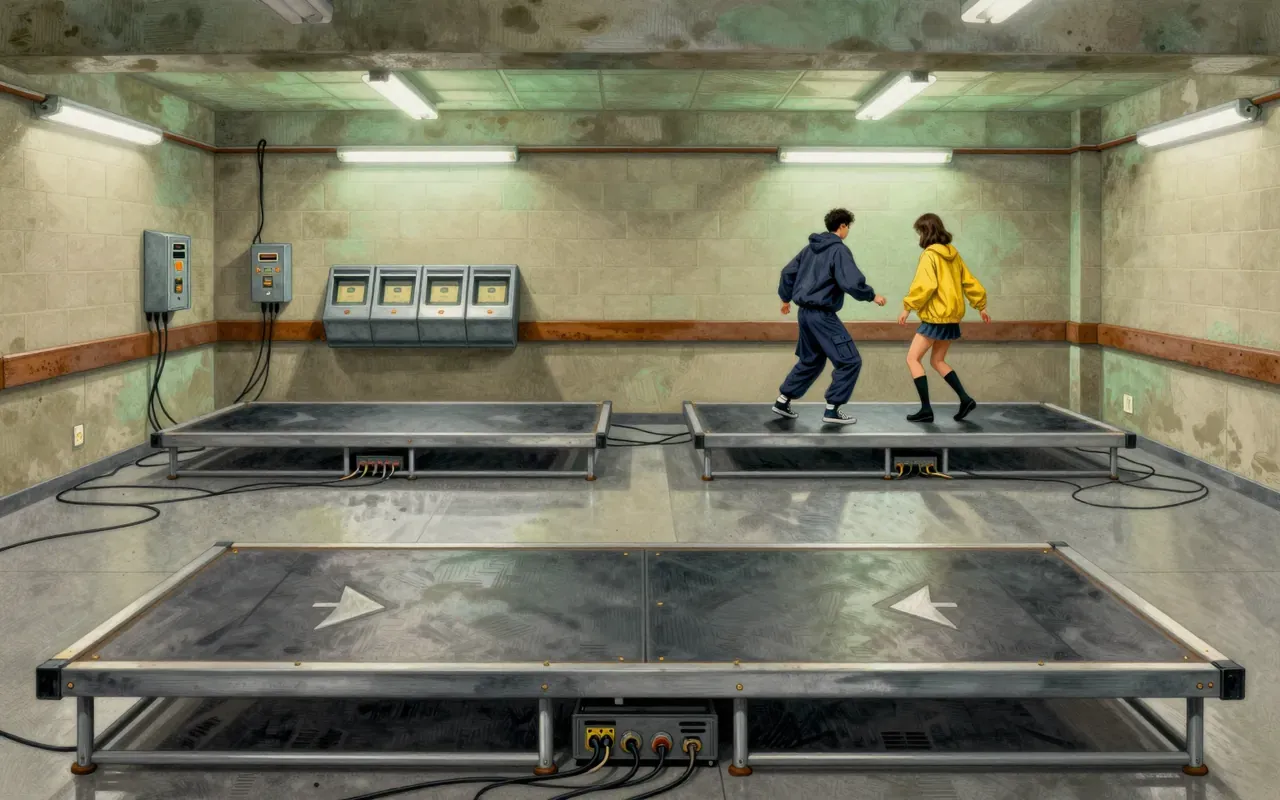
Dance Dance Revolution (1998) is a Konami arcade rhythm game that turns footwork into score. Players match scrolling arrows with steps on a dance pad. Timing judgments affect a life meter — the Dance Gauge — whose depletion ends the song. Combo tracking, step counts, and letter grades follow each performance. It runs under Konami’s Bemani brand. It has no narrative, no progression beyond song selection, and no solo longevity without hardware or social context.

8:20

Donkey Kong (1981 video game)

Nintendo · 1981

Donkey Kong (1981) is Nintendo’s first major arcade success and one of the first platform games. Developed by Shigeru Miyamoto after Radar Scope’s failure, it casts the player as Jumpman ascending a New York construction site across four single-screen stages—25, 50, 75, and 100 meters—to rescue Pauline from Donkey Kong. Gameplay revolves around running, jumping over gaps and obstacles, climbing ladders, and avoiding barrels, oil drums, cement pans, springs, and falling hazards—all under a shrinking bonus timer. Points reward precise actions: leaping, hammering, collecting items, and removing rivets. Lives end on contact, fatal falls, or timer expiry. Jumpman later became Mario.

7:58

Doom (1993 video game)

id Software · 1993

Doom (1993) is a first-person shooter for MS-DOS and Windows developed by id Software. It uses a 2.5D engine: environments render in 3D perspective but movement is confined to a 2D plane, and enemies are 2D sprites using billboarding. Players assume the role of a space marine fighting demons and possessed undead humans across labyrinthine levels grouped into episodes, each ending in a boss fight. Completion requires reaching a marked exit room while managing limited ammo, health, and armor—and avoiding hazards like toxic waste and crushing ceilings. Five difficulty levels scale enemy count, damage, speed, and aggression. The game supports cooperative and deathmatch multiplayer over local networks and modding via WAD files. Its design prioritises fast-paced action over narrative, with minimal plot conveyed through inter-episode text.

business.briefs Business

All 17 in business →
9:48

Dell Technologies

A $67 billion merger that wasn’t about growth — it was about leverage, liquidity, and the cost of staying relevant in enterprise tech.
11:21

Peloton Interactive

John Foley · 2012

Peloton Interactive is an American exercise equipment and media company founded in January 2012 in New York City. It sells Internet-connected stationary bicycles, treadmills, and rowers equipped with touchscreens that stream live and on-demand fitness classes through a subscription service. Built-in sensors track metrics such as power output, providing real-time performance feedback and leaderboard rankings. Peloton charges $49.99 monthly for equipment-based access and $12.99 for app-only access. Its first bike sold on Kickstarter in 2013 at an early-bird price of $1,500; its first commercial Internet-connected bike launched in 2014. The company faced safety recalls (Tread+ in 2021, Bike PL01 in 2023), leadership changes (Foley stepped down as CEO in 2022, McCarthy resigned in 2024, Stern became CEO in 2025), and a sharp valuation decline—from $8.1 billion at IPO in 2019 to ~$1.3 billion by June 2024.

10:34

Enphase Energy

Enphase didn’t invent solar—it invented a way to sell inverters as the bottleneck, not the afterthought.
10:34

Akio Morita

Sony didn’t win by inventing more — it won by licensing smarter, branding bolder, and controlling software before anyone else thought to ask.
9:10

AMD

Jerry Sanders · 1969

AMD is not a story of disruption — it is a story of licensed dependence, contested access, and court-mandated self-reliance in semiconductor design.

10:08

Atari

Nolan Bushnell · 1972

Atari was a distribution-first company disguised as a technology pioneer.

11:42

Huawei

Ren Zhengfei · 1987

Huawei is a Chinese multinational technology conglomerate founded in Shenzhen in 1987 by Ren Zhengfei. Its headquarters are in Longgang, Shenzhen, Guangdong. Its main product lines include telecommunications equipment, consumer electronics, electric vehicle autonomous driving systems, and rooftop solar power products. Telecommunications equipment is its biggest area of business, and its largest customer is the Chinese government. Initially focused on manufacturing phone switches, Huawei expanded to more than 170 countries, building telecom infrastructure, providing equipment and services, and manufacturing consumer communications devices. In 2012, it surpassed Ericsson to become the world's largest telecommunications equipment manufacturer. As of 2025, it is the largest smartphone vendor in China with an 18.1% market share.

technology.briefs Technology

All 139 in technology →
9:37

Crucial

Crucial was the brand under which Micron Technology sold its consumer memory and storage products, until the brand was discontinued in 2026.
9:10

Thunderbolt

Thunderbolt is a hardware interface, developed by Intel with Apple, that carries PCI Express, DisplayPort and power over a single cable to connect external peripherals to a computer.
9:46

Silicon Graphics

Silicon Graphics · 1981

Silicon Graphics built the first practical hardware-accelerated 3D graphics systems. Its Geometry Engine — designed at Stanford under ARPA — delivered ~6 million geometry operations per second. It pioneered scalable cc-NUMA architectures in the mid-1990s. But its reliance on proprietary MIPS and failed transitions to Itanium and Xeon eroded its position as PC graphics commoditised. It filed for bankruptcy in 2009.

8:52

Hard disk drive

The hard disk drive didn’t invent storage—it invented *addressable* memory at scale.
10:27

AirPods

Apple · 2016

AirPods are Apple-designed wireless Bluetooth earbuds announced 7 September 2016 and launched 20 December 2016. They use optical sensors and accelerometers to detect ear placement and pause audio automatically. A proprietary W1 SoC chip enables efficient Bluetooth 4.2 audio and battery management. Full feature support requires iOS 10, macOS Sierra or watchOS 3 or later. On non-Apple devices, they function only as standard Bluetooth headphones. Within two years, they became Apple’s most popular accessory.

11:42

Macintosh 128K

Apple · 1984

The Macintosh 128K delivers a complete graphical interface in a sealed, unexpandable box. It works by tightly integrating hardware and firmware — not by scaling up, but by locking down. Its success comes from constraint, not capability.

11:27

Capacitive sensing

E.A. Johnson

Capacitive sensing is not an invention by E.A. Johnson. He is a Canadian ecologist whose work concerns climate change, fire management, and geoscience-ecology interfaces. Capacitive sensing is an engineering method with no documented link to him. The technology relies on measurable electric field disruption—not intuition, ecology, or field observation.

culture.briefs Culture

All 1 in culture →
8:50

Maker culture

Maker culture teaches people to build—but not to ask who benefits from what they build.

audio.briefs Audio

All 385 in audio →
9:42

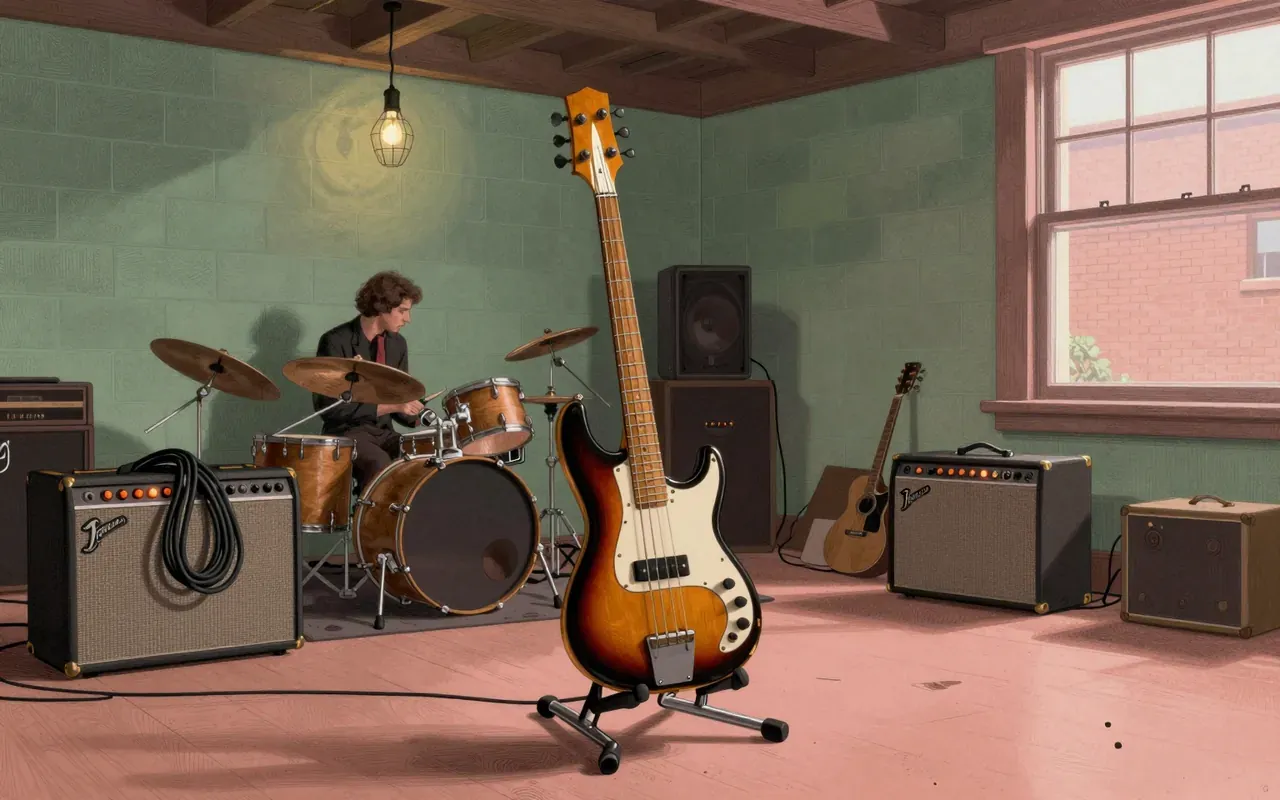
4003

Rickenbacker · 1980

The Rickenbacker 4003 debuted in 1980 as a near-twin of the 4001 with an updated truss rod system made for roundwound strings. It has neck-through construction, has stayed in continuous production, and has spawned five-string, eight-string, fretless, limited-edition and signature versions.

8:55

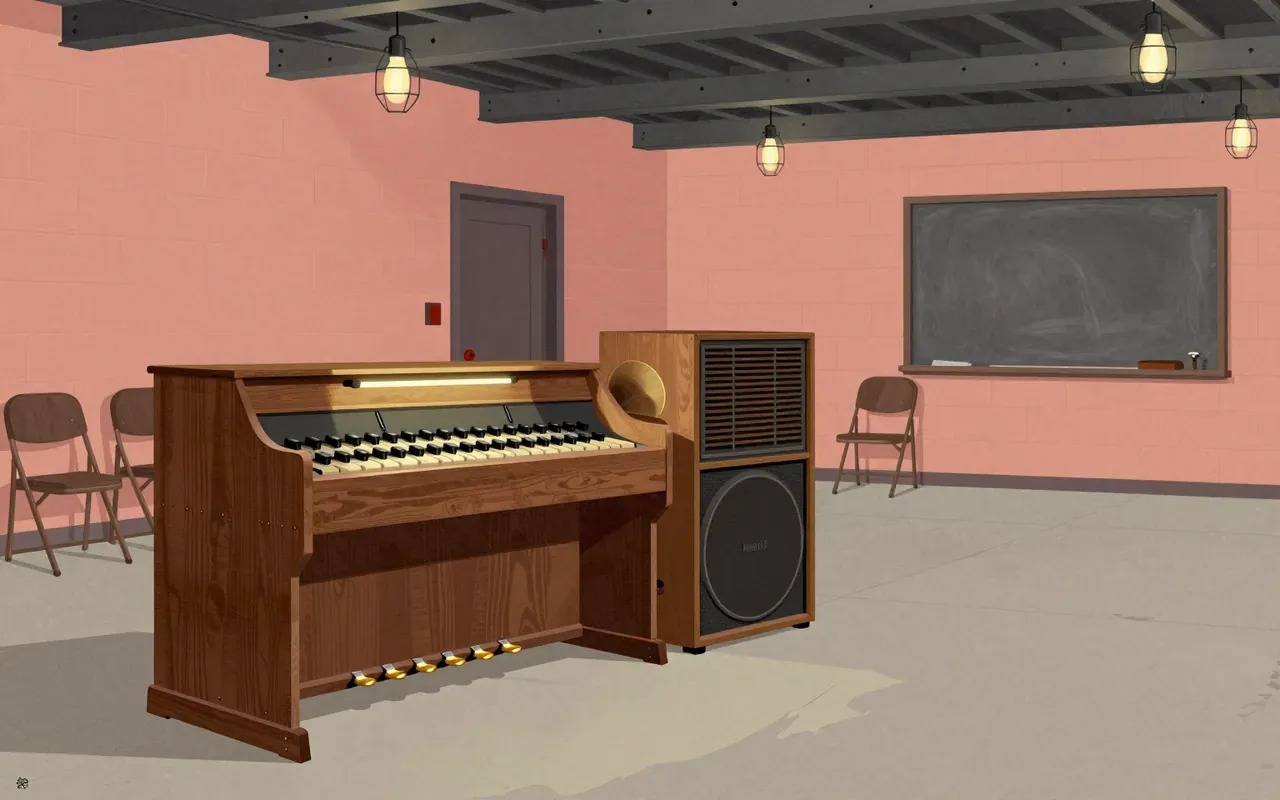
Hammond A-100

Hammond · 1959

The Hammond A-100 is a console tonewheel organ introduced in 1959. It is effectively a self-contained version of the B-3 and C-3, with an internal power amplifier and speakers, and it was built in many chassis styles identified by the last two digits of the model number.

8:41

Chamberlin M1

Chamberlin · 1970

The Chamberlin M1 appeared in 1970 as a table-top, much more durable Chamberlin design. It dropped the rhythm tapes, rewound its tapes with a return-roller system and used higher-quality playback heads. About 130 were built before production ended in 1981.

10:52

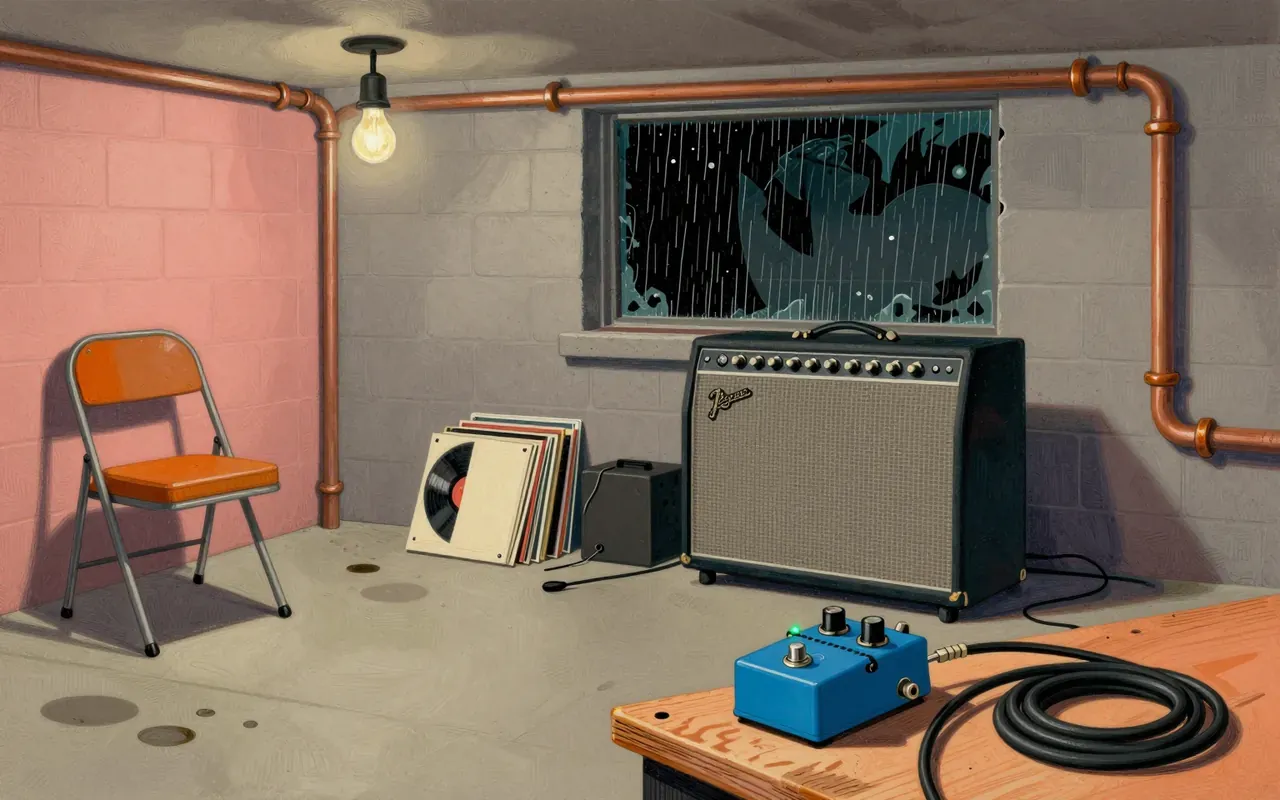
Electric Mistress

Electro-Harmonix · 1976

The Electric Mistress is an analog flanger from Electro-Harmonix, first sold in 1976 and the first flanger in pedal format. Every version after the first blue and red one has a Filter Matrix mode that freezes the flange at any point for chime-like tones. The Deluxe version is still in production, and NEO Mistress and Stereo Electric Mistress are digital recreations.

9:30

Emax II

E-mu Systems · 1989

The Emax II replaced the original Emax in fall 1989. It is a true 16-bit sampler with more polyphony and digital filters, priced from $3,595. The Emax II Turbo of 1990 added 8 MB of built-in sample memory and an internal SCSI hard disk. It stayed in production until 1995, one of the longest runs of any E-mu product.

10:14

Emulator II

E-mu Systems

The Emulator II, released in 1984, was E-mu's second sampler. It stayed an eight-bit machine but improved fidelity with companding converters and a 27.7 kHz sample rate, and it added resonant analog filters, more flexible editing and far better real-time control. At about $8,000 it was priced like the original, and far below a Fairlight.

9:30

FireworX

TC Electronic

FireworX is a multi-effects processor from the Danish company TC Electronic. It holds distortion, compression, noise and curve generators, ring modulation, vocoding, parametric EQ, tremolo, reverb and delay, and the effects can be routed in a large variety of ways. It won best Hardware Signal Processing Technology at the 1998 TEC Awards, and producers and DJs used it with CD players for live sets.

8:35

J37

Studer · 1964

The J37 is Studer’s first multitrack machine, released in 1964. It recorded four tracks on one-inch tape. At EMI Studios London, later renamed Abbey Road Studios, The Beatles used a pair of J37s to record Sgt. Pepper’s Lonely Hearts Club Band in 1967. Studer went on to build 8-, 16- and 24-track machines with tape up to two inches wide.