briefs
Topic · across the network

Propaganda

Persuasion that hides the fact it is persuading.

35
briefs
6
subjects
11:51
average
415 min
in total
Abstraction 407Absurdism 137Acoustics 220Acting 65Adaptation 372Addiction 95Adolescence 202Advertising 77Age of exploration 14Ageing 113Agriculture 100Algorithms 114Ambition 46Anarchism 38Ancient Egypt 17Ancient Greece 38Ancient Rome 30Animals 172Anthropology 23Apartheid 12Architecture 165Archives 32Argentina 10Art Deco 26Artificial intelligence 78Astronomy 81Attention 42Australia 32Automation 73Avant-garde 164Aviation 79Banking 72Banned works 40Bauhaus 12Beer 5Behavioural economics 22Berlin 16Big tech 6Biodiversity 136Biography 86Birds 41Black holes 20Blockchain 12Boxing 14Branding 77Brazil 43Bread 29Britain 131Brutalism 4Bubbles 3Buddhism 28Byzantium 10California 17Canada 18Capitalism 94Cars 468Celebrity 59Censorship 110Cheese 24Chefs 9Chemistry 104Chess 2Childhood 87China 109Chocolate 8Christianity 49Cinematography 343Cities 90Class 485Climate change 107Club culture 100Cocktails 2Coffee 11Cognitive bias 14Collecting 16Colonialism 284Colour 42Comedy 89Community 52Complexity 21Computing 309Consciousness 16Conservatism 14Conspiracy theories 8Cooking 178Corruption 38Cosmology 31Cover versions 64Craft 116Crate digging 42Creativity 8Crime 234Cryptocurrency 8Cryptography 24Cuba 10Cybersecurity 30Dada 12Debt 38Decision-making 28Decolonisation 46Deep time 80Democracy 45Denim 16Deserts 45Detroit 17Dinosaurs 12Directing 168Disasters 59Disease 109DJ culture 89Dreams 32Drones 5Drum machines 96Dystopia 69East Africa 28Ecology 337Economics 36Editing 72Education 92Egypt 12Electric vehicles 59Emotion 22Empire 92Endurance 49Energy 120Engineering 541Entropy 8Epidemics 13Equality 9Espionage 31Ethics 44Evolution 174Existentialism 106Expertise 2Exploration 49Extinction 23Failure 37Family 240Fandom 22Fascism 45Fashion 215Fast fashion 12Fear 34Feminism 122Fermentation 126Film music 81Fishing 12Folklore 71Food history 588Football 16Forests 31Forgery 7France 163Fraud 15Free will 13Freedom 16French literature 15Friendship 24Furniture 36Gambling 14Gender 63Generations 28Genetics 87Geology 96Germany 66Globalisation 74Gothic 32Greece 5Grief 126Habits 6Happiness 2Hardware 709Haute couture 22Headphones 8Hi-fi 12Hinduism 12Hoaxes 1Human history 23Human nature 41Identity 138Illustration 8Impressionism 6Improvisation 249India 89Indonesia 15Industrial design 342Inequality 13Inflation 4Information 34Infrastructure 280Insects 29Intelligence 8Interiors 31Internet culture 88Invention 329Iran 41Islam 40Islands 17Israel 9Italy 52Jamaica 10Japan 114Jewellery 5Journalism 34Judaism 13Justice 42Korea 41Language 70Law 90Leadership 20Learning 6Liberalism 1Libraries 6Literary criticism 26London 12Loneliness 61Los Angeles 62Lost works 9Love 67Luxury 55Machine learning 15Management 10Maps 5Marketing 21Markets 51Mars 6Marxism 26Masculinity 46Materials 138Mathematics 79Meaning 6Medicine 124Memory 82Mental health 70Mesopotamia 4Mexico 38Migration 95Minimalism 68Mining 30Misinformation 9Modernism 63Money 24Monopoly 32Mortality 61Motivation 2Mountains 16Museums 27Mysticism 11Mythology 60Nationalism 40Neuroscience 23New York 36Nigeria 7Nihilism 10Noise 31Nostalgia 33Nuclear 29Nutrition 17Oceans 48Oil 42Open source 45Painting 18Palaeontology 29Parenting 14Paris 18Partition 6Patents 71Patronage 14Perception 44Personal style 27Personality 2Persuasion 8Peru 10Philosophy 77Photography 37Physics 206Plants 26Platforms 89Podcasting 1Poetry 25Poland 17Policing 34Pop Art 16Populism 2Portraiture 6Portugal 18Postmodernism 23Power 91Prehistory 24Preservation 28Printmaking 21Privacy 11Probability 6Productivity 1Programming 54Prohibition 1Propaganda 35Protest 75Pseudoscience 17Psychology 80Publishing 22Punishment 16Quantum mechanics 44Race 145Radio 30Railways 35Rave 17Realism 47Record labels 19Recording 810Relativity 23Religion 154Resilience 15Restaurants 30Restoration 2Retail 94Revolution 58Risk 18Ritual 96Robotics 26Romance 96Russia 58Salt 9Sampling 246Satire 84Scandinavia 28Scientific method 186Screenwriting 26Sculpture 7Secularism 2Self-deception 14Semiconductors 73Sexuality 102Ships 18Silence 24Silicon Valley 17Slavery 35Sleep 2Smartphones 27Sneakers 15Social media 58Socialism 9Software 68Songwriting 180Sound design 332Sound systems 20South Africa 19South East Asia 30Space exploration 84Spain 18Special effects 41Spices 62Spirits 12Sport 82Startups 21Statistics 10Status 9Stoicism 4Storytelling 68Strategy 70Street food 99Streetwear 16Studio craft 508Subcultures 59Sugar 12Supply chains 115Surrealism 53Surveillance 21Sustainability 30Synthesis 232Tailoring 37Taxation 14Tea 24Textiles 97Thailand 11The American Revolution 19The American South 88The Arab world 41The Arctic 19The Balkans 17The Belle Epoque 13The body 29The brain 26The Caribbean 28The civil rights movement 62The Cold War 160The eighties 268The Enlightenment 29The financial crisis 19The First World War 39The food industry 157The French Revolution 9The Gilded Age 9The Great Depression 18The Holocaust 20The Industrial Revolution 93The internet 61The interwar years 135The Middle Ages 35The Moon 4The music business 169The Netherlands 10The nineties 26The Olympics 10The pandemic 13The Reformation 1The Renaissance 16The Russian Revolution 19The Second World War 102The seventies 58The sixties 28The space race 5The United States 19The universe 7The Victorian era 37Therapy 20Tokyo 11Trade 48Tragedy 22Translation 5Trauma 85Travel 5True crime 2Turkey 18Typography 54Uniforms 23Unions 8Urban planning 66Utilitarianism 1Utopia 5Vaccines 10Vegetarianism 15Venture capital 6Video games 291Vietnam 12Vintage 65Vinyl 6Virtual reality 11War 169Watches 4Water 11Weather 29West Africa 29Wilderness 10Wine 3Work 22Workwear 19Worldbuilding 121

books.briefs Books

All 1 in books →
10:00

1984

George Orwell · 1949

Orwell's 1949 novel follows Winston Smith in a state where the party controls language, history, and thought. The brief covers the mechanics of totalitarian control, what Orwell gets right about power, and which parts of the book hold up.

film.briefs Film

All 17 in film →
13:00

49th Parallel

Michael Powell · 1941

49th Parallel (1941), directed by Michael Powell and written by Emeric Pressburger, follows six German sailors stranded in Canada after their U-boat is destroyed. As they attempt to cross into neutral America, each encounter — with Inuit hunters, Hutterite farmers, a bohemian writer, and a disillusioned soldier — exposes the limits of Nazi ideology. Shot across Canada and at Denham Studios, with music by Ralph Vaughan Williams and editing by David Lean, it is a morally precise, formally restrained war drama that argues through confrontation, not combat.

13:00

Alexander Nevsky

Sergei Eisenstein, Dmitri Vasilyev · 1938

Alexander Nevsky (1938) is a Soviet historical drama directed by Sergei Eisenstein and Dmitri Vasilyev, depicting Prince Alexander’s defeat of the Teutonic Knights in 1242. Shot by Eduard Tisse and scored by Sergei Prokofiev, it uses stylised performances, rigorous montage, and a landmark battle sequence to advance a socialist realist vision of collective defence and principled leadership. Though shaped by Stalin-era constraints — including censorship and allegorical framing — its formal control and thematic cohesion remain potent. It is less a period piece than a functional artefact: history made operational.

13:00

Boat People

Ann Hui · 1982

Ann Hui’s 1982 docudrama, shot on Hainan Island with PRC permission, follows a Japanese photojournalist witnessing life in post-war Vietnam. Built from interviews with Vietnamese refugees, it renders systemic coercion through restrained performances, unvarnished cinematography, and a structure that contrasts staged propaganda with lived hardship. It won Best Film at the 1983 Hong Kong Film Awards and remains a landmark of Hong Kong New Wave realism.

13:00

Bowling for Columbine

Michael Moore · 2002

Michael Moore’s 2002 documentary uses the Columbine massacre as a lens to examine America’s relationship with guns, fear, and violence. Through staged interventions, selective interviews, and associative editing, it builds a case against cultural complacency — not by proving single causes, but by exposing patterns of denial, profit, and performance. It won the Academy Award for Best Documentary and remains a touchstone for debates about advocacy filmmaking.

13:00

General Idi Amin Dada: A Self Portrait

Barbet Schroeder · 1974

Barbet Schroeder’s 1974 documentary follows Idi Amin across military drills, cabinet meetings, and staged spectacles, all filmed with Amin’s full cooperation and direction. Shot by Néstor Almendros, it presents Amin’s self-mythology without commentary, letting his rhetoric, gestures, and contradictions accumulate as evidence. Though stripped of historical context or moral framing, its rigour lies in sustained observation — a portrait not of a man, but of power performing itself.

13:00

Hearts and Minds

Peter Davis · 1974

Hearts and Minds (1974), directed by Peter Davis, is a fiercely focused documentary about the Vietnam War that builds its argument through juxtaposition rather than narration. Shot by Richard Pearce and edited by Lynzee Klingman, it assembles interviews with American officials, veterans, and Vietnamese civilians into a sustained critique of US assumptions about race, power, and civilisation. Winning the 1975 Academy Award for Best Documentary, it remains polarising: praised for its moral urgency and condemned for its selectivity. Its enduring significance lies not in balance, but in its unflinching exposure of how language enables violence—and how footage, once recorded, outlives intention.

13:00

In Which We Serve

Noël Coward, David Lean · 1942

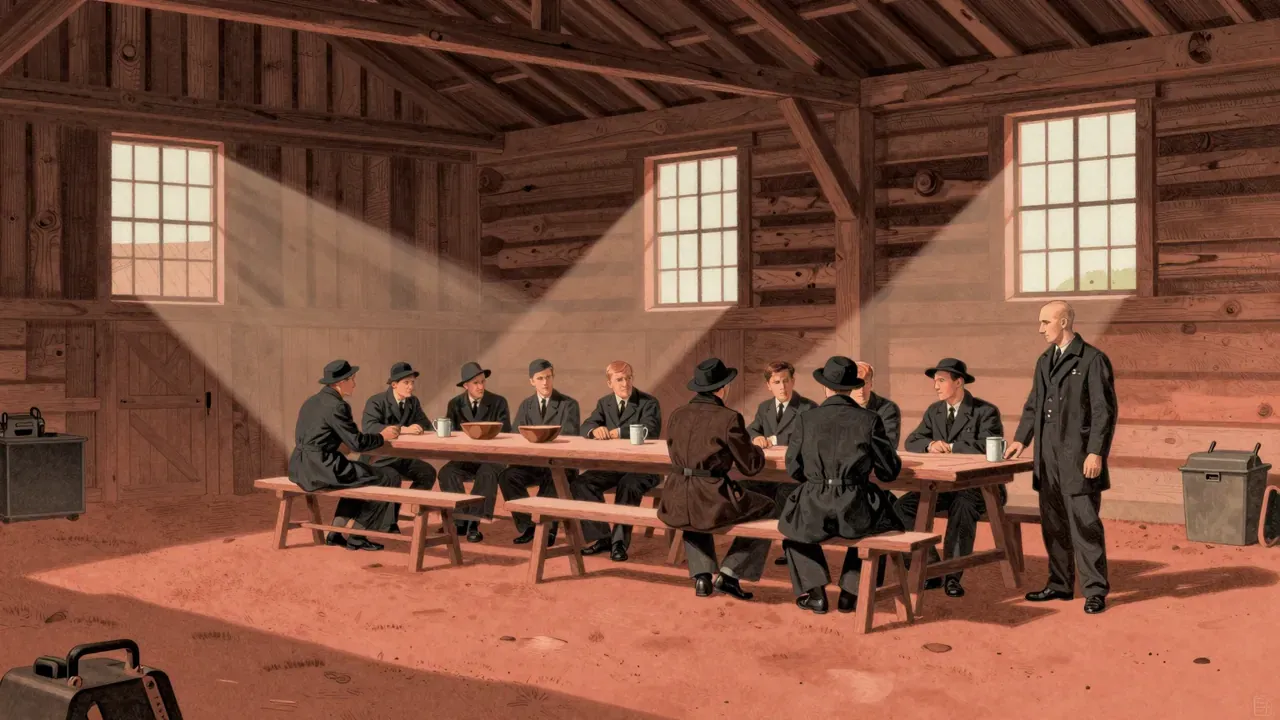
Made in 1942 with Ministry of Information backing, In Which We Serve tells the story of HMS Torrin through flashbacks from survivors adrift after its sinking off Crete. Directed by Noël Coward and David Lean, it traces the ship’s commissioning, service at Narvik and Dunkirk, and the private lives of its crew — from Captain Kinross to sailor Shorty Blake. Its power lies in restraint: understated performances, muted cinematography, and a structure that treats duty as continuity, not climax.

13:00

Mr. Freedom

William Klein · 1969

William Klein’s 1969 Mr. Freedom is a French-made English-language satirical comedy starring Albert Augier as a US vigilante sent to France to combat communism — and to enforce a ‘white wall of freedom’. With Delphine Seyrig, Donald Pleasence, and Daniel Cohn-Bendit, it deploys inflatable villains, supermarket embassies, and nuclear brinkmanship to dissect Cold War rhetoric, white nationalism, and the theatricality of power. Pierre Lhomme shot it; Michel Colombier scored it. It is abrasive, uncompromising, and deliberately exhausting — less a story than a sustained political provocation.

history.briefs History

All 7 in history →
13:00

September 11 attacks

11 September 2001

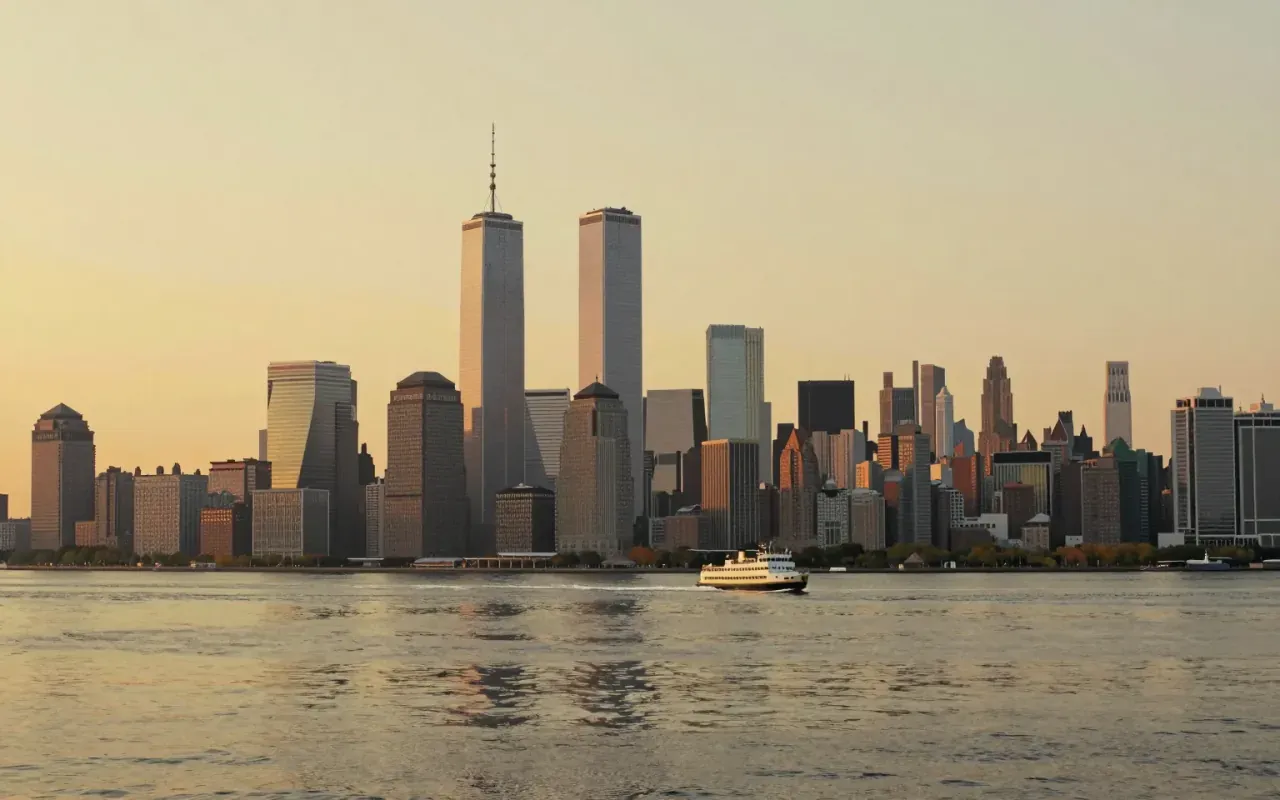
On 11 September 2001, al-Qaeda operatives hijacked four airliners and crashed three of them into the World Trade Center and the Pentagon, with the fourth brought down by passengers over Pennsylvania, killing 2,977 people. The 9/11 Commission's 2004 report established the plot's planning in detail, while the wars in Afghanistan and Iraq that followed are estimated by the Costs of War Project to have contributed to over 4.5 million deaths in the decades since.

13:00

Beer Hall Putsch

8 November – 9 November 1923

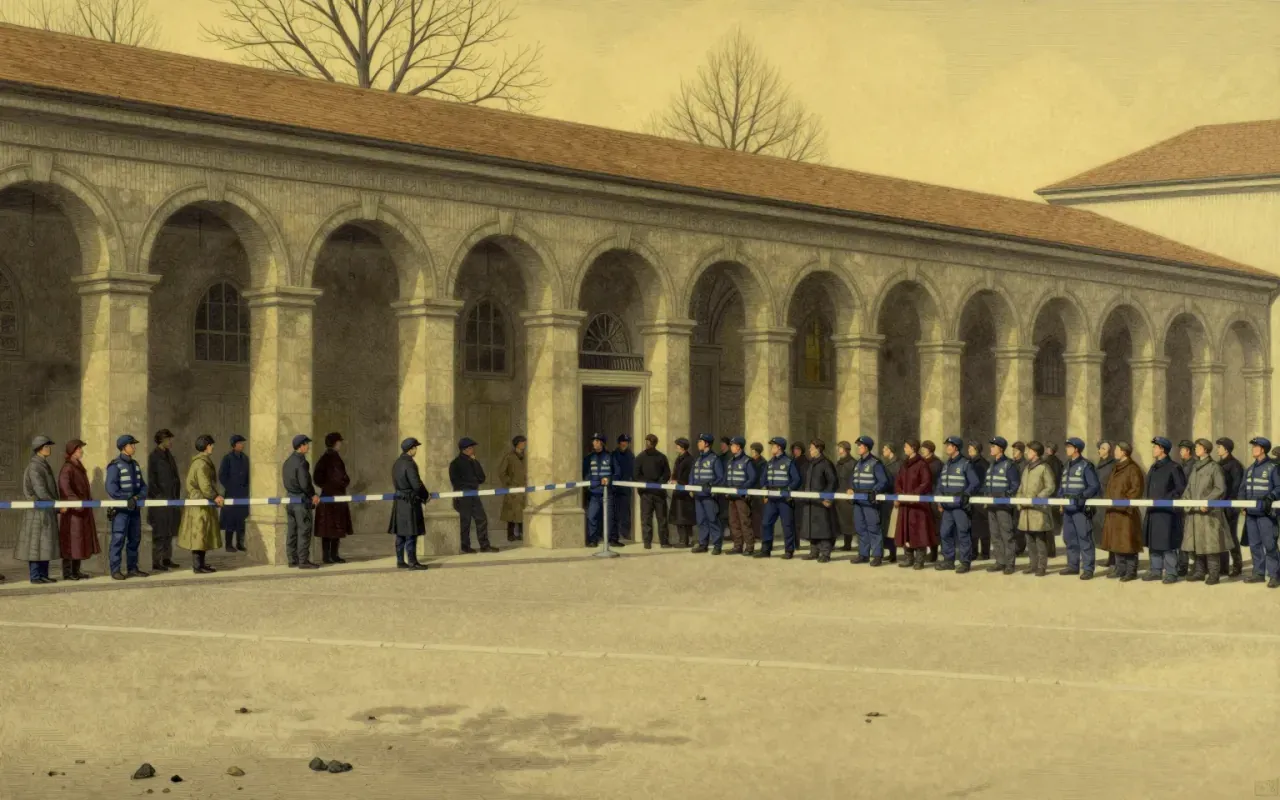
Hitler's attempt to seize power in Munich on 8 and 9 November 1923 collapsed within hours once a police cordon met his marching supporters with gunfire, killing sixteen Nazis and four police officers before Hitler was arrested two days later. His trial gave him national publicity he had not had before, his sentence amounted to comfortable fortress confinement rather than harsh imprisonment, and the nine months he actually served produced Mein Kampf and a deliberate strategic shift from armed putsch to the legal route that brought him to power a decade later.

13:00

Cultural Revolution

1966–1976

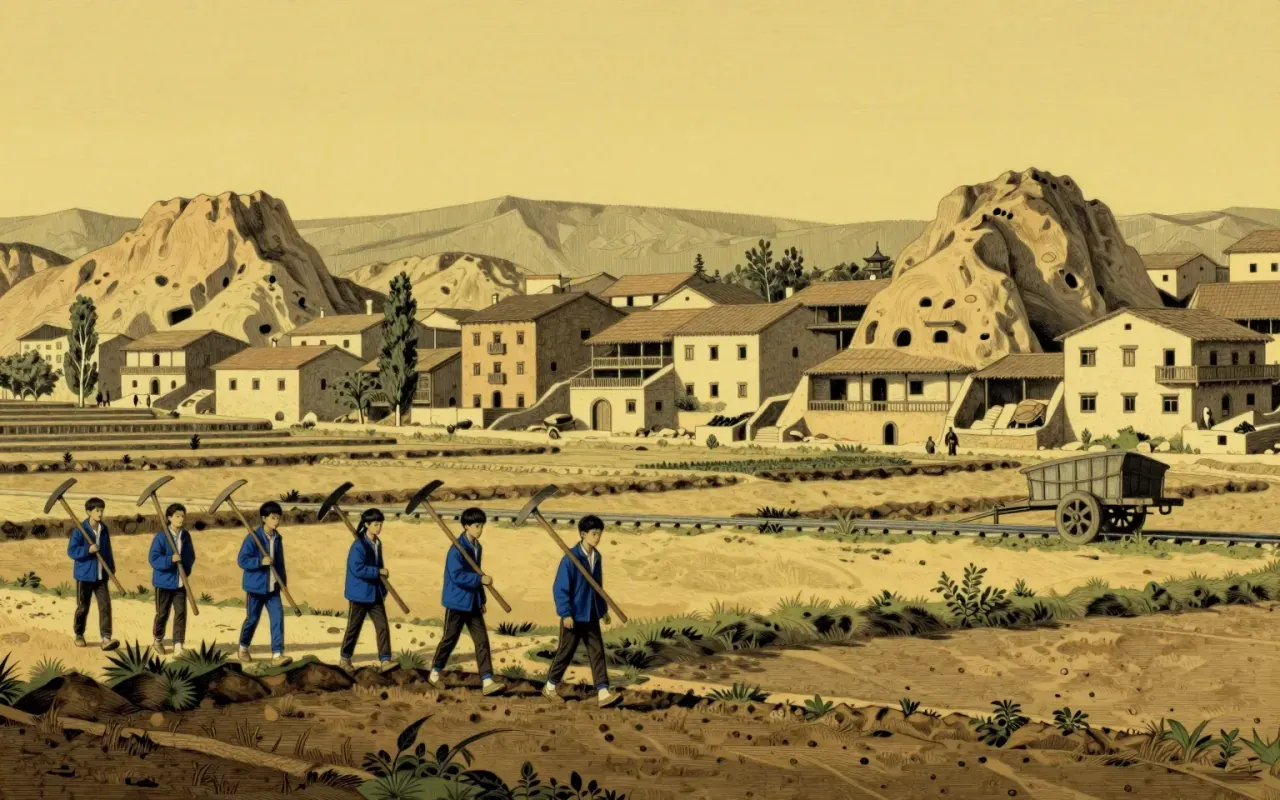
Mao Zedong launched the Cultural Revolution in May 1966 to purge rivals and eliminate what he saw as capitalist and traditional influence within Chinese society, mobilising Red Guards against officials, intellectuals and cultural institutions. It ran for a decade, until his death in September 1976, disrupting education, displacing millions of urban youth to the countryside, and killing an estimated one to two million people, before the Communist Party's own 1981 verdict formally condemned it as catastrophic.

13:00

Hundred Flowers Campaign

1956–1957

In 1956 Mao Zedong invited public criticism of the Communist Party, encouraging intellectuals to speak freely under the slogan of a hundred flowers blooming. Criticism grew sharper through early 1957 until, within months, Mao reversed course and recast critics as hostile rightists, launching a crackdown that branded roughly four hundred thousand people rightists. Historians still dispute whether the invitation was a deliberate trap or a genuine liberalisation that alarmed its own author once it succeeded.

13:00

History of the Philippines (1965–1986)

1965 to 1986

Ferdinand Marcos declared martial law in September 1972 and ruled the Philippines by decree for the following decade, a period historian Alfred McCoy documents as involving over three thousand extrajudicial killings and tens of thousands tortured or detained, while the Marcos family allegedly stole as much as ten billion dollars from state coffers. His government fell to the peaceful 1986 People Power Revolution after a fraudulent snap election, and Philippine politics remains divided today between accounts of the era as a golden age of development and documented evidence of its authoritarian and economic costs.

13:00

History of fascism (1922–1945)

1922–1945

Fascism emerged as a distinct political movement in early twentieth-century Europe, rooted in a broader turn-of-the-century revolt against liberal democracy, and took power first in Italy under Benito Mussolini after the 1922 March on Rome, then in Germany under Adolf Hitler from 1933, before spreading in varied national forms to Spain, Hungary, Romania and elsewhere through the interwar period. Historians including Robert Paxton and Stanley Payne describe fascism as a genuinely diverse and evolving synthesis of ideas rather than a single coherent system, a definitional looseness that continues to complicate comparisons between its different national movements.

13:00

Sinking of RMS Lusitania

7 May 1915

On 7 May 1915 a German submarine torpedoed the Cunard liner Lusitania off the Irish coast, killing roughly twelve hundred of the 1,960 people aboard in eighteen minutes. Three inquiries, in Cork, London and New York, examined what happened, but they disagreed among themselves and with each other about the death toll, the cause of a mysterious second explosion, and whether a liner carrying declared war cargo was a legitimate target. The sinking hardened American opinion against Germany, though the United States did not enter the war for almost two more years.

design.briefs Design

All 1 in design →
9:49

Constructivism (art)

Constructivism isn’t about looking modern — it’s about building society with rivets, type, and montage.

business.briefs Business

All 1 in business →
9:56

Telemadrid

A public broadcaster that swapped editorial independence for political utility—and paid for it in audience, credibility, and legality.

culture.briefs Culture

All 8 in culture →
8:42

Fake news

Fake news isn’t about truth—it’s about which lies move faster than facts.
8:37

Astroturfing

Astroturfing isn’t persuasion — it’s sabotage disguised as participation.
8:26

DJ Culture

Political rhetoric is sampled like beats: unreflectively, out of context, for effect.
8:40

Propaganda

Propaganda isn’t lying—it’s controlling what you notice, feel, and do next.
10:45

Manufacturing Consent

It doesn’t expose bias — it maps the machinery that makes bias structural, inevitable, and invisible.
9:01

British Council

A state-backed cultural agency founded not to share art, but to fight ideology — and still operating on that premise.