briefs
Topic · across the network

China

A civilisation that keeps outlasting the people who declare it finished.

109
briefs
8
subjects
10:17
average
1121 min
in total
Abstraction 407Absurdism 137Acoustics 220Acting 65Adaptation 372Addiction 95Adolescence 202Advertising 77Age of exploration 14Ageing 113Agriculture 100Algorithms 114Ambition 46Anarchism 38Ancient Egypt 17Ancient Greece 38Ancient Rome 30Animals 172Anthropology 23Apartheid 12Architecture 165Archives 32Argentina 10Art Deco 26Artificial intelligence 78Astronomy 81Attention 42Australia 32Automation 73Avant-garde 164Aviation 79Banking 72Banned works 40Bauhaus 12Beer 5Behavioural economics 22Berlin 16Big tech 6Biodiversity 136Biography 86Birds 41Black holes 20Blockchain 12Boxing 14Branding 77Brazil 43Bread 29Britain 131Brutalism 4Bubbles 3Buddhism 28Byzantium 10California 17Canada 18Capitalism 94Cars 468Celebrity 59Censorship 110Cheese 24Chefs 9Chemistry 104Chess 2Childhood 87China 109Chocolate 8Christianity 49Cinematography 343Cities 90Class 485Climate change 107Club culture 100Cocktails 2Coffee 11Cognitive bias 14Collecting 16Colonialism 284Colour 42Comedy 89Community 52Complexity 21Computing 309Consciousness 16Conservatism 14Conspiracy theories 8Cooking 178Corruption 38Cosmology 31Cover versions 64Craft 116Crate digging 42Creativity 8Crime 234Cryptocurrency 8Cryptography 24Cuba 10Cybersecurity 30Dada 12Debt 38Decision-making 28Decolonisation 46Deep time 80Democracy 45Denim 16Deserts 45Detroit 17Dinosaurs 12Directing 168Disasters 59Disease 109DJ culture 89Dreams 32Drones 5Drum machines 96Dystopia 69East Africa 28Ecology 337Economics 36Editing 72Education 92Egypt 12Electric vehicles 59Emotion 22Empire 92Endurance 49Energy 120Engineering 541Entropy 8Epidemics 13Equality 9Espionage 31Ethics 44Evolution 174Existentialism 106Expertise 2Exploration 49Extinction 23Failure 37Family 240Fandom 22Fascism 45Fashion 215Fast fashion 12Fear 34Feminism 122Fermentation 126Film music 81Fishing 12Folklore 71Food history 588Football 16Forests 31Forgery 7France 163Fraud 15Free will 13Freedom 16French literature 15Friendship 24Furniture 36Gambling 14Gender 63Generations 28Genetics 87Geology 96Germany 66Globalisation 74Gothic 32Greece 5Grief 126Habits 6Happiness 2Hardware 709Haute couture 22Headphones 8Hi-fi 12Hinduism 12Hoaxes 1Human history 23Human nature 41Identity 138Illustration 8Impressionism 6Improvisation 249India 89Indonesia 15Industrial design 342Inequality 13Inflation 4Information 34Infrastructure 280Insects 29Intelligence 8Interiors 31Internet culture 88Invention 329Iran 41Islam 40Islands 17Israel 9Italy 52Jamaica 10Japan 114Jewellery 5Journalism 34Judaism 13Justice 42Korea 41Language 70Law 90Leadership 20Learning 6Liberalism 1Libraries 6Literary criticism 26London 12Loneliness 61Los Angeles 62Lost works 9Love 67Luxury 55Machine learning 15Management 10Maps 5Marketing 21Markets 51Mars 6Marxism 26Masculinity 46Materials 138Mathematics 79Meaning 6Medicine 124Memory 82Mental health 70Mesopotamia 4Mexico 38Migration 95Minimalism 68Mining 30Misinformation 9Modernism 63Money 24Monopoly 32Mortality 61Motivation 2Mountains 16Museums 27Mysticism 11Mythology 60Nationalism 40Neuroscience 23New York 36Nigeria 7Nihilism 10Noise 31Nostalgia 33Nuclear 29Nutrition 17Oceans 48Oil 42Open source 45Painting 18Palaeontology 29Parenting 14Paris 18Partition 6Patents 71Patronage 14Perception 44Personal style 27Personality 2Persuasion 8Peru 10Philosophy 77Photography 37Physics 206Plants 26Platforms 89Podcasting 1Poetry 25Poland 17Policing 34Pop Art 16Populism 2Portraiture 6Portugal 18Postmodernism 23Power 91Prehistory 24Preservation 28Printmaking 21Privacy 11Probability 6Productivity 1Programming 54Prohibition 1Propaganda 35Protest 75Pseudoscience 17Psychology 80Publishing 22Punishment 16Quantum mechanics 44Race 145Radio 30Railways 35Rave 17Realism 47Record labels 19Recording 810Relativity 23Religion 154Resilience 15Restaurants 30Restoration 2Retail 94Revolution 58Risk 18Ritual 96Robotics 26Romance 96Russia 58Salt 9Sampling 246Satire 84Scandinavia 28Scientific method 186Screenwriting 26Sculpture 7Secularism 2Self-deception 14Semiconductors 73Sexuality 102Ships 18Silence 24Silicon Valley 17Slavery 35Sleep 2Smartphones 27Sneakers 15Social media 58Socialism 9Software 68Songwriting 180Sound design 332Sound systems 20South Africa 19South East Asia 30Space exploration 84Spain 18Special effects 41Spices 62Spirits 12Sport 82Startups 21Statistics 10Status 9Stoicism 4Storytelling 68Strategy 70Street food 99Streetwear 16Studio craft 508Subcultures 59Sugar 12Supply chains 115Surrealism 53Surveillance 21Sustainability 30Synthesis 232Tailoring 37Taxation 14Tea 24Textiles 97Thailand 11The American Revolution 19The American South 88The Arab world 41The Arctic 19The Balkans 17The Belle Epoque 13The body 29The brain 26The Caribbean 28The civil rights movement 62The Cold War 160The eighties 268The Enlightenment 29The financial crisis 19The First World War 39The food industry 157The French Revolution 9The Gilded Age 9The Great Depression 18The Holocaust 20The Industrial Revolution 93The internet 61The interwar years 135The Middle Ages 35The Moon 4The music business 169The Netherlands 10The nineties 26The Olympics 10The pandemic 13The Reformation 1The Renaissance 16The Russian Revolution 19The Second World War 102The seventies 58The sixties 28The space race 5The United States 19The universe 7The Victorian era 37Therapy 20Tokyo 11Trade 48Tragedy 22Translation 5Trauma 85Travel 5True crime 2Turkey 18Typography 54Uniforms 23Unions 8Urban planning 66Utilitarianism 1Utopia 5Vaccines 10Vegetarianism 15Venture capital 6Video games 291Vietnam 12Vintage 65Vinyl 6Virtual reality 11War 169Watches 4Water 11Weather 29West Africa 29Wilderness 10Wine 3Work 22Workwear 19Worldbuilding 121

film.briefs Film

All 13 in film →
13:00

Dim Sum: A Little Bit of Heart

Wayne Wang · 1985

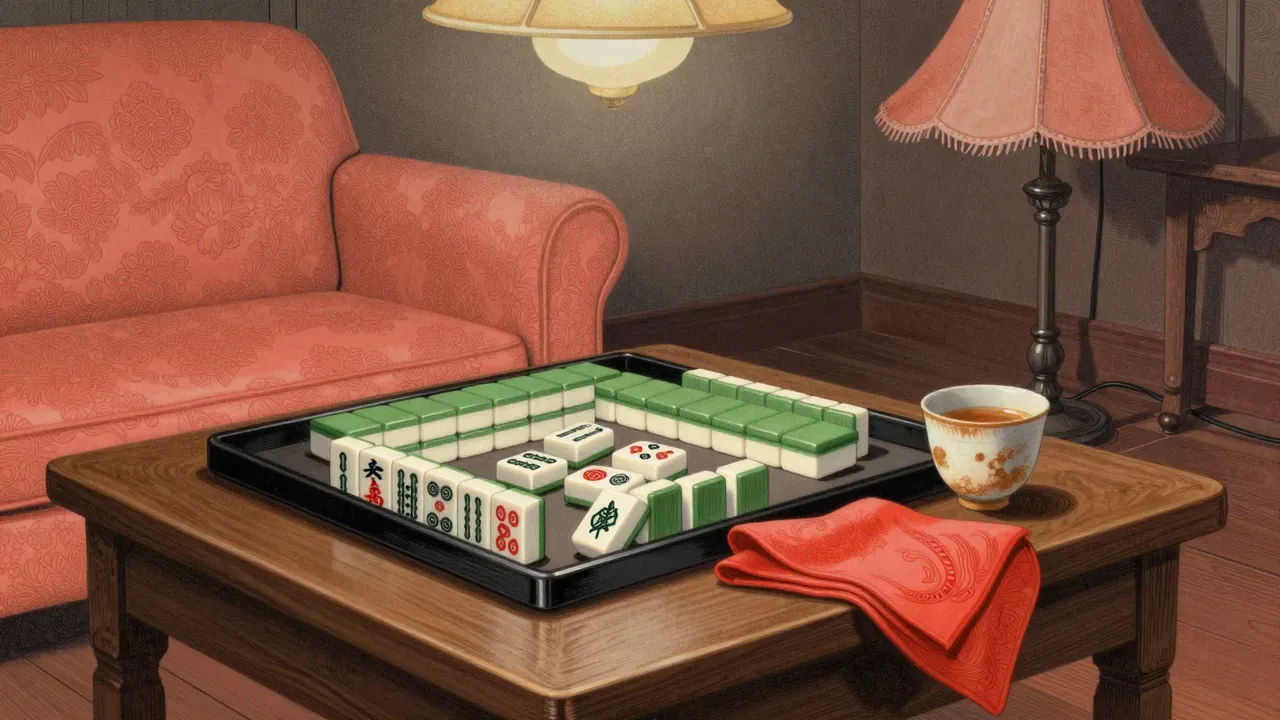
Dim Sum: A Little Bit of Heart (1985), directed by Wayne Wang, follows Julia, a Chinese immigrant widow in San Francisco, as she navigates the Lunar New Year amid a fortune-teller’s prediction of her death. With gentle precision, the film observes her efforts to arrange her daughter’s marriage and revisit China, all within the rhythms of family meals, mahjong games, and unspoken affection. Starring Cora Miao, Victor Wong, Joan Chen, and Amy Hill, it is a restrained, dialogue-driven drama grounded in behavioural realism and cultural specificity.
13:00

Farewell My Concubine

Chen Kaige · 1993

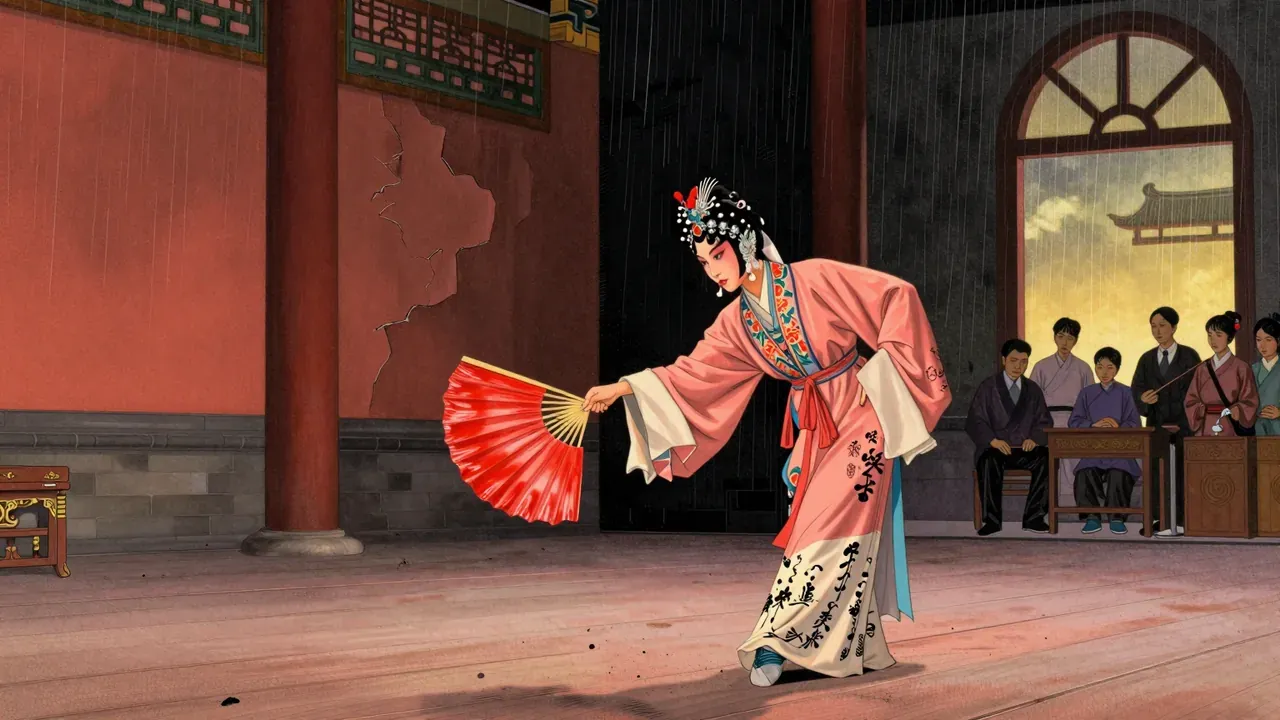
Farewell My Concubine follows two Peking opera performers across five decades of Chinese history. Their artistic partnership and fraught personal bond are tested by war, revolution, and ideological purges. Directed by Chen Kaige and starring Leslie Cheung, Zhang Fengyi, and Gong Li, it uses the formal rigour of opera as both subject and structure — tracing how discipline, repetition, and gesture sustain and ultimately shatter the self.
13:00

Once Upon a Time in China II

Tsui Hark · 1992

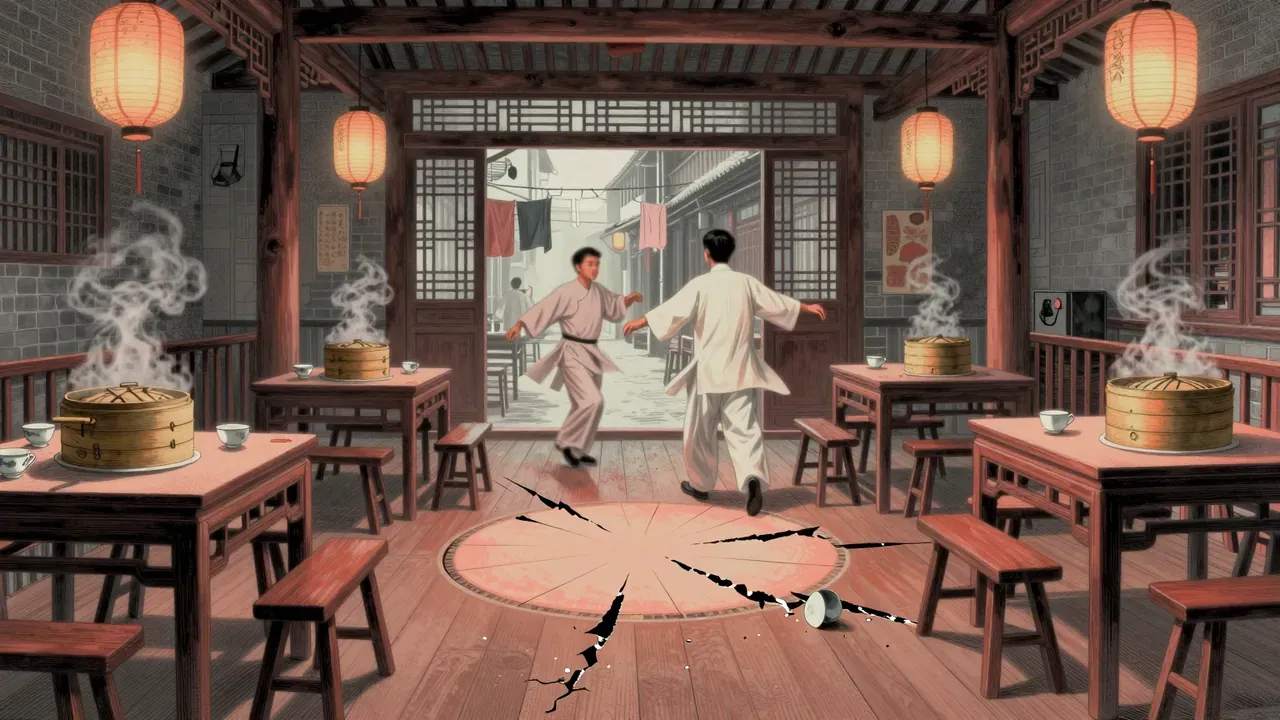
Tsui Hark’s 1992 sequel follows Jet Li’s Wong Fei-hung through 1895 Canton, where acupuncture seminars are stormed by cultists, British consulates are breached by Qing soldiers, and revolution is passed hand-to-hand on a scrap of cloth. With Arthur Wong’s restrained cinematography and Yuen Woo-ping’s grounded choreography, it frames wuxia not as fantasy but as embodied history — urgent, unresolved, and materially precise.

13:00

Once Upon a Time in China III

Tsui Hark · 1993

Once Upon a Time in China III (1993), directed by Tsui Hark, follows Wong Fei-hung to Beijing for a state-sponsored lion dance competition meant to restore Chinese prestige amid foreign imperialism. Jet Li anchors a tightly plotted narrative where choreography, moral choice, and historical constraint converge — culminating in a scaffold battle and a rejected medal. Andrew Lau’s cinematography and Marco Mak’s editing serve clarity over flourish. The film works best when action carries meaning and falters when plot relies on underdeveloped antagonists or external conspiracies.

13:00

Once Upon a Time in China IV

Yuen Bun · 1993

Once Upon a Time in China IV (1993) replaces Jet Li with Vincent Zhao and Tsui Hark with Yuen Bun, shifting focus from moral authority to symbolic performance. Set in Beijing during the Boxer Rebellion, it pits Wong Fei-hung against a xenophobic cult and an international lion dance competition rigged by colonial powers. Arthur Wong’s functional cinematography and Yuen Bun’s weapon-focused choreography anchor a thin script, where political stakes remain vague but physical detail — rope, lantern smoke, masked formations — carries real weight.

13:00

The Last Emperor

Bernardo Bertolucci · 1987

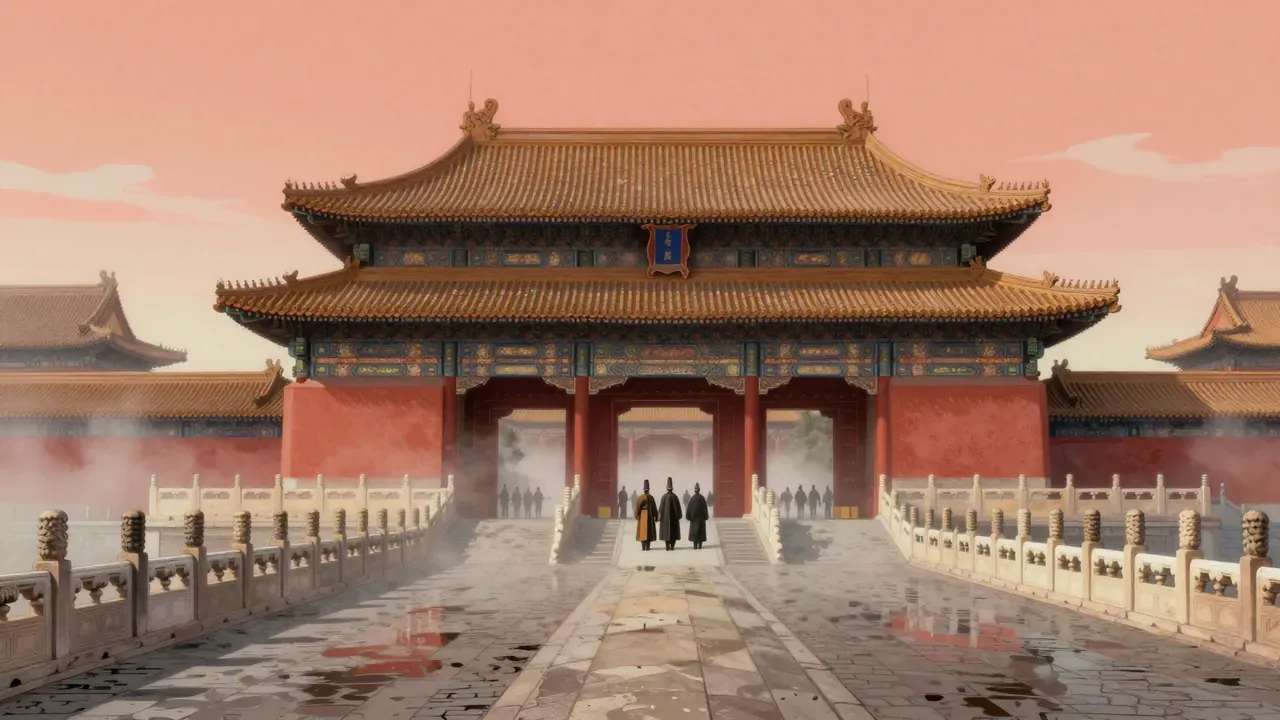
Bernardo Bertolucci’s 1987 epic traces the life of Puyi, last Emperor of China, from infant coronation in the Forbidden City to political re-education in a Communist prison. Shot on location in Beijing with unprecedented access, it uses scale, silence and ritual to explore how systems — imperial, colonial, fascist, communist — inscribe themselves on a single body. John Lone stars, supported by Joan Chen, Peter O'Toole and a cast of thousands. Vittorio Storaro’s cinematography and Ryuichi Sakamoto’s score anchor its formal rigour. It won nine Academy Awards, including Best Picture and Best Director.

13:00

Drunken Master II

Lau Kar-leung · 1994

Drunken Master II is a 1994 Hong Kong martial arts film directed by Lau Kar-leung and starring Jackie Chan as Wong Fei-hung. Set in early 20th-century Canton, it follows Wong’s moral and physical trial after accidentally acquiring an Imperial Seal targeted by British colonial agents. Built around formally distinct fight scenes — Hung Ga, Shaolin, Drunken Boxing, Taekwondo — the film anchors comedy in consequence and action in lineage. Its unflinching final image of Wong’s disability remains controversial, but its choreographic rigour and ethical structure mark it as a high point of the genre.

13:00

Raise the Red Lantern

Zhang Yimou · 1991

A 1991 Mandarin-language period drama directed by Zhang Yimou and adapted by Ni Zhen from Su Tong’s novella, Raise the Red Lantern follows Songlian (Gong Li), a young woman forced into becoming the fourth wife of a wealthy patriarch in 1920s Republican China. Set within the rigid confines of the Qiao Family Compound, the film charts her gradual subjection to a system where status is signalled by red lanterns, nightly visits, and foot massages — all governed by unspoken rules and silent hierarchies. Zhao Fei’s cinematography, Zhao Jiping’s score and Gong Li’s restrained performance cohere into a portrait of enclosure, repetition and eroded agency.

history.briefs History

All 26 in history →
10:48

1911 Revolution

10 October 1911

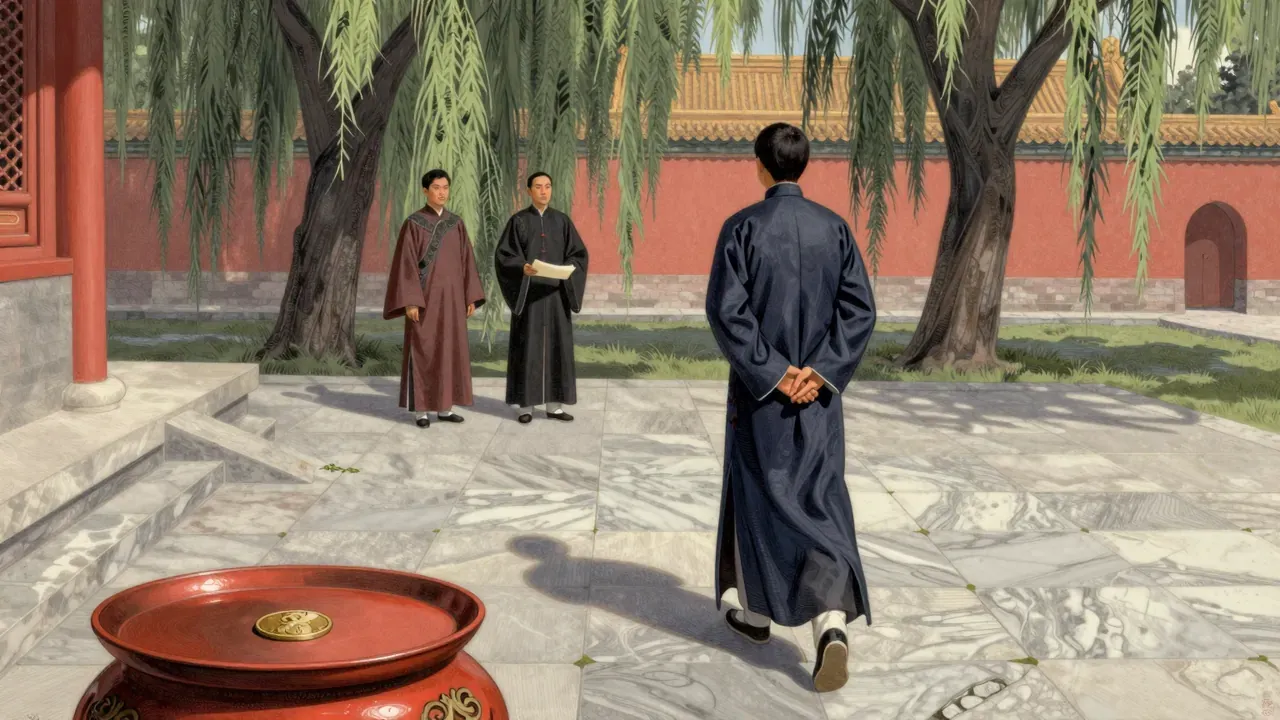
The 1911 Revolution ended the Qing dynasty and founded the Republic of China. Its success rested on military defection, not mass mobilisation. Its institutions collapsed because they lacked independent authority — Yuan Shikai controlled the army, not the constitution. It changed the form of rule but not the distribution of power.

13:33

1931 China floods

June to August 1931

The 1931 China floods were a meteorologically driven, multi-phase disaster spanning June–August 1931 across China — especially Wuhan and Nanjing — culminating in a dike breach at Lake Gaoyou on 25 August. Verified evidence includes hydrological extremes (record water levels, nine cyclones in July, >600 mm rainfall), systematic fatality estimation (University of Nanking survey, official reports), institutional responses (National Flood Relief Commission, League of Nations, Lindbergh aerial survey), and disease outcomes (31,974 cholera deaths in 1932). Disputed claims include total death tolls: Buck’s survey estimated 150,000 drowned — less than a quarter of all fatalities in the first 100 days — while an official report claimed 140,000 drowned and 2 million dead from drowning or starvation. No source reconciles these figures with the verified cholera toll or provides demographic corroboration. The event exposed limits of Kuomintang governance and flood-control infrastructure but did not trigger structural reform.

13:00

Kublai Khan

1215–1294

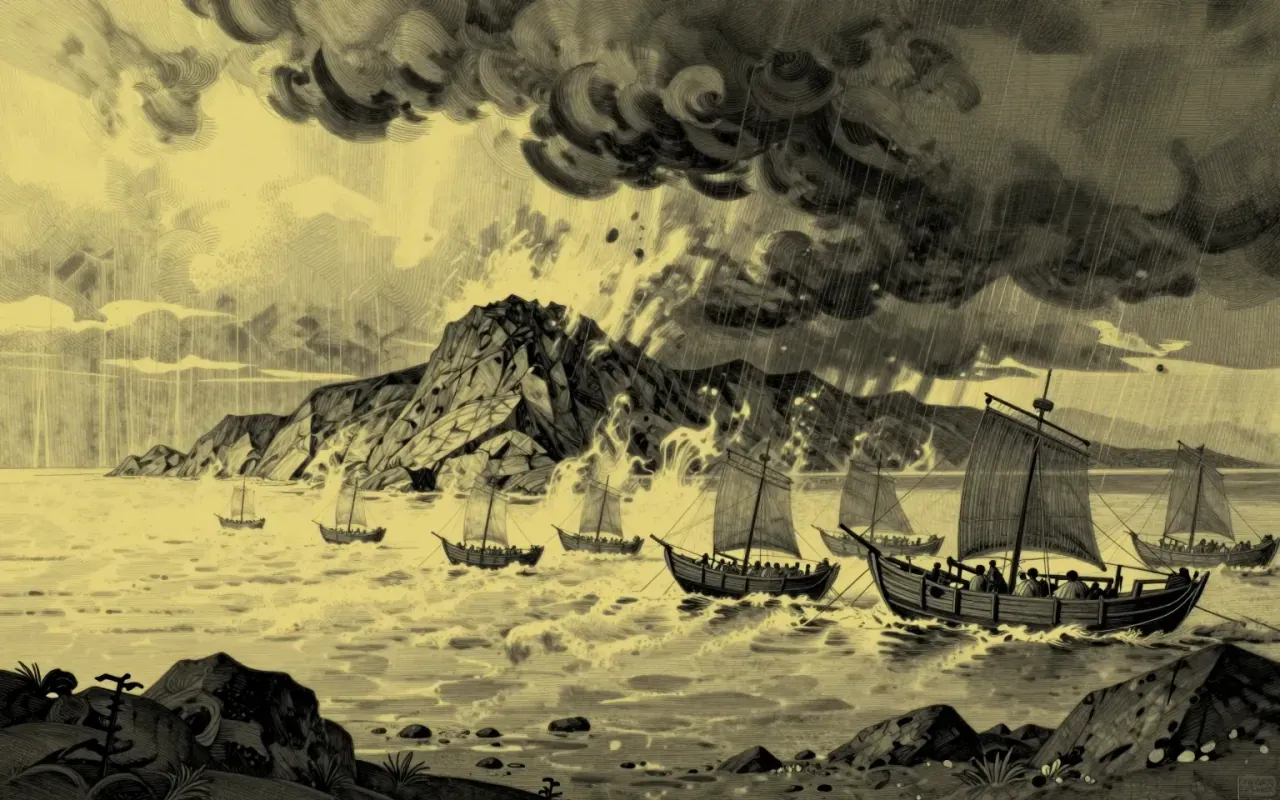
Kublai Khan, a grandson of Genghis Khan, won a civil war against his brother to become Great Khan in 1260, founded the Yuan dynasty in 1271 by moving the Mongol capital to modern Beijing, and completed the conquest of Southern Song China by 1279 to become the first non-Han ruler of all China. He governed through a deliberate blend of Chinese administrative practice and Mongol tradition that satisfied neither group fully, issued some of the earliest widespread paper currency before inflation undermined it, and launched two failed invasions of Japan, in 1274 and 1281, the second involving roughly 4,400 ships and 140,000 troops, that a modern archaeologist has argued failed partly because the fleet was built in a fraction of the time such construction normally required.

13:00

Mao Zedong

1893–1976

From a Hunan peasant household to chairman of the Chinese Communist Party for over three decades, Mao Zedong built his power on a rural strategy Marxist orthodoxy had dismissed, then used control of propaganda and education to shape how his rule would be remembered. His decades in office combined rapid industrialisation and literacy gains with famine and political purges whose full toll remains disputed. Assessments of his legacy still split sharply between accounts of a nation-builder and a mass killer.

13:00

Qin Shi Huang

259–210 BC

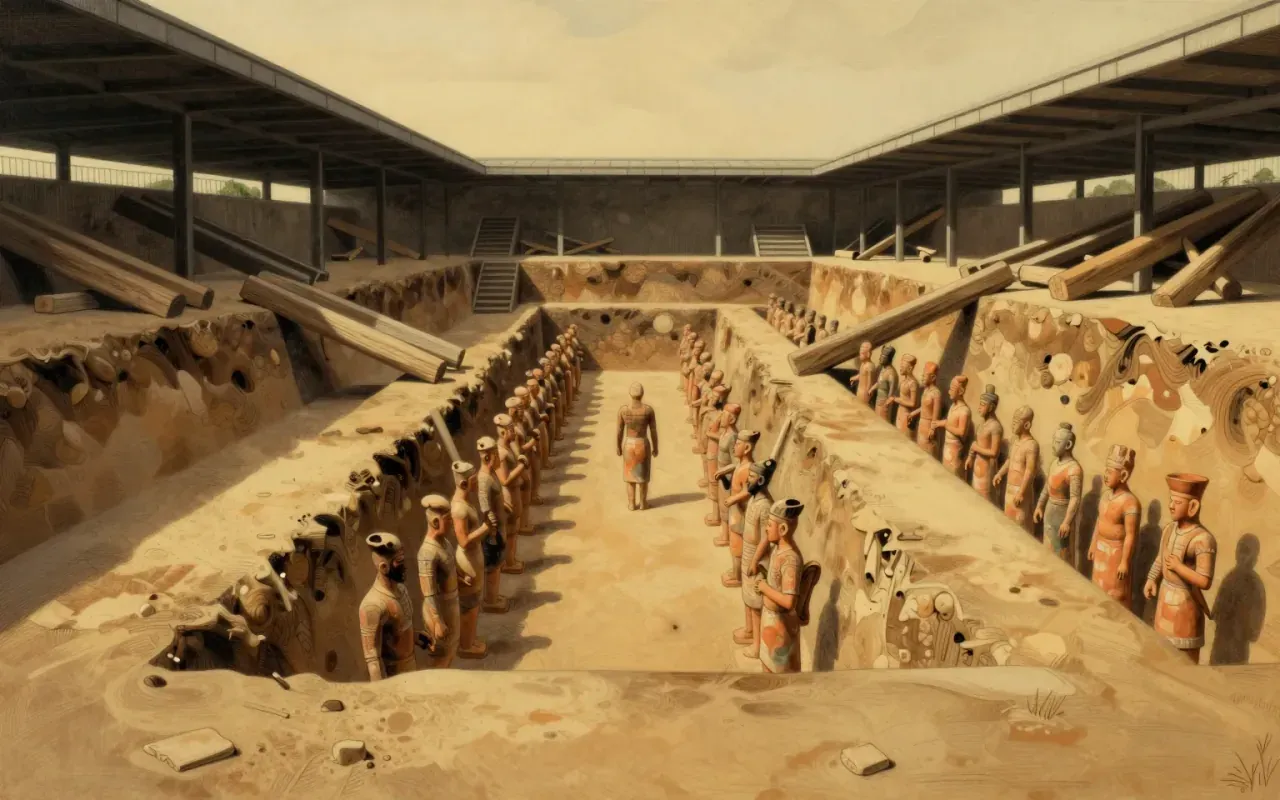
Qin Shi Huang unified China by 221 BC after conquering the six remaining Warring States, took the newly created title of emperor, and standardised the empire's writing, currency, weights and measures while organising it into centrally administered commanderies rather than hereditary fiefs, reforms whose influence Sinologist Michael Loewe has argued shaped Chinese history until 1911. He also conscripted enormous labour forces for the early Great Wall and his own vast mausoleum, discovered in part through the Terracotta Army unearthed in 1974, and died in 210 BC, probably in his forty-ninth year, while still searching for an elixir of immortality, leaving behind a reputation as a brutal tyrant that historians now trace largely to Sima Qian's history, written roughly a century later for the dynasty that had replaced his own.

13:00

Sun Yat-sen

1866–1925

Educated abroad and converted to a republican vision far removed from Qing officialdom, Sun Yat-sen spent most of two decades in exile organising failed uprisings and stitching together revolutionary factions before the 1911 Wuchang mutiny succeeded without his direct involvement. He returned to a brief provisional presidency, then years of political struggle to rebuild influence in southern China. His ideology outlived his limited direct power, and both the Nationalist and Communist governments that later divided China still honour him as their founding figure.

13:00

Boxer Indemnity Scholarship

Roosevelt returned part of an indemnity extracted after a rebellion, and called it friendship while telling Congress it was also the surest way to keep China out of Japan's orbit.
13:00

Boxer Rebellion

1899–1901

The Boxer Rebellion grew through 1899 and 1900 from economic distress, foreign encroachment and resentment of missionary privilege in northern China, as members of the Society of Righteous and Harmonious Fists, believing rituals made them invulnerable to bullets, besieged foreign legations in Beijing for fifty-five days from 20 June to 14 August 1900. An Eight-Nation Alliance of roughly 51,000 troops relieved the siege and then carried out extensive looting and reprisal killings across Beijing and the surrounding countryside, and the resulting Boxer Protocol of September 1901 imposed an indemnity of 450 million taels of silver payable over 39 years, a sum exceeding the Qing government's annual tax revenue and a debt that historians credit with accelerating the reforms that led to the dynasty's collapse a decade later.

science.briefs Science

All 1 in science →
10:32

Zheng He

Zheng He’s voyages were real, massive, and meticulously documented—but they were diplomatic pageants, not proto-colonial campaigns.

games.briefs Games

All 1 in games →
9:09

Blade & Soul

NCSoft · 2012

Blade & Soul is a Wuxia-themed MMORPG developed and published by NCSoft. Launched in June 2012, it was NCSoft’s first MMORPG since Aion in 2008. It features open-world exploration, real-time combo-based combat, four folklore-inspired races, and extensive character customisation.

business.briefs Business

All 28 in business →
11:25

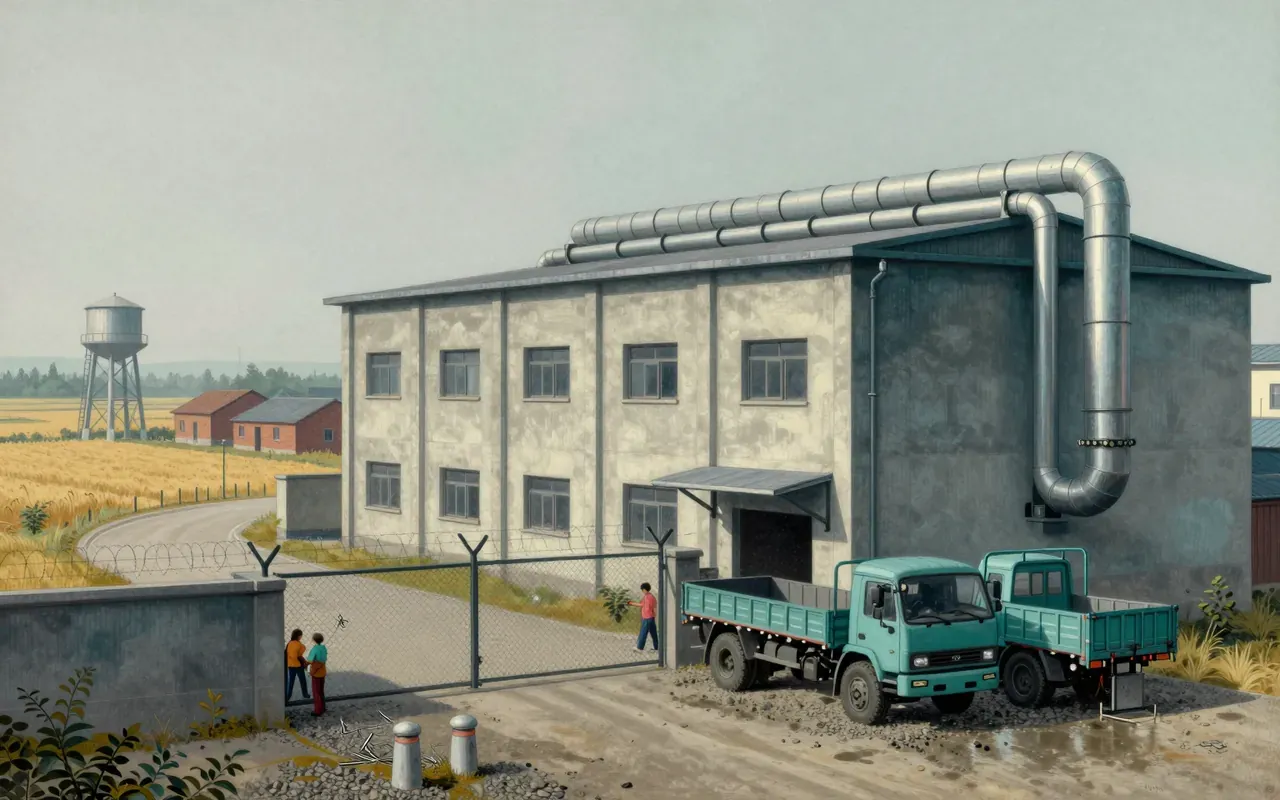
Angang Steel

A 'joint-stock' company that answers to the State Council isn’t a market actor—it’s an administrative unit with a balance sheet.
14:40

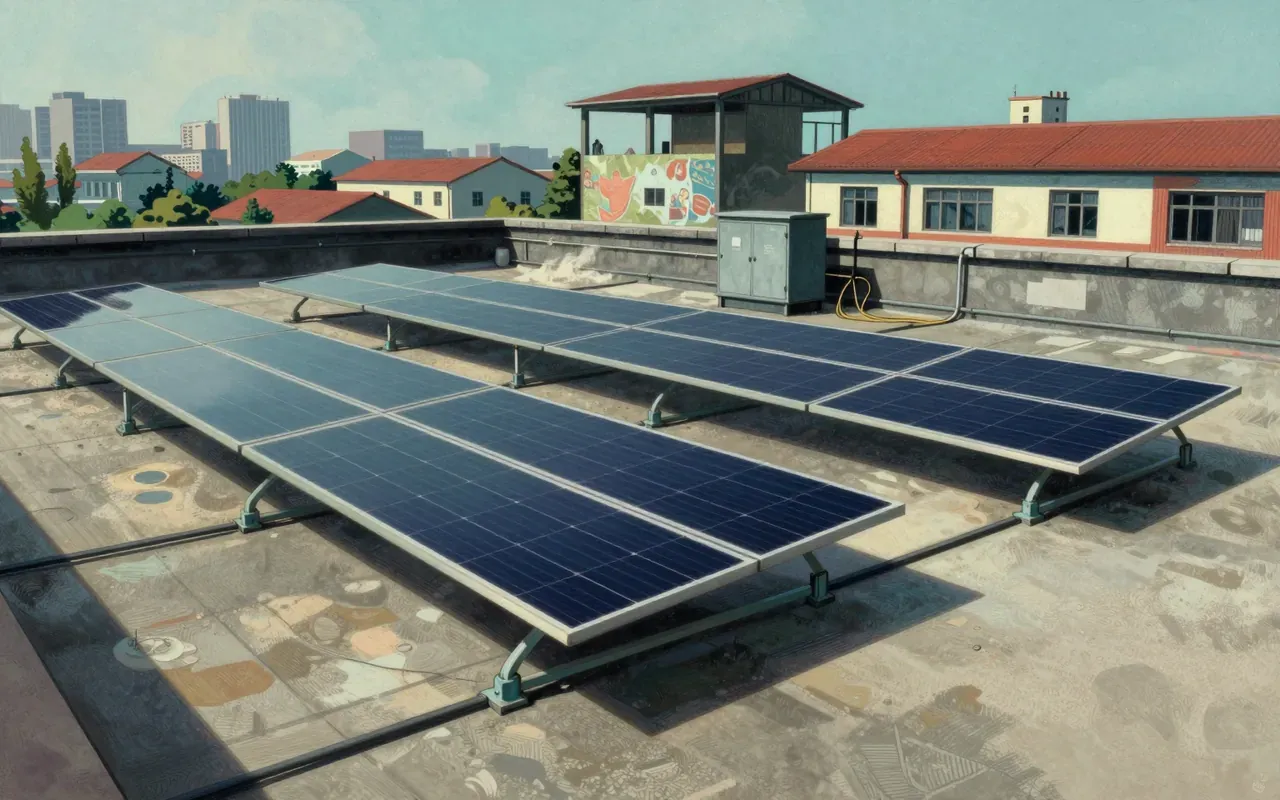
Trina Solar

A solar company that sells panels while facing forced labour findings, tariff circumvention rulings, and a US military-linked designation.
10:44

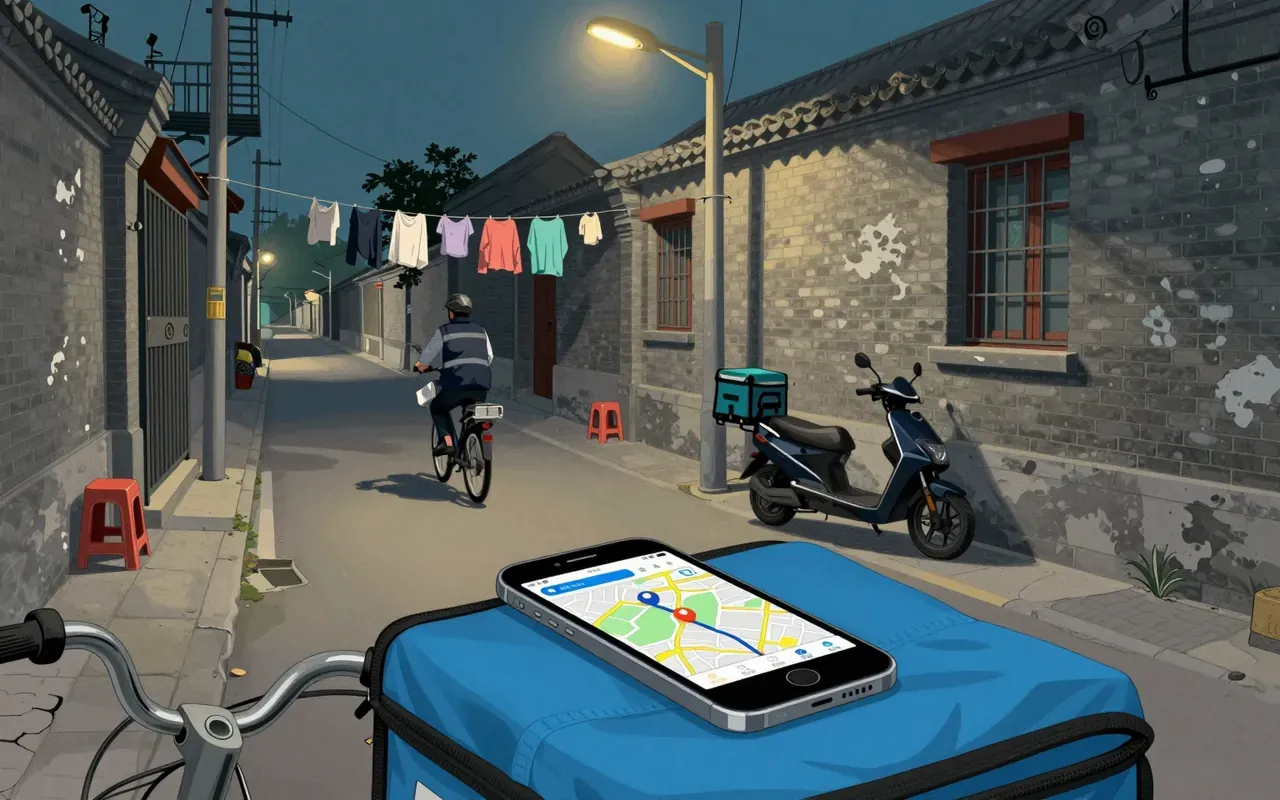
DiDi

Cheng Wei · 2012

DiDi is a Chinese mobility technology company founded in 2012 by Cheng Wei in Beijing. It offers ride-hailing, taxi dispatch, bike sharing, vehicle leasing, food delivery, automobile services, and electric vehicle development. It merged with Kuaidi Dache in 2015 and acquired Uber China in 2016. It listed on the NYSE in June 2021 and was delisted in June 2022 after a $1.2 billion fine and app removal over data security concerns.

11:57

JA Solar Holdings

A solar cell supplier that grew on Chinese subsidies — and now faces U.S. sanctions for military links.
11:36

Shanghai Pharmaceuticals

Shanghai Pharmaceuticals is a distribution giant that bought its way to the top — not a drug developer that earned it.
11:40

Baowu

Baowu isn’t a company that grew — it was assigned volume.

technology.briefs Technology

All 3 in technology →
9:24

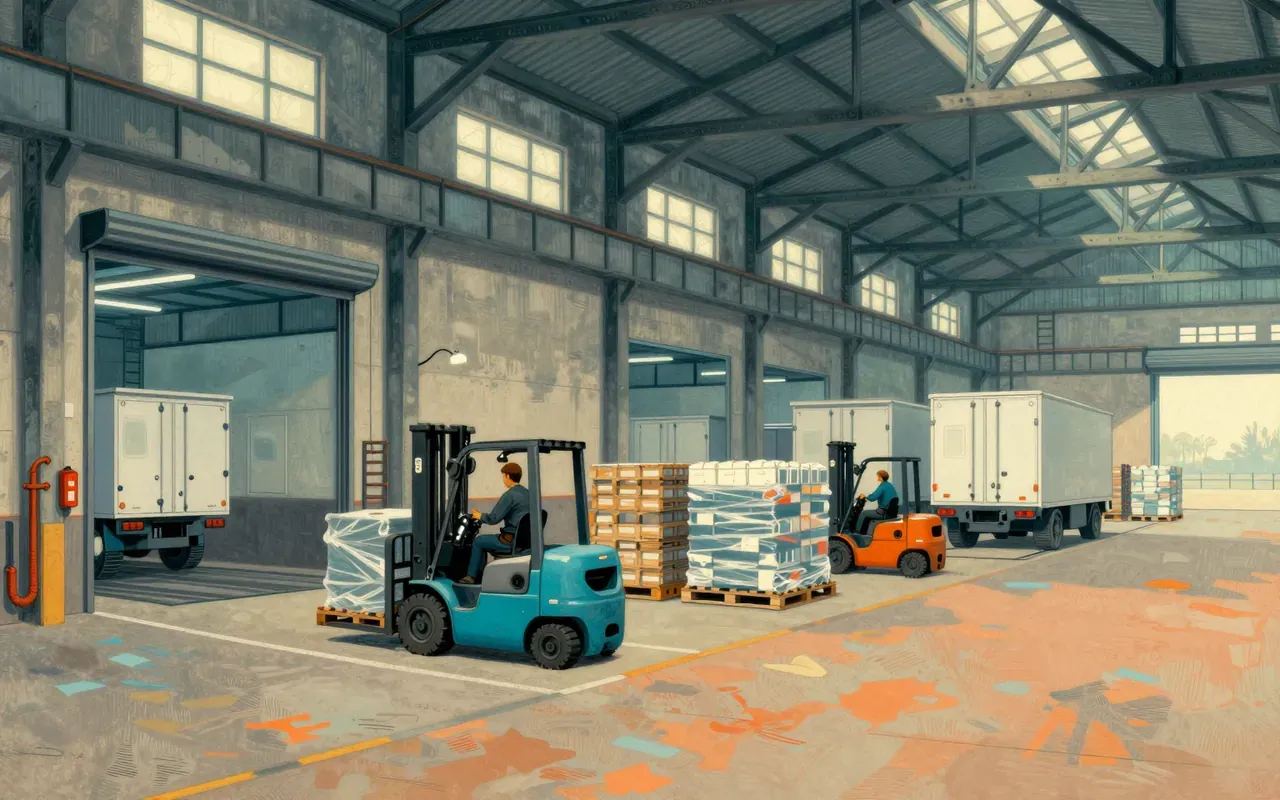
Lenovo

Lenovo didn’t outsource its way to scale—it built its own factory floor to cut OEM dependence, and it worked.

culture.briefs Culture

All 8 in culture →
9:18

Peking University

China’s first national university opened with 160 students — and never taught a single class under its original reformist mandate.
9:52

Cosmopolitanism

Cosmopolitanism isn’t about loving the world — it’s about refusing to let your passport decide who deserves justice.
9:06

Ai Weiwei

He didn’t make art to provoke—he compiled names until the state broke his skull.
12:34

Laozi

Laozi was never a man. He was a question that outlived its answer.

food.briefs Food

All 29 in food →
11:15

Chop suey

Chop suey isn’t Chinese food — it’s the first American dish disguised as one.
8:20

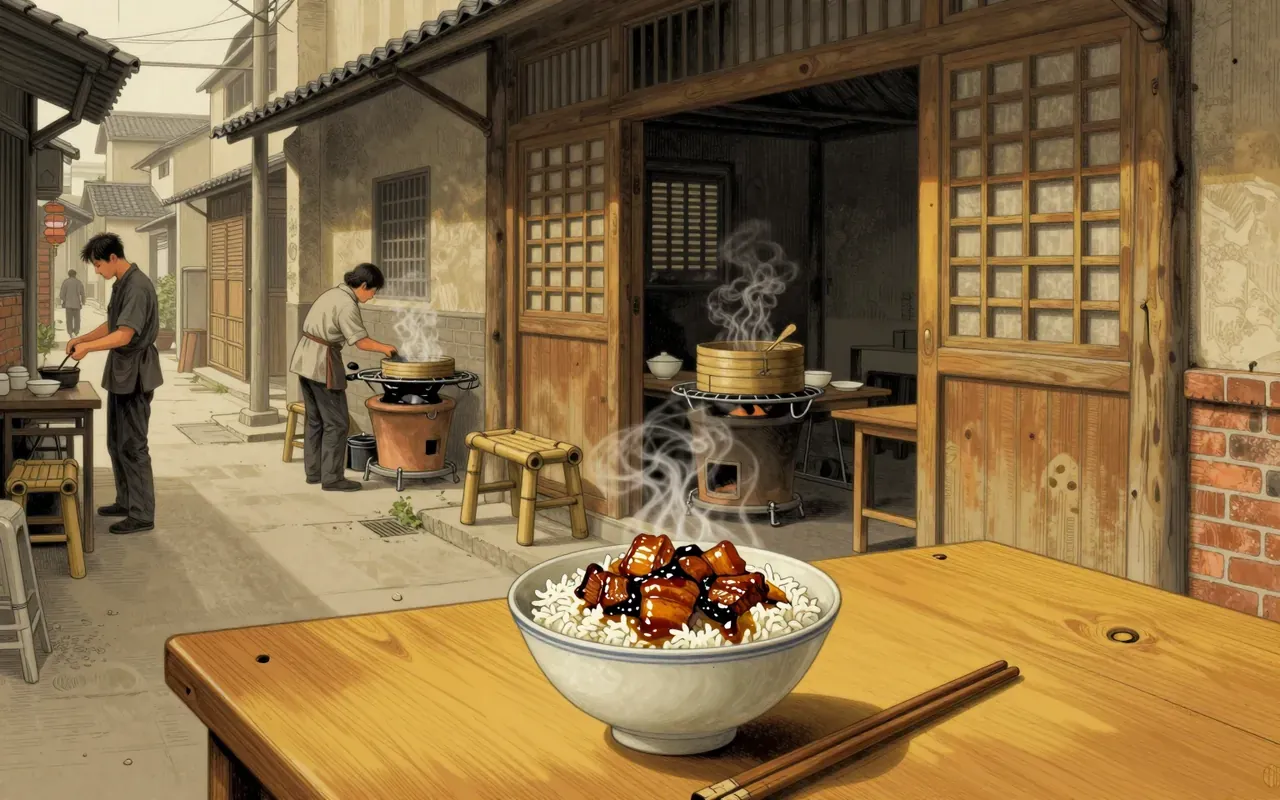
Dongpo pork

Dongpo pork proves cheap pork becomes luxurious only when skin, fat, and slow heat are treated as equal partners.
7:50

Koah-pau

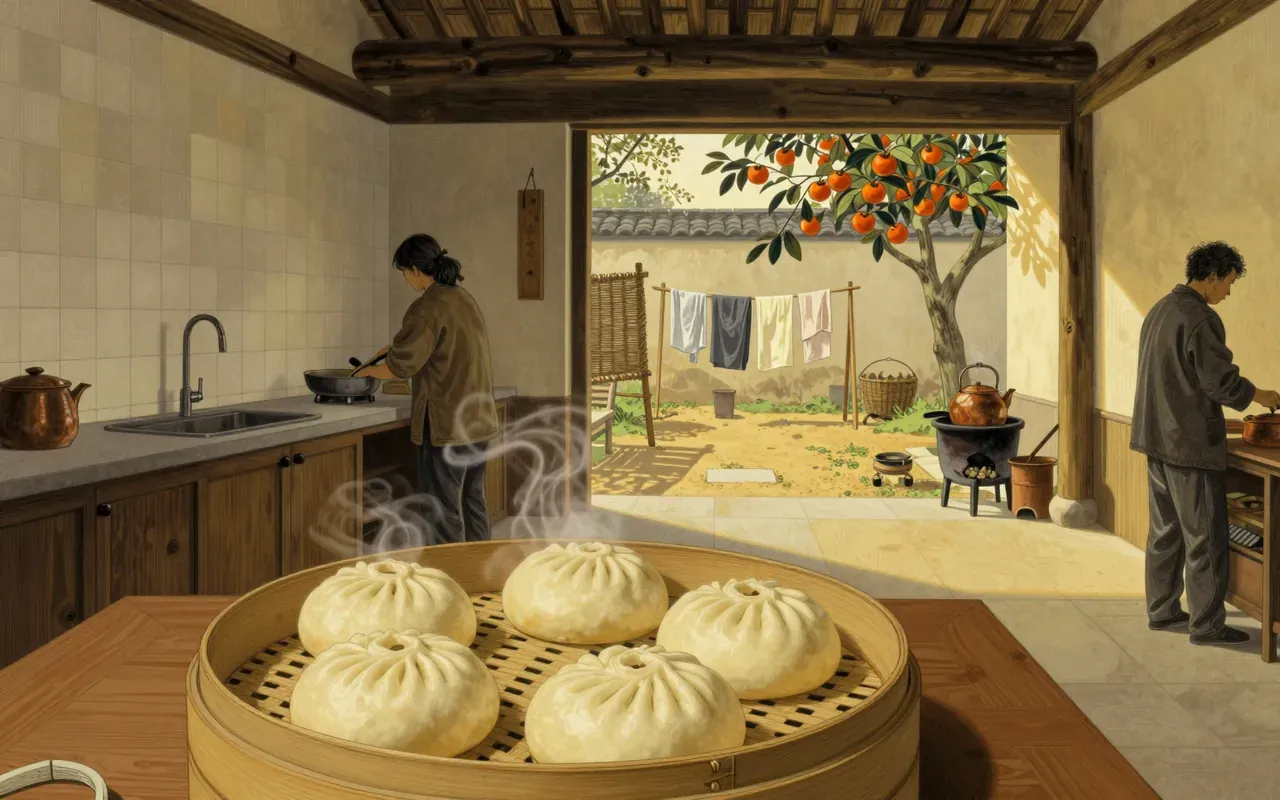
A folded steamed bun that turns scarcity into street-food logic—and refuses to apologise for its pork.
9:05

Ló͘-bah-pn̄g

Ló͘-bah-pn̄g proves that minced pork only matters when it’s swimming in its own soy-simmered fat.
9:07

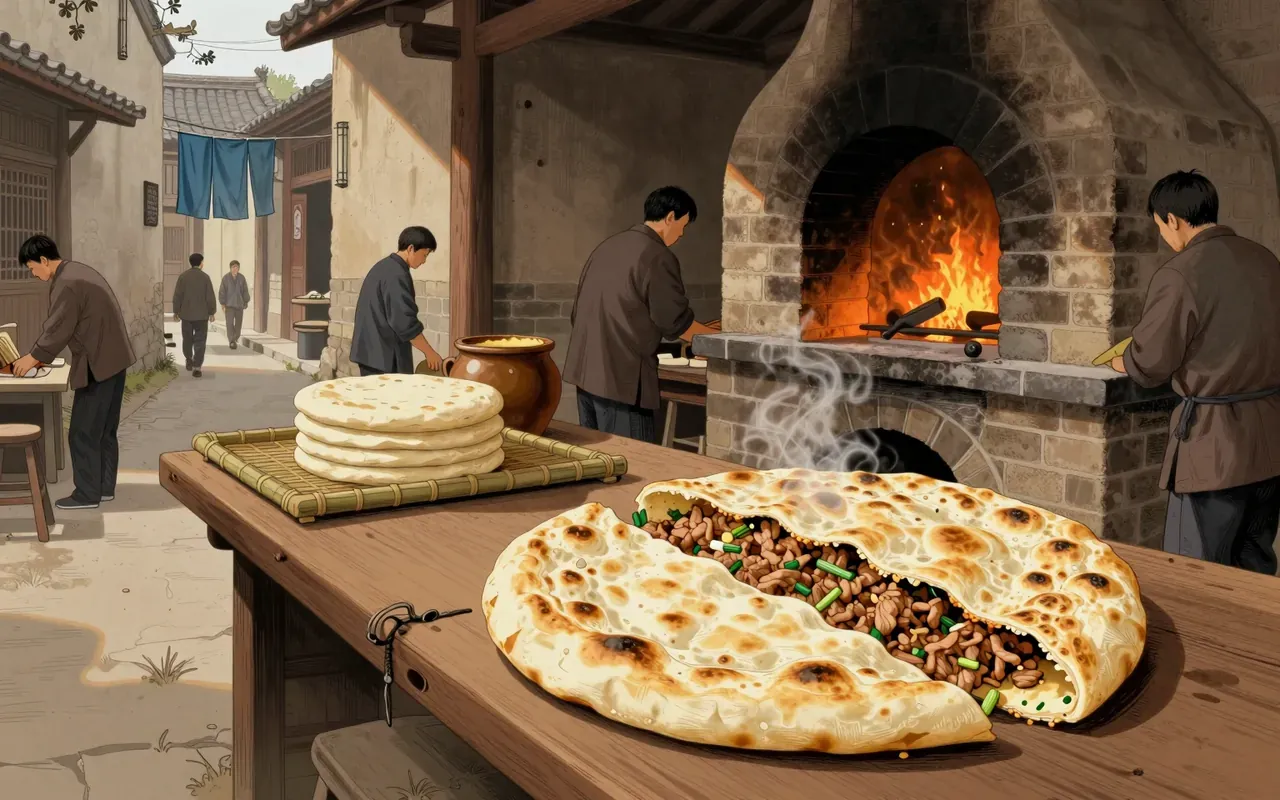
Roujiamo

The world’s oldest hamburger isn’t American—it’s Shaanxi, and it refuses to be neat.
8:52

Cong you bing

Scallions don’t just season this pancake—they hold its layers together and define its bite.
12:30

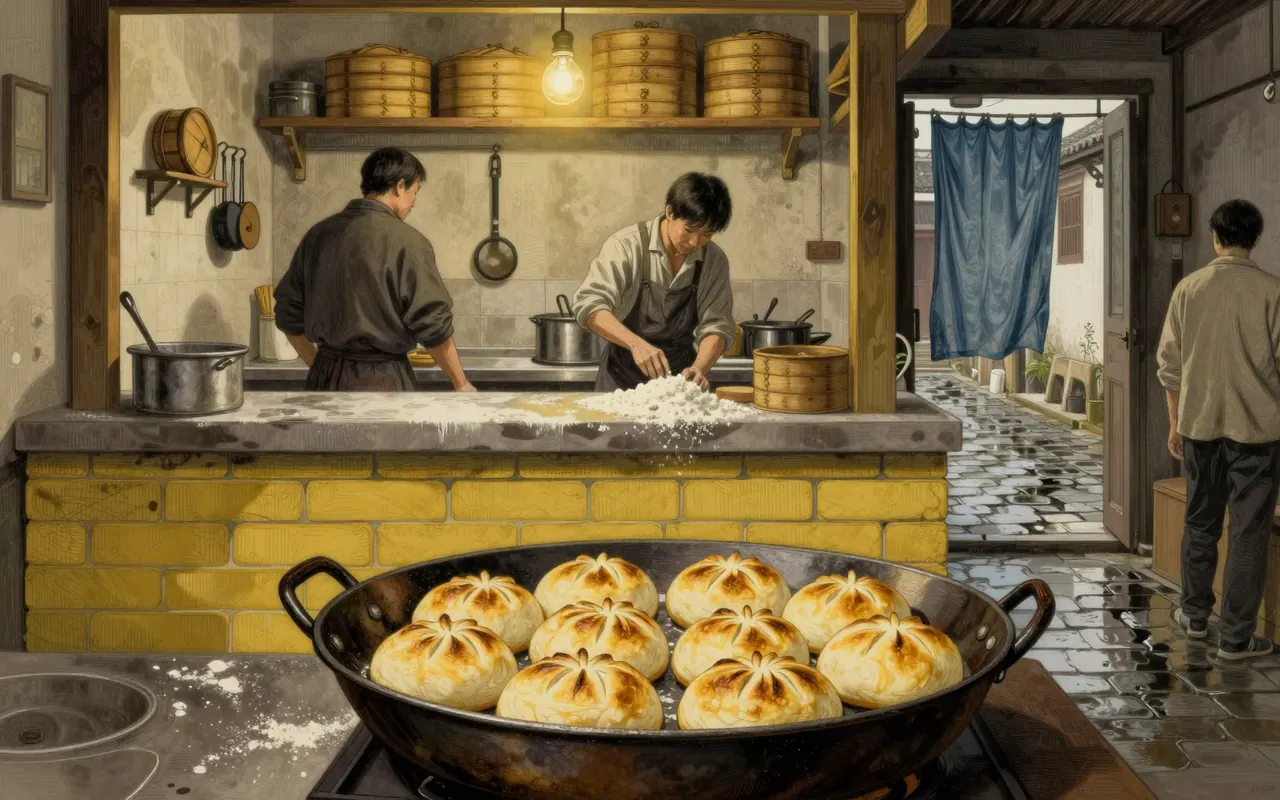
Shengjian mantou

A bun that forces soup into dough, then traps it under crunch—Shengjian mantou refuses compromise.
9:23

Shumai

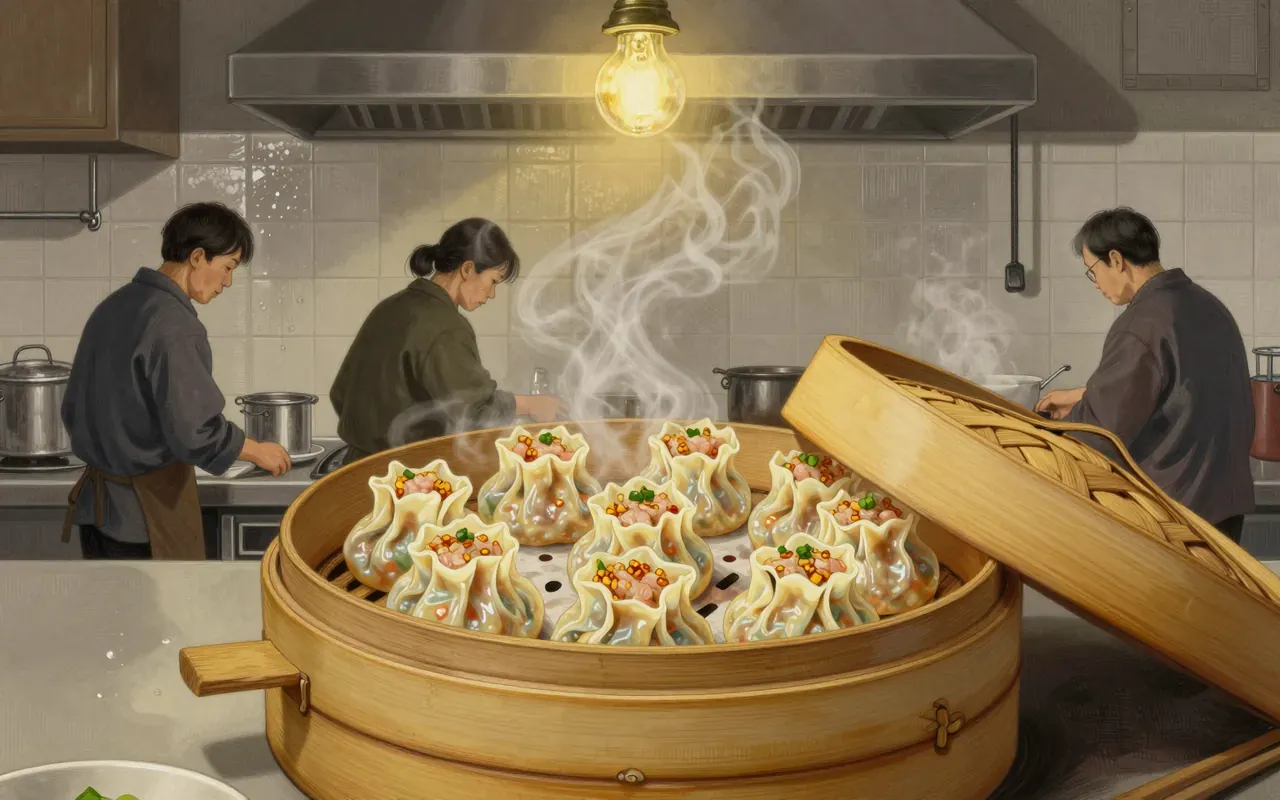
Shumai doesn’t hide its filling—it declares its priorities: wrapper craft, regional adaptation, and tea-house pragmatism.