briefs
Topic · across the network

Slavery

The institution the modern economy was partly built on.

35
briefs
8
subjects
11:00
average
385 min
in total
Abstraction 407Absurdism 137Acoustics 220Acting 65Adaptation 372Addiction 95Adolescence 202Advertising 77Age of exploration 14Ageing 113Agriculture 100Algorithms 114Ambition 46Anarchism 38Ancient Egypt 17Ancient Greece 38Ancient Rome 30Animals 172Anthropology 23Apartheid 12Architecture 165Archives 32Argentina 10Art Deco 26Artificial intelligence 78Astronomy 81Attention 42Australia 32Automation 73Avant-garde 164Aviation 79Banking 72Banned works 40Bauhaus 12Beer 5Behavioural economics 22Berlin 16Big tech 6Biodiversity 136Biography 86Birds 41Black holes 20Blockchain 12Boxing 14Branding 77Brazil 43Bread 29Britain 131Brutalism 4Bubbles 3Buddhism 28Byzantium 10California 17Canada 18Capitalism 94Cars 468Celebrity 59Censorship 110Cheese 24Chefs 9Chemistry 104Chess 2Childhood 87China 109Chocolate 8Christianity 49Cinematography 343Cities 90Class 485Climate change 107Club culture 100Cocktails 2Coffee 11Cognitive bias 14Collecting 16Colonialism 284Colour 42Comedy 89Community 52Complexity 21Computing 309Consciousness 16Conservatism 14Conspiracy theories 8Cooking 178Corruption 38Cosmology 31Cover versions 64Craft 116Crate digging 42Creativity 8Crime 234Cryptocurrency 8Cryptography 24Cuba 10Cybersecurity 30Dada 12Debt 38Decision-making 28Decolonisation 46Deep time 80Democracy 45Denim 16Deserts 45Detroit 17Dinosaurs 12Directing 168Disasters 59Disease 109DJ culture 89Dreams 32Drones 5Drum machines 96Dystopia 69East Africa 28Ecology 337Economics 36Editing 72Education 92Egypt 12Electric vehicles 59Emotion 22Empire 92Endurance 49Energy 120Engineering 541Entropy 8Epidemics 13Equality 9Espionage 31Ethics 44Evolution 174Existentialism 106Expertise 2Exploration 49Extinction 23Failure 37Family 240Fandom 22Fascism 45Fashion 215Fast fashion 12Fear 34Feminism 122Fermentation 126Film music 81Fishing 12Folklore 71Food history 588Football 16Forests 31Forgery 7France 163Fraud 15Free will 13Freedom 16French literature 15Friendship 24Furniture 36Gambling 14Gender 63Generations 28Genetics 87Geology 96Germany 66Globalisation 74Gothic 32Greece 5Grief 126Habits 6Happiness 2Hardware 709Haute couture 22Headphones 8Hi-fi 12Hinduism 12Hoaxes 1Human history 23Human nature 41Identity 138Illustration 8Impressionism 6Improvisation 249India 89Indonesia 15Industrial design 342Inequality 13Inflation 4Information 34Infrastructure 280Insects 29Intelligence 8Interiors 31Internet culture 88Invention 329Iran 41Islam 40Islands 17Israel 9Italy 52Jamaica 10Japan 114Jewellery 5Journalism 34Judaism 13Justice 42Korea 41Language 70Law 90Leadership 20Learning 6Liberalism 1Libraries 6Literary criticism 26London 12Loneliness 61Los Angeles 62Lost works 9Love 67Luxury 55Machine learning 15Management 10Maps 5Marketing 21Markets 51Mars 6Marxism 26Masculinity 46Materials 138Mathematics 79Meaning 6Medicine 124Memory 82Mental health 70Mesopotamia 4Mexico 38Migration 95Minimalism 68Mining 30Misinformation 9Modernism 63Money 24Monopoly 32Mortality 61Motivation 2Mountains 16Museums 27Mysticism 11Mythology 60Nationalism 40Neuroscience 23New York 36Nigeria 7Nihilism 10Noise 31Nostalgia 33Nuclear 29Nutrition 17Oceans 48Oil 42Open source 45Painting 18Palaeontology 29Parenting 14Paris 18Partition 6Patents 71Patronage 14Perception 44Personal style 27Personality 2Persuasion 8Peru 10Philosophy 77Photography 37Physics 206Plants 26Platforms 89Podcasting 1Poetry 25Poland 17Policing 34Pop Art 16Populism 2Portraiture 6Portugal 18Postmodernism 23Power 91Prehistory 24Preservation 28Printmaking 21Privacy 11Probability 6Productivity 1Programming 54Prohibition 1Propaganda 35Protest 75Pseudoscience 17Psychology 80Publishing 22Punishment 16Quantum mechanics 44Race 145Radio 30Railways 35Rave 17Realism 47Record labels 19Recording 810Relativity 23Religion 154Resilience 15Restaurants 30Restoration 2Retail 94Revolution 58Risk 18Ritual 96Robotics 26Romance 96Russia 58Salt 9Sampling 246Satire 84Scandinavia 28Scientific method 186Screenwriting 26Sculpture 7Secularism 2Self-deception 14Semiconductors 73Sexuality 102Ships 18Silence 24Silicon Valley 17Slavery 35Sleep 2Smartphones 27Sneakers 15Social media 58Socialism 9Software 68Songwriting 180Sound design 332Sound systems 20South Africa 19South East Asia 30Space exploration 84Spain 18Special effects 41Spices 62Spirits 12Sport 82Startups 21Statistics 10Status 9Stoicism 4Storytelling 68Strategy 70Street food 99Streetwear 16Studio craft 508Subcultures 59Sugar 12Supply chains 115Surrealism 53Surveillance 21Sustainability 30Synthesis 232Tailoring 37Taxation 14Tea 24Textiles 97Thailand 11The American Revolution 19The American South 88The Arab world 41The Arctic 19The Balkans 17The Belle Epoque 13The body 29The brain 26The Caribbean 28The civil rights movement 62The Cold War 160The eighties 268The Enlightenment 29The financial crisis 19The First World War 39The food industry 157The French Revolution 9The Gilded Age 9The Great Depression 18The Holocaust 20The Industrial Revolution 93The internet 61The interwar years 135The Middle Ages 35The Moon 4The music business 169The Netherlands 10The nineties 26The Olympics 10The pandemic 13The Reformation 1The Renaissance 16The Russian Revolution 19The Second World War 102The seventies 58The sixties 28The space race 5The United States 19The universe 7The Victorian era 37Therapy 20Tokyo 11Trade 48Tragedy 22Translation 5Trauma 85Travel 5True crime 2Turkey 18Typography 54Uniforms 23Unions 8Urban planning 66Utilitarianism 1Utopia 5Vaccines 10Vegetarianism 15Venture capital 6Video games 291Vietnam 12Vintage 65Vinyl 6Virtual reality 11War 169Watches 4Water 11Weather 29West Africa 29Wilderness 10Wine 3Work 22Workwear 19Worldbuilding 121

books.briefs Books

All 1 in books →
13:56

Adventures of Huckleberry Finn

Mark Twain · 0

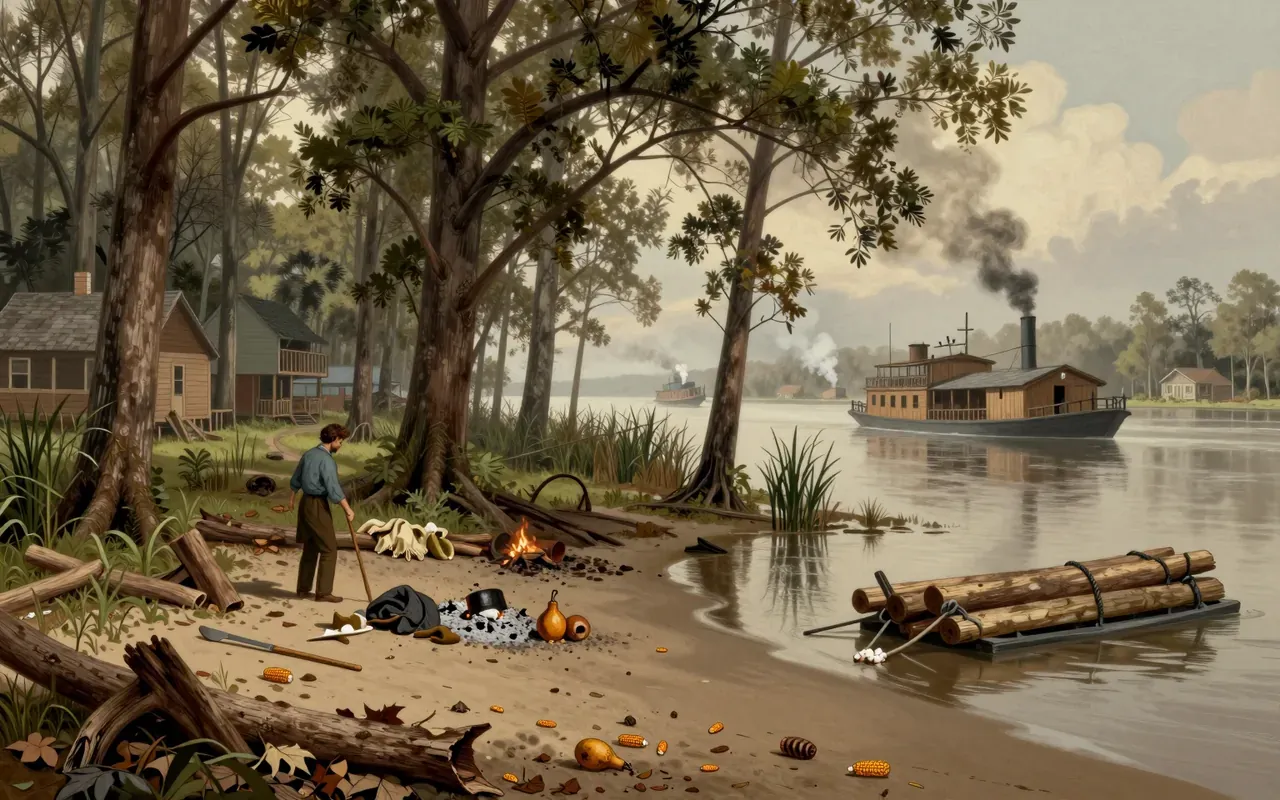
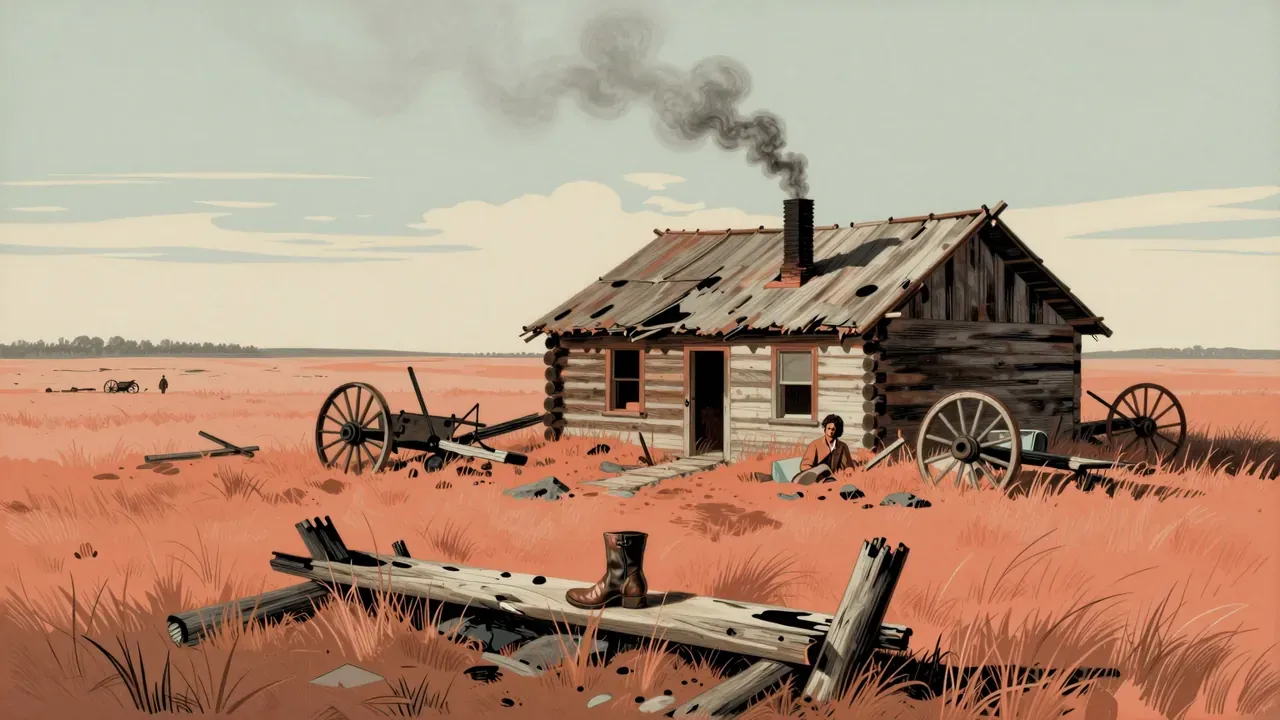
The book argues that moral clarity emerges from direct human contact, not society’s rules—and that Southern 'civilization' is a fraud sustained by violence and self-deception. It does this through Huck’s choices: faking his death, choosing Jim over religion, and rejecting adoption. Tom’s elaborate rescue is exposed as cruel theatre. Read Chapters I–XVI and XXX–XLII. Skip Chapter XL.

music.briefs Music

All 1 in music →
10:20

África Brasil

Jorge Ben · 1976

África Brasil is a 1976 album by Jorge Ben, recorded over ten days at Phonogram Studios in Rio de Janeiro with a large ensemble including Admiral Jorge V, fourteen additional instrumentalists and five backing vocalists. Ben replaced his acoustic guitar with an electric guitar during these sessions, influenced by Dadi Carvalho, after swapping instruments following Carvalho’s acquisition of an Ibanez guitar in London. José Roberto Bertrami arranged orchestral parts; Marco Mazzola mixed the album before Philips withdrew him mid-session. The album is described as one of Ben’s most popular, a fusion of funk and samba relying more on electric guitar than previous efforts, and features a remake of 'Taj Mahal'.

film.briefs Film

All 5 in film →
13:00

Buck and the Preacher

Sidney Poitier · 1972

Sidney Poitier’s 1972 directorial debut Buck and the Preacher recasts the Western around the Exoduster movement: Buck (Poitier) leads freed people westward, negotiates with Native Americans for safe passage, and allies with the sharp-tongued Reverend Rutherford (Harry Belafonte) to evade white marauders. Shot in Mexico and Kenya, with cinematography by Alex Phillips Jr. and music by Benny Carter, it balances action with quiet realism — prioritising collective survival over individual legend. Though its villains lack nuance and some plot devices feel functional, its commitment to Black self-determination, material history, and genre reclamation remains potent.

13:00

Ride with the Devil

Ang Lee · 1999

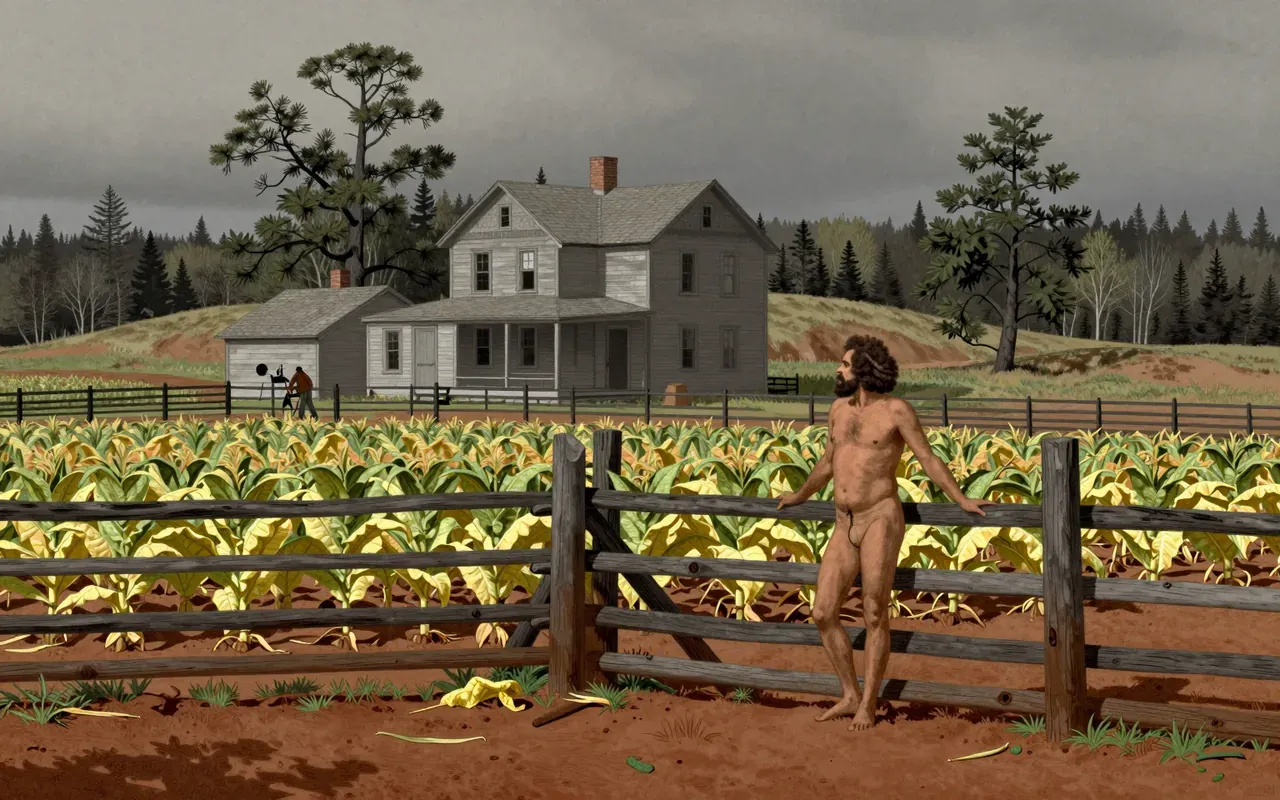
Ang Lee’s 1999 film Ride with the Devil follows young Missouri bushwhackers during the Civil War, adapting Daniel Woodrell’s novel with deliberate slowness and minimal exposition. Shot by Frederick Elmes and written by James Schamus, it foregrounds domestic endurance over battlefield drama, treating violence as rupture rather than climax. Its themes — loyalty, freedom, gendered labour, and the weight of time — emerge through gesture and silence, not speech. Though commercially overlooked and structurally demanding, it remains a singular, unhurried portrait of war’s human residue.

13:00

Sansho the Bailiff

Kenji Mizoguchi · 1954

Kenji Mizoguchi’s 1954 jidai-geki follows two siblings sold into slavery after their father’s exile. Anchored by Kazuo Miyagawa’s deep-focus long takes and Fumio Hayasaka’s sparse score, it traces Zushiō’s moral fracture and slow reassembly around his father’s injunction: 'Without mercy, man is like a beast.' Its power resides in physical precision — a statuette’s grooves, a lake’s surface, a mother’s blind fingers — not exposition or catharsis.

13:00

Spartacus

Stanley Kubrick · 1960

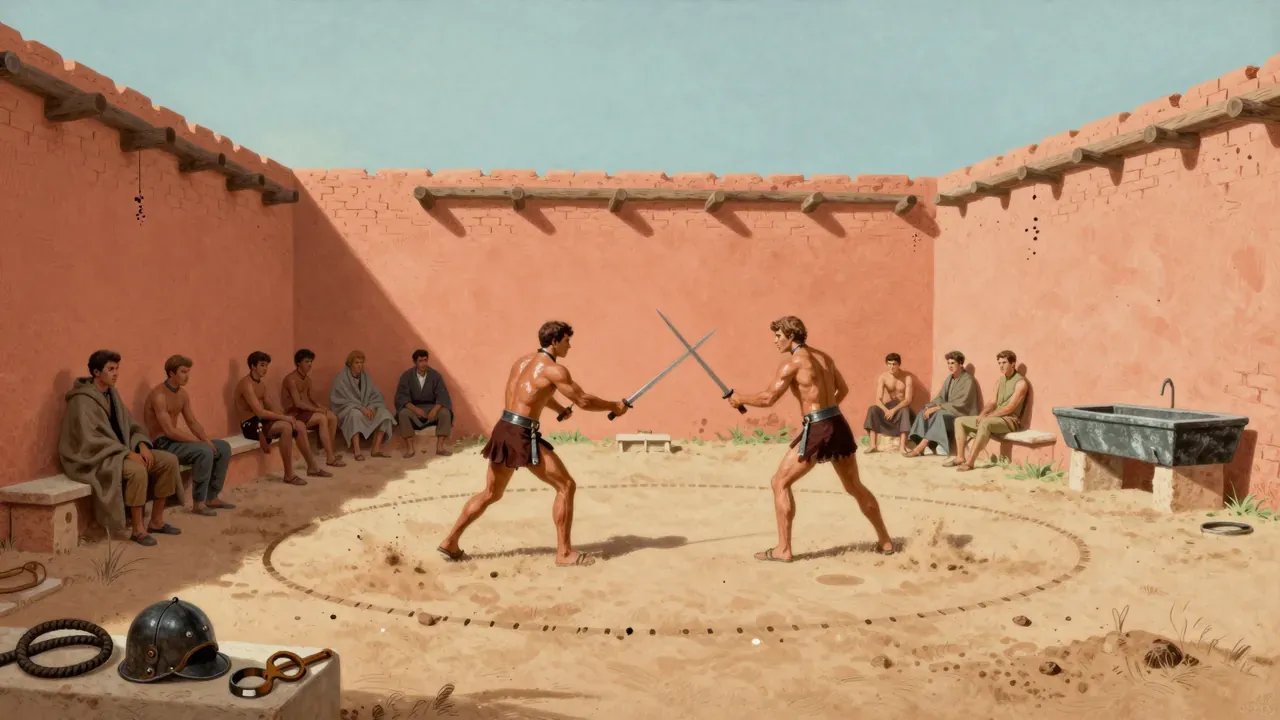
Stanley Kubrick’s 1960 Spartacus adapts Howard Fast’s novel via Dalton Trumbo’s blacklisted script, telling the story of a slave revolt not as myth but as moral architecture. Kirk Douglas stars as Spartacus, with Laurence Olivier, Peter Ustinov, and Jean Simmons in key roles. Shot across California locations including Hearst Castle and Wildwood Park, its Oscar-winning art direction and cinematography render Rome as a study in hierarchy — accent, space, and light all coded by class. Though structurally uneven and romantically thin, its enduring power lies in its deliberate, collective gaze and the historic courage of its authorship.

13:00

West Indies

Med Hondo · 1979

Med Hondo’s West Indies (1979) is a French-language arthouse drama filmed in Mauritania. Adapted from Daniel Boukman’s play Les négriers, it stages the transatlantic slave trade aboard a ship that doubles as theatre, using song, satire, and Brechtian technique to expose the administrative, theological, and linguistic scaffolding of French imperialism. Starring Fernand Berset, Roland Bertin, Gérard Bloncourt, Toto Bissainthe, and Hélène Vincent, it rejects historical realism in favour of forensic allegory.

history.briefs History

All 16 in history →
11:19

Frederick Douglass

Douglass didn’t rise by inspiration—he built his authority brick by brick: a fist, a book, a constitution, a sentence.
10:15

Harriet Tubman

September 17, 1849

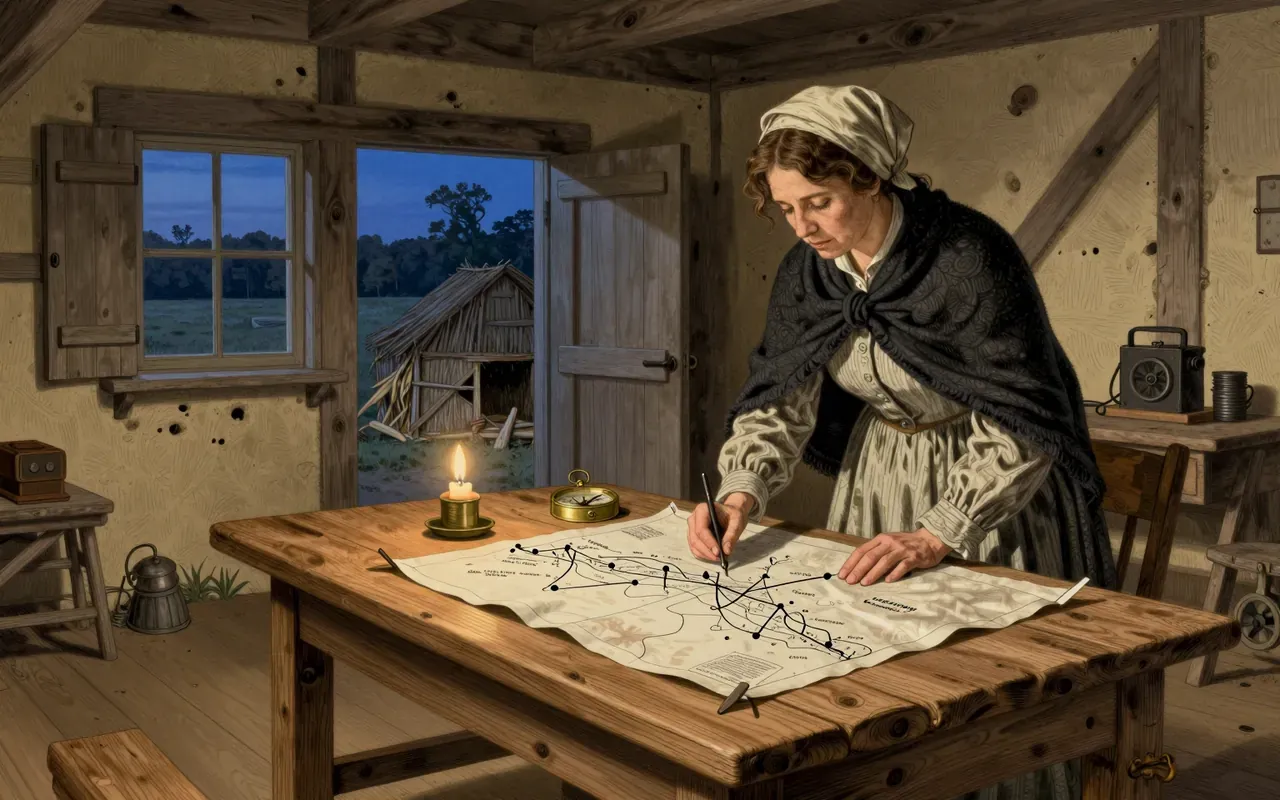
Harriet Tubman’s documented actions redefine what was possible for an enslaved woman in 19th-century America — not through myth or retrospective praise, but through three verifiable, high-stakes operations: 13 rescues, armed intelligence work, and a 700-person military liberation.

11:26

Sojourner Truth

c. 1797 – November 26, 1883

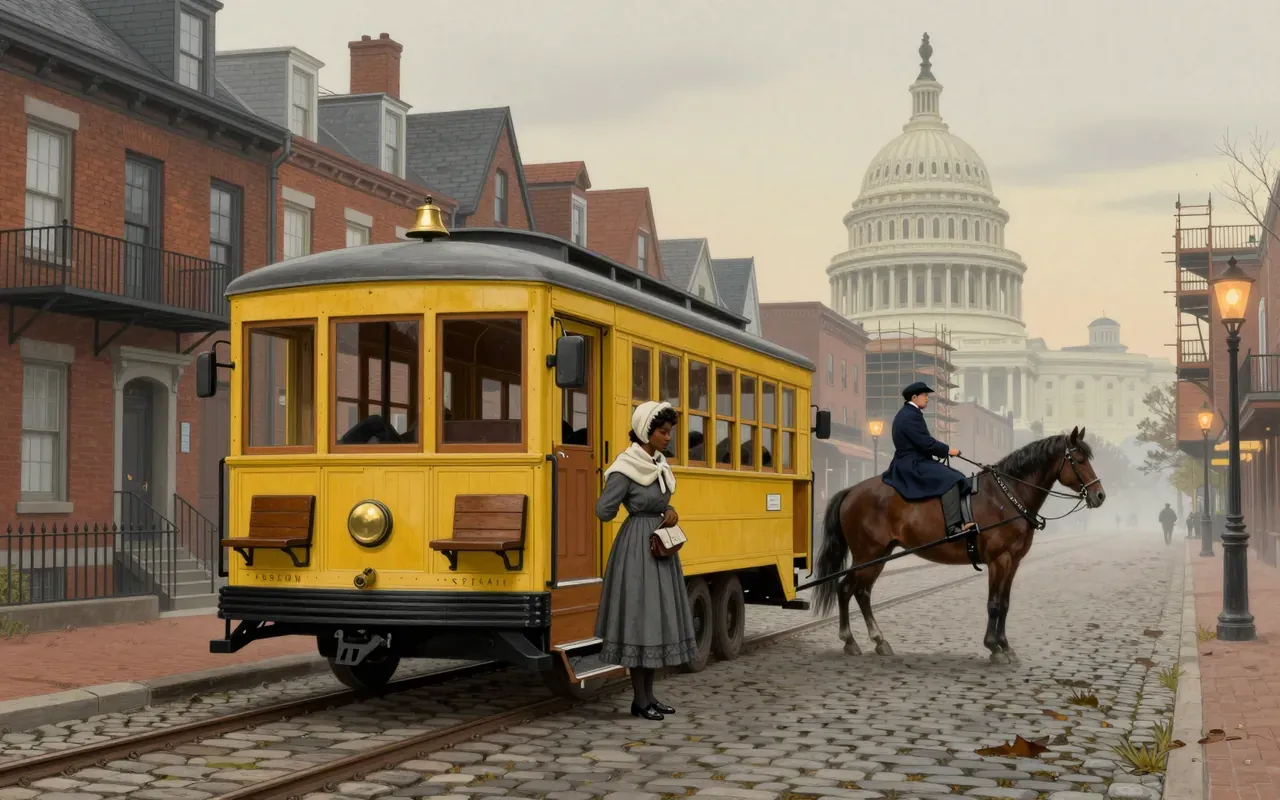
Sojourner Truth’s documented actions — legal, rhetorical, organisational, and bodily — show a consistent pattern of using available institutions to assert Black women’s personhood and agency. The record confirms specific victories and methods, but not their systemic outcomes or contested reception.

13:00

Ahmad Baba al-Timbukti

1556–1627

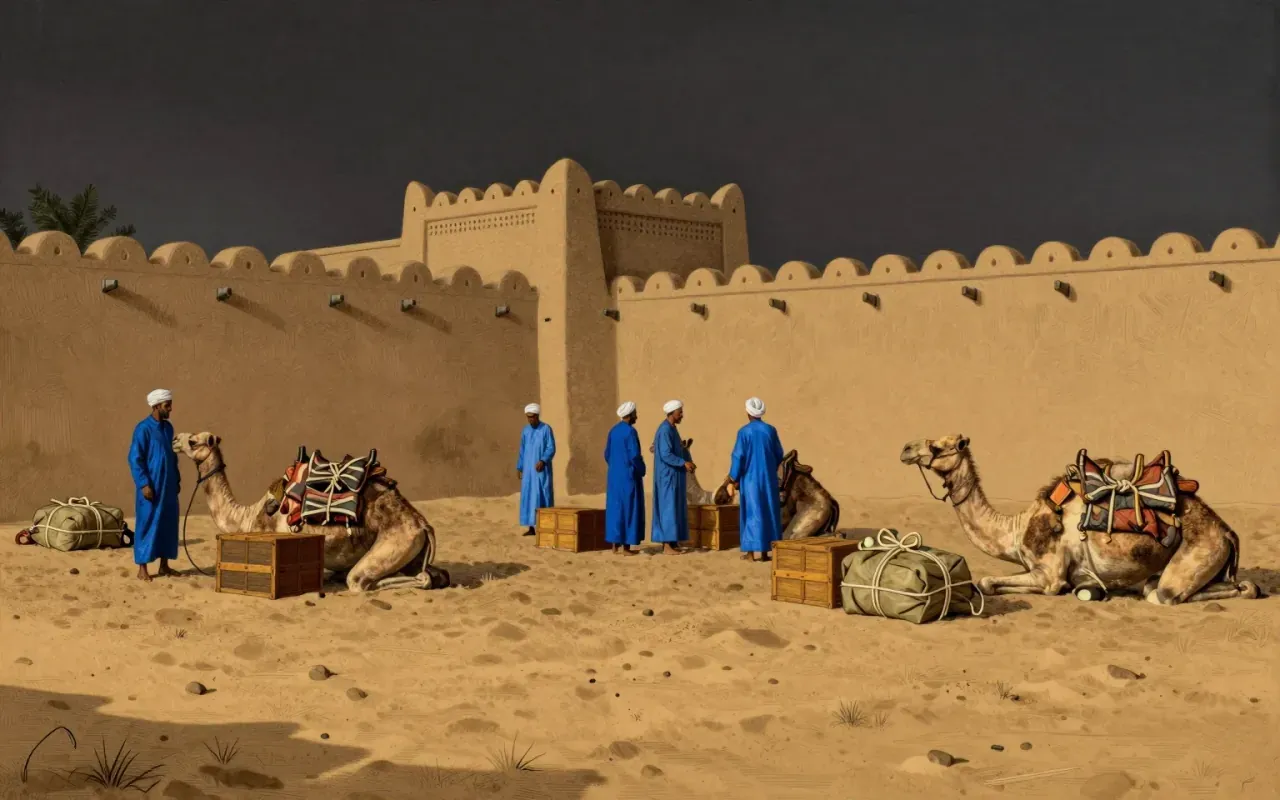
Ahmad Baba became one of Timbuktu's most prominent Islamic jurists before Moroccan forces invading the Songhai empire deported him to Marrakesh in 1594, where he remained until 1608. He continued writing throughout his exile and after his return, authoring more than forty works, including a nuanced treatment of slavery that historians still interpret differently. His career and library form part of the much larger Timbuktu manuscript tradition, whose survival was tested again in 2012 when local families and archivists evacuated the bulk of the collection ahead of an armed conflict.

13:00

Bartolomé de las Casas

1474–1566

Bartolome de las Casas arrived in the Caribbean in 1502 as a colonist who held enslaved Native labourers under the encomienda system, before a 1514 reading of scripture convinced him Spanish treatment of Indigenous peoples was fundamentally unjust. He spent the following decades as a Dominican friar and eventually bishop, writing A Short Account of the Destruction of the Indies and debating Juan Gines de Sepulveda at Valladolid in 1550 and 1551 over whether Indigenous peoples could be justly subjugated, work that helped shape Spain's 1542 New Laws and later fed into the broader Black Legend narrative about Spanish colonial brutality.

13:00

Benjamin Franklin

1706–1790

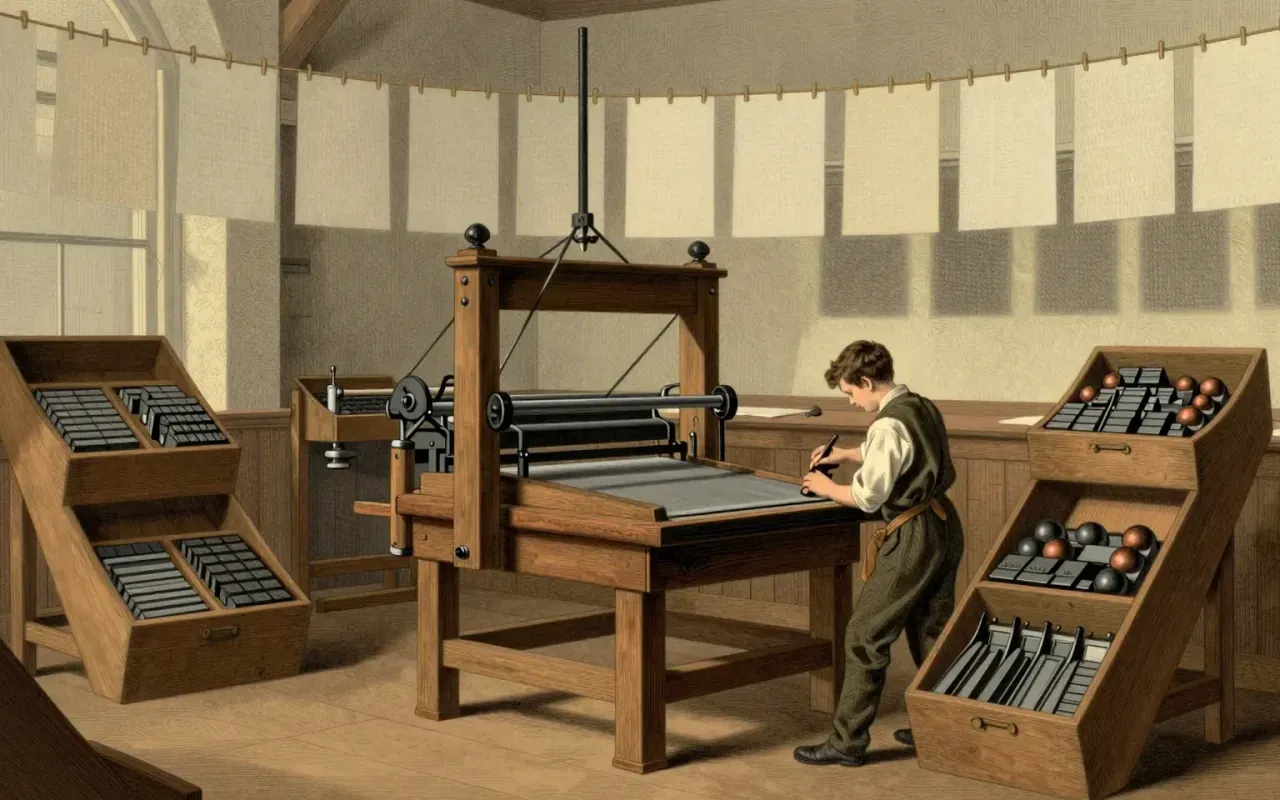
Benjamin Franklin built a career as printer, scientist, and diplomat before becoming the only person to put his signature on the Declaration of Independence, the Treaty of Paris, and the Constitution. His electrical experiments and his years securing French support for the Revolution are well documented; less often mentioned is that he owned enslaved people for decades before turning, late in life, into president of Pennsylvania's abolition society.

13:00

George Washington

1732–1799

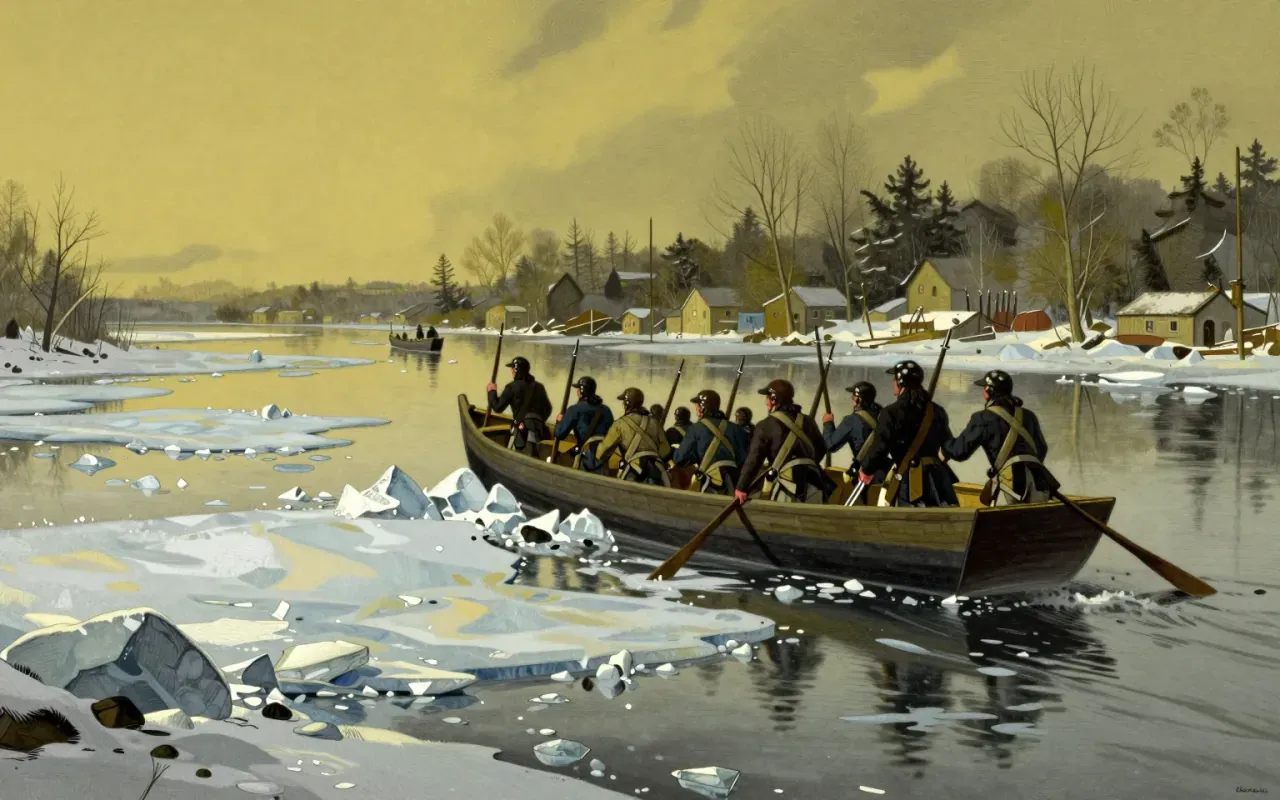
George Washington's ambush at Jumonville Glen in 1754 helped trigger the French and Indian War, and two decades later he commanded the Continental Army through a war he did not always look likely to win, from a chaotic retreat across New Jersey to the decisive siege at Yorktown. As president he set precedents, including a voluntary two-term limit, that outlasted the law requiring them by more than a century, while his own household at Mount Vernon depended on more than a hundred enslaved people whose freedom he provided for only in his will.

13:00

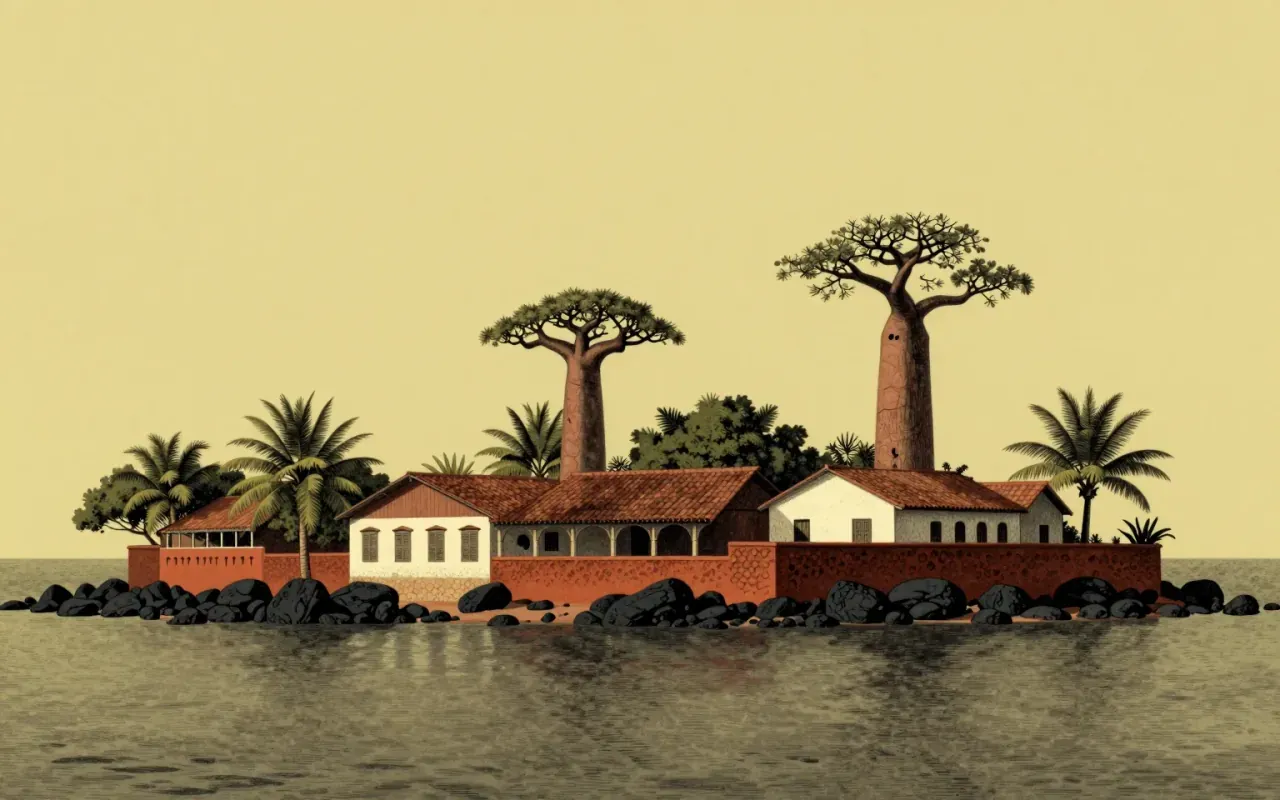
Gorée

1444–1960

Portuguese traders reached Goree Island off Senegal in 1444, and the island passed through Dutch and then French control before Senegalese independence in 1960, developing a reputation as a major hub of the Atlantic slave trade that UNESCO's own heritage listing still describes as the largest on the African coast. Historical research has since challenged that framing directly, estimating no more than five hundred people were traded through the island annually, a small fraction of regional slave exports, and finding that the famous House of Slaves building itself lacks archaeological evidence of large-scale trans-Atlantic trafficking, complicating a narrative that took shape largely through one influential curator's account from the 1990s onward.

business.briefs Business

All 1 in business →
12:34

JPMorgan Chase

J.P. Morgan

JPMorgan Chase is a vertically integrated financial monopoly whose scale rests on documented historical control — from industrial consolidation to slave-backed credit — not disruption or invention.

technology.briefs Technology

All 1 in technology →
11:33

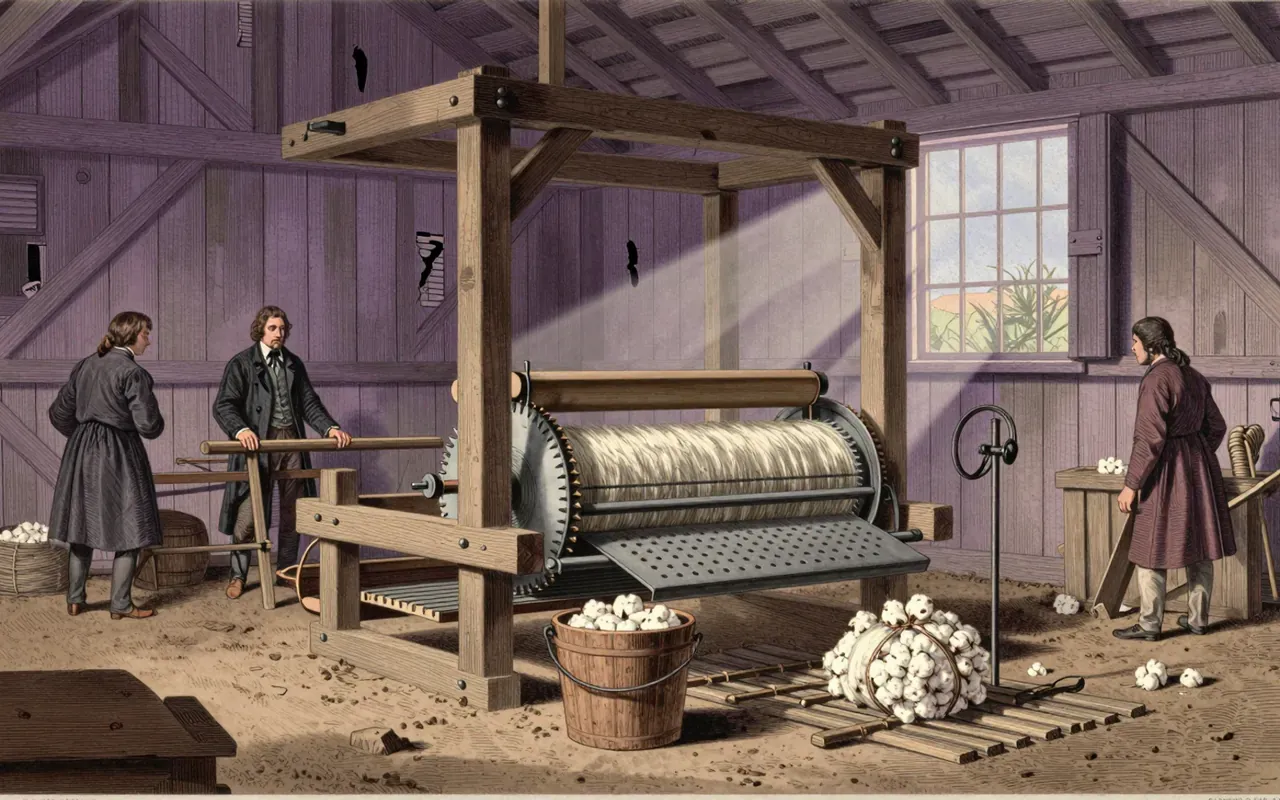
Cotton gin

Eli Whitney · 1793

The cotton gin is a mechanical seed-removal device invented by Eli Whitney in 1793. It uses wire hooks on a rotating drum to pull cotton fibres through narrow ginning ribs, while a second rotating brush cylinder clears lint to prevent jams. It increased daily lint output from one pound (manual) to 50–55 pounds. This made cotton farming highly profitable, expanded U.S. cotton production, and catalysed a surge in exports—from under 500,000 pounds in 1793 to 93 million pounds by 1810. But it did not reduce overall labour demand. Instead, it shifted the bottleneck to field harvesting, intensifying reliance on enslaved people to pick cotton by hand. Its patent was granted in 1794 but not validated until 1807.

culture.briefs Culture

All 3 in culture →
9:38

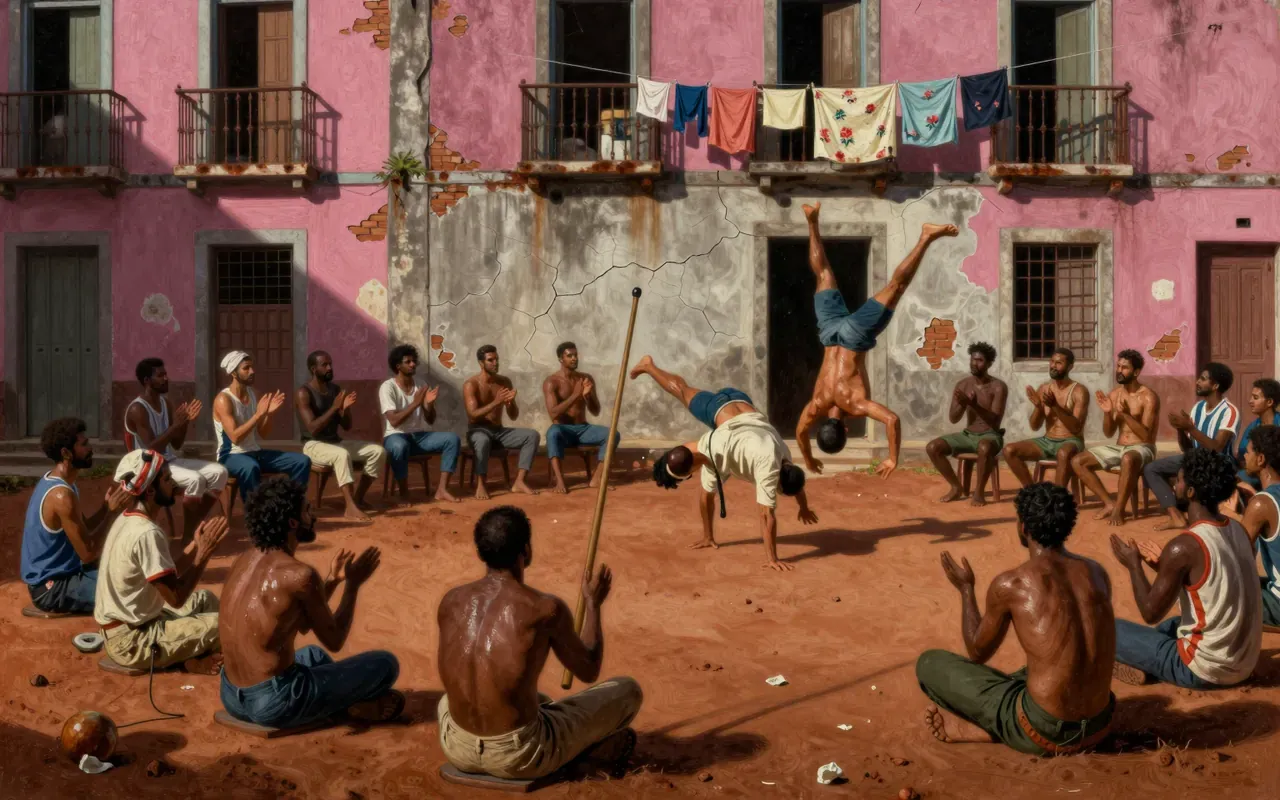
Capoeira

Capoeira wasn’t legitimised in 1937—it was disarmed.
8:32

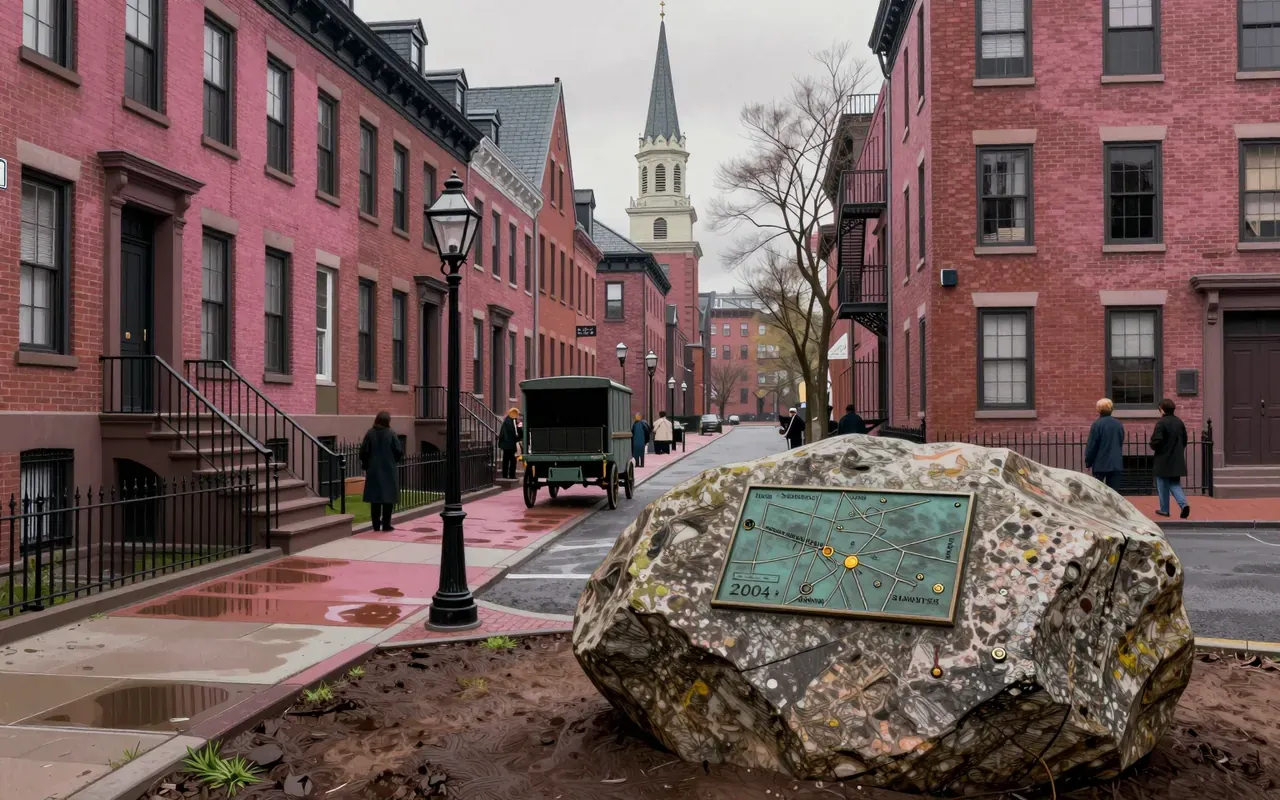
Greenwich (village), New York

A cotton-mill village became a quiet engine of freedom and presidential formation—and stayed too small to be remembered for either.

food.briefs Food

All 7 in food →
9:53

Rum

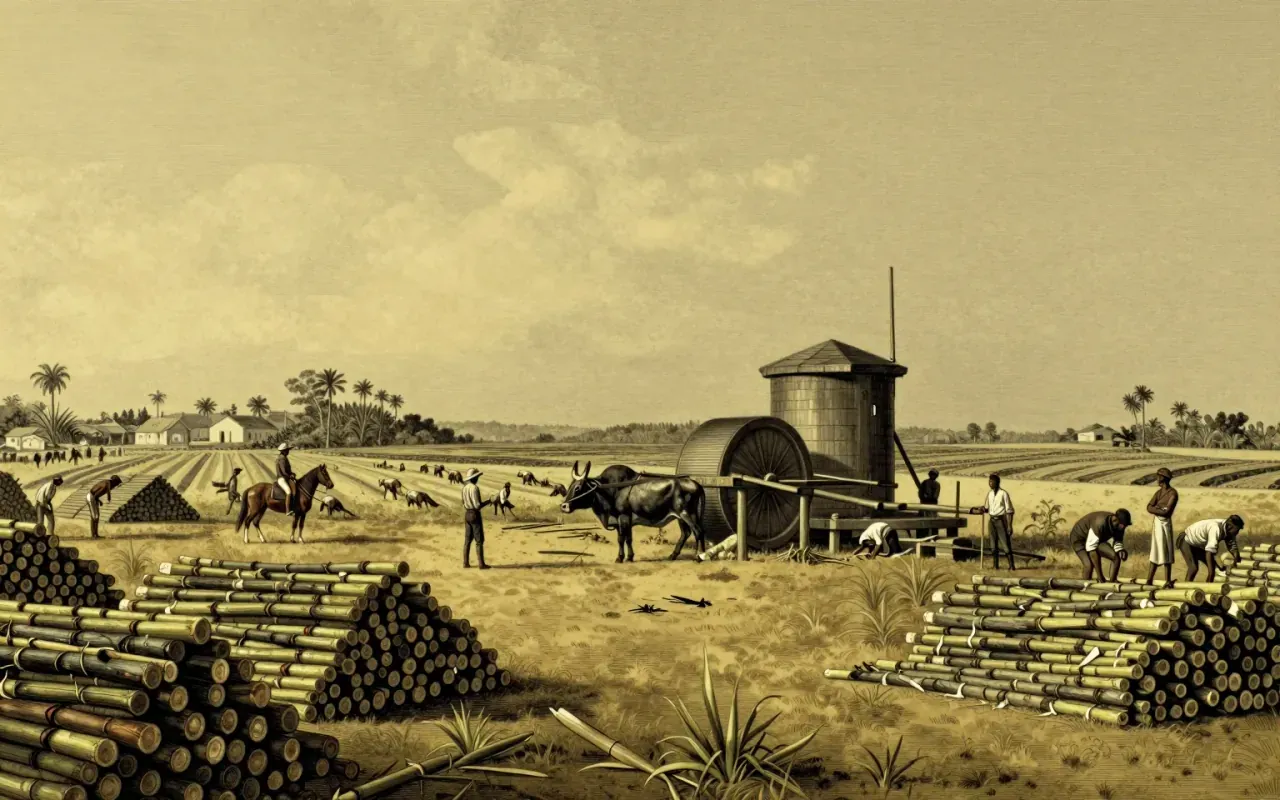
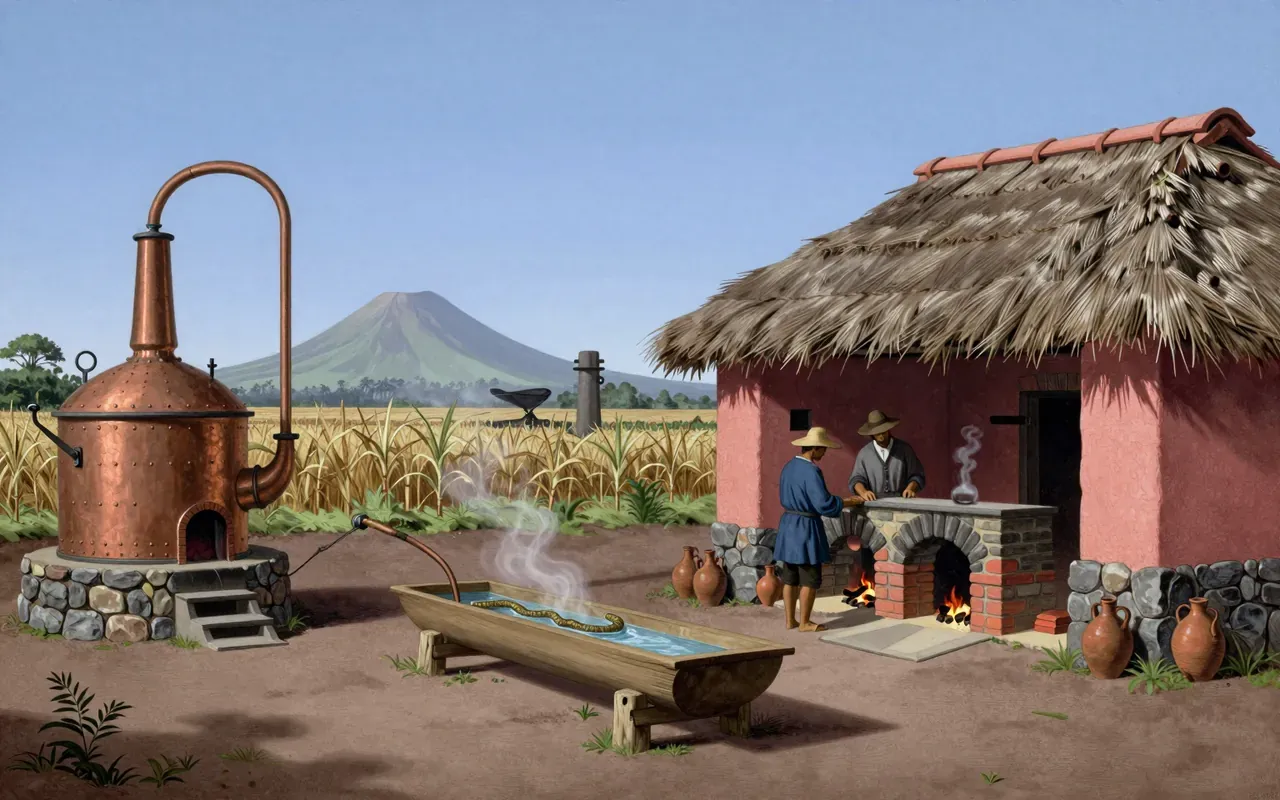
Rum is a liquor made by fermenting and then distilling sugarcane molasses or sugarcane juice, and it originated in the Caribbean in the 17th century.
9:19

Ackee and saltfish

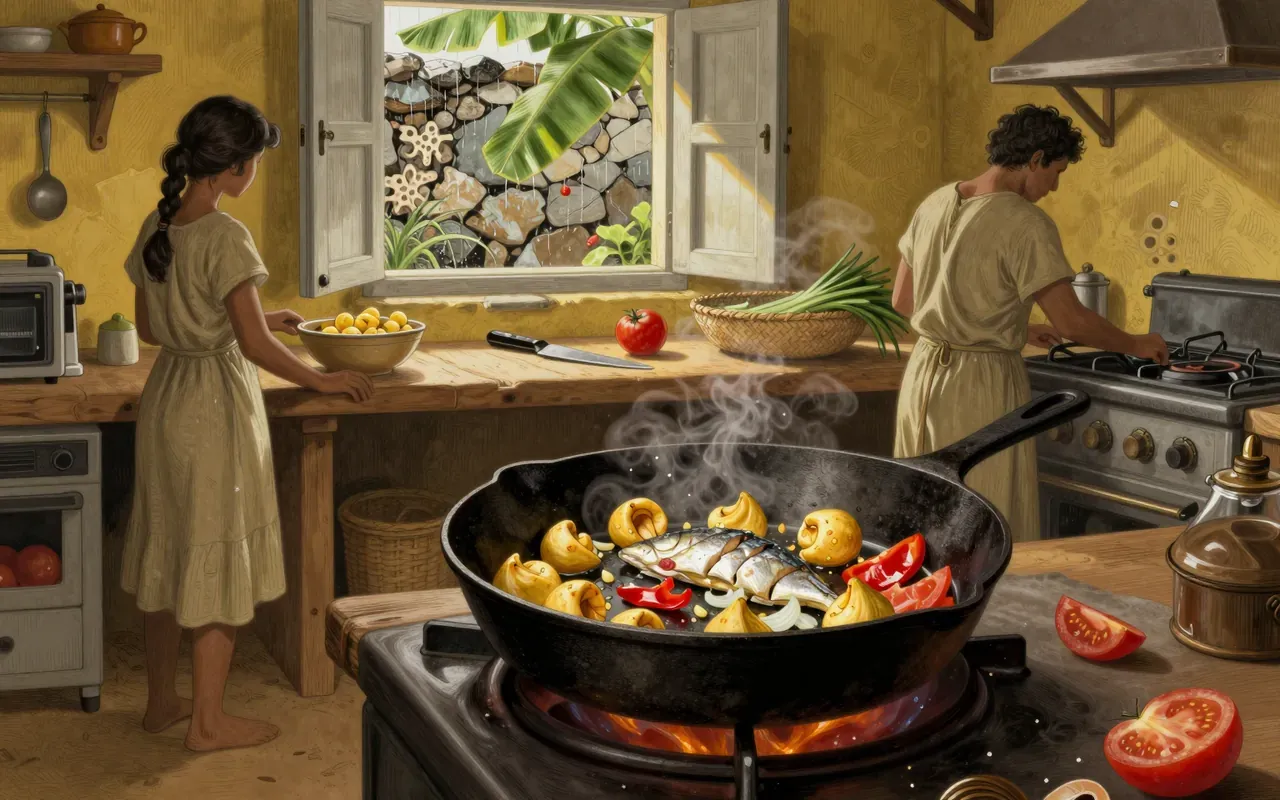
Jamaica’s national dish is a collision of forced migration and botanical accident—not West African food, but a Jamaican reclamation of both.
11:14

Fried chicken

Fried chicken is not comfort food — it’s a collision of Scottish technique, West African seasoning, and American exploitation, sealed in crisp crust.
1:14

Feijoada

A bean-and-meat stew served across the Portuguese-speaking world, with regional variations in beans, meats, and accompaniments.
8:48

Gumbo

Gumbo is not a symbol of unity—it’s evidence of what held together under pressure.
1:14

Jambalaya

A savory Louisiana rice dish with African, Spanish, and French roots, built around meat or seafood, vegetables, rice, and spices.
1:12

Waakye

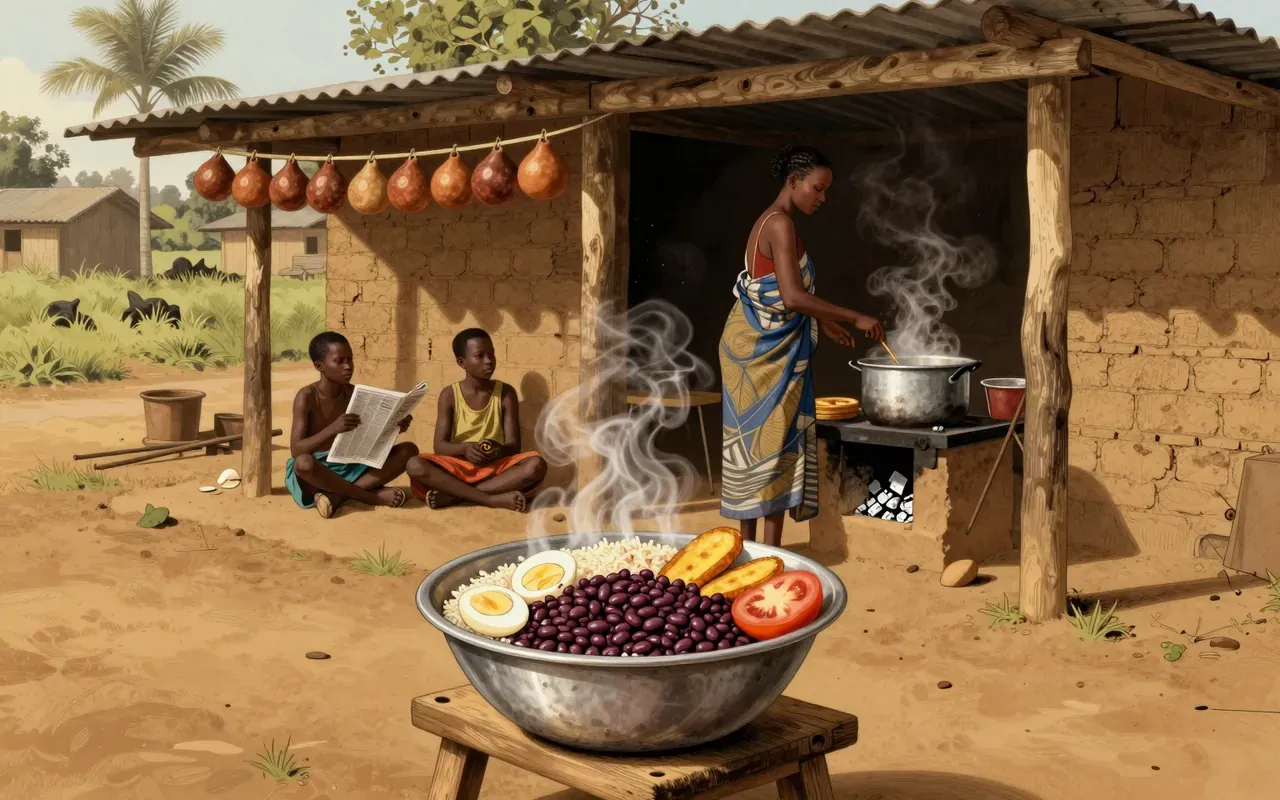
A Ghanaian dish of rice and beans cooked together with sorghum leaves and powdered limestone, yielding a red hue and distinct flavor.