briefs
Topic · across the network

Buddhism

A method for ending suffering that became a religion on the way.

28
briefs
6
subjects
11:44
average
328 min
in total
Abstraction 407Absurdism 137Acoustics 220Acting 65Adaptation 372Addiction 95Adolescence 202Advertising 77Age of exploration 14Ageing 113Agriculture 100Algorithms 114Ambition 46Anarchism 38Ancient Egypt 17Ancient Greece 38Ancient Rome 30Animals 172Anthropology 23Apartheid 12Architecture 165Archives 32Argentina 10Art Deco 26Artificial intelligence 78Astronomy 81Attention 42Australia 32Automation 73Avant-garde 164Aviation 79Banking 72Banned works 40Bauhaus 12Beer 5Behavioural economics 22Berlin 16Big tech 6Biodiversity 136Biography 86Birds 41Black holes 20Blockchain 12Boxing 14Branding 77Brazil 43Bread 29Britain 131Brutalism 4Bubbles 3Buddhism 28Byzantium 10California 17Canada 18Capitalism 94Cars 468Celebrity 59Censorship 110Cheese 24Chefs 9Chemistry 104Chess 2Childhood 87China 109Chocolate 8Christianity 49Cinematography 343Cities 90Class 485Climate change 107Club culture 100Cocktails 2Coffee 11Cognitive bias 14Collecting 16Colonialism 284Colour 42Comedy 89Community 52Complexity 21Computing 309Consciousness 16Conservatism 14Conspiracy theories 8Cooking 178Corruption 38Cosmology 31Cover versions 64Craft 116Crate digging 42Creativity 8Crime 234Cryptocurrency 8Cryptography 24Cuba 10Cybersecurity 30Dada 12Debt 38Decision-making 28Decolonisation 46Deep time 80Democracy 45Denim 16Deserts 45Detroit 17Dinosaurs 12Directing 168Disasters 59Disease 109DJ culture 89Dreams 32Drones 5Drum machines 96Dystopia 69East Africa 28Ecology 337Economics 36Editing 72Education 92Egypt 12Electric vehicles 59Emotion 22Empire 92Endurance 49Energy 120Engineering 541Entropy 8Epidemics 13Equality 9Espionage 31Ethics 44Evolution 174Existentialism 106Expertise 2Exploration 49Extinction 23Failure 37Family 240Fandom 22Fascism 45Fashion 215Fast fashion 12Fear 34Feminism 122Fermentation 126Film music 81Fishing 12Folklore 71Food history 588Football 16Forests 31Forgery 7France 163Fraud 15Free will 13Freedom 16French literature 15Friendship 24Furniture 36Gambling 14Gender 63Generations 28Genetics 87Geology 96Germany 66Globalisation 74Gothic 32Greece 5Grief 126Habits 6Happiness 2Hardware 709Haute couture 22Headphones 8Hi-fi 12Hinduism 12Hoaxes 1Human history 23Human nature 41Identity 138Illustration 8Impressionism 6Improvisation 249India 89Indonesia 15Industrial design 342Inequality 13Inflation 4Information 34Infrastructure 280Insects 29Intelligence 8Interiors 31Internet culture 88Invention 329Iran 41Islam 40Islands 17Israel 9Italy 52Jamaica 10Japan 114Jewellery 5Journalism 34Judaism 13Justice 42Korea 41Language 70Law 90Leadership 20Learning 6Liberalism 1Libraries 6Literary criticism 26London 12Loneliness 61Los Angeles 62Lost works 9Love 67Luxury 55Machine learning 15Management 10Maps 5Marketing 21Markets 51Mars 6Marxism 26Masculinity 46Materials 138Mathematics 79Meaning 6Medicine 124Memory 82Mental health 70Mesopotamia 4Mexico 38Migration 95Minimalism 68Mining 30Misinformation 9Modernism 63Money 24Monopoly 32Mortality 61Motivation 2Mountains 16Museums 27Mysticism 11Mythology 60Nationalism 40Neuroscience 23New York 36Nigeria 7Nihilism 10Noise 31Nostalgia 33Nuclear 29Nutrition 17Oceans 48Oil 42Open source 45Painting 18Palaeontology 29Parenting 14Paris 18Partition 6Patents 71Patronage 14Perception 44Personal style 27Personality 2Persuasion 8Peru 10Philosophy 77Photography 37Physics 206Plants 26Platforms 89Podcasting 1Poetry 25Poland 17Policing 34Pop Art 16Populism 2Portraiture 6Portugal 18Postmodernism 23Power 91Prehistory 24Preservation 28Printmaking 21Privacy 11Probability 6Productivity 1Programming 54Prohibition 1Propaganda 35Protest 75Pseudoscience 17Psychology 80Publishing 22Punishment 16Quantum mechanics 44Race 145Radio 30Railways 35Rave 17Realism 47Record labels 19Recording 810Relativity 23Religion 154Resilience 15Restaurants 30Restoration 2Retail 94Revolution 58Risk 18Ritual 96Robotics 26Romance 96Russia 58Salt 9Sampling 246Satire 84Scandinavia 28Scientific method 186Screenwriting 26Sculpture 7Secularism 2Self-deception 14Semiconductors 73Sexuality 102Ships 18Silence 24Silicon Valley 17Slavery 35Sleep 2Smartphones 27Sneakers 15Social media 58Socialism 9Software 68Songwriting 180Sound design 332Sound systems 20South Africa 19South East Asia 30Space exploration 84Spain 18Special effects 41Spices 62Spirits 12Sport 82Startups 21Statistics 10Status 9Stoicism 4Storytelling 68Strategy 70Street food 99Streetwear 16Studio craft 508Subcultures 59Sugar 12Supply chains 115Surrealism 53Surveillance 21Sustainability 30Synthesis 232Tailoring 37Taxation 14Tea 24Textiles 97Thailand 11The American Revolution 19The American South 88The Arab world 41The Arctic 19The Balkans 17The Belle Epoque 13The body 29The brain 26The Caribbean 28The civil rights movement 62The Cold War 160The eighties 268The Enlightenment 29The financial crisis 19The First World War 39The food industry 157The French Revolution 9The Gilded Age 9The Great Depression 18The Holocaust 20The Industrial Revolution 93The internet 61The interwar years 135The Middle Ages 35The Moon 4The music business 169The Netherlands 10The nineties 26The Olympics 10The pandemic 13The Reformation 1The Renaissance 16The Russian Revolution 19The Second World War 102The seventies 58The sixties 28The space race 5The United States 19The universe 7The Victorian era 37Therapy 20Tokyo 11Trade 48Tragedy 22Translation 5Trauma 85Travel 5True crime 2Turkey 18Typography 54Uniforms 23Unions 8Urban planning 66Utilitarianism 1Utopia 5Vaccines 10Vegetarianism 15Venture capital 6Video games 291Vietnam 12Vintage 65Vinyl 6Virtual reality 11War 169Watches 4Water 11Weather 29West Africa 29Wilderness 10Wine 3Work 22Workwear 19Worldbuilding 121

books.briefs Books

All 1 in books →
14:04

Siddhartha

Hermann Hesse · 0

Hesse argues wisdom is unteachable and must be lived. Siddhartha abandons Brahmanism, rejects the Buddha’s doctrine, and awakens only when he stops seeking answers. The brief isolates these claims, names what the book omits, and tells you which ideas land—and which evaporate on contact with the page.

music.briefs Music

All 3 in music →
10:34

Ill Communication

Beastie Boys · 1994

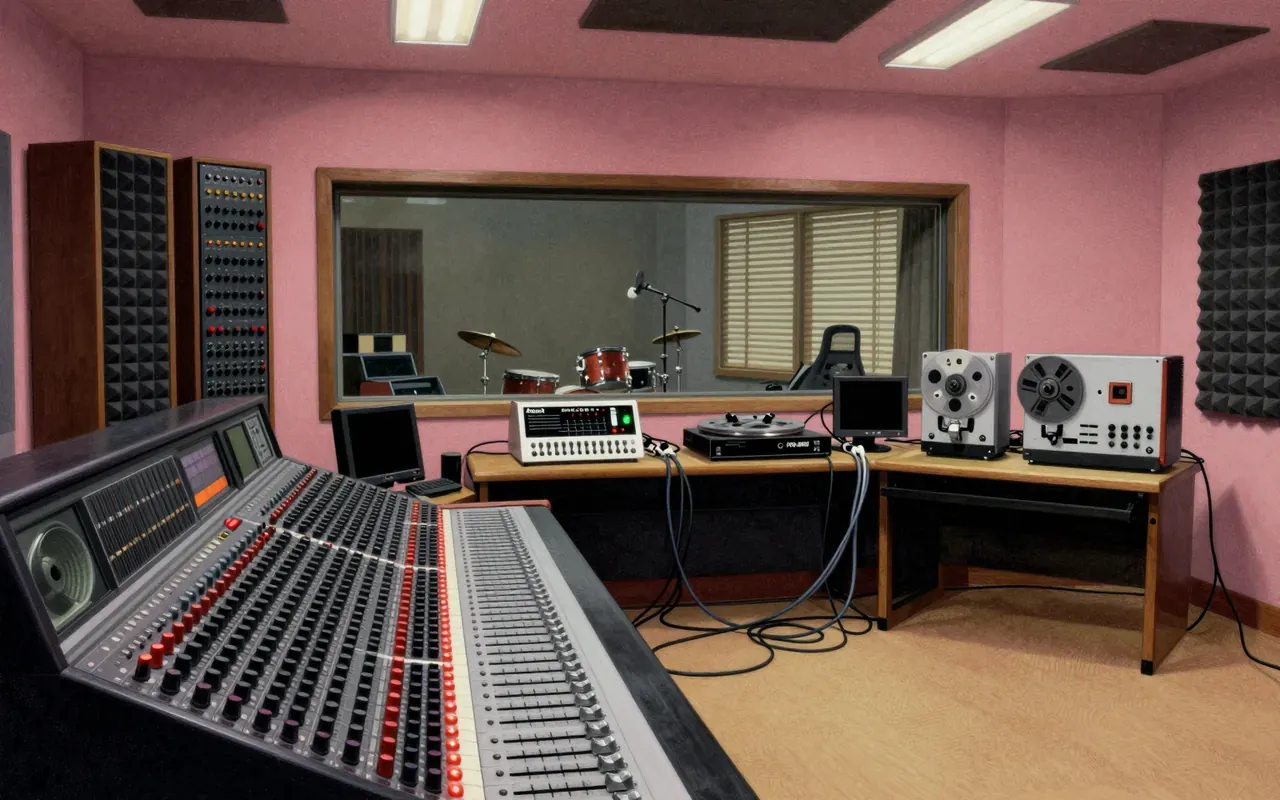
Ill Communication is the Beastie Boys’ fourth studio album, co-produced by the band and Mario Caldato, Jr., recorded between 1993 and 1994 at Tin Pan Alley and G-Son Studios. It expands on their live-instrument approach begun with Check Your Head, incorporating hip-hop, punk rock, jazz, and funk, and reflects influences from Miles Davis’s On the Corner and Agharta. Contributions include live instrumentation from Money Mark, Eric Bobo, and Amery Smith, plus guest vocals from Q-Tip and Biz Markie. The 'Sabotage' backing track—built around MCA’s fuzzed and twangy bass—was laid down at Tin Pan Alley and sat unused for a year under the working title 'Chris Rock' before final vocals were added. The album was released on May 23, 1994, and received widespread critical acclaim for its stylistic range and synthesis of the group’s earlier impulses with matured musicianship and lyrical depth. Its artwork features a 1964 Bruce Davidson photograph and Alex Grey’s 'Gaia'.
10:25

In Utero

Nirvana · 1993

In Utero is a rock record defined by refusal: to please, to clarify, to separate, to emerge. Its sound comes from physical space — a kitchen, a console, a six-day window — not from processing or arrangement. Its title and band name both point to endings, not beginnings. It lands where others retreat: in dryness, in bleed, in unvarnished presence.

10:35

Ray of Light

Madonna · 1998

Ray of Light is a singer-songwriter record disguised by synths.

film.briefs Film

All 11 in film →
13:00

Ikiru

Akira Kurosawa · 1952

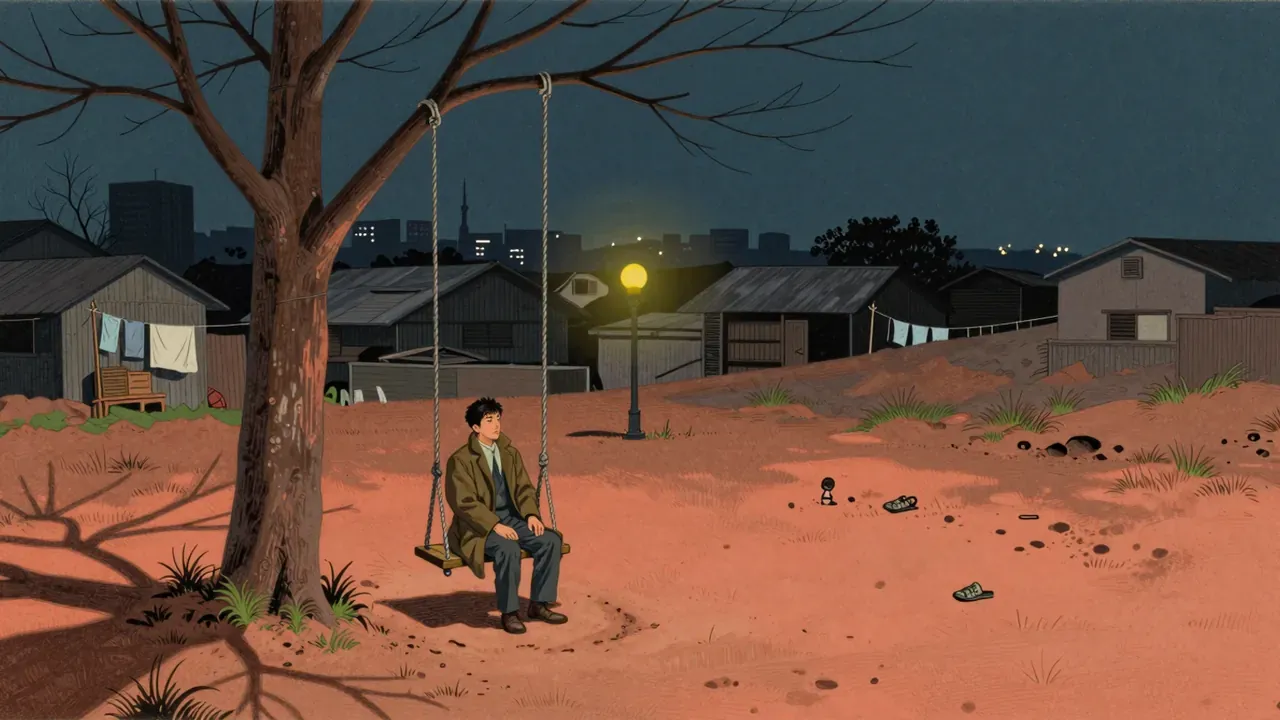
Ikiru (1952), directed by Akira Kurosawa, follows Kanji Watanabe, a Tokyo civil servant diagnosed with terminal cancer, as he seeks purpose in his final months. Rejecting hedonism and spiritual cliché, he devotes himself to realising a children’s playground stalled by bureaucratic inertia. Anchored by Takashi Shimura’s restrained performance and Asakazu Nakai’s unadorned cinematography, the film builds meaning through repetition, silence, and the quiet dignity of incremental action. Its structure—split by Watanabe’s death—shifts focus from his life to the puzzle of his final intent, resolved only in the tangible outcome of his labour.

13:00

Onibaba

Kaneto Shindō · 1964

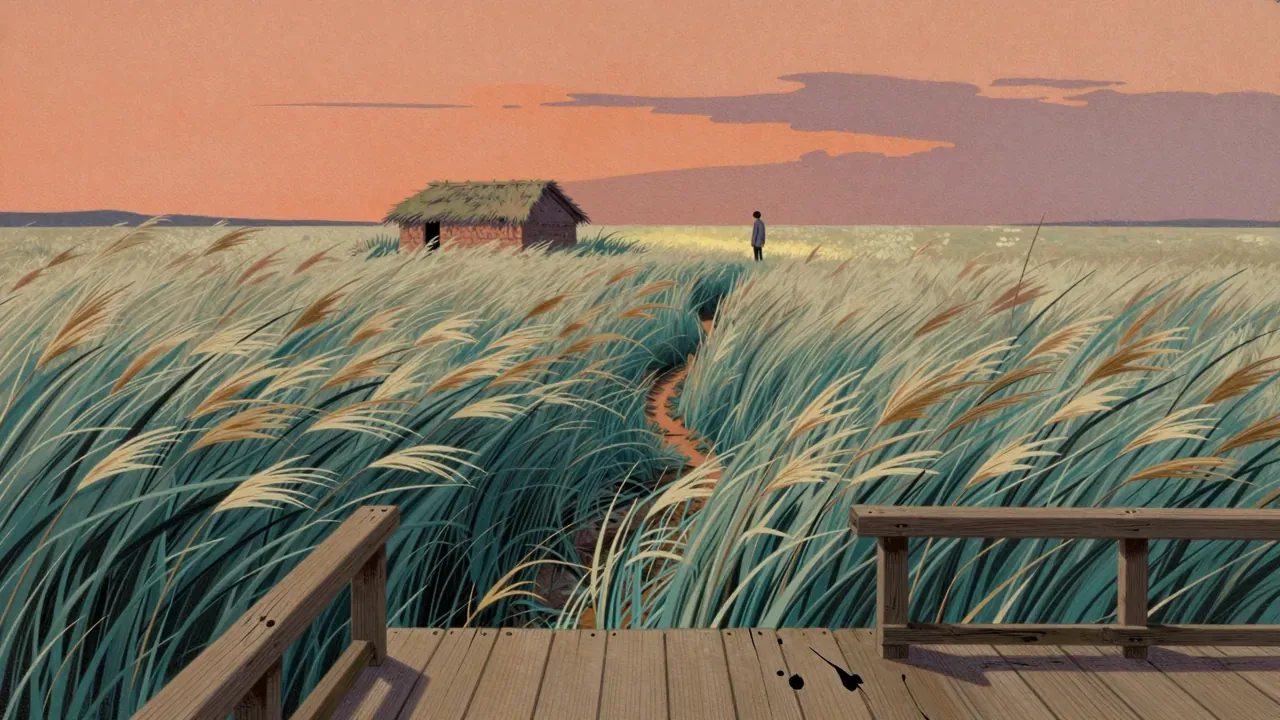
Set in 14th-century Japan amid civil war, Onibaba follows two unnamed women who kill stray soldiers in a vast reed field to trade armour for food. When a masked samurai dies in their pit, the older woman takes his hannya mask — and finds it will not come off. Kaneto Shindō’s 1964 film uses stark black-and-white cinematography, minimal dialogue, and physical performance to explore moral erosion, interdependence, and the bodily cost of fear.

13:00

Resurrection

Bi Gan · 2025

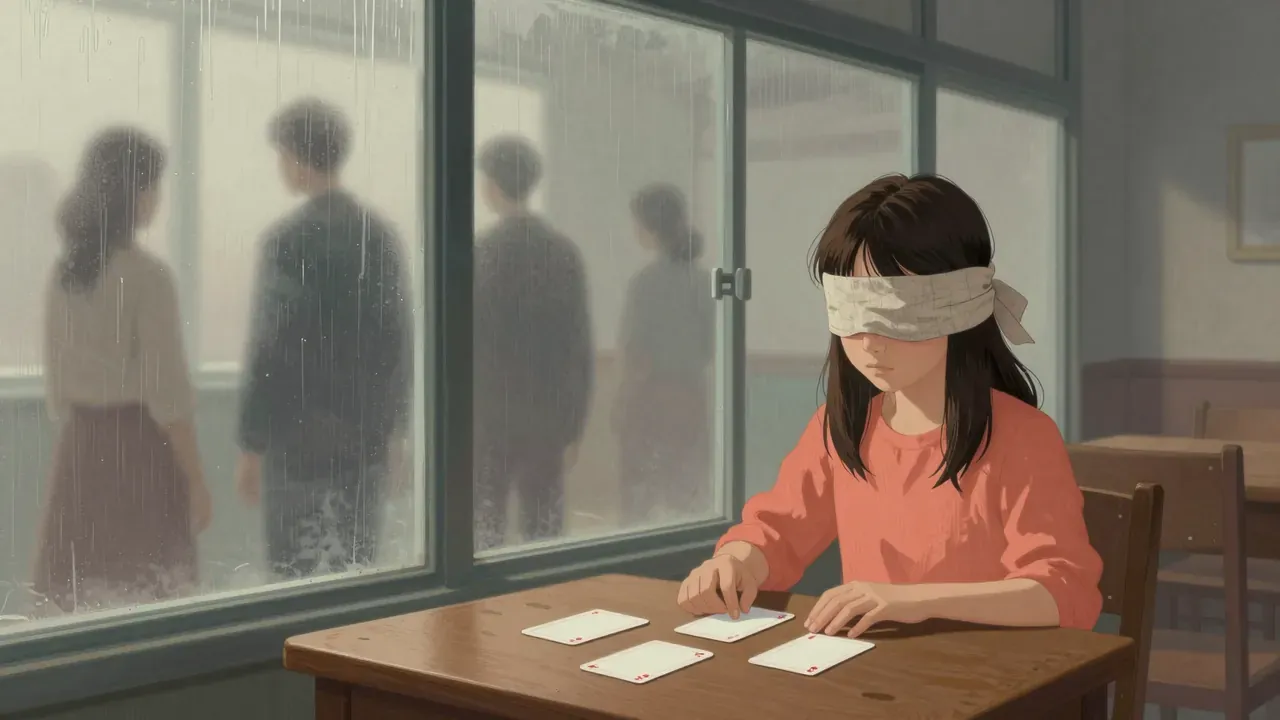
Bi Gan’s Resurrection is a 156-minute Mandarin-language science fiction film structured around the six Buddhist senses. Starring Jackson Yee as a dying ‘Deliriant’ who relives a century across four dreams, aided by Shu Qi’s enigmatic guide, it uses formal techniques — long takes, double exposure, stop motion — to explore dreaming as forbidden ritual. Shot by Dong Jingsong and scored by M83, it premiered at Cannes 2025, winning the Prix Spécial, and was released theatrically in China and France late that year. Its ambition is liturgical: to make cinema itself the site of resurrection.

13:00

Samurai I: Musashi Miyamoto

Hiroshi Inagaki · 1954

Hiroshi Inagaki’s 1954 Samurai I: Musashi Miyamoto follows the transformation of the unruly Takezo into the disciplined swordsman Musashi Miyamoto. Adapted from Eiji Yoshikawa’s novel, it charts his journey through exile, imprisonment, and moral education in early Tokugawa Japan. With Toshirō Mifune in a physically commanding, psychologically restrained performance, the film privileges restraint over action, silence over exposition, and accumulation over epiphany. Shot in Eastman Color by Toho, it won a Special Academy Award in 1955 and remains a cornerstone of Japanese cinematic craft.

13:00

Sanshiro Sugata

Akira Kurosawa · 1943

Akira Kurosawa’s 1943 debut adapts Tsuneo Tomita’s novel about a young judo student’s moral and physical education in Meiji-era Tokyo. Made under wartime censorship, it foregrounds cinematic control — wipes, weather, slow motion — over didacticism. Its power lies in quiet accumulation: the pond vigil, the measured matches, the unspoken parting. Though some characters remain schematic and its politics underdeveloped, its focus on discipline as self-erasure remains potent. Restored footage has deepened, but not altered, its austere coherence.

13:00

The Burmese Harp

Kon Ichikawa · 1956

Kon Ichikawa’s 1956 drama follows Japanese soldiers in Burma at the end of World War II, narrowing to one man’s solitary mission to bury the dead and become a Buddhist monk. Adapted from Michio Takeyama’s novel by Natto Wada, it uses monochrome restraint, deliberate pacing and Akira Ifukube’s haunting score to explore grief, duty and spiritual transformation — not as transcendence, but as daily labour.

13:00

The Eight Mountains

Felix van Groeningen, Charlotte Vandermeersch · 2022

Co-directed by Felix van Groeningen and Charlotte Vandermeersch, The Eight Mountains follows Pietro and Bruno across thirty years as their childhood bond in the Italian Alps fractures, endures, and reshapes itself through distance, grief, and divergent choices. Shot by Ruben Impens and scored by Daniel Norgren, it treats landscape as character and time as weather — a slow, tactile drama about inheritance, solitude, and the quiet persistence of place.

13:00

The Lower Depths

Akira Kurosawa · 1957

Akira Kurosawa’s 1957 adaptation of Gorky’s play relocates the action to Edo Japan and strips away theatrical artifice to create a claustrophobic, ensemble-driven portrait of a tenement’s inhabitants. With Toshirō Mifune, Isuzu Yamada and Kyōko Kagawa, it sustains a tone of moral exhaustion rather than uplift, treating poverty as an environment that reshapes language, loyalty and selfhood. Shot in extended takes with minimal editing, it privileges texture over plot and ambiguity over resolution.

history.briefs History

All 5 in history →
13:00

Angkor Wat

Founded 802

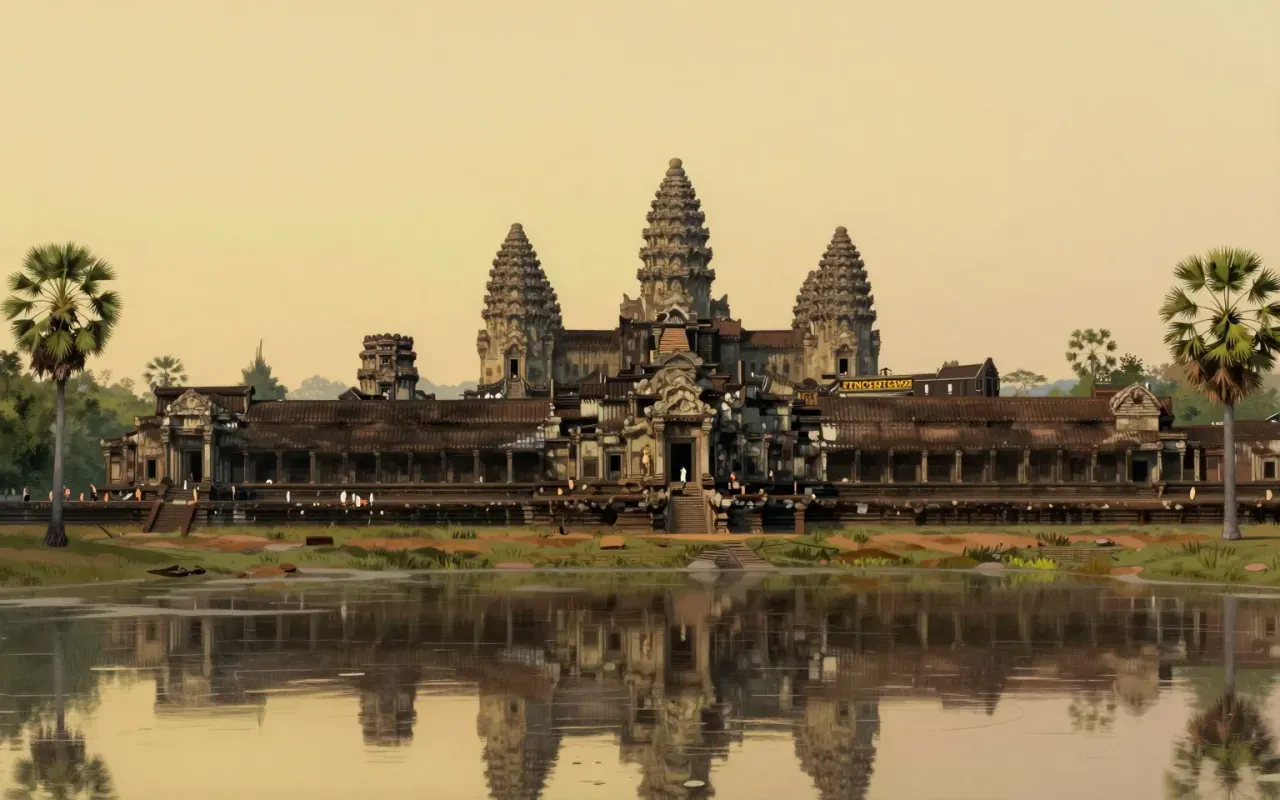
King Suryavarman II commissioned Angkor Wat around 1113, building it as a Hindu temple dedicated to Vishnu, and construction continued until his death around 1150 left some of its bas-relief carving unfinished. Decades later King Jayavarman VII, following his wife's faith, oversaw the temple's gradual conversion toward Buddhist use, and though the site was never fully abandoned, no surviving inscription records the name its builders actually gave it, leaving even that basic fact to scholarly inference.

13:00

Ashoka

304–232 BC

Ashoka took the Mauryan throne in the third century BC and conquered the kingdom of Kalinga at enormous human cost before turning, over subsequent years, toward an ethical code he called dhamma and eventually Buddhism. His own edicts are the only contemporary evidence for his reign; the dramatic stories of fratricide and conversion come from Buddhist chronicles composed centuries afterward, and the two surviving legendary traditions disagree with each other. His empire declined quickly after his death, and he was largely forgotten until nineteenth-century decipherment restored him to history.

13:00

Jayavarman VII

1122–1218

Jayavarman VII took the Khmer throne in 1181 after leading the recovery from a devastating Cham invasion, then built Angkor Thom, the Bayon and a network of hospitals and roads across a thirty-seven-year reign. Almost all surviving evidence for his rule comes from inscriptions and bas-reliefs he commissioned himself, since no independent chronicle or personal account survives. Historians caution against reading his monuments as literal proof of administrative reach, and his Buddhist religious programme did not outlast his own reign.

13:00

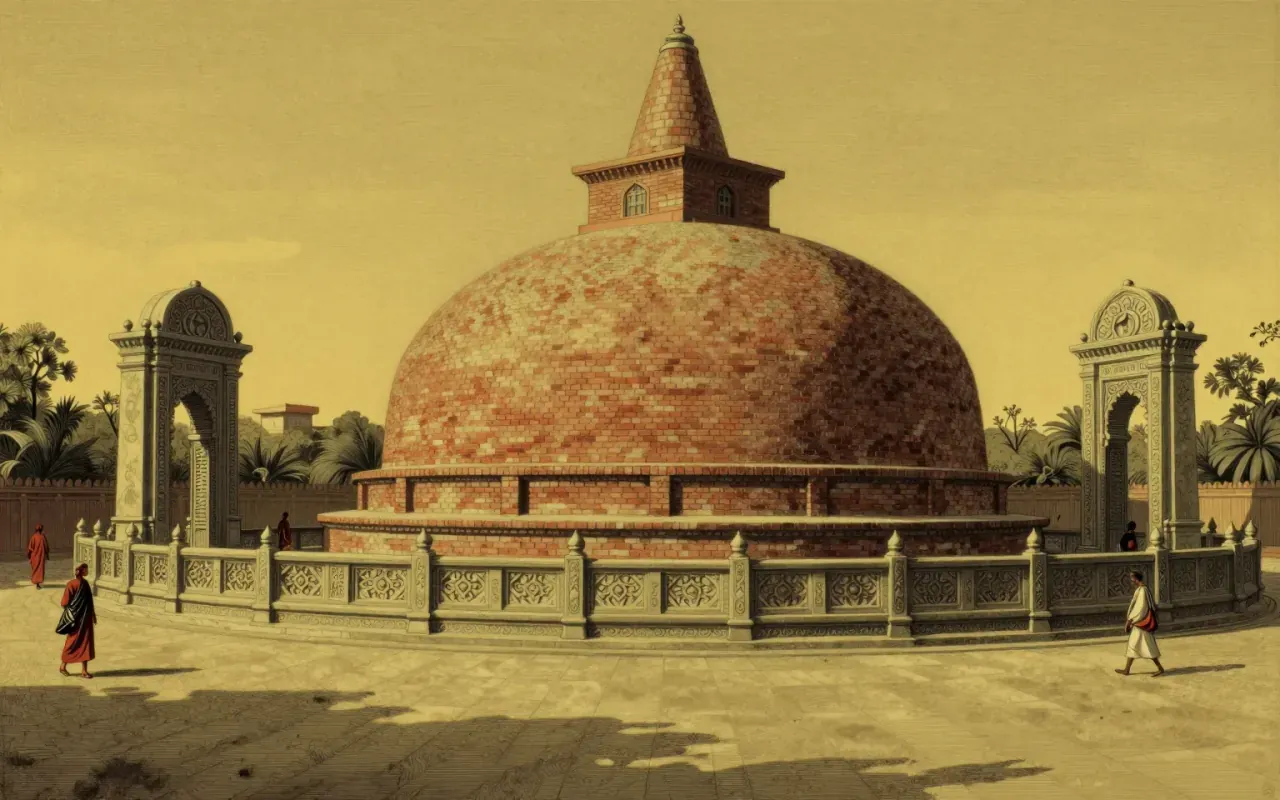
Nalanda mahavihara

Founded c. 427

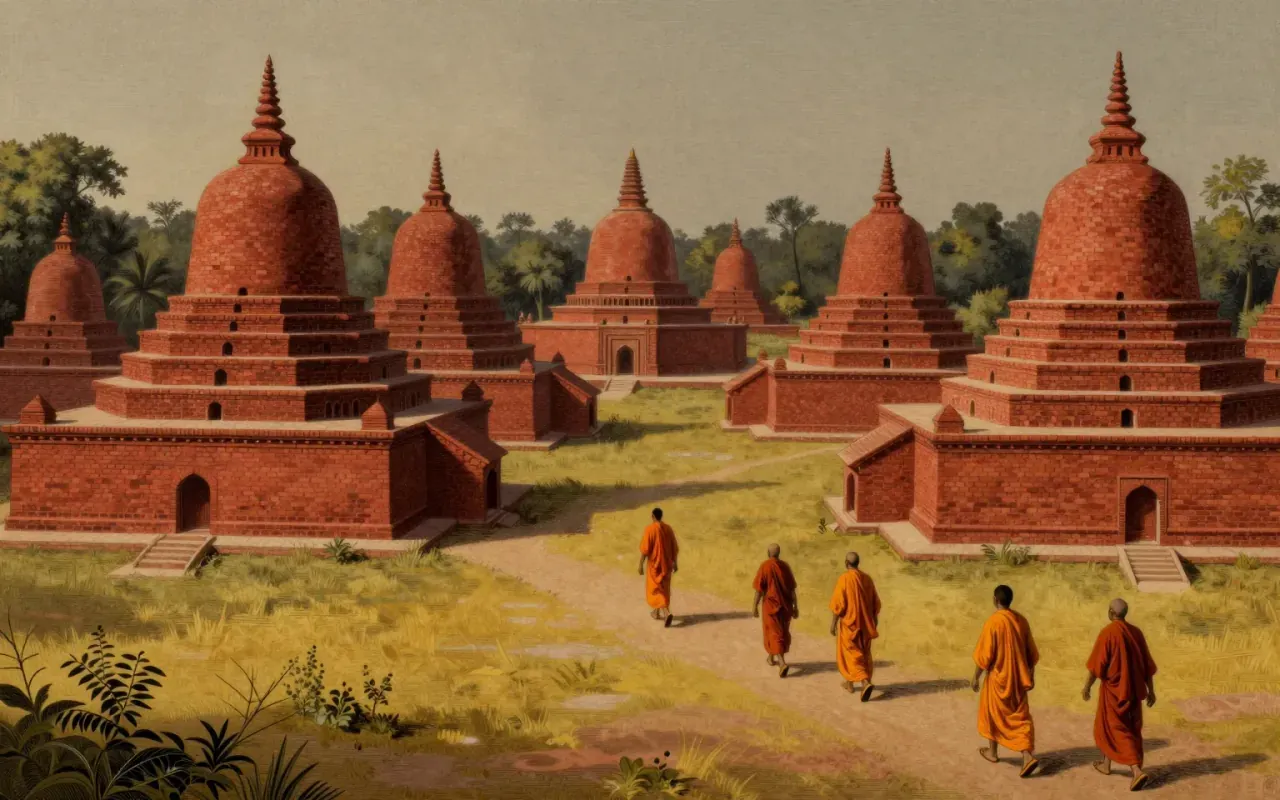
Nalanda, founded around 427 under the Gupta emperor Kumaragupta I, grew into a major Buddhist centre of learning that at its height supported over 1,500 faculty on revenue from a hundred villages, according to the Chinese pilgrim Xuanzang, who studied there for roughly two years from 637 and later left an account mixing careful observation with unverifiable legend. The institution was burned by Muhammad Bakhtiyar Khalji's forces around 1200, though it did not vanish immediately, with reduced scholarly activity continuing for some decades and its traditions carried onward into Tibetan Buddhism through fleeing monks.

13:00

Edicts of Ashoka

3rd century BC

Across more than thirty rock faces and pillars from Afghanistan to Bangladesh, the Mauryan emperor Ashoka had proclamations on ethical governance carved in the third century BC. Lost to readers once Brahmi script fell out of use, the edicts were only deciphered in the 1830s, and their authorship was confirmed as Ashoka's only in 1915, when an inscription at Maski paired his personal name with the title used elsewhere. They remain the earliest datable written texts from the Indian subcontinent.

culture.briefs Culture

All 7 in culture →
9:46

Beatnik

How the media's word "beatnik" turned Kerouac's "beat" into a caricature, and how fast serious ideas become costumes.
10:11

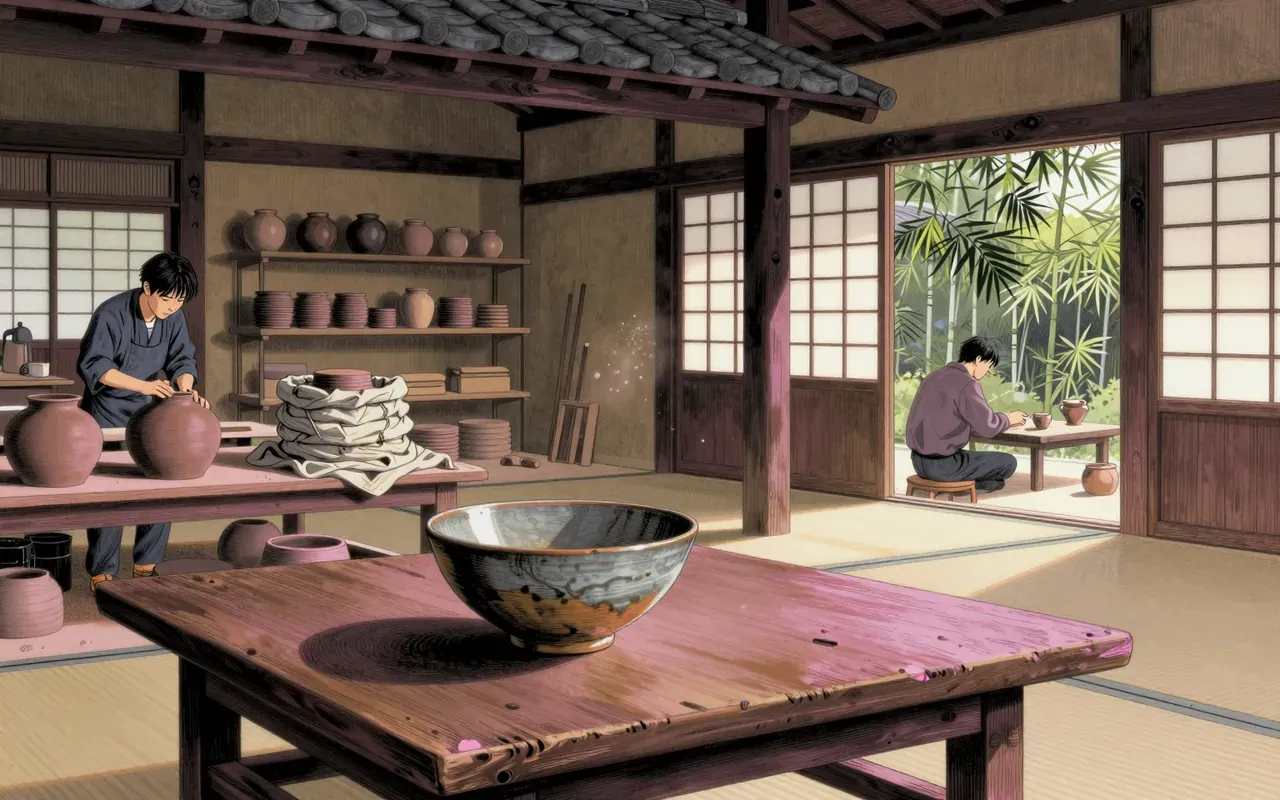
Mingei

Mingei wasn’t about folk art — it was a nationalist doctrine disguised as aesthetics.
8:33

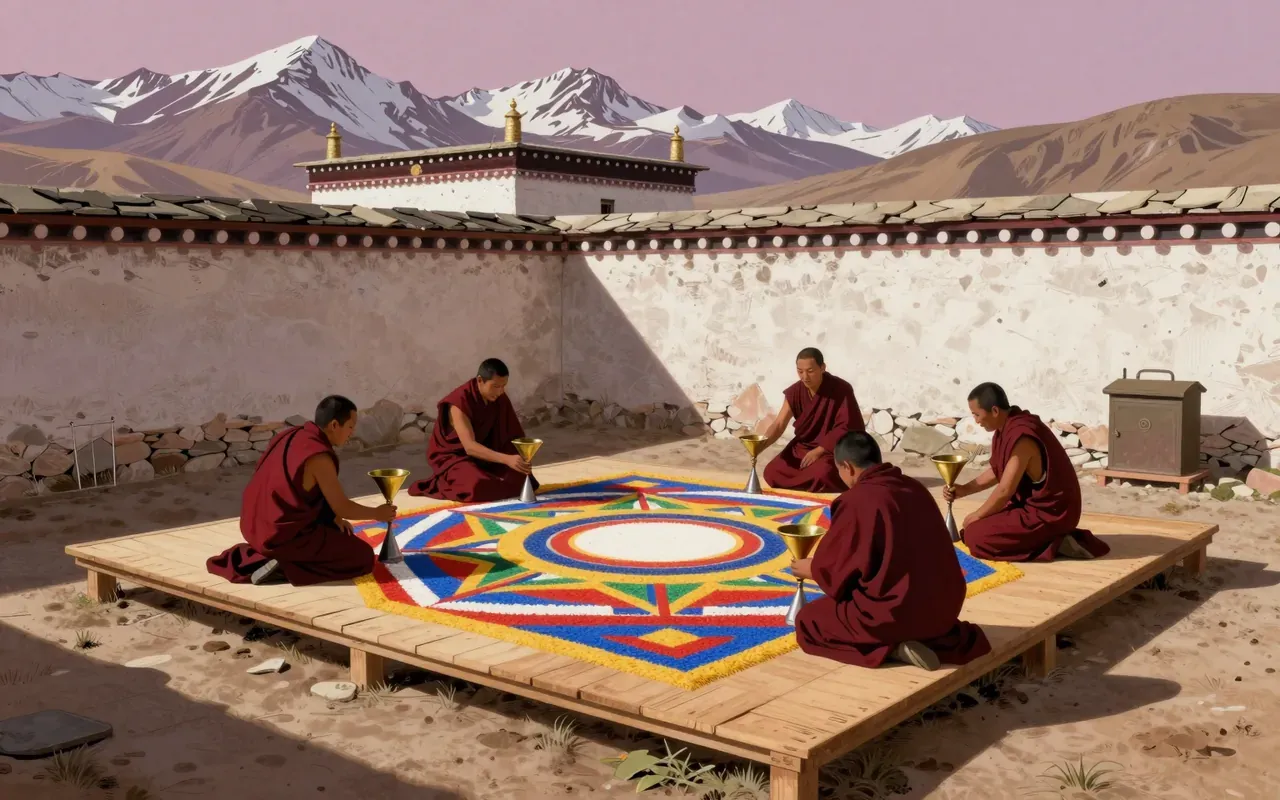
Mandala

A ritual geometry that maps the cosmos—and then erases itself. Not art. Not therapy. A discipline disguised as symmetry.
9:14

The Buddha

He didn’t promise salvation. He offered a repair manual for attention—and it still works.
10:05

Nam June Paik

He didn’t predict the internet—he built its conscience, then watched it get outsourced to engineers and advertisers.

nature.briefs Nature

All 1 in nature →
9:29

Bodhi tree

A tree that survives only by being copied—venerated, not lived with.