briefs
Topic · across the network

Detroit

Cars, then no cars, and the music that came out of the gap.

17
briefs
5
subjects
10:24
average
177 min
in total
Abstraction 407Absurdism 137Acoustics 220Acting 65Adaptation 372Addiction 95Adolescence 202Advertising 77Age of exploration 14Ageing 113Agriculture 100Algorithms 114Ambition 46Anarchism 38Ancient Egypt 17Ancient Greece 38Ancient Rome 30Animals 172Anthropology 23Apartheid 12Architecture 165Archives 32Argentina 10Art Deco 26Artificial intelligence 78Astronomy 81Attention 42Australia 32Automation 73Avant-garde 164Aviation 79Banking 72Banned works 40Bauhaus 12Beer 5Behavioural economics 22Berlin 16Big tech 6Biodiversity 136Biography 86Birds 41Black holes 20Blockchain 12Boxing 14Branding 77Brazil 43Bread 29Britain 131Brutalism 4Bubbles 3Buddhism 28Byzantium 10California 17Canada 18Capitalism 94Cars 468Celebrity 59Censorship 110Cheese 24Chefs 9Chemistry 104Chess 2Childhood 87China 109Chocolate 8Christianity 49Cinematography 343Cities 90Class 485Climate change 107Club culture 100Cocktails 2Coffee 11Cognitive bias 14Collecting 16Colonialism 284Colour 42Comedy 89Community 52Complexity 21Computing 309Consciousness 16Conservatism 14Conspiracy theories 8Cooking 178Corruption 38Cosmology 31Cover versions 64Craft 116Crate digging 42Creativity 8Crime 234Cryptocurrency 8Cryptography 24Cuba 10Cybersecurity 30Dada 12Debt 38Decision-making 28Decolonisation 46Deep time 80Democracy 45Denim 16Deserts 45Detroit 17Dinosaurs 12Directing 168Disasters 59Disease 109DJ culture 89Dreams 32Drones 5Drum machines 96Dystopia 69East Africa 28Ecology 337Economics 36Editing 72Education 92Egypt 12Electric vehicles 59Emotion 22Empire 92Endurance 49Energy 120Engineering 541Entropy 8Epidemics 13Equality 9Espionage 31Ethics 44Evolution 174Existentialism 106Expertise 2Exploration 49Extinction 23Failure 37Family 240Fandom 22Fascism 45Fashion 215Fast fashion 12Fear 34Feminism 122Fermentation 126Film music 81Fishing 12Folklore 71Food history 588Football 16Forests 31Forgery 7France 163Fraud 15Free will 13Freedom 16French literature 15Friendship 24Furniture 36Gambling 14Gender 63Generations 28Genetics 87Geology 96Germany 66Globalisation 74Gothic 32Greece 5Grief 126Habits 6Happiness 2Hardware 709Haute couture 22Headphones 8Hi-fi 12Hinduism 12Hoaxes 1Human history 23Human nature 41Identity 138Illustration 8Impressionism 6Improvisation 249India 89Indonesia 15Industrial design 342Inequality 13Inflation 4Information 34Infrastructure 280Insects 29Intelligence 8Interiors 31Internet culture 88Invention 329Iran 41Islam 40Islands 17Israel 9Italy 52Jamaica 10Japan 114Jewellery 5Journalism 34Judaism 13Justice 42Korea 41Language 70Law 90Leadership 20Learning 6Liberalism 1Libraries 6Literary criticism 26London 12Loneliness 61Los Angeles 62Lost works 9Love 67Luxury 55Machine learning 15Management 10Maps 5Marketing 21Markets 51Mars 6Marxism 26Masculinity 46Materials 138Mathematics 79Meaning 6Medicine 124Memory 82Mental health 70Mesopotamia 4Mexico 38Migration 95Minimalism 68Mining 30Misinformation 9Modernism 63Money 24Monopoly 32Mortality 61Motivation 2Mountains 16Museums 27Mysticism 11Mythology 60Nationalism 40Neuroscience 23New York 36Nigeria 7Nihilism 10Noise 31Nostalgia 33Nuclear 29Nutrition 17Oceans 48Oil 42Open source 45Painting 18Palaeontology 29Parenting 14Paris 18Partition 6Patents 71Patronage 14Perception 44Personal style 27Personality 2Persuasion 8Peru 10Philosophy 77Photography 37Physics 206Plants 26Platforms 89Podcasting 1Poetry 25Poland 17Policing 34Pop Art 16Populism 2Portraiture 6Portugal 18Postmodernism 23Power 91Prehistory 24Preservation 28Printmaking 21Privacy 11Probability 6Productivity 1Programming 54Prohibition 1Propaganda 35Protest 75Pseudoscience 17Psychology 80Publishing 22Punishment 16Quantum mechanics 44Race 145Radio 30Railways 35Rave 17Realism 47Record labels 19Recording 810Relativity 23Religion 154Resilience 15Restaurants 30Restoration 2Retail 94Revolution 58Risk 18Ritual 96Robotics 26Romance 96Russia 58Salt 9Sampling 246Satire 84Scandinavia 28Scientific method 186Screenwriting 26Sculpture 7Secularism 2Self-deception 14Semiconductors 73Sexuality 102Ships 18Silence 24Silicon Valley 17Slavery 35Sleep 2Smartphones 27Sneakers 15Social media 58Socialism 9Software 68Songwriting 180Sound design 332Sound systems 20South Africa 19South East Asia 30Space exploration 84Spain 18Special effects 41Spices 62Spirits 12Sport 82Startups 21Statistics 10Status 9Stoicism 4Storytelling 68Strategy 70Street food 99Streetwear 16Studio craft 508Subcultures 59Sugar 12Supply chains 115Surrealism 53Surveillance 21Sustainability 30Synthesis 232Tailoring 37Taxation 14Tea 24Textiles 97Thailand 11The American Revolution 19The American South 88The Arab world 41The Arctic 19The Balkans 17The Belle Epoque 13The body 29The brain 26The Caribbean 28The civil rights movement 62The Cold War 160The eighties 268The Enlightenment 29The financial crisis 19The First World War 39The food industry 157The French Revolution 9The Gilded Age 9The Great Depression 18The Holocaust 20The Industrial Revolution 93The internet 61The interwar years 135The Middle Ages 35The Moon 4The music business 169The Netherlands 10The nineties 26The Olympics 10The pandemic 13The Reformation 1The Renaissance 16The Russian Revolution 19The Second World War 102The seventies 58The sixties 28The space race 5The United States 19The universe 7The Victorian era 37Therapy 20Tokyo 11Trade 48Tragedy 22Translation 5Trauma 85Travel 5True crime 2Turkey 18Typography 54Uniforms 23Unions 8Urban planning 66Utilitarianism 1Utopia 5Vaccines 10Vegetarianism 15Venture capital 6Video games 291Vietnam 12Vintage 65Vinyl 6Virtual reality 11War 169Watches 4Water 11Weather 29West Africa 29Wilderness 10Wine 3Work 22Workwear 19Worldbuilding 121

music.briefs Music

All 5 in music →
9:59

Get Rich or Die Tryin’

50 Cent · 2003

Get Rich or Die Tryin’ is 50 Cent’s 2003 debut studio album, executive-produced by Eminem and Dr. Dre to fuse gangsta rap and R&B. It features production by Mike Elizondo, Sha Money XL, Mr. Porter, Rockwilder, Dirty Swift, and Megahertz. Guest appearances include Eminem, Young Buck, Nate Dogg, Lloyd Banks, and Tony Yayo. 'In da Club' was one of seven tracks recorded with Dr. Dre in five days. 'Back Down' repurposed an unused instrumental from Rakim’s unreleased Oh My God. The album debuted at #1 on the Billboard 200 with 872,000 copies sold in four days. It spawned two Billboard Hot 100 number-one singles: 'In da Club' and '21 Questions' (featuring Nate Dogg). Rolling Stone noted its 'dark synth grooves, buzzy keyboards and a persistently funky bounce'. The Source highlighted 'In da Club’s' 'blaring horns, funky organs, guitar riffs and sparse hand claps'. It received Multiple Platinum certification by the RIAA.
10:20

Going to a Go‐Go

Smokey Robinson and The Miracles · 1965

A 1965 Tamla album assembled across 1963–1965 at Hitsville USA in Detroit. Six tracks predate the album’s release. Smokey Robinson produced and sang lead; Pete Moore arranged vocals and co-wrote seven songs; Marv Tarplin played guitar on three tracks; The Funk Brothers and Detroit Symphony Orchestra provided instrumentation. Four singles charted Top 20 on Billboard Hot 100 and Top 10 on R&B. Released under the name Smokey Robinson and the Miracles. Listed in Rolling Stone’s 500 Greatest Albums.

12:02

Kick Out the Jams

MC5 · 1969

Kick Out the Jams is MC5’s debut live album, recorded over two nights at Detroit’s Grande Ballroom in October 1968 and released in February 1969. It is raw, in-your-face, savage and raging. Bruce Botnick engineered it. Jac Holzman and Botnick knew MC5 were at their best playing for a receptive audience. The band used no studio overdubs or edits — just five players captured in the room: Wayne Kramer on lead guitar and vocals for 'Ramblin' Rose', Fred 'Sonic' Smith on rhythm guitar, Michael Davis on bass, Dennis Thompson on drums, Rob Tyner on lead vocals. It contains politically explicit material: 'Motor City Is Burning' references the Detroit riots of 1967 and praises the Black Panthers. 'Starship' is co-credited to Sun Ra because its lyrics borrow from one of his poems. John Sinclair’s liner notes are inflammatory. It does not offer studio polish, instrumental nuance, or vocal control. It does not separate instruments in the mix. It does not mute the title track’s expletive in the original release. The title track lands as a full-throated, room-filling call to action. 'Rocket Reducer No. 62' lands as a proto-punk anthem with repetitive, driving force. 'Motor City Is Burning' lands as an extended, politically charged cover. 'Starship' lands as a spaced-out, lyrically borrowed piece. Yes — if you want to hear what unmediated live rock energy sounded like before production smoothed it out. No — if you need separation, clarity, or restraint.

10:46

The Slim Shady LP

Eminem · 1999

The Slim Shady LP is a tightly controlled studio document: recorded in one room, built from one workflow, anchored by one persona. Its power lies in execution—not concept, not legacy, not controversy as spectacle, but controversy as deliberate sonic placement.

13:00

What’s Going On

Marvin Gaye · 1971

Released in 1971 on Motown's Tamla imprint, What's Going On was the first Marvin Gaye album he produced himself, built from grief, a stalled football tryout and a label boss who initially wanted nothing to do with the title track. The result plays as one continuous piece rather than a run of singles, moving from a returning soldier's disillusionment to ecological unease without ever raising its voice.

film.briefs Film

All 4 in film →
13:00

Louie Bluie

Terry Zwigoff · 1985

Terry Zwigoff’s 1985 documentary Louie Bluie observes Howard Armstrong — fiddler, painter, linguist, raconteur — in his Detroit home. Shot with minimal equipment and no narration, it captures his music, wit, and visual artistry without contextualising his place in American musical history. The film’s power lies in its restraint: it treats Armstrong as a living, breathing person, not a historical exhibit.

13:00

RoboCop

Paul Verhoeven · 1987

A 1987 science-fiction action film directed by Paul Verhoeven, set in a bankrupt, corporatised Detroit. After police officer Alex Murphy is killed and rebuilt as the cyborg law enforcer RoboCop, he begins to recover fragments of his past while enforcing the directives of the megacorporation Omni Consumer Products. Written by Edward Neumeier and Michael Miner, it uses stylised violence, satirical media interludes, and practical effects to interrogate identity, surveillance, and late-capitalist governance.

13:00

Detroit

Kathryn Bigelow · 2017

Kathryn Bigelow’s Detroit dramatises the 1967 Algiers Motel incident with forensic restraint: tight framing, minimal score, and performances rooted in silence and hesitation. It focuses not on the wider riot but on how unchecked authority operates in a single night — and how institutions protect themselves through omission, delay, and procedural evasion. The film’s power lies in its refusal to resolve what history left open.

13:00

The Virgin Suicides

Sofia Coppola · 1999

Sofia Coppola’s 1999 debut adapts Jeffrey Eugenides’ novel into a hushed, amber-toned portrait of five teenage sisters in 1970s Detroit, observed from afar by neighbourhood boys. Shot by Edward Lachman and scored by Air, it builds mood through stillness, soft focus, and restrained performance — especially Kirsten Dunst’s Lux — avoiding psychology, exposition, or catharsis. Its power lies in what it withholds.

automotive.briefs Automotive

All 6 in automotive →
10:45

Cadillac Sixteen

Brian Smith · 2005

The Cadillac Sixteen is a 2003 concept car. It has a proprietary 13.6 L V16 engine. It uses a four-speed automatic transmission driving the rear wheels. It references the 1930s Cadillac V-16. It weighs about 5,005 lb. It influenced later models including the Celestiq.

8:52

Chevrolet Bel Air

Harley Earl team · 1955

The 1955 Chevrolet Bel Air is a full-size car. It began as a two-door hardtop designation in 1950. It is named after the Bel Air neighbourhood in Los Angeles. From 1953, it became a premium trim level across body styles. By 1975, it had become a budget fleet sedan in the US. Canadian production continued through 1981. First-year production was 76,662 units.

10:06

Dodge Challenger (1970)

Carl Cameron · 1970

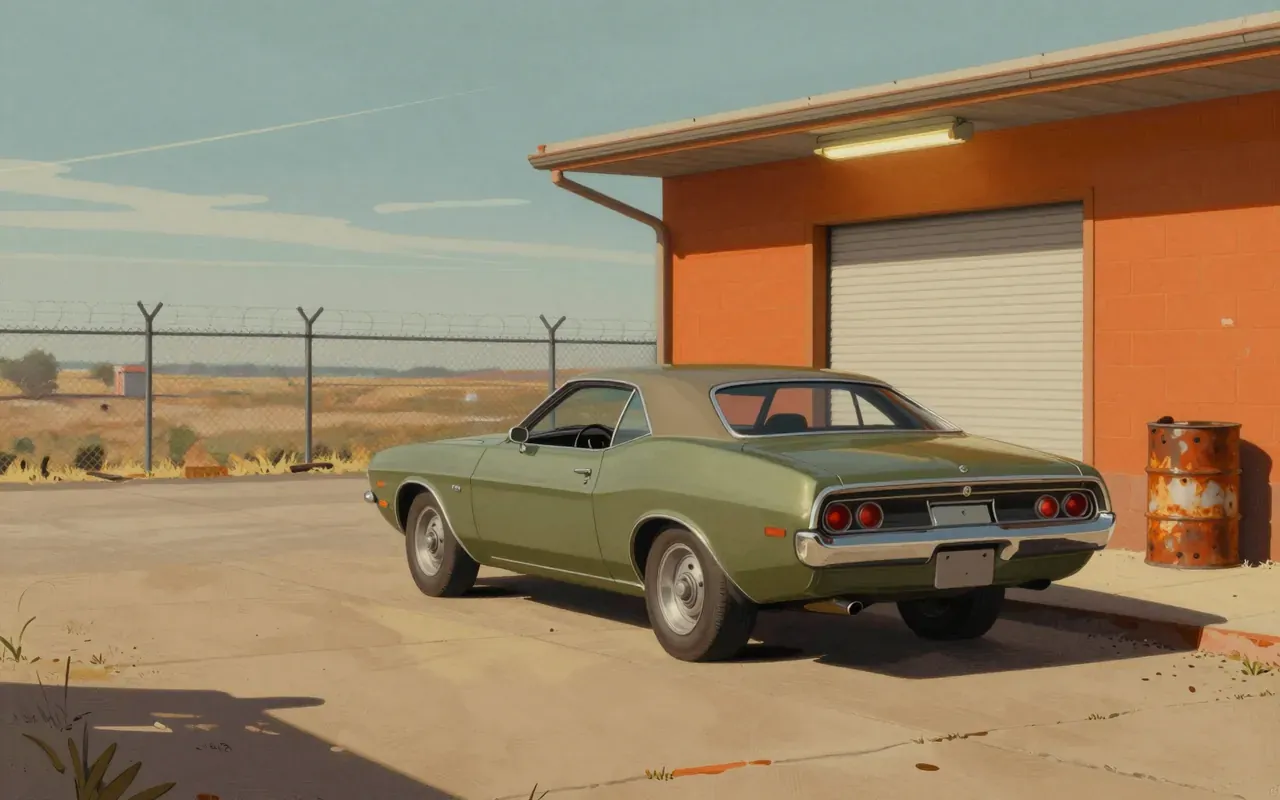
The 1970 Dodge Challenger is a front-engine, rear-wheel-drive E-platform pony car. It launched in autumn 1969 for the 1970 model year. It shares its platform and body styles — hardtop and convertible — with the Plymouth Barracuda. It is longer than the Barracuda but not mechanically distinct. It is the first of three generations bearing the Challenger name — the second being a rebadged Mitsubishi compact (1978–1983), the third a full-size muscle car (2008–2023). Production of the third generation ended December 22, 2023.

9:26

Buick Wildcat

Buick Design · 1963

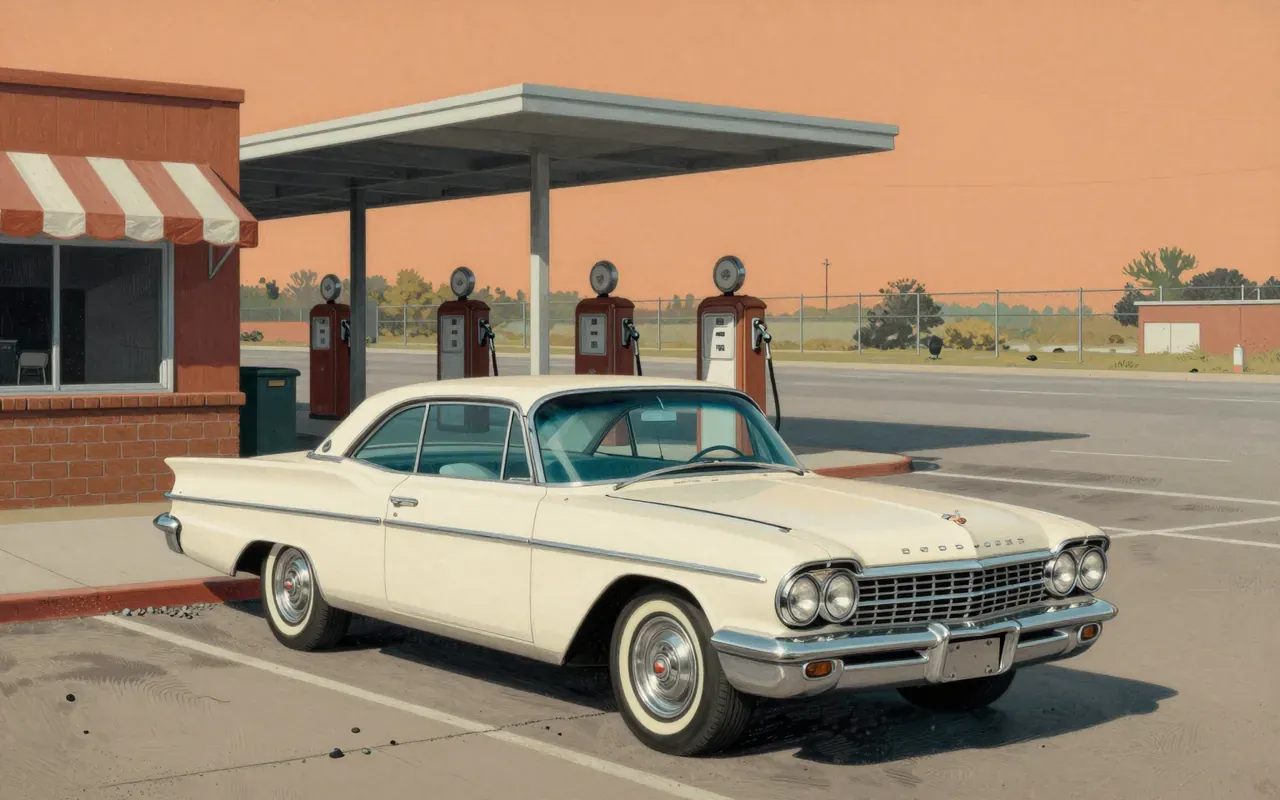
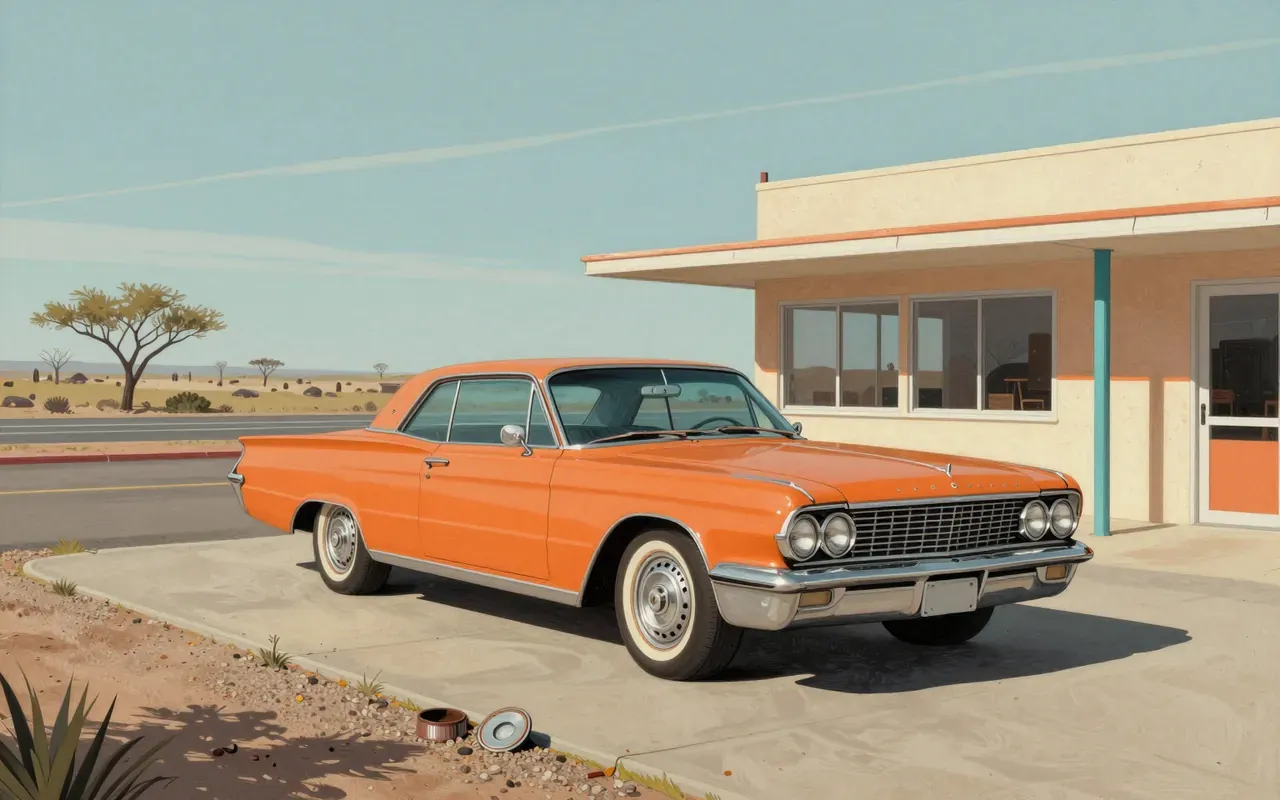
The Buick Wildcat is a full-size car produced from 1963 to 1970. It was positioned between the LeSabre and the larger C-body Electra. It offered two-door hardtop, convertible, and four-door hardtop sedan body styles. It replaced the 1962 Invicta subseries and was itself replaced by the Centurion in 1971.

9:12

Lincoln Continental

Elwood Engel · 1961

The 1961 Lincoln Continental is a four-door saloon styled by Elwood Engel. It originated as a rejected 1961 Ford Thunderbird proposal in 1958. Ford executives redirected it into a four-door, four-seat Lincoln. Its success convinced Ford President Robert S. McNamara to retain the Lincoln brand after considering its termination. Engel focused specifically on Lincoln vehicles during his time at Ford.

10:01

Plymouth Barracuda

Elwood Engel team · 1964

The 1964 Plymouth Barracuda is a fastback rebody of the Valiant, built on the Chrysler A-body. Its innovation was optical, not mechanical: the largest rear window ever fitted to a standard production car. It offered no new powertrain or chassis architecture at launch — only a new silhouette grafted onto an existing car. It beat the Mustang to market by two weeks, but did not define the pony car category on its own terms. It is significant as a case study in low-risk styling iteration, not as a driver’s machine or engineering departure.

audio.briefs Audio

All 1 in audio →
9:08

Small Stone Records

Electro-Harmonix · 1995

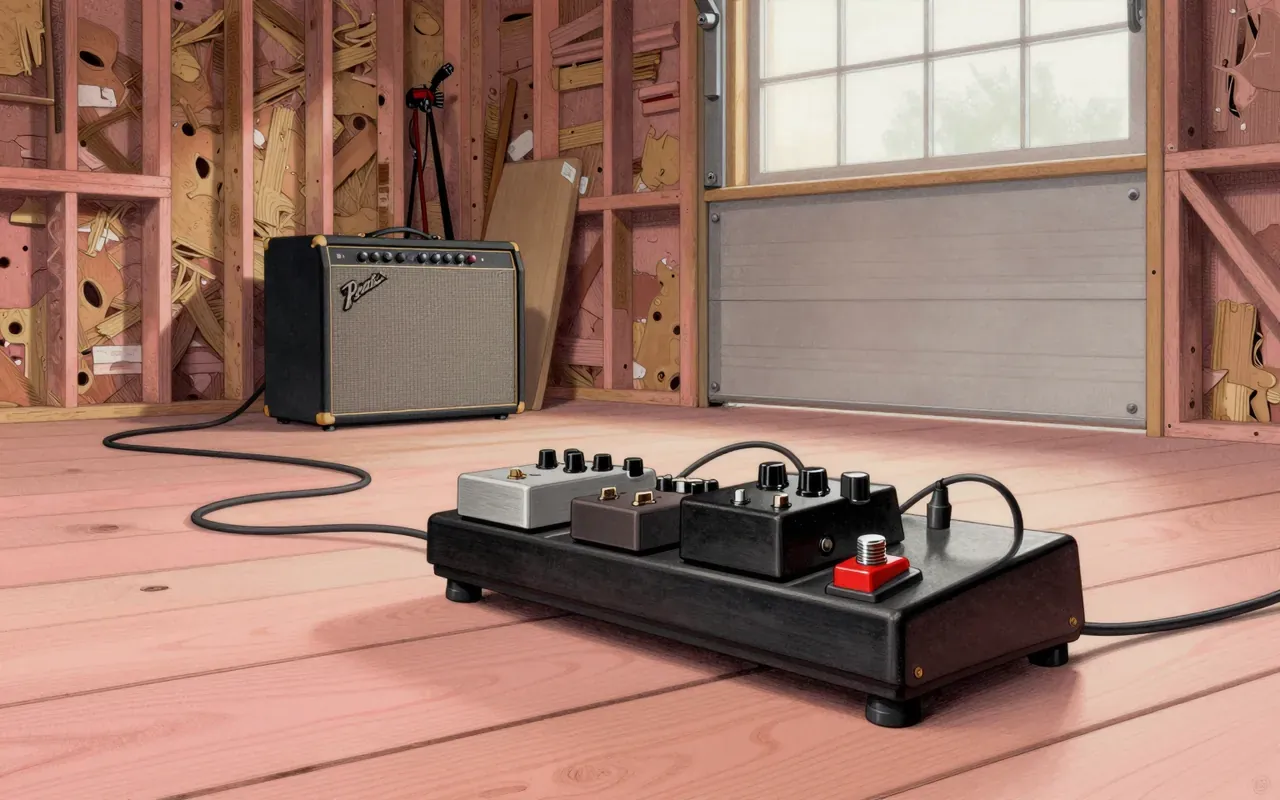
The Small Stone is a 4-stage analog phaser pedal introduced by Electro-Harmonix in 1974. Designed by David Cockerell, it became central to Jean-Michel Jarre’s sound and was later reissued in a Nano chassis. Its simplicity — one knob, two modes — gives immediate, expressive motion but no depth control, no buffered bypass, and no digital features.

food.briefs Food

All 1 in food →
1:09

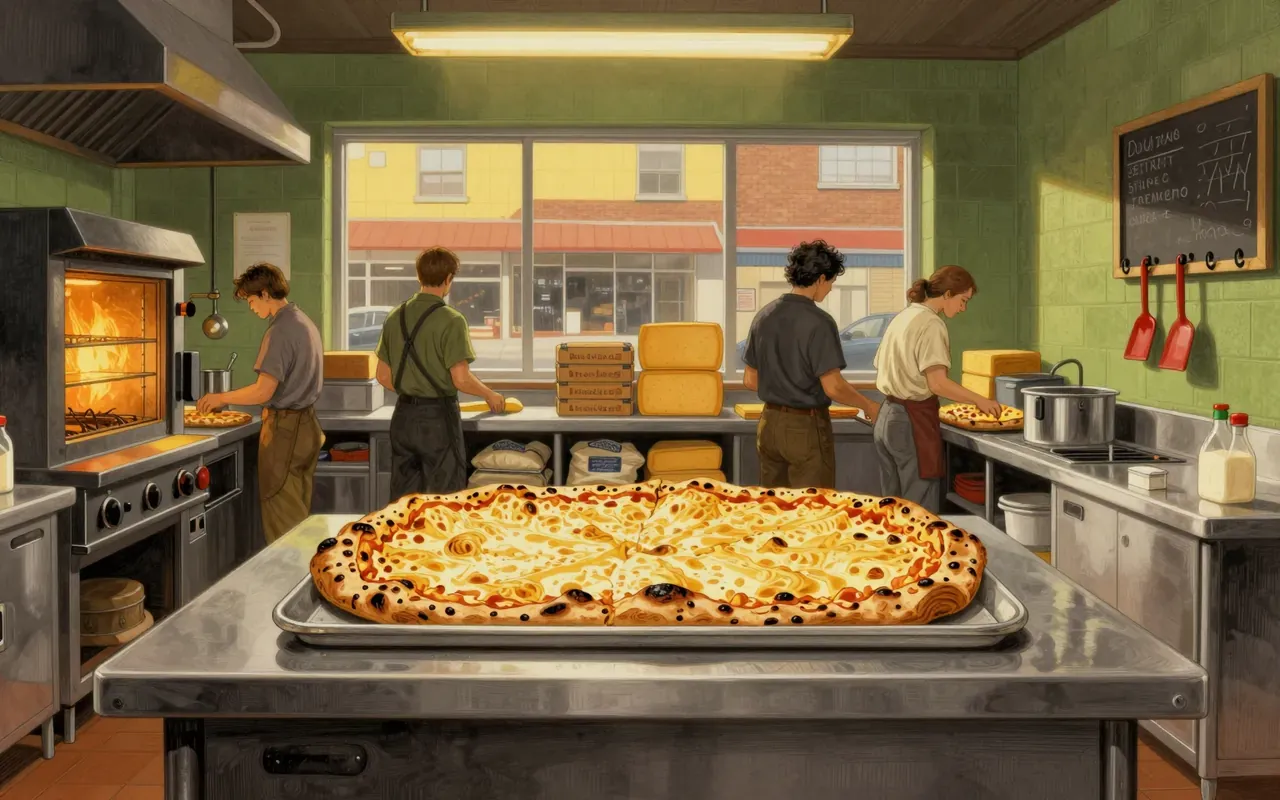
Detroit-style pizza

A rectangular pan pizza with thick, crisp-chewy crust, caramelized cheese edges, and cooked tomato sauce.