briefs
Topic · across the network

Islam

A faith, a legal tradition and a civilisation, frequently confused for each other.

40
briefs
6
subjects
11:18
average
452 min
in total
Abstraction 407Absurdism 137Acoustics 220Acting 65Adaptation 372Addiction 95Adolescence 202Advertising 77Age of exploration 14Ageing 113Agriculture 100Algorithms 114Ambition 46Anarchism 38Ancient Egypt 17Ancient Greece 38Ancient Rome 30Animals 172Anthropology 23Apartheid 12Architecture 165Archives 32Argentina 10Art Deco 26Artificial intelligence 78Astronomy 81Attention 42Australia 32Automation 73Avant-garde 164Aviation 79Banking 72Banned works 40Bauhaus 12Beer 5Behavioural economics 22Berlin 16Big tech 6Biodiversity 136Biography 86Birds 41Black holes 20Blockchain 12Boxing 14Branding 77Brazil 43Bread 29Britain 131Brutalism 4Bubbles 3Buddhism 28Byzantium 10California 17Canada 18Capitalism 94Cars 468Celebrity 59Censorship 110Cheese 24Chefs 9Chemistry 104Chess 2Childhood 87China 109Chocolate 8Christianity 49Cinematography 343Cities 90Class 485Climate change 107Club culture 100Cocktails 2Coffee 11Cognitive bias 14Collecting 16Colonialism 284Colour 42Comedy 89Community 52Complexity 21Computing 309Consciousness 16Conservatism 14Conspiracy theories 8Cooking 178Corruption 38Cosmology 31Cover versions 64Craft 116Crate digging 42Creativity 8Crime 234Cryptocurrency 8Cryptography 24Cuba 10Cybersecurity 30Dada 12Debt 38Decision-making 28Decolonisation 46Deep time 80Democracy 45Denim 16Deserts 45Detroit 17Dinosaurs 12Directing 168Disasters 59Disease 109DJ culture 89Dreams 32Drones 5Drum machines 96Dystopia 69East Africa 28Ecology 337Economics 36Editing 72Education 92Egypt 12Electric vehicles 59Emotion 22Empire 92Endurance 49Energy 120Engineering 541Entropy 8Epidemics 13Equality 9Espionage 31Ethics 44Evolution 174Existentialism 106Expertise 2Exploration 49Extinction 23Failure 37Family 240Fandom 22Fascism 45Fashion 215Fast fashion 12Fear 34Feminism 122Fermentation 126Film music 81Fishing 12Folklore 71Food history 588Football 16Forests 31Forgery 7France 163Fraud 15Free will 13Freedom 16French literature 15Friendship 24Furniture 36Gambling 14Gender 63Generations 28Genetics 87Geology 96Germany 66Globalisation 74Gothic 32Greece 5Grief 126Habits 6Happiness 2Hardware 709Haute couture 22Headphones 8Hi-fi 12Hinduism 12Hoaxes 1Human history 23Human nature 41Identity 138Illustration 8Impressionism 6Improvisation 249India 89Indonesia 15Industrial design 342Inequality 13Inflation 4Information 34Infrastructure 280Insects 29Intelligence 8Interiors 31Internet culture 88Invention 329Iran 41Islam 40Islands 17Israel 9Italy 52Jamaica 10Japan 114Jewellery 5Journalism 34Judaism 13Justice 42Korea 41Language 70Law 90Leadership 20Learning 6Liberalism 1Libraries 6Literary criticism 26London 12Loneliness 61Los Angeles 62Lost works 9Love 67Luxury 55Machine learning 15Management 10Maps 5Marketing 21Markets 51Mars 6Marxism 26Masculinity 46Materials 138Mathematics 79Meaning 6Medicine 124Memory 82Mental health 70Mesopotamia 4Mexico 38Migration 95Minimalism 68Mining 30Misinformation 9Modernism 63Money 24Monopoly 32Mortality 61Motivation 2Mountains 16Museums 27Mysticism 11Mythology 60Nationalism 40Neuroscience 23New York 36Nigeria 7Nihilism 10Noise 31Nostalgia 33Nuclear 29Nutrition 17Oceans 48Oil 42Open source 45Painting 18Palaeontology 29Parenting 14Paris 18Partition 6Patents 71Patronage 14Perception 44Personal style 27Personality 2Persuasion 8Peru 10Philosophy 77Photography 37Physics 206Plants 26Platforms 89Podcasting 1Poetry 25Poland 17Policing 34Pop Art 16Populism 2Portraiture 6Portugal 18Postmodernism 23Power 91Prehistory 24Preservation 28Printmaking 21Privacy 11Probability 6Productivity 1Programming 54Prohibition 1Propaganda 35Protest 75Pseudoscience 17Psychology 80Publishing 22Punishment 16Quantum mechanics 44Race 145Radio 30Railways 35Rave 17Realism 47Record labels 19Recording 810Relativity 23Religion 154Resilience 15Restaurants 30Restoration 2Retail 94Revolution 58Risk 18Ritual 96Robotics 26Romance 96Russia 58Salt 9Sampling 246Satire 84Scandinavia 28Scientific method 186Screenwriting 26Sculpture 7Secularism 2Self-deception 14Semiconductors 73Sexuality 102Ships 18Silence 24Silicon Valley 17Slavery 35Sleep 2Smartphones 27Sneakers 15Social media 58Socialism 9Software 68Songwriting 180Sound design 332Sound systems 20South Africa 19South East Asia 30Space exploration 84Spain 18Special effects 41Spices 62Spirits 12Sport 82Startups 21Statistics 10Status 9Stoicism 4Storytelling 68Strategy 70Street food 99Streetwear 16Studio craft 508Subcultures 59Sugar 12Supply chains 115Surrealism 53Surveillance 21Sustainability 30Synthesis 232Tailoring 37Taxation 14Tea 24Textiles 97Thailand 11The American Revolution 19The American South 88The Arab world 41The Arctic 19The Balkans 17The Belle Epoque 13The body 29The brain 26The Caribbean 28The civil rights movement 62The Cold War 160The eighties 268The Enlightenment 29The financial crisis 19The First World War 39The food industry 157The French Revolution 9The Gilded Age 9The Great Depression 18The Holocaust 20The Industrial Revolution 93The internet 61The interwar years 135The Middle Ages 35The Moon 4The music business 169The Netherlands 10The nineties 26The Olympics 10The pandemic 13The Reformation 1The Renaissance 16The Russian Revolution 19The Second World War 102The seventies 58The sixties 28The space race 5The United States 19The universe 7The Victorian era 37Therapy 20Tokyo 11Trade 48Tragedy 22Translation 5Trauma 85Travel 5True crime 2Turkey 18Typography 54Uniforms 23Unions 8Urban planning 66Utilitarianism 1Utopia 5Vaccines 10Vegetarianism 15Venture capital 6Video games 291Vietnam 12Vintage 65Vinyl 6Virtual reality 11War 169Watches 4Water 11Weather 29West Africa 29Wilderness 10Wine 3Work 22Workwear 19Worldbuilding 121

music.briefs Music

All 1 in music →
9:35

Lupe Fiasco’s Food & Liquor

Lupe Fiasco · 2006

Lupe Fiasco’s Food & Liquor is a thematically dense, string-saturated hip-hop debut rooted in Chicago storefront logic—not abstract ambition. It lands where sound and subject align: 'Kick, Push', 'Daydreamin'', and 'American Terrorist'. It falters where runtime swells without function—especially the 'Outro'. No filler. No myth. Just food, liquor, strings, and scrutiny.

film.briefs Film

All 2 in film →
13:00

Ceddo

Ousmane Sembène · 1977

Ousmane Sembène’s 1977 Ceddo is a Senegalese historical drama set in a pre-colonial West African village torn between animist tradition, Islam, Christianity, and the slave trade. When the ceddo — the outsiders — abduct the king’s daughter to protest forced conversion, the conflict escalates into violence, conversion, and regicide. Shot in French with Wolof cultural grammar, the film refuses exposition, moral simplification, or sentimental resolution. Its power lies in its formal rigour, political clarity, and unwavering centreing of African epistemic autonomy.

13:00

First Case, Second Case

Abbas Kiarostami · 1979

Abbas Kiarostami’s First Case, Second Case (1979) presents two near-identical classroom scenarios — one where pupils remain silent after a disruption, another where one names the culprit — then films real Iranian educators and political figures reacting to each. Made in the volatile weeks before the Islamic Revolution, it was banned after its premiere and vanished until 2009. Rigorous, austere and structurally radical, it treats pedagogy as political theatre and silence as ethical resistance.

history.briefs History

All 24 in history →
12:35

Baghdad

762 AD

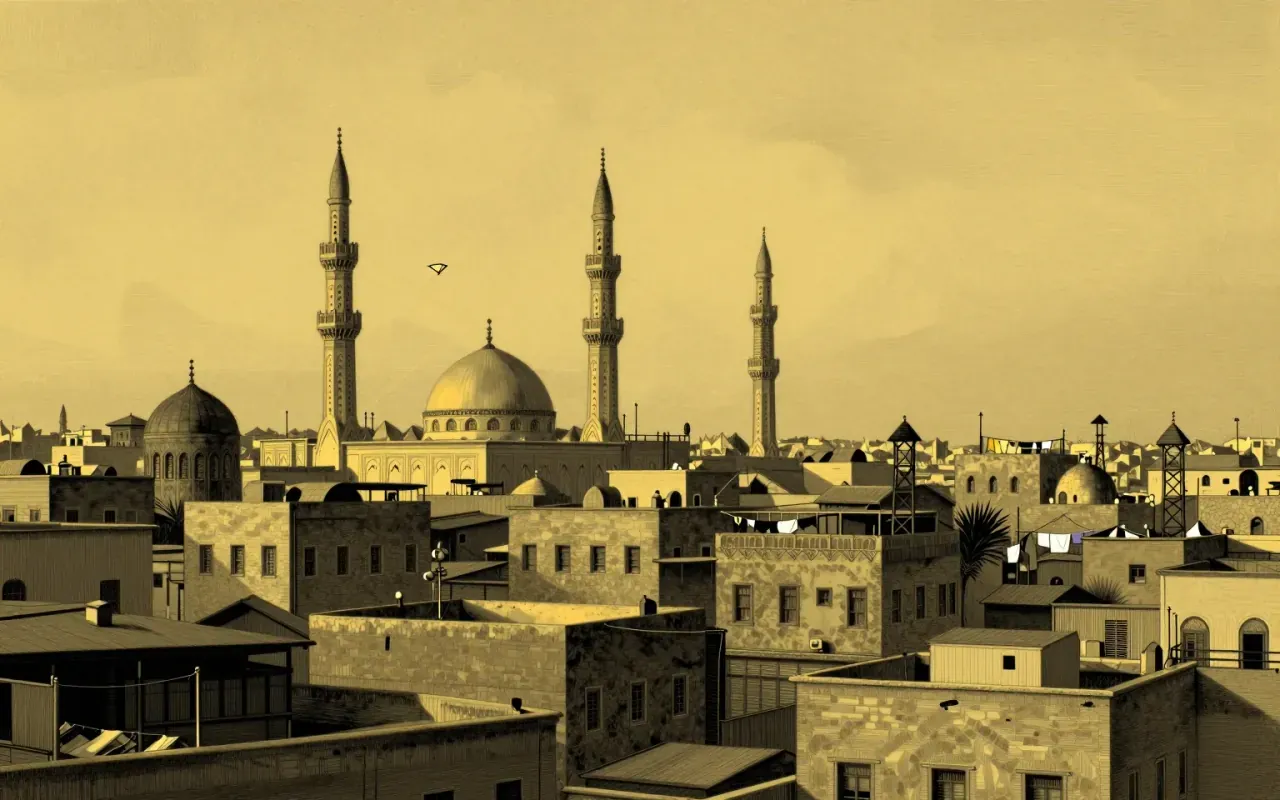
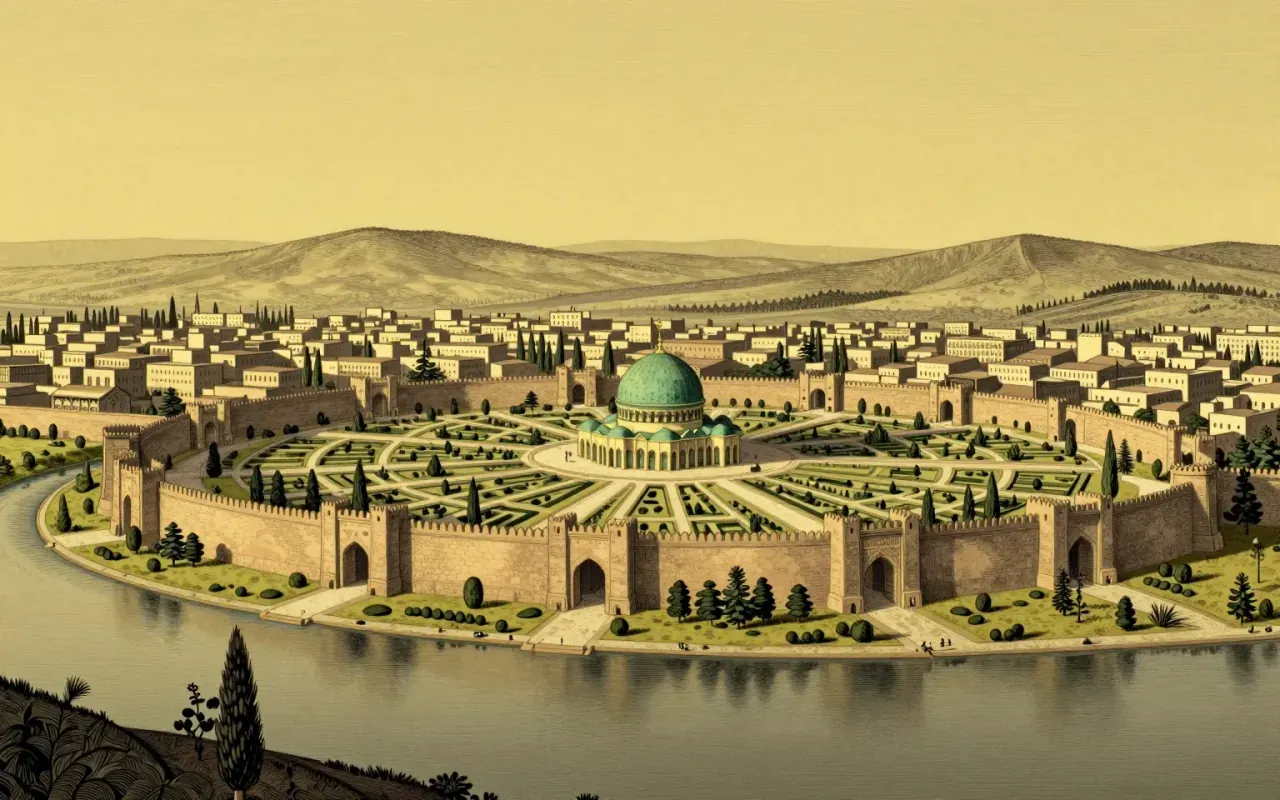
Baghdad’s founding in 762 was a decisive, documented act of imperial design — not evolution, not accident. It created a new kind of capital: planned, symbolic, and engineered for intellectual and administrative dominance. Its scale, longevity and influence are verifiable. Its motives and internal politics are not.

12:02

Spanish Inquisition

1478–1834

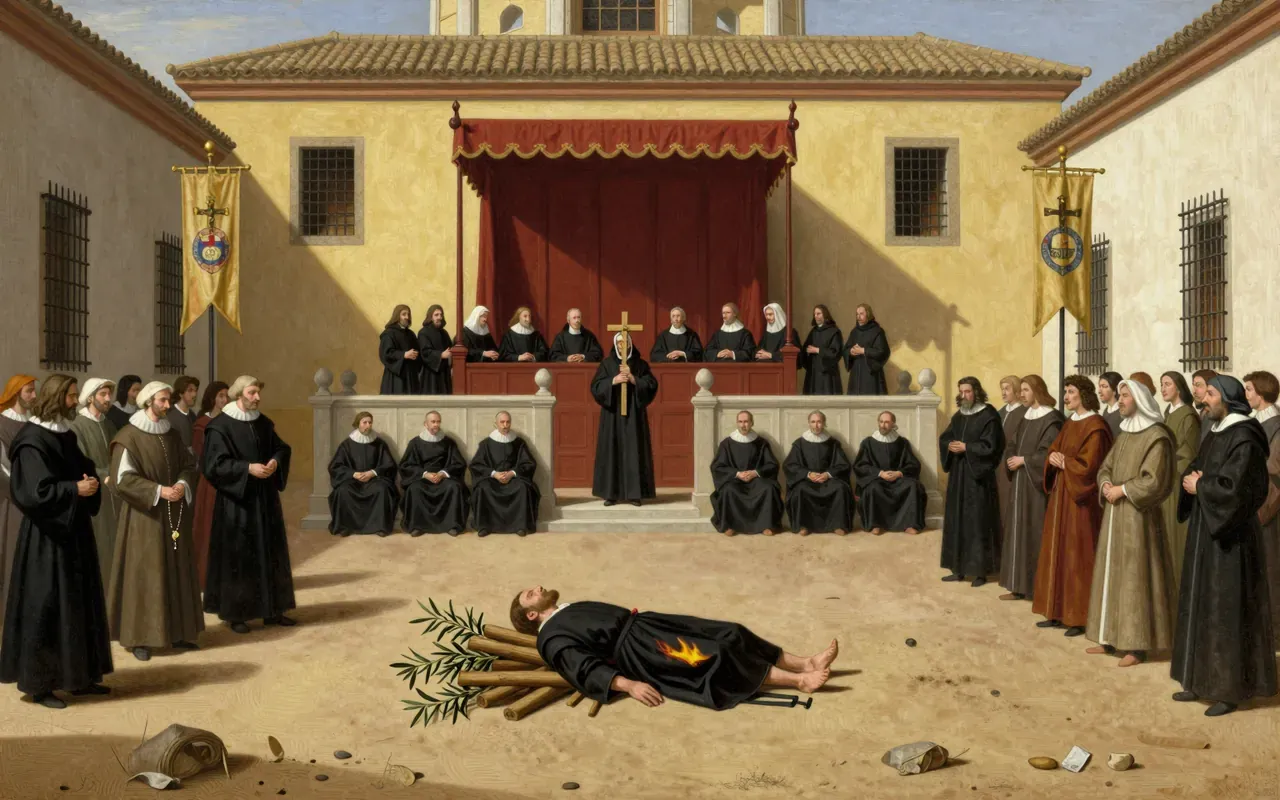
The Spanish Inquisition was a centrally directed, royally staffed, financially incentivised tribunal targeting converted Jews and Muslims. It operated from 1480 to 1834. Its first fifty years saw the highest execution rate—3,000–5,000 people burned—and systematic property confiscation. It replaced Papal oversight with Crown control. It enforced post-1492 and 1502 conversion decrees. It prosecuted ~150,000 people. Its methods included torture, public shaming, and lifelong penalties. Its legacy is administrative, not spiritual.

13:00

Ahmad Baba al-Timbukti

1556–1627

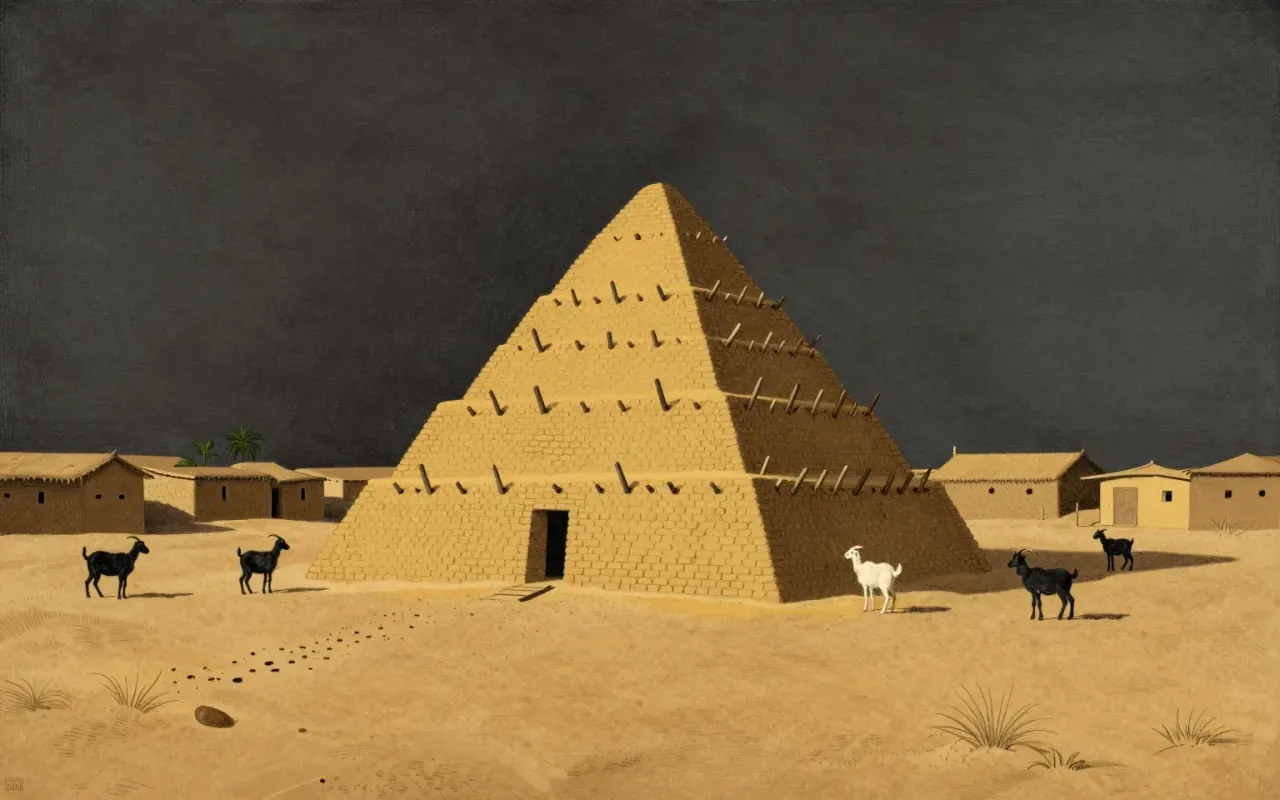
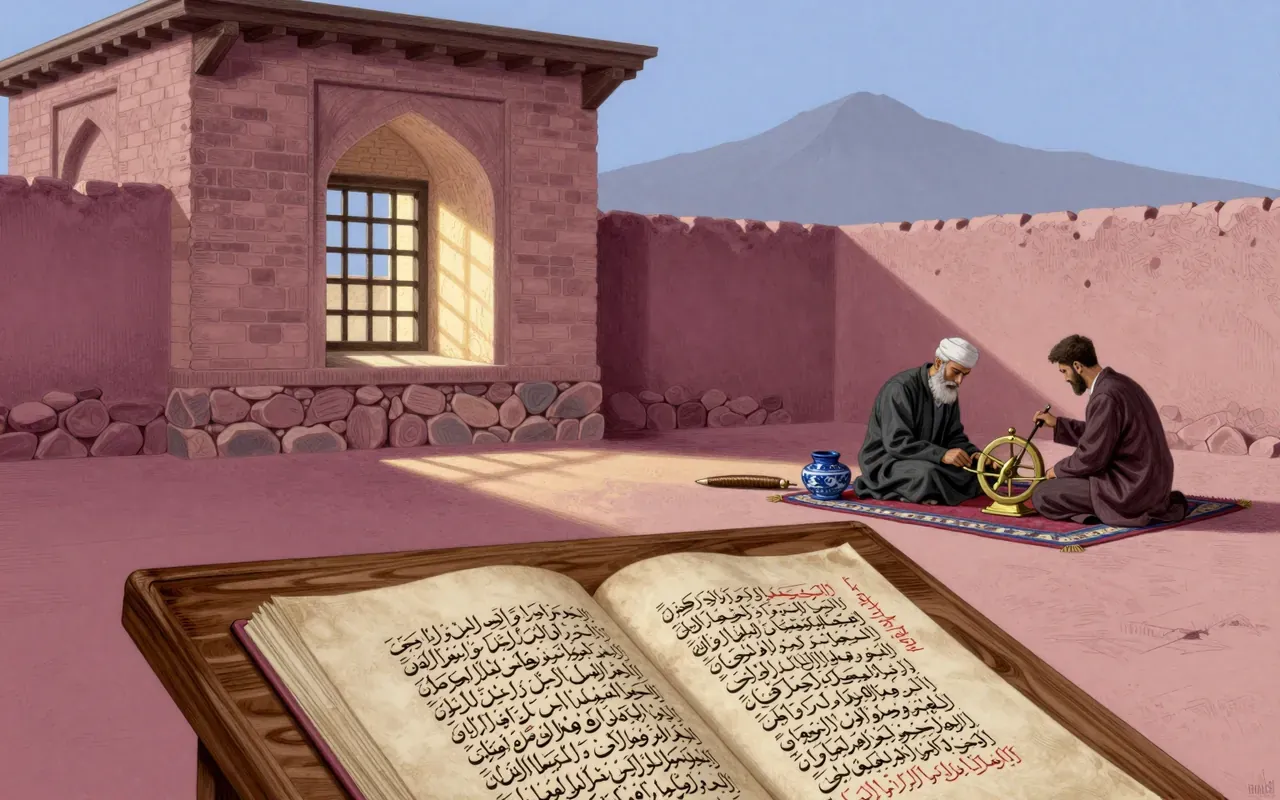
Ahmad Baba became one of Timbuktu's most prominent Islamic jurists before Moroccan forces invading the Songhai empire deported him to Marrakesh in 1594, where he remained until 1608. He continued writing throughout his exile and after his return, authoring more than forty works, including a nuanced treatment of slavery that historians still interpret differently. His career and library form part of the much larger Timbuktu manuscript tradition, whose survival was tested again in 2012 when local families and archivists evacuated the bulk of the collection ahead of an armed conflict.

13:00

Al-Azhar University

Founded 1961

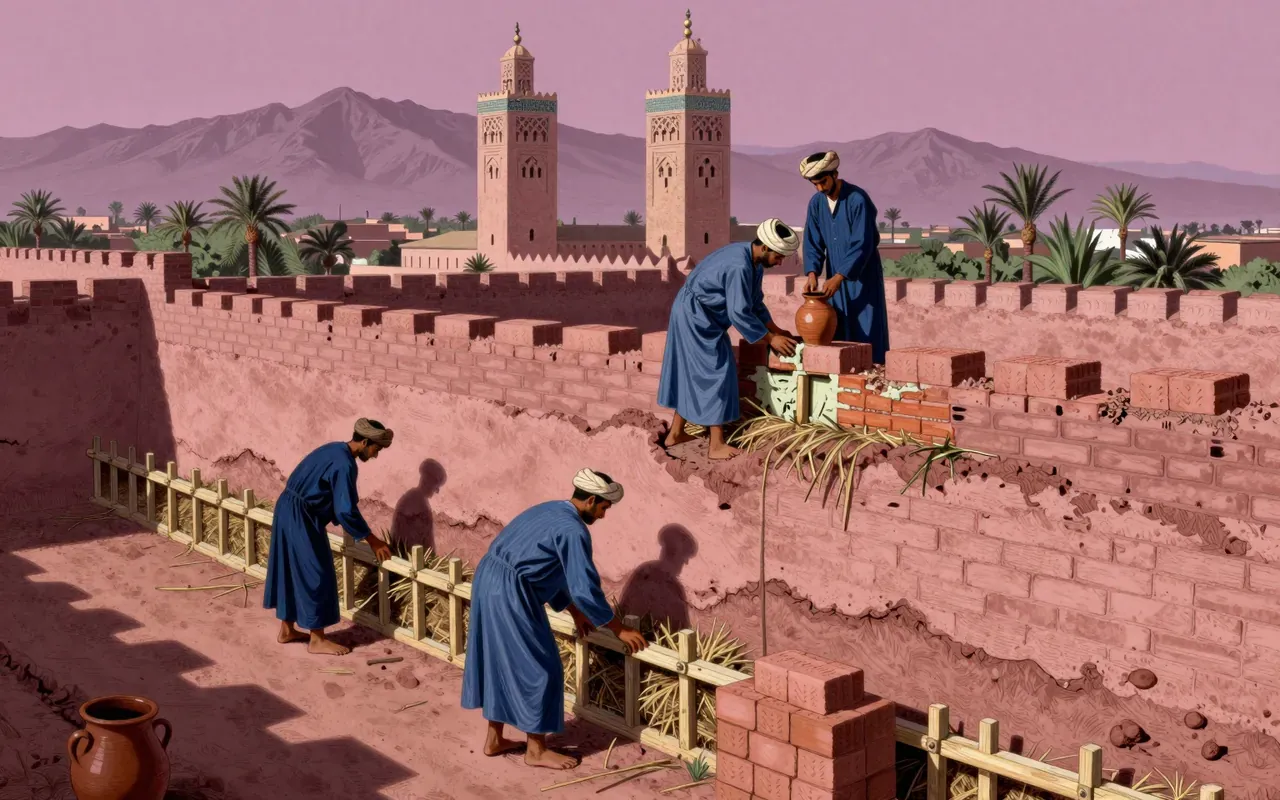
Founded by the Fatimid caliphate between 970 and 972 to promote Ismaili Shia teaching in newly conquered Egypt, Al-Azhar was repurposed after Saladin's twelfth-century conquest into a Sunni Shafi'ite institution, a transition that reportedly involved destroying a large part of its original library. Mamluk patronage and Ottoman-era prestige built it into the leading centre of Sunni Islamic learning, and Gamal Abdel Nasser's 1961 reforms added secular faculties, turning a traditional madrasa into a modern university that today oversees a national school network reaching some two million students.

13:00

Al-Biruni

973–1048

Al-Biruni, born in 973 in Khwarazm and dead in 1048 in Ghazni, catalogued 103 of his own works by the age of sixty-five, spanning astronomy, geodesy, pharmacology and history, and produced in around 1030 a study of Indian civilization based on learning Sanskrit and consulting Hindu texts directly. He calculated Earth's radius to within about two percent of its true value using mountain-height trigonometry, and worked much of his career under Mahmud of Ghazni, whose conquest of al-Biruni's home region and subsequent invasions of India brought the scholar to the court that funded his most celebrated research.

13:00

Askia Muhammad I

1443–1538

Askia Muhammad seized the Songhai throne in 1493 by framing a succession dispute as a defence of proper Islamic rule, then built the empire into West Africa's largest state through provincial administrative reform and a lavish pilgrimage to Mecca that reinforced his religious legitimacy. His reign is known chiefly through two Arabic chronicles compiled in Timbuktu generations later by scholars sharing his own religious culture, making his portrayal as an exemplary Muslim ruler somewhat self-reinforcing. Even his family origins and the source of his royal title remain genuinely disputed among historians.

13:00

Ruhollah Khomeini

1902–1989

Ruhollah Khomeini, exiled in 1964 for opposing the Shah's modernisation programme, returned to Iran in February 1979 to lead the revolution that established the Islamic Republic, built around his own doctrine of clerical governance. His rule included the 444-day American hostage crisis, the devastating war with Iraq, and documented mass executions of political prisoners, alongside a 1989 fatwa against author Salman Rushdie that extended his authority's reach well beyond Iran's borders.

13:00

Harun al-Rashid

766–809

Harun al-Rashid became the fifth Abbasid caliph in 786 and ruled from Raqqa for most of his reign, exchanging gifts with Charlemagne's court and presiding over the beginnings of the Islamic Golden Age. His sudden purge of the powerful Barmakid family around 803 remains unexplained even in contemporary sources, and his decision to split succession between two sons collapsed into civil war within a decade of his death. His court became fixed in popular memory through a legendary story collection with little basis in the documented record.

culture.briefs Culture

All 7 in culture →
8:54

Mehndi

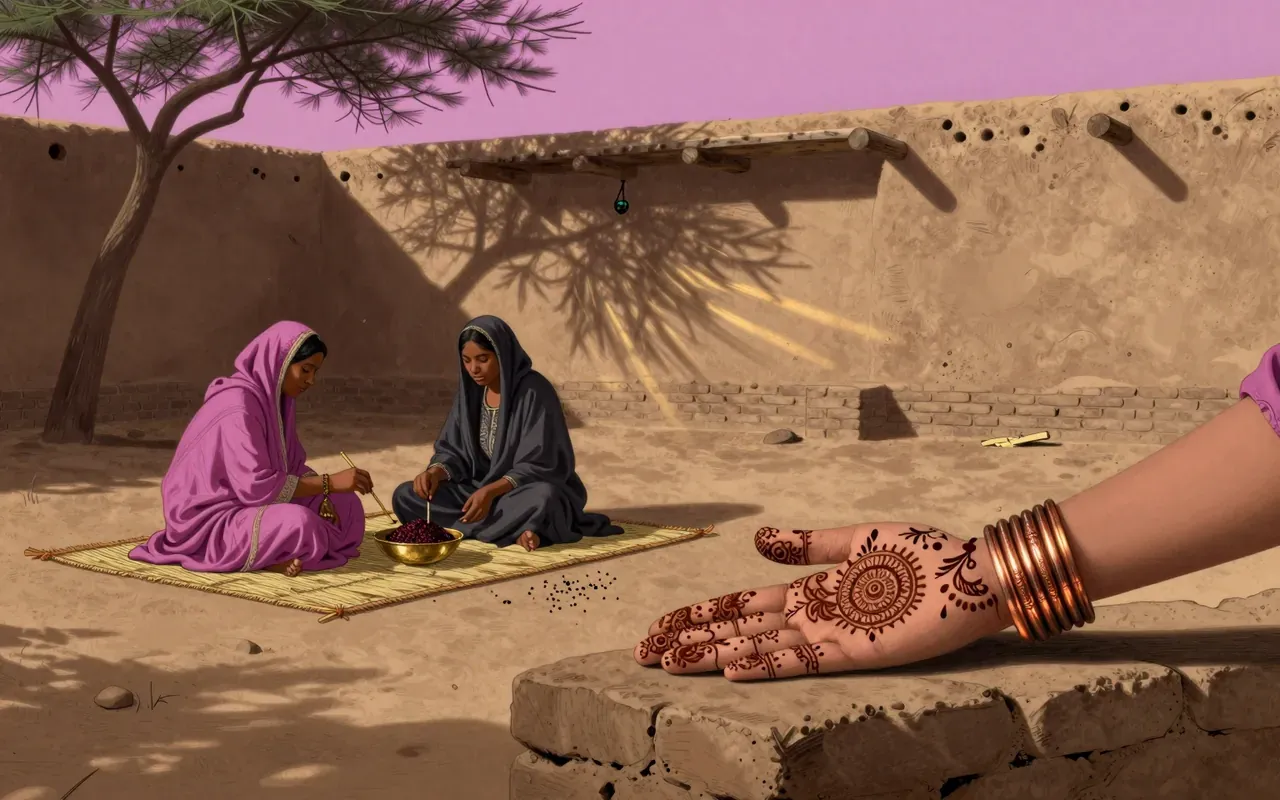
Mehndi isn’t self-expression—it’s a timed chemical ritual governed by heat, leaf powder, and collective celebration.
9:10

Al-Ghazali

A scholar who quit the most prestigious chair in Islam to ask whether he believed a word of it.
10:09

Ibn Rushd al-Jadd

He didn’t just interpret law—he weaponised it against Christians who sided with Aragon.
9:39

Leila Ahmed

Ahmed proves patriarchy in Islam isn’t theological—it’s Abbasid, colonial, and nationalist.
9:00

Maimonides

He didn’t reconcile faith and reason—he weaponised reason to restructure faith.
8:08

Muhammad

Muhammad was not just a prophet—he was a leader who fused religion, war, and statecraft in seventh-century Arabia.
8:52

Said Nursi

He didn’t fight the secular state—he out-reasoned it, one analogy at a time.

food.briefs Food

All 3 in food →
9:42

Goat curry

Goat curry isn’t comfort food—it’s covenant food, sealed with sacrifice and served at thresholds.
1:14

Khao soi

A Northern Thai coconut-curry noodle soup with fried and boiled egg noodles, pickled greens, lime, and meat.

fashion.briefs Fashion

All 3 in fashion →
10:00

Thawb

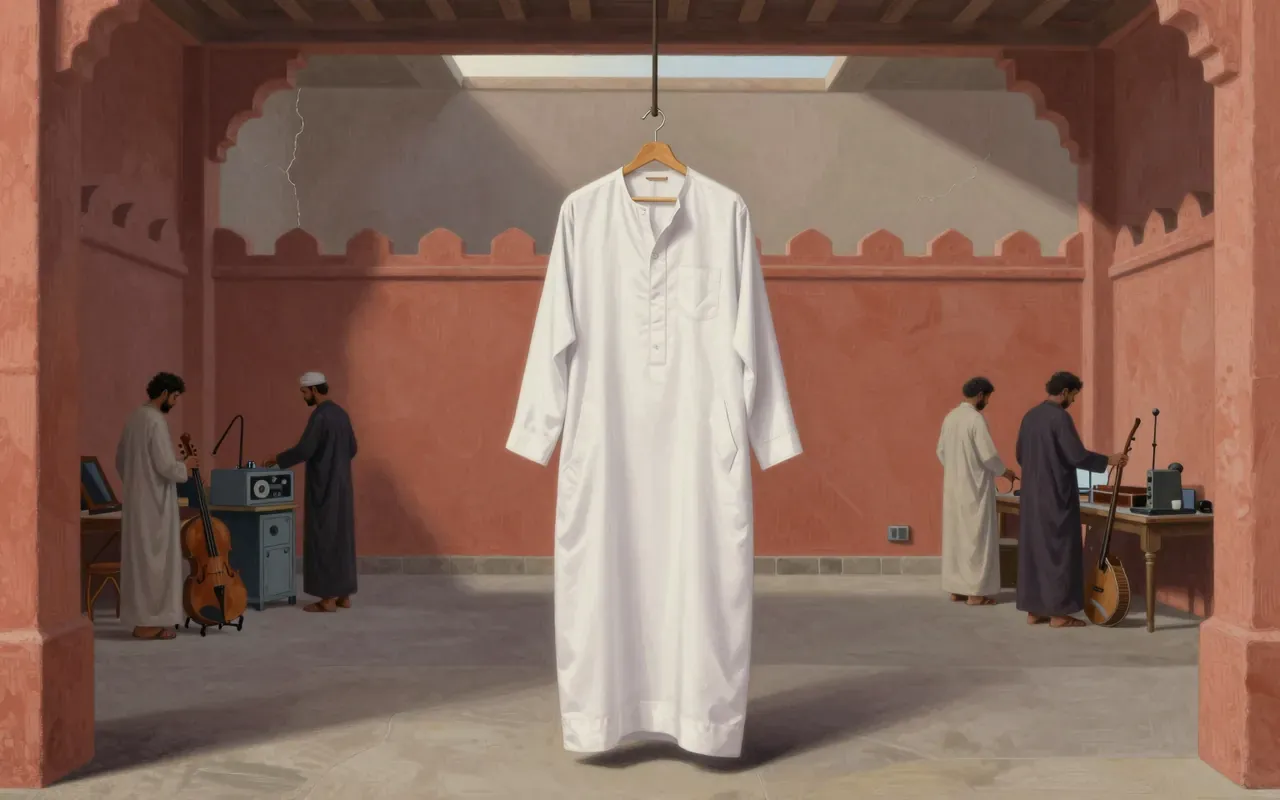
A formal robe built for heat, hierarchy and holiness—not comfort, change or universality.
9:36

Boubou (clothing)

The boubou is not heritage—it’s a garment forged in desert trade, weaponised by empire, and repurposed by colonisers.
10:22

Burqa

A garment that proves modesty has never been exclusively Muslim—and never required the face to disappear.