Interstellar
Hans Zimmer · 2014
A functional, architecturally driven score that treats the cathedral as its primary instrument. It lands where space and gravity meet sound — and fails where melody or motion is expected.
Looking up, systematically, for four thousand years.
A functional, architecturally driven score that treats the cathedral as its primary instrument. It lands where space and gravity meet sound — and fails where melody or motion is expected.

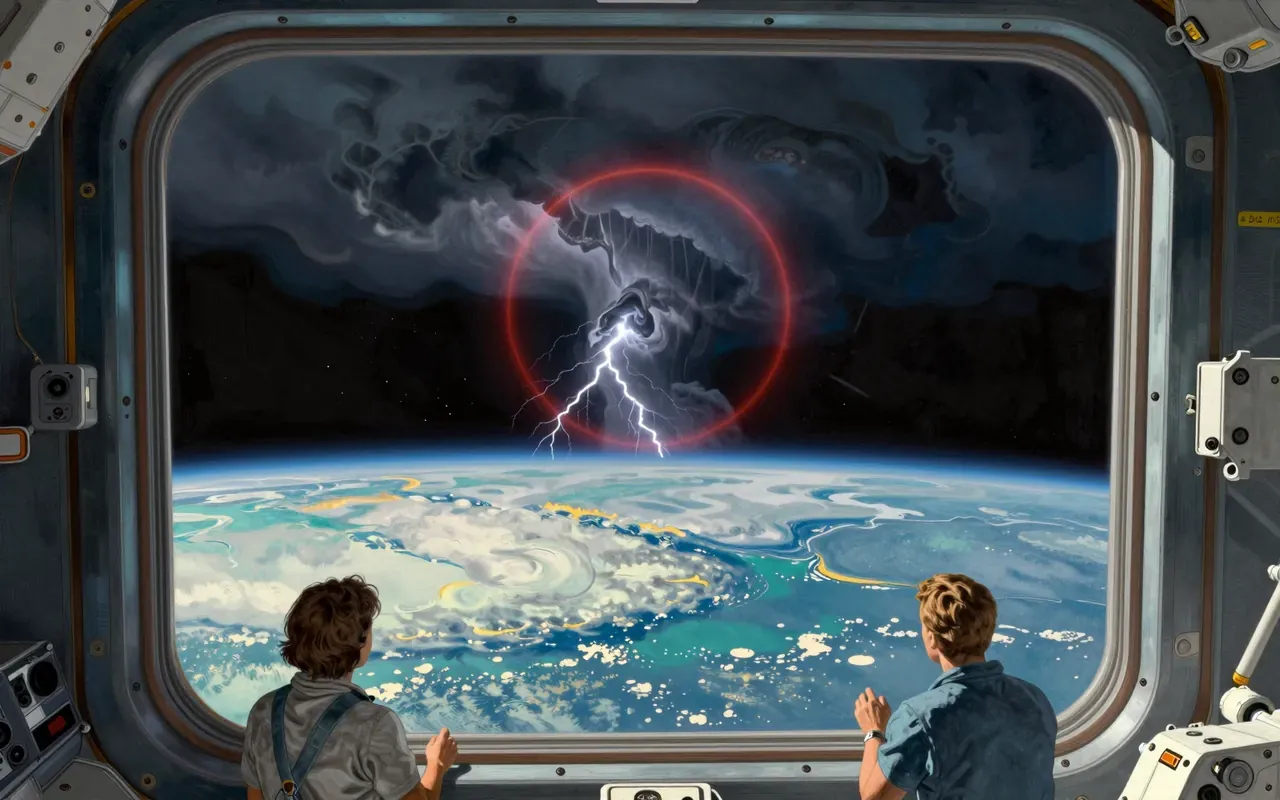
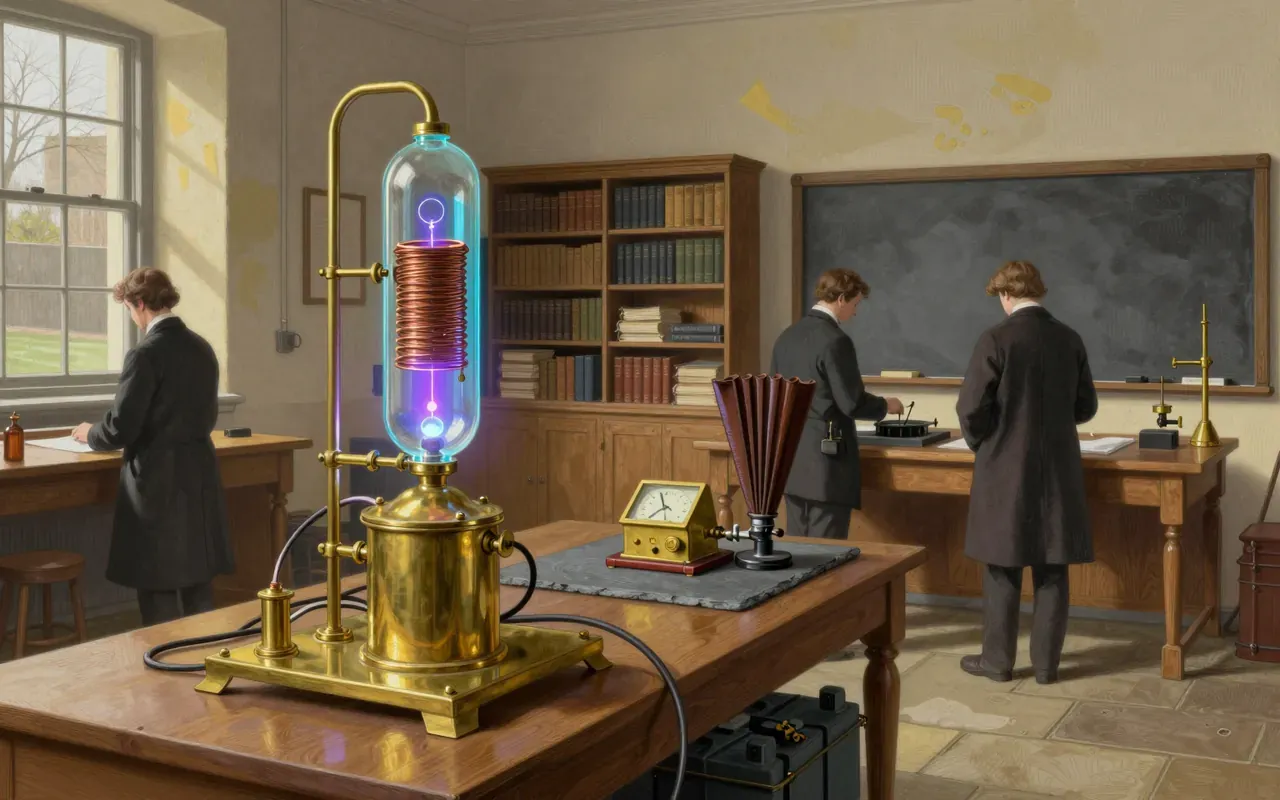
The Carrington Event is the only historical episode with contemporaneous, instrumented, and visual evidence tying solar activity directly to terrestrial electromagnetic disruption. It did not prove the solar–terrestrial link — that came later — but it forced astronomers to take it seriously. Its intensity remains unmatched. Its mechanism — a double-CME sequence — is plausible but not confirmed. It changed nothing in 1859 beyond prompting suspicion. Today, it anchors worst-case planning for grid failure — yet no modern system has been tested against anything like it.
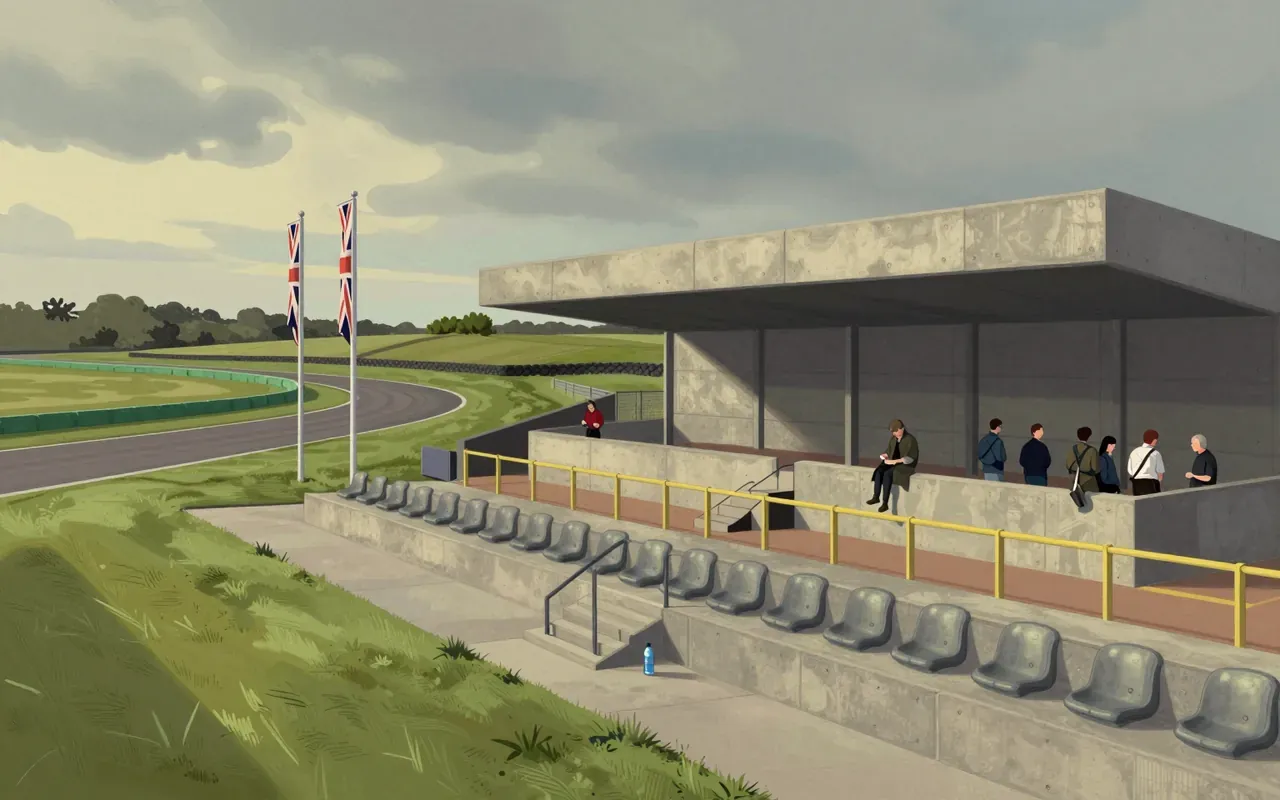
Gran Turismo 6 is a PlayStation 3 racing simulation developed by Polyphony Digital. It features 30 tracks (71 layouts), 1,200 cars, variable weather and time-of-day on some tracks, a dynamic celestial sphere, adaptive tessellation rendering, and a simplified UI with faster loading. It is designed as a realistic driving simulator offering realistic driving physics.

Outer Wilds is a tightly wound clockwork of time, memory, and celestial mechanics. It gives you nothing but questions—and insists you answer them in order.
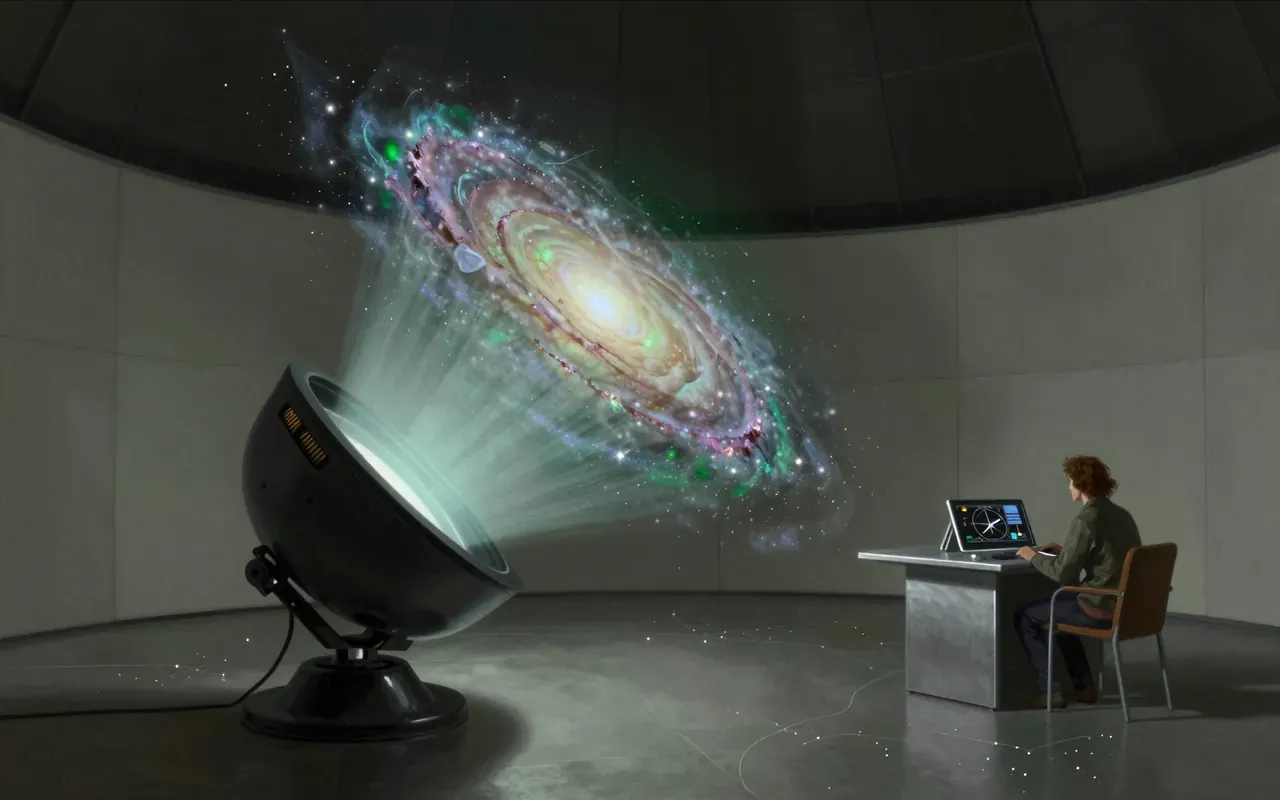
Universe Sandbox (2008) is a physics simulation tool masquerading as a game. It lets players load real solar system data or invent new stars, planets, and black holes — then adjust mass, density, velocity, and time to watch gravity do its work. There is no score, no story, no failure state — only observation, iteration, and consequence. Its strength is fidelity to astrophysical cause-and-effect; its limit is the absence of any design layer between the user and the equations.

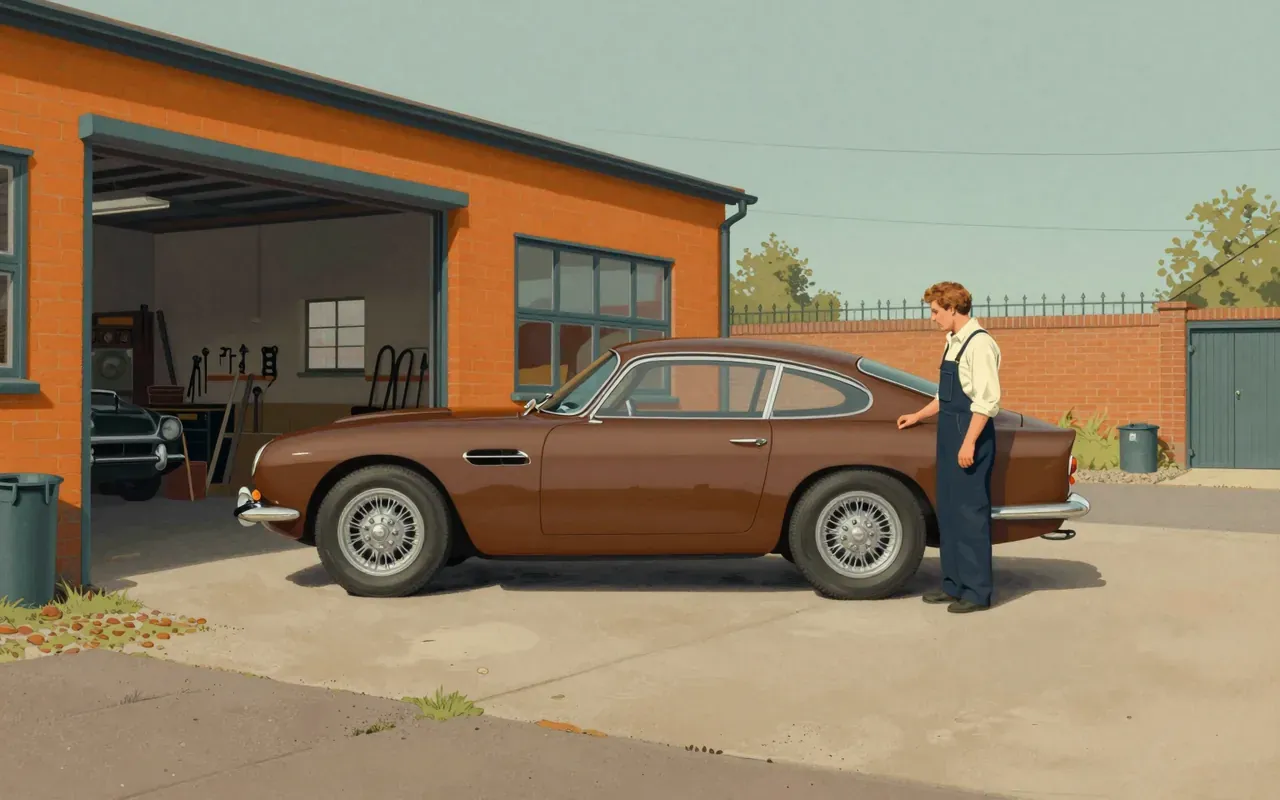
The DB6 is a functional evolution — not a revolution — in Aston Martin’s grand touring line. Its Kammback tail and lengthened wheelbase directly address aerodynamic lift identified in wind tunnel testing. It retains the live-axle layout, rejecting the more complex de Dion prototype to prioritise production readiness. It is recognisable, stable, and rooted in continuity — not novelty.

The Ferrari 250 GTO is a front-engine, RWD grand tourer built between 1962 and 1964. Giotto Bizzarrini led its development from 1960 to improve aerodynamics over the 250 GT SWB. It used wind tunnel testing at Pisa University, a hand-welded oval tube frame, all-aluminium bodywork by Scaglietti, and a dry-sumped Tipo 168/62 Comp. 3.0 L V12. Only 36 were built after Ferrari counted earlier 250 GT SWB units toward FIA Group 3 homologation. It features a belly pan and underbody spoiler formed by the fuel tank cover.
The Peugeot Quasar is a 1984 in-house concept built on the 205 T16’s chassis and engine. It features scissor doors and an exposed engine bay. Its interior draws from science fiction. It never entered production. It now resides at the Peugeot Adventure Museum.