briefs
Topic · across the network

Philosophy

The questions that stay open no matter how much is settled around them.

77
briefs
6
subjects
9:48
average
755 min
in total
Abstraction 407Absurdism 137Acoustics 220Acting 65Adaptation 372Addiction 95Adolescence 202Advertising 77Age of exploration 14Ageing 113Agriculture 100Algorithms 114Ambition 46Anarchism 38Ancient Egypt 17Ancient Greece 38Ancient Rome 30Animals 172Anthropology 23Apartheid 12Architecture 165Archives 32Argentina 10Art Deco 26Artificial intelligence 78Astronomy 81Attention 42Australia 32Automation 73Avant-garde 164Aviation 79Banking 72Banned works 40Bauhaus 12Beer 5Behavioural economics 22Berlin 16Big tech 6Biodiversity 136Biography 86Birds 41Black holes 20Blockchain 12Boxing 14Branding 77Brazil 43Bread 29Britain 131Brutalism 4Bubbles 3Buddhism 28Byzantium 10California 17Canada 18Capitalism 94Cars 468Celebrity 59Censorship 110Cheese 24Chefs 9Chemistry 104Chess 2Childhood 87China 109Chocolate 8Christianity 49Cinematography 343Cities 90Class 485Climate change 107Club culture 100Cocktails 2Coffee 11Cognitive bias 14Collecting 16Colonialism 284Colour 42Comedy 89Community 52Complexity 21Computing 309Consciousness 16Conservatism 14Conspiracy theories 8Cooking 178Corruption 38Cosmology 31Cover versions 64Craft 116Crate digging 42Creativity 8Crime 234Cryptocurrency 8Cryptography 24Cuba 10Cybersecurity 30Dada 12Debt 38Decision-making 28Decolonisation 46Deep time 80Democracy 45Denim 16Deserts 45Detroit 17Dinosaurs 12Directing 168Disasters 59Disease 109DJ culture 89Dreams 32Drones 5Drum machines 96Dystopia 69East Africa 28Ecology 337Economics 36Editing 72Education 92Egypt 12Electric vehicles 59Emotion 22Empire 92Endurance 49Energy 120Engineering 541Entropy 8Epidemics 13Equality 9Espionage 31Ethics 44Evolution 174Existentialism 106Expertise 2Exploration 49Extinction 23Failure 37Family 240Fandom 22Fascism 45Fashion 215Fast fashion 12Fear 34Feminism 122Fermentation 126Film music 81Fishing 12Folklore 71Food history 588Football 16Forests 31Forgery 7France 163Fraud 15Free will 13Freedom 16French literature 15Friendship 24Furniture 36Gambling 14Gender 63Generations 28Genetics 87Geology 96Germany 66Globalisation 74Gothic 32Greece 5Grief 126Habits 6Happiness 2Hardware 709Haute couture 22Headphones 8Hi-fi 12Hinduism 12Hoaxes 1Human history 23Human nature 41Identity 138Illustration 8Impressionism 6Improvisation 249India 89Indonesia 15Industrial design 342Inequality 13Inflation 4Information 34Infrastructure 280Insects 29Intelligence 8Interiors 31Internet culture 88Invention 329Iran 41Islam 40Islands 17Israel 9Italy 52Jamaica 10Japan 114Jewellery 5Journalism 34Judaism 13Justice 42Korea 41Language 70Law 90Leadership 20Learning 6Liberalism 1Libraries 6Literary criticism 26London 12Loneliness 61Los Angeles 62Lost works 9Love 67Luxury 55Machine learning 15Management 10Maps 5Marketing 21Markets 51Mars 6Marxism 26Masculinity 46Materials 138Mathematics 79Meaning 6Medicine 124Memory 82Mental health 70Mesopotamia 4Mexico 38Migration 95Minimalism 68Mining 30Misinformation 9Modernism 63Money 24Monopoly 32Mortality 61Motivation 2Mountains 16Museums 27Mysticism 11Mythology 60Nationalism 40Neuroscience 23New York 36Nigeria 7Nihilism 10Noise 31Nostalgia 33Nuclear 29Nutrition 17Oceans 48Oil 42Open source 45Painting 18Palaeontology 29Parenting 14Paris 18Partition 6Patents 71Patronage 14Perception 44Personal style 27Personality 2Persuasion 8Peru 10Philosophy 77Photography 37Physics 206Plants 26Platforms 89Podcasting 1Poetry 25Poland 17Policing 34Pop Art 16Populism 2Portraiture 6Portugal 18Postmodernism 23Power 91Prehistory 24Preservation 28Printmaking 21Privacy 11Probability 6Productivity 1Programming 54Prohibition 1Propaganda 35Protest 75Pseudoscience 17Psychology 80Publishing 22Punishment 16Quantum mechanics 44Race 145Radio 30Railways 35Rave 17Realism 47Record labels 19Recording 810Relativity 23Religion 154Resilience 15Restaurants 30Restoration 2Retail 94Revolution 58Risk 18Ritual 96Robotics 26Romance 96Russia 58Salt 9Sampling 246Satire 84Scandinavia 28Scientific method 186Screenwriting 26Sculpture 7Secularism 2Self-deception 14Semiconductors 73Sexuality 102Ships 18Silence 24Silicon Valley 17Slavery 35Sleep 2Smartphones 27Sneakers 15Social media 58Socialism 9Software 68Songwriting 180Sound design 332Sound systems 20South Africa 19South East Asia 30Space exploration 84Spain 18Special effects 41Spices 62Spirits 12Sport 82Startups 21Statistics 10Status 9Stoicism 4Storytelling 68Strategy 70Street food 99Streetwear 16Studio craft 508Subcultures 59Sugar 12Supply chains 115Surrealism 53Surveillance 21Sustainability 30Synthesis 232Tailoring 37Taxation 14Tea 24Textiles 97Thailand 11The American Revolution 19The American South 88The Arab world 41The Arctic 19The Balkans 17The Belle Epoque 13The body 29The brain 26The Caribbean 28The civil rights movement 62The Cold War 160The eighties 268The Enlightenment 29The financial crisis 19The First World War 39The food industry 157The French Revolution 9The Gilded Age 9The Great Depression 18The Holocaust 20The Industrial Revolution 93The internet 61The interwar years 135The Middle Ages 35The Moon 4The music business 169The Netherlands 10The nineties 26The Olympics 10The pandemic 13The Reformation 1The Renaissance 16The Russian Revolution 19The Second World War 102The seventies 58The sixties 28The space race 5The United States 19The universe 7The Victorian era 37Therapy 20Tokyo 11Trade 48Tragedy 22Translation 5Trauma 85Travel 5True crime 2Turkey 18Typography 54Uniforms 23Unions 8Urban planning 66Utilitarianism 1Utopia 5Vaccines 10Vegetarianism 15Venture capital 6Video games 291Vietnam 12Vintage 65Vinyl 6Virtual reality 11War 169Watches 4Water 11Weather 29West Africa 29Wilderness 10Wine 3Work 22Workwear 19Worldbuilding 121

books.briefs Books

All 4 in books →
14:48

The Critique of Pure Reason

Immanuel Kant · 1804

Kant’s 1781 critique argues that experience is possible only because the mind structures sensation using innate categories like causality. The brief explains why the Transcendental Deduction is necessary, why noumena are limits not objects, and why the Antinomies expose reason’s self-deception. It tells you which chapters to read, which to skip, and why this book remains unavoidable—not for its answers, but for the questions it forces on every thinker after it.
13:26

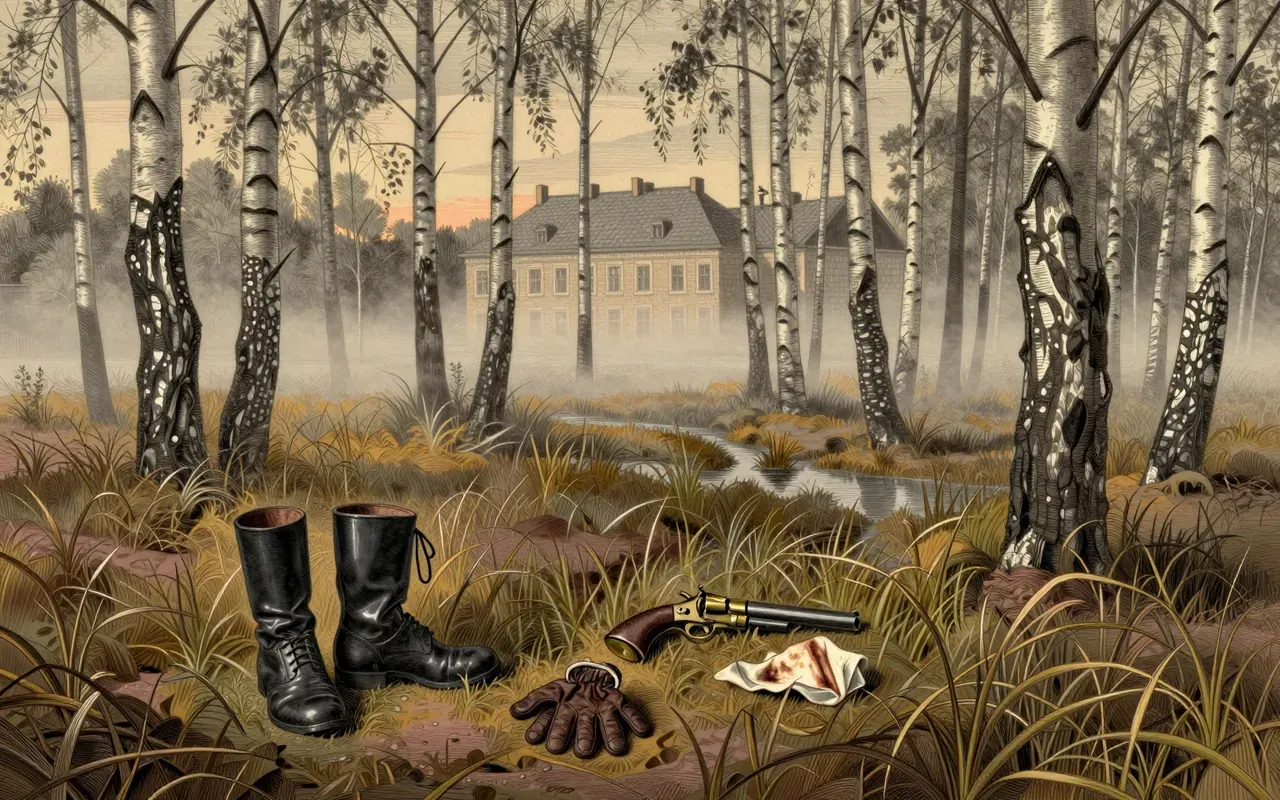
Fathers and Sons

Ivan Sergeevich Turgenev · 1883

The brief argues that 'Fathers and Sons' is not about ideas but about their bodily cost. Bazarov’s nihilism collapses when confronted with love, illness, and grief. It tells you which chapters to read (XXI–XXVIII), why to skip the Introduction, and how the grave—not the duel or the arbour—is the novel’s true climax.

15:46

The Republic

Plato · 0

The Republic argues justice is soul-harmony enforced by philosopher-kings, censorship and communal breeding. Its greatest strength—the Cave—is also its warning: truth requires coercion. Skip Book V’s breeding logic and Book III’s musical digressions. Read Books IV, VI, VII and X for the core argument.

14:04

Siddhartha

Hermann Hesse · 0

Hesse argues wisdom is unteachable and must be lived. Siddhartha abandons Brahmanism, rejects the Buddha’s doctrine, and awakens only when he stops seeking answers. The brief isolates these claims, names what the book omits, and tells you which ideas land—and which evaporate on contact with the page.

music.briefs Music

All 1 in music →
8:59

Karma

Kamelot · 2001

Karma is Kamelot’s fifth studio album, released a few months after their mid-2000 New Allegiance Tour. It is one of fourteen studio albums the band released as of 2026. The album uses the Sanskrit concept of karma—action and its consequences—as a structural device, particularly in the three-part 'Elizabeth' suite. It features layered guitar harmonies, orchestral synth pads, and clean, high-register vocals. Drums are both programmed and live, with gated reverb on snares. Bass is present but recessed. Vocals are double-tracked and treated with plate reverb. The album does not incorporate Indian musical elements. It is worth hearing for fans of early-2000s European power metal who value narrative continuity over instrumental complexity.

film.briefs Film

All 6 in film →
13:00

A Tale of Springtime

Éric Rohmer · 1990

Éric Rohmer’s 1990 film follows Jeanne, a philosophy teacher, as she navigates a weekend at a country house orchestrated by her student Natacha. Through precise dialogue, restrained performances, and unhurried pacing, the film charts Jeanne’s gradual realisation that she is being slotted into an existing relational pattern—and her decision to step out of it. Shot by Luc Pagès and scored sparingly with Beethoven, it is the first of Rohmer’s ‘Tales of the Four Seasons’.

13:00

Blaise Pascal

Roberto Rossellini · 1972

Roberto Rossellini’s 1972 biographical film follows Blaise Pascal’s intellectual and spiritual path from scientific prodigy to Jansenist recluse. Starring Pierre Arditi and shot by Mario Fioretti, it prioritises fidelity to Pascal’s writings over dramatic convention, using restrained performance, flat natural lighting, and sparse music to render ideas as embodied acts. It lands most strongly as a study of intellectual exhaustion and the physical cost of certainty — but falters in situating Pascal’s ideas within their historical and political consequences.

13:00

Cartesius

Roberto Rossellini · 1974

Roberto Rossellini’s 1974 biographical film Cartesius follows René Descartes’ intellectual discipline across 152 minutes of restrained, daylight-lit scenes. Starring Ugo Cardea and scored by Mario Nascimbene, it treats philosophy as embodied practice — writing, walking, pausing, revising — rather than as doctrine or drama. Produced by Renzo Rossellini, it belongs to Rossellini’s late pedagogical phase, prioritising method over myth.

13:00

My Night at Maud's

Éric Rohmer · 1969

Set over Christmas in Clermont-Ferrand, Éric Rohmer’s 1969 film follows a Catholic engineer as he navigates conversations about faith, desire, and choice with three other single people. Built around Pascal’s wager and shot in natural light by Néstor Almendros, it privileges dialogue, hesitation, and quiet observation over plot or resolution. Its moral architecture rests on what is said, unsaid, deferred — and how it is said.

13:00

Salò, or the 120 Days of Sodom

Pier Paolo Pasolini · 1975

Pasolini’s final film transposes de Sade’s novel to Mussolini’s puppet republic in 1944, depicting four fascist libertines who subject eighteen teenagers to escalating physical, sexual and psychological violation over four months. Structured like Dante’s Inferno and shot with forensic restraint by Tonino Delli Colli, it treats cruelty as bureaucracy and the body as commodity. Its themes — power, nihilism, fascism, consumerism — are rendered without ornament or release. Controversial on release and banned in several countries, it remains a demanding, unflinching inquiry into authority unmoored from consequence.

13:00

The Thin Red Line

Terrence Malick · 1998

Terrence Malick’s 1998 return to filmmaking is a philosophical war film set during the Guadalcanal campaign. Eschewing narrative drive and military exposition, it lingers on interior states, natural imagery and fragmented voiceover to ask what war does to consciousness. Shot by John Toll in Queensland and the Solomon Islands, edited to a meditative rhythm and scored by Hans Zimmer, it features a large ensemble cast led by Jim Caviezel and Sean Penn. Though nominated for seven Academy Awards and awarded the Golden Bear, its resistance to convention divides viewers.

science.briefs Science

All 2 in science →
10:02

Avicenna

Avicenna invented conceptual scaffolding for science—not data, but the grammar of causality, certainty, and self-evidence.
9:11

Schrödinger's cat

Erwin Schrödinger

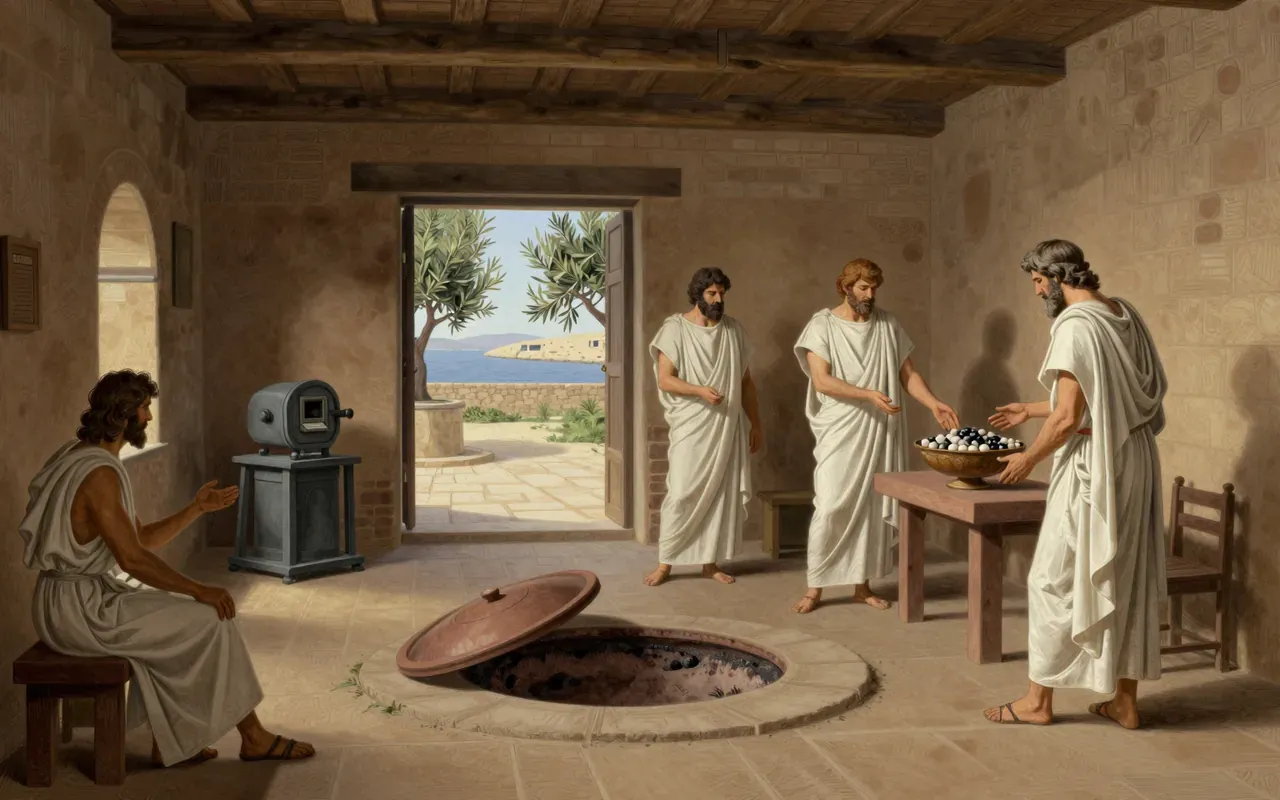
Schrödinger's cat is a 1935 thought experiment designed by Erwin Schrödinger in correspondence with Einstein to critique the Copenhagen interpretation of quantum mechanics. It uses a sealed chamber containing a cat, radioactive source, Geiger counter, relay, hammer, and flask of hydrocyanic acid. The setup links a single quantum event — atomic decay — to a macroscopic outcome. Mathematically, the wave function describes a superposition of 'alive' and 'dead', yet observation always reveals one definite state. Schrödinger intended this as reductio ad absurdum, not as a proposal. No experiment was conducted. The work establishes a tension between formalism and observation — nothing more.

design.briefs Design

All 1 in design →
8:43

Mingei

Mingei is not folk art — it is a discipline of refusal: against named authorship, against intellectual mediation, against beauty as exception.

culture.briefs Culture

All 63 in culture →
11:10

Avicenna

Avicenna didn’t just write medicine—he built the first operating system for scientific thought.
8:58

Rive Gauche

The Rive Gauche isn’t a movement—it’s a riverbank that got renamed by its most famous tenants.
10:10

Original position

Rawls’s original position doesn’t reveal universal justice—it reveals what happens when you assume people fear loss more than they desire gain.
6:50

Critical thinking

Critical thinking is not natural. It must be induced — and it fails where knowledge ends.
10:38

Hyperreality

Hyperreality isn’t about losing touch with reality — it’s about building systems that run perfectly without it.
9:02

Accelerationism

Accelerationism doesn’t oppose capitalism—it hijacks it. That’s its strength and its fatal flaw.
9:06

Communitarianism

Communitarianism names the gap between how we talk about belonging and how power actually works inside communities.