Motion
Lee Konitz · 1961
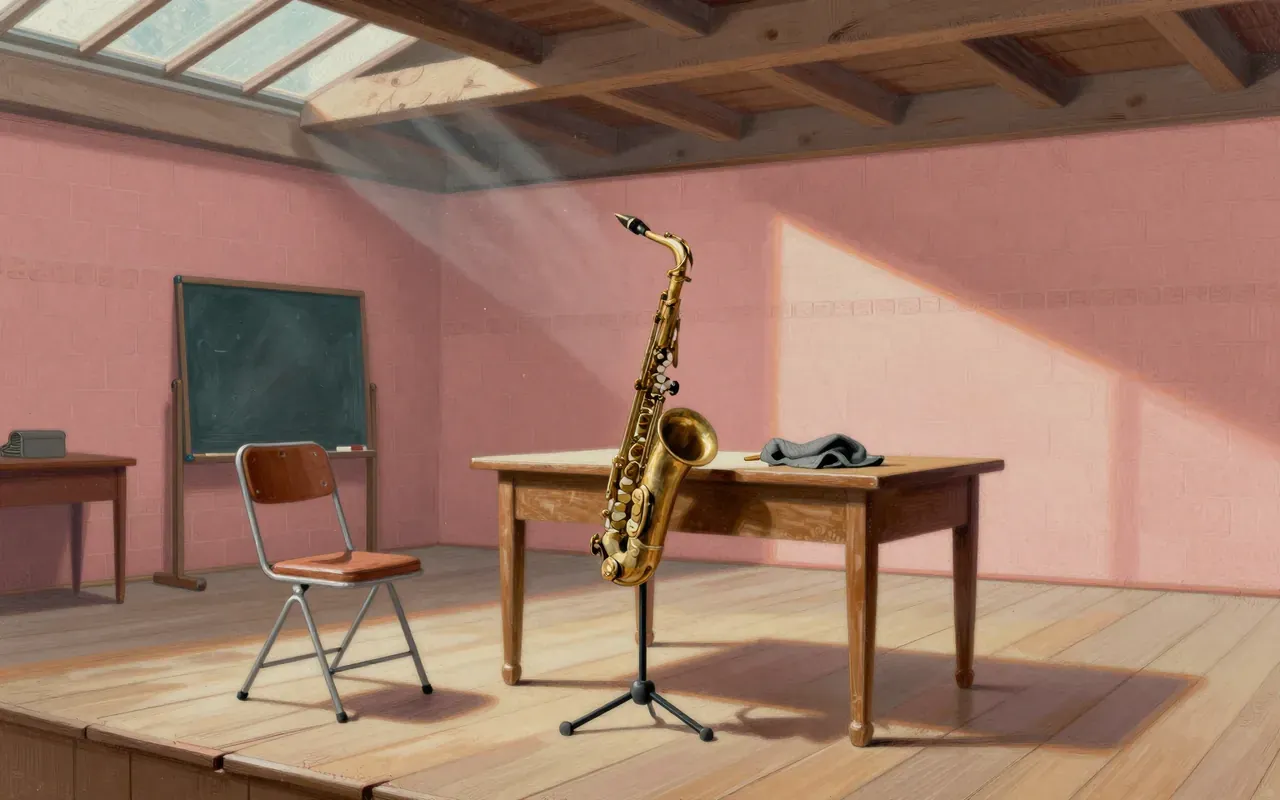
Motion is a 1961 Verve trio session by Lee Konitz, Elvin Jones, and Sonny Dallas. Spontaneous. Standards only. No piano. Chromatic phrasing over loose time. Physics in sound.
The rules underneath, as far as they are known.
Motion is a 1961 Verve trio session by Lee Konitz, Elvin Jones, and Sonny Dallas. Spontaneous. Standards only. No piano. Chromatic phrasing over loose time. Physics in sound.
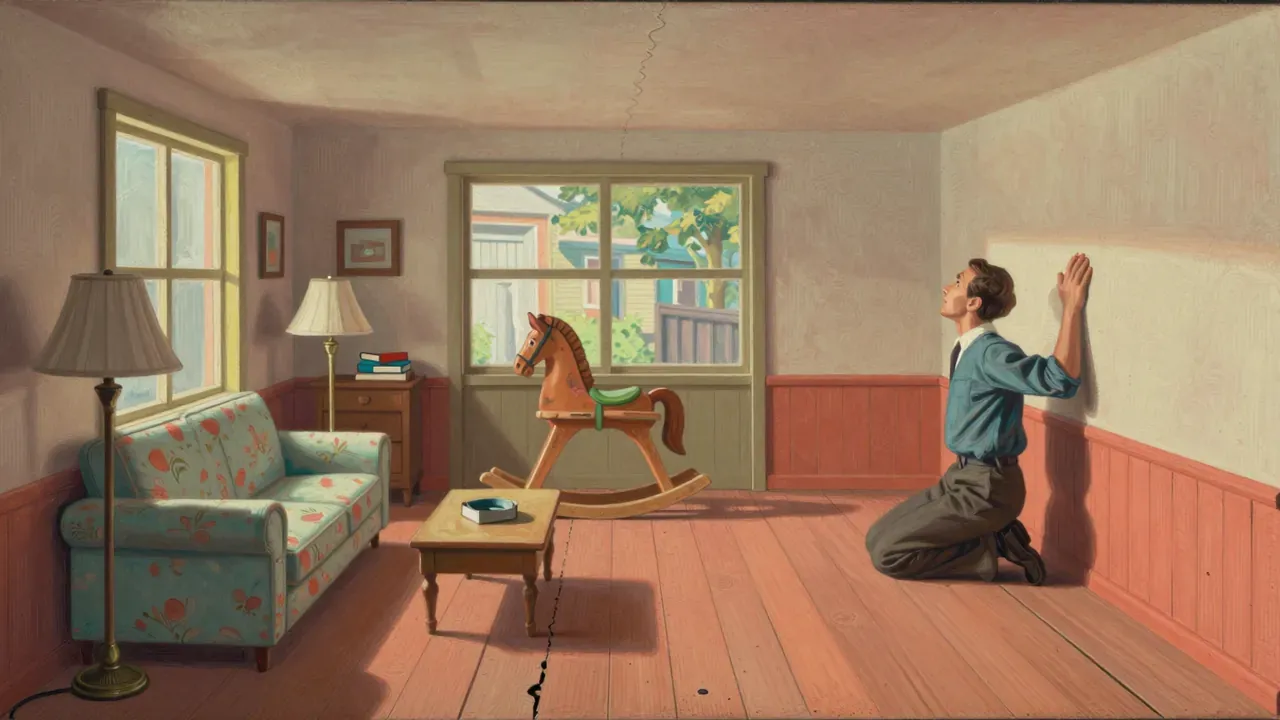
Jack Arnold’s 1957 adaptation of Richard Matheson’s novel follows Scott Carey’s gradual, irreversible shrinking — not as allegory or adventure, but as a precise, physical recalibration of self, space, and significance. Shot on Universal’s backlot with meticulous forced perspective and restrained performances, it builds tension through scale, silence, and spatial logic rather than plot twists or moralising. Its power lies in accumulation: each inch lost reshapes the terms of survival.




Carmageddon II: Carpocalypse Now is a 1998 Windows vehicular combat sequel developed by Stainless Games. It uses hardware acceleration to power a world-first fully featured physics engine, enabling detailed vehicle deformation — including fenders, spoilers, and catastrophic splitting — and replaces the original’s ‘stealworthy cars’ mechanic with universal purchase of wrecked vehicles.
Flashback is a cinematic platformer whose gameplay resembles Prince of Persia and Another World. Each level spans many non-scrolling screens, nearly all of which feature multiple levels of altitude. Conrad exhibits realistic human running speed and jumping ability, and realistic weakness. He dies if he falls from a great height. Conrad carries a pistol with unlimited ammunition; a force shield, which absorbs a certain number of shots before needing recharging, acting as Conrad's health; and a portable force field with unlimited use, which can act as a temporary barrier to block enemies' shots. As Conrad progresses through the game's seven levels, he is increasingly presented with spatial puzzles, requiring the player to discover how to guide him toward his destination. Late in the game, Conrad receives a teleportation device, and is able to progress by throwing the device and teleporting into otherwise unreachable areas.
Session: Skate Sim is an open-ended sports video game that simulates skateboarding with strict adherence to physics, presented through a fish-eye lens mimicking mini DV format.
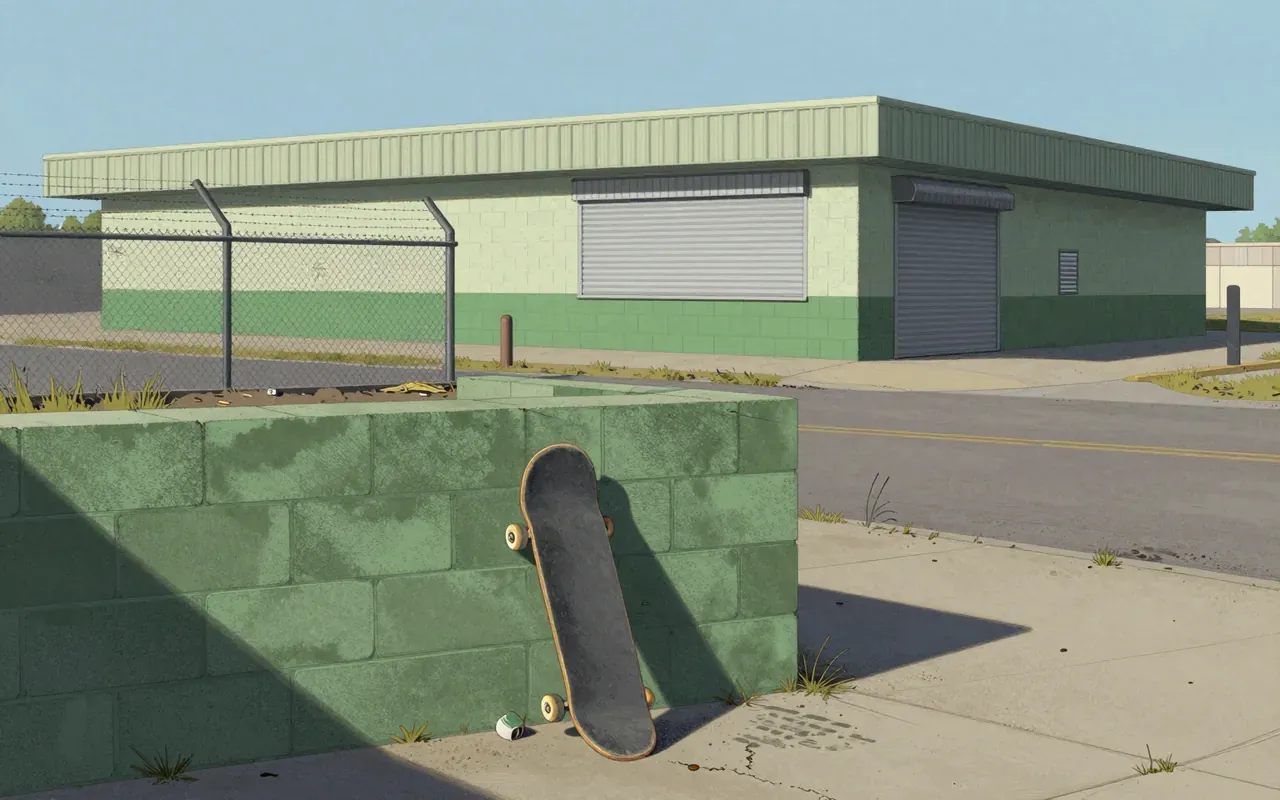
Skate (2007) replaces animation with physics, and menus with motion. Its 120 Hz input loop forces players to internalise flick timing. It gives full control of trick execution — then withholds walking, dismounting, and female skaters. It asks for wrist discipline, not button memorisation. It rewards patience with authenticity, not spectacle.
Warsow is a movement-first FPS built on Quake II. Its design forces mastery of physics-based tricks—dash, dodge, wall jump, rocket jump—as the sole path to advantage. It trades narrative, progression and accessibility for purity of motion and competitive clarity.
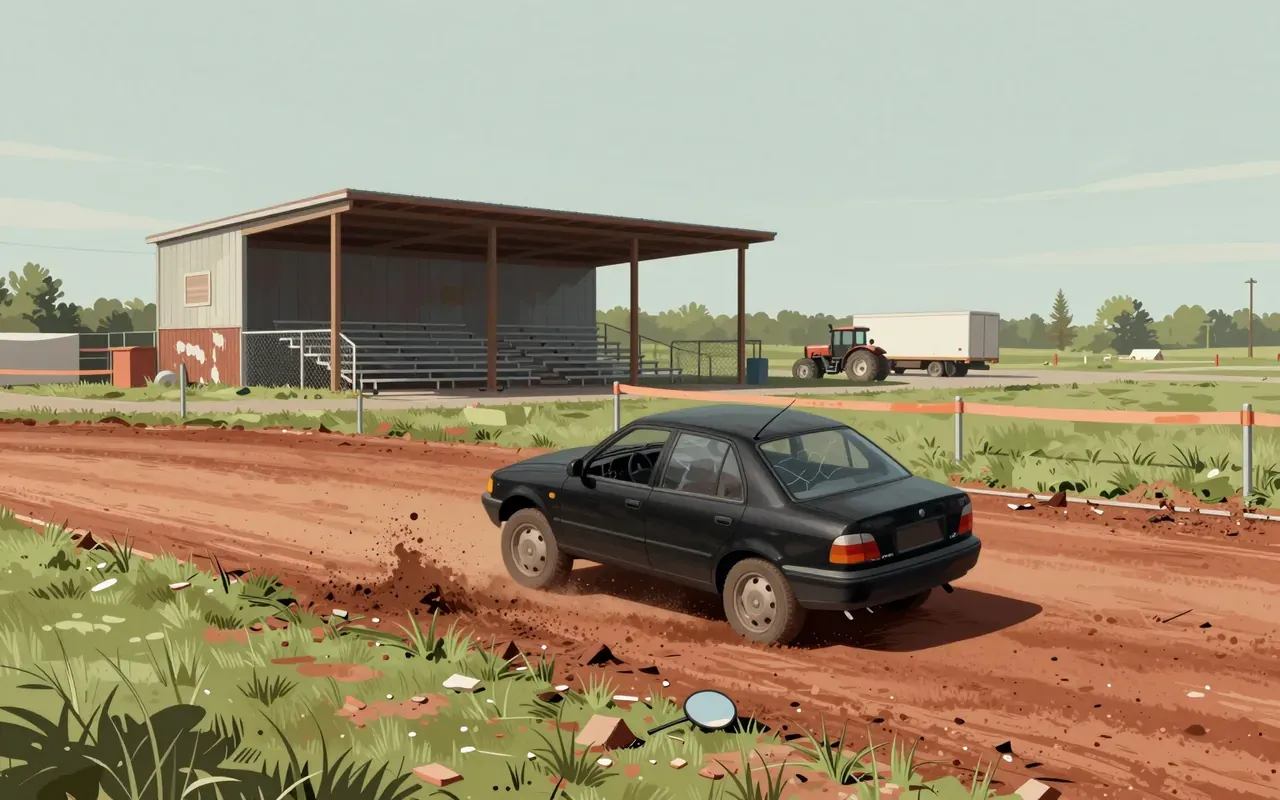
BeamNG.drive is a sandbox vehicle simulation game built around soft-body physics. It features career mode, campaigns, time trials, and free roam. Campaigns consist of small scenarios themed around races, chases, and stunts. In time trials, players compete against their own best time using selected vehicles, maps, and routes. In free roam, players can operate, place, and manipulate objects and vehicles within maps. They can also change environmental properties such as time, gravity and wind. Players can utilize various objects ranging from road barriers to weapons such as cannons in order to inflict damage on other vehicles.
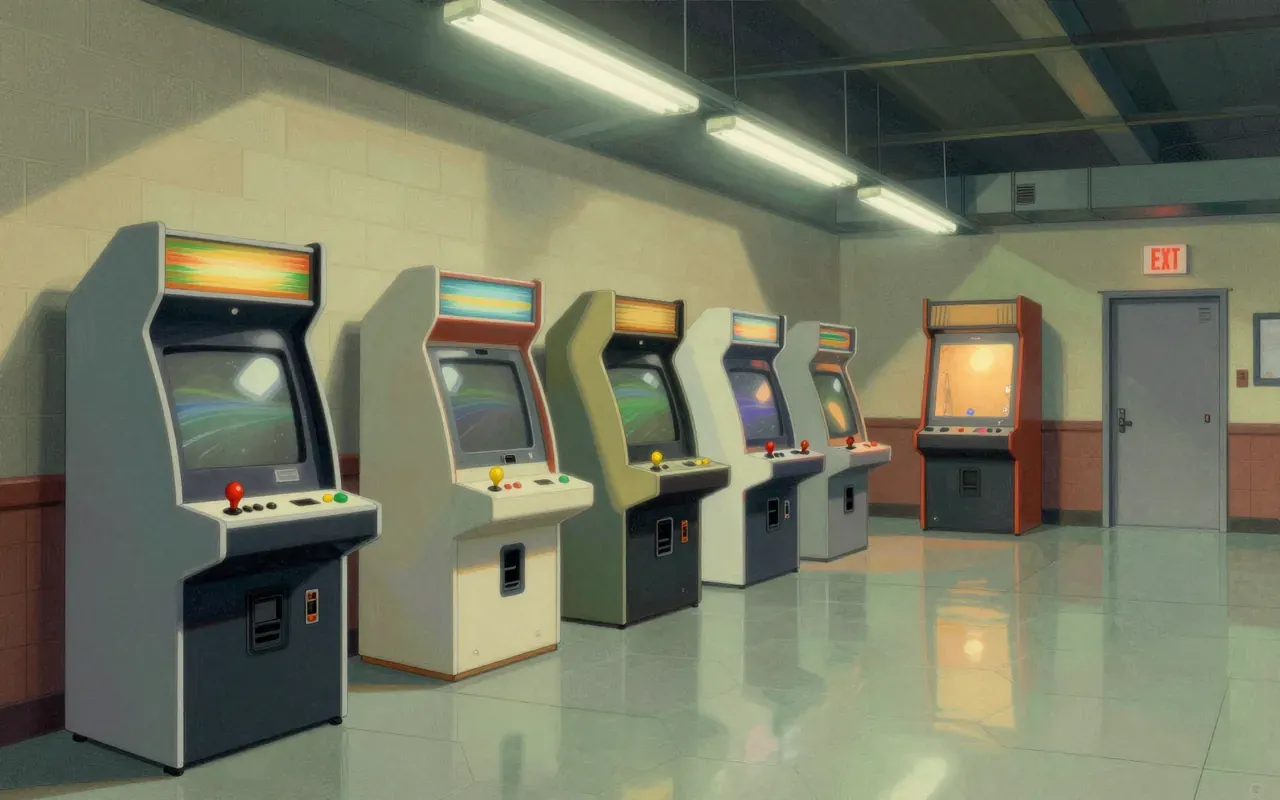
Joust is a Williams Electronics coin-operated arcade game from 1982. It features two-player cooperative or competitive play on a single screen with floating rock platforms above lava. Players control knights on birds — ostrich for Player 1, stork for Player 2 — using horizontal joystick movement and vertical wing-flap timing. Combat resolves via mid-air lance collision based on relative height. Defeated enemies become falling eggs that can be collected for points or left to hatch into new enemies. Three enemy types — Bounder, Hunter, Shadow Lord — differ in colour, AI behaviour, and point value. A pterodactyl appears periodically and must be defeated during a precise animation frame. An indestructible Lava Troll grabs low-flying characters. Lives are lost on collision or lava contact. The game was widely ported to home systems by external developers and publishers.

Super Smash Bros. (1999) is a Nintendo-published crossover fighting game that discards life bars for percentage-based knockback physics. Players move freely in two dimensions across large, dynamic stages. Damage increases as a percentage, making characters fly farther with each hit. KOs occur when a character is launched off open stage boundaries. Recovery is possible mid-air using jumps. All characters share identical control schemes. The game prioritises aerial mobility and stage awareness over traditional fighting game conventions like blocking or complex inputs.

Genmab is a platform biotech — not a drug developer — built around two licensed and proprietary antibody generation methods. Its value is in reducing discovery risk and time, not in owning clinical or commercial outcomes.

Boehringer Ingelheim is a rare case of sustained private ownership enabling both technical continuity (from lactic acid to biopharma) and social infrastructure (welfare policies pre-dating national systems). Its business model is not about disruption but compound discipline: owning the science, the scale, and the staff.