The Indestructible Beat of Soweto
The first global sampler of modern South African music — raw, varied, and rhythmically unstoppable.
Segregation written into law, and the forty-six years it took to unwrite.

Graceland is not a protest record—it’s a studio-as-collaboratory, where South African rhythm became Paul Simon’s new grammar.
Late for the Sky is a tightly focused, sparsely produced singer-songwriter album built around piano, acoustic guitar, lap steel, fiddle, strings, and jug. Written at Browne’s childhood home and recorded quickly with his touring band, it trades polish for presence. Its eight songs form a deliberate arc — from disorientation to cataclysm — held together by recurring motifs and restrained arrangements. It does not resolve. It does not soothe. It lands where it means to: in the space between a breath and a sigh.
Tracy Chapman’s 1988 debut is a document of restraint: acoustic, unadorned, and built entirely around her voice and guitar. It was recorded in eight weeks at Powertrax studio in Hollywood under producer David Kershenbaum, who prioritised Chapman’s vocal and thematic centrality and her desire for simplicity. Every instrument heard is played by Chapman — acoustic and electric guitar, percussion, rhythm guitar — with no session musicians, no effects, no separation between singer and song. All tracks except 'Fast Car' originated from her earlier demo tape; 'Fast Car' was added late and immediately resonated with Kershenbaum. The album’s power lies in its refusal to embellish, to explain, or to soften — its ideas land because they are delivered plainly, in a room that does not echo.

Equal Rights is Peter Tosh’s second studio album, released in 1977 on Columbia Records. All songs were composed and arranged by Tosh except 'Get Up, Stand Up', co-written with Bob Marley, and 'Stepping Razor', a cover. Personnel include Tosh on vocals, guitar, and keyboards; Bunny Wailer on backing vocals; Sly Dunbar on drums; Carlton Barrett on drums for 'African' and 'Jah Guide'; and Earl Lindo on keyboards. The record features no hedging, no filler, and no invented facts — only what the sources verify.
A commercially successful but artistically marginal record — shaped by US production, English narration, and Makeba’s own ambivalence.
Euzhan Palcy’s 1989 drama follows a white South African teacher drawn into resistance after his Black gardener is tortured and killed by police in 1976 Soweto. Adapted from André Brink’s novel, it traces Ben Du Toit’s moral unraveling through courtrooms, classrooms and clandestine document-hiding — with Donald Sutherland, Marlon Brando and Janet Suzman. Shot in Zimbabwe and at Pinewood Studios, it is a trial film grounded in legal process, not polemic.
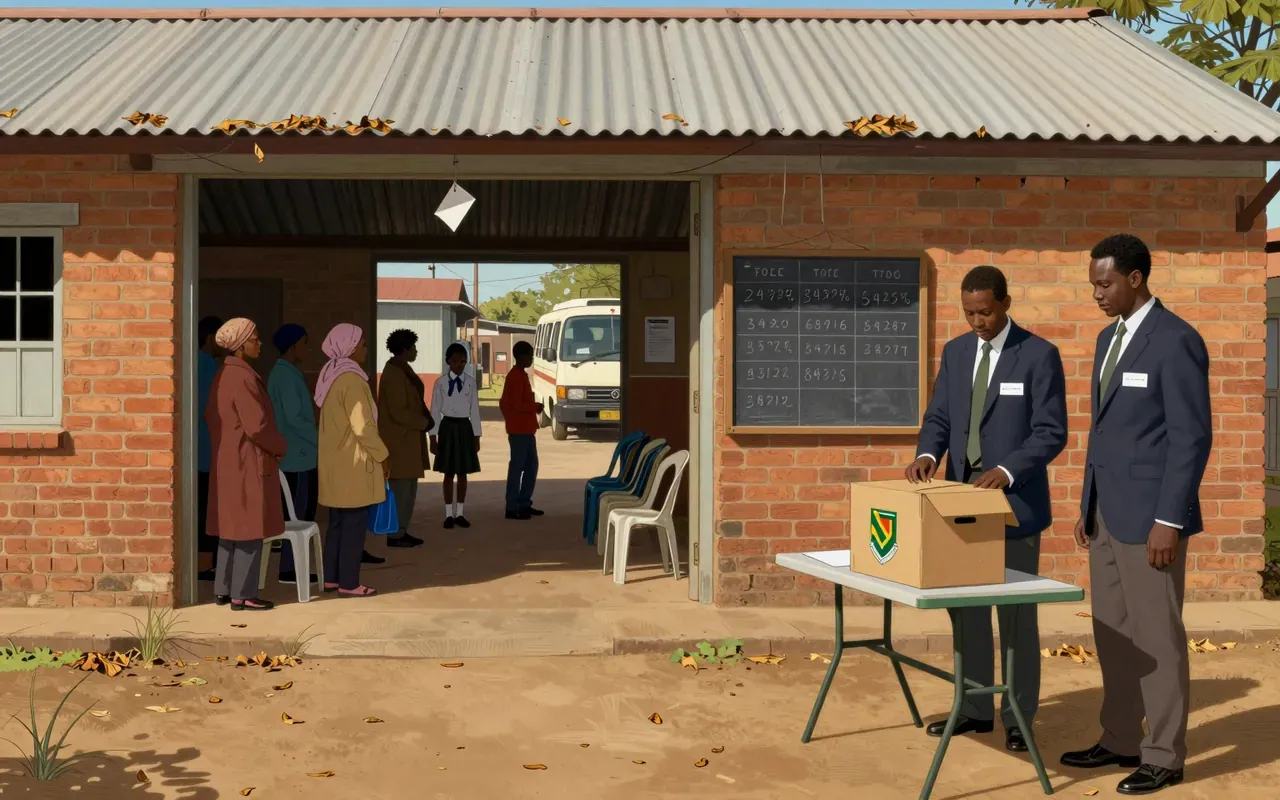
The negotiations to end apartheid were a deliberate, documented, stage-gated process — not a spontaneous uprising or a top-down decree. They succeeded because both sides accepted that negotiation was the only remaining option. But the record does not confirm who forced whom to the table, or why violence recurred when talks paused.
F.W. de Klerk rose through South Africa's National Party before becoming state president in 1989 and, within months, legalising the ANC and releasing Nelson Mandela, steering negotiations that ended apartheid and led to the 1994 elections. He shared the Nobel Peace Prize with Mandela in 1993, but the Truth and Reconciliation Commission later found his denials of authorising security force violence indefensible, and a 2020 claim minimising apartheid's harms forced a retraction from his own foundation before his death the following year.
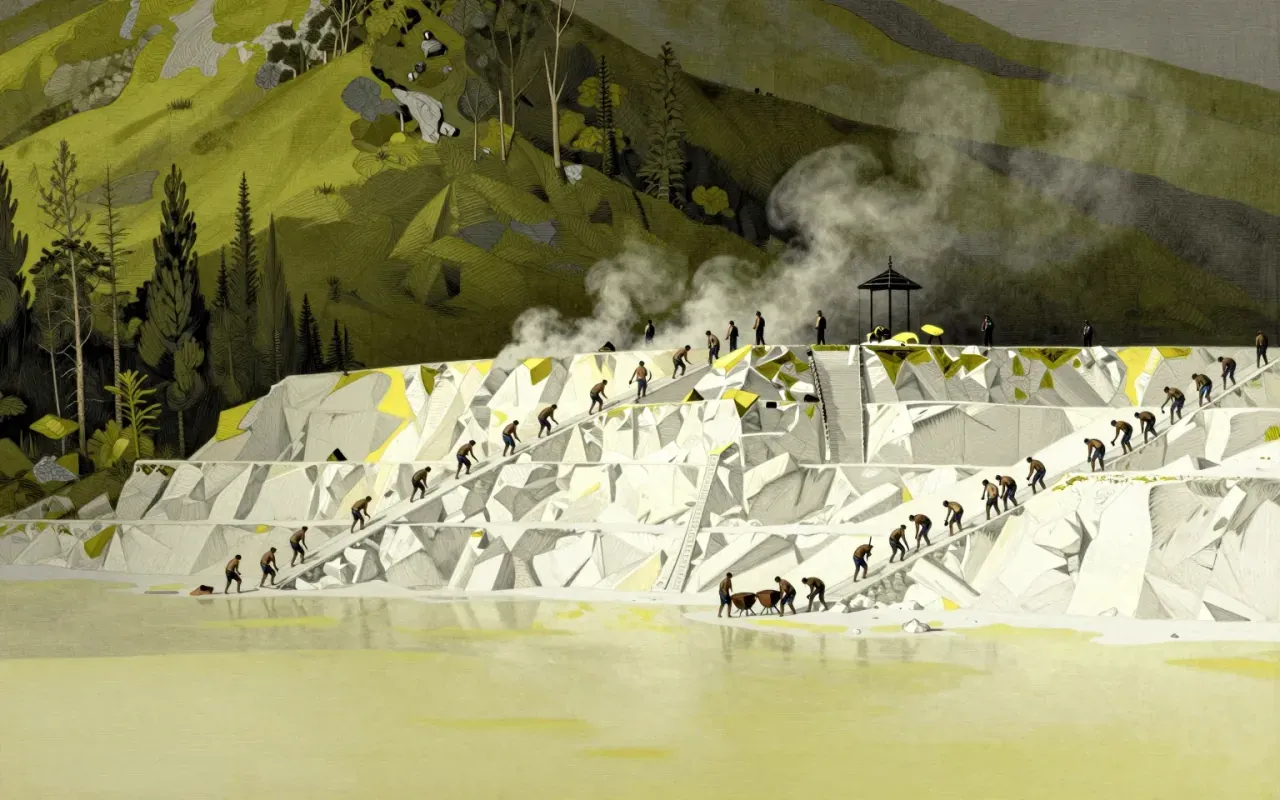
Nelson Mandela moved from law student and African National Congress organiser to leader of an armed resistance wing, then spent twenty-seven years in prison after the 1964 Rivonia Trial before his 1990 release and his election as South Africa's first Black president in 1994. His single term prioritised reconciliation over retribution, most visibly through the Truth and Reconciliation Commission, and he declined a second term, an unusual choice among leaders who had spent decades fighting for power.
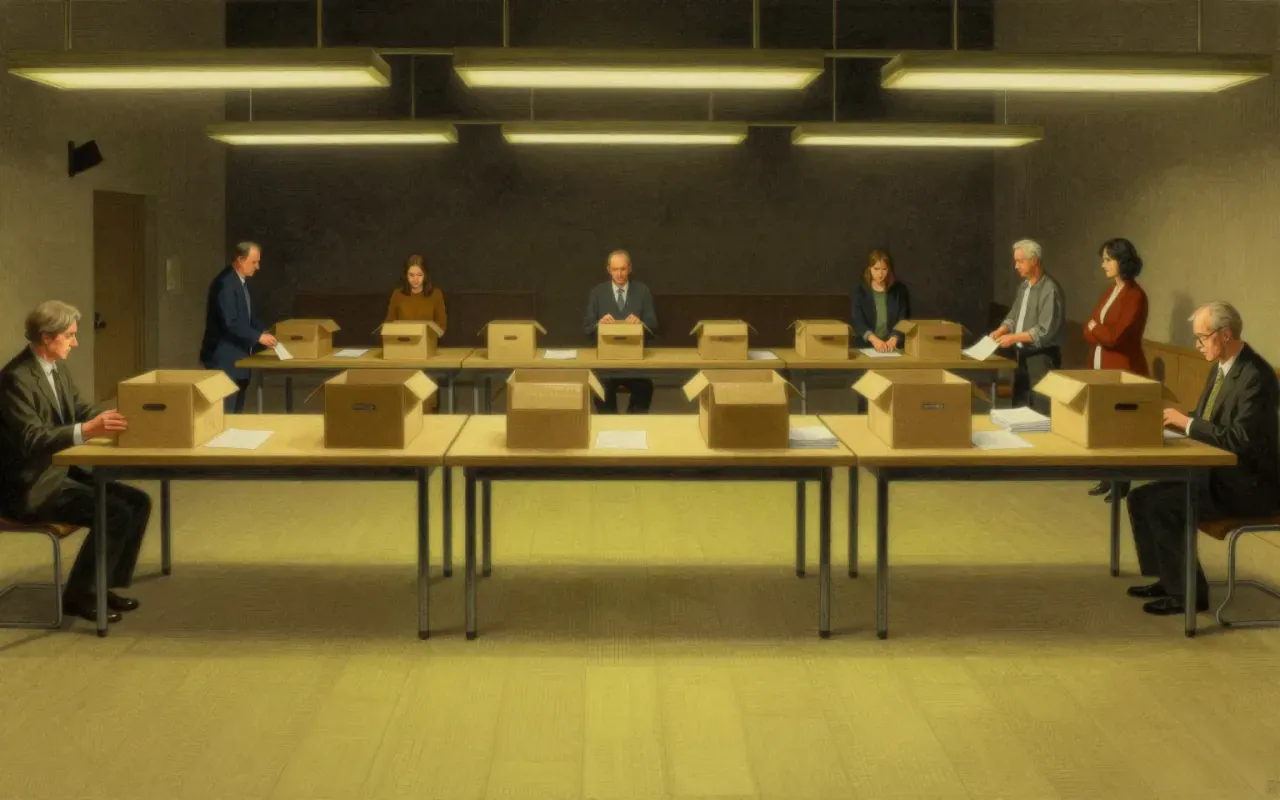
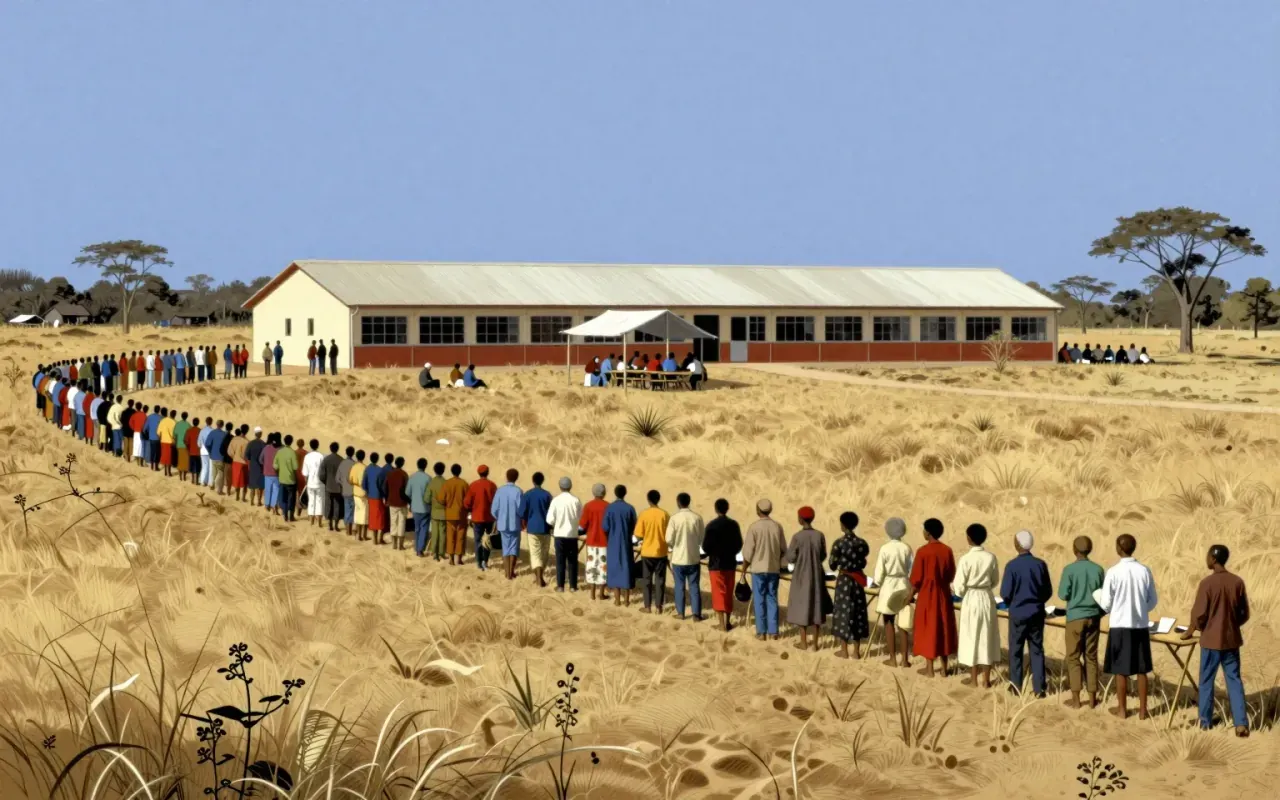
Between 26 and 29 April 1994, South Africans of every race voted together for the first time, and the African National Congress won just under 63 percent, enough to make Nelson Mandela president without the two-thirds majority that would have let his party govern alone. The vote followed four years of negotiation, boycotts and mass violence since Mandela's release in 1990, and it produced a compromise government sharing power with the outgoing National Party and the Inkatha Freedom Party.