Pretty Hate Machine
Pretty Hate Machine is Trent Reznor’s first full statement — made alone, with machines, in a state of withdrawal — aiming for claustrophobia, achieving intimacy, and changing the sound of rock by wiring noise to speak his name.
The moment human muscle stopped being the limit.

Pretty Hate Machine is Trent Reznor’s first full statement — made alone, with machines, in a state of withdrawal — aiming for claustrophobia, achieving intimacy, and changing the sound of rock by wiring noise to speak his name.

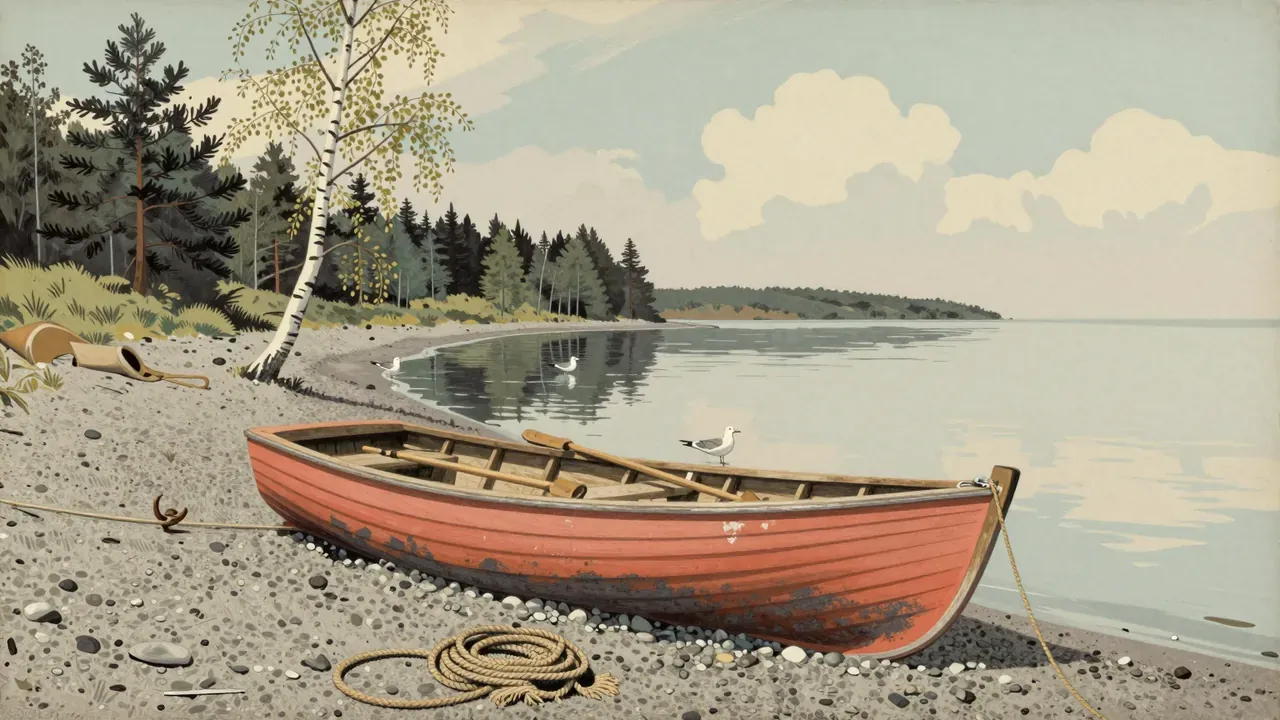
Bo Widerberg’s 1969 Swedish drama Ådalen 31 reconstructs the 1931 Ådalen shootings through the daily life of the working-class Andersson family. Anchored by Peter Schildt and Roland Hedlund, it traces springtime tensions between strikers and strikebreakers in northern Sweden, culminating in a military massacre that kills five. Shot by Jörgen Persson with deliberate restraint, it avoids polemic in favour of tactile realism — fishing, jazz, French lessons, abortion, grief — making ideology legible through habit, not speech. It won the Cannes Grand Prix and remains a landmark of socially engaged arthouse cinema.

A 1988 non-narrative documentary directed by Godfrey Reggio, Powaqqatsi observes labour, ritual and urban flux across Africa, Asia and Latin America, scored by Philip Glass. With no dialogue or exposition, it builds meaning through rhythm, scale and repetition — proposing transition, not progress or decay, as its central condition.
Luchino Visconti’s 1969 film traces the Essenbeck family’s moral dissolution as they align with the Nazi Party in early 1933. Shot across Italy, West Germany and Austria, it uses lavish production, deliberate pacing and psychologically precise performances to chart how privilege, desire and fear enable authoritarianism from within. Though acclaimed, it has drawn criticism for its handling of Jewish characters and its reliance on Helmut Berger’s volatile charisma over Dirk Bogarde’s restrained gravitas.

Set in 1890s Turin, Mario Monicelli’s The Organizer follows textile workers organising their first strike, aided—and complicated—by a fugitive labour activist. Shot in black-and-white by Giuseppe Rotunno, it balances social gravity with commedia all’italiana’s tonal elasticity, refusing heroic framing in favour of accumulated detail: fatigue, hesitation, shared bread, and quiet persistence. Its power lies in restraint, not rhetoric.

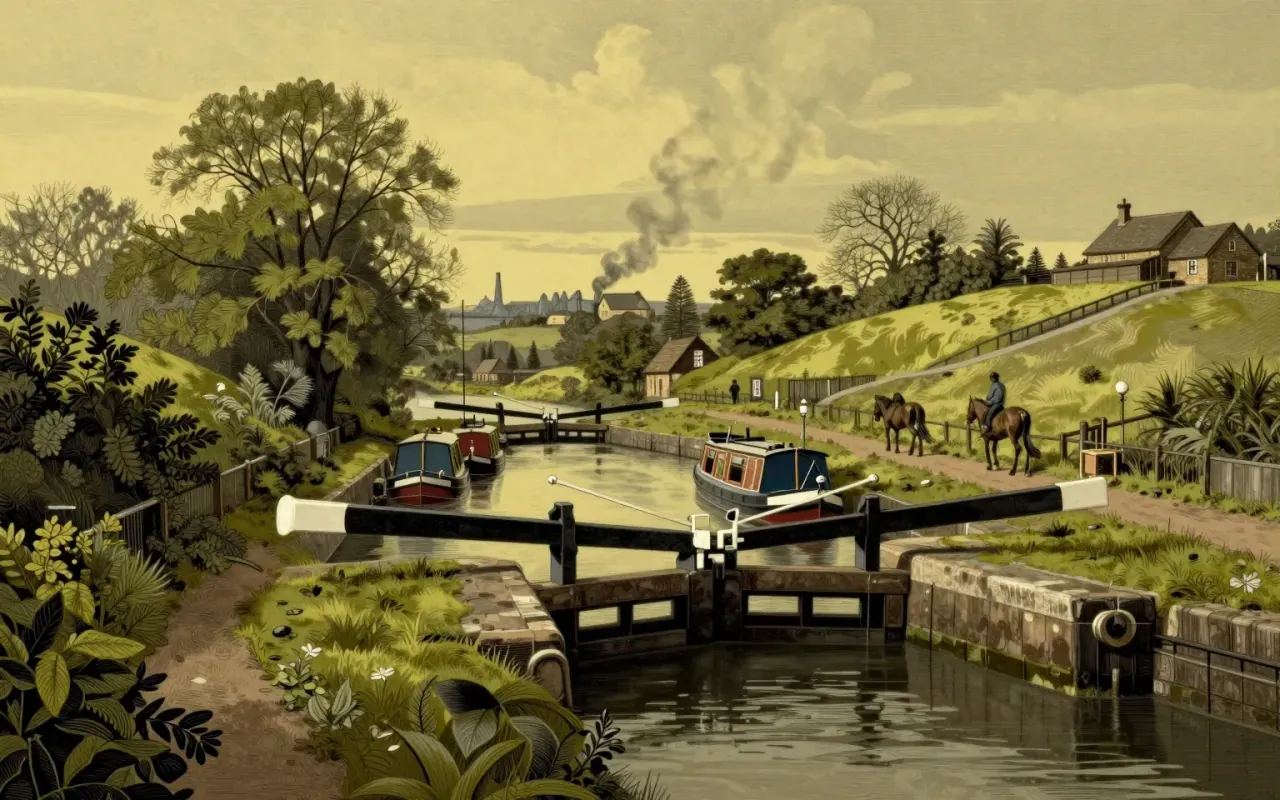
Beginning in Britain around 1760 and spreading to continental Europe and the United States by roughly 1840, the Industrial Revolution combined agricultural surplus, coal and iron resources, and a wave of textile and steam-power inventions to shift production from hand and cottage work to mechanised factories. Historians continue to dispute both how sharply this counts as a revolution rather than a gradual change and, more consequentially, when ordinary workers actually began to see rising living standards from it.

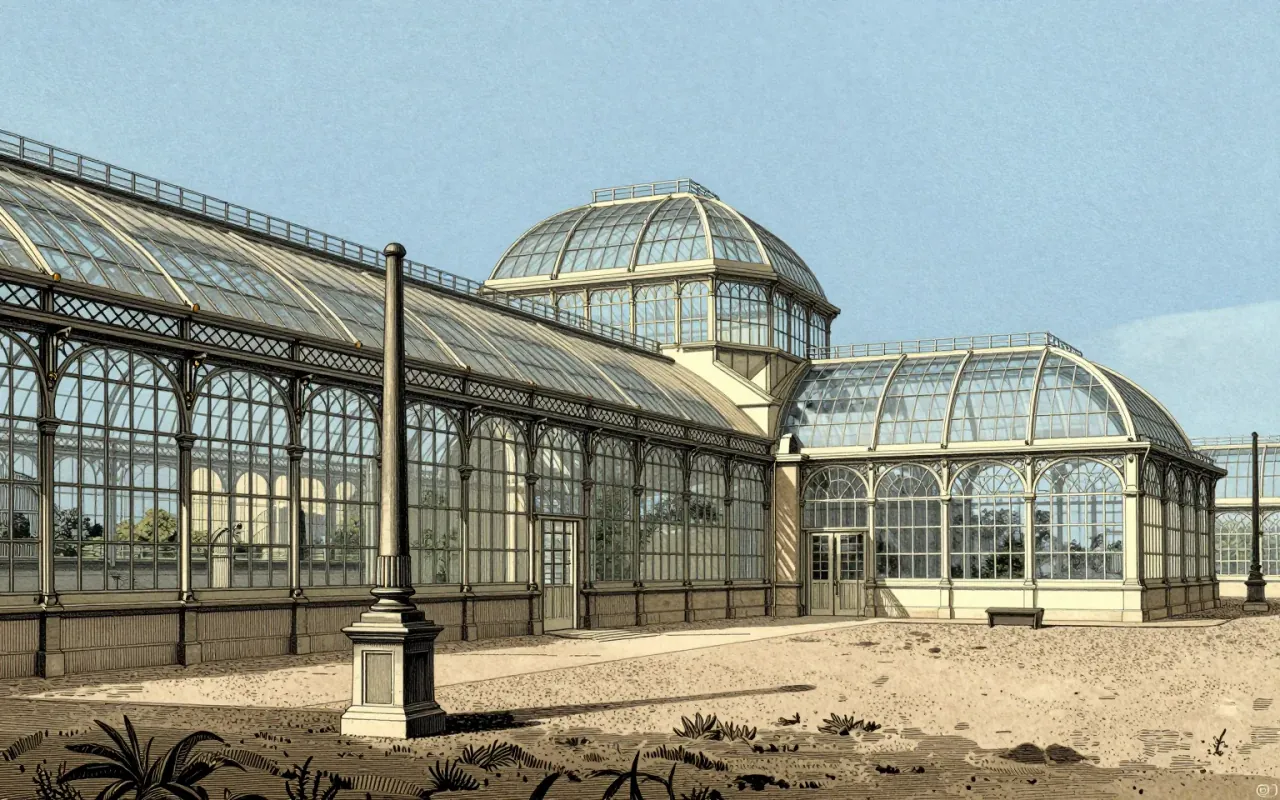
The Crystal Palace was a cast iron and plate glass exhibition hall built for the Great Exhibition of 1851. It measured 1,851 feet long and 128 feet high internally. Its modular design followed the dimensions of glass panes supplied by Chance Brothers. It was completed in thirty-nine weeks by 2,000 men at a cost of £79,800. It used 293,000 panes of glass—the greatest area ever seen in a building—and astonished visitors with clear walls and ceilings that required no interior lighting. Its construction relied on recent advances in glass and cast iron manufacturing and the abolition of the glass tax. It demonstrated British industrial capability in iron and glass.

Caslon is the first English type system engineered for optical legibility in print, not screen.

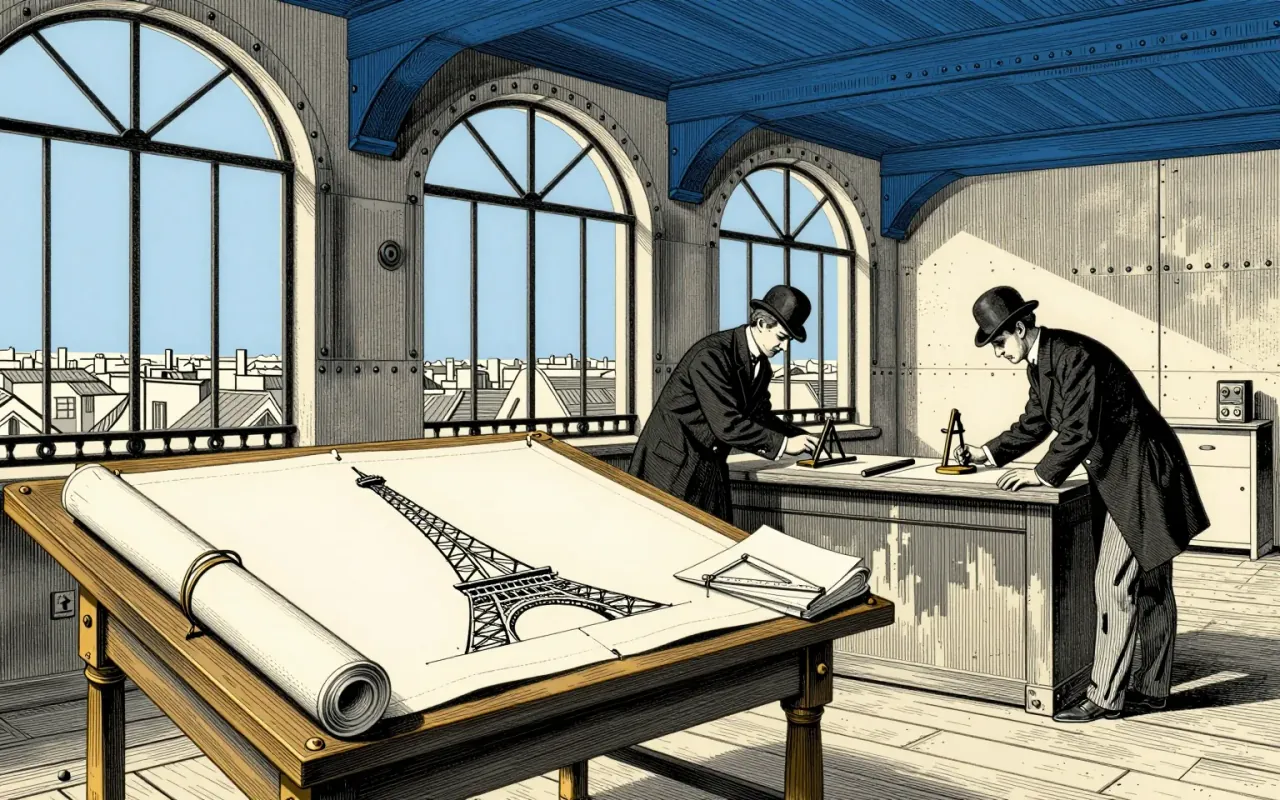
The Eiffel Tower is a feat of delegated authorship, procedural manipulation, and industrial discipline — not solitary genius.


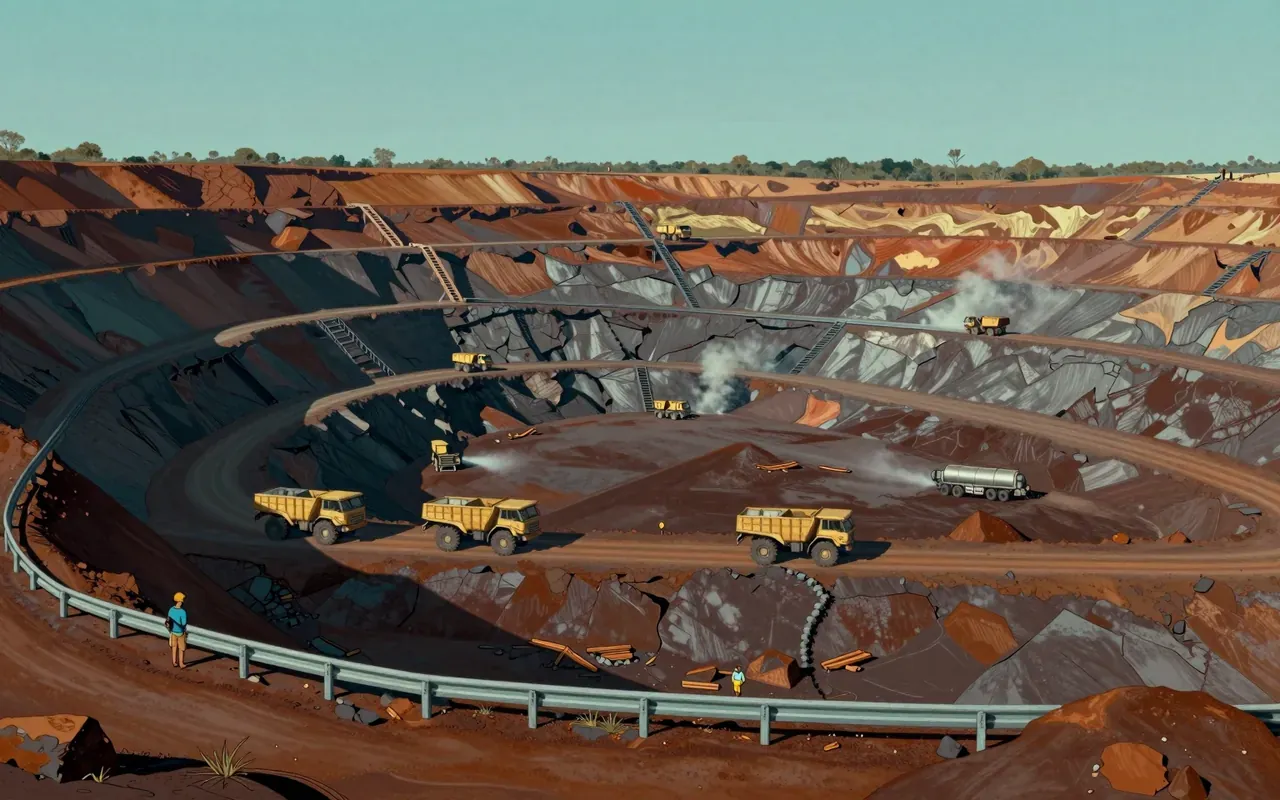
ArcelorMittal is the world’s second-largest steelmaker — a $33 billion hostile merger of Mittal Steel and Arcelor in 2007. It operates across mining, smelting, and recycling in 14 countries. In 2025, it produced 55.6 million tons of steel against 74.6 million tons of capacity — 53% in Europe, 40% in the Americas. It sources 72% of its iron ore and 91% of its coke internally. The Mittal family surrendered control to close the deal. It is not a technology company. It is not growing. It is a vertically integrated commodity producer whose scale is structural, not strategic.


Godrej & Boyce is not a story of disruption but of continuity — sustained by refusing to outsource precision, testing claims in fire, and anchoring engineering to national need. Its business model has never been about scaling a single product, but about retaining sovereign capability across generations.


The spinning mule is a hybrid spinning machine invented by Samuel Crompton between 1775 and 1779. It combines Arkwright’s roller drafting with Hargreaves’s moving carriage to produce strong, thin, uniform yarn—specifically for muslin—using an intermittent draw-and-wind process. Its first version had 48 spindles and produced one pound of 60s thread daily. It raised yarn value sharply: 80s thread sold for 42 shillings per pound versus 14 shillings for coarser 40s. But its stop-start operation limited throughput and required manual intervention for clamping and reversal—making it powerful for quality, not speed.

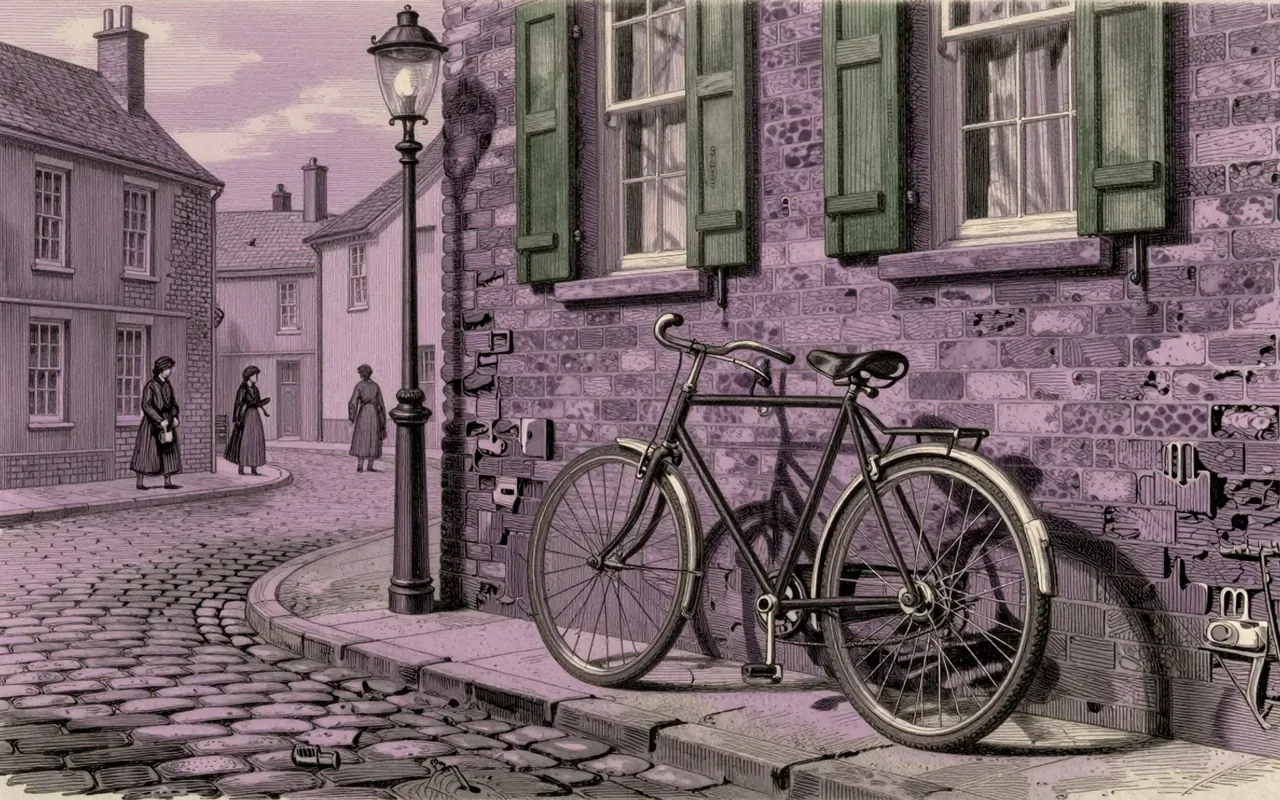
The chain drive is a mechanical transmission system using a roller chain and sprockets to move torque across distance. Hans Renold’s 1880 bush roller chain solved critical wear and slippage problems of earlier pin-and-link designs—and became the basis for all modern precision roller chains. It enables adjustable gear ratios and higher torque via duplex configurations. But it inherently produces speed variation (chordal effect) due to discrete link engagement. Its first commercial validation came in James Starley’s tricycles using his 1877 differential. It remains essential hardware—not legacy tech—where reliability, torque and spacing outweigh the need for constant velocity.


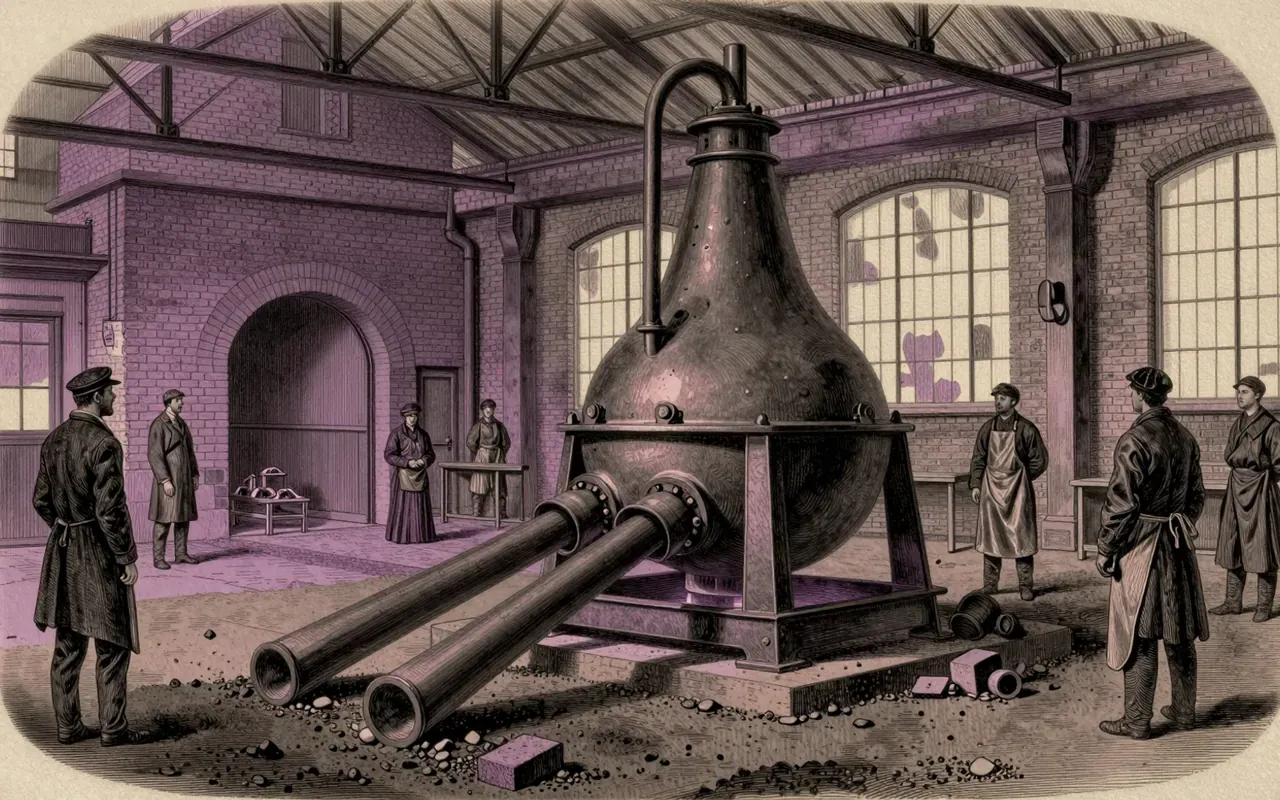
The Bessemer process is the first industrial method to mass-produce steel cheaply — by blowing air through molten pig iron to oxidise impurities, especially carbon. It works by self-heating oxidation, cuts batch time from a day to under 20 minutes, and forces deliberate carbon readdition. It fails to deliver finished steel in one step and cannot treat phosphorus-rich iron without later refinement. It changed structural engineering by enabling steel’s substitution for cast and wrought iron. It remains foundational — not because it endures, but because it proved scalable metallurgical control was possible.


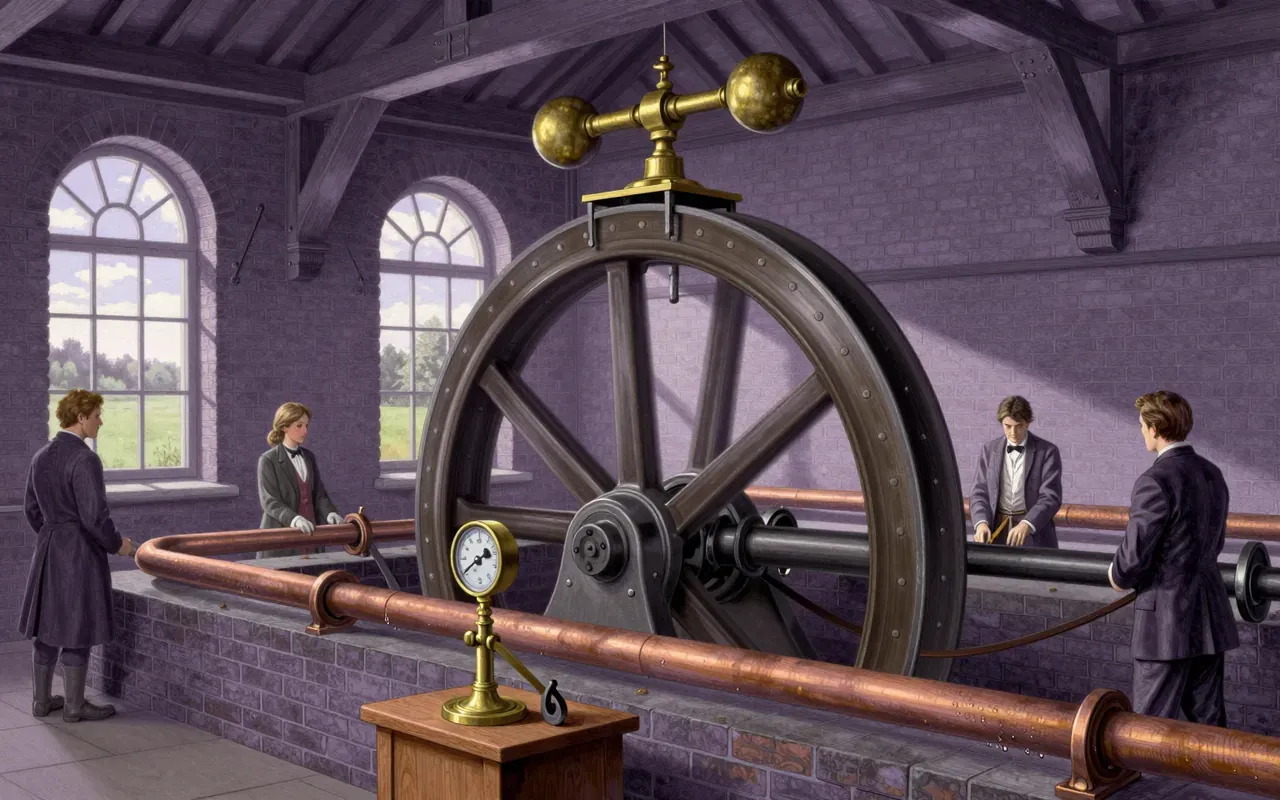
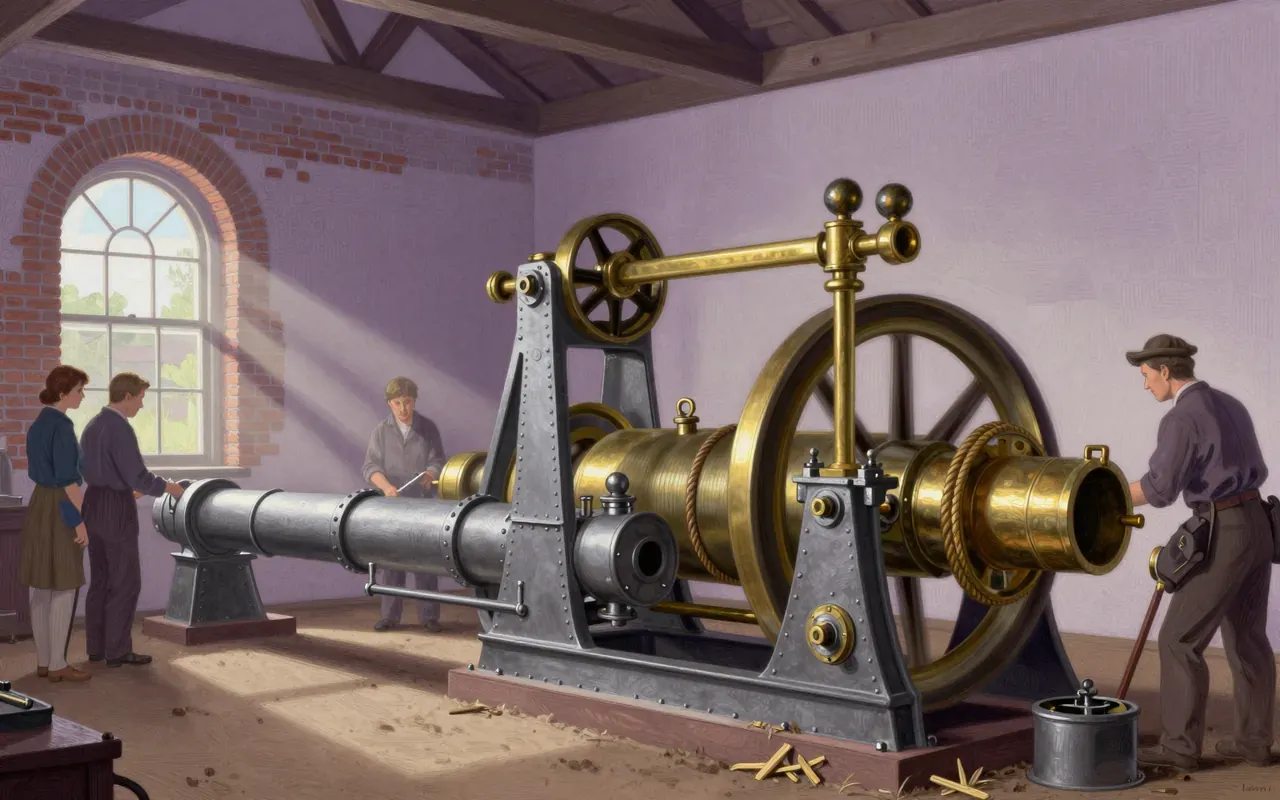
The Corliss steam engine is a mechanically elegant solution to stationary steam inefficiency—no more, no less.

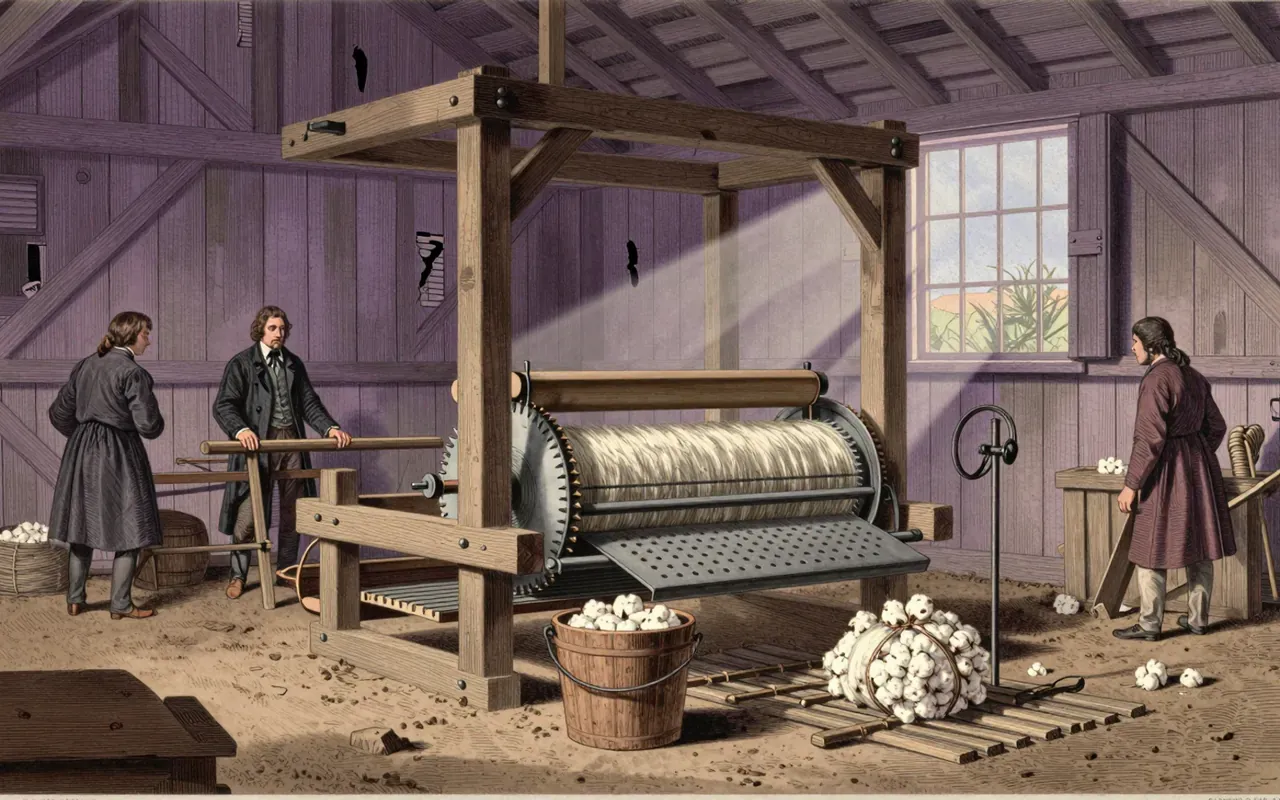
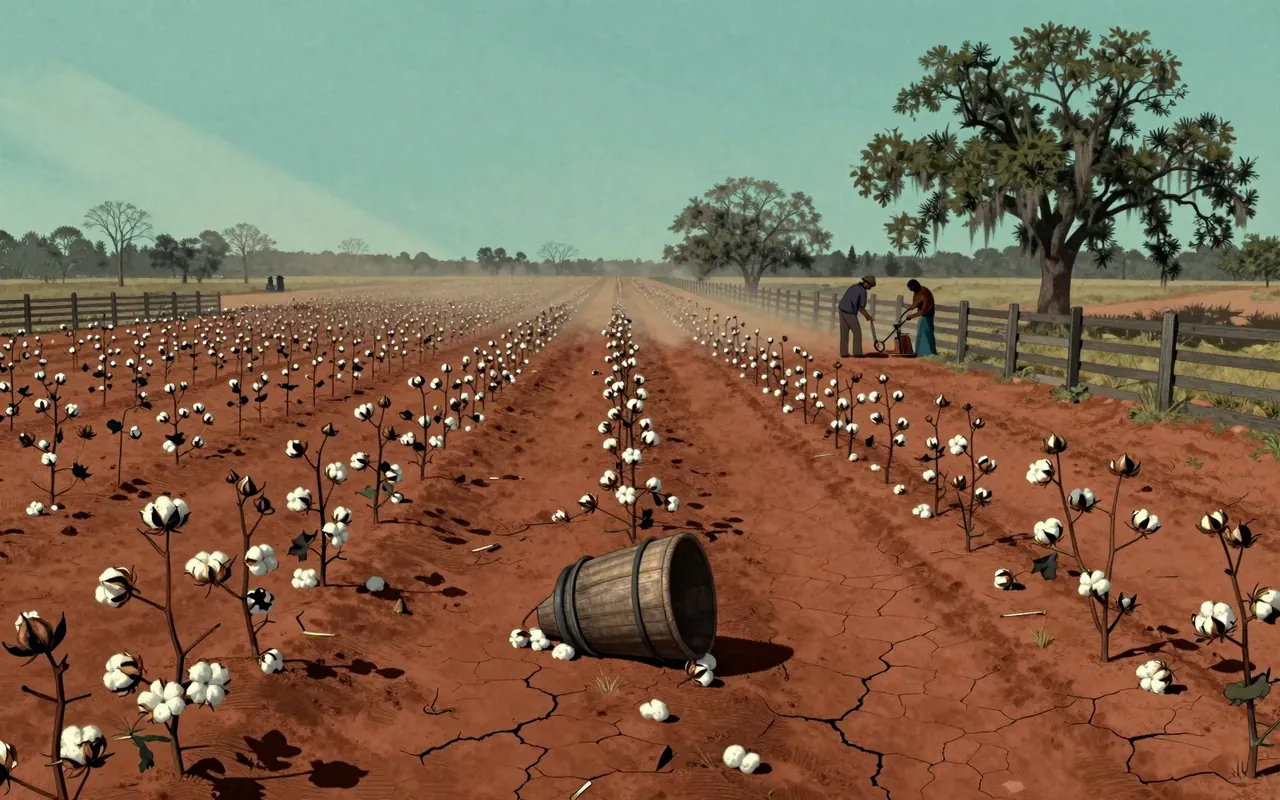
The cotton gin is a mechanical seed-removal device invented by Eli Whitney in 1793. It uses wire hooks on a rotating drum to pull cotton fibres through narrow ginning ribs, while a second rotating brush cylinder clears lint to prevent jams. It increased daily lint output from one pound (manual) to 50–55 pounds. This made cotton farming highly profitable, expanded U.S. cotton production, and catalysed a surge in exports—from under 500,000 pounds in 1793 to 93 million pounds by 1810. But it did not reduce overall labour demand. Instead, it shifted the bottleneck to field harvesting, intensifying reliance on enslaved people to pick cotton by hand. Its patent was granted in 1794 but not validated until 1807.


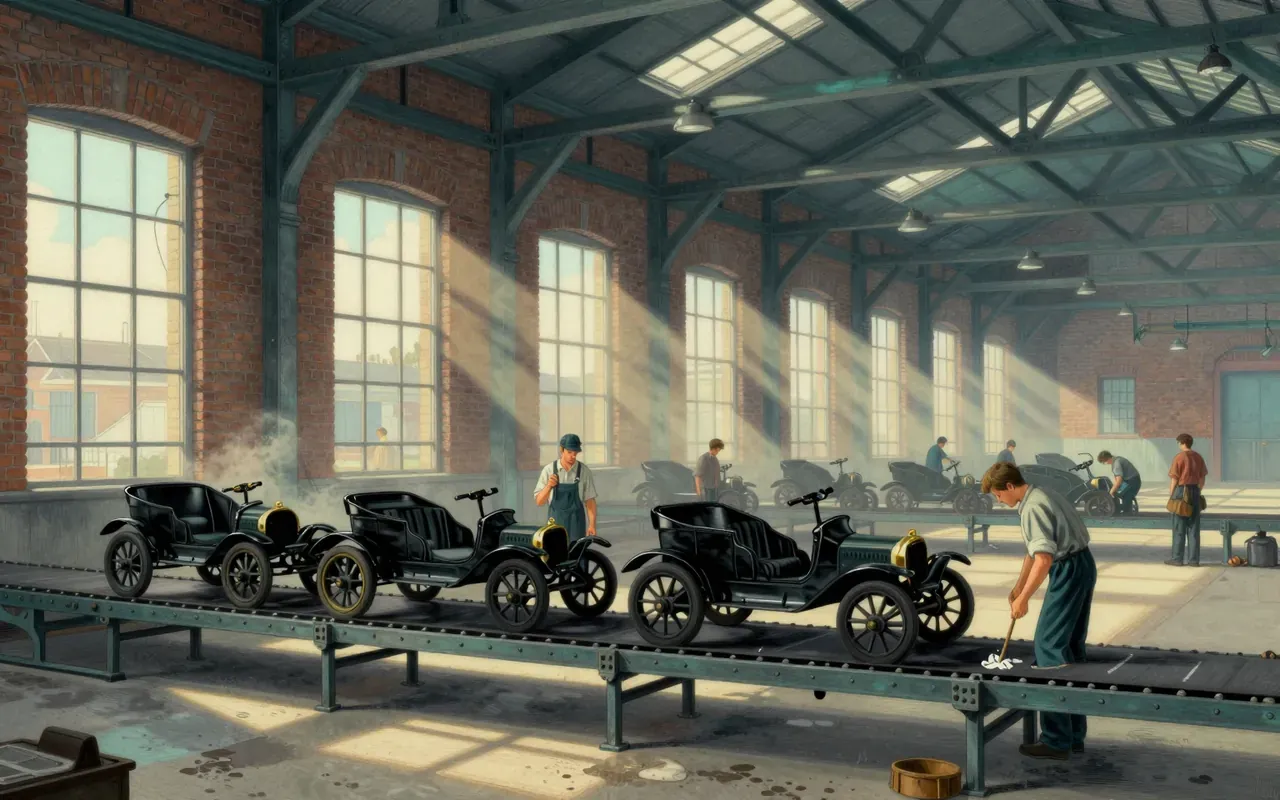
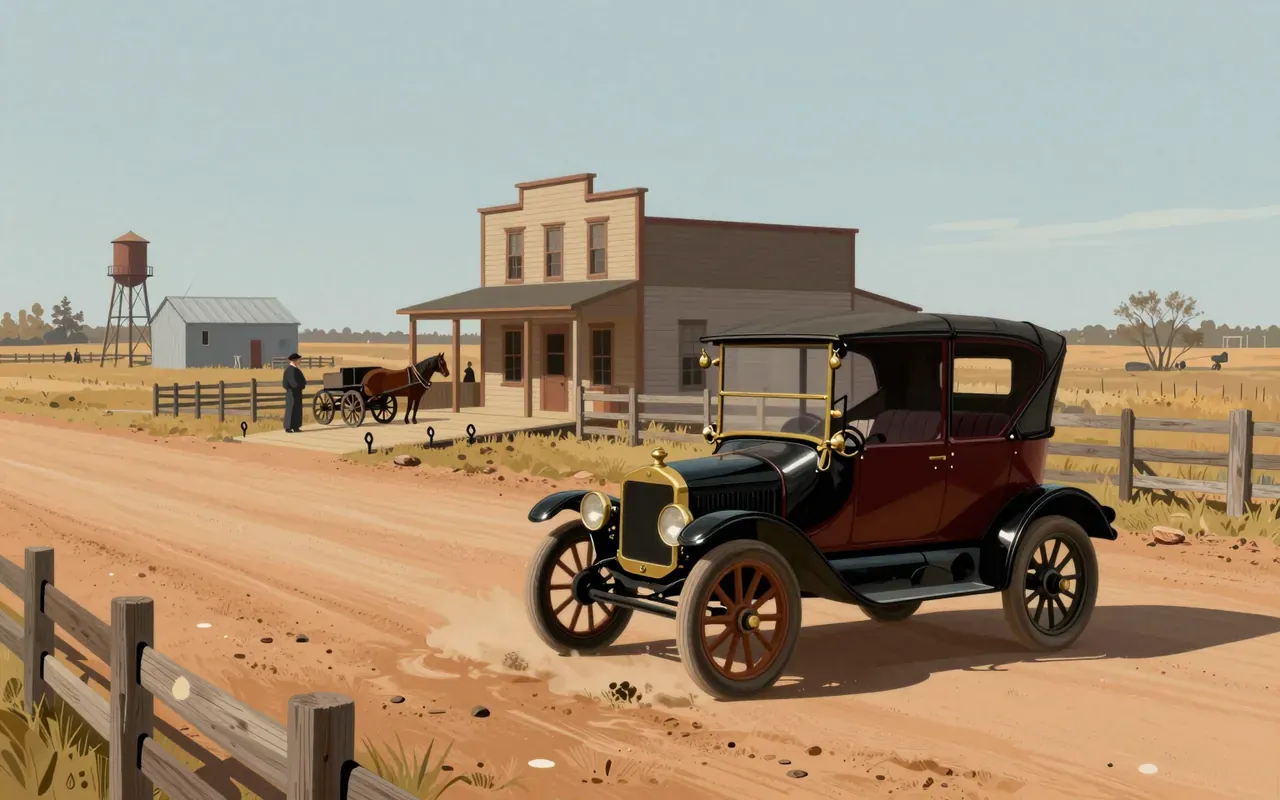
The Ford Model T is the foundational mass-market automobile—engineered for repairability, built for scale, and priced for the middle class. Its innovations were procedural (assembly line) and mechanical (planetary transmission, detachable cylinder head), not aesthetic or performance-led.