A Date With The Everly Brothers
A Date With The Everly Brothers is a 2013 tribute album by the Chapin Sisters. It is not the 1960 Everly Brothers record. No sonic, technical, or interpretive detail is provided in the source material.
Capturing a performance, and slowly replacing it.

A Date With The Everly Brothers is a 2013 tribute album by the Chapin Sisters. It is not the 1960 Everly Brothers record. No sonic, technical, or interpretive detail is provided in the source material.

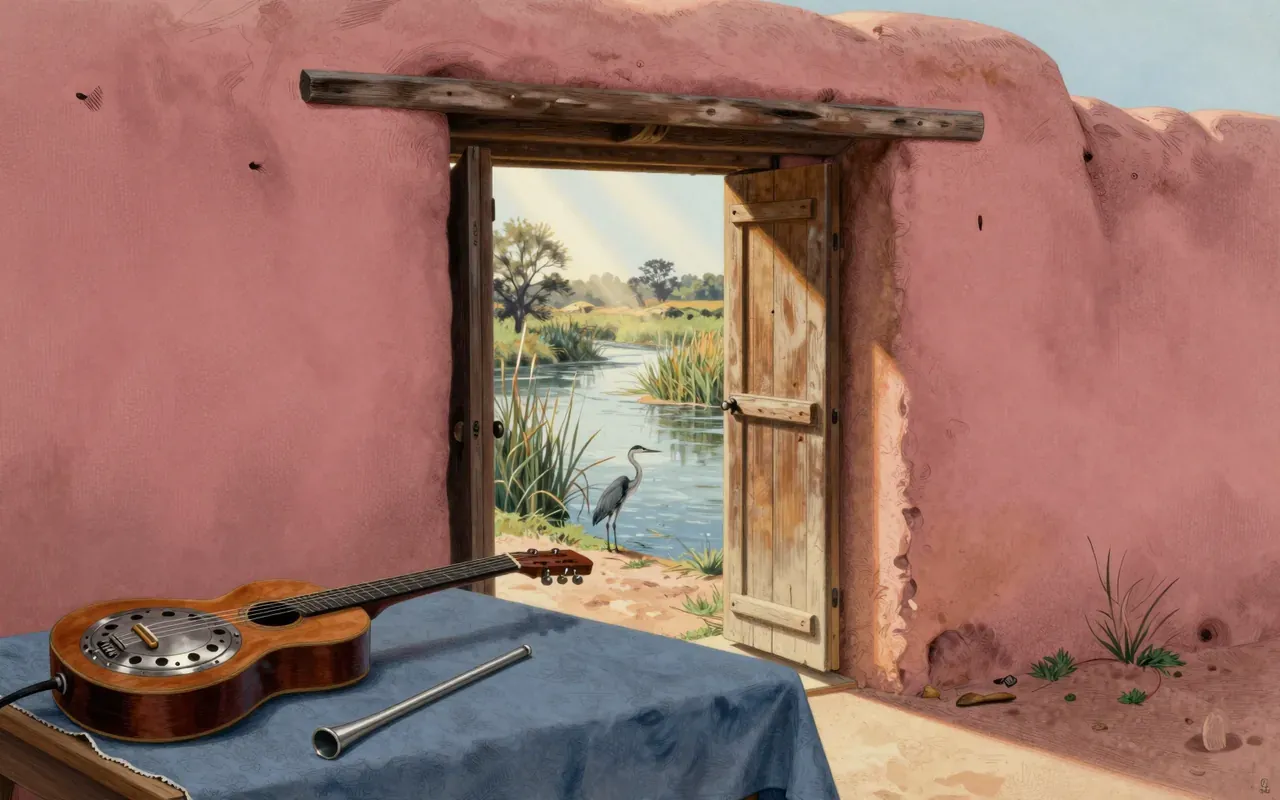
A Meeting by the River is a 1993 Grammy-winning world music crossover album recorded in September 1992 by Ry Cooder on slide guitar and Vishwa Mohan Bhatt on the Mohan veena—an instrument Bhatt created—with Joachim Cooder on dumbek and Sukhvinder Singh Namdhari on tabla. The session was unplanned and unrehearsed: Cooder and Bhatt met less than an hour before recording began. Produced and engineered by Kavichandran Alexander, it features voice-like phrasing, alternating and unison melodic lines, and improvisation rooted in Hindustani classical tradition and blues sensibility. Its four tracks—'A Meeting by the River', 'Longing', 'Ganges Delta Blues', and 'Isa Lei'—are noted for clarity, distinctness, and three-dimensional sound quality.

A Moon Shaped Pool is Radiohead’s ninth studio album, released in 2016. It features Jonny Greenwood’s orchestral arrangements, includes older material such as 'True Love Waits', and incorporates strings and choral vocals by the London Contemporary Orchestra. The album was released digitally in May 2016 and physically in June via XL Recordings. Its sessions were affected by personal events including Nigel Godrich's father's death and Thom Yorke's separation from and later loss of his wife Rachel Owen, who died from cancer in 2016. The album was promoted with music videos for 'Daydreaming' and 'Burn the Witch' and received critical acclaim, appearing on year-end best-album lists and earning Grammy nominations including Best Alternative Music Album and Best Rock Song for 'Burn the Witch'. It became Radiohead's sixth UK number-one album and reached number three in the US. It was also nominated for the Mercury Prize, making Radiohead the most shortlisted act in Mercury history. The album was recorded at La Fabrique studio near Saint-Rémy-de-Provence, France, after initial work began in September 2014. Radiohead had previously attempted to write a theme for the James Bond film Spectre, but both submissions were rejected and later released independently. The album's release marked a return to more emotionally resonant and less cynical lyrical themes compared to earlier works, conveying wonder and amazement rather than alienation or political anger. It was followed by extensive touring across Europe, Japan, and North and South America, featuring Clive Deamer on drums until 2018, and later Chris Vatalaro on the 2025 tour. The album's production involved long-standing collaborators Nigel Godrich (producer), Stanley Donwood (cover artist), and Paul Thomas Anderson (music video director).

The sole verified fact about 'A Night at Birdland, Volume 1' is that it emerged from a 1954 live session during which Art Blakey declared his commitment to young musicians on-mic. Nothing else — personnel, label, venue, sound, repertoire context, or release status — is confirmed by the provided material.

A Night at Birdland, Volume 2 is a live 1954 Birdland recording, part of the A Night at Birdland series, captured during the session where Blakey declared his commitment to young musicians.

A Night at the Village Vanguard is a live 1957 Sonny Rollins album recorded on November 3 at the Village Vanguard in New York City. Released by Blue Note in 1958. The first live recording ever made at that venue. Features three sets: one afternoon with Donald Bailey and Pete LaRoca, two evenings with Wilbur Ware and Elvin Jones. Pianoless tenor-bass-drums trio format — pioneering 'strolling'. No studio mediation. No overdubs.

A functional, unvarnished hard bop document — not a statement, not a departure, just the band working the tune as written.

A Sailor’s Guide to Earth is a live-recorded, self-produced orchestral-soul detour from country orthodoxy — anchored by real strings, real horns, real steel guitar, and real ensemble interplay.

D. A. Pennebaker’s 1968 documentary captures select performances from the 1967 Monterey Pop Festival with minimal intervention: no narration, no crowd shots, no chronological fidelity. Shot on 16mm and mixed from live eight-track recordings, it presents Otis Redding, Ravi Shankar, Jimi Hendrix, The Who, and others as autonomous musical events — valued for physical presence, duration, and sonic fidelity rather than cultural symbolism. Its power lies in restraint, not revelation.

D. A. Pennebaker’s 1970 documentary observes the marathon studio session for the original cast album of Stephen Sondheim’s Company. Filmed over two days at Columbia Records’ 30th Street Studio, it captures singers, musicians, and producers wrestling with fatigue, pitch, and timing — most memorably Elaine Stritch’s repeated attempts at 'The Ladies Who Lunch'. Unvarnished, chronological, and devoid of narration or context, it treats recording as craft rather than spectacle.

François Girard’s 1993 Canadian film abandons linear biography for thirty-two discrete segments — documentary, re-enactment, animation, silence — each offering a distinct, unmediated angle on pianist Glenn Gould. Colm Feore performs with meticulous restraint, Alain Dostie photographs with quiet exactness, and the soundtrack uses only Gould’s own recordings. It does not seek to resolve his contradictions — his isolation, his technology use, his early retirement — but to hold them in careful, cumulative balance.

Magnetic tape is a plastic-backed iron-oxide medium for analog sound recording. It solved portability and repeatability in audio capture—replacing wire—but required mechanical precision, careful handling, and post-war reverse-engineering to spread. Its value lies not in fidelity alone, but in making recorded sound a transportable, storable, and re-broadcastable commodity.


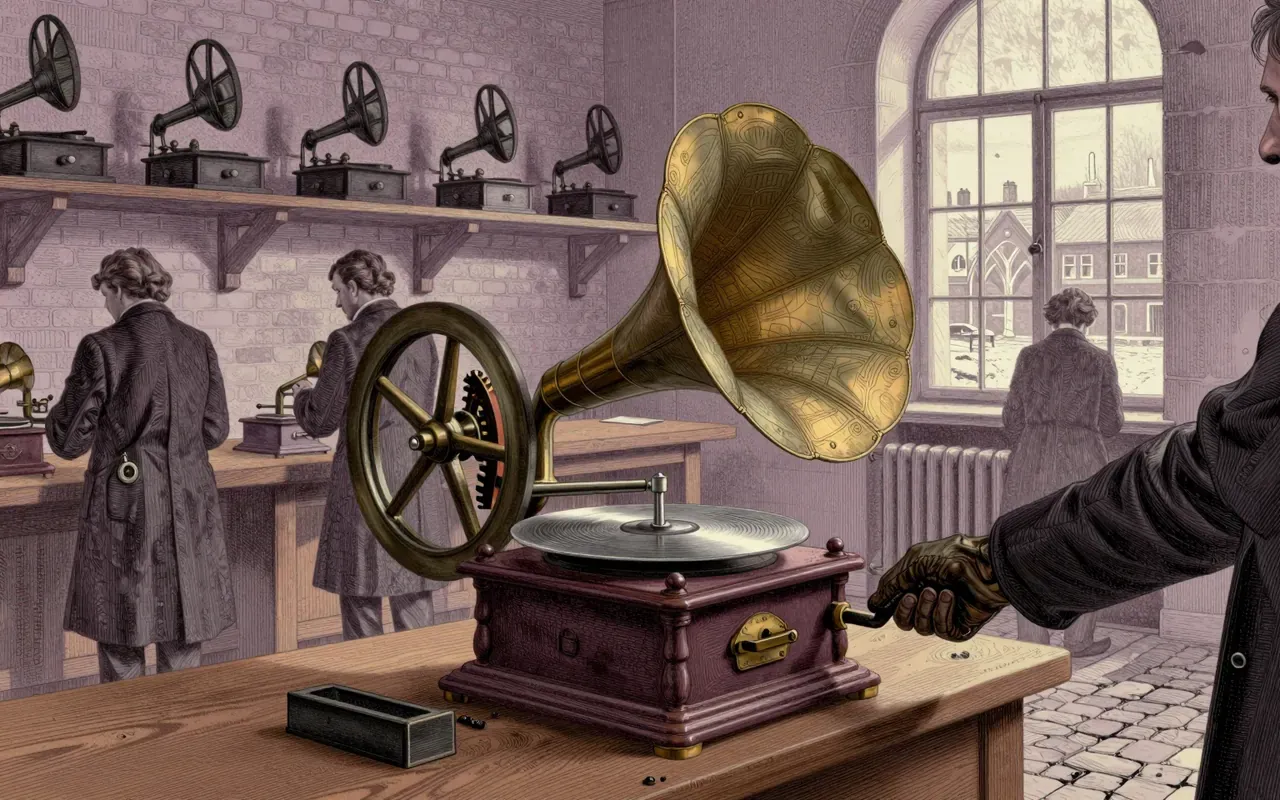
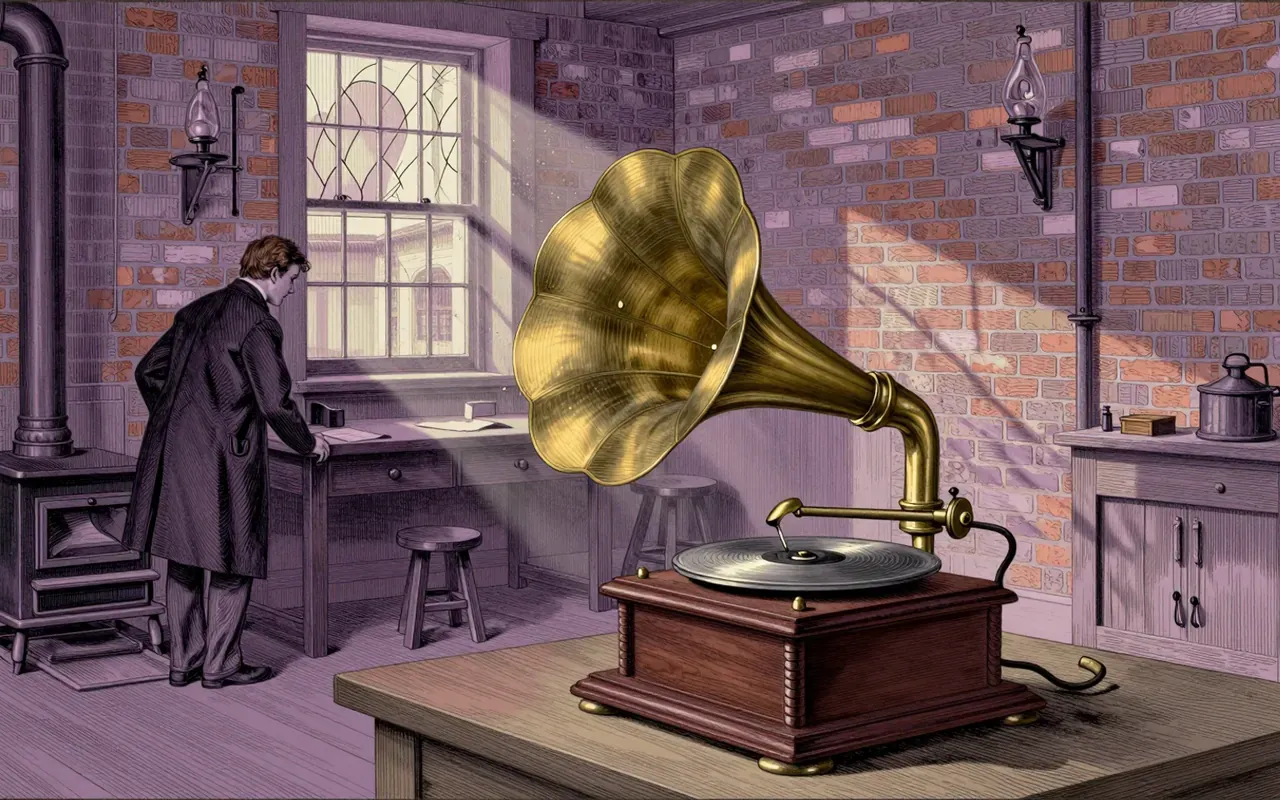
The phonograph established mechanical sound recording as possible — but delivered nothing usable. Its tinfoil medium broke, distorted, and wore out. Edison patented it in 1878 but shelved it for a decade. Only Bell’s wax-cylinder rival in the 1880s forced him to act.


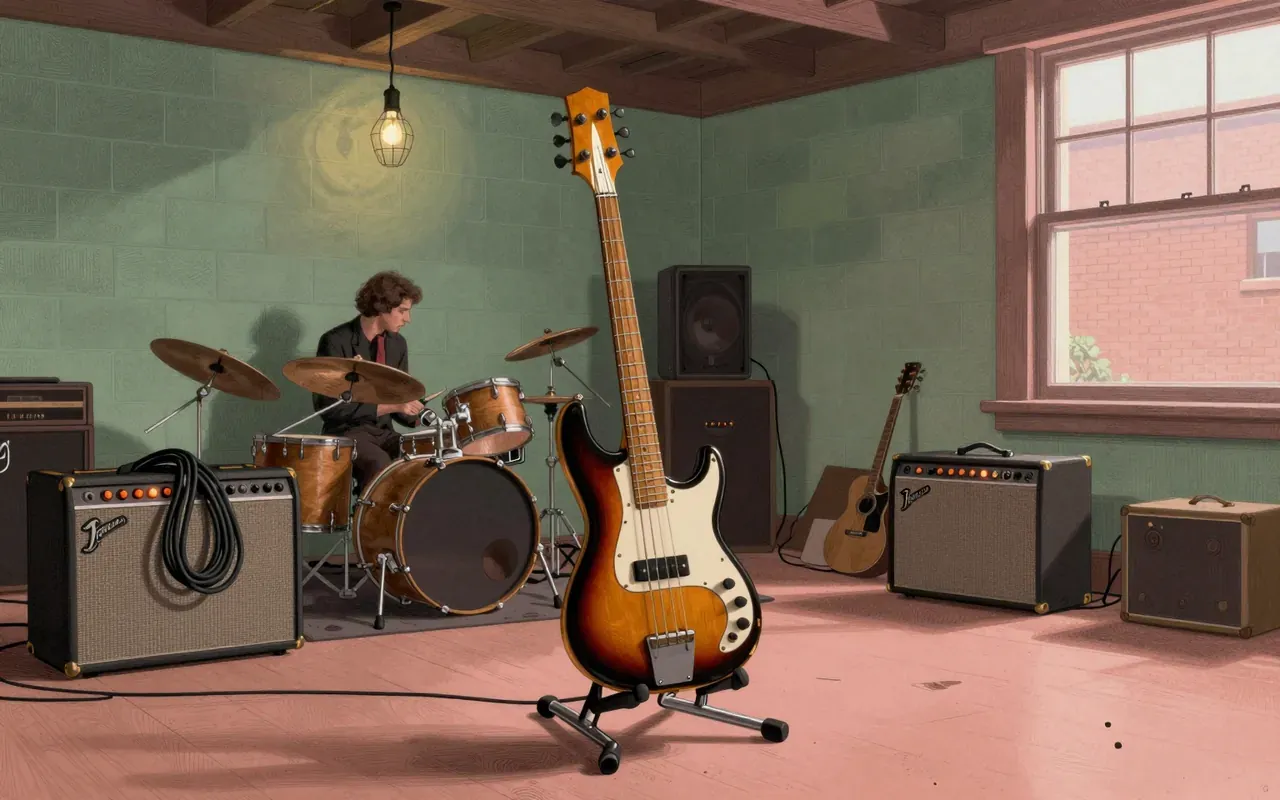
The Rickenbacker 4003 debuted in 1980 as a near-twin of the 4001 with an updated truss rod system made for roundwound strings. It has neck-through construction, has stayed in continuous production, and has spawned five-string, eight-string, fretless, limited-edition and signature versions.

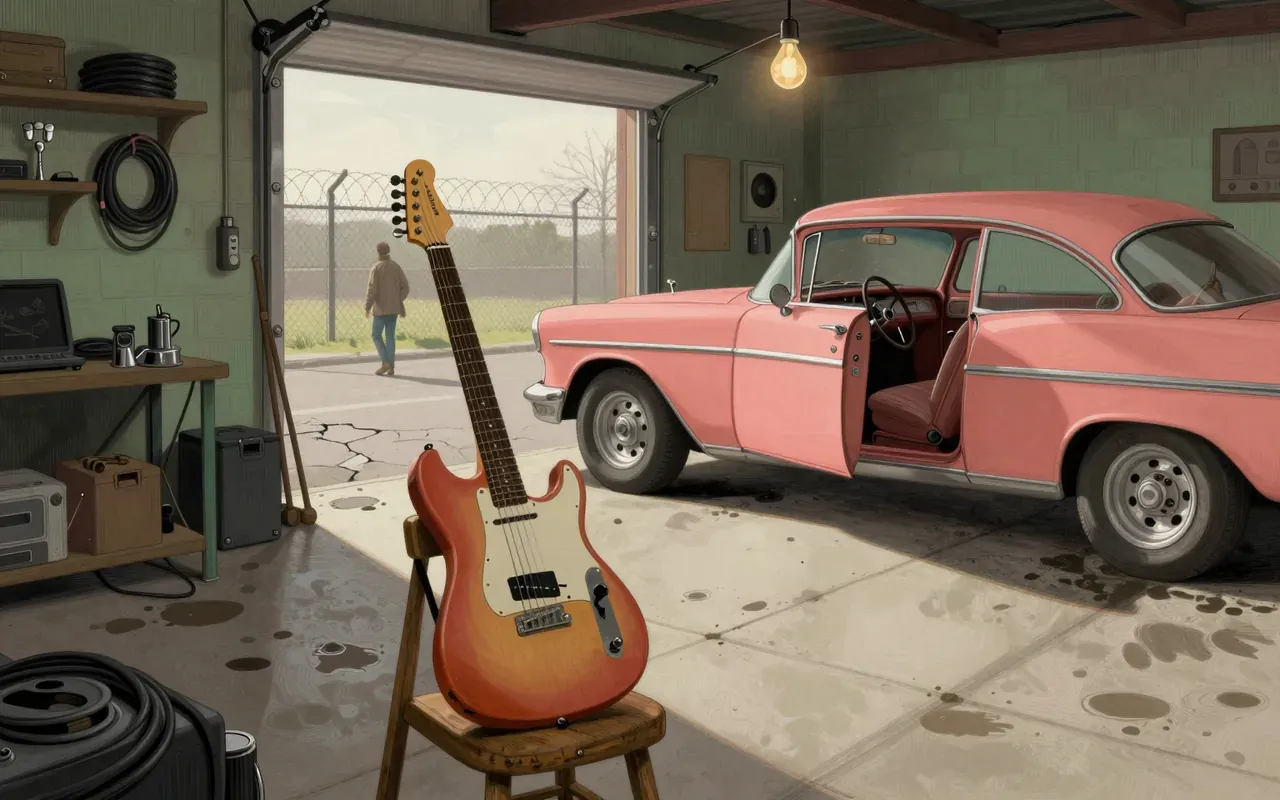
The 59DC was one of the first two reissues of Danelectro's Shorthorn line, sold between 1998 and 2001 with two pickups. The Shorthorn design it reissues is a dual cutaway hollow body of Masonite and poplar, with a Coke bottle style headstock and a seal shaped pickguard carrying stacked tone and volume knobs.

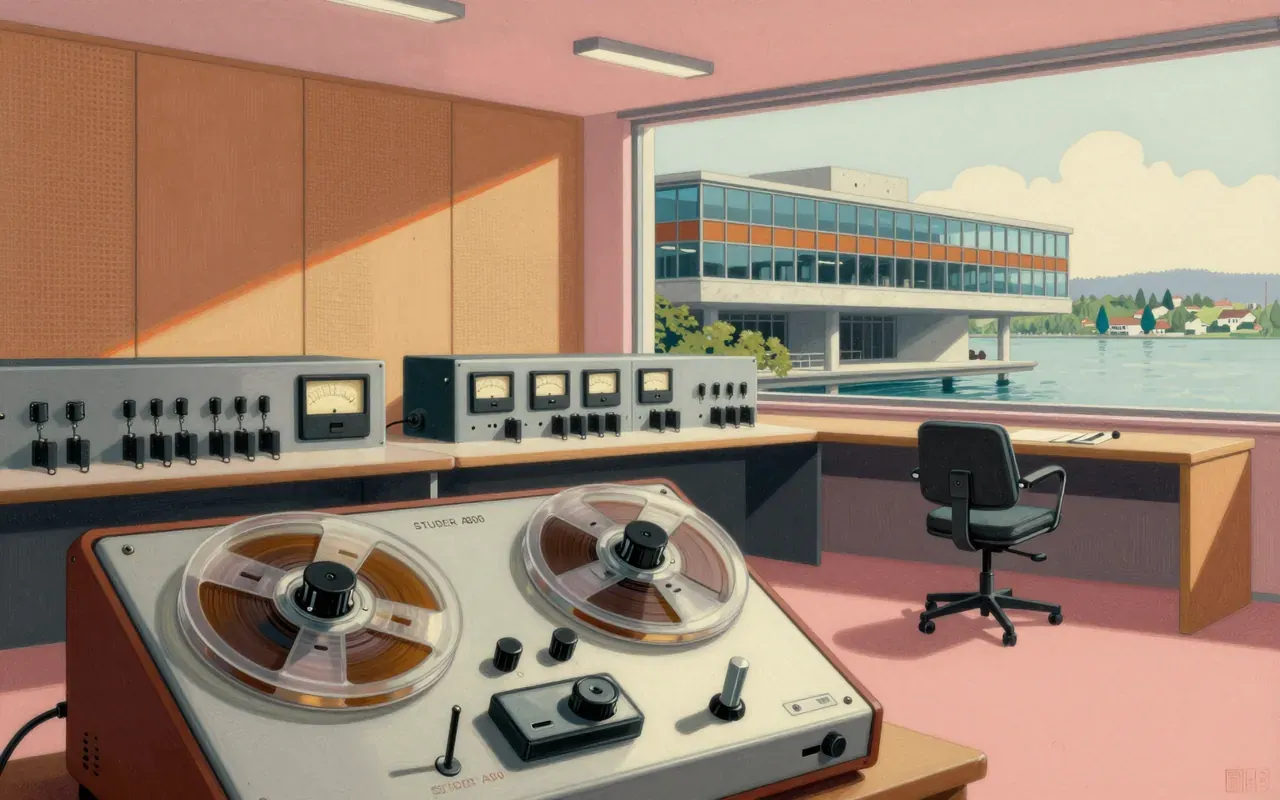
The J37 is Studer’s first multitrack machine, released in 1964. It recorded four tracks on one-inch tape. At EMI Studios London, later renamed Abbey Road Studios, The Beatles used a pair of J37s to record Sgt. Pepper’s Lonely Hearts Club Band in 1967. Studer went on to build 8-, 16- and 24-track machines with tape up to two inches wide.

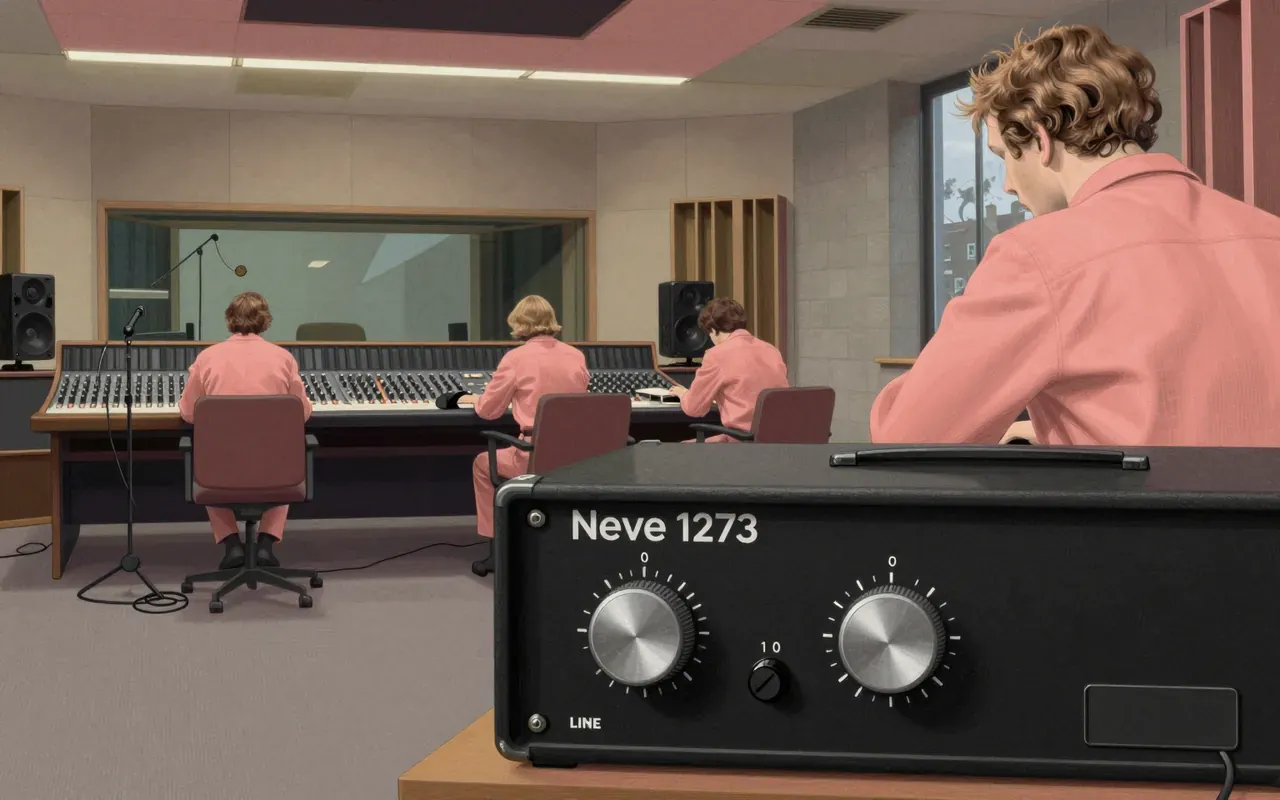
The Neve 1272 is a solid-state line amplifier. It does not accept microphone signals. It adds clean, transformer-coupled gain to line-level sources. It offers no input flexibility, no EQ, no saturation controls. Its value lies in its place in a fixed-path studio chain — not in versatility.

The Digidesign 888/24 is a Pro Tools–only analog-to-digital converter with eight XLR I/O channels and four AES-EBU digital paths. It delivers clean conversion, solid build quality, and low used-market cost—but only functions inside a compatible TDM system. No standalone mode. No MIDI. No monitor control. No software editor. It is a tool, not a platform.

The Alembic Series II is a 4-string bass guitar with stereo output, a 30.75-inch short scale option, and individual low-pass filters with continuously variable Q per pickup. It differs from Series I only in stereo capability and price. No claims are made about tonal superiority, build innovation, or broader usability.

The Avalon AD2022 is a two-channel, analog, solid-state, pure class A microphone preamplifier. It delivers transparent, low-noise amplification. It has variable input impedance. It accepts microphones and DI sources. It includes phantom power, a 20dB pad per channel, polarity reversal, and a switchable variable high-pass filter. It uses XLR connections. It has front-panel XLR and jack connectors for instruments. It is rackmounted and occupies two standard rack spaces.

A vacuum tube-based, rack-only channel strip with two identical preamp channels, each offering gain, phantom power, pad, phase reverse, Lo-Z input, compressor, EQ, and flexible routing. It trades portability and recall for consistent warmth and headroom — especially with transformerless mics.