Refavela
Gilberto Gil · 1977
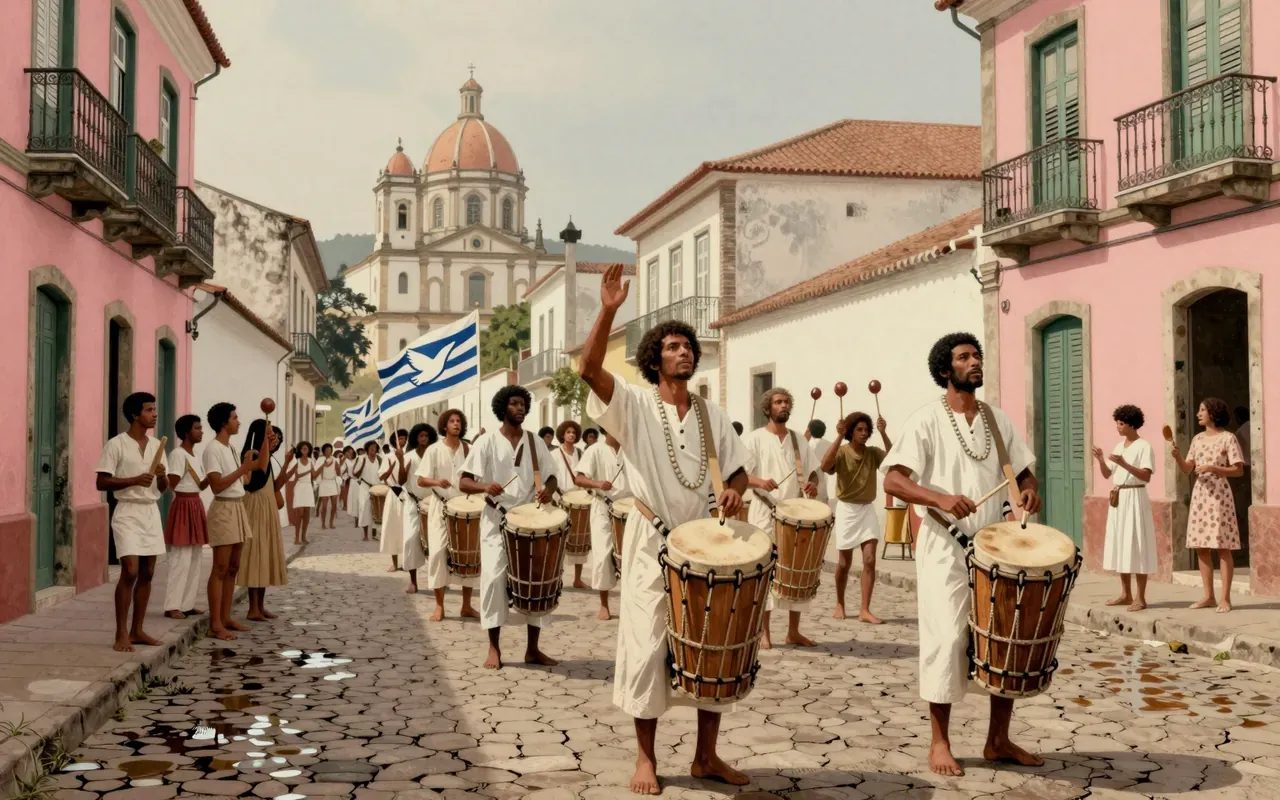
Refavela is not a fusion record. It is a declaration of continuity — Afro-Brazilian culture as unbroken line, not borrowed motif.
Fifty empires becoming a hundred and fifty countries in thirty years.
Refavela is not a fusion record. It is a declaration of continuity — Afro-Brazilian culture as unbroken line, not borrowed motif.
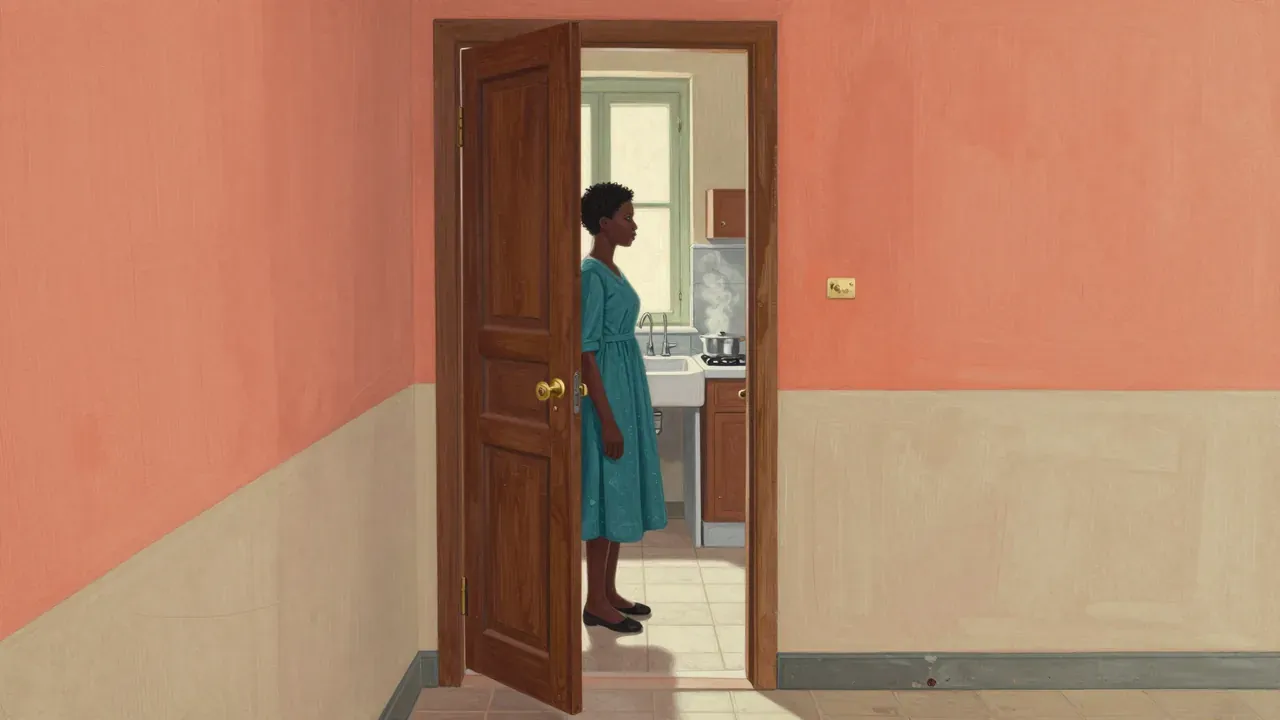
Ousmane Sembène’s 1966 feature debut follows Diouana, a young Senegalese woman who moves to France to work for a French couple, only to find her identity stripped away by isolation, linguistic erasure, and routine condescension. Shot in Senegal with a minimal crew and dubbed dialogue, the film uses stark visual contrast and elliptical editing to trace the psychological toll of colonial labour. Its power lies in restraint: no score, no exposition, no redemption—just the quiet accumulation of small violences, culminating in an act of final autonomy. Widely regarded as the first Sub-Saharan African feature by an African filmmaker to gain international attention, it remains a foundational text of anti-colonial cinema.
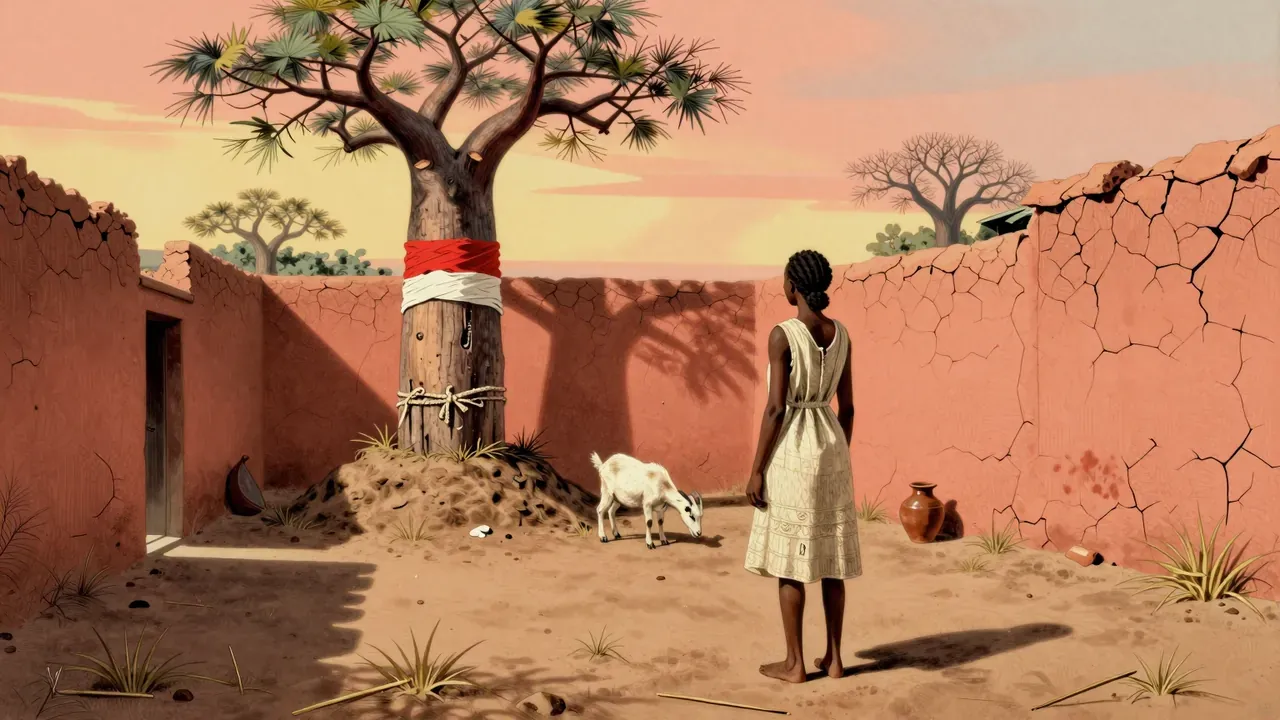
Ousmane Sembène’s 1977 Ceddo is a Senegalese historical drama set in a pre-colonial West African village torn between animist tradition, Islam, Christianity, and the slave trade. When the ceddo — the outsiders — abduct the king’s daughter to protest forced conversion, the conflict escalates into violence, conversion, and regicide. Shot in French with Wolof cultural grammar, the film refuses exposition, moral simplification, or sentimental resolution. Its power lies in its formal rigour, political clarity, and unwavering centreing of African epistemic autonomy.
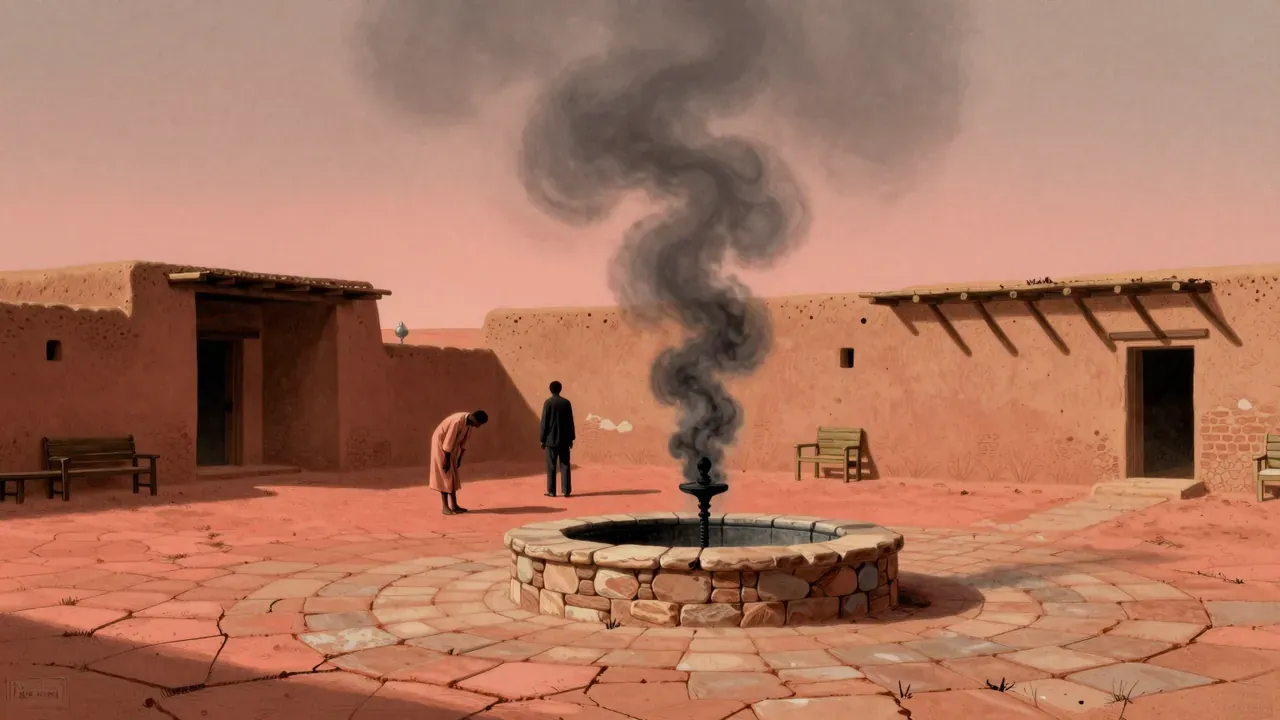
Chronicle of the Years of Fire (1975), directed by Mohammed Lakhdar-Hamina, follows Ahmed, an Algerian peasant, across seventeen years leading to the 1954 uprising against French rule. Structured in six chapters, it charts the slow, embodied formation of national consciousness under colonialism — through drought, conscription, broken promises and massacre. Shot by Marcello Gatti and scored by Philippe Arthuys, it favours duration over drama, collective experience over individual psychology. It won the Palme d’Or at Cannes and remains a landmark of postcolonial cinema.
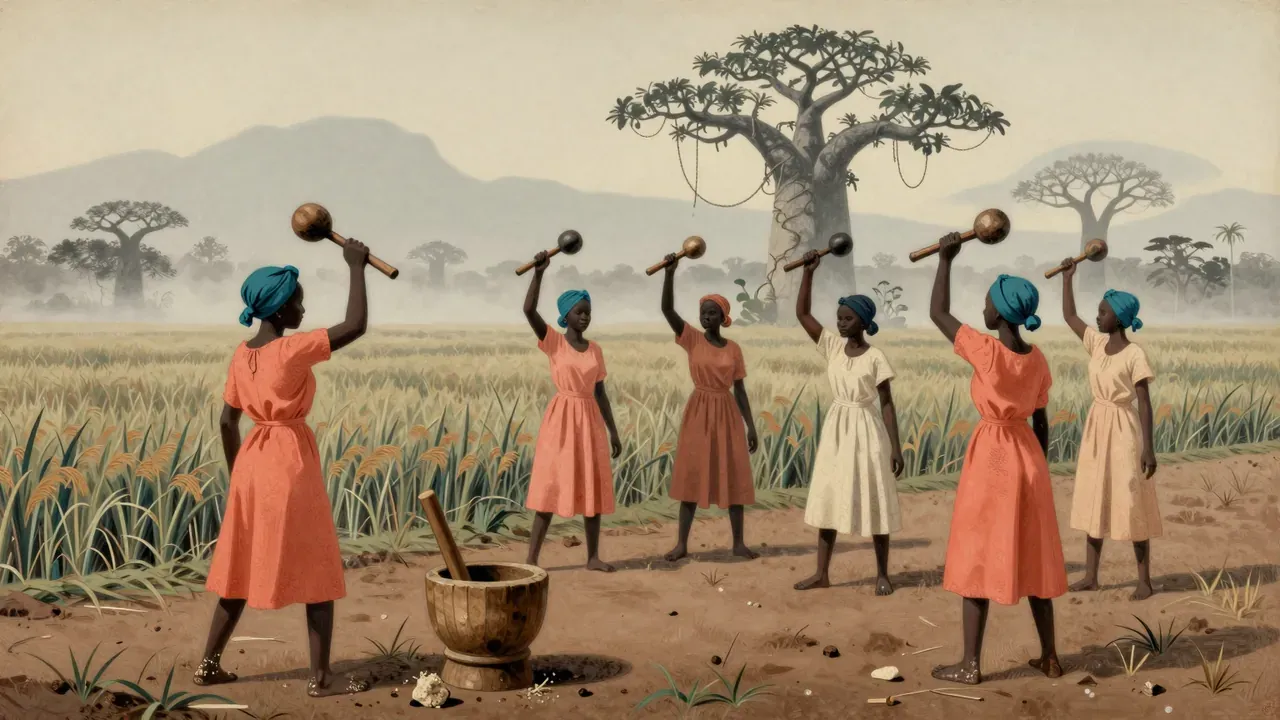
Ousmane Sembène’s 1971 drama Emitaï depicts a Diola village in Senegal resisting forced grain requisitions first by Vichy France, then by Free French forces during the Second World War. Shot in French with Diola-speaking non-professionals, it centres women’s labour, ancestral consultation, and the brutal continuity of colonial administration — culminating in a massacre that arrives without fanfare or framing. The film’s formal restraint, moral clarity, and anti-colonial urgency make it a landmark of African cinema.
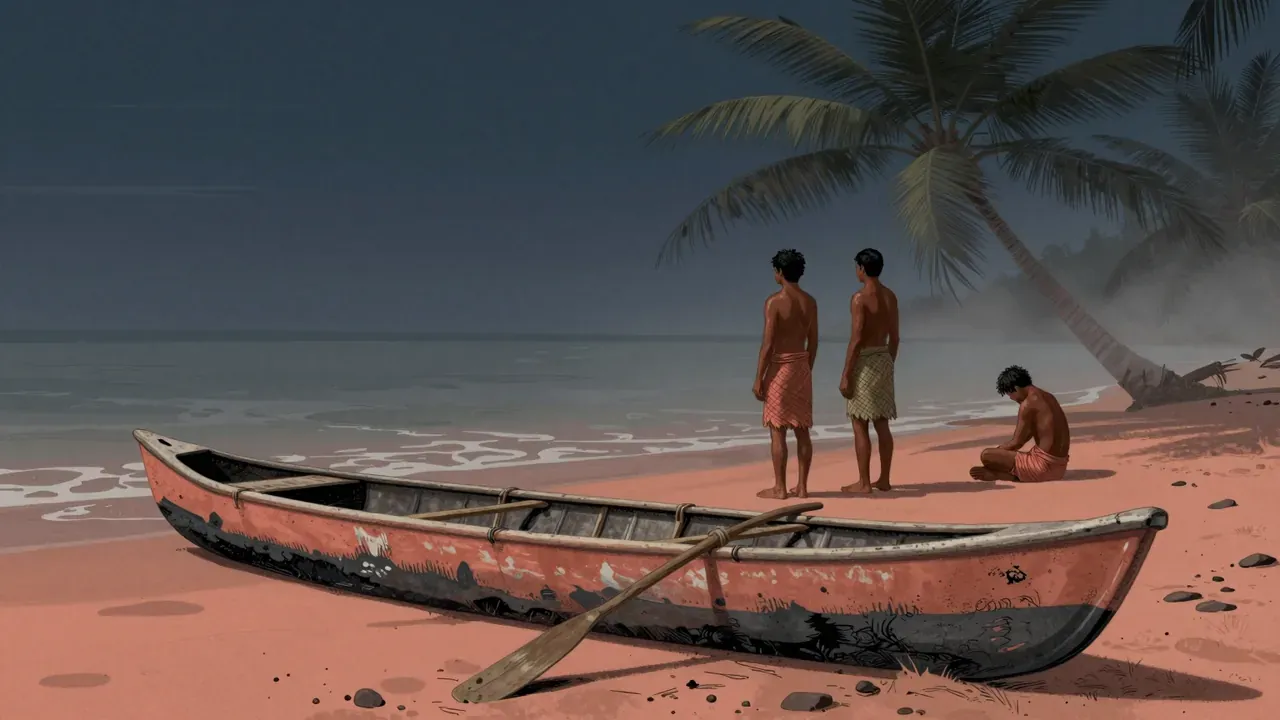
Lav Diaz’s *Magellan* is a 156-minute Portuguese-language historical epic filmed in the Philippines, Portugal and Spain. It follows Ferdinand Magellan’s expedition not as triumph but as narrative construction, proposing that Datu Lapu-Lapu was a myth invented by Rajah Humabon to resist conversion and consolidate authority. Starring Gael García Bernal and Hazel Orencio, the film uses tableau vivant cinematography, minimal dialogue and rigorous historical research to interrogate how power shapes memory. It premiered at Cannes 2025 and was selected as the Philippines’ Oscar submission.
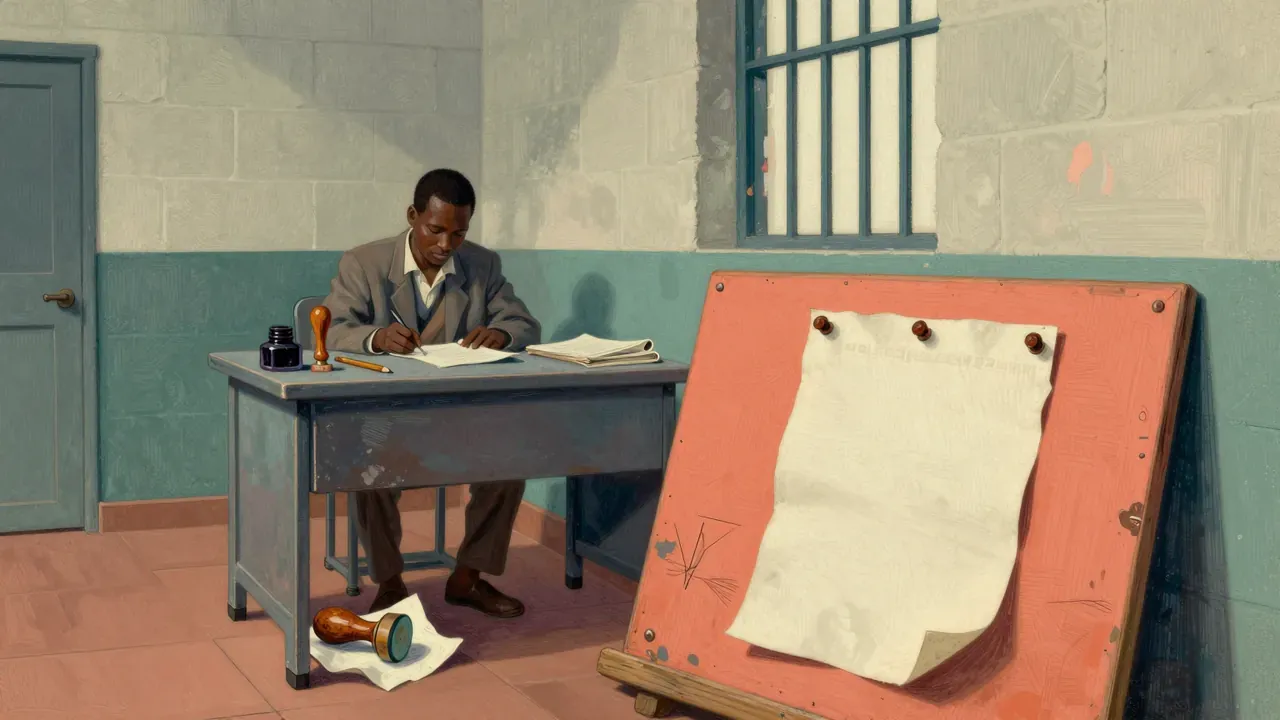
Ousmane Sembène’s 1968 Wolof-language debut follows Ibrahima Dieng, an illiterate Dakar resident, as he attempts to collect a money order from his nephew in Paris. Blocked at every turn by identity requirements, administrative fees, and familial obligations, he sinks deeper into debt — culminating in theft by a relative. Shot with documentary restraint and rooted in Senegalese social reality, Mandabi is a foundational work of African cinema that treats bureaucracy as violence and language as power.
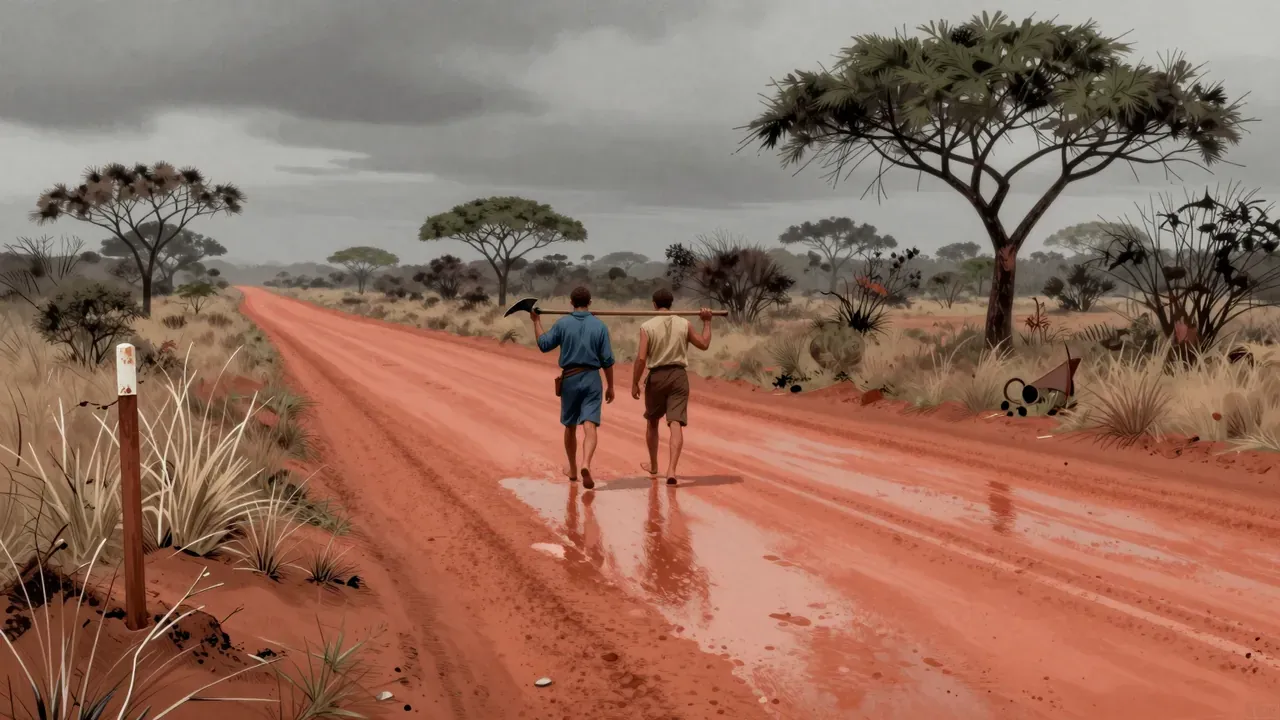
Bruce Beresford’s 1990 drama adapts Joyce Cary’s 1939 novel, following Maynard Eziashi’s Mister Johnson — a Nigerian clerk in 1929 colonial Nigeria who fervently adopts English manners, language, and bureaucracy in pursuit of status and belonging. Shot on location in Toro, Nigeria, the film observes his gradual unraveling as loyalty to colonial ideals clashes with material reality, kinship obligations, and administrative scrutiny. With restrained craft and a career-launching performance, it avoids easy moral binaries, instead tracing the quiet, logical collapse of a worldview built on mimicry.

A 1975 Cameroonian drama by Jean-Pierre Dikongué Pipa, set in a rural community where Ngando’s love for Ndomé is undone by the unyielding requirement of dowry payment. When she bears his child, the village arranges her marriage to his uncle — a man who can fulfil the custom. Ngando’s final act is to take his daughter on the day of the feast. Shot in French with minimal music or camera movement, the film observes ritual, silence, and social consequence without explanation or judgement.
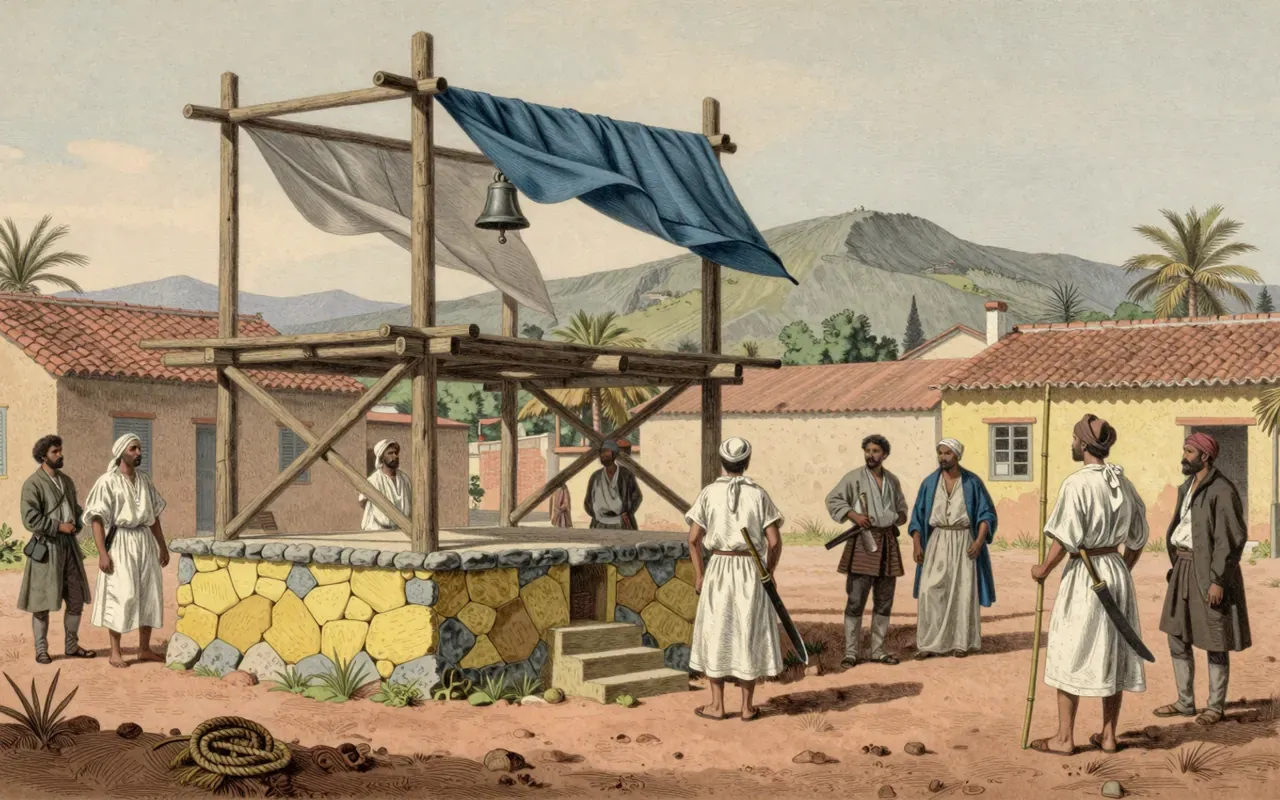
The Haitian Declaration of Independence is a foundational rupture—not in rhetoric, but in precedent. It established the first Black-led post-slavery state, yet refused the language of rights that defined other Atlantic revolutions. Its authority derived not from consent or constitution, but from military victory and collective sanction. It changed the map, but not the grammar, of sovereignty.
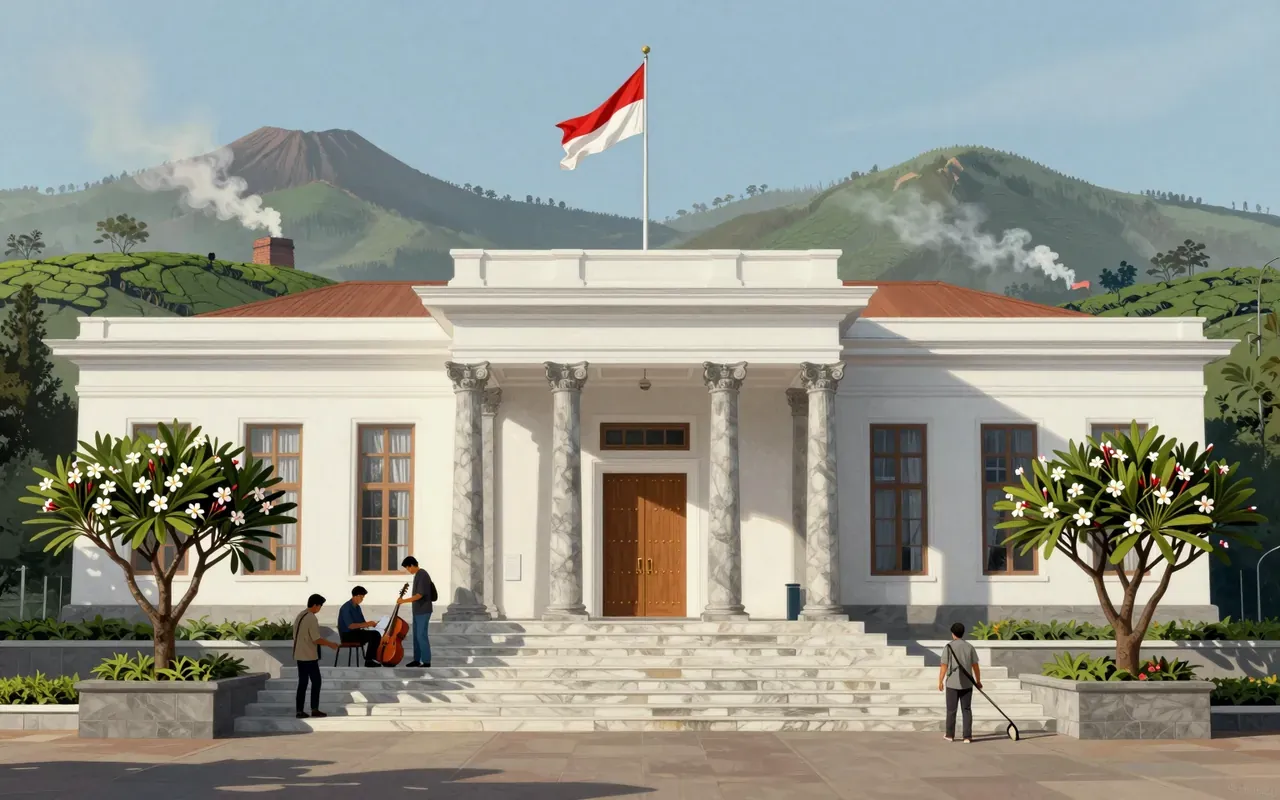
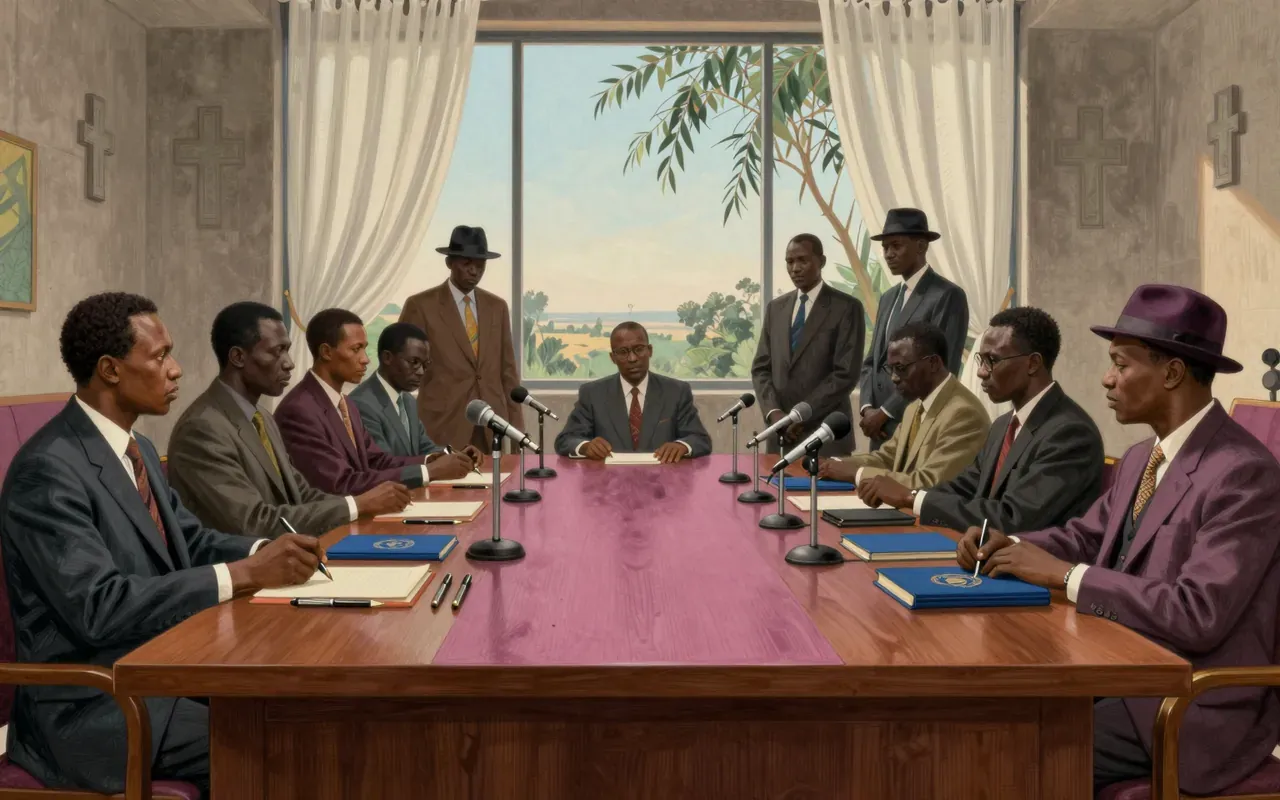
The Bandung Conference was the first large-scale diplomatic gathering of newly independent Asian and African states. It produced a unanimous 10-point declaration condemning colonialism in all forms, affirming peaceful coexistence, and committing to mutual technical and economic cooperation. Twenty-nine countries participated — representing 54% of the world’s population. Organised by Indonesia, Burma, India, Ceylon, and Pakistan, it asserted a collective voice outside Cold War binaries and laid groundwork for later South–South cooperation frameworks.

The Non-Aligned Movement was not a spontaneous reaction but a deliberately constructed diplomatic architecture—forged in the shadow of the Korean War, named at the UN, grounded in Bandung, and launched across two stages: Brijuni in 1956 and Belgrade in 1961. It gave 120 developing nations a shared voice without requiring them to choose sides—a structural innovation in Cold War geopolitics.
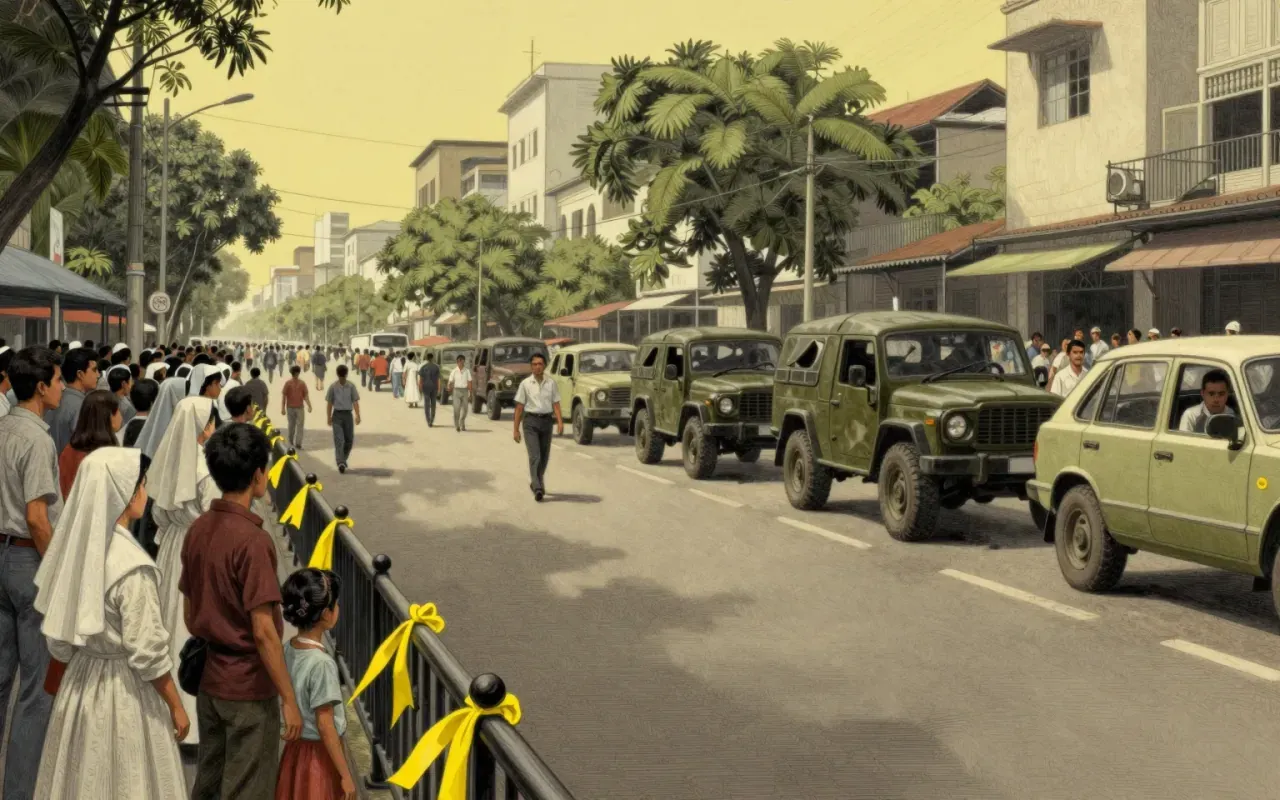
Corazon Aquino became the Philippines' first female president after leading the 1986 People Power Revolution that ousted Ferdinand Marcos following her husband's 1983 assassination and Marcos's fraud-marred snap election. Her presidency restored democratic constitutional government and paid down billions in inherited debt, but her family's own Hacienda Luisita underwent a disputed stock-redistribution scheme rather than the land division her Comprehensive Agrarian Reform Law imposed elsewhere, an inconsistency critics cited for years afterward.
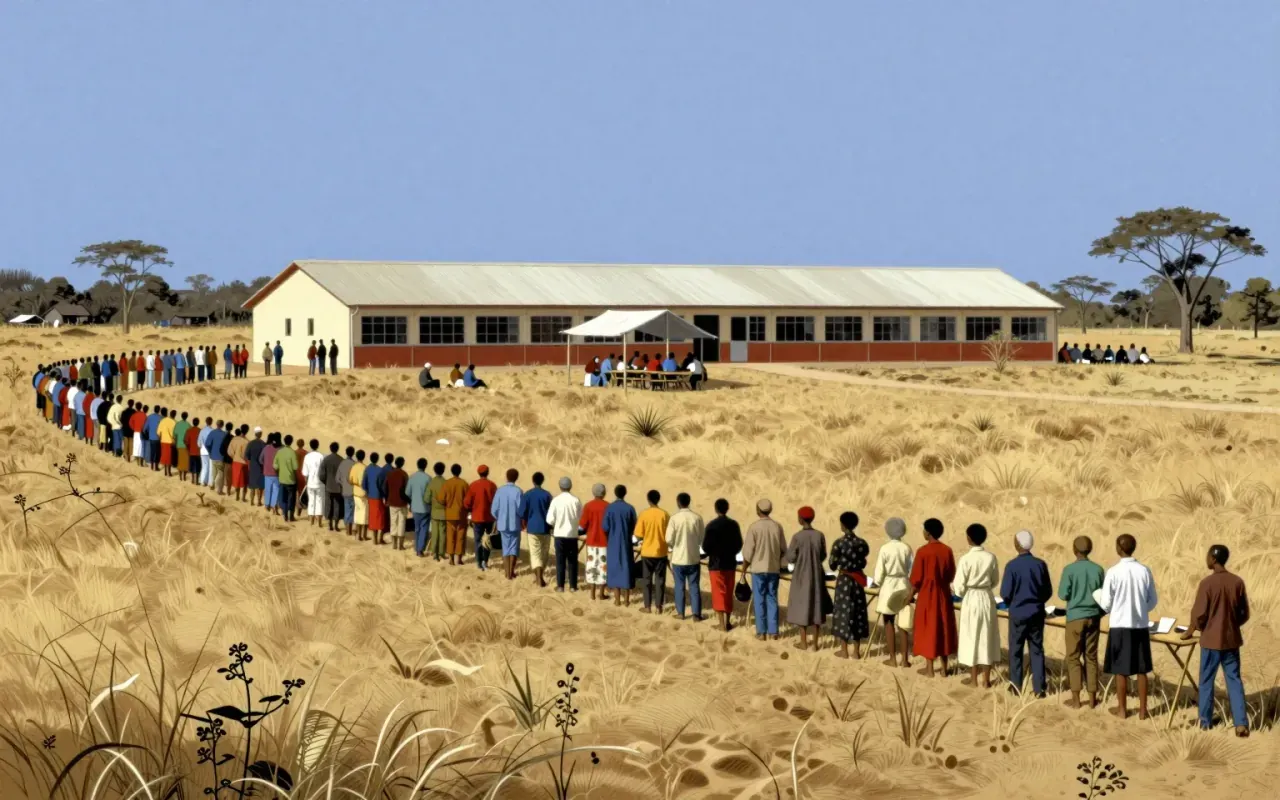
F.W. de Klerk rose through South Africa's National Party before becoming state president in 1989 and, within months, legalising the ANC and releasing Nelson Mandela, steering negotiations that ended apartheid and led to the 1994 elections. He shared the Nobel Peace Prize with Mandela in 1993, but the Truth and Reconciliation Commission later found his denials of authorising security force violence indefensible, and a 2020 claim minimising apartheid's harms forced a retraction from his own foundation before his death the following year.

Gamal Abdel Nasser rose through a secret military faction to help overthrow Egypt's monarchy in 1952, then out-manoeuvred his own revolutionary partner to become sole ruler by 1954, surviving an assassination attempt that year that only strengthened his popular standing. His 1956 nationalisation of the Suez Canal and subsequent political survival against British, French, and Israeli attack made him the era's dominant Arab nationalist figure, a reputation that never fully recovered from Egypt's crushing defeat in the 1967 Six-Day War, and one historians still weigh against an authoritarian domestic record that set a lasting template for military rule in Egypt.
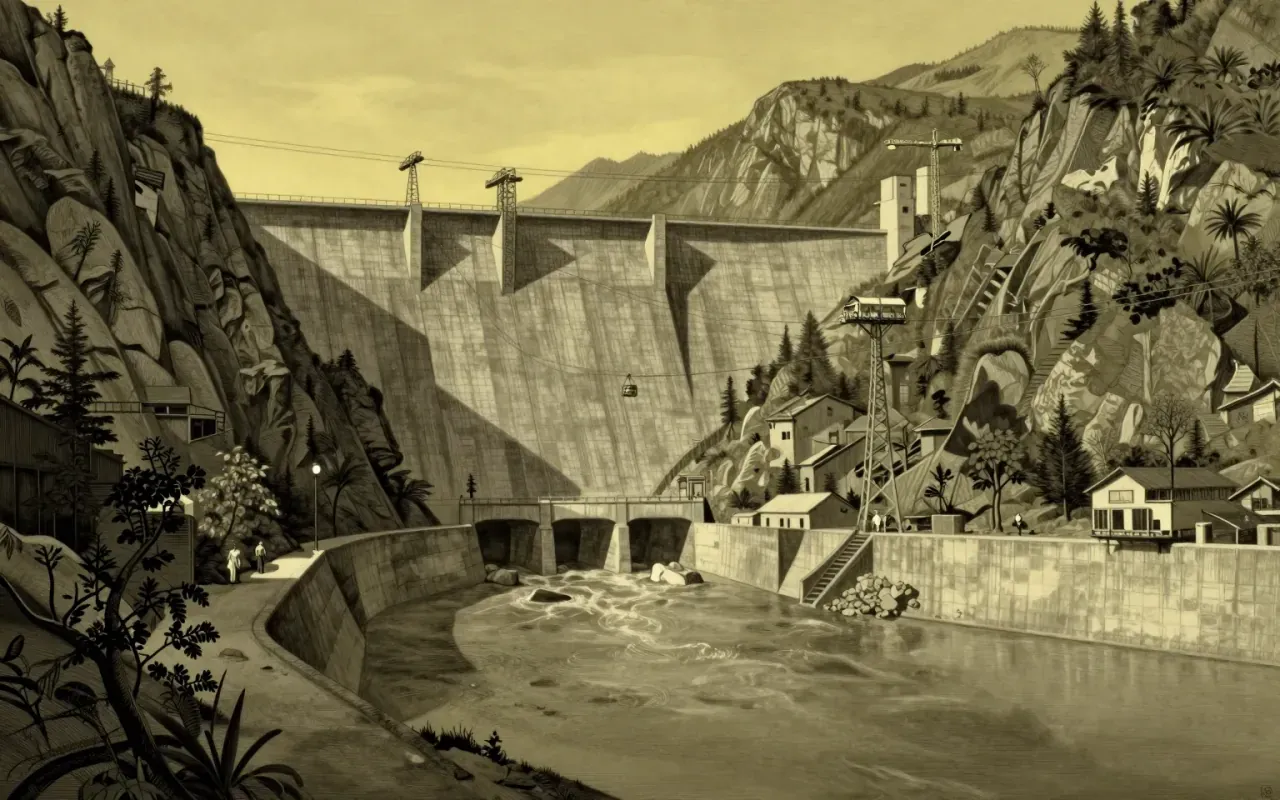
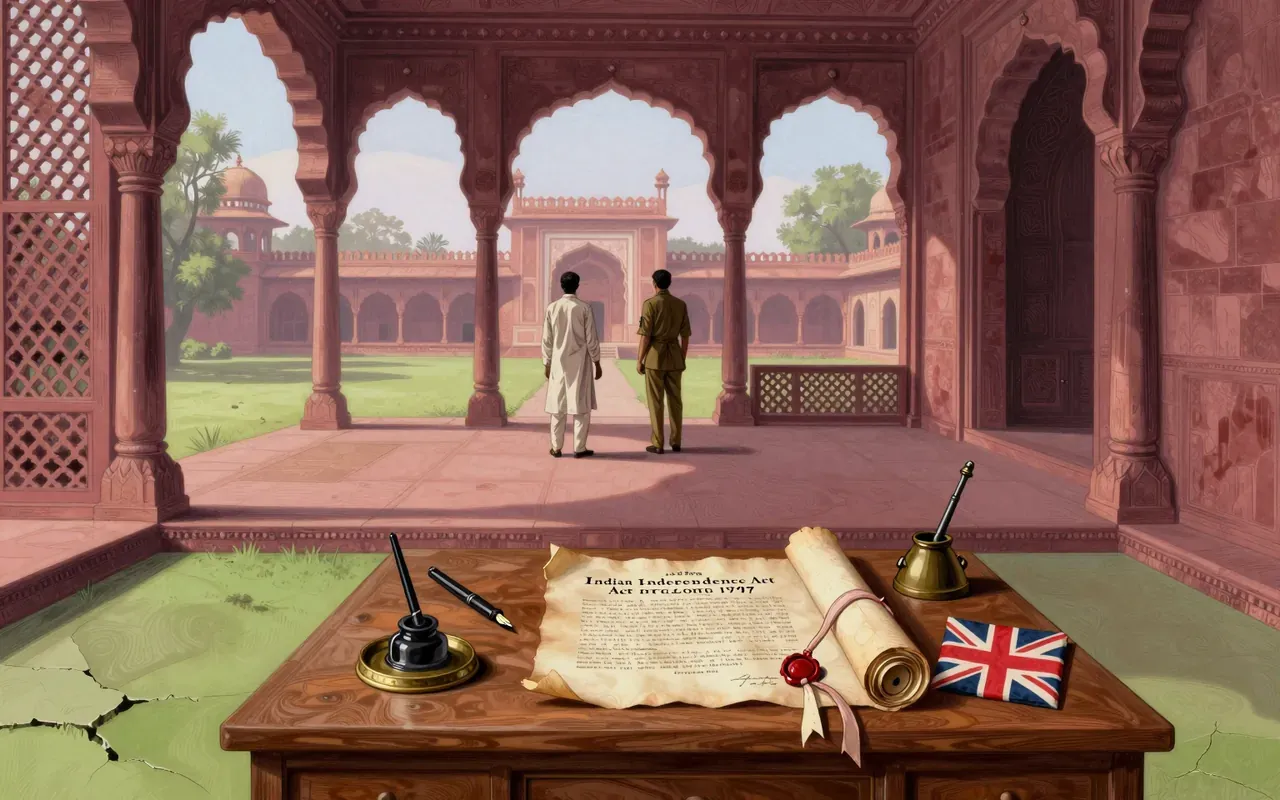
Educated in England and imprisoned repeatedly across a quarter century of resistance to British rule, Jawaharlal Nehru became independent India's first prime minister in 1947 and led it for seventeen years. He built a lasting parliamentary democracy, secular constitution and non-aligned foreign policy across a vast, diverse country, while decisions on Kashmir, economic planning and defence readiness against China remain sharply contested. His own prolific writing, combined with colonial records and party archives, makes him unusually well documented for a leader of his era.
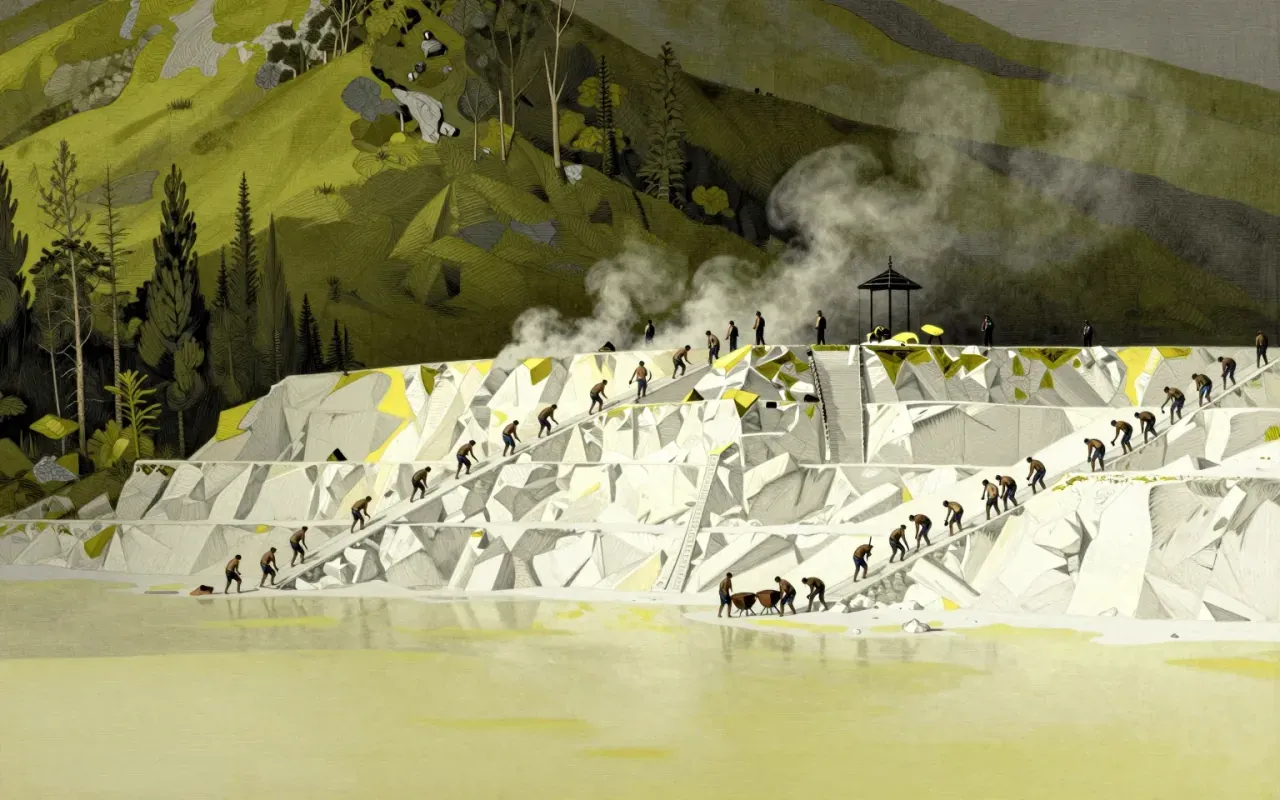
Nelson Mandela moved from law student and African National Congress organiser to leader of an armed resistance wing, then spent twenty-seven years in prison after the 1964 Rivonia Trial before his 1990 release and his election as South Africa's first Black president in 1994. His single term prioritised reconciliation over retribution, most visibly through the Truth and Reconciliation Commission, and he declined a second term, an unusual choice among leaders who had spent decades fighting for power.