The Hobbit
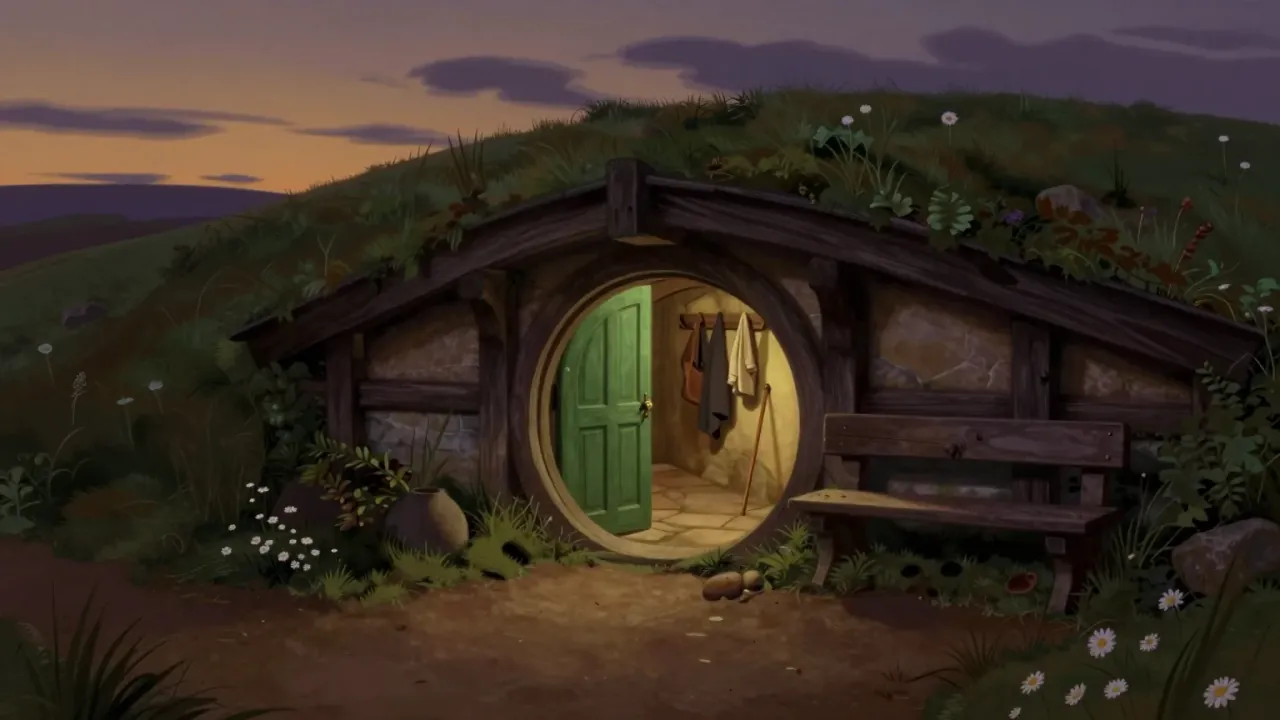
Tolkien's 1937 prequel to The Lord of the Rings, in three hundred pages of a simpler world. The brief follows Bilbo from his armchair to the dragon's hoard, then explains why LOTR fans often miss what makes this book work on its own.
Inventing the rules before the plot, and what happens when they show.

Tolkien's 1937 prequel to The Lord of the Rings, in three hundred pages of a simpler world. The brief follows Bilbo from his armchair to the dragon's hoard, then explains why LOTR fans often miss what makes this book work on its own.

Le Guin's 1969 novel constructs a gender-free society and uses it to strip away assumptions. The brief covers why Gethen matters, what the gender premise actually reveals, and the survival plot that forces intimacy between adversaries.

Tolkien's trilogy (1954-55) established the modern fantasy epic. The brief covers the quest's architecture, the languages he invented to hold it, and why the appendices might outweigh the text.

Mothership Connection is a 1975 Parliament concept album unified by an outer-space theme. It is the first Parliament album to feature Maceo Parker and Fred Wesley. It was conceived by George Clinton.

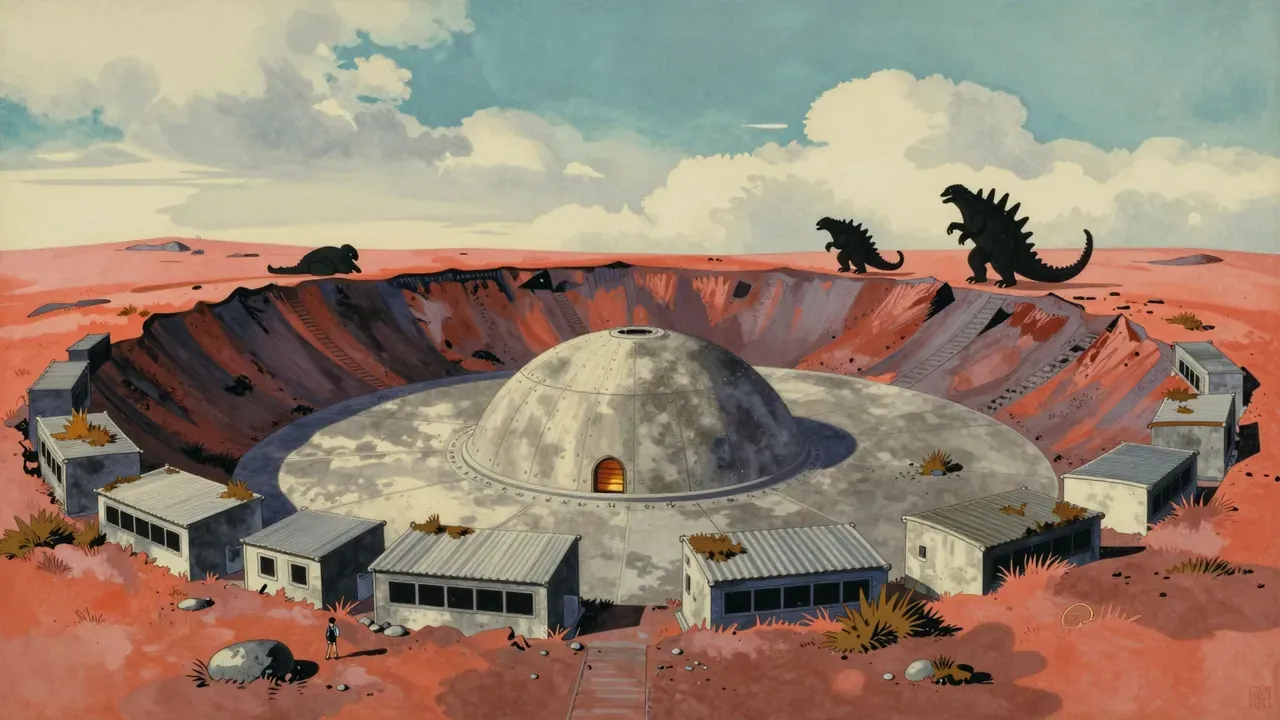
Destroy All Monsters (1968), directed by Ishirō Honda, assembles Toho’s entire kaiju roster under the control of the Kilaak aliens, using Monsterland as a narrative hub. With Akira Ifukube’s score and Sadamasa Arikawa’s practical effects, it stages a global monster mobilisation culminating in a choreographed battle at Mount Fuji. Structurally ambitious but emotionally sparse, it prioritises systemic logic over character depth — a Cold War parable rendered in rubber suits and balsa-wood spaceships.

Peter Jackson’s 2001 adaptation of Tolkien’s first volume establishes Middle-earth as a lived-in world, anchored by Andrew Lesnie’s grounded cinematography, Howard Shore’s leitmotif-driven score and performances that privilege quiet resolve over grand pronouncement. At 178 minutes, it balances epic scope with intimate moral stakes — Frodo’s burden, Sam’s loyalty, Arwen’s choice — treating myth not as allegory but as lived consequence. Though some narrative compressions blunt psychological nuance, its thematic coherence and craft cohesion make it a benchmark for fantasy filmmaking.

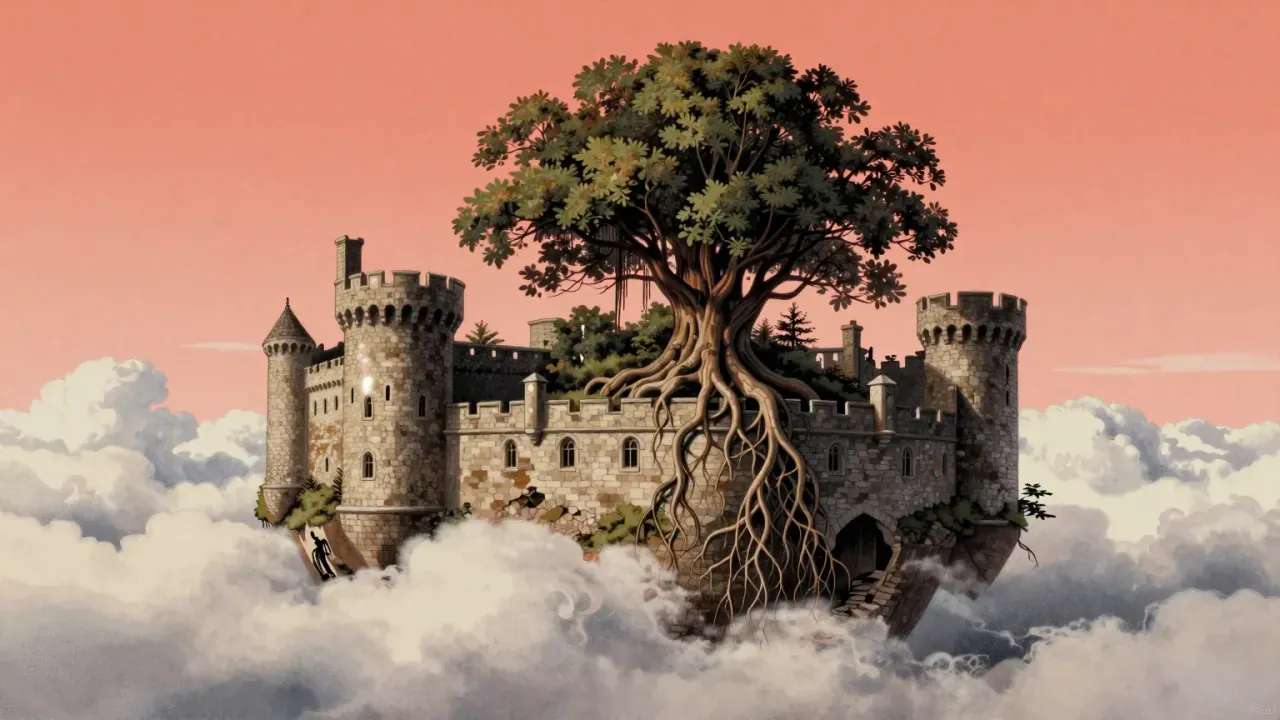
Hayao Miyazaki's 1986 debut for Studio Ghibli follows orphans Sheeta and Pazu as a government agent, the army and a band of air pirates all chase the crystal pendant that unlocks Laputa, a legendary castle adrift above the clouds. It underperformed on release but has since become a Ghibli staple, prized for its nineteenth-century-engineered flying machines and Joe Hisaishi's score.

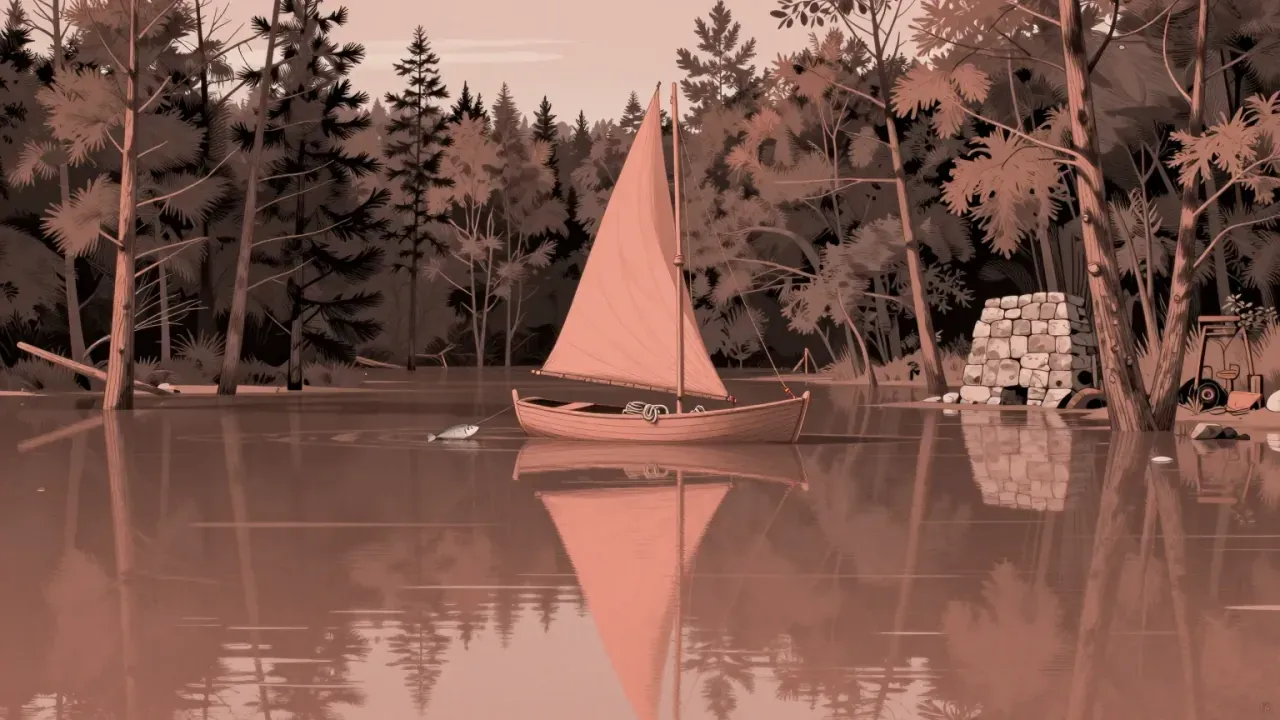
A solitary cat, fleeing dogs and a sudden flood, ends up sharing a small boat with a capybara, a lemur, a secretarybird and a dog as the water keeps rising around a seemingly abandoned world. Gints Zilbalodis made the film with no storyboards and no dialogue, animating it in the free software Blender over five and a half years on a budget of 3.5 million euros.

A thousand years after industrial civilisation collapsed, Princess Nausicaä tries to keep her small valley out of a war between an empire determined to burn a toxic jungle and the giant insects that guard it. Miyazaki wrote and directed the film from his own still-unfinished manga, with only sixteen chapters of story to draw from and a production schedule of nine months on a budget under a million dollars, working with composer Joe Hisaishi for the first time and with the minor studio Topcraft rather than a major animation house.

Spirited Away follows ten-year-old Chihiro, whose parents are turned into pigs after wandering into a spirit world, as she takes a job in the witch Yubaba's bathhouse to survive and undo the curse. Hayao Miyazaki wrote and directed the film for Studio Ghibli after designing it specifically for the young daughters of family friends, and it became the highest-grossing film in Japanese history at the time, winning the Golden Bear and the Academy Award for Best Animated Feature.

George Lucas's 1977 space opera sends farm boy Luke Skywalker into a rebellion against the Galactic Empire after he acquires stolen plans for a planet-destroying superweapon, teaming with smuggler Han Solo, Princess Leia and Jedi master Obi-Wan Kenobi. Made for $11 million after multiple studios turned the project down, it became a surprise blockbuster, grossing $775 million across its releases, winning six Academy Awards, and establishing the modern template for franchise filmmaking.

Irvin Kershner's 1980 sequel sends the Rebel Alliance into retreat as the Galactic Empire hunts them down, splitting Luke Skywalker's training under Jedi master Yoda from Han Solo and Princess Leia's flight from Darth Vader's forces. Written by Leigh Brackett and Lawrence Kasdan from George Lucas's story outline, it went well over its original $8 million budget to a reported $30.5 million, became the year's highest-grossing film, and is now widely regarded as the strongest entry in the Star Wars series.

The Bard's Tale (1985) is a fantasy role-playing dungeon crawl developed by Interplay.

The Bard's Tale II: The Destiny Knight is a 1986 Interplay dungeon crawl that expands the first game’s scope with six cities, an explorable wilderness, banks, casinos, and the Archmage class — but retains its opaque interface and unrefined pacing.

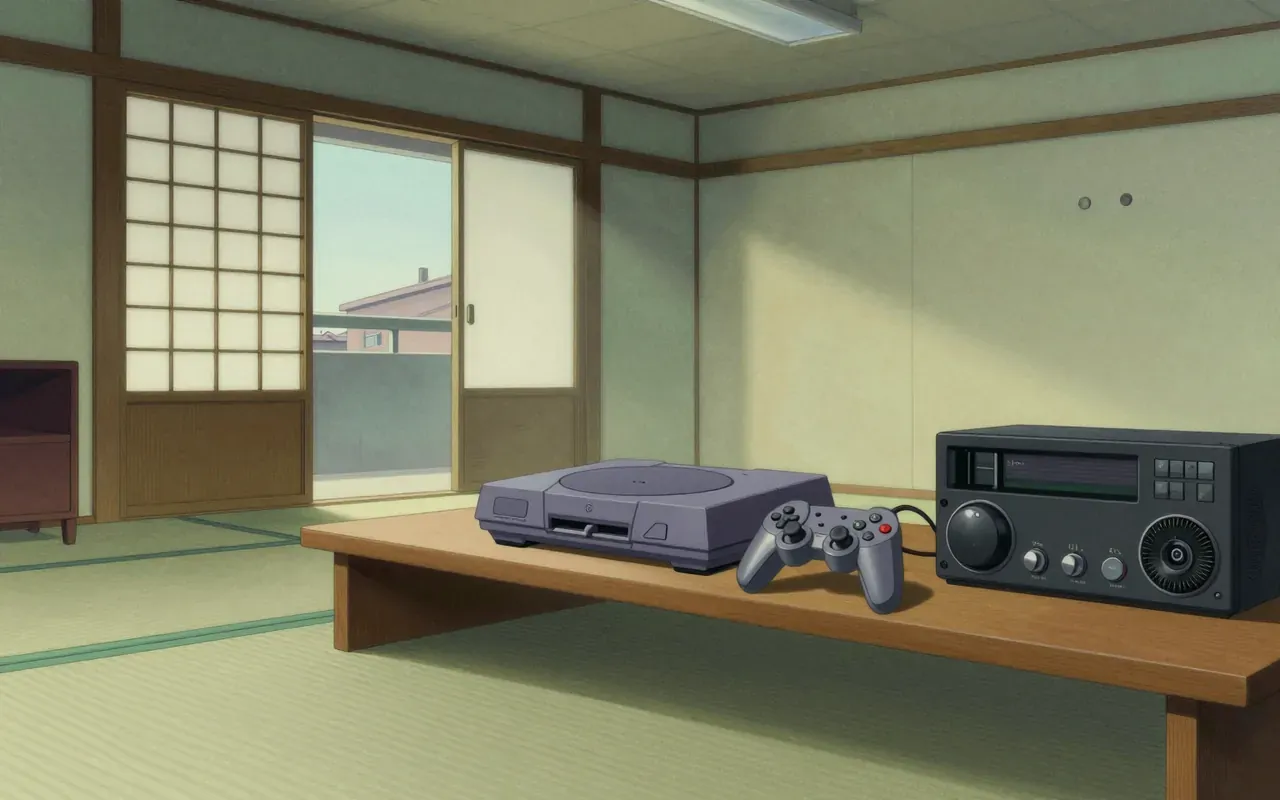
Digital Devil Saga is a system-first RPG duology that treats combat as arithmetic and progression as inventory management. It runs on the PlayStation 2. It was made by Atlus’s Creative Department 1st Production (Team Maniax). It is a spin-off of the Megami Tensei series. It asks players to master a tight, punishing loop—not to lose themselves in a world.

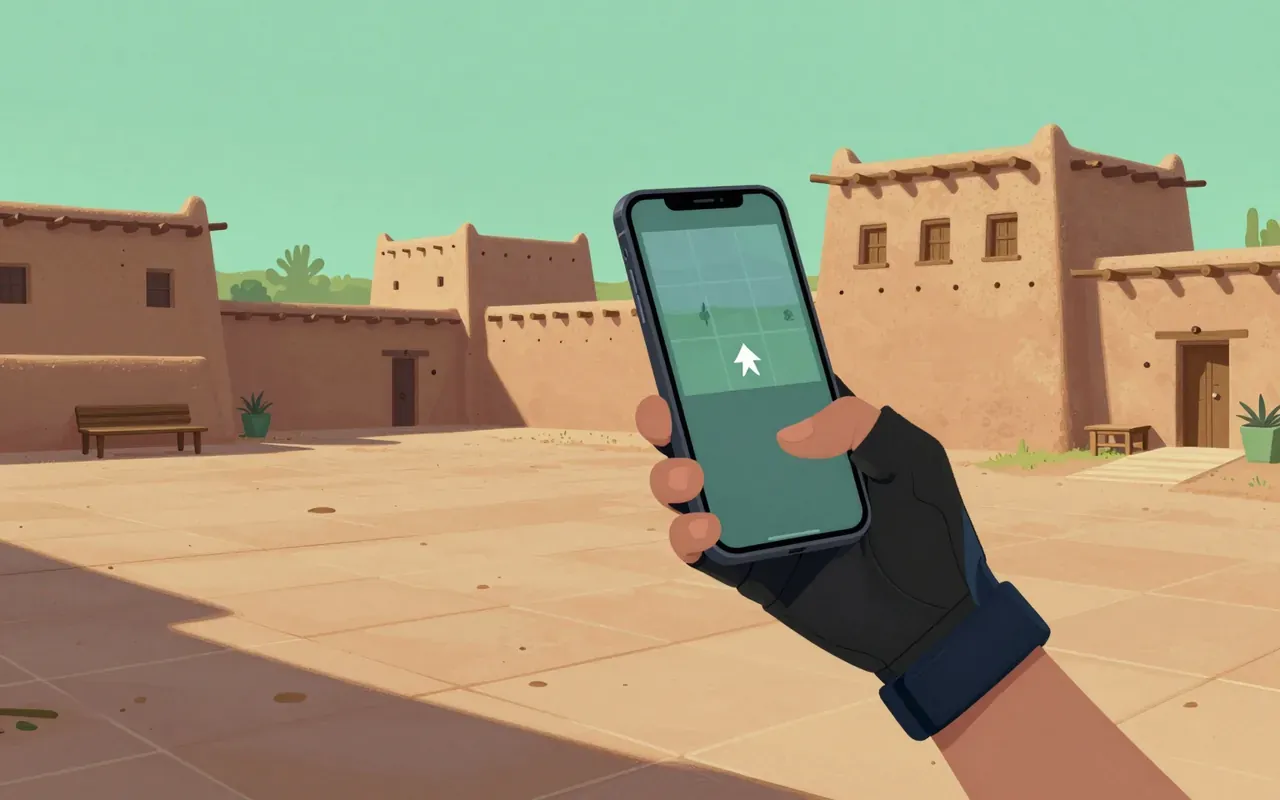
Fortnite Creative is a sandbox game mode developed by Epic Games. Players build custom worlds using Fortnite assets and publish them into the Fortnite Metaverse. Editing happens in real time via a handheld mobile phone tool. Players collaborate in Hubs capped at four people and teleport between islands using the Rift portal. Sessions support up to 100 players under custom rules. Each player may own up to 50 private islands. It is free-to-play across computer, console, and mobile platforms. Revenue comes from microtransactions, including the battle pass system.

Hexen: Beyond Heretic is a 1995 first-person shooter with action-adventure and action role-playing elements. It is the second entry in the 'Serpent Riders' trilogy. It is set in the dark fantasy world of Silverspring. It runs on a modified Doom engine.

King's Field (1994) is FromSoftware’s debut PlayStation action role-playing game. It is a first-person dungeon crawler set in a vast underground labyrinth. The player explores five real-time 3D dungeon environments to uncover the source of a monster invasion.

Monkey Island 2: LeChuck's Revenge is a 1991 LucasArts SCUMM-based point-and-click adventure game that introduced iMUSE, used Puzzle Dependency Charts, and offered dual puzzle-difficulty modes.

Overwatch is a team-based, online multiplayer first-person shooter released by Blizzard Entertainment in May 2016. It reuses assets from the cancelled Titan project but builds a new near-future world around the Omnic Crisis and the Overwatch peacekeeping force. Two teams of six select from over two dozen heroes—categorised as Damage, Tank, or Support—each with unique kits and an ultimate ability charged by combat actions. Players switch heroes mid-match to adapt to objectives like capturing control points or escorting payloads, all within time limits and asymmetric attacker-defender framing. Custom game modes are possible via limited scripting tools. Progression yields only cosmetic loot boxes. The setting is bright, cartoonish, and optimistic.