briefs
Topic · across the network

Photography

The medium that changed what everything else was for.

37
briefs
7
subjects
10:43
average
397 min
in total
Abstraction 407Absurdism 137Acoustics 220Acting 65Adaptation 372Addiction 95Adolescence 202Advertising 77Age of exploration 14Ageing 113Agriculture 100Algorithms 114Ambition 46Anarchism 38Ancient Egypt 17Ancient Greece 38Ancient Rome 30Animals 172Anthropology 23Apartheid 12Architecture 165Archives 32Argentina 10Art Deco 26Artificial intelligence 78Astronomy 81Attention 42Australia 32Automation 73Avant-garde 164Aviation 79Banking 72Banned works 40Bauhaus 12Beer 5Behavioural economics 22Berlin 16Big tech 6Biodiversity 136Biography 86Birds 41Black holes 20Blockchain 12Boxing 14Branding 77Brazil 43Bread 29Britain 131Brutalism 4Bubbles 3Buddhism 28Byzantium 10California 17Canada 18Capitalism 94Cars 468Celebrity 59Censorship 110Cheese 24Chefs 9Chemistry 104Chess 2Childhood 87China 109Chocolate 8Christianity 49Cinematography 343Cities 90Class 485Climate change 107Club culture 100Cocktails 2Coffee 11Cognitive bias 14Collecting 16Colonialism 284Colour 42Comedy 89Community 52Complexity 21Computing 309Consciousness 16Conservatism 14Conspiracy theories 8Cooking 178Corruption 38Cosmology 31Cover versions 64Craft 116Crate digging 42Creativity 8Crime 234Cryptocurrency 8Cryptography 24Cuba 10Cybersecurity 30Dada 12Debt 38Decision-making 28Decolonisation 46Deep time 80Democracy 45Denim 16Deserts 45Detroit 17Dinosaurs 12Directing 168Disasters 59Disease 109DJ culture 89Dreams 32Drones 5Drum machines 96Dystopia 69East Africa 28Ecology 337Economics 36Editing 72Education 92Egypt 12Electric vehicles 59Emotion 22Empire 92Endurance 49Energy 120Engineering 541Entropy 8Epidemics 13Equality 9Espionage 31Ethics 44Evolution 174Existentialism 106Expertise 2Exploration 49Extinction 23Failure 37Family 240Fandom 22Fascism 45Fashion 215Fast fashion 12Fear 34Feminism 122Fermentation 126Film music 81Fishing 12Folklore 71Food history 588Football 16Forests 31Forgery 7France 163Fraud 15Free will 13Freedom 16French literature 15Friendship 24Furniture 36Gambling 14Gender 63Generations 28Genetics 87Geology 96Germany 66Globalisation 74Gothic 32Greece 5Grief 126Habits 6Happiness 2Hardware 709Haute couture 22Headphones 8Hi-fi 12Hinduism 12Hoaxes 1Human history 23Human nature 41Identity 138Illustration 8Impressionism 6Improvisation 249India 89Indonesia 15Industrial design 342Inequality 13Inflation 4Information 34Infrastructure 280Insects 29Intelligence 8Interiors 31Internet culture 88Invention 329Iran 41Islam 40Islands 17Israel 9Italy 52Jamaica 10Japan 114Jewellery 5Journalism 34Judaism 13Justice 42Korea 41Language 70Law 90Leadership 20Learning 6Liberalism 1Libraries 6Literary criticism 26London 12Loneliness 61Los Angeles 62Lost works 9Love 67Luxury 55Machine learning 15Management 10Maps 5Marketing 21Markets 51Mars 6Marxism 26Masculinity 46Materials 138Mathematics 79Meaning 6Medicine 124Memory 82Mental health 70Mesopotamia 4Mexico 38Migration 95Minimalism 68Mining 30Misinformation 9Modernism 63Money 24Monopoly 32Mortality 61Motivation 2Mountains 16Museums 27Mysticism 11Mythology 60Nationalism 40Neuroscience 23New York 36Nigeria 7Nihilism 10Noise 31Nostalgia 33Nuclear 29Nutrition 17Oceans 48Oil 42Open source 45Painting 18Palaeontology 29Parenting 14Paris 18Partition 6Patents 71Patronage 14Perception 44Personal style 27Personality 2Persuasion 8Peru 10Philosophy 77Photography 37Physics 206Plants 26Platforms 89Podcasting 1Poetry 25Poland 17Policing 34Pop Art 16Populism 2Portraiture 6Portugal 18Postmodernism 23Power 91Prehistory 24Preservation 28Printmaking 21Privacy 11Probability 6Productivity 1Programming 54Prohibition 1Propaganda 35Protest 75Pseudoscience 17Psychology 80Publishing 22Punishment 16Quantum mechanics 44Race 145Radio 30Railways 35Rave 17Realism 47Record labels 19Recording 810Relativity 23Religion 154Resilience 15Restaurants 30Restoration 2Retail 94Revolution 58Risk 18Ritual 96Robotics 26Romance 96Russia 58Salt 9Sampling 246Satire 84Scandinavia 28Scientific method 186Screenwriting 26Sculpture 7Secularism 2Self-deception 14Semiconductors 73Sexuality 102Ships 18Silence 24Silicon Valley 17Slavery 35Sleep 2Smartphones 27Sneakers 15Social media 58Socialism 9Software 68Songwriting 180Sound design 332Sound systems 20South Africa 19South East Asia 30Space exploration 84Spain 18Special effects 41Spices 62Spirits 12Sport 82Startups 21Statistics 10Status 9Stoicism 4Storytelling 68Strategy 70Street food 99Streetwear 16Studio craft 508Subcultures 59Sugar 12Supply chains 115Surrealism 53Surveillance 21Sustainability 30Synthesis 232Tailoring 37Taxation 14Tea 24Textiles 97Thailand 11The American Revolution 19The American South 88The Arab world 41The Arctic 19The Balkans 17The Belle Epoque 13The body 29The brain 26The Caribbean 28The civil rights movement 62The Cold War 160The eighties 268The Enlightenment 29The financial crisis 19The First World War 39The food industry 157The French Revolution 9The Gilded Age 9The Great Depression 18The Holocaust 20The Industrial Revolution 93The internet 61The interwar years 135The Middle Ages 35The Moon 4The music business 169The Netherlands 10The nineties 26The Olympics 10The pandemic 13The Reformation 1The Renaissance 16The Russian Revolution 19The Second World War 102The seventies 58The sixties 28The space race 5The United States 19The universe 7The Victorian era 37Therapy 20Tokyo 11Trade 48Tragedy 22Translation 5Trauma 85Travel 5True crime 2Turkey 18Typography 54Uniforms 23Unions 8Urban planning 66Utilitarianism 1Utopia 5Vaccines 10Vegetarianism 15Venture capital 6Video games 291Vietnam 12Vintage 65Vinyl 6Virtual reality 11War 169Watches 4Water 11Weather 29West Africa 29Wilderness 10Wine 3Work 22Workwear 19Worldbuilding 121

film.briefs Film

All 7 in film →
13:00

All the Beauty and the Bloodshed

Laura Poitras · 2022

Laura Poitras’s 2022 documentary follows photographer and activist Nan Goldin across five decades — from her early portraits of New York’s queer and AIDS-affected communities to her founding of P.A.I.N. and protests against the Sackler family’s role in the opioid crisis. Built almost entirely from Goldin’s own archive and recent footage of museum demonstrations, the film frames art-making and political action as inseparable practices of truth-telling.


13:00

Daguerréotypes

Agnès Varda · 1975

Made in 1975 on Paris’s Rue Daguerre, Agnès Varda’s Daguerréotypes is a quietly radical documentary composed of static portraits of local shopkeepers and residents, all filmed within ninety metres of her home. Each subject answers three questions about origin and arrival, their responses left unedited and unframed by commentary. Nurith Aviv and William Lubtchansky’s cinematography is unobtrusive and naturalistic; Varda’s direction is resolutely local, anti-extractive, and typologically curious. The film treats the street as both subject and limit—offering not analysis, but sustained attention.

13:00

Everlasting Moments

Jan Troell · 2008

Set in early-20th-century Malmö, Everlasting Moments follows Maria Larsson, a Finnish immigrant who wins a camera in a lottery and begins taking photographs — of her children, the dead, monarchs — as a slow, unspoken assertion of self. Directed by Jan Troell with deliberate, grainy 16 mm imagery and restrained performances, it treats time, class and visibility as physical presences, not abstractions. Based loosely on a true story, it avoids biography in favour of accumulated detail, finding resonance in silence, gesture and the chemical patience of early photography.

13:00

Peter Hujar’s Day

Ira Sachs · 2025

Set in a SoHo apartment in 1974, Peter Hujar’s Day reconstructs a single day in the photographer’s life through his real-time recollection for writer Linda Rosenkrantz. Directed by Ira Sachs and starring Ben Whishaw and Rebecca Hall, it unfolds almost entirely in one room, trusting the rhythms of speech, silence, and memory over conventional narrative. Shot by Alex Ashe and edited by Affonso Gonçalves, the film honours the granularity of artistic labour — developing film, negotiating commissions, navigating fame — without embellishment or explanation.

13:00

Varda by Agnès

Agnès Varda · 2019

Varda by Agnès is Agnès Varda’s last film: a self-directed documentary in which, at eighty-nine, she reflects on her six-decade career in photography and film. Seated, speaking directly to camera, she watches excerpts from her own work and comments on them with characteristic clarity, wit and warmth. Structured around the words inspiration, creation and sharing, it is less a historical account than an act of sustained authorial presence — intimate, unhurried, materially attentive. Edited by Varda herself, it privileges texture, recurrence and silence over exposition or argument.

13:00

Blowup

Michelangelo Antonioni · 1966

Michelangelo Antonioni’s 1966 English-language debut follows a London fashion photographer who believes he has photographed a murder — only to find that each enlargement deepens uncertainty rather than clarifying truth. Shot on location across Swinging London, with Carlo Di Palma’s restrained cinematography and Herbie Hancock’s sparse jazz score, Blowup uses photographic process as metaphor for perception itself. It won the Palme d’Or, helped end Hollywood’s Production Code, and remains a touchstone for films about mediation, alienation, and the instability of the image.

13:00

The Terrorizers

Edward Yang · 1986

A 1986 Taiwanese drama by Edward Yang, The Terrorizers traces intersecting lives in Taipei — a depressed novelist, a photographer obsessed with a stranger, a hospital worker unraveling professionally and personally — bound by miscommunication, mediated images, and unspoken grief. Its structure resists resolution, favouring spatial and temporal disorientation over narrative closure.

design.briefs Design

All 3 in design →
9:37

Instant camera

Edwin Land / Polaroid

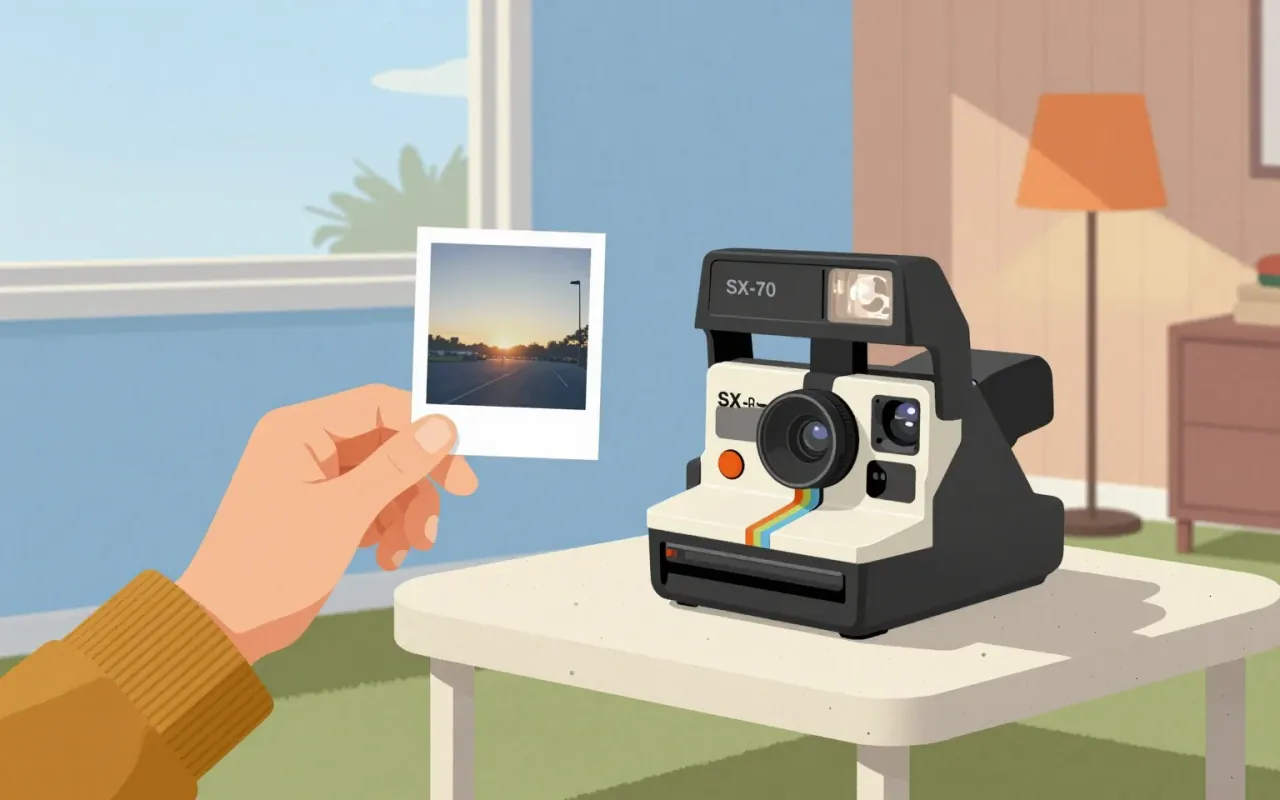
The SX-70 and model 95 Land Camera are industrial design decisions that replaced photographic process with photographic moment. They achieved seamlessness by embedding chemistry, timing, and ejection into hardware — not software, not service, not instruction. No claim is made about aesthetics, mass production, or longevity. Only this: they moved development from darkroom to device, and from ritual to reflex.

games.briefs Games

All 2 in games →
11:36

Fatal Frame II: Crimson Butterfly

Tecmo · 2003

Fatal Frame II: Crimson Butterfly is a survival horror game developed and published by Tecmo in 2003. Players control Mio Amakura exploring the haunted Minakami Village, often alongside or searching for her sister Mayu. Exploration uses a fixed third-person camera, shifting to first-person when using the Camera Obscura—the primary tool for solving puzzles (via photographing objects and solving riddles) and fighting ghosts. Ghosts are signaled by coloured filaments (blue for friendly, red for hostile), and combat requires precise framing and timing, including mid-attack shots and the 'Shutter Chance' mechanic. Mayu’s presence aids puzzle-solving but also exposes her to ghost attacks, and both sisters’ health is critical—excessive damage ends the game. The narrative centres on a cursed twin ritual tied to the village’s history, with multiple endings determined by player choices, especially regarding Mayu’s fate.

9:24

Fatal Frame (video game)

Tecmo · 2001

Fatal Frame (2001) is a survival horror game developed by Tecmo. It places the player as Miku Hinasaki inside a real-time-rendered Japanese mansion. Navigation uses a semi-fixed camera and flashlight in total darkness. Hostile ghosts are sensed via a 'sixth sense', drain health on contact, and can only be defeated using the Camera Obscura—an antique camera operated in first-person view with dual-stick controls. Damage depends on framing duration and proximity, though ghosts intermittently fade. Film serves as limited, graded ammunition. Progress is gated by puzzles and saved at designated points and chapter ends.

business.briefs Business

All 15 in business →
11:36

Shanghai Pharmaceuticals

Shanghai Pharmaceuticals is a distribution giant that bought its way to the top — not a drug developer that earned it.
10:50

AbbVie

AbbVie didn’t win the autoimmune market with science — it won with patents, pricing, and settlements.
10:30

AstraZeneca

AstraZeneca is not a British company — it is a 1999 merger with no disclosed financials, no stated cost model, and no evidence of how it actually delivers value beyond its own description.
10:03

Cipla

Cipla built scale before science—and still runs on that engine.
10:49

Daiichi Sankyo

A merger-born giant that bought its way into oncology — but still answers to US prosecutors for kickbacks.
9:44

Dr. Reddy's Laboratories

K. Anji Reddy · 1984

Dr. Reddy's Laboratories is a business case in disciplined vertical progression: API → branded formulation → export credential → finished product. Its early wins were tactical, not structural. No data on scale, margins, or longevity is provided — only sequence, timing, and pricing intent.

9:48

Eisai (company)

Eisai didn’t build a global pharma business — it bought one, piece by piece, while outsourcing its biggest launches.

technology.briefs Technology

All 6 in technology →
11:17

Photogrammetry

Photogrammetry doesn’t capture reality — it reconstructs geometry from the constraints of light, lens, and overlap.
8:50

GoPro

GoPro · 2002

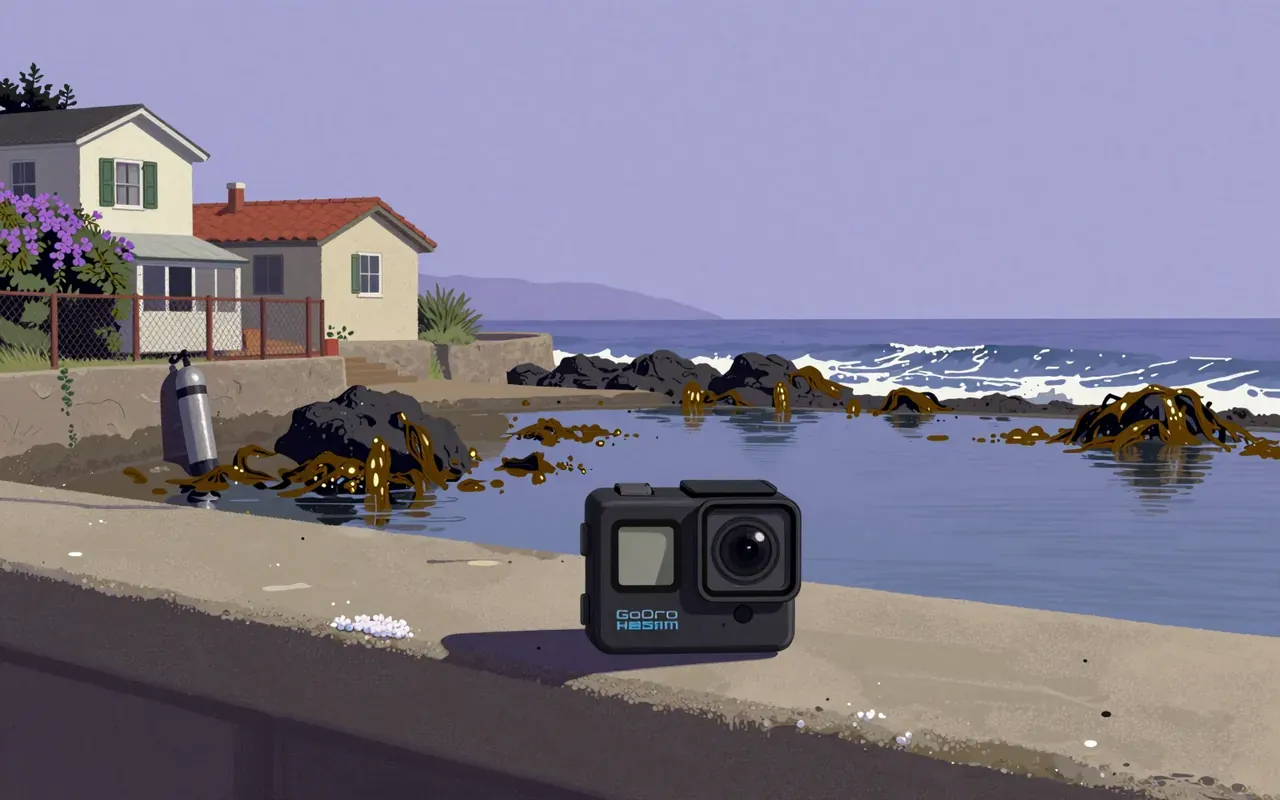
GoPro is a hardware product line defined by physical constraints and use-case discipline—not AI, cloud, or ecosystem. Its value lies in solving one narrow problem exceptionally well: rugged, wide-angle, first-person video capture. Its evolution from 35mm film to digital HD reflects adaptation—not disruption.

9:50

Color photography

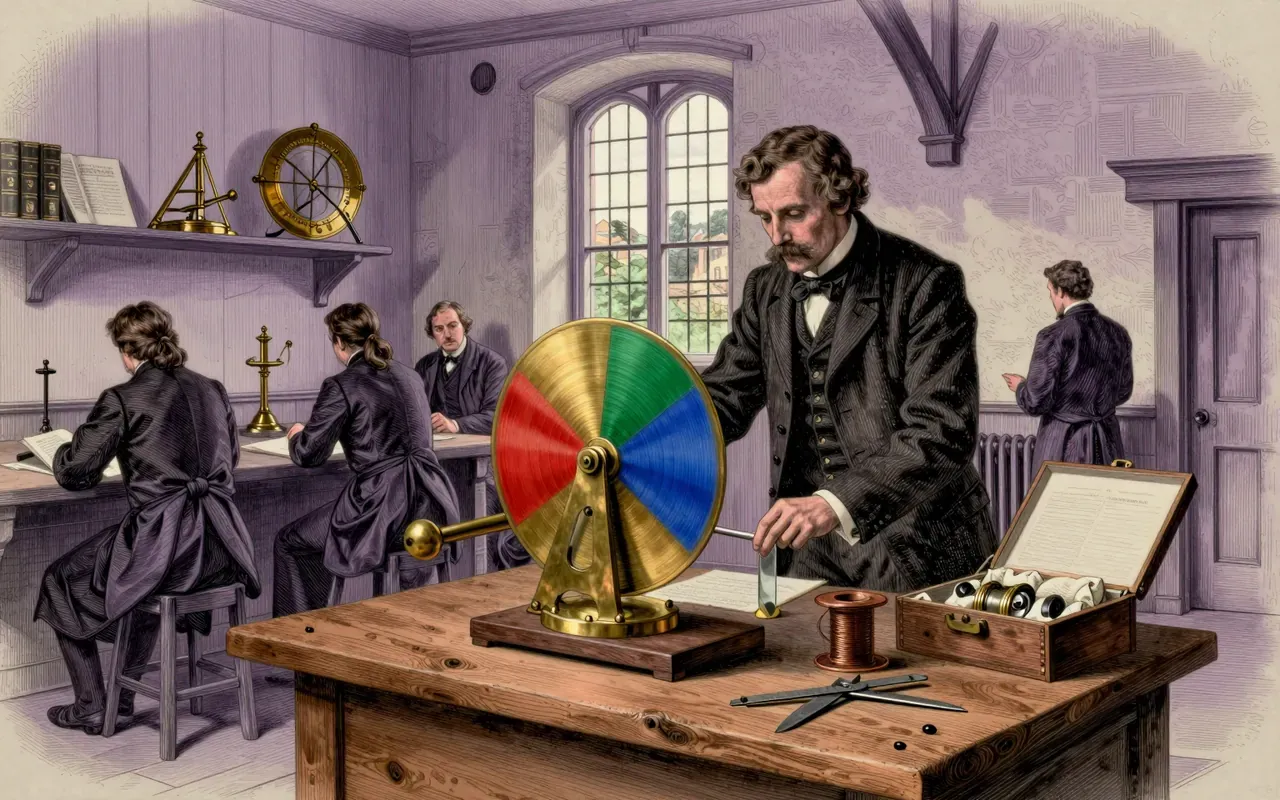
Colour photography began not with a picture, but with a constraint: three lights, three cones, and zero images.
9:51

JPEG

Joint Photographic Experts Group

JPEG is a 1992 DCT-based lossy compression standard. It delivers predictable 10:1 size reduction with acceptable visual trade-offs. It defines only the codec—not the file format. Its lossless mode is unused. It remains dominant not by superiority but by inertia.

9:46

Photographic film

George Eastman

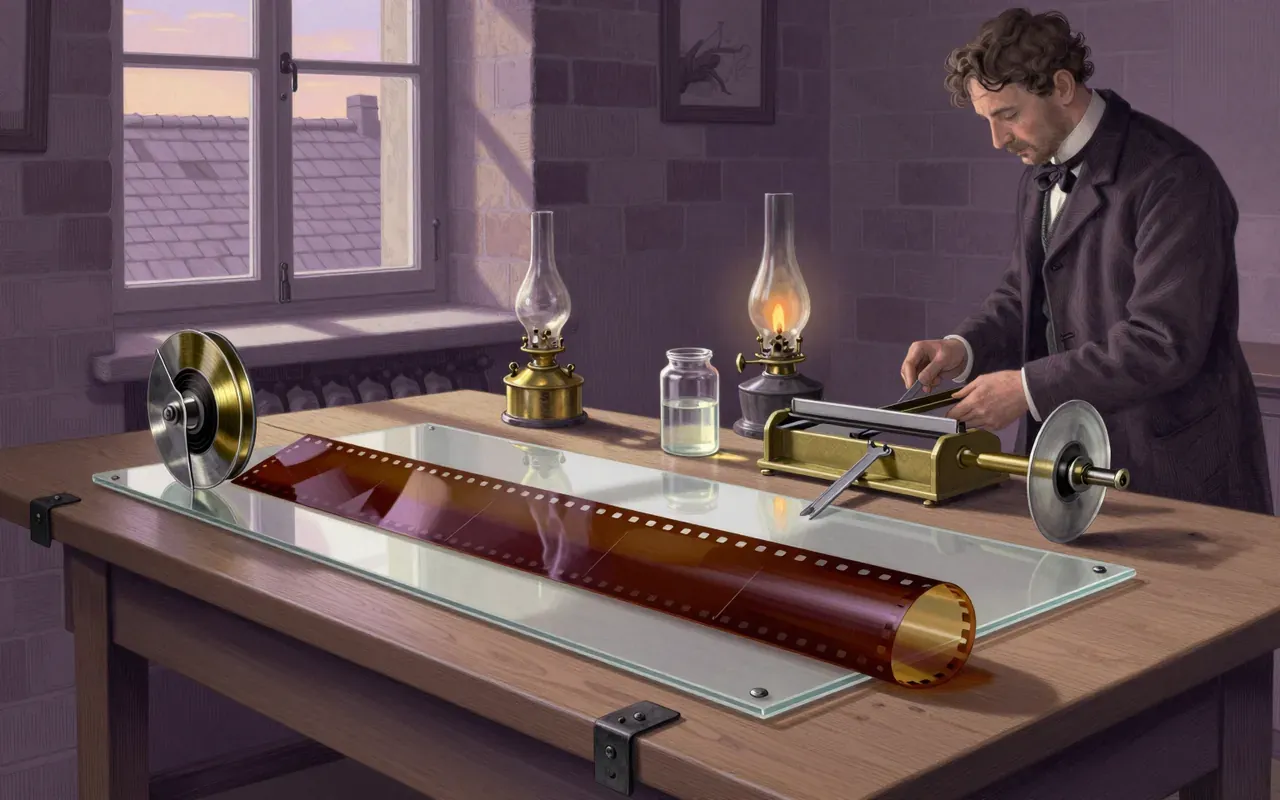
Eastman did not invent photography. He invented the first scalable, separable, service-integrated imaging system — and made it flammable, proprietary, and profitable.

culture.briefs Culture

All 2 in culture →
8:58

Photorealism

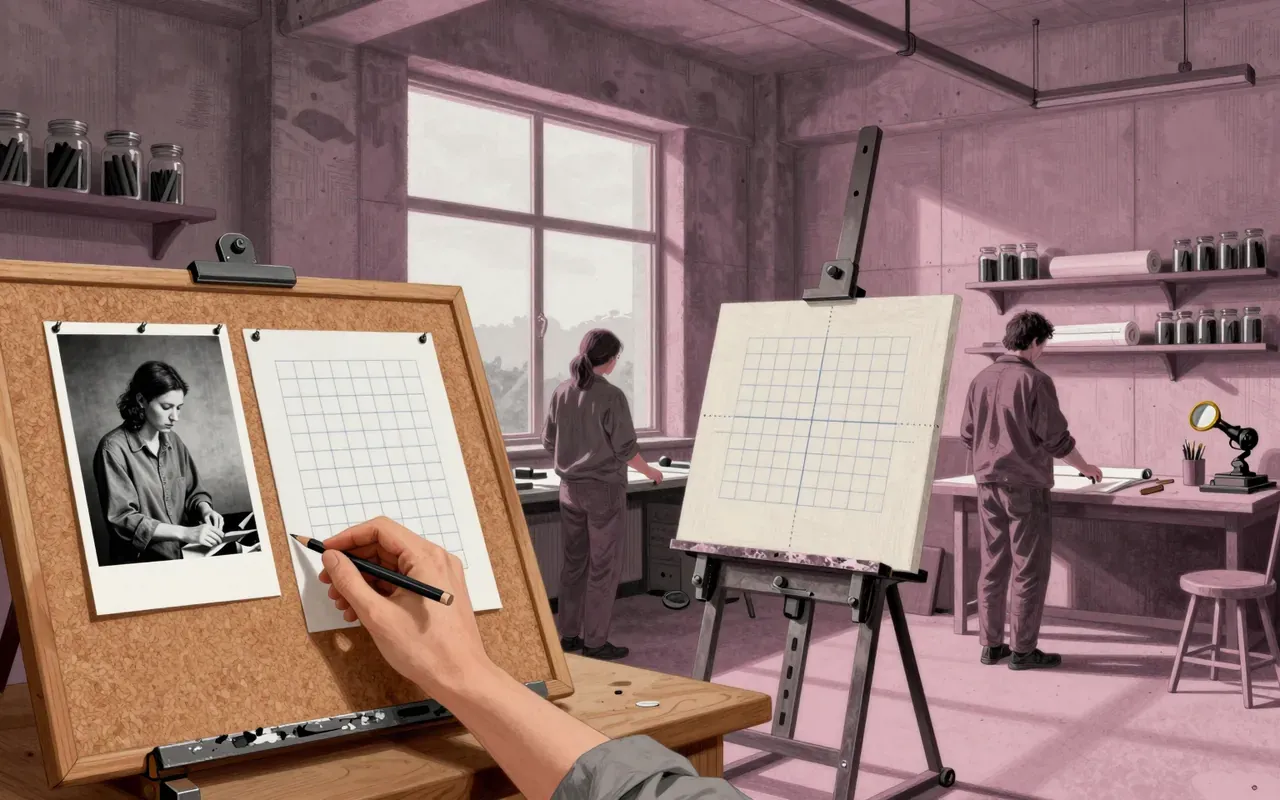
Photorealism didn’t copy reality—it outsourced seeing to the camera, then called the result painting.
11:33

Susan Sontag

Sontag didn’t just write about images—she diagnosed how they replaced memory with recall.

fashion.briefs Fashion

All 2 in fashion →
9:35

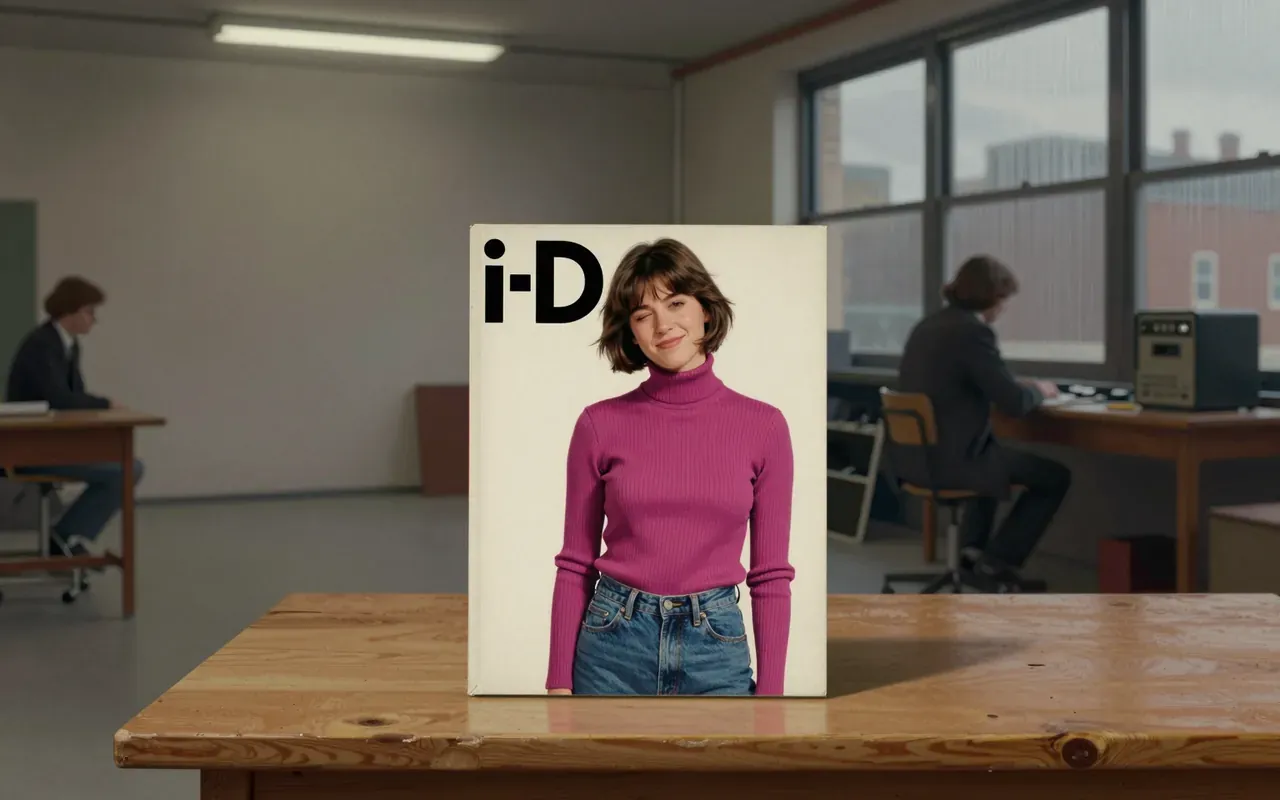
I-D

A wink is not charm—it’s a contract. i-D made it the only rule that never changed.