briefs
Topic · across the network

Education

What a society decides the next lot needs to know.

92
briefs
10
subjects
11:08
average
1025 min
in total
Abstraction 407Absurdism 137Acoustics 220Acting 65Adaptation 372Addiction 95Adolescence 202Advertising 77Age of exploration 14Ageing 113Agriculture 100Algorithms 114Ambition 46Anarchism 38Ancient Egypt 17Ancient Greece 38Ancient Rome 30Animals 172Anthropology 23Apartheid 12Architecture 165Archives 32Argentina 10Art Deco 26Artificial intelligence 78Astronomy 81Attention 42Australia 32Automation 73Avant-garde 164Aviation 79Banking 72Banned works 40Bauhaus 12Beer 5Behavioural economics 22Berlin 16Big tech 6Biodiversity 136Biography 86Birds 41Black holes 20Blockchain 12Boxing 14Branding 77Brazil 43Bread 29Britain 131Brutalism 4Bubbles 3Buddhism 28Byzantium 10California 17Canada 18Capitalism 94Cars 468Celebrity 59Censorship 110Cheese 24Chefs 9Chemistry 104Chess 2Childhood 87China 109Chocolate 8Christianity 49Cinematography 343Cities 90Class 485Climate change 107Club culture 100Cocktails 2Coffee 11Cognitive bias 14Collecting 16Colonialism 284Colour 42Comedy 89Community 52Complexity 21Computing 309Consciousness 16Conservatism 14Conspiracy theories 8Cooking 178Corruption 38Cosmology 31Cover versions 64Craft 116Crate digging 42Creativity 8Crime 234Cryptocurrency 8Cryptography 24Cuba 10Cybersecurity 30Dada 12Debt 38Decision-making 28Decolonisation 46Deep time 80Democracy 45Denim 16Deserts 45Detroit 17Dinosaurs 12Directing 168Disasters 59Disease 109DJ culture 89Dreams 32Drones 5Drum machines 96Dystopia 69East Africa 28Ecology 337Economics 36Editing 72Education 92Egypt 12Electric vehicles 59Emotion 22Empire 92Endurance 49Energy 120Engineering 541Entropy 8Epidemics 13Equality 9Espionage 31Ethics 44Evolution 174Existentialism 106Expertise 2Exploration 49Extinction 23Failure 37Family 240Fandom 22Fascism 45Fashion 215Fast fashion 12Fear 34Feminism 122Fermentation 126Film music 81Fishing 12Folklore 71Food history 588Football 16Forests 31Forgery 7France 163Fraud 15Free will 13Freedom 16French literature 15Friendship 24Furniture 36Gambling 14Gender 63Generations 28Genetics 87Geology 96Germany 66Globalisation 74Gothic 32Greece 5Grief 126Habits 6Happiness 2Hardware 709Haute couture 22Headphones 8Hi-fi 12Hinduism 12Hoaxes 1Human history 23Human nature 41Identity 138Illustration 8Impressionism 6Improvisation 249India 89Indonesia 15Industrial design 342Inequality 13Inflation 4Information 34Infrastructure 280Insects 29Intelligence 8Interiors 31Internet culture 88Invention 329Iran 41Islam 40Islands 17Israel 9Italy 52Jamaica 10Japan 114Jewellery 5Journalism 34Judaism 13Justice 42Korea 41Language 70Law 90Leadership 20Learning 6Liberalism 1Libraries 6Literary criticism 26London 12Loneliness 61Los Angeles 62Lost works 9Love 67Luxury 55Machine learning 15Management 10Maps 5Marketing 21Markets 51Mars 6Marxism 26Masculinity 46Materials 138Mathematics 79Meaning 6Medicine 124Memory 82Mental health 70Mesopotamia 4Mexico 38Migration 95Minimalism 68Mining 30Misinformation 9Modernism 63Money 24Monopoly 32Mortality 61Motivation 2Mountains 16Museums 27Mysticism 11Mythology 60Nationalism 40Neuroscience 23New York 36Nigeria 7Nihilism 10Noise 31Nostalgia 33Nuclear 29Nutrition 17Oceans 48Oil 42Open source 45Painting 18Palaeontology 29Parenting 14Paris 18Partition 6Patents 71Patronage 14Perception 44Personal style 27Personality 2Persuasion 8Peru 10Philosophy 77Photography 37Physics 206Plants 26Platforms 89Podcasting 1Poetry 25Poland 17Policing 34Pop Art 16Populism 2Portraiture 6Portugal 18Postmodernism 23Power 91Prehistory 24Preservation 28Printmaking 21Privacy 11Probability 6Productivity 1Programming 54Prohibition 1Propaganda 35Protest 75Pseudoscience 17Psychology 80Publishing 22Punishment 16Quantum mechanics 44Race 145Radio 30Railways 35Rave 17Realism 47Record labels 19Recording 810Relativity 23Religion 154Resilience 15Restaurants 30Restoration 2Retail 94Revolution 58Risk 18Ritual 96Robotics 26Romance 96Russia 58Salt 9Sampling 246Satire 84Scandinavia 28Scientific method 186Screenwriting 26Sculpture 7Secularism 2Self-deception 14Semiconductors 73Sexuality 102Ships 18Silence 24Silicon Valley 17Slavery 35Sleep 2Smartphones 27Sneakers 15Social media 58Socialism 9Software 68Songwriting 180Sound design 332Sound systems 20South Africa 19South East Asia 30Space exploration 84Spain 18Special effects 41Spices 62Spirits 12Sport 82Startups 21Statistics 10Status 9Stoicism 4Storytelling 68Strategy 70Street food 99Streetwear 16Studio craft 508Subcultures 59Sugar 12Supply chains 115Surrealism 53Surveillance 21Sustainability 30Synthesis 232Tailoring 37Taxation 14Tea 24Textiles 97Thailand 11The American Revolution 19The American South 88The Arab world 41The Arctic 19The Balkans 17The Belle Epoque 13The body 29The brain 26The Caribbean 28The civil rights movement 62The Cold War 160The eighties 268The Enlightenment 29The financial crisis 19The First World War 39The food industry 157The French Revolution 9The Gilded Age 9The Great Depression 18The Holocaust 20The Industrial Revolution 93The internet 61The interwar years 135The Middle Ages 35The Moon 4The music business 169The Netherlands 10The nineties 26The Olympics 10The pandemic 13The Reformation 1The Renaissance 16The Russian Revolution 19The Second World War 102The seventies 58The sixties 28The space race 5The United States 19The universe 7The Victorian era 37Therapy 20Tokyo 11Trade 48Tragedy 22Translation 5Trauma 85Travel 5True crime 2Turkey 18Typography 54Uniforms 23Unions 8Urban planning 66Utilitarianism 1Utopia 5Vaccines 10Vegetarianism 15Venture capital 6Video games 291Vietnam 12Vintage 65Vinyl 6Virtual reality 11War 169Watches 4Water 11Weather 29West Africa 29Wilderness 10Wine 3Work 22Workwear 19Worldbuilding 121

music.briefs Music

All 3 in music →
75:40

School’s Out

Alice Cooper · 1972

School's Out is a 1972 rock album by Alice Cooper, designed as a school desk with carved graffiti and wrapped in flammable paper panties. Its title track was a UK number one and US Top 10 hit. It marked a shift to a bratty, macho stage persona and provoked moral outrage — including a BBC video ban — without denting its popularity.

10:10

The Sounds of India

Ravi Shankar · 1958

A pedagogical artefact, not a concert document. Recorded in New York in 1957, it uses spoken introductions and concise performances to frame Hindustani classical music for Western listeners. Its sound is defined by three acoustic instruments in a dry studio space: sitar, tabla, tambura. Nothing else enters the frame.

10:12

The Wall

Pink Floyd · 1979

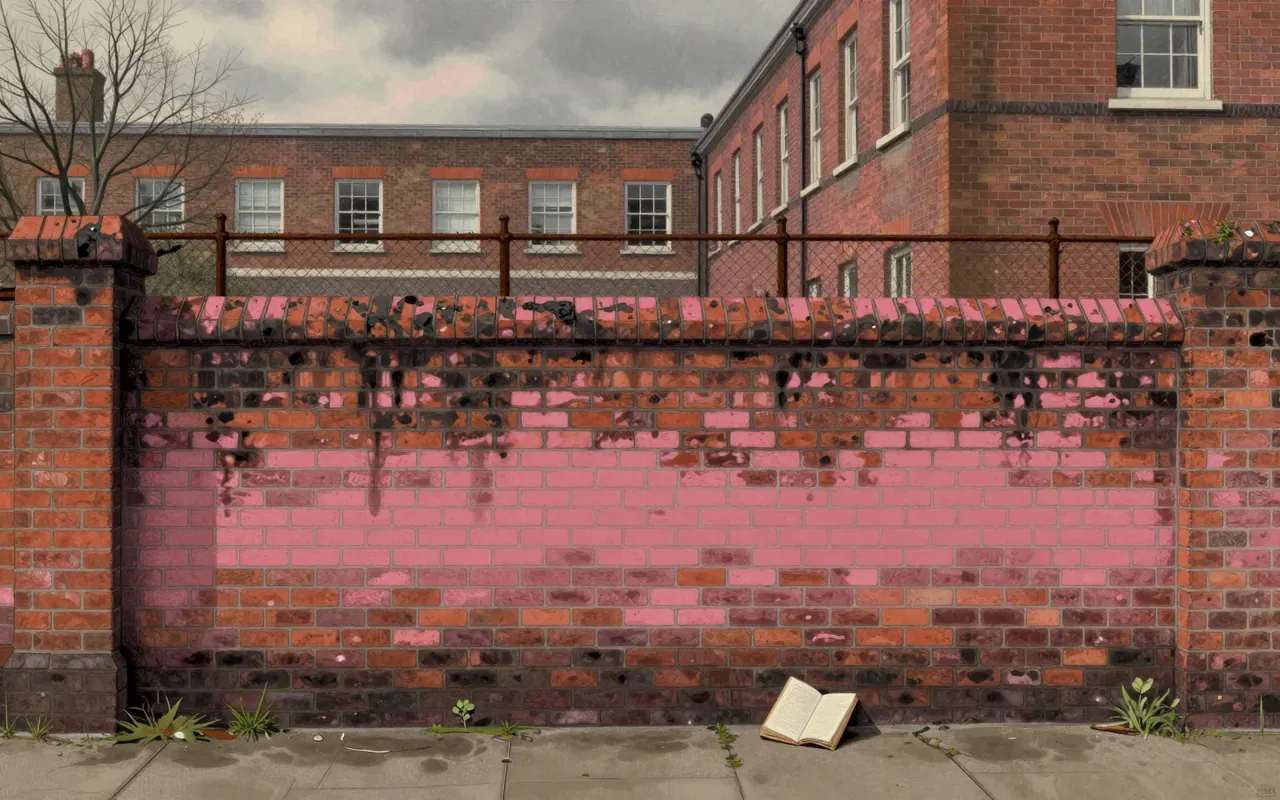
The Wall is Pink Floyd's 1979 double-album rock opera, conceived by Roger Waters during the 1977 In the Flesh tour and developed from a 90-minute demo titled Bricks in the Wall. It is a studio-built narrative about isolation, trauma, and psychological fragmentation, centred on the composite character Pink.

film.briefs Film

All 26 in film →
13:00

About Dry Grasses

Nuri Bilge Ceylan · 2023

Nuri Bilge Ceylan’s About Dry Grasses follows a disillusioned Istanbul teacher stationed in eastern Anatolia after he and a colleague face student accusations. Shot in Erzurum and Adıyaman by Kürşat Üresin and Cehavir Şahin, the film unfolds across winter in long takes and muted tones, anchored by Merve Dizdar’s Cannes-winning performance. Co-written by Ceylan, Ebru Ceylan and Akın Aksu, it resists narrative resolution in favour of sustained atmosphere, probing education, geography and epistemic limits without recourse to exposition or catharsis.

13:00

Alex Wheatle

Steve McQueen · 2020

Steve McQueen’s Alex Wheatle (2020) follows the British novelist from institutional childhood through Brixton’s sound-system culture to imprisonment after the 1981 uprising, where he discovers literature. Starring Sheyi Cole and shot by Shabier Kirchner, it is the fourth film in the Small Axe anthology — a focused, atmospheric biographical drama that prioritises sensory detail and quiet transformation over exposition or historical sweep.

13:00

Come on Children

Allan King · 1973

Allan King’s 1973 documentary observes Toronto teenagers living unsupervised on a rural Ontario farm for ten weeks. Filmed in early 1971 with no script, no narration beyond a brief opening statement, and no adult presence, it tracks their self-organisation, conflicts and quiet routines. Its power lies in sustained observation, not interpretation — a demanding, unsentimental portrait of adolescence as lived practice rather than developmental phase.

13:00

Downpour

Bahram Beyzai · 1972

Bahram Beyzai’s 1972 debut is a black-and-white Iranian drama following a teacher’s quiet integration into a provincial town. With restrained performances, sparse sound, and deliberate pacing, it traces his unspoken relationship with a student’s sister, his solitary renovation of a derelict school theatre, and his eventual transfer — all rendered without exposition or catharsis. Restored in 2011 after near-total loss, it remains a study in moral ambiguity, institutional silence, and the weight of unperformed expectation.

13:00

Education

Steve McQueen · 2020

Steve McQueen’s Education (2020), the closing film of the Small Axe anthology, follows an 11-year-old Black boy in 1970s London subjected to an 'educationally subnormal' assessment — a real historical practice that disproportionately diverted Black children from mainstream schooling. Shot by Shabier Kirchner with deliberate stillness and no score, it focuses on procedural indifference rather than individual villainy. Based on documented inequities but using fictional characters, it builds its argument through accumulation, silence, and restraint.

13:00

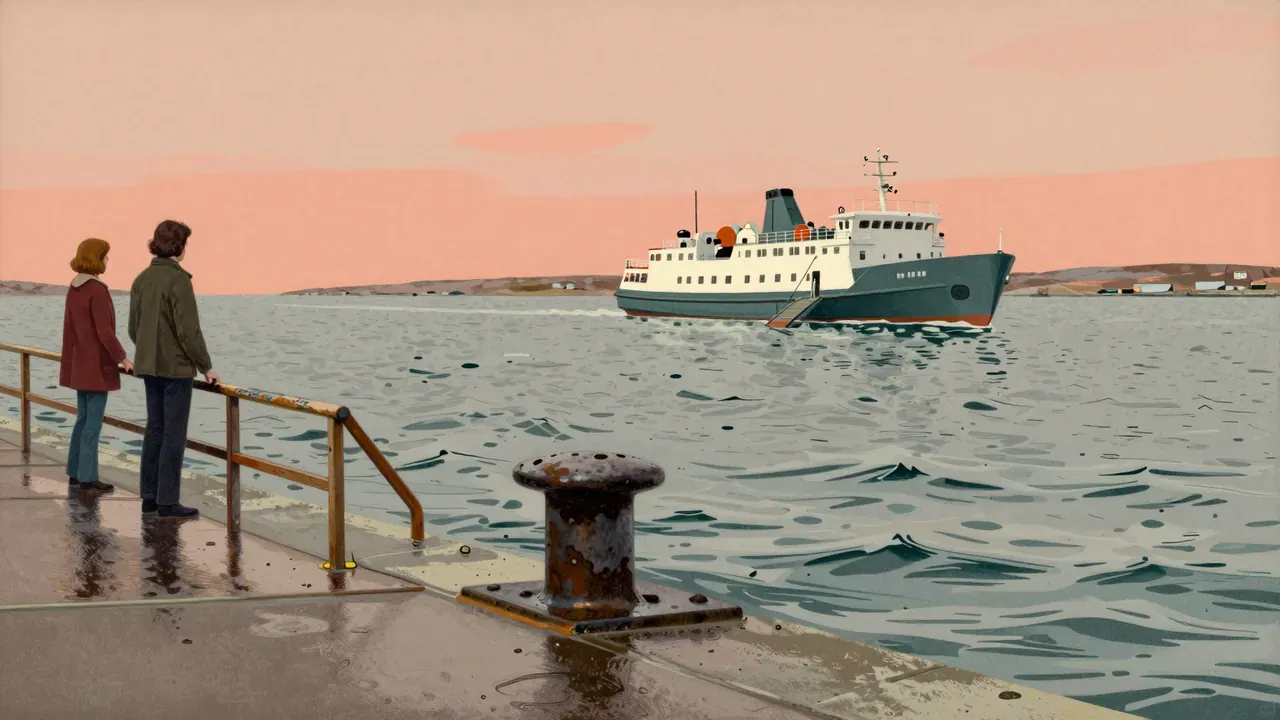
Fårö Document

Ingmar Bergman · 1970

Shot on Fårö in early 1969, Ingmar Bergman’s Fårö Document is a 16 mm documentary about the island’s 754 residents, their infrastructure deficits, educational underfunding and political marginalisation. With Sven Nykvist as cinematographer and a five-person crew, it avoids stylisation in favour of direct testimony and observational footage — interviews with the mayor, farmers and schoolchildren, scenes of seasonal labour and civic meetings. Broadcast on Swedish television on 1 January 1970, it functions as both record and advocacy, calling for subsidies, daycare, schools and a bridge across Fårö Sound.

13:00

First Case, Second Case

Abbas Kiarostami · 1979

Abbas Kiarostami’s First Case, Second Case (1979) presents two near-identical classroom scenarios — one where pupils remain silent after a disruption, another where one names the culprit — then films real Iranian educators and political figures reacting to each. Made in the volatile weeks before the Islamic Revolution, it was banned after its premiere and vanished until 2009. Rigorous, austere and structurally radical, it treats pedagogy as political theatre and silence as ethical resistance.

13:00

First Graders

Abbas Kiarostami · 1984

First Graders (1984) is Abbas Kiarostami’s observational documentary following Iranian six- and seven-year-olds during a single school day. Filmed with concealed cameras, it avoids narration, music, or intervention, relying instead on long takes, natural sound, and uninflected framing. Its purpose is not exposition but sustained attention — to register the rhythms, hierarchies and quiet labours of early socialisation as they occur. Though rooted in Iran’s post-revolutionary educational context, it offers no explicit commentary on politics or pedagogy. Its power lies in accumulation: small gestures, repeated behaviours and unscripted silences build a portrait less of individuals than of collective habit. A rigorous, unsentimental work, it rewards patience and resists easy interpretation.
history.briefs History

All 2 in history →
11:13

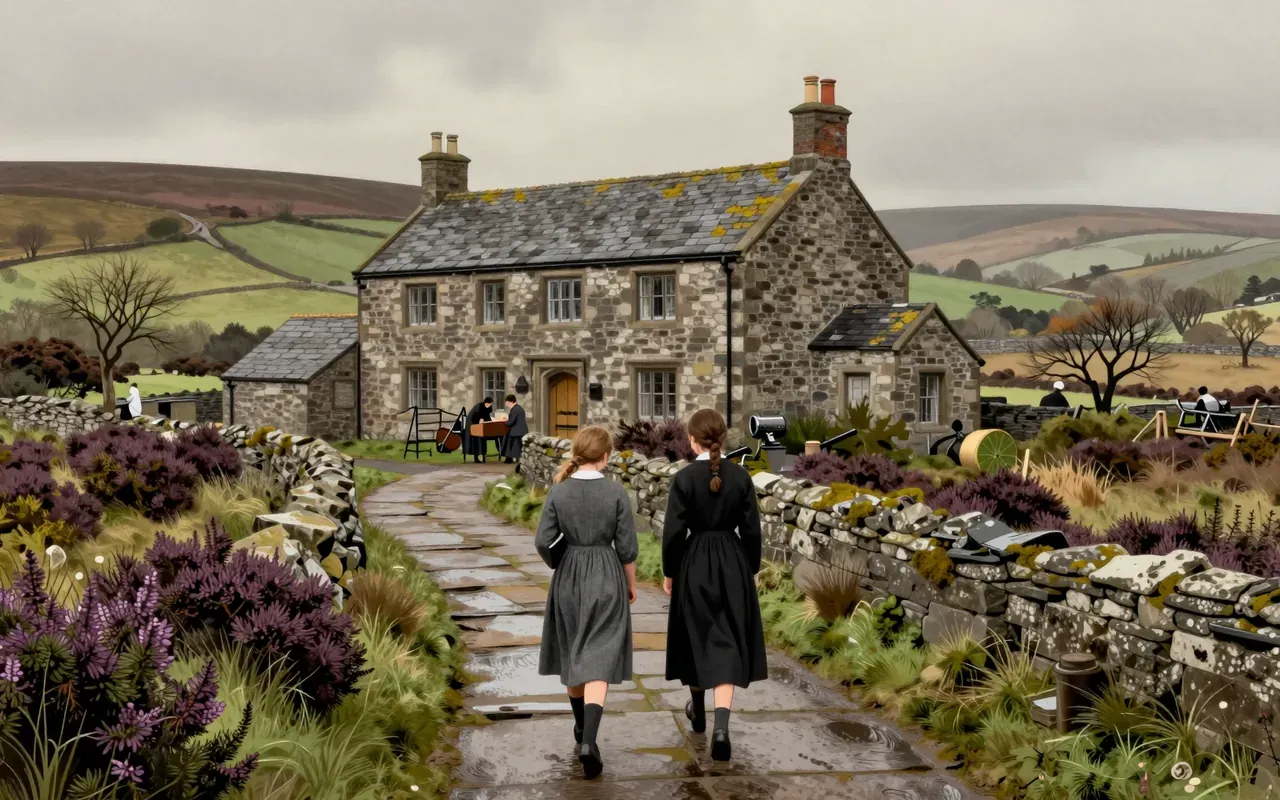
Charlotte Brontë

A woman wrote a classic by turning her school’s brutality into fiction — and hiding her name to get it read.
11:09

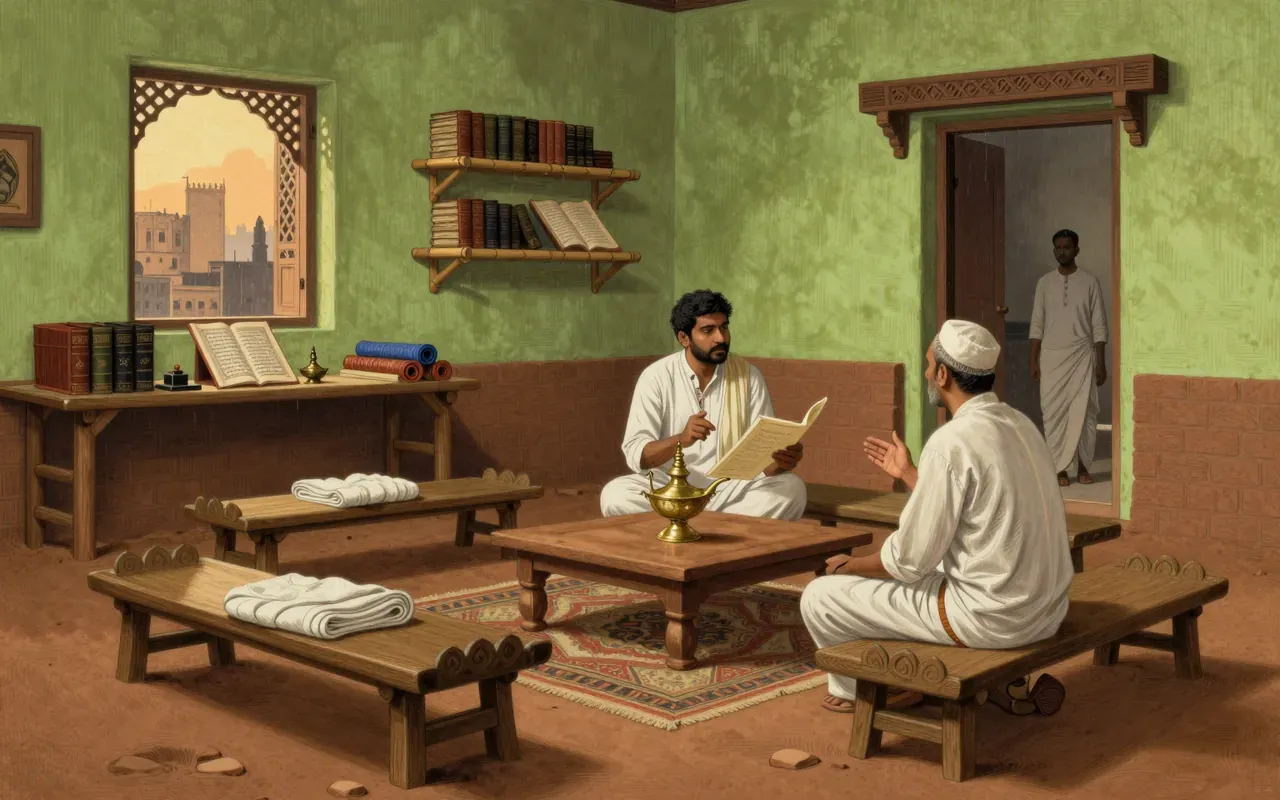
Raja Ram Mohan Roy

He didn’t just oppose sati — he built the schools, wrote the grammar, and founded the societies that made its abolition possible.

science.briefs Science

All 2 in science →
9:09

Carol Dweck

Praising intelligence isn’t kind—it’s a trap that makes people avoid hard work.

design.briefs Design

All 14 in design →
9:11

Ellen Lupton

Ellen Lupton is a graphic designer, curator, writer and educator known for her love of typography, who directs the Graphic Design MFA program at the Maryland Institute College of Art.
4:24

Bret Victor

Bret Victor didn’t build the iPad—he built the argument against it.
9:18

Ineke Hans

A designer abandons the object to build a platform — and delivers twelve mottos instead of a chair.
9:48

Inge Druckrey

She didn’t invent Swiss design — she installed it in America like wiring.
10:20

John Maeda

Maeda didn’t build software — he built the conditions for others to code meaningfully.
9:27

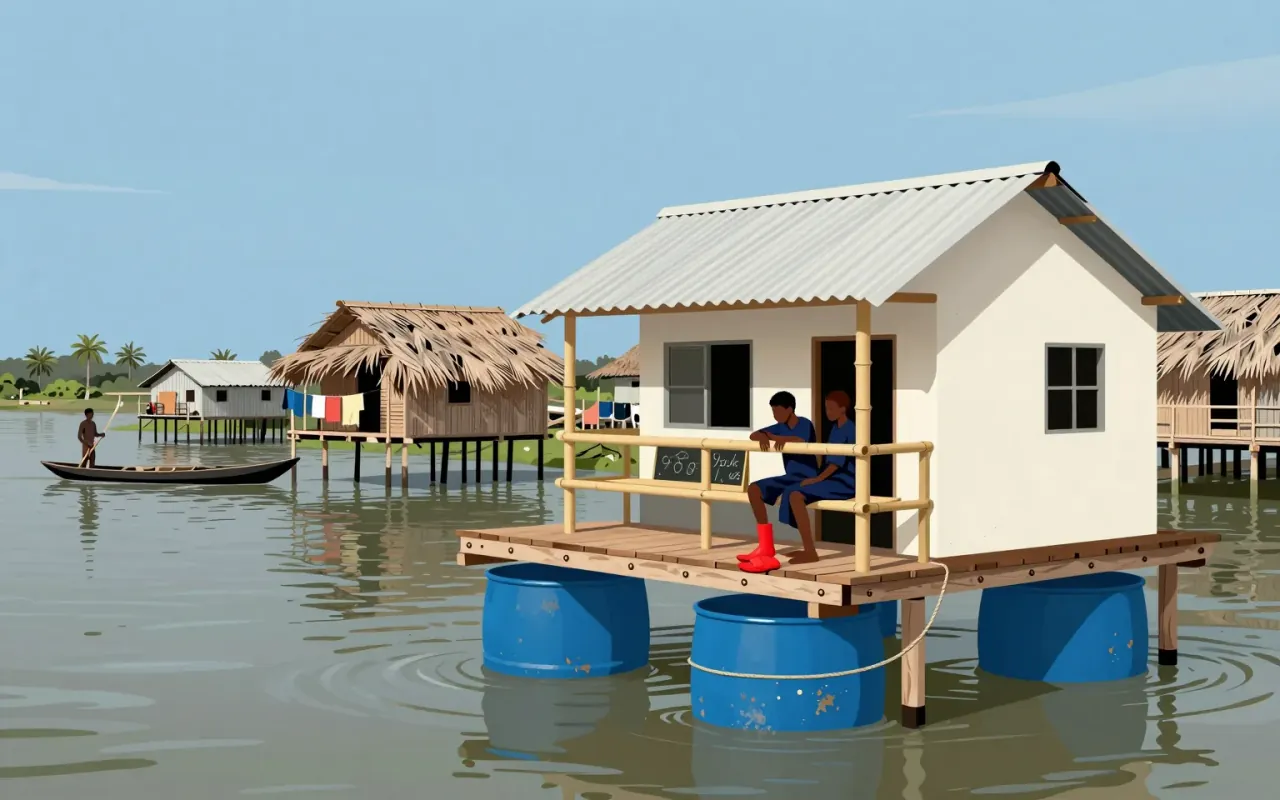
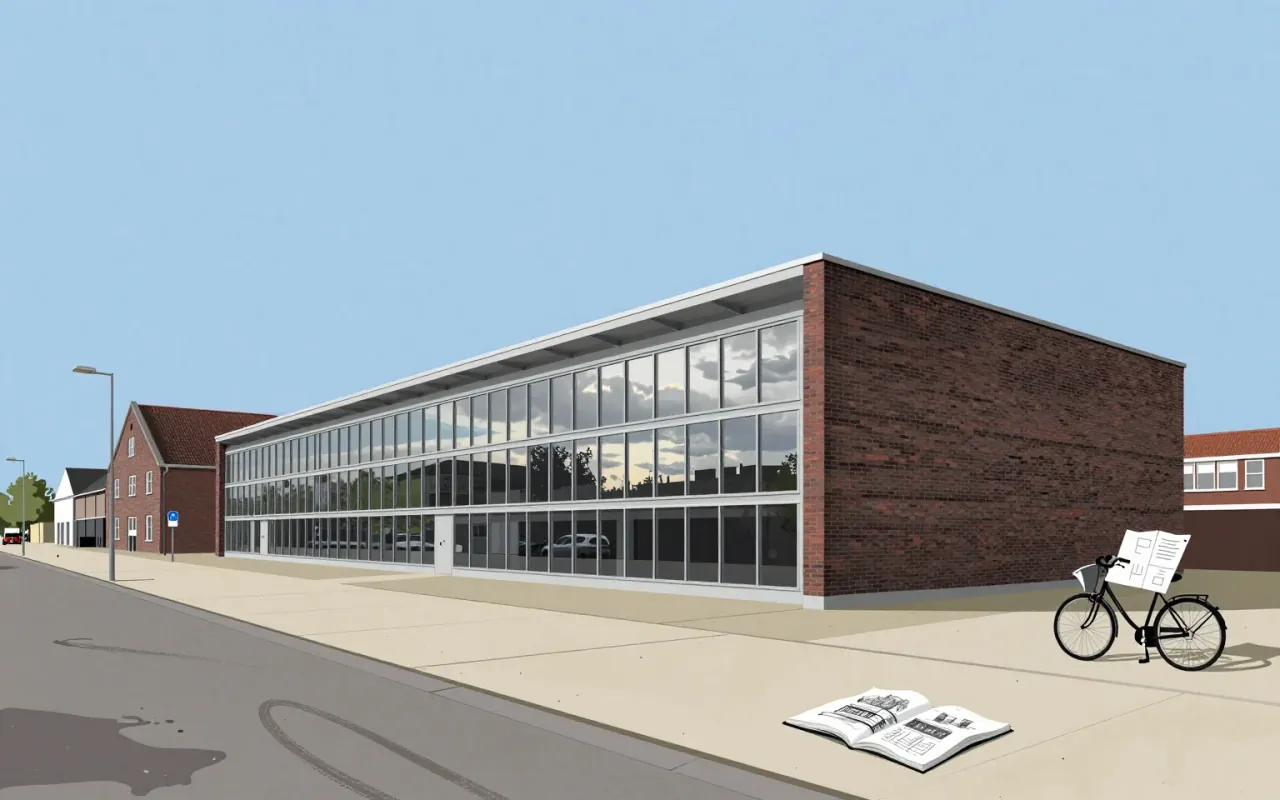
Makoko Floating School

A prototype that floated, functioned, then failed — not a model for replication, but a record of what happens when design answers urgency without infrastructure.
4:29

Tord Boontje

Boontje proved ornament could scale — not as decoration, but as a design strategy for retail and research.

games.briefs Games

All 1 in games →
10:14

Fire Emblem: Three Houses

Intelligent Systems · 2019

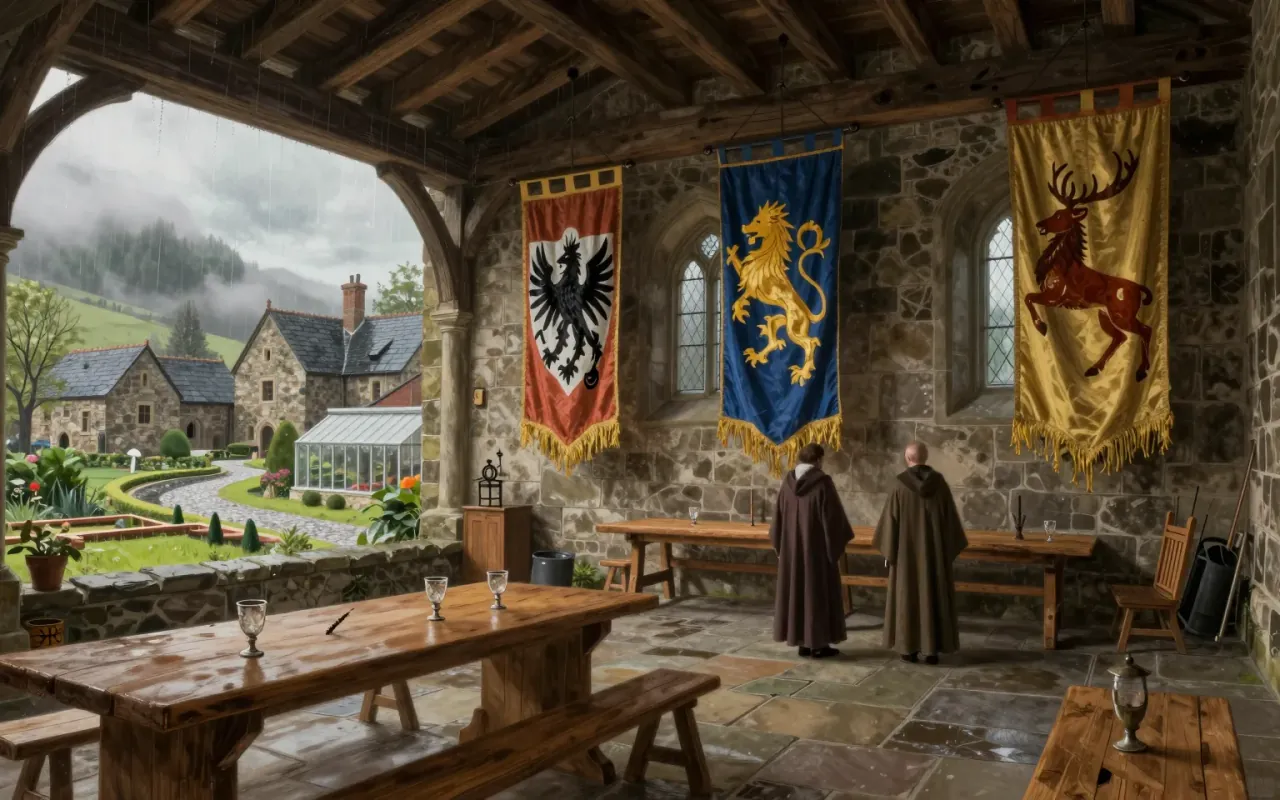
Fire Emblem: Three Houses is a tactical RPG released in 2019 by Intelligent Systems in partnership with Koei Tecmo. Intelligent Systems provided the main plot, game system, and mechanics; Koei Tecmo handled the bulk of the programming. Players choose their character's gender and name at the start. Gameplay alternates between story-driven battles and social simulation segments at Garreg Mach Monastery—the central hub for all activities. Selecting a house determines the narrative path from that point forward. The opening half focuses on school life, then the story skips ahead five years and shifts to war, locking the player to their chosen house. Players manage a calendar with limited days to allocate to varied monastery activities—including teaching, field exercises, greenhouse planting, fishing, and free-time interactions. Relationships are built via Support actions influenced by player choices and dialogue.

technology.briefs Technology

All 9 in technology →
9:30

OLPC XO

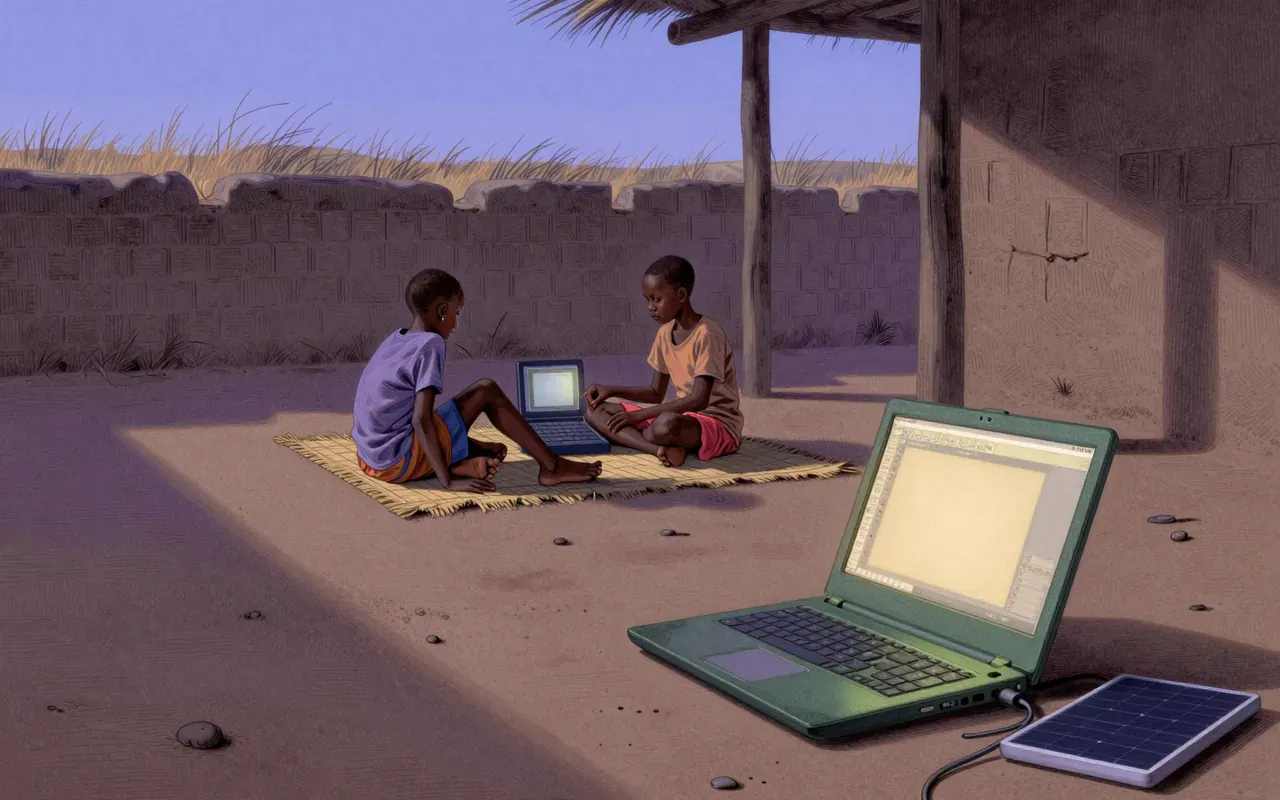
A noble failure: the XO delivered rugged, flash-based Linux laptops to children — but broke its core promises on price, power, and peer networking.
10:16

Apple II

It didn’t invent the home computer—it weaponised distribution, turning schools and spreadsheets into its salesforce.
11:07

Chromebook

Chromebook isn’t a laptop—it’s a managed endpoint with a ten-year expiry date.
9:31

NeXT Computer

A sealed magnesium cube that proved integrated design was possible — and commercially stillborn.
10:18

Smalltalk

Alan Kay and team · 1972

Smalltalk is a pure object-oriented language built for constructionist learning at Xerox PARC in the 1970s. Its first interpreter, Smalltalk-72, was written by Dan Ingalls in about 700 lines of BASIC for the Data General Nova in October 1972. It emerged from Alan Kay’s September 1972 bet that a message-passing core could fit on a page of code—and did so by the eighth morning. Smalltalk-80, released publicly in 1980, introduced foundational OOP ideas, featured an integrated development environment from inception, and established total reflection—both structural and computational. It has no primitive types: all values are objects, and all computation occurs via message passing. ANSI Smalltalk was ratified in 1998.

11:18

BBC Micro

Acorn Computers · 1981

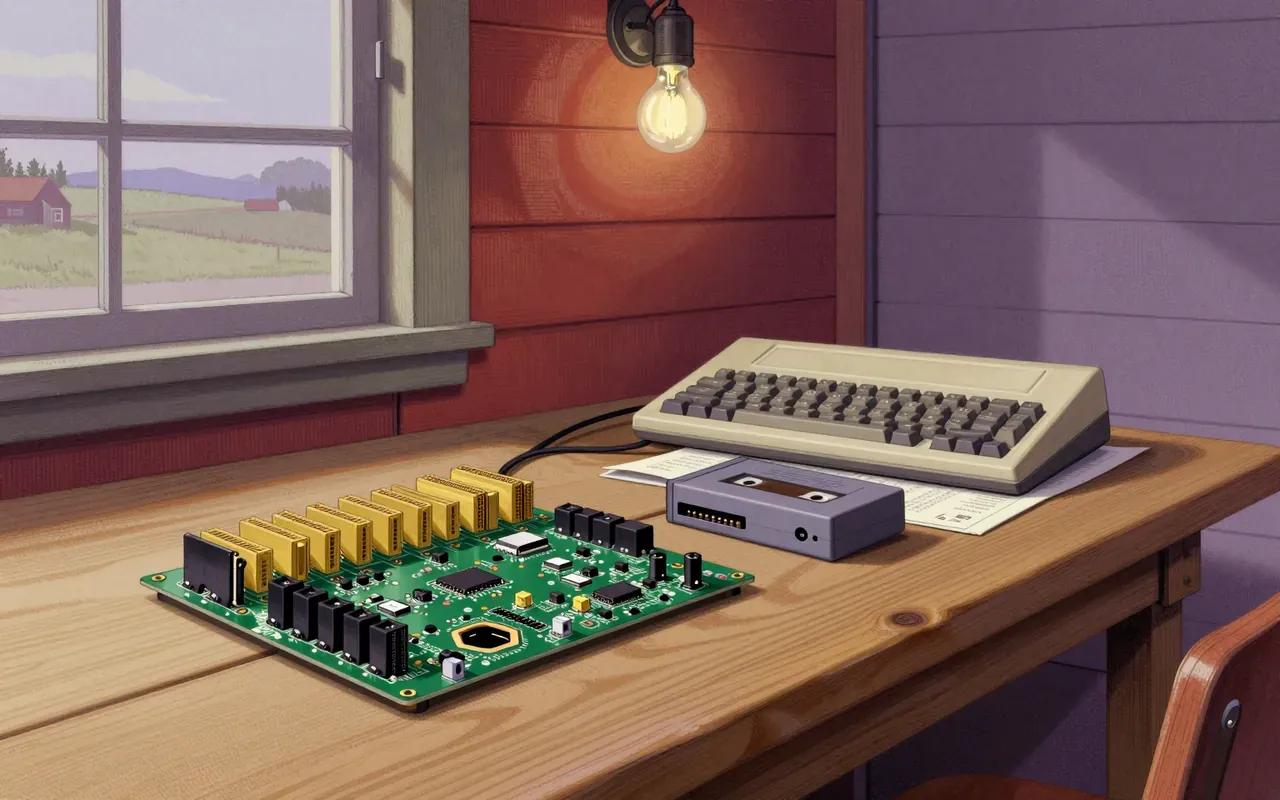
The BBC Micro was a procurement win first, an educational tool second. It succeeded because it met rigid broadcast and policy constraints—not because it was inherently superior to alternatives. Its architecture prioritised demonstrable compliance over user flexibility. Its dominance was guaranteed by subsidy rules, not market preference.

9:20

Arduino

Arduino didn’t democratise hardware — it outsourced the hard parts to hobbyists.
9:41

BASIC

John Kemeny and Thomas Kurtz · 1964

BASIC is a pedagogical tool, not a general-purpose language. It succeeded by narrowing scope — to Dartmouth, to undergraduates, to time-shared interaction, to FORTRAN II’s grammar stripped of complexity. Its value lies in what it excluded.

culture.briefs Culture

All 29 in culture →
9:18

Peking University

China’s first national university opened with 160 students — and never taught a single class under its original reformist mandate.
6:57

Personal development

Personal development is not self-discovery—it’s capability infrastructure, often mislabelled as growth.
6:50

Critical thinking

Critical thinking is not natural. It must be induced — and it fails where knowledge ends.
8:23

Dark academia

Dark academia isn’t about learning—it’s about longing for the look of learning.
9:30

Coaching

Coaching is goal transport—not soul repair—and its lack of regulation is structural, not incidental.
9:37

Cultural capital

Cultural capital doesn’t measure taste—it measures who gets to sit at the table.

audio.briefs Audio

All 4 in audio →
8:49

Moog Sonic Six

Moog · 1972

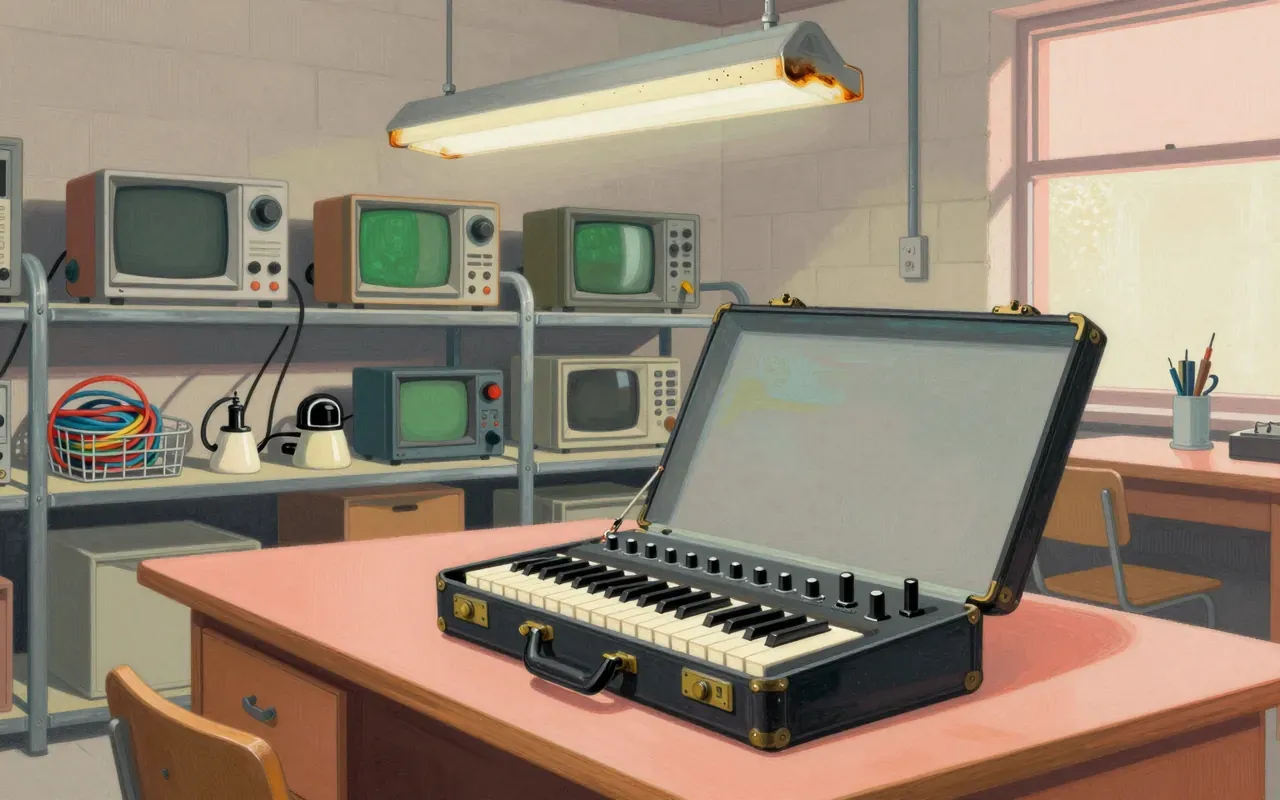
The Moog Sonic Six is a duophonic analog synthesizer introduced in 1972. It was built for portability and education after Bill Waytena acquired R.A. Moog Inc. and rebranded the Sonic V as the Sonic Six. Its folding control panel is unique in Moog’s history. It was widely used for lectures and educational purposes, often by Bob Moog himself. It delivers weak sound compared to the MiniMoog and suffers from reliability issues. Its single contour generator is shared between VCA and VCF, limiting independent envelope shaping. It is worth your time only if you need a portable, self-contained analog synth for live lecture demos or classroom use — not for studio depth, reliability, or sonic authority.

9:20

ARP 2600

ARP

The ARP 2600 is a foundational analog synthesizer designed for education. Its semimodular architecture, front-panel signal graphics, and duophonic voice count reflect its classroom purpose—not stage use. Its original filter was replaced after a patent dispute. It teaches synthesis more directly than any contemporaneous instrument, but offers no polyphony, no presets, and unstable tuning.

8:18

Fender Duo-Sonic

Fender

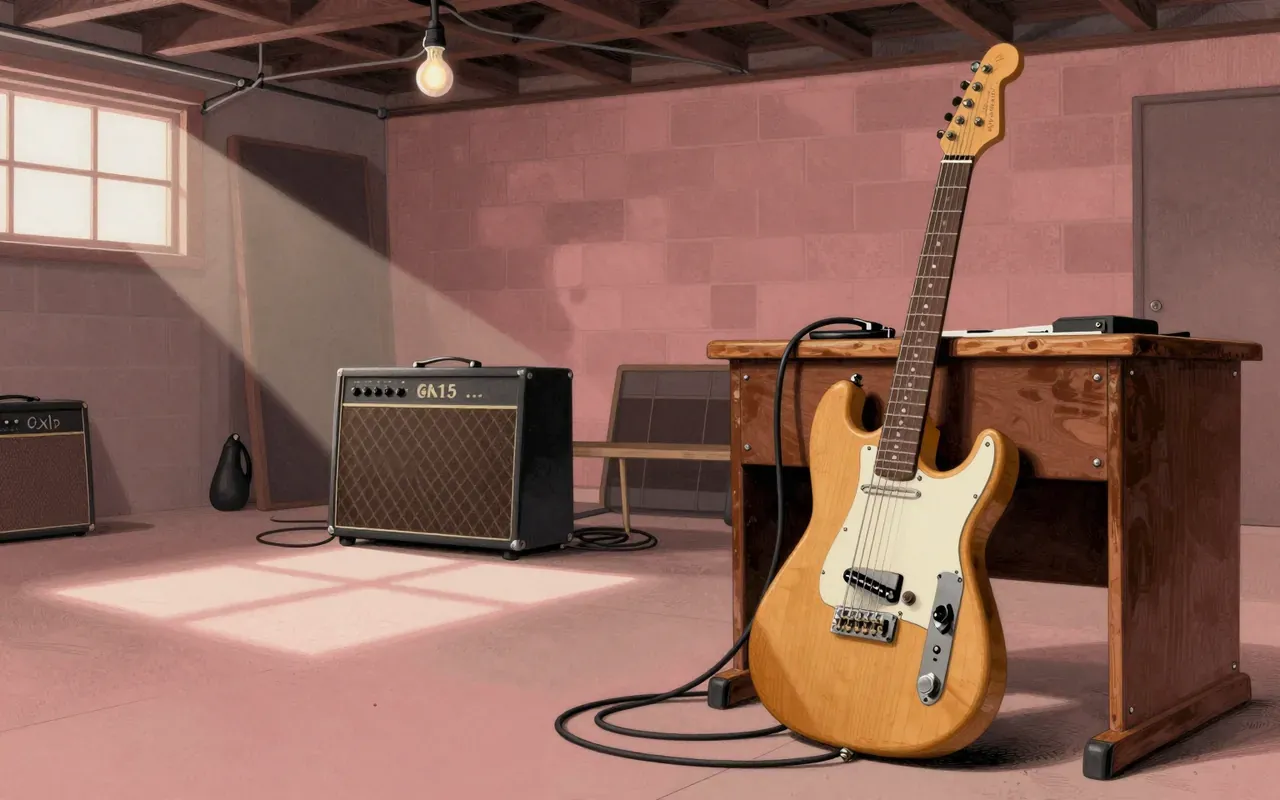
The Duo-Sonic is a compact, fixed-bridge student guitar built for physical accessibility — not sonic flexibility.

9:26

Fender Musicmaster

Fender

The Musicmaster is a no-frills, scaled-down electric guitar built for access—not expression. Its design sacrifices tonal depth and dynamic response for ease of use and production efficiency. It belongs in a practice room, not a stage rig.

fashion.briefs Fashion

All 2 in fashion →
9:51

Preppy

Preppy isn’t style — it’s a class passport stamped at boarding school.