briefs
Topic · across the network

Materials

Every era is named after one, which should be a clue.

138
briefs
10
subjects
10:00
average
1379 min
in total
Abstraction 407Absurdism 137Acoustics 220Acting 65Adaptation 372Addiction 95Adolescence 202Advertising 77Age of exploration 14Ageing 113Agriculture 100Algorithms 114Ambition 46Anarchism 38Ancient Egypt 17Ancient Greece 38Ancient Rome 30Animals 172Anthropology 23Apartheid 12Architecture 165Archives 32Argentina 10Art Deco 26Artificial intelligence 78Astronomy 81Attention 42Australia 32Automation 73Avant-garde 164Aviation 79Banking 72Banned works 40Bauhaus 12Beer 5Behavioural economics 22Berlin 16Big tech 6Biodiversity 136Biography 86Birds 41Black holes 20Blockchain 12Boxing 14Branding 77Brazil 43Bread 29Britain 131Brutalism 4Bubbles 3Buddhism 28Byzantium 10California 17Canada 18Capitalism 94Cars 468Celebrity 59Censorship 110Cheese 24Chefs 9Chemistry 104Chess 2Childhood 87China 109Chocolate 8Christianity 49Cinematography 343Cities 90Class 485Climate change 107Club culture 100Cocktails 2Coffee 11Cognitive bias 14Collecting 16Colonialism 284Colour 42Comedy 89Community 52Complexity 21Computing 309Consciousness 16Conservatism 14Conspiracy theories 8Cooking 178Corruption 38Cosmology 31Cover versions 64Craft 116Crate digging 42Creativity 8Crime 234Cryptocurrency 8Cryptography 24Cuba 10Cybersecurity 30Dada 12Debt 38Decision-making 28Decolonisation 46Deep time 80Democracy 45Denim 16Deserts 45Detroit 17Dinosaurs 12Directing 168Disasters 59Disease 109DJ culture 89Dreams 32Drones 5Drum machines 96Dystopia 69East Africa 28Ecology 337Economics 36Editing 72Education 92Egypt 12Electric vehicles 59Emotion 22Empire 92Endurance 49Energy 120Engineering 541Entropy 8Epidemics 13Equality 9Espionage 31Ethics 44Evolution 174Existentialism 106Expertise 2Exploration 49Extinction 23Failure 37Family 240Fandom 22Fascism 45Fashion 215Fast fashion 12Fear 34Feminism 122Fermentation 126Film music 81Fishing 12Folklore 71Food history 588Football 16Forests 31Forgery 7France 163Fraud 15Free will 13Freedom 16French literature 15Friendship 24Furniture 36Gambling 14Gender 63Generations 28Genetics 87Geology 96Germany 66Globalisation 74Gothic 32Greece 5Grief 126Habits 6Happiness 2Hardware 709Haute couture 22Headphones 8Hi-fi 12Hinduism 12Hoaxes 1Human history 23Human nature 41Identity 138Illustration 8Impressionism 6Improvisation 249India 89Indonesia 15Industrial design 342Inequality 13Inflation 4Information 34Infrastructure 280Insects 29Intelligence 8Interiors 31Internet culture 88Invention 329Iran 41Islam 40Islands 17Israel 9Italy 52Jamaica 10Japan 114Jewellery 5Journalism 34Judaism 13Justice 42Korea 41Language 70Law 90Leadership 20Learning 6Liberalism 1Libraries 6Literary criticism 26London 12Loneliness 61Los Angeles 62Lost works 9Love 67Luxury 55Machine learning 15Management 10Maps 5Marketing 21Markets 51Mars 6Marxism 26Masculinity 46Materials 138Mathematics 79Meaning 6Medicine 124Memory 82Mental health 70Mesopotamia 4Mexico 38Migration 95Minimalism 68Mining 30Misinformation 9Modernism 63Money 24Monopoly 32Mortality 61Motivation 2Mountains 16Museums 27Mysticism 11Mythology 60Nationalism 40Neuroscience 23New York 36Nigeria 7Nihilism 10Noise 31Nostalgia 33Nuclear 29Nutrition 17Oceans 48Oil 42Open source 45Painting 18Palaeontology 29Parenting 14Paris 18Partition 6Patents 71Patronage 14Perception 44Personal style 27Personality 2Persuasion 8Peru 10Philosophy 77Photography 37Physics 206Plants 26Platforms 89Podcasting 1Poetry 25Poland 17Policing 34Pop Art 16Populism 2Portraiture 6Portugal 18Postmodernism 23Power 91Prehistory 24Preservation 28Printmaking 21Privacy 11Probability 6Productivity 1Programming 54Prohibition 1Propaganda 35Protest 75Pseudoscience 17Psychology 80Publishing 22Punishment 16Quantum mechanics 44Race 145Radio 30Railways 35Rave 17Realism 47Record labels 19Recording 810Relativity 23Religion 154Resilience 15Restaurants 30Restoration 2Retail 94Revolution 58Risk 18Ritual 96Robotics 26Romance 96Russia 58Salt 9Sampling 246Satire 84Scandinavia 28Scientific method 186Screenwriting 26Sculpture 7Secularism 2Self-deception 14Semiconductors 73Sexuality 102Ships 18Silence 24Silicon Valley 17Slavery 35Sleep 2Smartphones 27Sneakers 15Social media 58Socialism 9Software 68Songwriting 180Sound design 332Sound systems 20South Africa 19South East Asia 30Space exploration 84Spain 18Special effects 41Spices 62Spirits 12Sport 82Startups 21Statistics 10Status 9Stoicism 4Storytelling 68Strategy 70Street food 99Streetwear 16Studio craft 508Subcultures 59Sugar 12Supply chains 115Surrealism 53Surveillance 21Sustainability 30Synthesis 232Tailoring 37Taxation 14Tea 24Textiles 97Thailand 11The American Revolution 19The American South 88The Arab world 41The Arctic 19The Balkans 17The Belle Epoque 13The body 29The brain 26The Caribbean 28The civil rights movement 62The Cold War 160The eighties 268The Enlightenment 29The financial crisis 19The First World War 39The food industry 157The French Revolution 9The Gilded Age 9The Great Depression 18The Holocaust 20The Industrial Revolution 93The internet 61The interwar years 135The Middle Ages 35The Moon 4The music business 169The Netherlands 10The nineties 26The Olympics 10The pandemic 13The Reformation 1The Renaissance 16The Russian Revolution 19The Second World War 102The seventies 58The sixties 28The space race 5The United States 19The universe 7The Victorian era 37Therapy 20Tokyo 11Trade 48Tragedy 22Translation 5Trauma 85Travel 5True crime 2Turkey 18Typography 54Uniforms 23Unions 8Urban planning 66Utilitarianism 1Utopia 5Vaccines 10Vegetarianism 15Venture capital 6Video games 291Vietnam 12Vintage 65Vinyl 6Virtual reality 11War 169Watches 4Water 11Weather 29West Africa 29Wilderness 10Wine 3Work 22Workwear 19Worldbuilding 121

science.briefs Science

All 21 in science →
9:54

3D printing

Chuck Hull

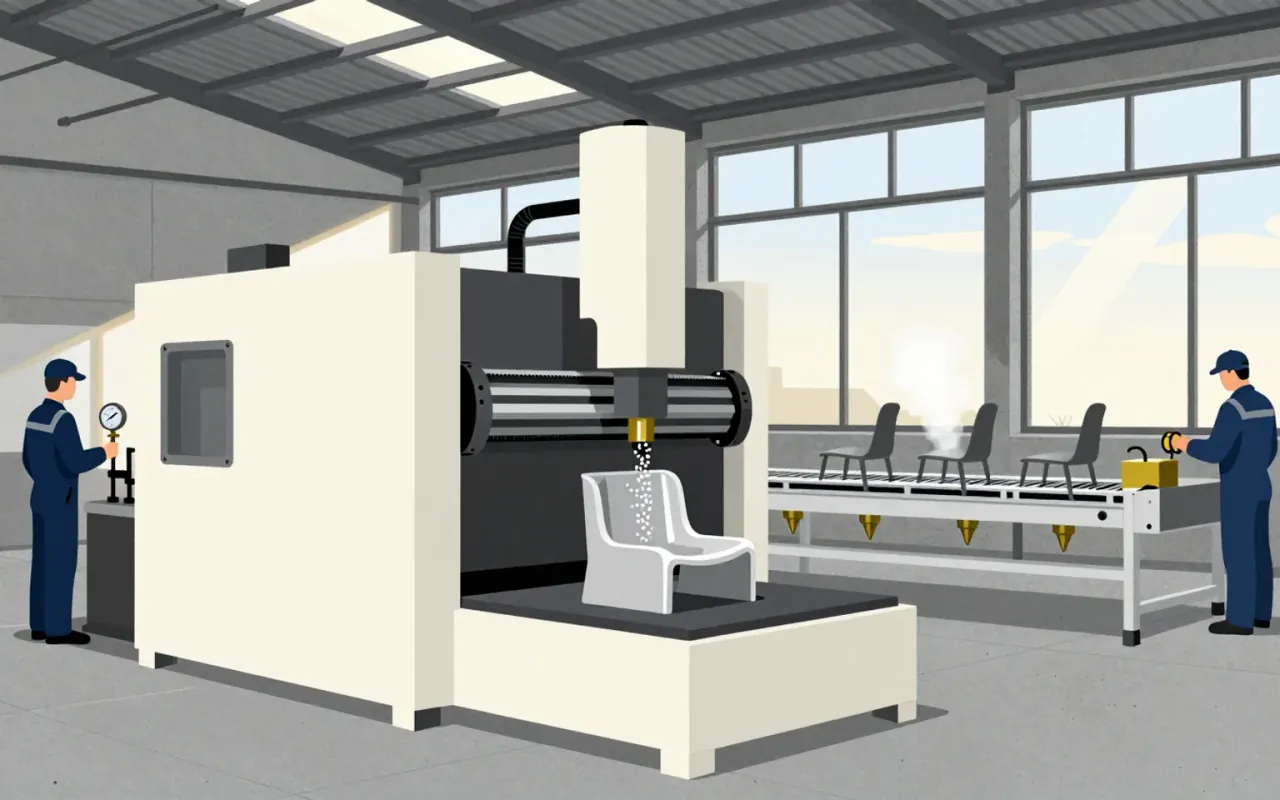
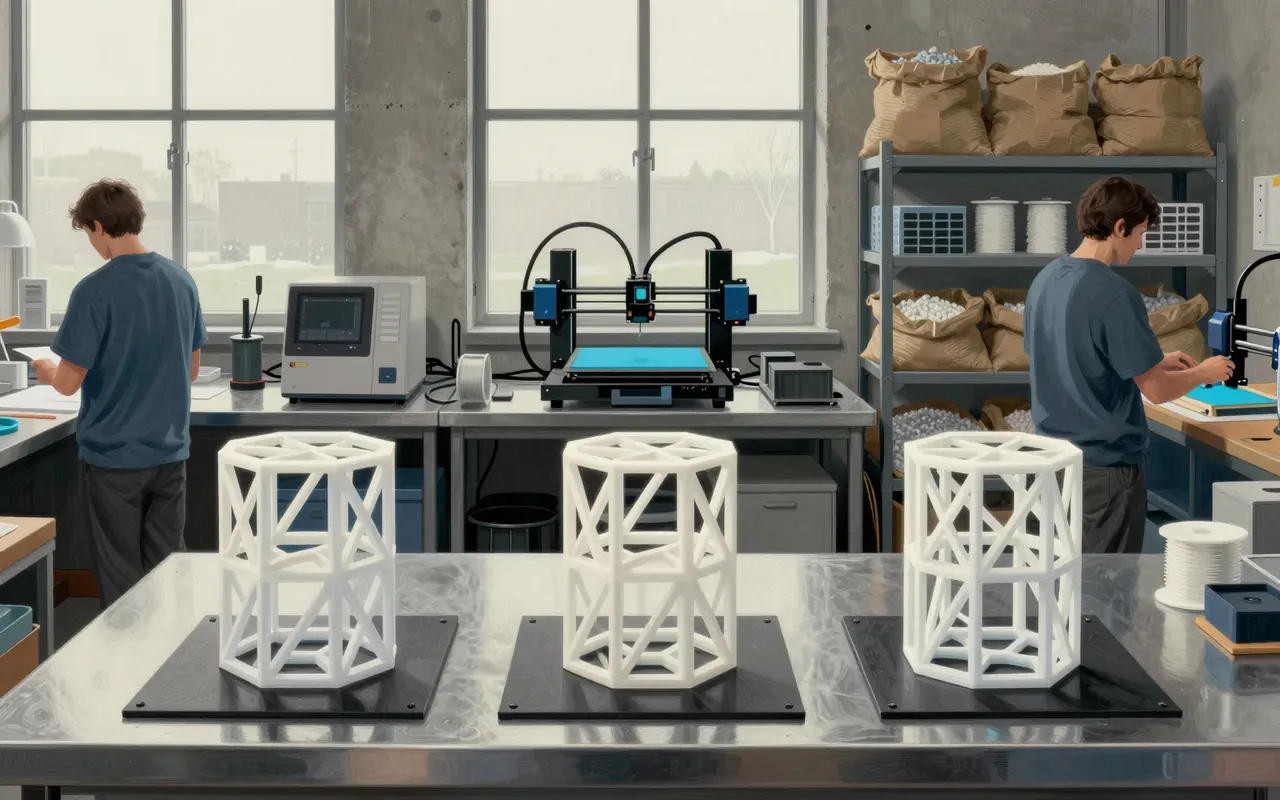
3D printing is a layer-by-layer fabrication method rooted in Chuck Hull’s 1984 stereolithography patent. It evolved from rapid prototyping in the 1980s into an industrial production option by 2019. Its real advantage is enabling previously impossible geometries—like hollow or truss-structured parts—that cut weight and waste. Fused deposition modeling (FDM) was the most common process as of 2020. It does not replace conventional manufacturing at scale. It does not solve material consistency, certification, or throughput problems. Its impact is precise, not pervasive.
9:39

Thomas Edison

Edison didn’t invent the light bulb—he invented the process that made it matter.
13:00

Atomic force microscopy

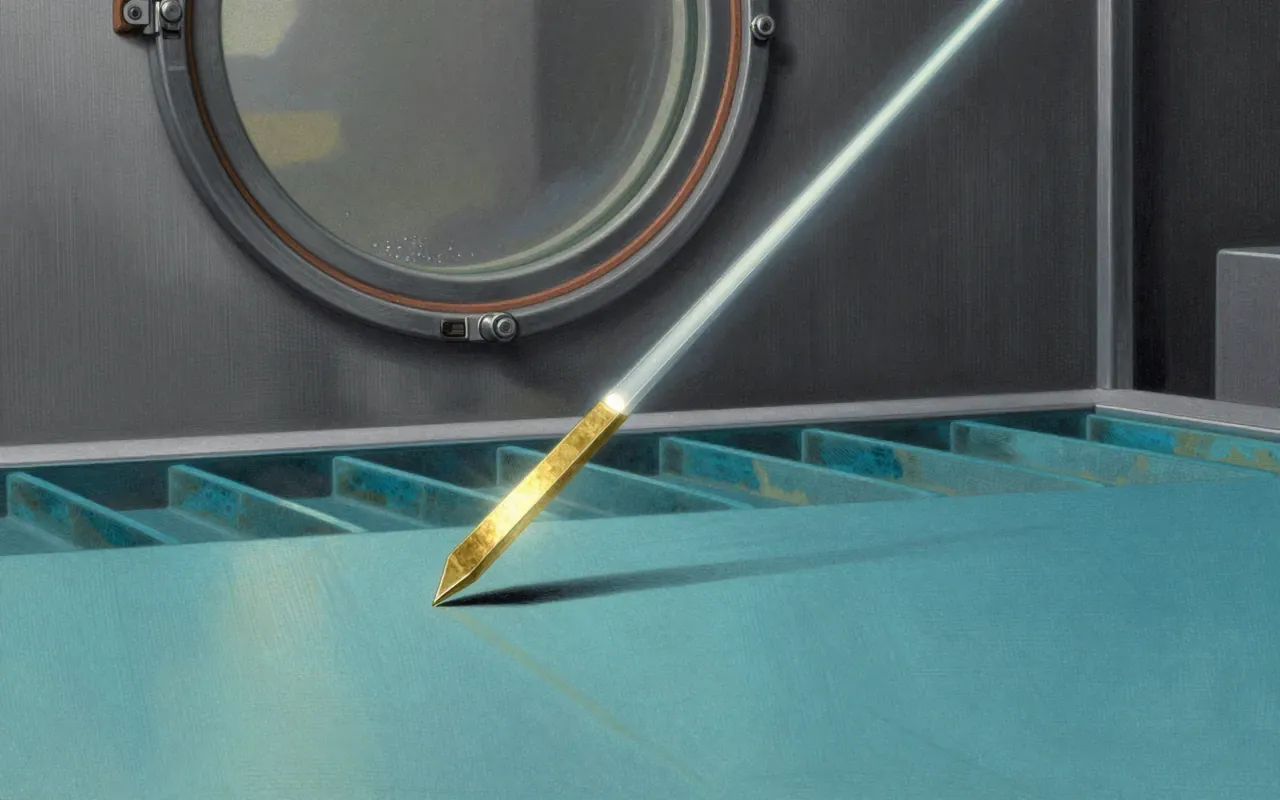
A sharp tip on a bending cantilever, tracked by a laser, let researchers feel the shape of a surface at nanometre scale, including surfaces that do not conduct electricity at all.
13:00

Carbon nanotube

Sumio Iijima's 1991 paper on tubes of carbon rolled from arc-burned graphite launched a research boom, even though Soviet scientists had photographed similar structures nearly forty years earlier without anyone noticing.
13:00

Ferromagnetism

Pierre-Ernest Weiss proposed in 1906 that magnets divide into microscopic regions pointing different ways to save energy, an idea confirmed decades later when Francis Bitter found a way to actually see the boundaries between them.
13:00

Lithium cobalt oxide

In 1980 John Goodenough found a layered cobalt compound that could double a battery's capacity, Oxford chose not to patent it, and nearly forty years later he collected the Nobel Prize for it at ninety-seven, the oldest laureate in the prize's history.
13:00

Graphene

Theory said a sheet one atom thick should tear itself apart. Geim and Novoselov peeled it off graphite with sticky tape in 2004, and it just sat there, strong enough that a square metre could hold up a cat while weighing about as much as one of its whiskers.
13:00

Metamaterial

A material Victor Veselago predicted mathematically in 1967 and nobody believed worth building sat ignored for three decades until copper rings on circuit board made light bend the wrong way in 2000.

design.briefs Design

All 28 in design →
13:32

Afra and Tobia Scarpa

Material obsession over style: their work answers 'what can this do?' before 'what should it look like?'
11:22

Charles and Ray Eames

Charles and Ray Eames were not stylists — they were problem-solvers who turned plywood, pressure, and wartime urgency into a new grammar of making.
4:32

Maglite

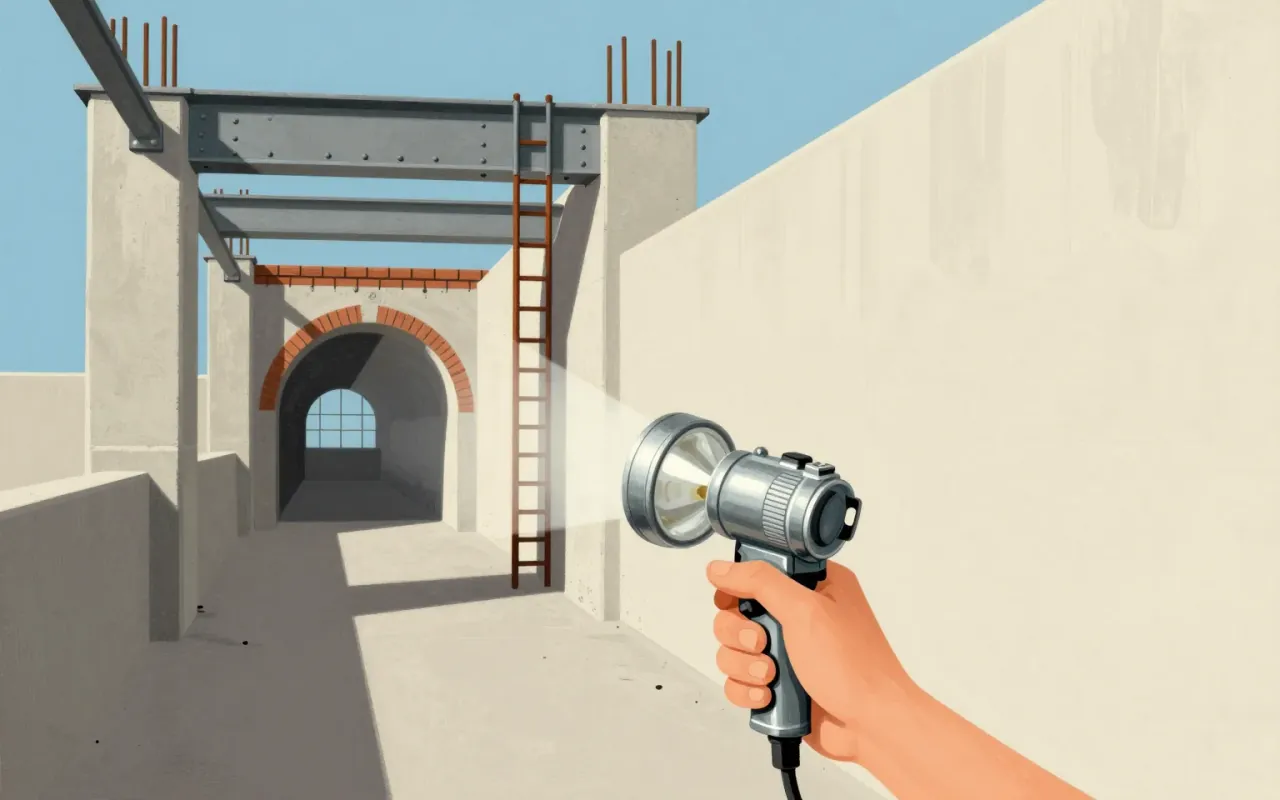
A flashlight that became a weapon because its materials refused to compromise.
11:54

Moka pot

Alfonso Bialetti · 1933

The Moka Express is a functional industrial object defined by constraint: it delivers espresso-style coffee without electricity, pumps, or bar pressure. Its success lies in aluminium’s lightness and manufacturability, its vertical stack’s thermodynamic inevitability, and its tolerance for user inconsistency. Its flaw — the strombolian phase — is inseparable from its mechanism. It is influential not because it is perfect, but because it is sufficient.

8:57

7132 Thermal Baths

A quarry made habitable — where every gap is deliberate, every weight accounted for, and every visitor is made aware of gravity.
9:39

Wang Shu

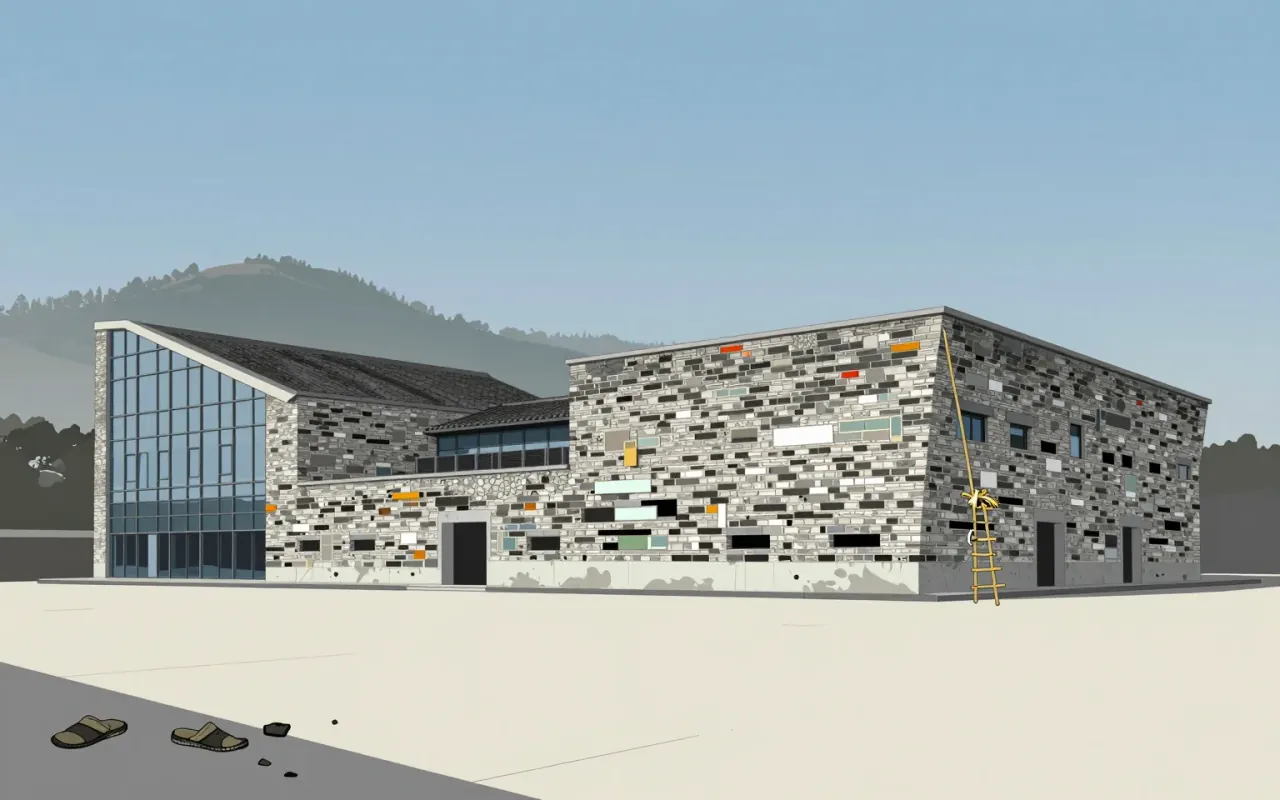
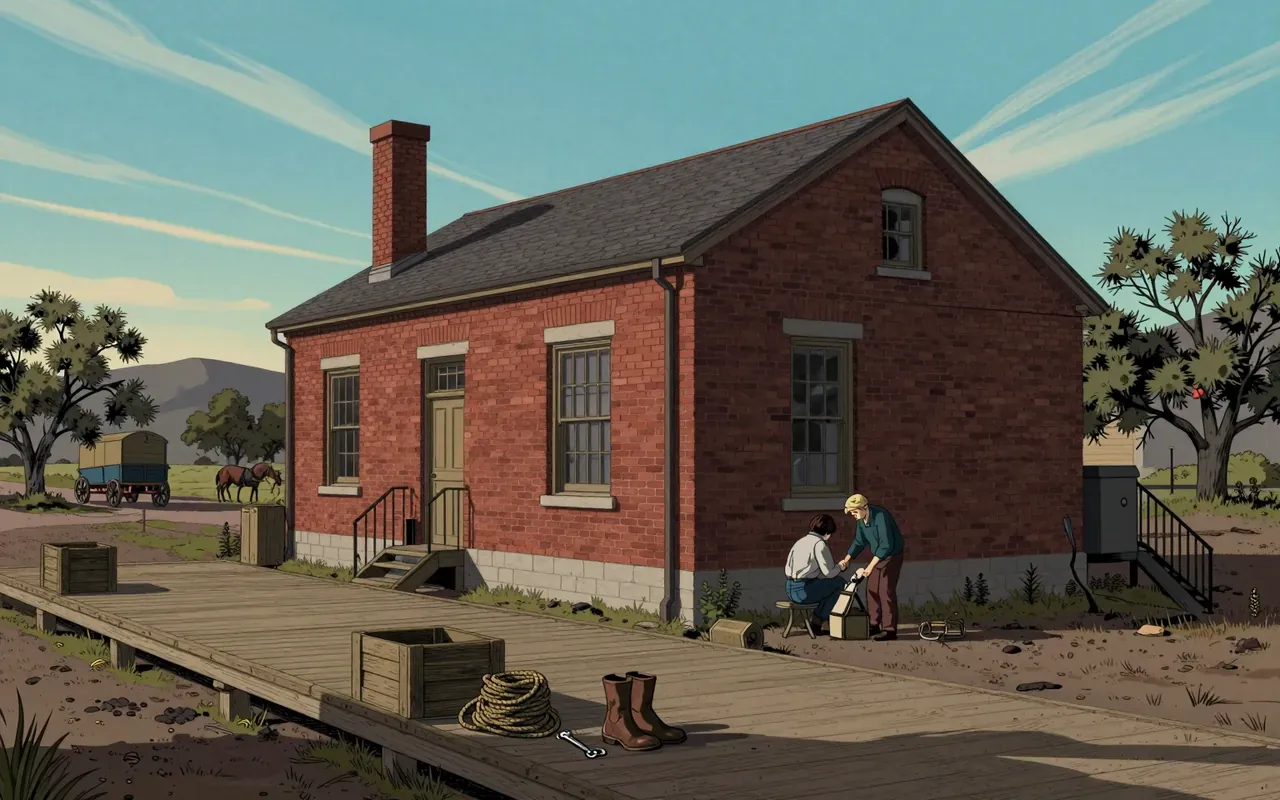
Material literacy is not a metaphor — it is brick, hand, and demolition site.

games.briefs Games

All 1 in games →
11:13

Crysis (video game)

Crytek · 2007

Crysis is a first-person shooter developed by Crytek and published by Electronic Arts. It was released on PC in November 2007. It casts the player as Delta Force soldier Nomad on a hostile tropical island. Its core design premise is 'adaptive tactics'—requiring players to shift between stealth, aggression, lethality and mobility based on terrain, enemy placement and Nanosuit energy state.

business.briefs Business

All 4 in business →
8:50

Hindalco Industries

Hindalco didn’t build global scale — it bought it, for $6 billion, and renamed itself the world’s largest rolled-aluminium producer.
10:03

Adolf Dassler

Adolf Dassler built Adidas not with slogans or stories — but with spikes, shark skin, and athletes’ feet.
9:06

Kobe Steel

Ichiro Uemura · 1905

Kobe Steel is a Japanese industrial conglomerate whose name misleads: steel accounts for the smallest share of its business among major Japanese steelmakers. It grew not through market innovation but via naval technical guidance and orders after the Russo-Japanese War. Its real strengths lie in wire rods, transport aluminium, screw compressors, and wholesale power supply—three distinct divisions operating semi-independently. The gap between its identity (a steel company) and its economics (a diversified industrial group) is structural, not accidental.

10:08

Saint-Gobain

A 359-year-old company that stopped making mirrors in the 17th century — and never told anyone.

technology.briefs Technology

All 15 in technology →
9:38

3D printing

Chuck Hull

Chuck Hull’s stereolithography system is the origin point of digital additive manufacturing—not because it printed everything, but because it defined how digital models become physical things: via slicing, STL, and controlled solidification. It works for prototyping. It fails for production. Its legacy is infrastructural, not material.

11:39

Solid-state battery

Solid-state batteries deliver real gains in safety and speed — but they are not shipping, not scaling, and not replacing anything yet.
10:54

Gorilla Glass

It doesn’t make glass unbreakable—it makes breakage predictable, controllable, and commercially viable.
10:01

Iridium

Iridium isn’t rare because it’s special — it’s special because it’s rare, and that rarity locks its utility into three narrow, high-stakes industrial niches.
10:16

Applied Materials

Applied Materials doesn’t make chips—it makes the machines that force atoms into place, one layer at a time.
11:20

ISO metric screw thread

International Organization for Standardization

The ISO metric screw thread is a foundational hardware standard that enforces dimensional predictability across global manufacturing. Its value lies not in novelty but in binding force: once adopted, divergence carries real cost. It works where geometry matters more than brand—and fails where tolerance, material, or practice undermines its assumptions.

9:21

Polyvinyl chloride

Waldo Semon

Waldo Semon did not invent PVC. He invented how to make it behave. His 1926 method — blending it with additives like dibutyl phthalate — converted a brittle, unprocessable polymer into something elastic and non-adhesive. That enabled Koroseal: a salt-coke-limestone-derived polymer whose consistency could be set deliberately. It did not fix PVC’s thermal instability or environmental persistence. Its real innovation was tunability — proving synthetic polymers could be governed, not just discovered.

10:00

Prestressed concrete

Eugène Freyssinet

Prestressed concrete redefines concrete’s role in tension-critical structures—not by making it stronger, but by ensuring it never has to carry tension alone.

culture.briefs Culture

All 5 in culture →
9:30

Papier-mâché

A material built from waste paper that fooled snipers, bound Persian books, and lined English ceilings—yet vanished not because it failed, but because plastic arrived with better PR.
10:25

Glassblowing

Glassblowing didn’t just make glass cheaper—it rewrote what glass could be, and who could hold it.
10:37

Maki-e

Maki-e is not decoration—it is metallurgy applied to lacquer.
8:10

Arte Povera

Arte Povera didn’t reject industry—it weaponised entropy against it.
8:22

Bisque doll

Bisque dolls aren’t delicate—they’re compromised: realistic heads bolted onto pragmatic bodies.

automotive.briefs Automotive

All 18 in automotive →
8:12

Alpine A110 (2017)

Antony Villain · 2017

The Alpine A110 (2017) is a rear mid-engine, rear-wheel-drive sports car built on an all-aluminium chassis and powered by a Nissan-derived 1.8-litre turbocharged inline-four engine. It debuted at the 2017 Geneva Motor Show. Production ended in June 2026.

9:25

Audi A2

Luc Donckerwolke · 1999

The Audi A2 is a compact MPV-styled supermini produced by Audi from November 1999 to August 2005. Luc Donckerwolke designed both its 1997 Al2 concept and production form. It uses aluminium spaceframe construction, resulting in an average weight of 830 kg and class-leading efficiency — including the 3L diesel variant, Europe’s first five-door under-3 L/100 km. Built on a dedicated aluminium line in Neckarsulm, it featured advanced aerodynamics (Cd 0.25–0.29), a service hatch, and start-stop. Despite innovation and praise for design, it incurred €7,530 loss per unit and sold only 176,377 examples before discontinuation.

10:20

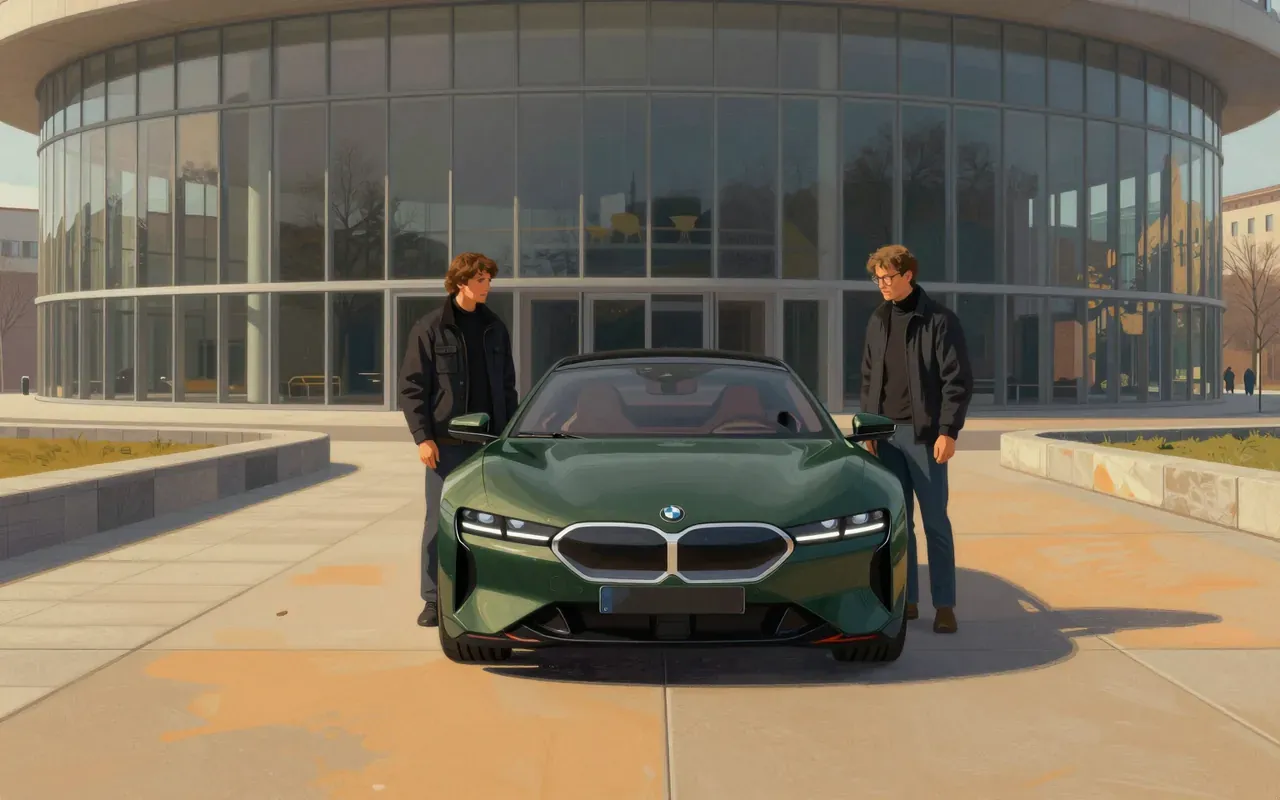
BMW i3 (hatchback)

Richard Kim · 2013

The BMW i3 (hatchback) is BMW’s first mass-produced zero-emissions vehicle. Styled by Richard Kim, it uses a carbon-fibre reinforced polymer passenger module on an aluminium chassis. It is rear-wheel drive. It has four doors, including rear clamshell doors. It debuted as a concept in 2011 and entered production in 2013. It was the first mass production car with most of its internal structure and body made of carbon-fibre reinforced plastic. It won the 2014 World Green Car and World Car Design of the Year awards.

9:46

BMW Vision Neue Klasse

Domagoj Dukec · 2023

The BMW Vision Neue Klasse is an electric concept car unveiled at IAA Mobility 2023. It previews next-generation BMW design. Its linear body features a tilted-forward 'shark nose', 21-inch aerodynamic wheels, and sensor-activated doors. Headlights integrate into the kidney grille. Taillights use 3D-printed light elements. The interior omits chrome and leather, includes BMW Panoramic Vision on the windshield, a square center display, and operable steering wheel controls. It uses the sixth-generation eDrive system and a newly developed cylindrical-cell battery — improving charging efficiency and driving range by up to 30% each.
8:21

Citroën Méhari

Jean-Louis Barrault · 1968

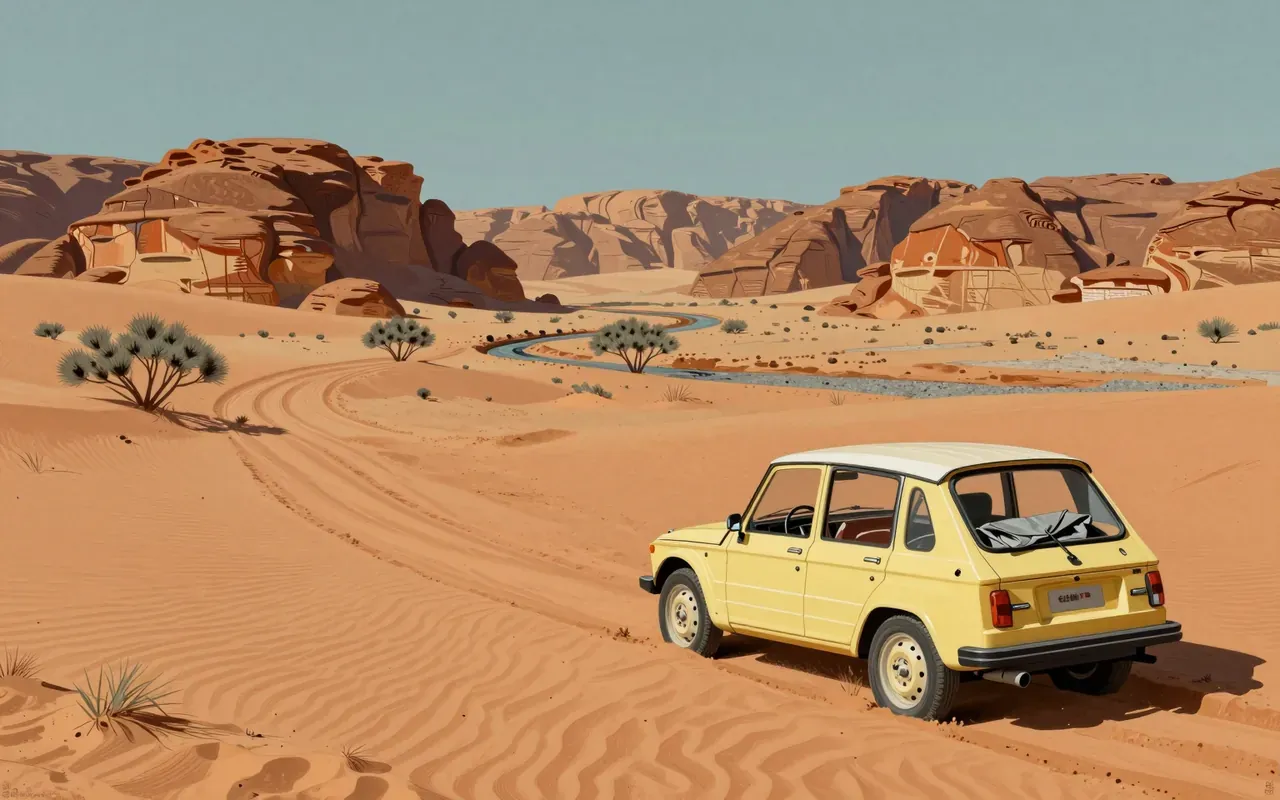
The Citroën Méhari is a lightweight recreational and utility vehicle made by Citroën from 1968 to 1988. It was designed by Roland de la Poype. It used the Dyane 6 chassis and a 602 cc flat twin engine. It was named after a fast-running dromedary camel.

8:32

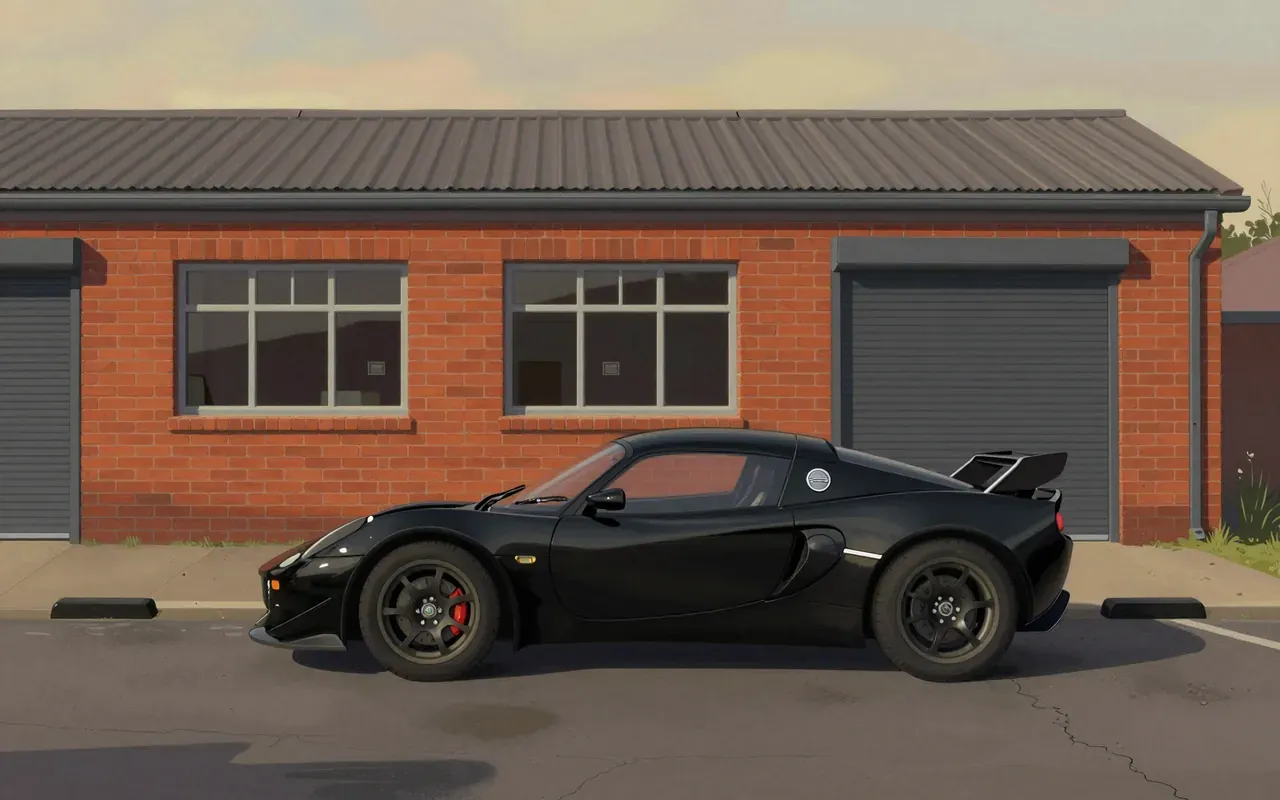
Lotus Exige

Russell Carr · 2000

The Lotus Exige is a British sports car produced from 2000 to 2021. It began as a hardtop coupé derivative of the Elise roadster. Its name means 'demand' or 'require' in French. The original 2000 model used a naturally aspirated 1.8 L Rover K-Series inline-four. Series 2 (2004) switched to a naturally aspirated 1.8 L Toyota/Yamaha 2ZZ-GE. Series 3 (2012) adopted a supercharged 3.5 L V6 from the Evora S. All generations featured mid-engine, rear-wheel-drive layout, non-removable hardtop, kamm-tail rear bodywork, and a pylon-mounted rear wing.

9:08

TVR Griffith

Peter Wheeler · 1991

The TVR Griffith (1990–2002) is a lightweight, fiberglass-bodied, 2-door, 2-seat sports car with a V8 engine, designed and built by TVR. It used a 4.0 L Rover V8 engine, optionally upgraded to 4.3 L. A new generation presented in 2017 never entered production.

10:16

Volkswagen XL1

Volkswagen Design · 2013

The Volkswagen XL1 is a two-seat, diesel-electric plug-in hybrid built to prove that extreme efficiency belongs on the road—not just in labs. It uses lightweight materials, a streamlined body, and an economy-optimised powertrain to achieve 0.9 L/100 km under NEDC when charged. Only 250 were made. It sells only in Europe. It starts at €111,000. Retail deliveries began in Germany in June 2014.

audio.briefs Audio

All 3 in audio →
8:54

Steinberger L2

Steinberger

The L-series was the best-known Steinberger design, first made as a bass; the first Steinberger basses were built in Brooklyn in 1979. It dropped the headstock, moved the tuners to a tailpiece and made the whole instrument from a graphite and carbon-fibre blend in two pieces. The L2 is the version with two EMG pickups. Listeners were split on a sound that some called clean and others called synthetic.

9:32

Gibson Flying V

Gibson · 1958

The Gibson Flying V is an electric guitar introduced in 1958 with a radical futuristic body design, initially made from korina (limba) wood, with only 98 units produced in its first run due to poor sales. It was reissued in 1967 using mahogany and design updates including a new bridge and larger pickguard. Its physical design — including 17-degree headstock angle and central pickup placement — was intended to enhance sustain.

10:27

Parker Fly

Parker

The Parker Fly rethinks the electric guitar as a lightweight, resonant, hybrid-voice platform — built around a carbon-fibre exoskeleton and dual-pickup architecture. It succeeds where mass and material convention fail. It falters where tradition, repairability, and passive tone control matter.

fashion.briefs Fashion

All 42 in fashion →
8:00

Nylon

Wallace Carothers · 1935

Nylon is a family of synthetic thermoplastics characterised by amide linkages, melt-processed into fibres, films and moulded shapes. Wallace Carothers made the first one at DuPont in 1935, and women's stockings made it famous. Pure nylon's weaknesses in clothing led to blends with cotton, polyester and spandex, and pure nylon is now rarely used.

9:53

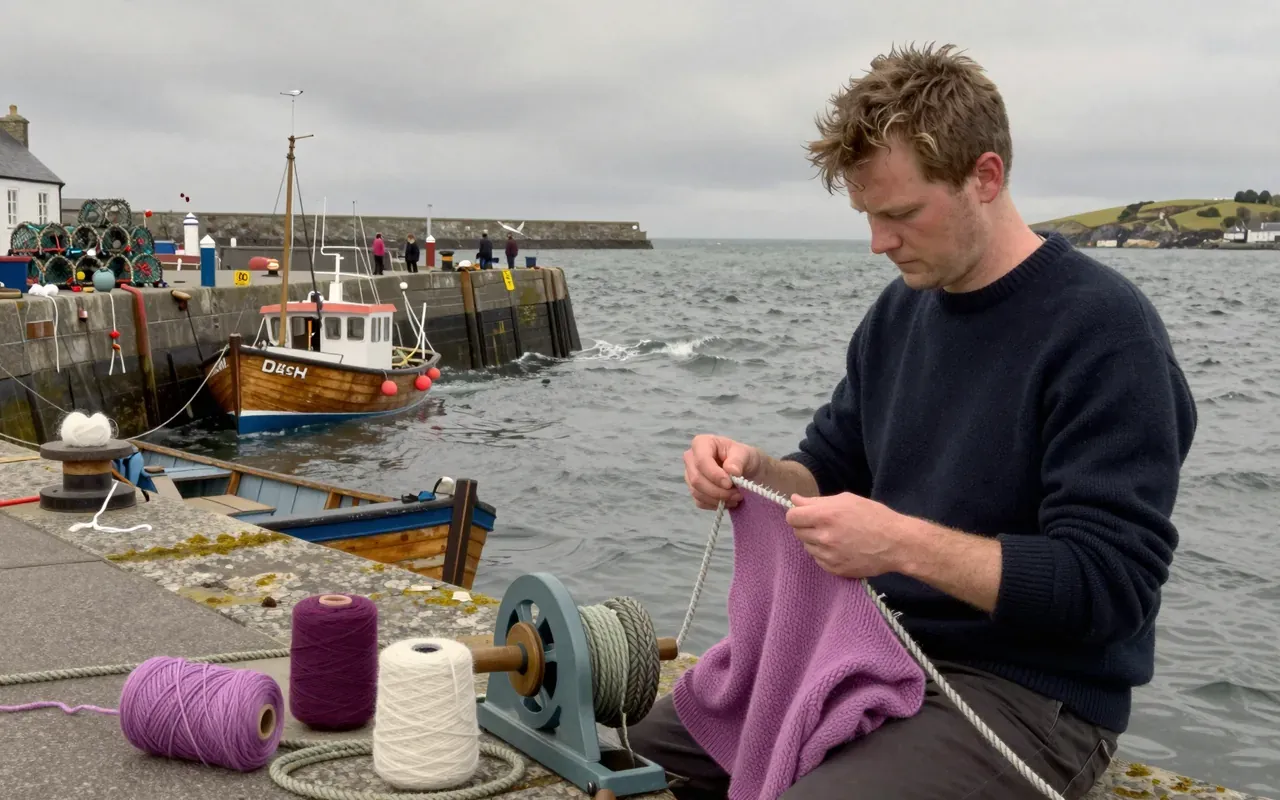
Jersey

Jersey is a knit fabric, first made of wool and now also of cotton and synthetic fibres, used for T-shirts, underwear, dresses and sportswear.
9:24

Asics

A Latin motto made literal—not through slogans, but through gel, geometry, and Kobe-based biomechanics.
14:14

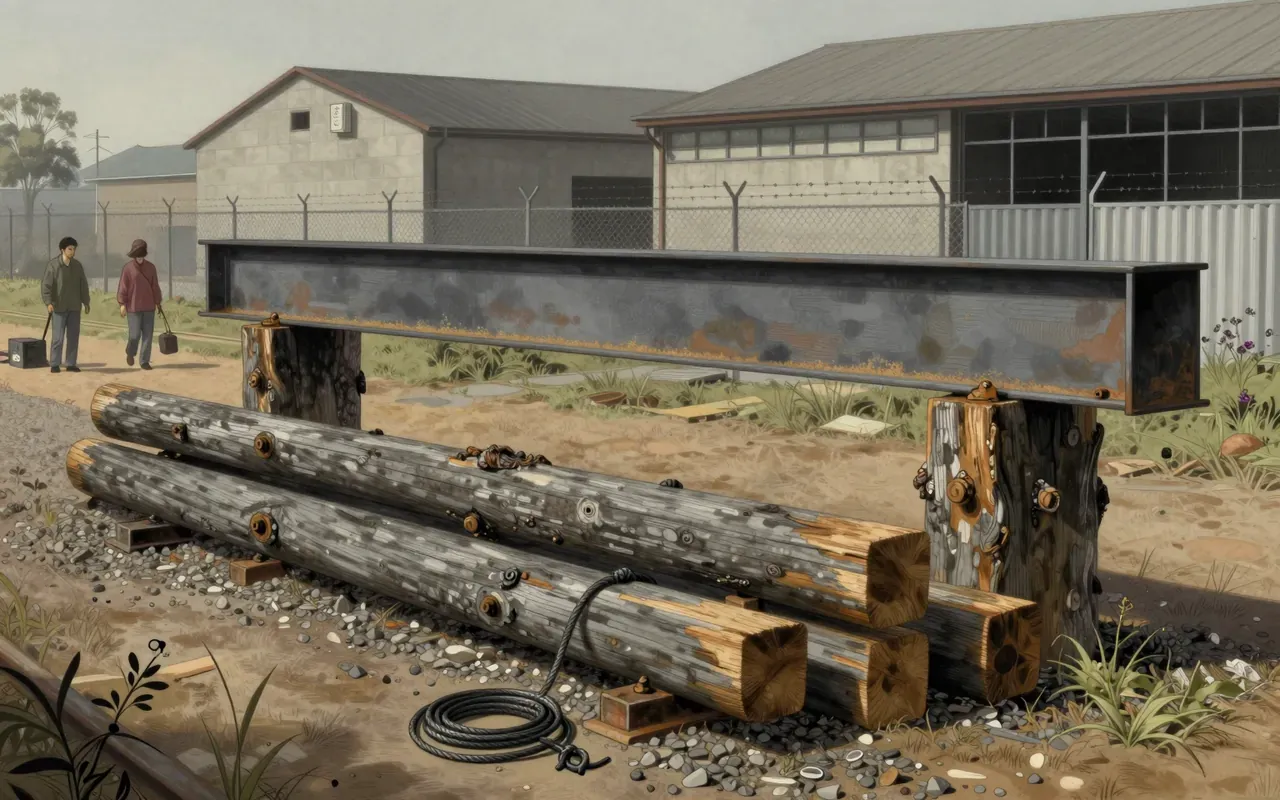
I-beam

An I-beam is not fashion—it is physics made visible, and wearing one would be structural suicide.
9:56

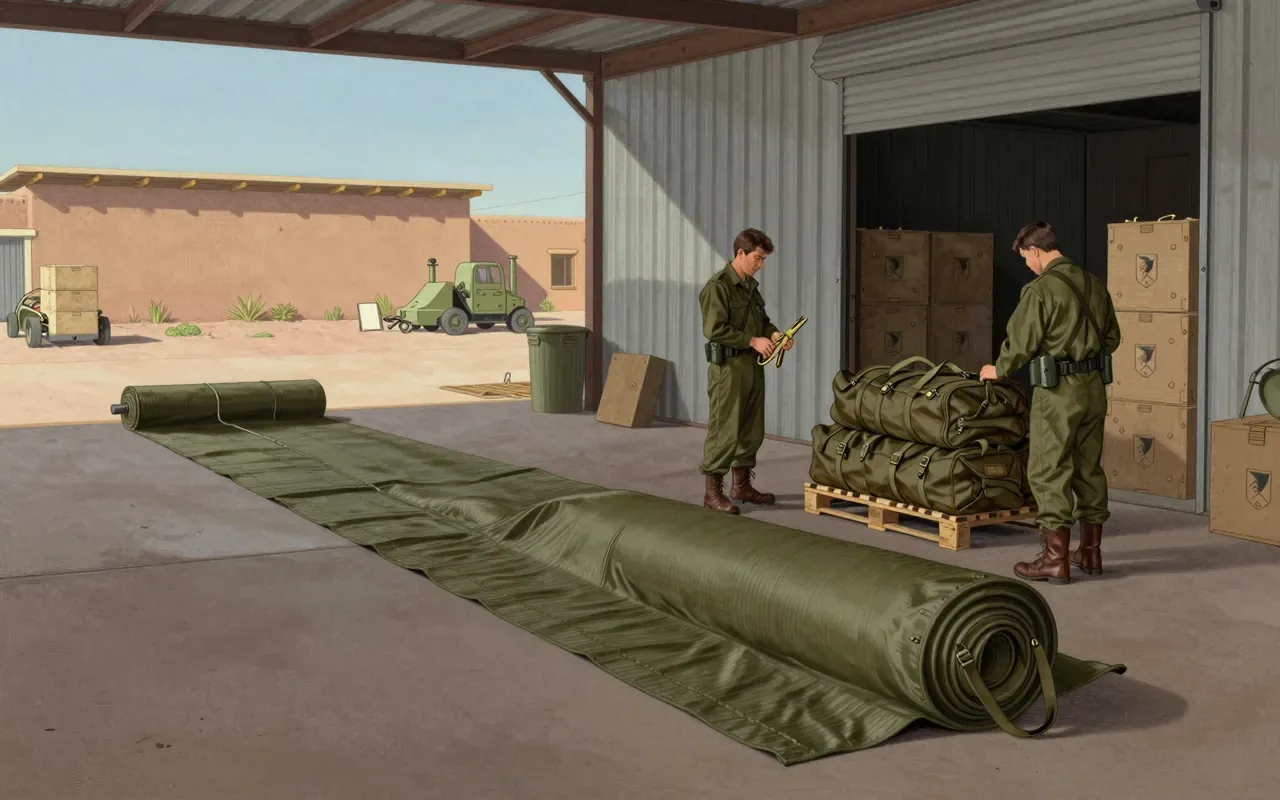
Cordura

DuPont's 1929 tyre-cord rayon, turned into the tough fabric of motorcycle trousers and military packs.
9:48

Corneliani

Corneliani is not Italian elegance—it is Italian engineering applied to the suit.
9:24

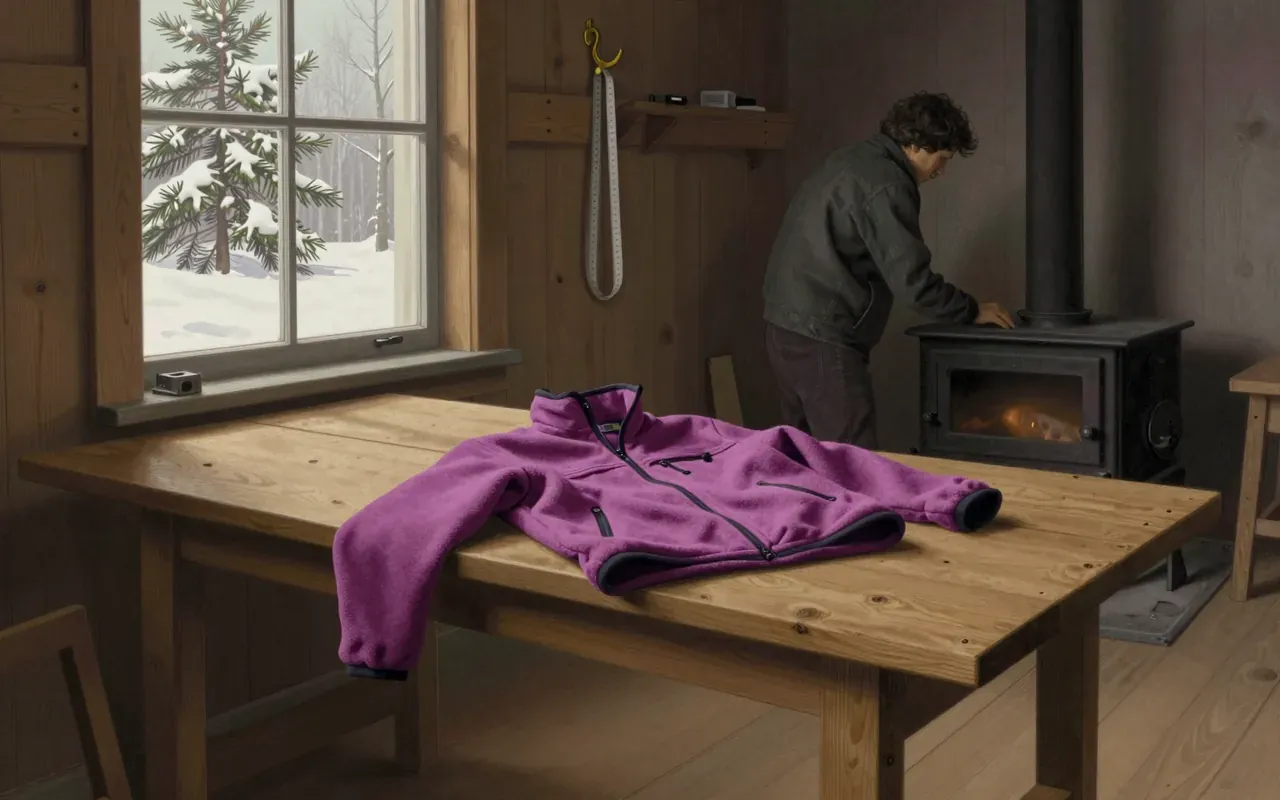
Polar fleece

Fleece liberated warmth from wool—and trapped us in static, shedding, and wet-weather failure.

nature.briefs Nature

All 1 in nature →
8:50

Mycelium

Mycelium isn’t a thing—it’s digestion made visible, everywhere at once.