briefs
Topic · across the network

Radio

The first broadcast intimacy, still not superseded.

30
briefs
5
subjects
9:38
average
289 min
in total
Abstraction 407Absurdism 137Acoustics 220Acting 65Adaptation 372Addiction 95Adolescence 202Advertising 77Age of exploration 14Ageing 113Agriculture 100Algorithms 114Ambition 46Anarchism 38Ancient Egypt 17Ancient Greece 38Ancient Rome 30Animals 172Anthropology 23Apartheid 12Architecture 165Archives 32Argentina 10Art Deco 26Artificial intelligence 78Astronomy 81Attention 42Australia 32Automation 73Avant-garde 164Aviation 79Banking 72Banned works 40Bauhaus 12Beer 5Behavioural economics 22Berlin 16Big tech 6Biodiversity 136Biography 86Birds 41Black holes 20Blockchain 12Boxing 14Branding 77Brazil 43Bread 29Britain 131Brutalism 4Bubbles 3Buddhism 28Byzantium 10California 17Canada 18Capitalism 94Cars 468Celebrity 59Censorship 110Cheese 24Chefs 9Chemistry 104Chess 2Childhood 87China 109Chocolate 8Christianity 49Cinematography 343Cities 90Class 485Climate change 107Club culture 100Cocktails 2Coffee 11Cognitive bias 14Collecting 16Colonialism 284Colour 42Comedy 89Community 52Complexity 21Computing 309Consciousness 16Conservatism 14Conspiracy theories 8Cooking 178Corruption 38Cosmology 31Cover versions 64Craft 116Crate digging 42Creativity 8Crime 234Cryptocurrency 8Cryptography 24Cuba 10Cybersecurity 30Dada 12Debt 38Decision-making 28Decolonisation 46Deep time 80Democracy 45Denim 16Deserts 45Detroit 17Dinosaurs 12Directing 168Disasters 59Disease 109DJ culture 89Dreams 32Drones 5Drum machines 96Dystopia 69East Africa 28Ecology 337Economics 36Editing 72Education 92Egypt 12Electric vehicles 59Emotion 22Empire 92Endurance 49Energy 120Engineering 541Entropy 8Epidemics 13Equality 9Espionage 31Ethics 44Evolution 174Existentialism 106Expertise 2Exploration 49Extinction 23Failure 37Family 240Fandom 22Fascism 45Fashion 215Fast fashion 12Fear 34Feminism 122Fermentation 126Film music 81Fishing 12Folklore 71Food history 588Football 16Forests 31Forgery 7France 163Fraud 15Free will 13Freedom 16French literature 15Friendship 24Furniture 36Gambling 14Gender 63Generations 28Genetics 87Geology 96Germany 66Globalisation 74Gothic 32Greece 5Grief 126Habits 6Happiness 2Hardware 709Haute couture 22Headphones 8Hi-fi 12Hinduism 12Hoaxes 1Human history 23Human nature 41Identity 138Illustration 8Impressionism 6Improvisation 249India 89Indonesia 15Industrial design 342Inequality 13Inflation 4Information 34Infrastructure 280Insects 29Intelligence 8Interiors 31Internet culture 88Invention 329Iran 41Islam 40Islands 17Israel 9Italy 52Jamaica 10Japan 114Jewellery 5Journalism 34Judaism 13Justice 42Korea 41Language 70Law 90Leadership 20Learning 6Liberalism 1Libraries 6Literary criticism 26London 12Loneliness 61Los Angeles 62Lost works 9Love 67Luxury 55Machine learning 15Management 10Maps 5Marketing 21Markets 51Mars 6Marxism 26Masculinity 46Materials 138Mathematics 79Meaning 6Medicine 124Memory 82Mental health 70Mesopotamia 4Mexico 38Migration 95Minimalism 68Mining 30Misinformation 9Modernism 63Money 24Monopoly 32Mortality 61Motivation 2Mountains 16Museums 27Mysticism 11Mythology 60Nationalism 40Neuroscience 23New York 36Nigeria 7Nihilism 10Noise 31Nostalgia 33Nuclear 29Nutrition 17Oceans 48Oil 42Open source 45Painting 18Palaeontology 29Parenting 14Paris 18Partition 6Patents 71Patronage 14Perception 44Personal style 27Personality 2Persuasion 8Peru 10Philosophy 77Photography 37Physics 206Plants 26Platforms 89Podcasting 1Poetry 25Poland 17Policing 34Pop Art 16Populism 2Portraiture 6Portugal 18Postmodernism 23Power 91Prehistory 24Preservation 28Printmaking 21Privacy 11Probability 6Productivity 1Programming 54Prohibition 1Propaganda 35Protest 75Pseudoscience 17Psychology 80Publishing 22Punishment 16Quantum mechanics 44Race 145Radio 30Railways 35Rave 17Realism 47Record labels 19Recording 810Relativity 23Religion 154Resilience 15Restaurants 30Restoration 2Retail 94Revolution 58Risk 18Ritual 96Robotics 26Romance 96Russia 58Salt 9Sampling 246Satire 84Scandinavia 28Scientific method 186Screenwriting 26Sculpture 7Secularism 2Self-deception 14Semiconductors 73Sexuality 102Ships 18Silence 24Silicon Valley 17Slavery 35Sleep 2Smartphones 27Sneakers 15Social media 58Socialism 9Software 68Songwriting 180Sound design 332Sound systems 20South Africa 19South East Asia 30Space exploration 84Spain 18Special effects 41Spices 62Spirits 12Sport 82Startups 21Statistics 10Status 9Stoicism 4Storytelling 68Strategy 70Street food 99Streetwear 16Studio craft 508Subcultures 59Sugar 12Supply chains 115Surrealism 53Surveillance 21Sustainability 30Synthesis 232Tailoring 37Taxation 14Tea 24Textiles 97Thailand 11The American Revolution 19The American South 88The Arab world 41The Arctic 19The Balkans 17The Belle Epoque 13The body 29The brain 26The Caribbean 28The civil rights movement 62The Cold War 160The eighties 268The Enlightenment 29The financial crisis 19The First World War 39The food industry 157The French Revolution 9The Gilded Age 9The Great Depression 18The Holocaust 20The Industrial Revolution 93The internet 61The interwar years 135The Middle Ages 35The Moon 4The music business 169The Netherlands 10The nineties 26The Olympics 10The pandemic 13The Reformation 1The Renaissance 16The Russian Revolution 19The Second World War 102The seventies 58The sixties 28The space race 5The United States 19The universe 7The Victorian era 37Therapy 20Tokyo 11Trade 48Tragedy 22Translation 5Trauma 85Travel 5True crime 2Turkey 18Typography 54Uniforms 23Unions 8Urban planning 66Utilitarianism 1Utopia 5Vaccines 10Vegetarianism 15Venture capital 6Video games 291Vietnam 12Vintage 65Vinyl 6Virtual reality 11War 169Watches 4Water 11Weather 29West Africa 29Wilderness 10Wine 3Work 22Workwear 19Worldbuilding 121

music.briefs Music

All 6 in music →
9:05

Gold: Greatest Hits

ABBA · 1992

ABBA Gold: Greatest Hits is a 1992 compilation album compiled by Chris Griffin, Jackie Stansfield, George McManus, Ingemar Bergman, and John Tobler, with sequencing designed as a radio show—opening with 'Dancing Queen' and closing with 'Waterloo'—and featuring representative tracks from nearly all ABBA studio albums up to that point. It draws on performances by Agnetha Fältskog, Anni-Frid Lyngstad, Björn Ulvaeus, and Benny Andersson, and was produced by Andersson and Ulvaeus, with engineering and remastering by Michael B. Tretow (1992), Jon Astley (1999–2004), and Henrik Jonsson (2008).
8:26

Movies

Holger Czukay · 1979

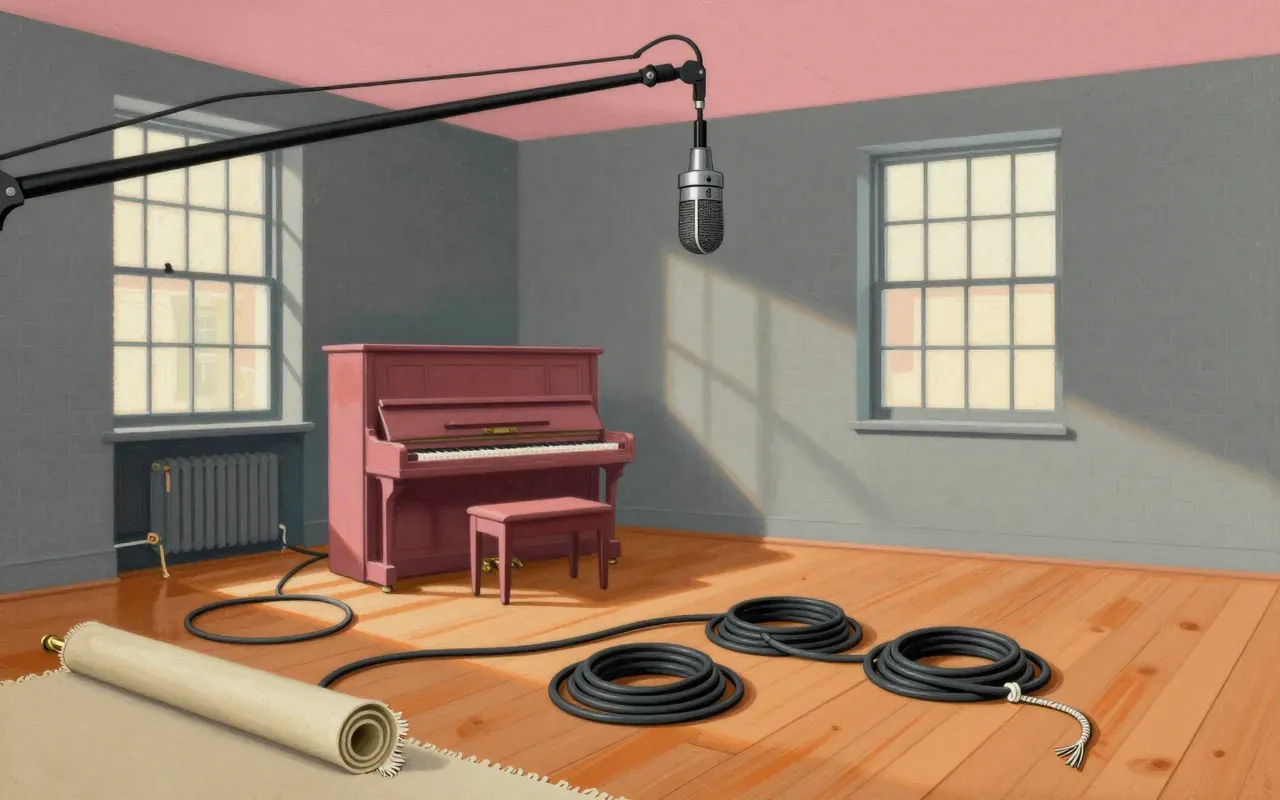
The record 'Movies' is verifiably a 1979 solo album by Holger Czukay, released after his departure from Can, and remastered in 2007. Its production method is inferable only as likely involving shortwave radio and tape splicing—because the source states those were Czukay’s trademarks across his solo work, though it never links them specifically to this album. Nothing else about its sound, personnel, studio, instrumentation, or intent is documented. Its title and track names evoke film, but the source material confirms no connection between the album and cinematic practice beyond that nominal link. The appearance of 'Hollywood Symphony' in later films involves entirely separate orchestral recordings—not Czukay’s version. There is no evidence of composition, performance, reception, or cultural impact beyond these bare facts.

10:56

Songs for the Deaf

Queens of the Stone Age · 2002

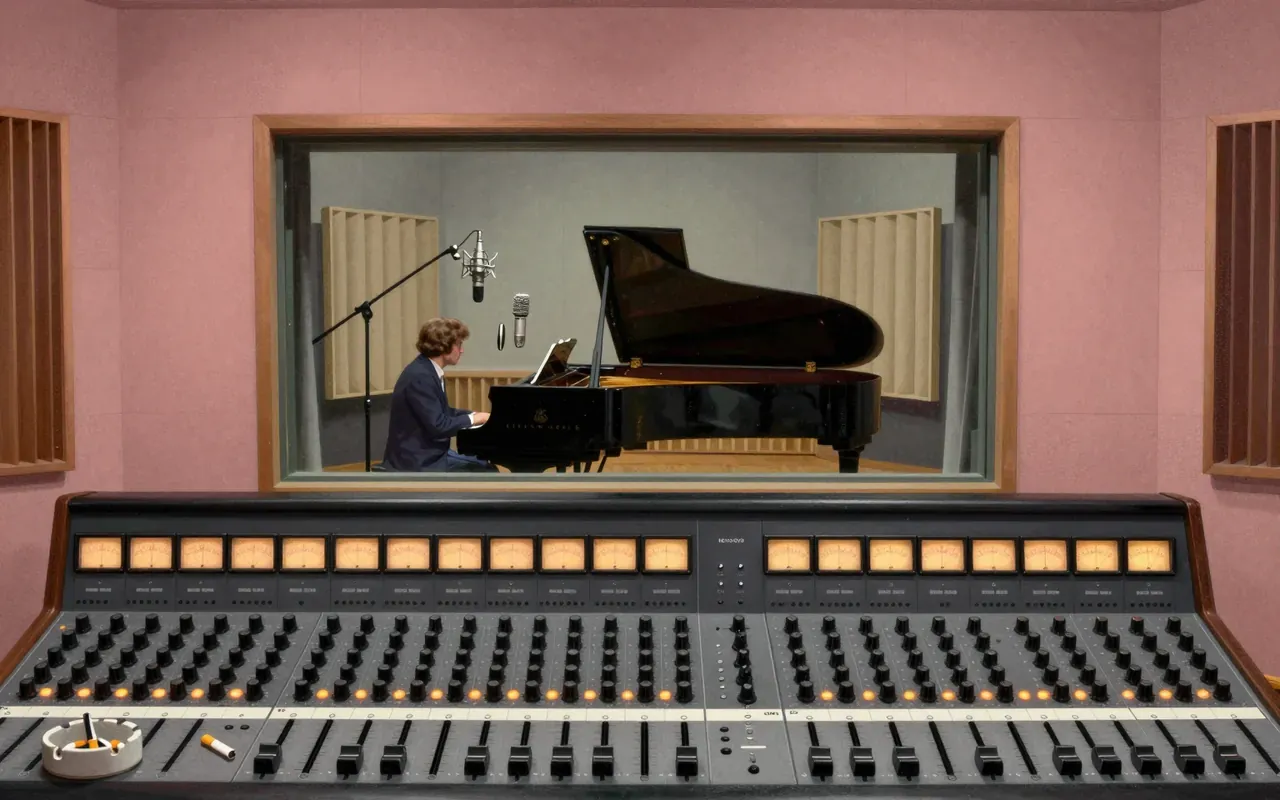
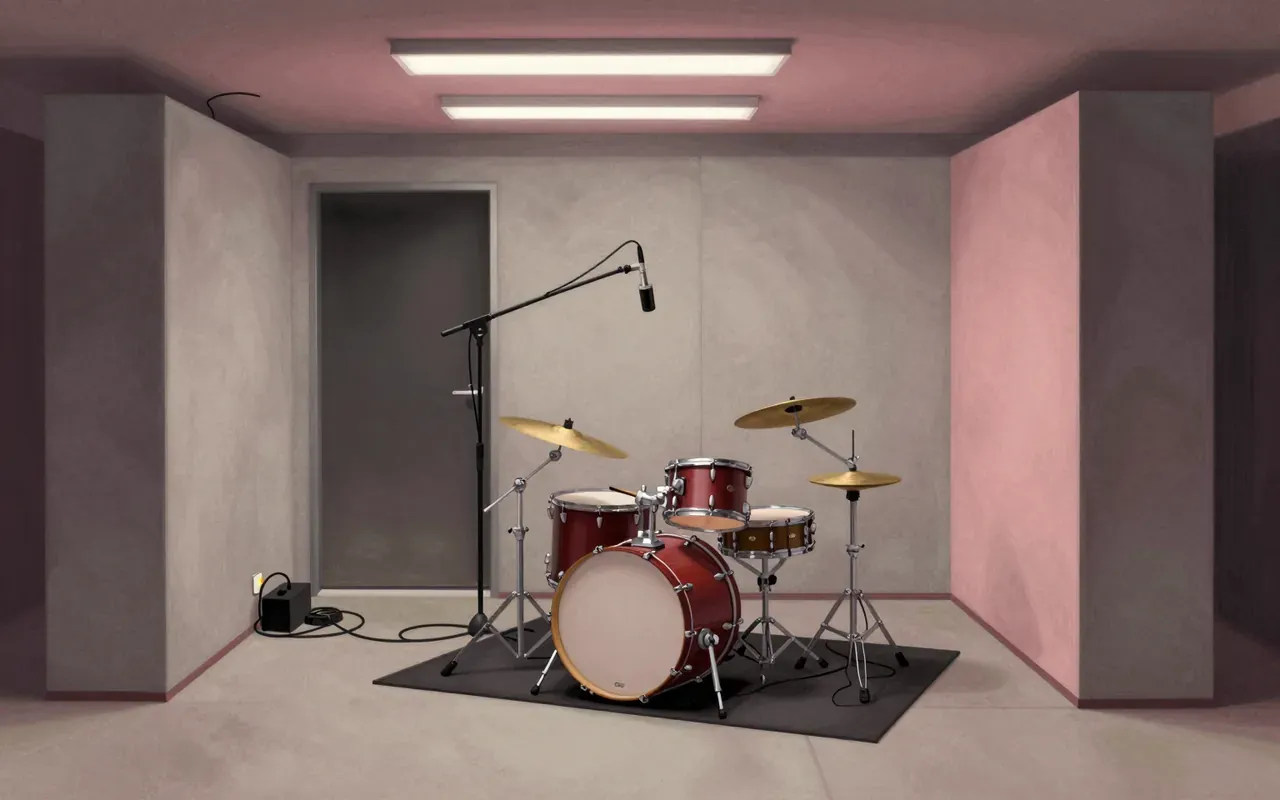
Songs for the Deaf is Queens of the Stone Age’s third studio album, released in 2002. It is structured as a loose concept record simulating a desert drive from Los Angeles to Joshua Tree, using faux-radio interludes. Dave Grohl’s drum parts were recorded twice per song — once with electronic cymbal pads and muted drums, once with live cymbals and dampened drums — then blended in a small, acoustically dead isolation booth to achieve a tight, punchy, claustrophobic sound. Several tracks are reworkings of earlier Desert Sessions recordings. The album was certified gold in 2003 with over 900,000 copies sold.

11:13

The Nightfly

Donald Fagen · 1982

The Nightfly is Donald Fagen’s 1982 debut solo album, released after Steely Dan’s 1981 breakup. It was inspired by his suburban adolescence in Kendall Park, New Jersey, and his teenage fascination with late-night radio. It was recorded in 1981–82 across studios in New York City and Los Angeles using 3M’s 32-track and four-track digital recorders—one of the earliest fully digital recordings in popular music. The core production team—Gary Katz, Roger Nichols, and Elliot Scheiner—reunited from Steely Dan’s prior sessions. Key session players such as Jeff Porcaro, Rick Derringer, and Larry Carlton were veterans of Steely Dan’s studio sessions. The album was certified platinum in the U.S., reached number 11 on the Billboard Top 200, spawned the Hot 100 top-30 single 'I.G.Y.', and earned a Grammy nomination for Album of the Year.

9:10

The Score

Fugees (Refugee Camp) · 1996

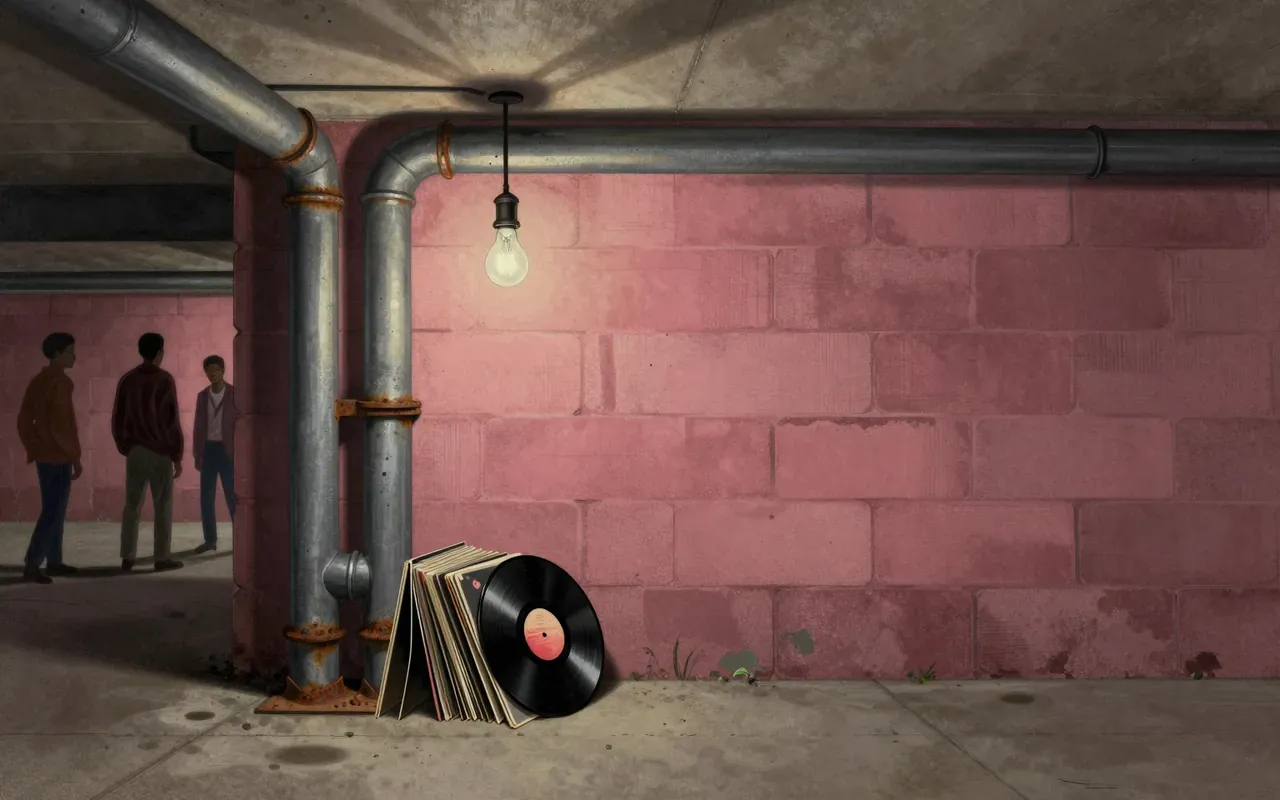
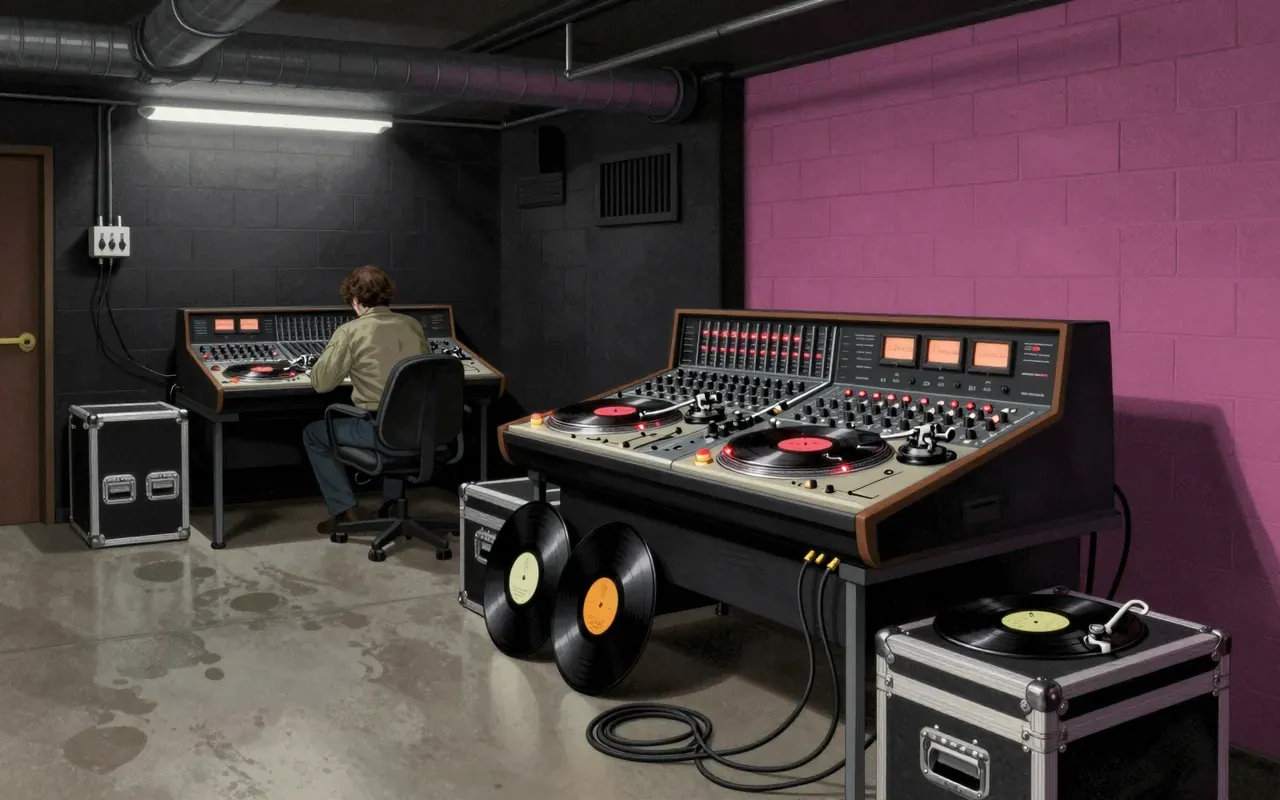
The Score is a 1996 hip-hop album recorded in a basement with live guitar, DJ scratches and heavy interpolation — structured like a radio play, not a collection of songs.

11:06

The Who Sell Out

The Who · 1967

The Who Sell Out is a 1967 concept album by The Who that parodies pirate radio, which had recently been outlawed in the UK. It features humorous jingles, mock commercials (including ads for canned milkshakes and the American Cancer Society), the mini rock opera 'Rael', and the single 'I Can See For Miles'. The band framed the project as an extension of their pop art identity, asserting that advertising was an artform and declaring, 'We don't change offstage. We live pop art.'

science.briefs Science

All 3 in science →
9:57

Guglielmo Marconi

Marconi didn’t discover radio—he engineered its first working system, one patent and one grounded wire at a time.
9:28

Very Large Array

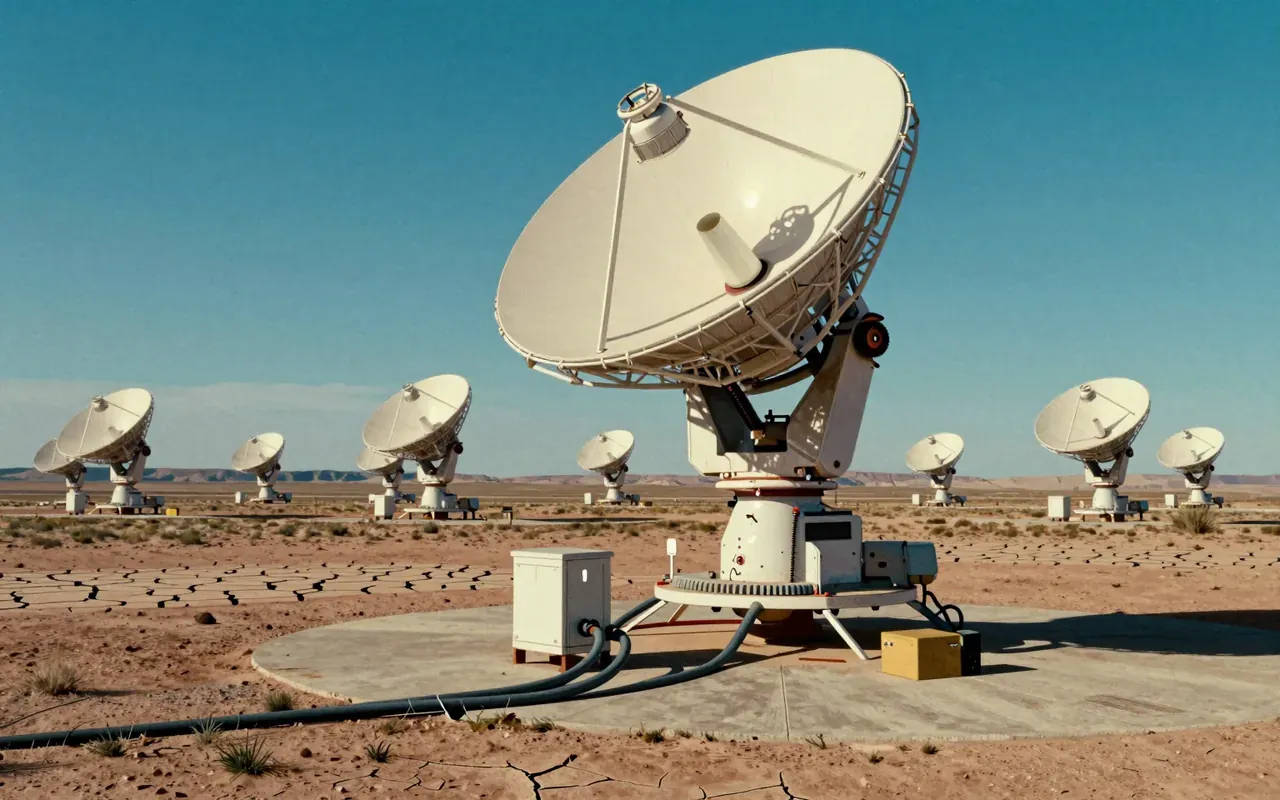
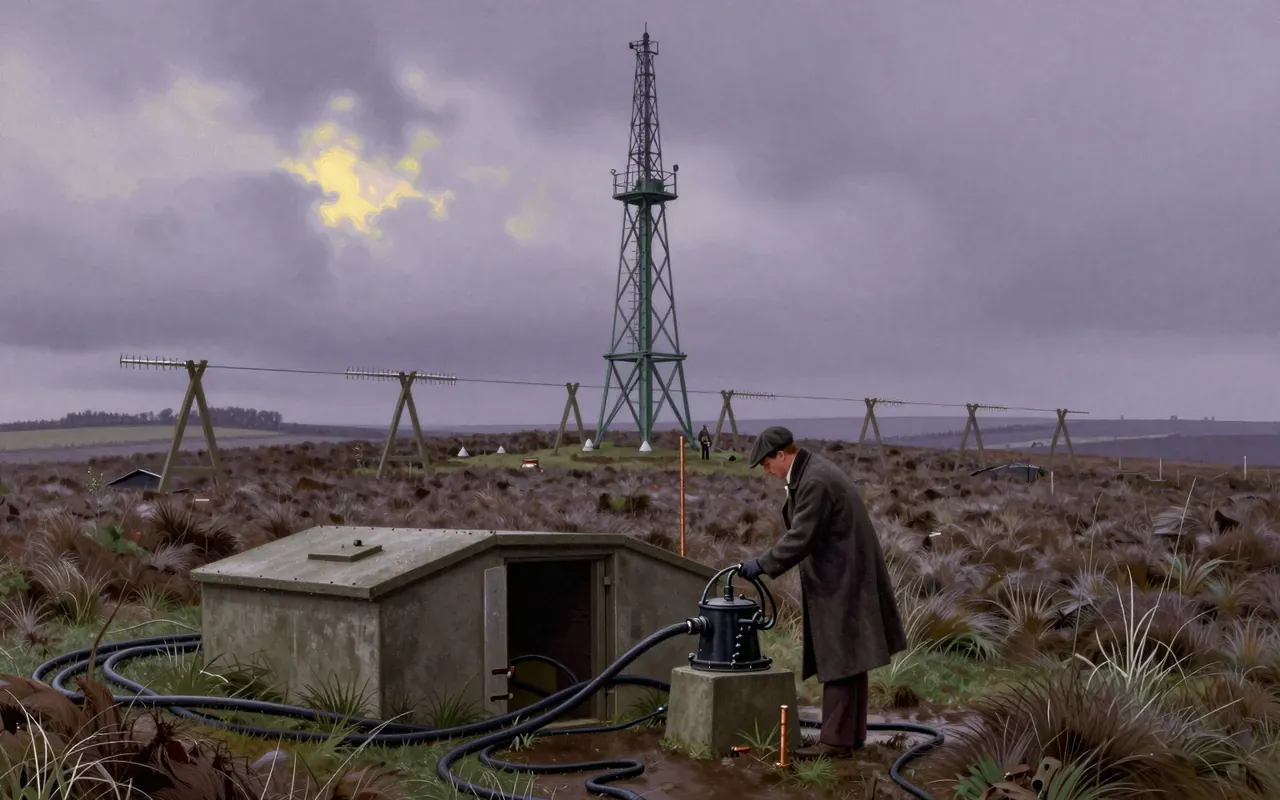
The VLA did not invent radio interferometry — it weaponised reconfigurability.
11:30

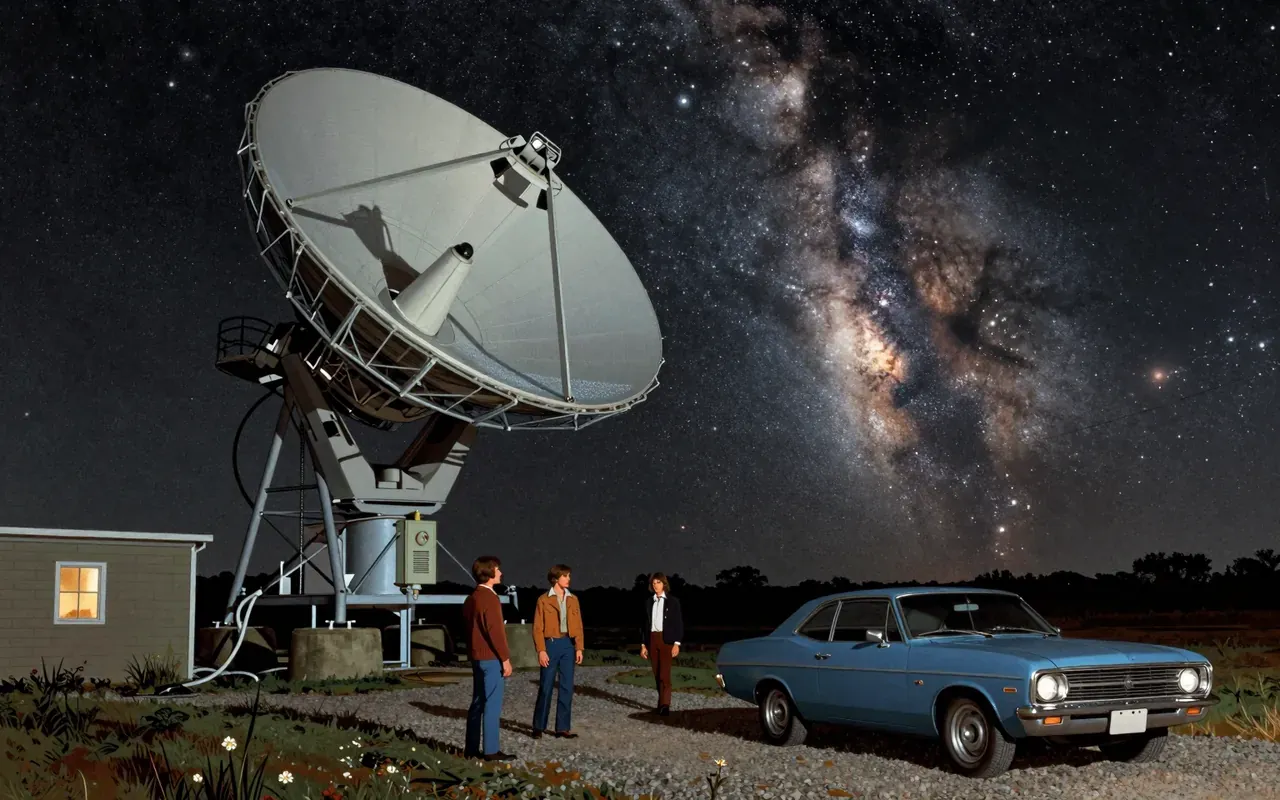
Wow! signal

A single 72-second blip — thirty times louder than noise, narrower than 10 kHz, never seen again — is not evidence of aliens. It is evidence of how easily curiosity outruns verification.

technology.briefs Technology

All 9 in technology →
9:24

Fleming valve

John Ambrose Fleming · 1904

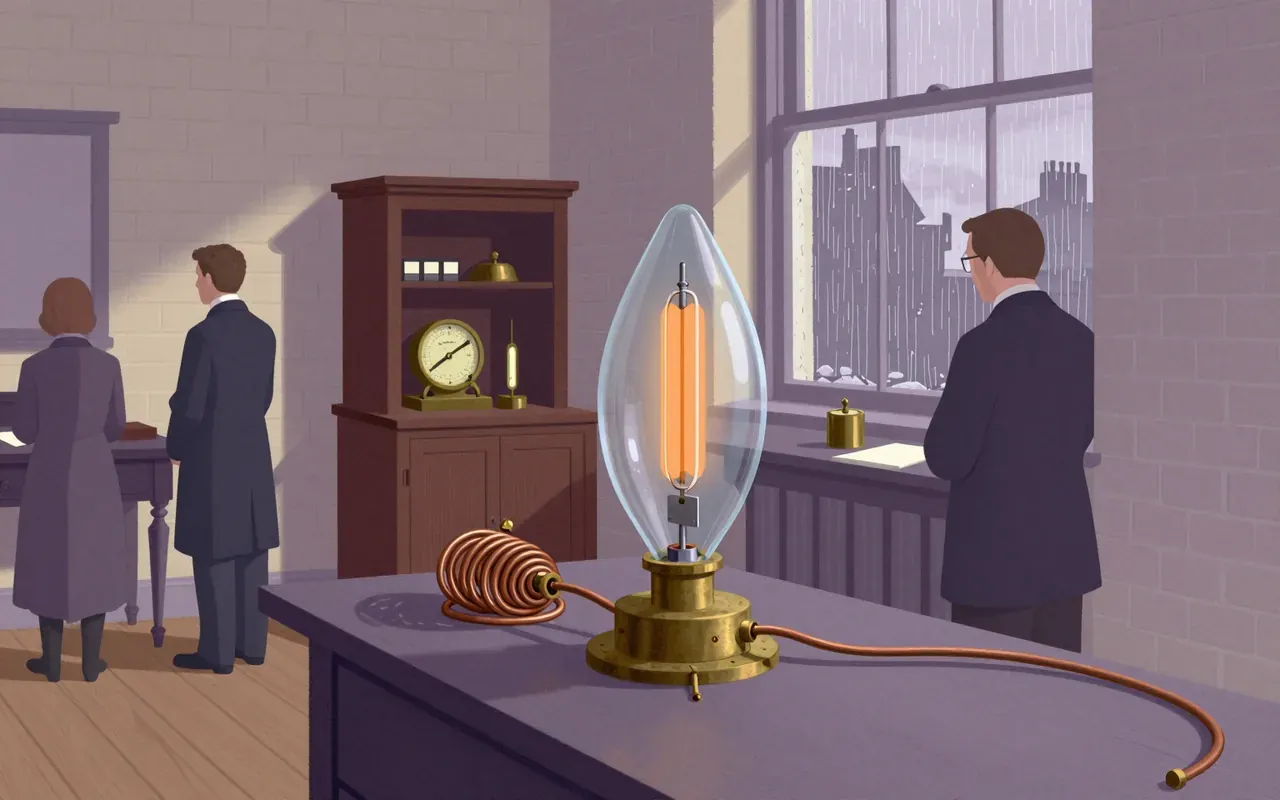
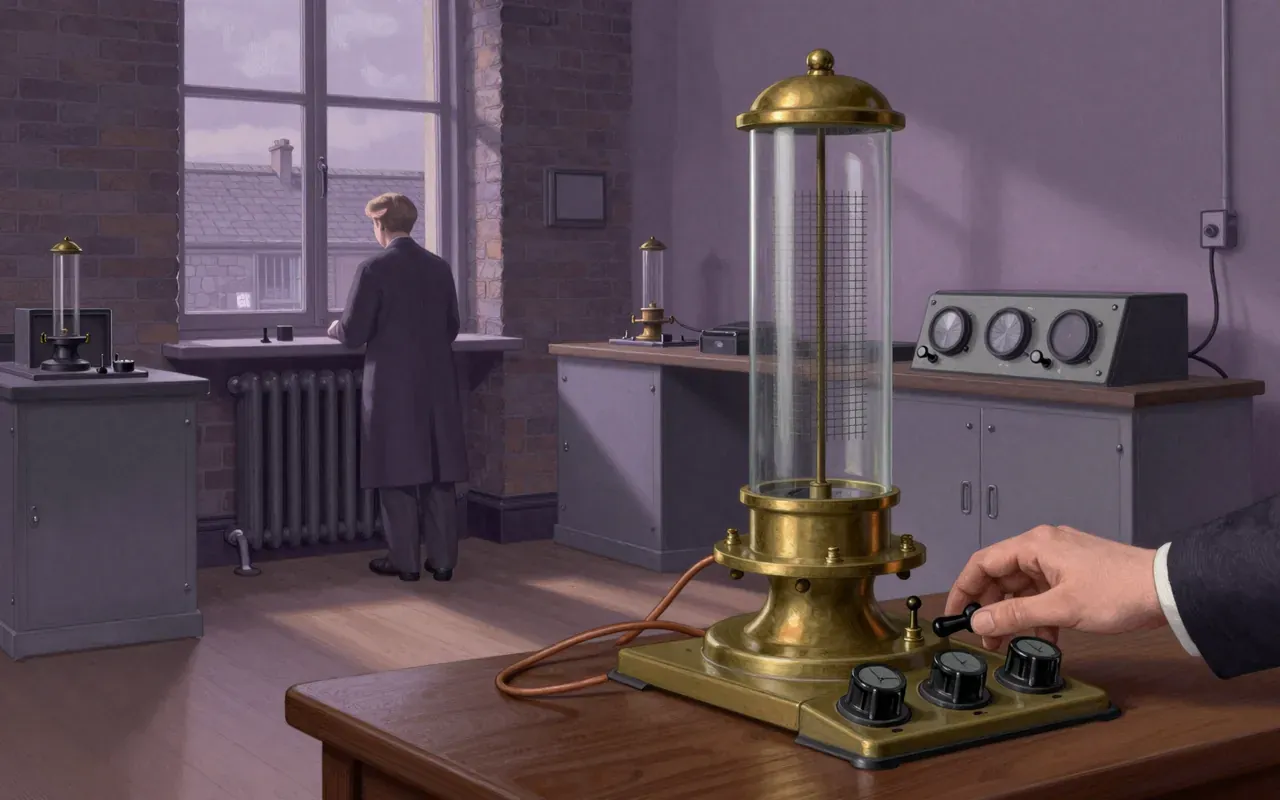
The Fleming valve is a two-electrode thermionic diode invented in 1904 to detect high-frequency radio signals in wireless telegraphy. It rectifies AC by permitting electron flow only from heated filament to positive anode — exploiting the Edison effect. It replaced the coherer in Marconi’s transatlantic receiver. It does not amplify. It requires continuous filament heating. It was used in radio and radar for over 50 years before being superseded by solid-state devices.

8:35

Valve amplifier

Lee de Forest

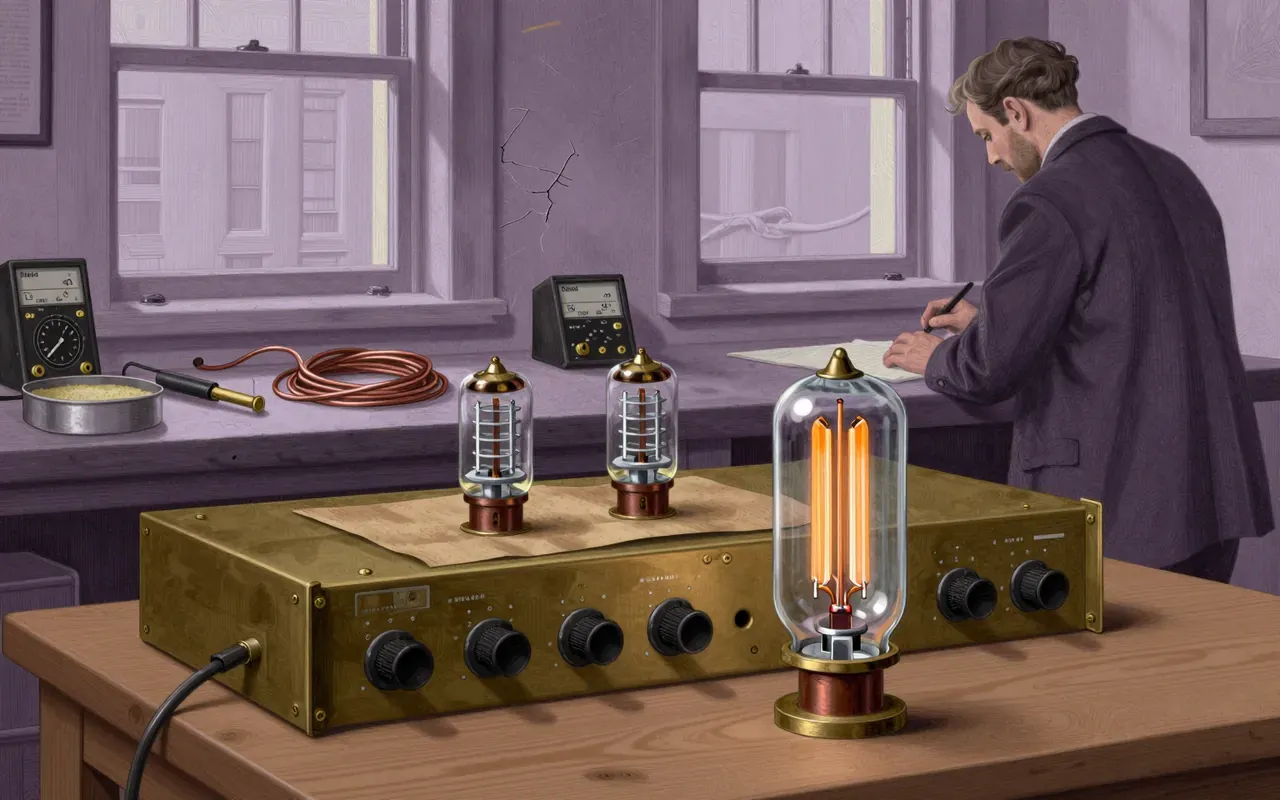
Lee de Forest’s triode valve amplifier is the first electronic amplifying device. It uses a control grid to modulate current flow. It first regenerated long-distance telephony signals. It amplified radio signals only slightly. It required residual gas and was initially unreliable. It enabled radio broadcasting, telephony, television, and computing.

11:43

FM broadcasting

Edwin Howard Armstrong

FM broadcasting is a noise-resilient analog transmission method that trades bandwidth for fidelity and static immunity. Armstrong engineered it deliberately—not as an evolution of AM, but as its functional alternative. Its mechanism works. Its early promise did not. Its regulatory impact did.

10:34

Radio broadcasting

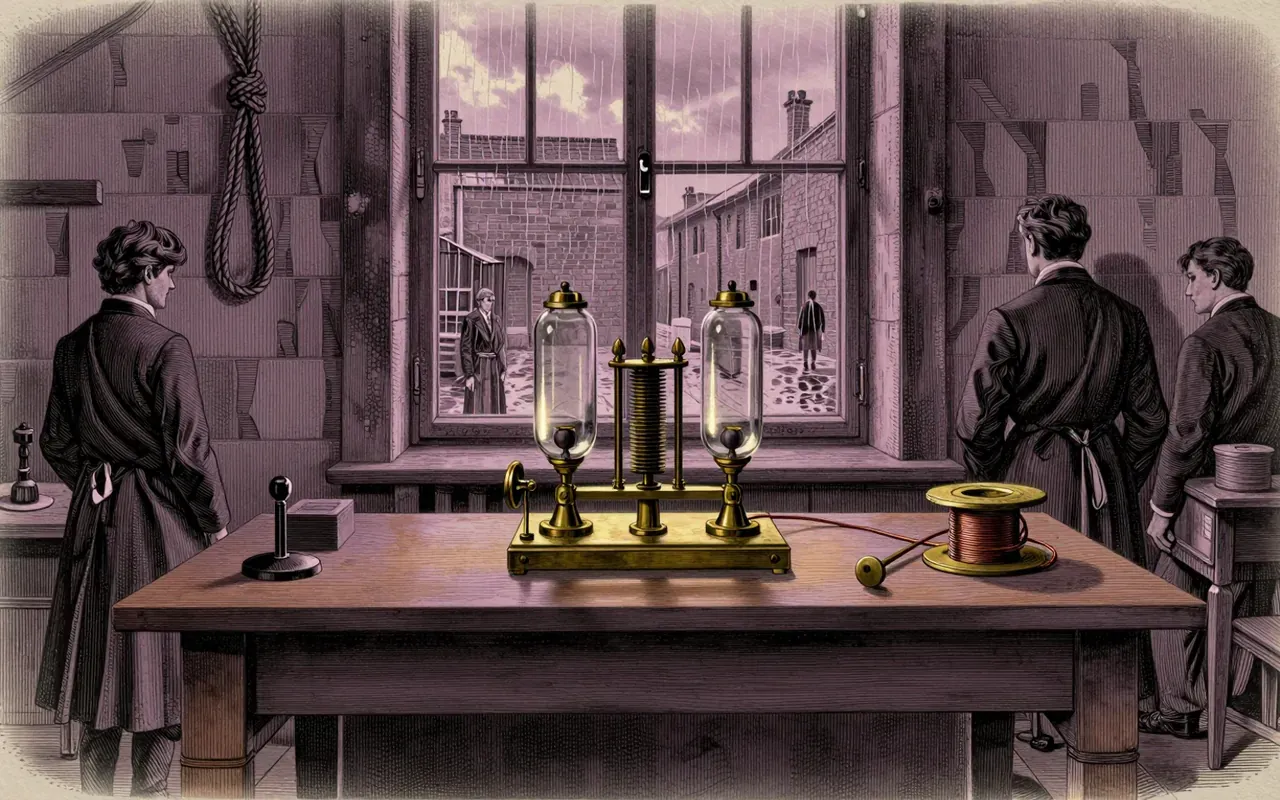
Radio broadcasting was not invented in 1895—it was reverse-engineered from telegraphy, then rebuilt twice before it worked at all.
10:03

Radar

Robert Watson-Watt

Radar is a radio reflection system for aircraft detection. It solved urgent air defence needs by replacing sound with electromagnetic sensing. Its mechanism is simple: transmit, reflect, receive, time. Its success hinged on rapid scaling — from 16 to 60 miles in months — and integration into a fixed coastal network. It fell short on low-altitude coverage, mobility, and precision tracking. It changed warfare by enabling interception over reaction. It is worth your time because it demonstrates how repurposing existing tools under constraint yields decisive capability — not through invention ex nihilo, but through disciplined redirection.

9:18

Television

Television wasn’t invented—it was fought over, line by line, tube by tube, until one standard won by default.
8:58

Radio

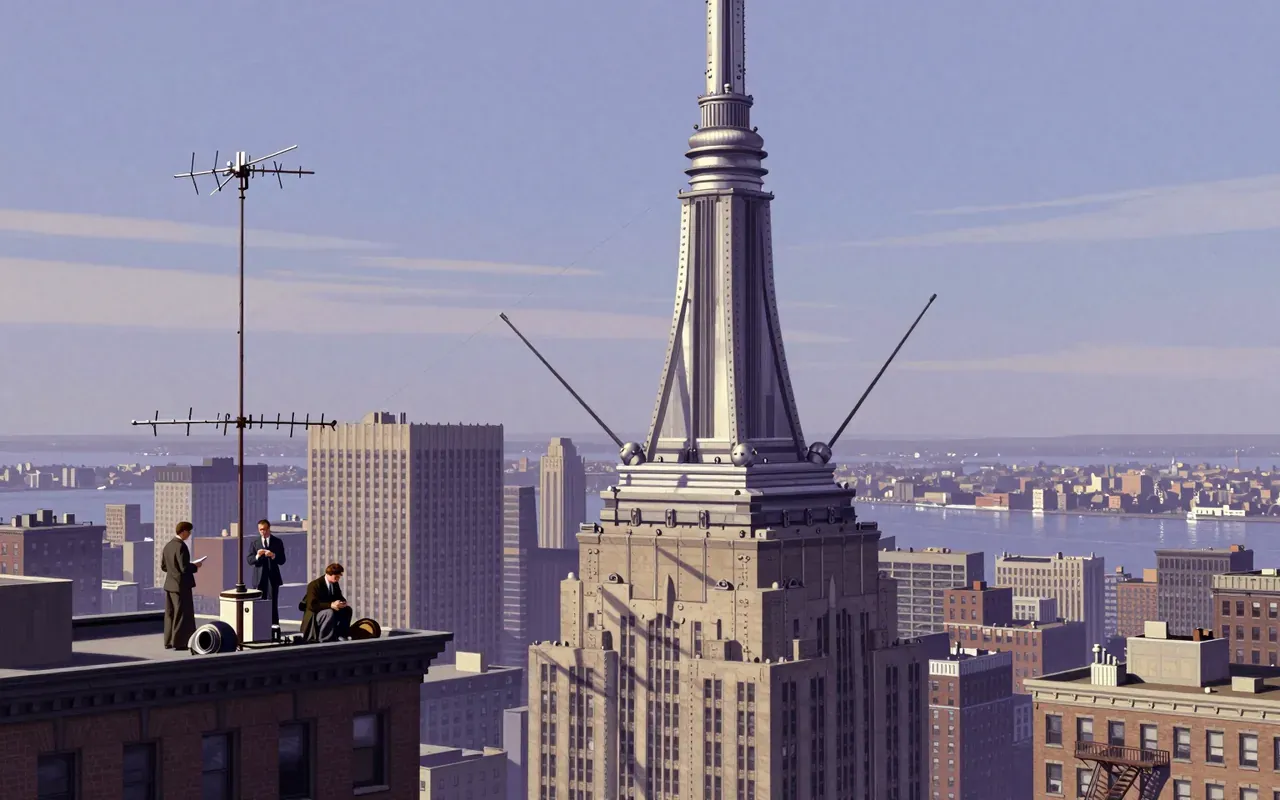
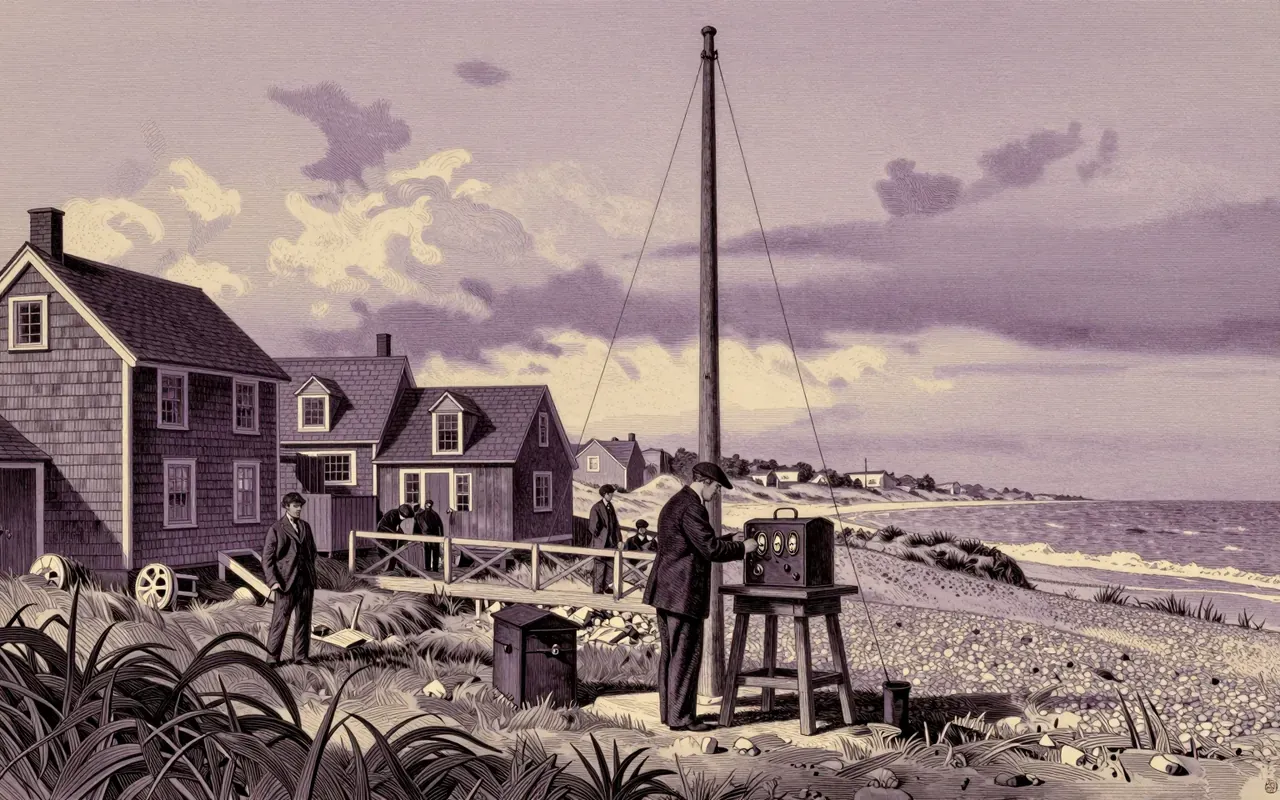
Radio in 1894 is not broadcasting — it’s Morse code jumping gaps in air, not voices crossing continents.

culture.briefs Culture

All 5 in culture →
8:26

DJ Culture

Political rhetoric is sampled like beats: unreflectively, out of context, for effect.
9:26

Pirate radio

Pirate radio isn’t rebellion—it’s the first crack in the myth that airwaves can be owned.
8:53

Culture industry

The culture industry isn’t about bad taste—it’s about obedience built into the assembly line of entertainment.
8:31

John Peel

He didn’t define an era—he bypassed it entirely, playing what he liked while everyone else chased hits.

audio.briefs Audio

All 7 in audio →
7:20

Beyerdynamic DT 48

Beyerdynamic

The Beyerdynamic DT 48 is the world’s first dynamic headphone, launched in 1939. Its closed, tight-fitting design isolates sound but causes fatigue. Its midrange is superb and revealing—built to monitor voice, sound objects, and mood in reporting, radio, film, and medical audiometry. It is not intended for mastering.

9:08

RCA Type 44

RCA

The RCA Type 44 is a bi-directional ribbon microphone introduced in 1931. Its thin corrugated metal ribbon generates voltage when vibrating in a magnetic field. It hears only front and back. It breaks under wind, phantom power, and loud transients. It flatters voice and acoustic instruments with smooth mids and gentle highs. It belongs in a vintage studio chain—not on a podcast desk or a stage.

9:41

Shure 55SH

Shure

The Shure 55SH is a 1939 cardioid dynamic microphone built for public address. It delivers vocal clarity under load, resists feedback, and shrugs off physical stress. It does not offer studio-grade fidelity or flexibility. It belongs on podiums—not in overdub booths.

8:38

Uni-Vibe

Shin-ei · 1968

The Uni-Vibe is a 1968 Shin-ei footpedal phaser designed by Fumio Mieda. It creates chorus and vibrato simulations using an optical circuit: an incandescent bulb shining on LDRs inside a reflective shield drives staggered phasing filters—without op-amps. Its effect is a throbbing, hypnotic pulse rooted in atmospheric radio modulation, not Leslie emulation. It was modified to improve fuse access and add a speed foot pedal. Players value its lo-fi sweep but contend with bulb burnout, speed instability, and lack of precision.

8:27

LS3/5A

BBC

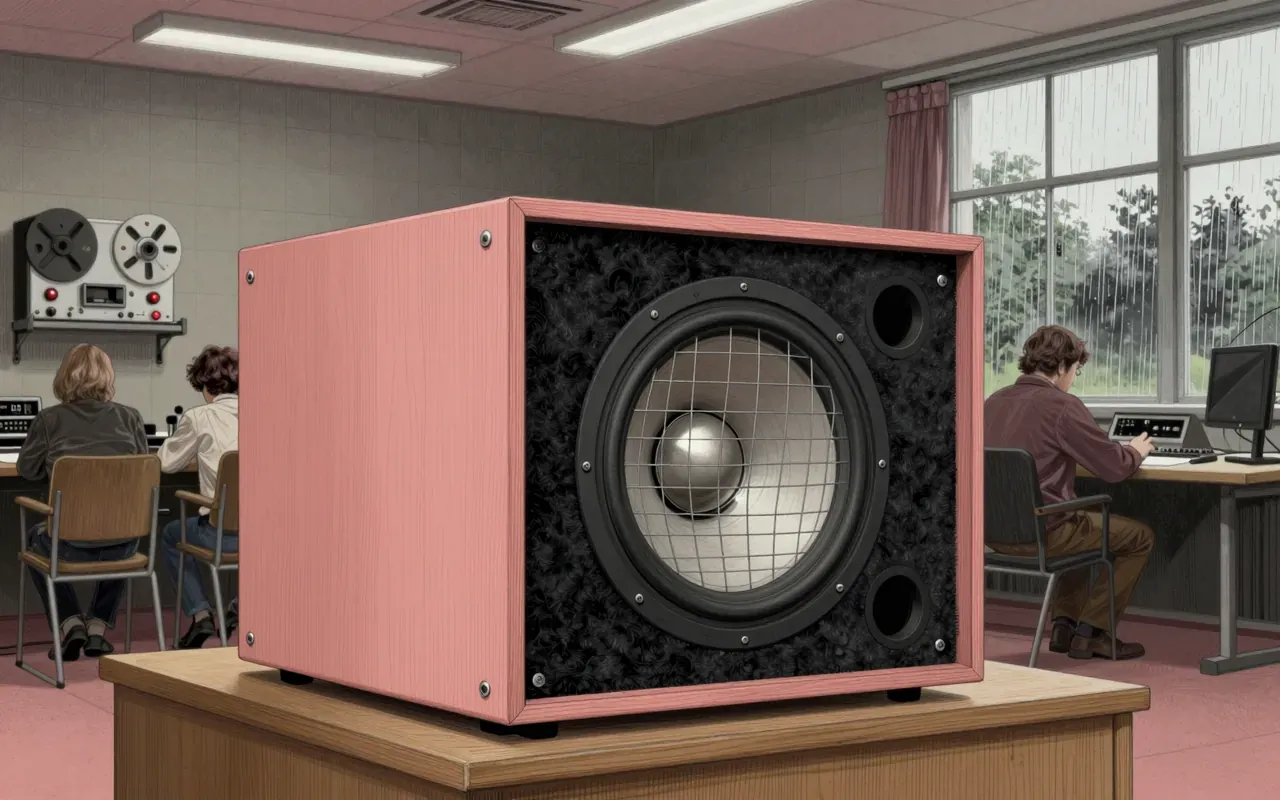
The LS3/5A is a compact BBC-designed studio monitor built for broadcast consistency, not domestic indulgence. Its revisions track component supply — not artistic evolution. It excels in transparency but fails at bass, volume, and modern amplifier compatibility.

9:32

Electro-Voice RE20

Electro-Voice

The Electro-Voice RE20 is a professional cardioid dynamic microphone introduced in 1968 for broadcasting applications. It employs Variable-D technology—a single transducer element with internal porting—to eliminate proximity effect and maintain stable frequency response regardless of source distance. It features a switch to attenuate frequencies below 400 Hz, a humbucking coil for EMI rejection, and a deeply mounted element to handle high SPLs. It delivers excellent fidelity despite its large size and weight. It continues to be used in recording studios and on the concert stage.

9:12

EMS Synthi 100

EMS

The EMS Synthi 100 is a large analogue/digital hybrid synthesizer commissioned by Radio Belgrade, designed by David Cockerell and documented in 1971. It developed from a concept of three VCS3 systems but contains analogue modules equivalent to six VCS3s. It features 12 voltage-controlled oscillators and eight voltage-controlled filters. Two monophonic keyboards produce four control voltages and two triggers. Its digital sequencer has three duophonic layers and 256 duophonic note events. Two 60×60 matrices connect modules via patch pins. Keyboard spread adjusts for equal temperament or microtonal tunings up to 61 divisions per semitone.