Molecular Structure of Nucleic Acids: A Structure for Deoxyribose Nucleic Acid
It didn’t prove replication — it made replication geometrically inevitable.
What things are made of and how they can be rearranged.

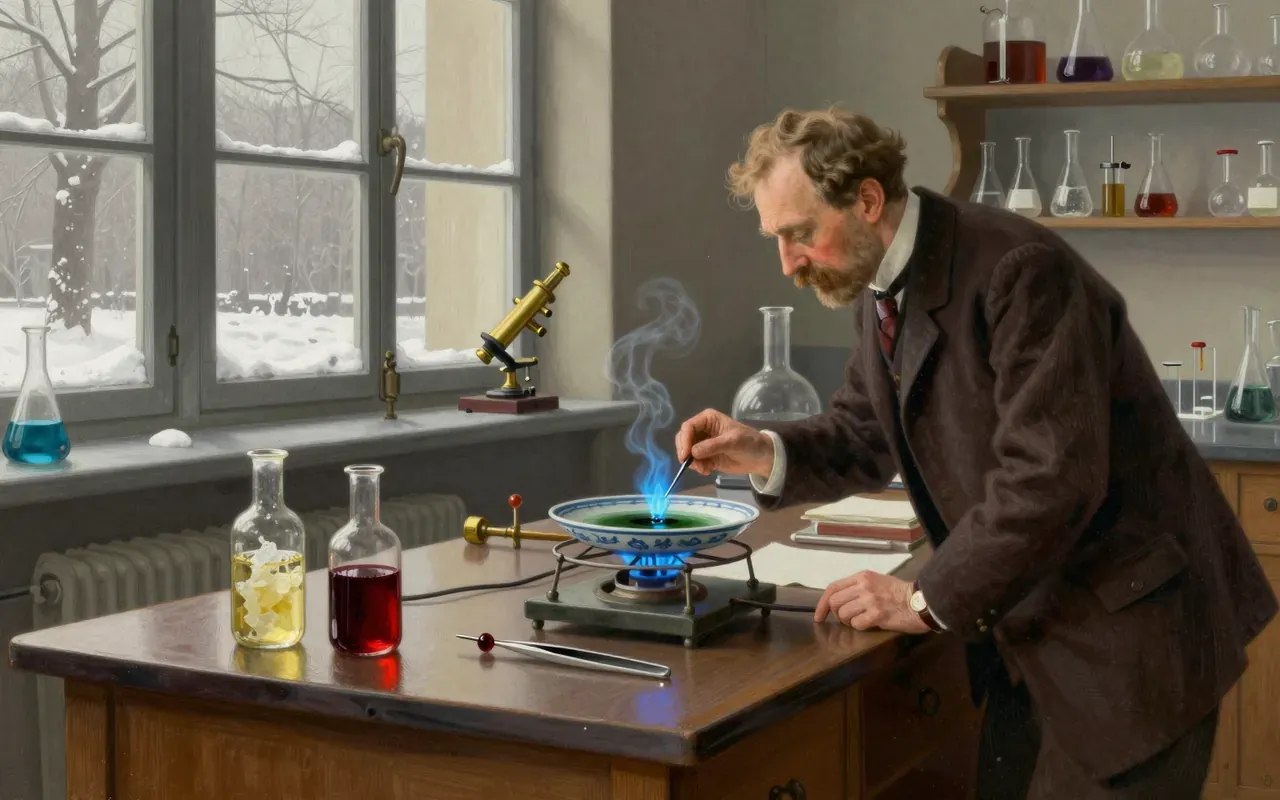
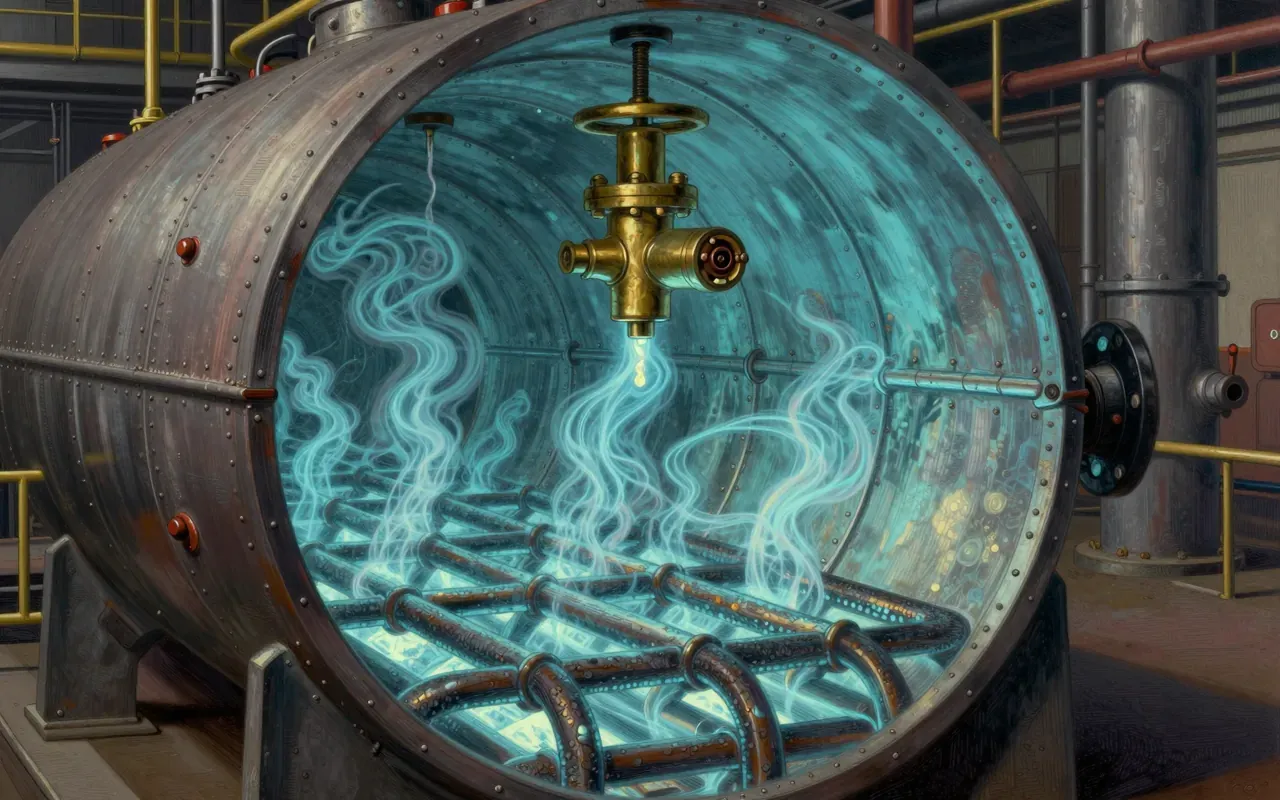
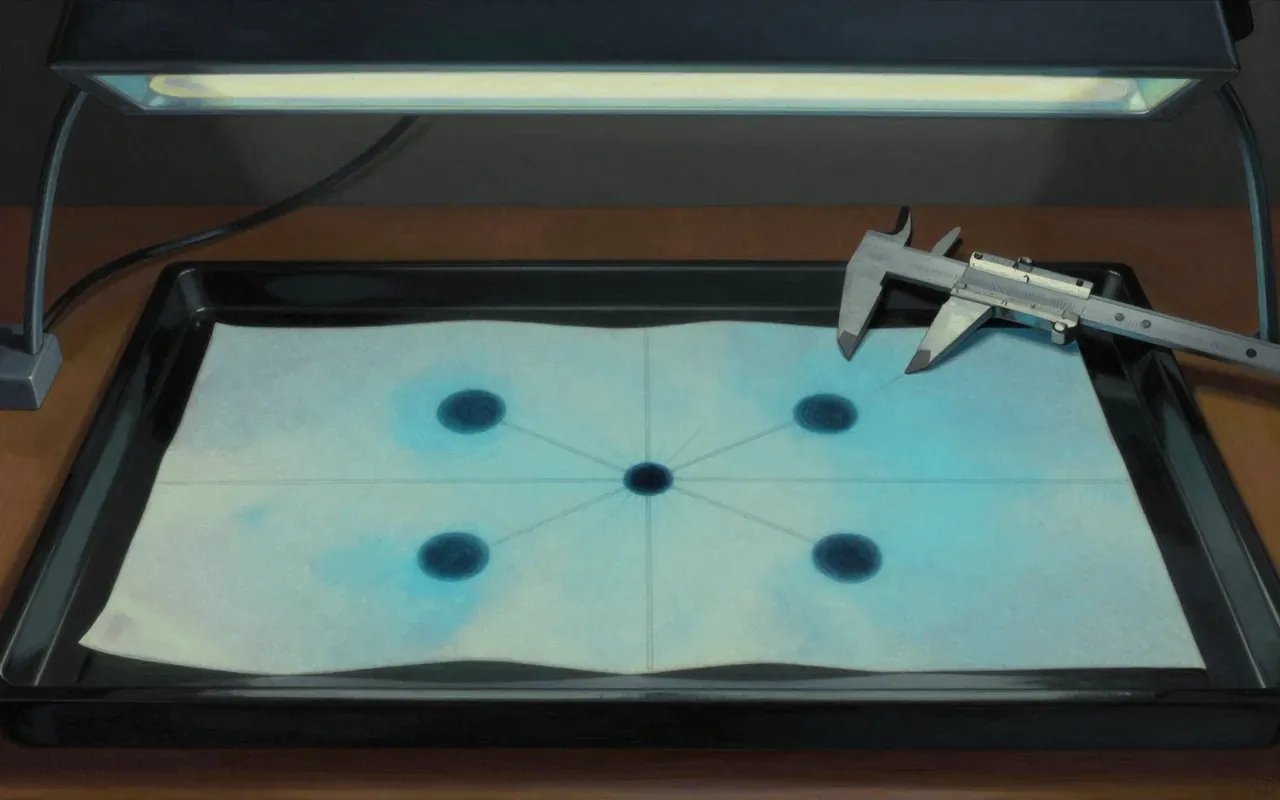
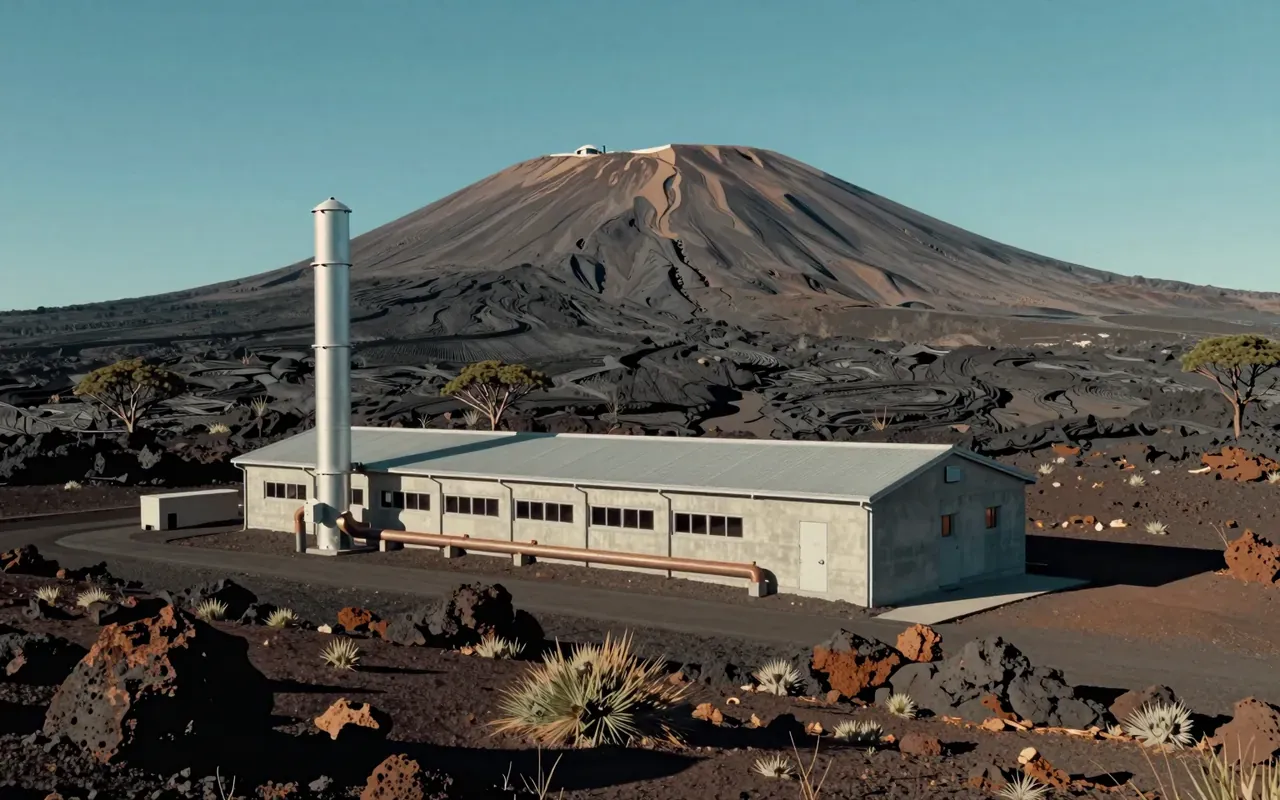
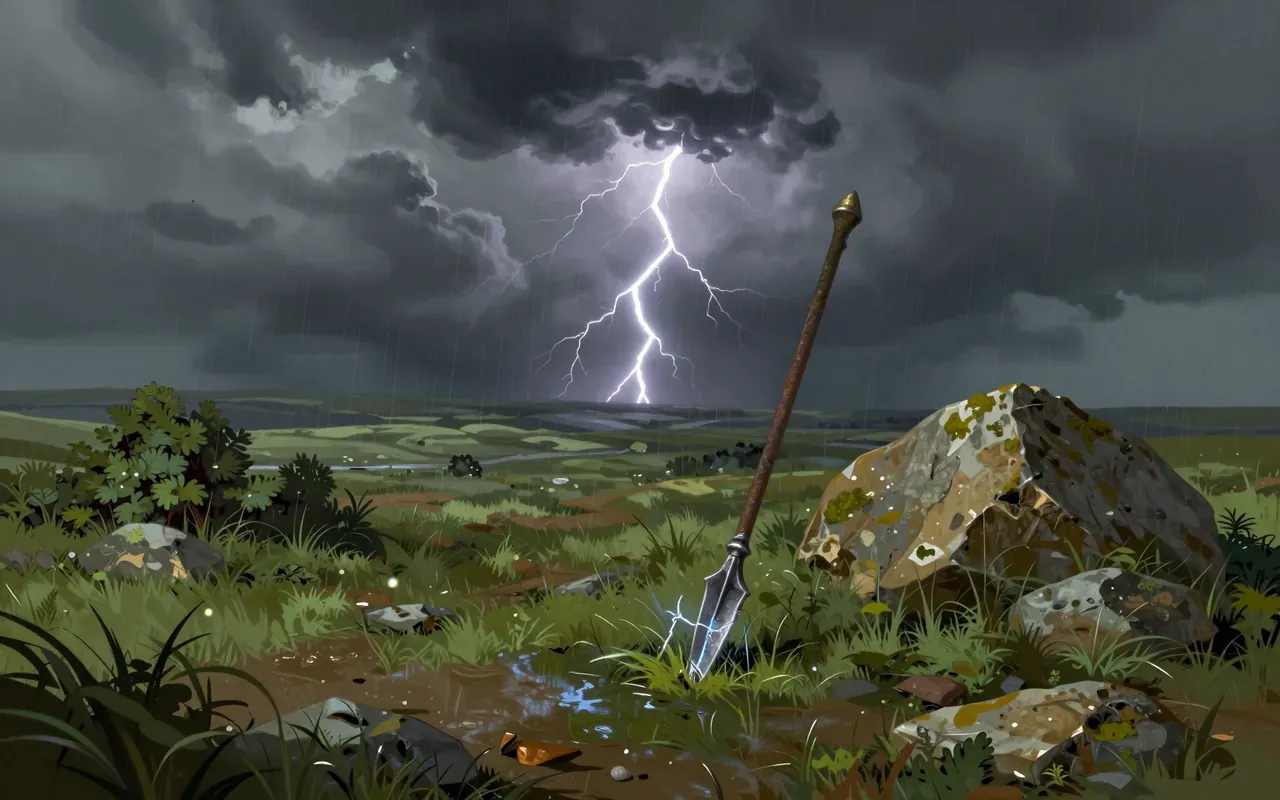
Breath of the Wild replaces authored sequence with systemic consequence. Its design asks you to observe, test, and adapt — then discard your answer when the next object breaks, the next storm hits, or the next slope demands a new use for the same shield.
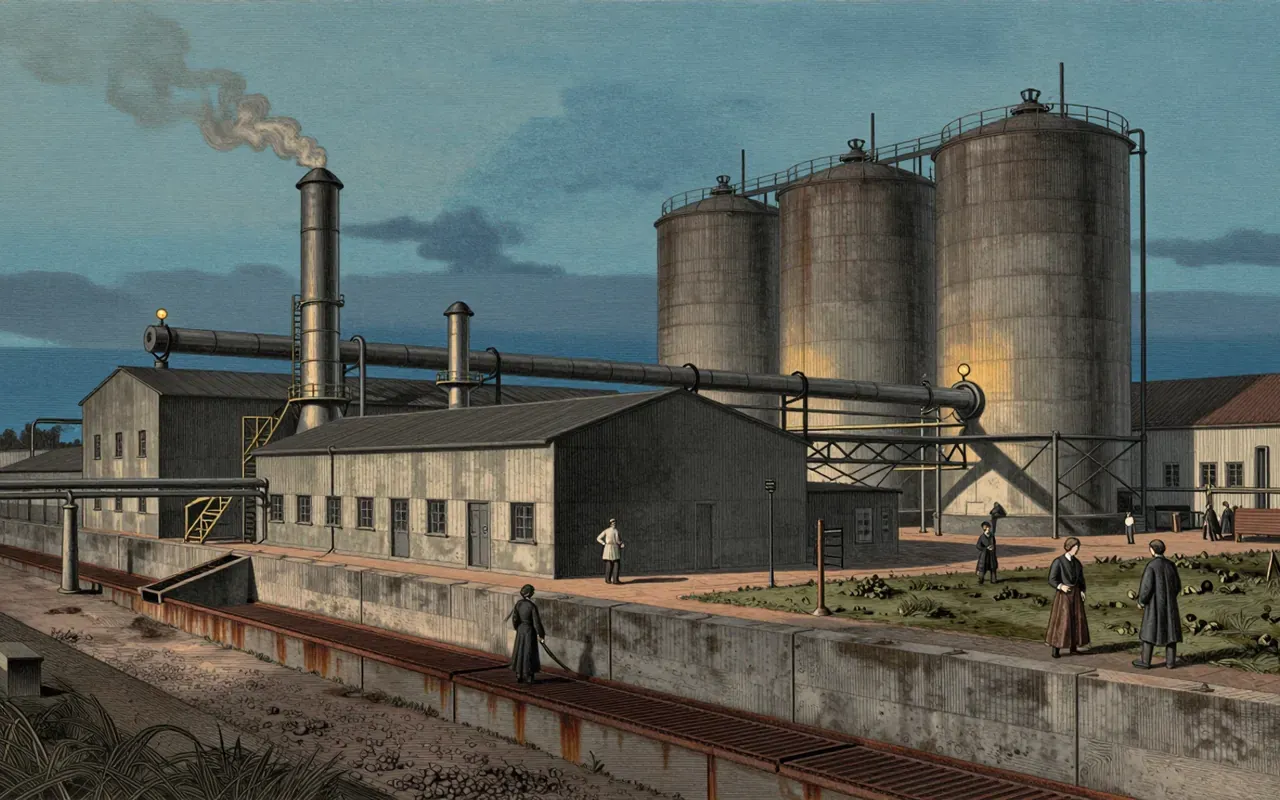

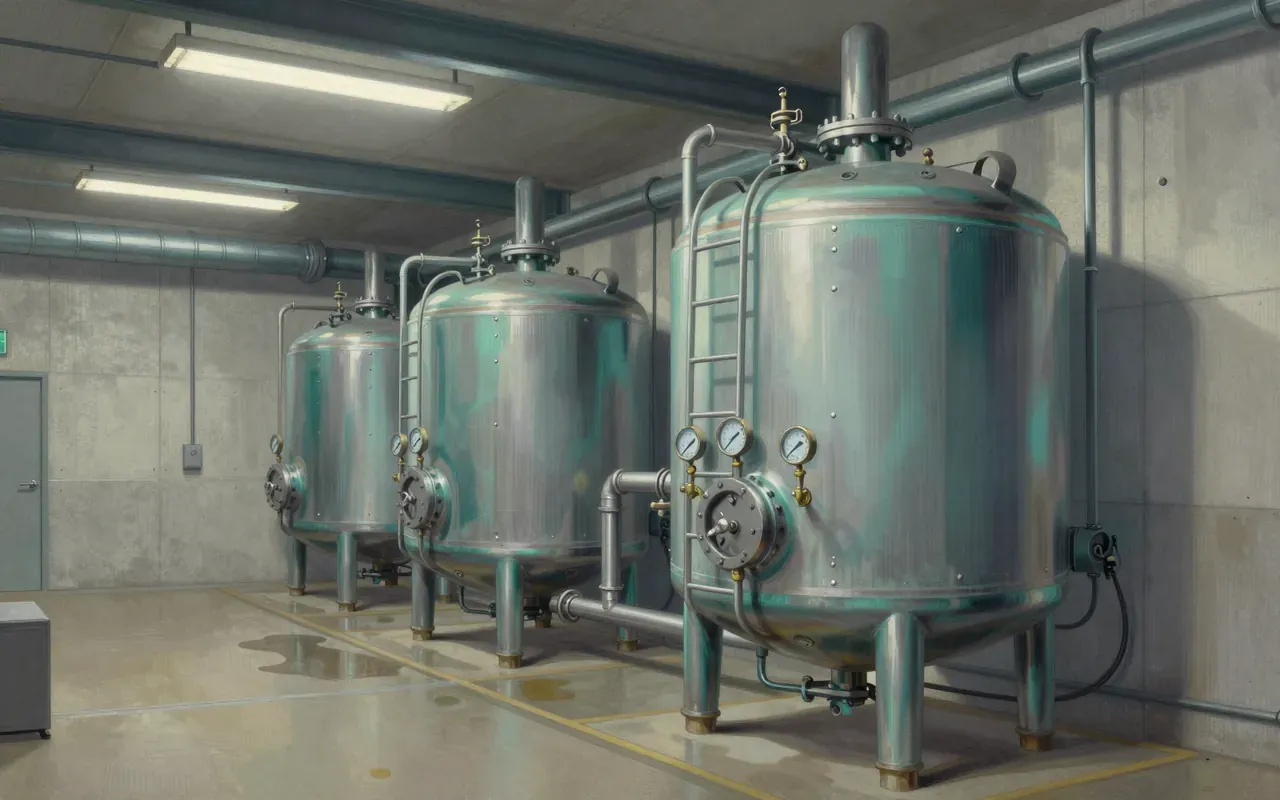
Syngenta is a global agricultural technology company headquartered in Basel, Switzerland, operating primarily in crop protection and seeds for farmers. It was founded in 2000 by the merger of the agrichemical businesses of Novartis and AstraZeneca. In 2004, Syngenta Seeds purchased Garst and Golden Harvest Seeds. In February 2016, ChemChina offered to purchase Syngenta for $43 billion, a deal Syngenta unanimously recommended to shareholders. In April 2017, U.S. and European antitrust authorities approved ChemChina's acquisition of Syngenta. To secure regulatory approval, ChemChina agreed to divest pesticide production of paraquat, abamectin, and chlorothalonil.
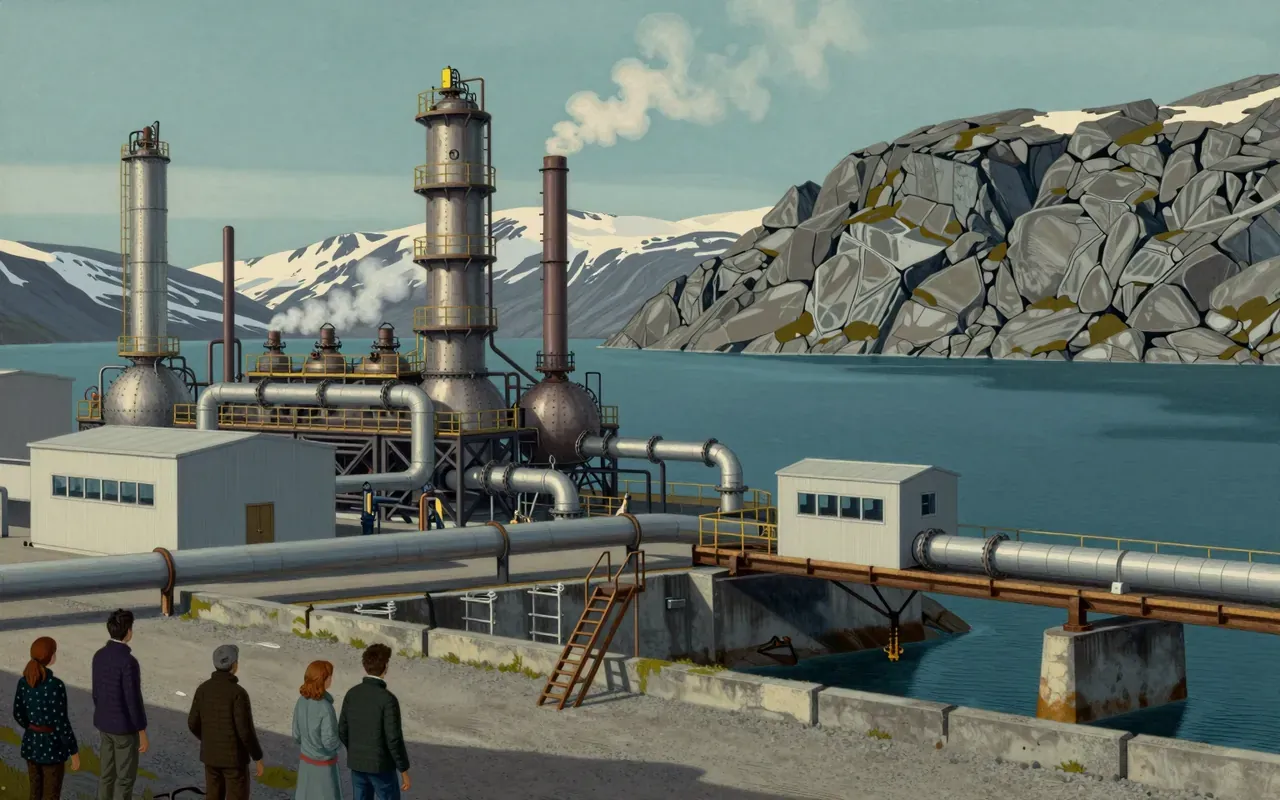
Merck & Co. is a multinational pharmaceutical company founded in 1891 as the American affiliate of the German Merck Group, made independent in 1919 after U.S. government expropriation and resale. Its early growth came from strategic mergers — not organic R&D — and its landmark streptomycin breakthrough relied on external academic research funded by the company. Under George W. Merck’s presidency (1925–1950), it developed synthetic vitamins, sulfas, antibiotics, and hormones, while simultaneously leading the U.S. biological weapons programme. The gap between its self-presentation as a scientific pioneer and its actual mechanics — acquisition, outsourcing, and state-aligned research — is the core of its business story.
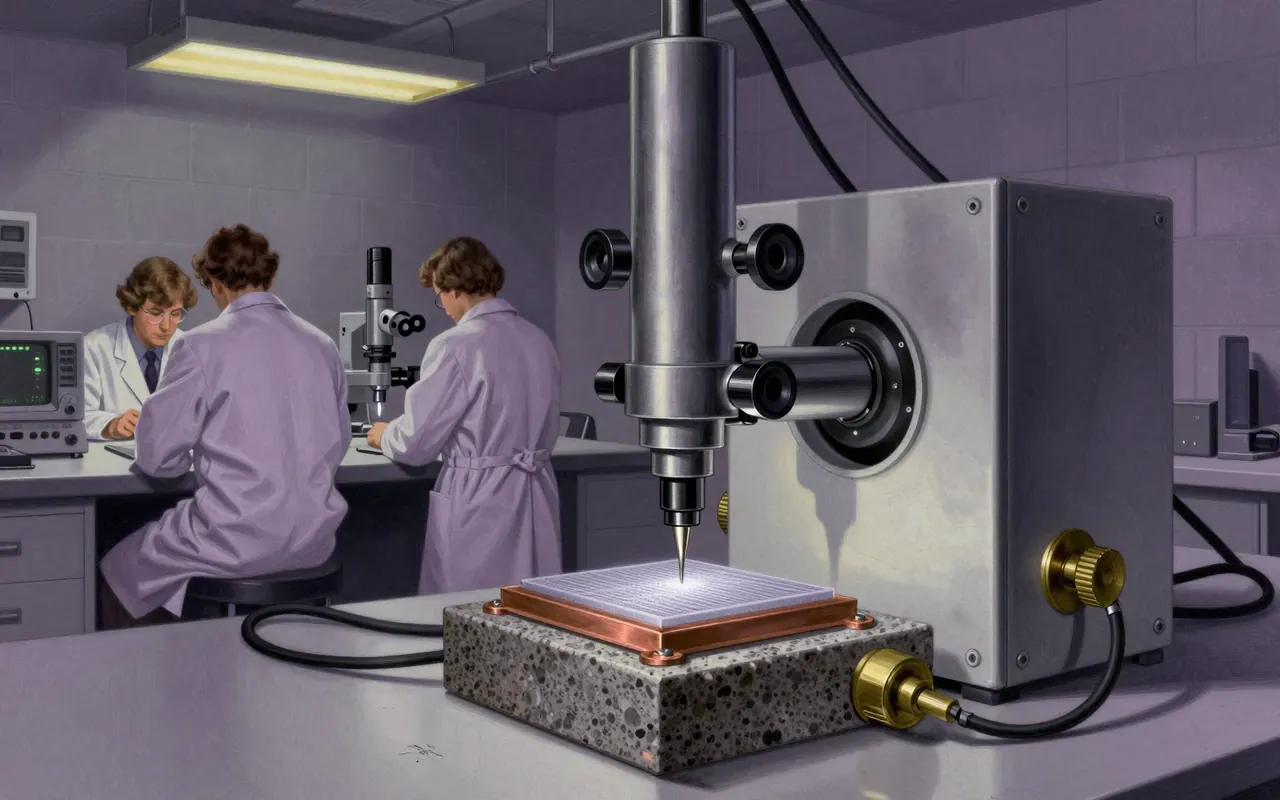
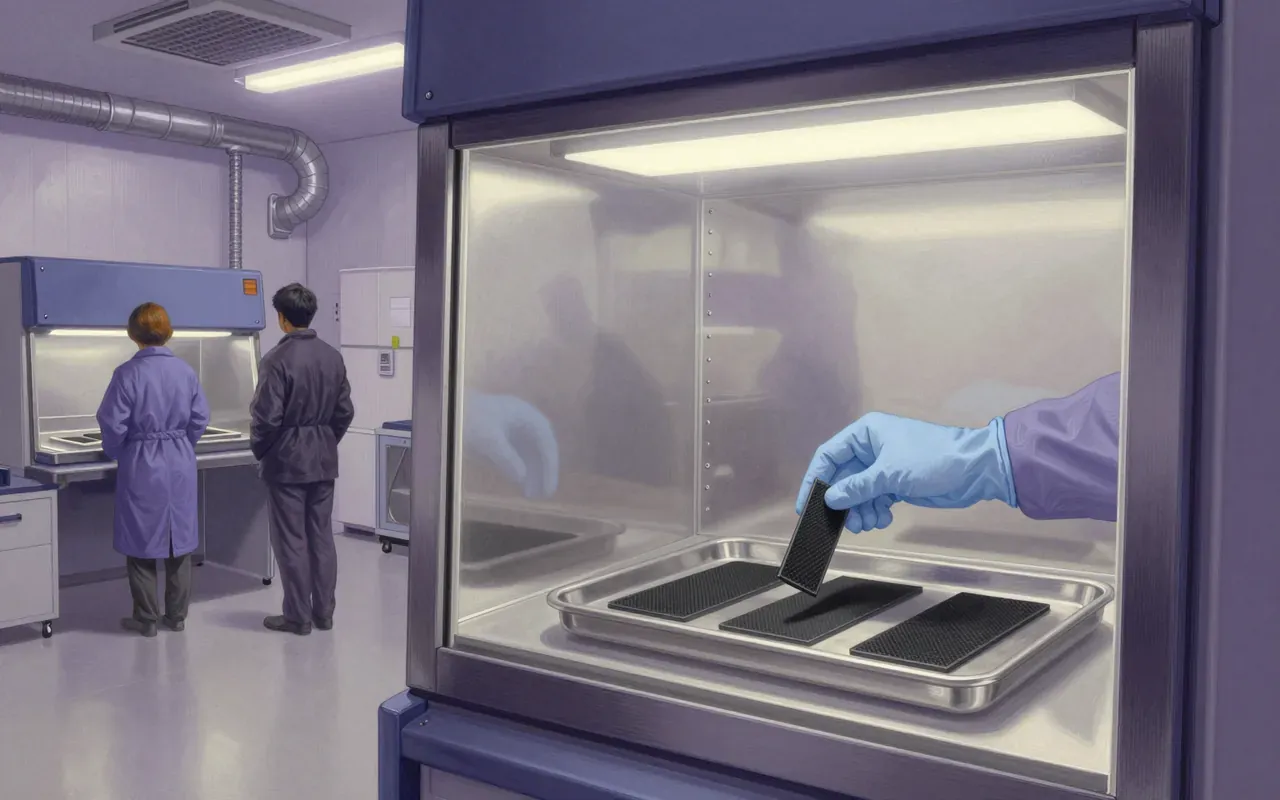

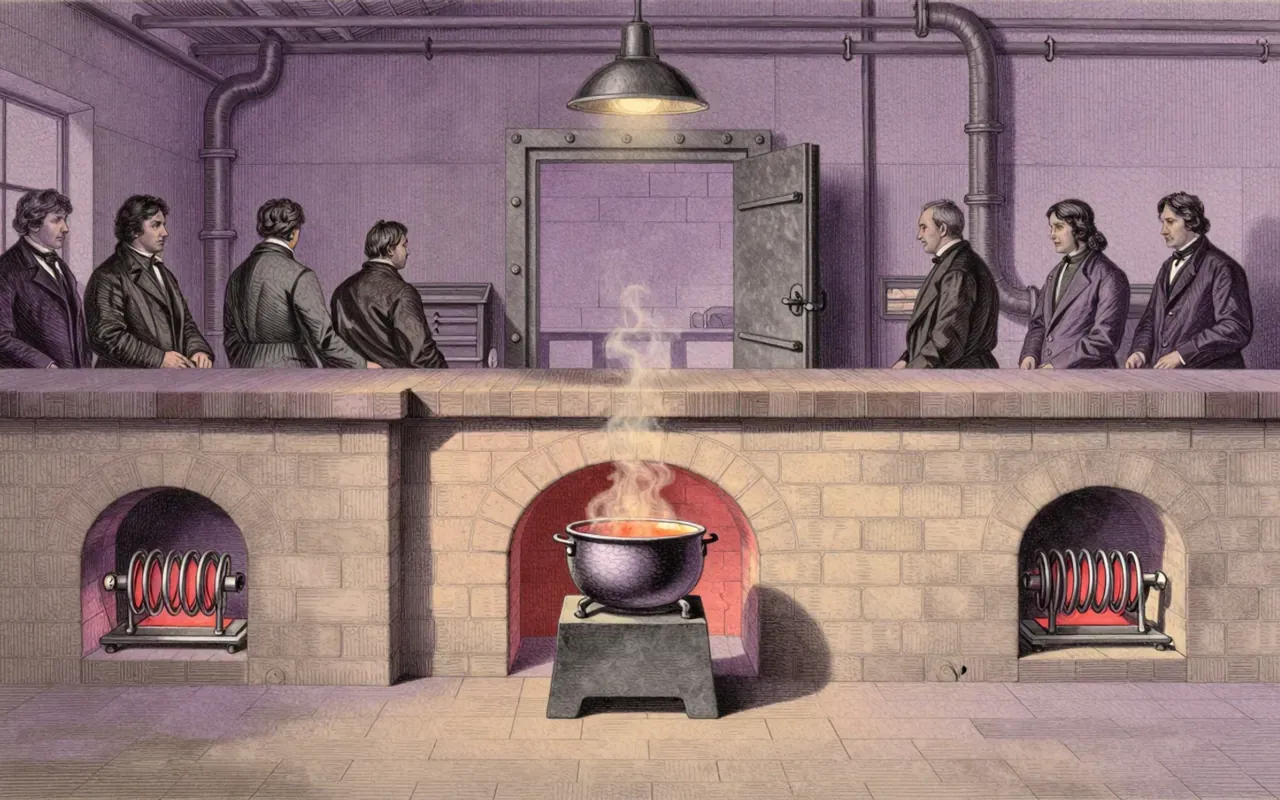
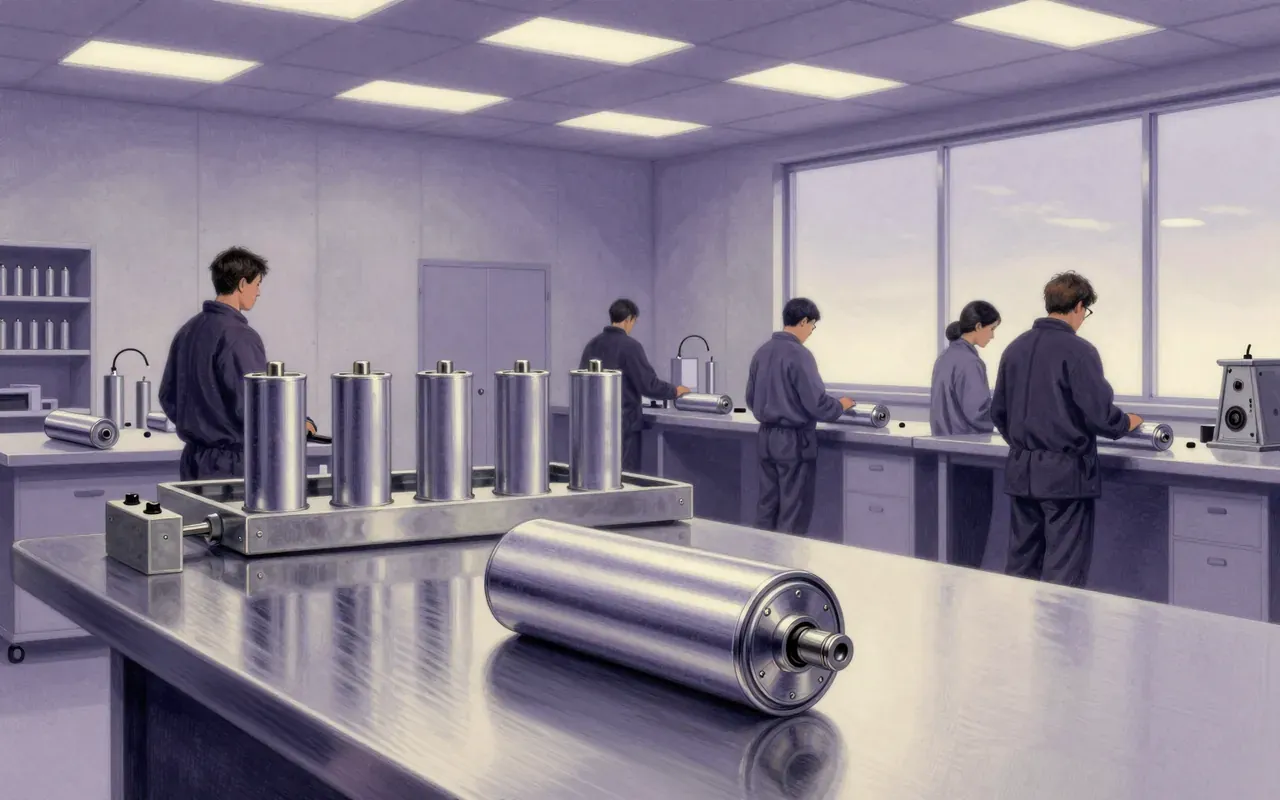
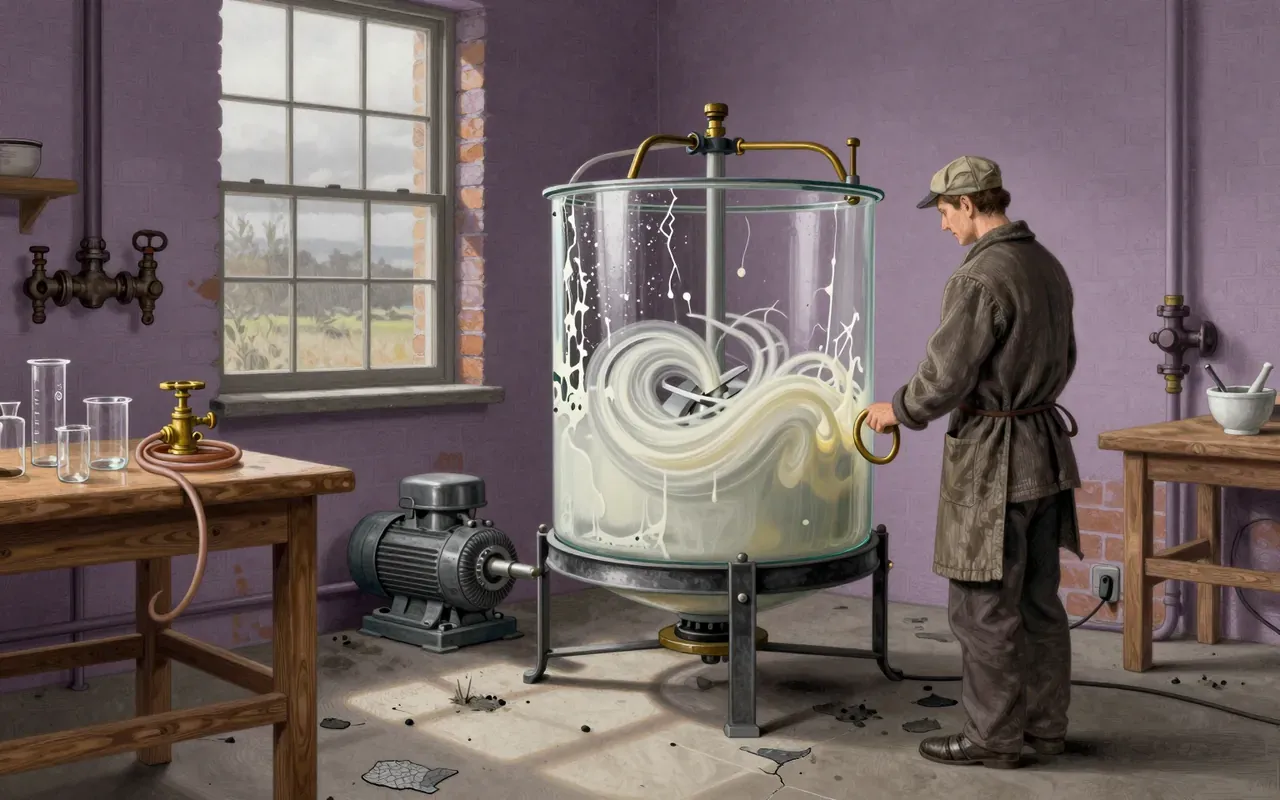
Waldo Semon did not invent PVC. He invented how to make it behave. His 1926 method — blending it with additives like dibutyl phthalate — converted a brittle, unprocessable polymer into something elastic and non-adhesive. That enabled Koroseal: a salt-coke-limestone-derived polymer whose consistency could be set deliberately. It did not fix PVC’s thermal instability or environmental persistence. Its real innovation was tunability — proving synthetic polymers could be governed, not just discovered.
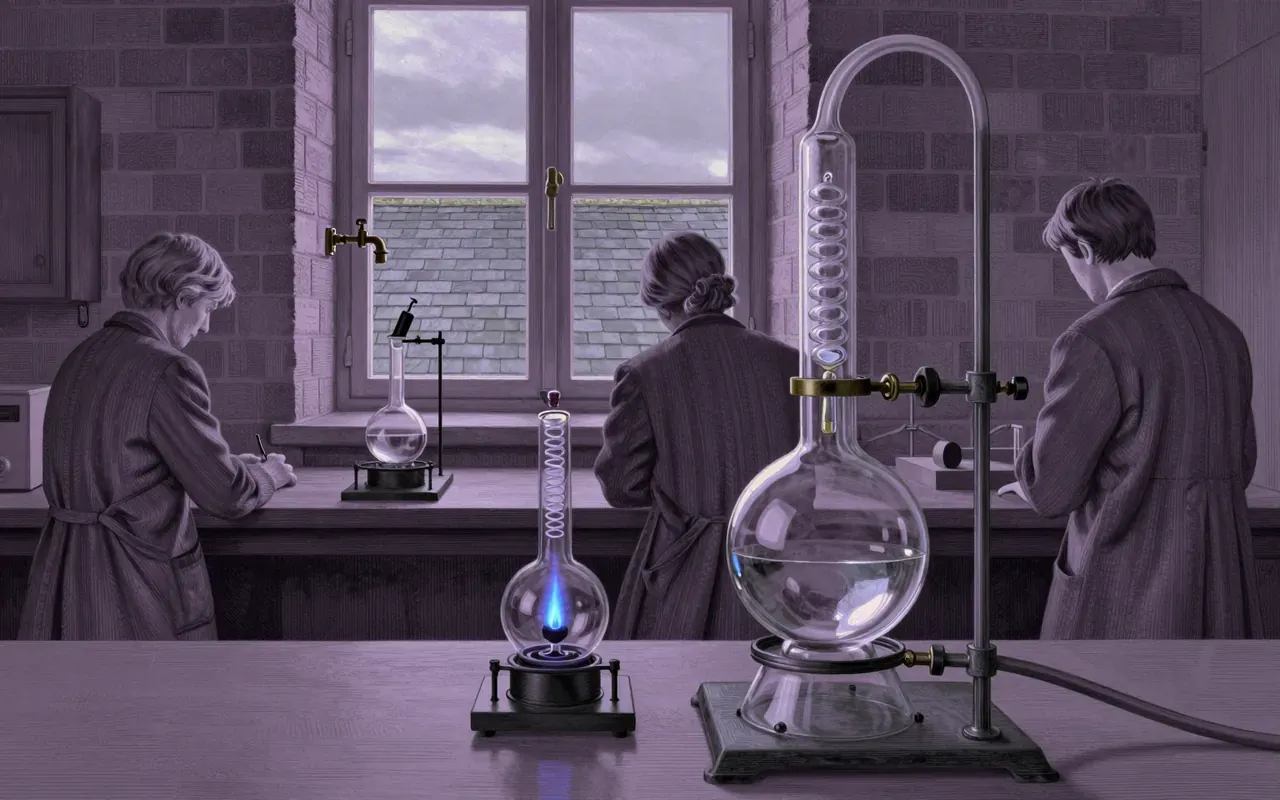
Synthetic rubber begins as a chemical demonstration, not an industrial replacement. Hofmann’s 1909 work proves isoprene polymerisation yields rubber — and nothing more. No performance, scale, or economics are stated. Its value lies in reframing rubber as synthesizable — not in delivering a usable material.
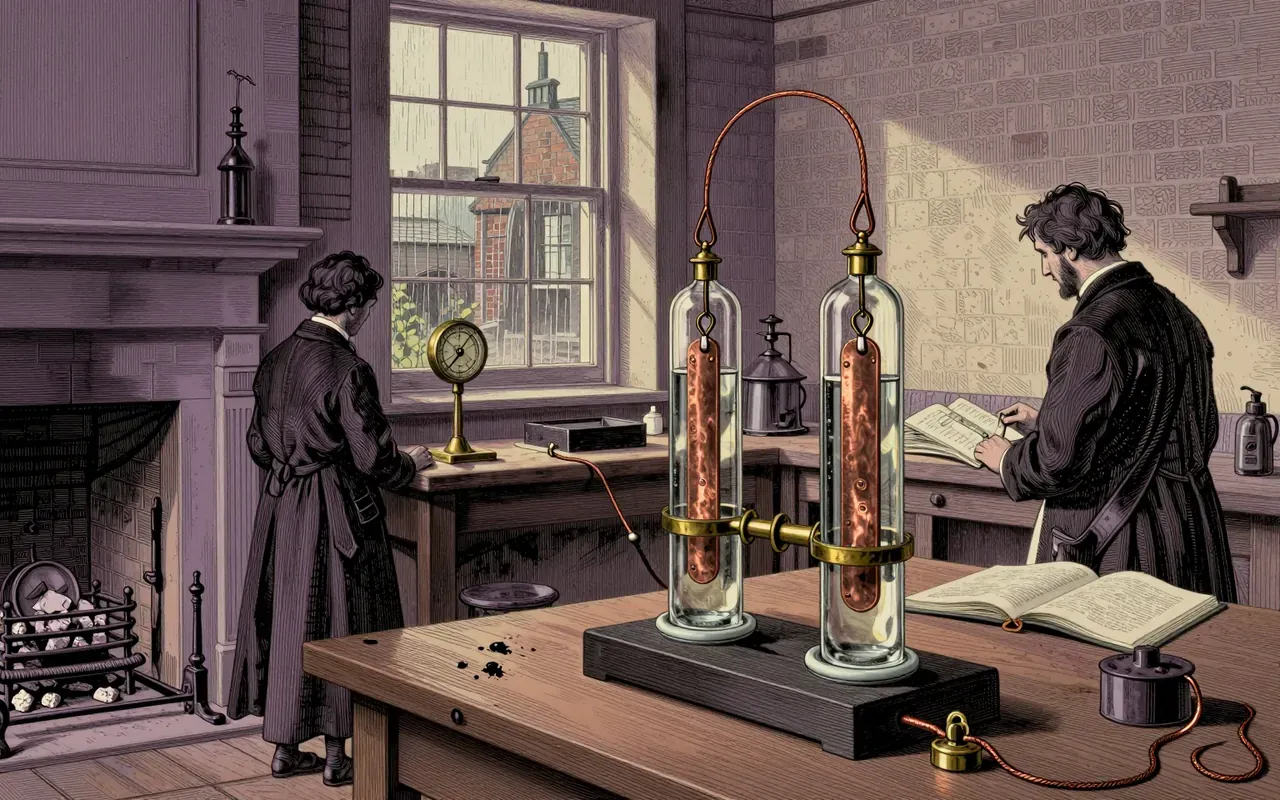
Grove’s fuel cell is a foundational experiment, not a functional technology. It demonstrated atomic reversibility, not power generation.
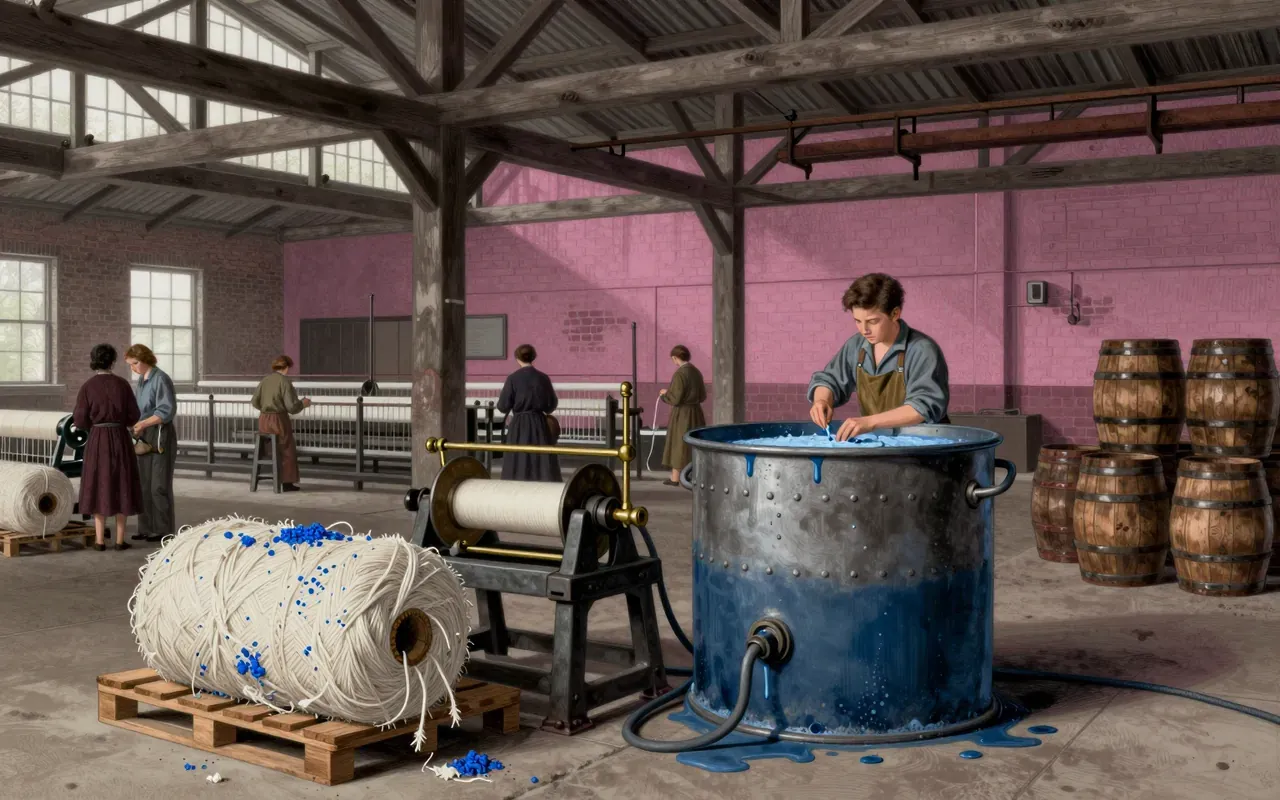



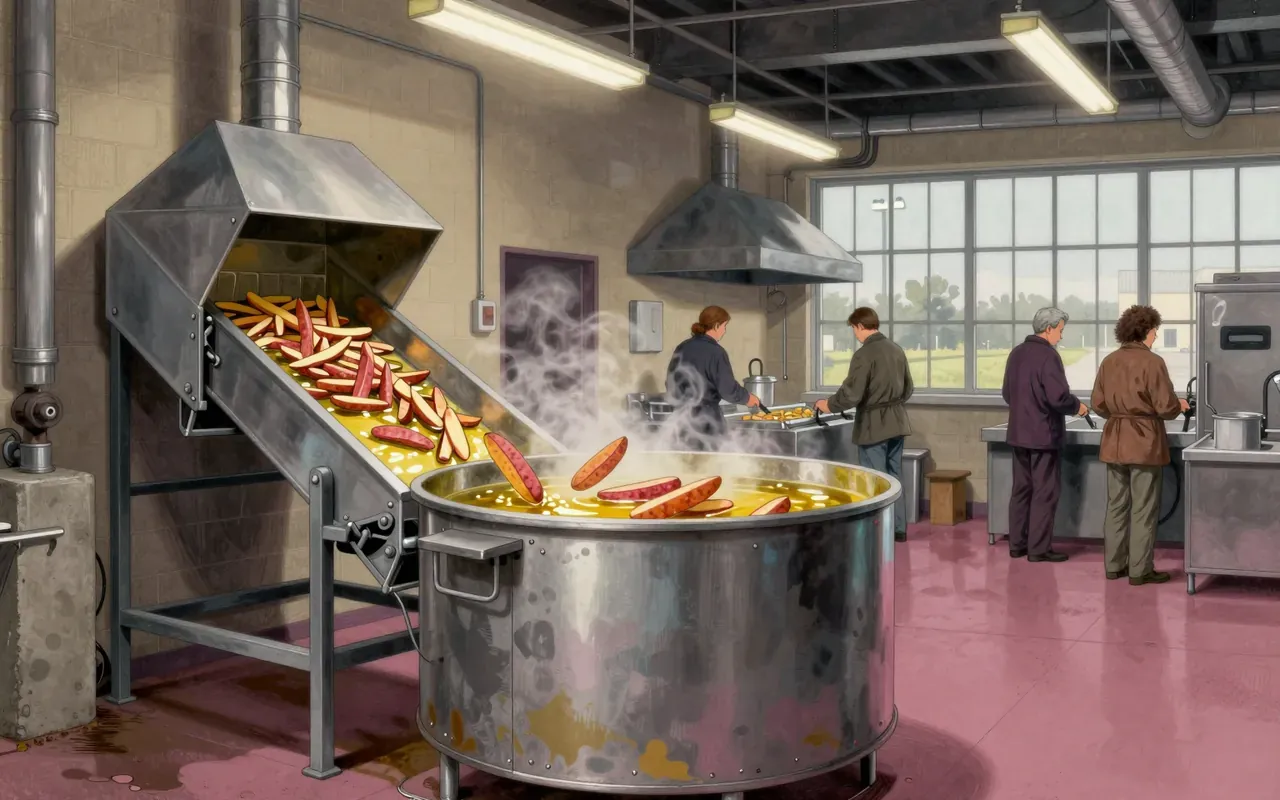
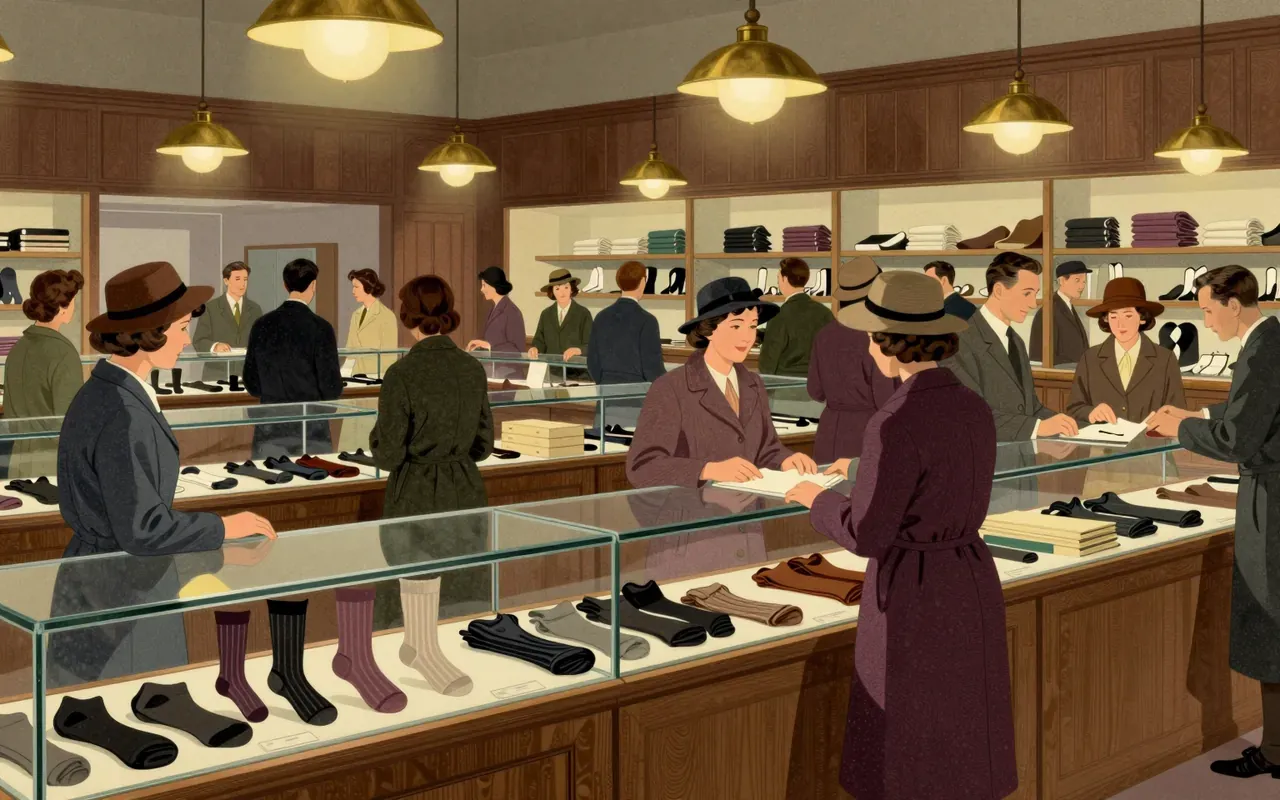
Nylon is a family of synthetic thermoplastics characterised by amide linkages, melt-processed into fibres, films and moulded shapes. Wallace Carothers made the first one at DuPont in 1935, and women's stockings made it famous. Pure nylon's weaknesses in clothing led to blends with cotton, polyester and spandex, and pure nylon is now rarely used.