briefs
Topic · across the network

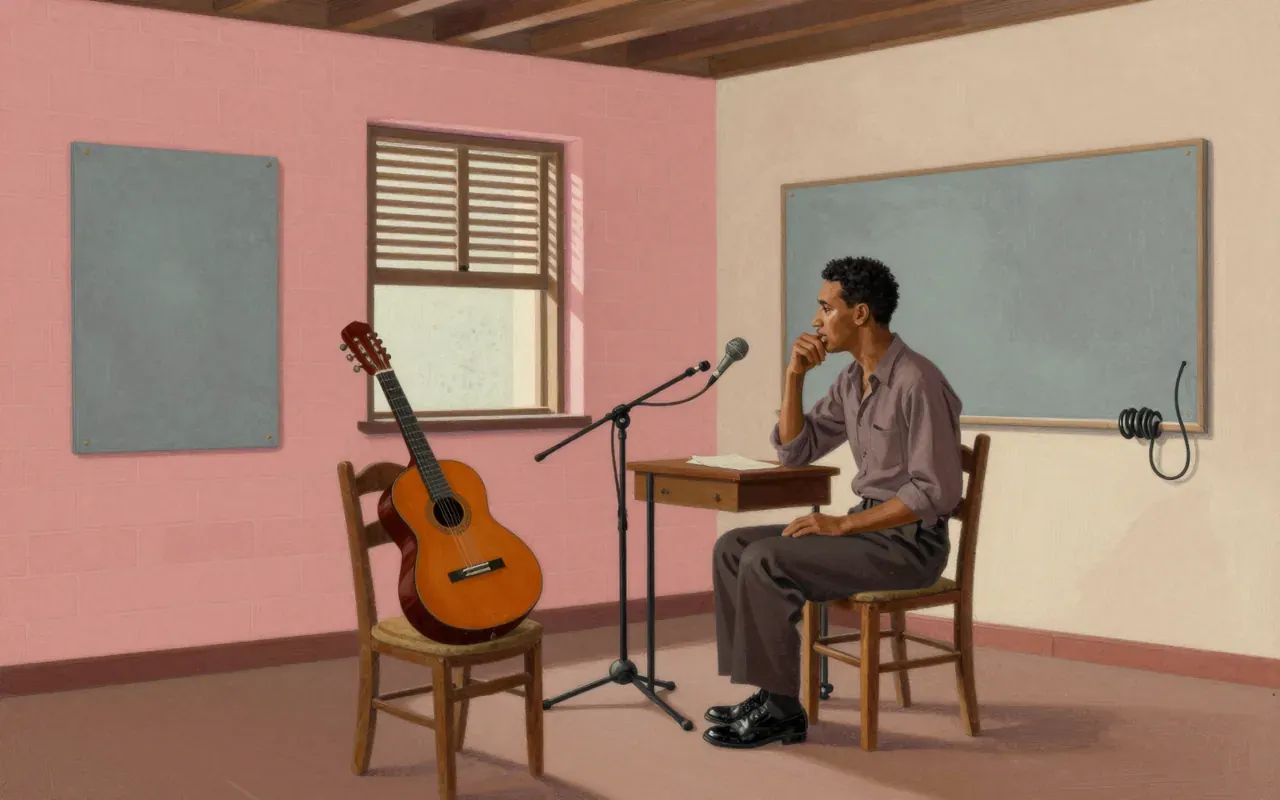
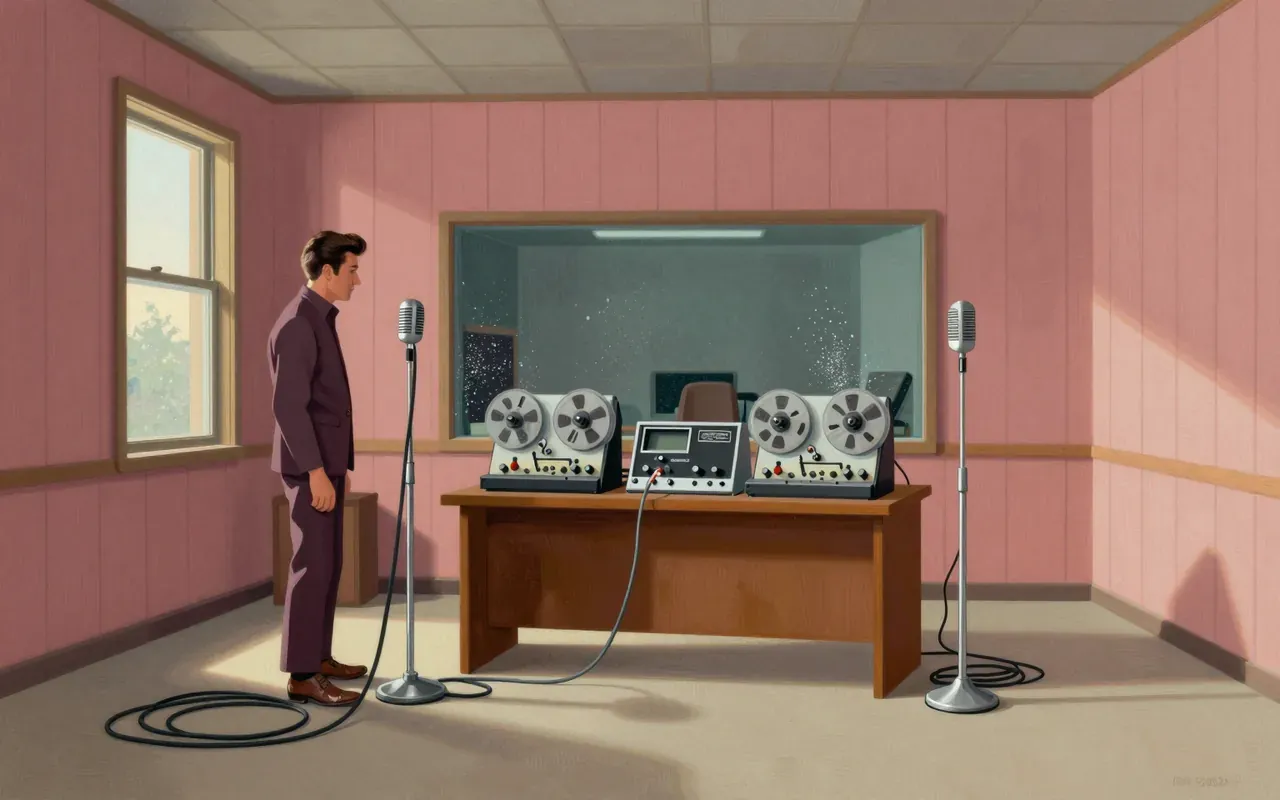
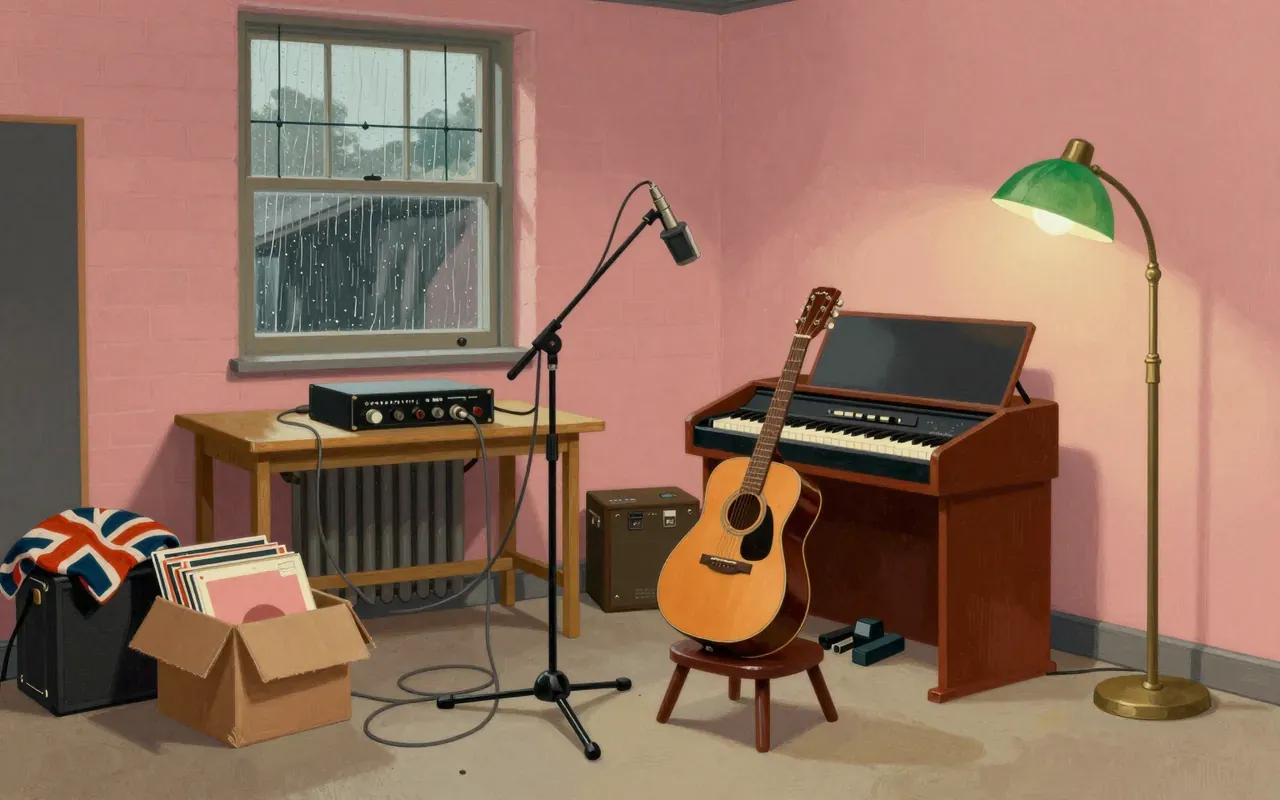
Acoustics

Why the room is an instrument.

220
briefs
11
subjects
10:05
average
2218 min
in total
Abstraction 407Absurdism 137Acoustics 220Acting 65Adaptation 372Addiction 95Adolescence 202Advertising 77Age of exploration 14Ageing 113Agriculture 100Algorithms 114Ambition 46Anarchism 38Ancient Egypt 17Ancient Greece 38Ancient Rome 30Animals 172Anthropology 23Apartheid 12Architecture 165Archives 32Argentina 10Art Deco 26Artificial intelligence 78Astronomy 81Attention 42Australia 32Automation 73Avant-garde 164Aviation 79Banking 72Banned works 40Bauhaus 12Beer 5Behavioural economics 22Berlin 16Big tech 6Biodiversity 136Biography 86Birds 41Black holes 20Blockchain 12Boxing 14Branding 77Brazil 43Bread 29Britain 131Brutalism 4Bubbles 3Buddhism 28Byzantium 10California 17Canada 18Capitalism 94Cars 468Celebrity 59Censorship 110Cheese 24Chefs 9Chemistry 104Chess 2Childhood 87China 109Chocolate 8Christianity 49Cinematography 343Cities 90Class 485Climate change 107Club culture 100Cocktails 2Coffee 11Cognitive bias 14Collecting 16Colonialism 284Colour 42Comedy 89Community 52Complexity 21Computing 309Consciousness 16Conservatism 14Conspiracy theories 8Cooking 178Corruption 38Cosmology 31Cover versions 64Craft 116Crate digging 42Creativity 8Crime 234Cryptocurrency 8Cryptography 24Cuba 10Cybersecurity 30Dada 12Debt 38Decision-making 28Decolonisation 46Deep time 80Democracy 45Denim 16Deserts 45Detroit 17Dinosaurs 12Directing 168Disasters 59Disease 109DJ culture 89Dreams 32Drones 5Drum machines 96Dystopia 69East Africa 28Ecology 337Economics 36Editing 72Education 92Egypt 12Electric vehicles 59Emotion 22Empire 92Endurance 49Energy 120Engineering 541Entropy 8Epidemics 13Equality 9Espionage 31Ethics 44Evolution 174Existentialism 106Expertise 2Exploration 49Extinction 23Failure 37Family 240Fandom 22Fascism 45Fashion 215Fast fashion 12Fear 34Feminism 122Fermentation 126Film music 81Fishing 12Folklore 71Food history 588Football 16Forests 31Forgery 7France 163Fraud 15Free will 13Freedom 16French literature 15Friendship 24Furniture 36Gambling 14Gender 63Generations 28Genetics 87Geology 96Germany 66Globalisation 74Gothic 32Greece 5Grief 126Habits 6Happiness 2Hardware 709Haute couture 22Headphones 8Hi-fi 12Hinduism 12Hoaxes 1Human history 23Human nature 41Identity 138Illustration 8Impressionism 6Improvisation 249India 89Indonesia 15Industrial design 342Inequality 13Inflation 4Information 34Infrastructure 280Insects 29Intelligence 8Interiors 31Internet culture 88Invention 329Iran 41Islam 40Islands 17Israel 9Italy 52Jamaica 10Japan 114Jewellery 5Journalism 34Judaism 13Justice 42Korea 41Language 70Law 90Leadership 20Learning 6Liberalism 1Libraries 6Literary criticism 26London 12Loneliness 61Los Angeles 62Lost works 9Love 67Luxury 55Machine learning 15Management 10Maps 5Marketing 21Markets 51Mars 6Marxism 26Masculinity 46Materials 138Mathematics 79Meaning 6Medicine 124Memory 82Mental health 70Mesopotamia 4Mexico 38Migration 95Minimalism 68Mining 30Misinformation 9Modernism 63Money 24Monopoly 32Mortality 61Motivation 2Mountains 16Museums 27Mysticism 11Mythology 60Nationalism 40Neuroscience 23New York 36Nigeria 7Nihilism 10Noise 31Nostalgia 33Nuclear 29Nutrition 17Oceans 48Oil 42Open source 45Painting 18Palaeontology 29Parenting 14Paris 18Partition 6Patents 71Patronage 14Perception 44Personal style 27Personality 2Persuasion 8Peru 10Philosophy 77Photography 37Physics 206Plants 26Platforms 89Podcasting 1Poetry 25Poland 17Policing 34Pop Art 16Populism 2Portraiture 6Portugal 18Postmodernism 23Power 91Prehistory 24Preservation 28Printmaking 21Privacy 11Probability 6Productivity 1Programming 54Prohibition 1Propaganda 35Protest 75Pseudoscience 17Psychology 80Publishing 22Punishment 16Quantum mechanics 44Race 145Radio 30Railways 35Rave 17Realism 47Record labels 19Recording 810Relativity 23Religion 154Resilience 15Restaurants 30Restoration 2Retail 94Revolution 58Risk 18Ritual 96Robotics 26Romance 96Russia 58Salt 9Sampling 246Satire 84Scandinavia 28Scientific method 186Screenwriting 26Sculpture 7Secularism 2Self-deception 14Semiconductors 73Sexuality 102Ships 18Silence 24Silicon Valley 17Slavery 35Sleep 2Smartphones 27Sneakers 15Social media 58Socialism 9Software 68Songwriting 180Sound design 332Sound systems 20South Africa 19South East Asia 30Space exploration 84Spain 18Special effects 41Spices 62Spirits 12Sport 82Startups 21Statistics 10Status 9Stoicism 4Storytelling 68Strategy 70Street food 99Streetwear 16Studio craft 508Subcultures 59Sugar 12Supply chains 115Surrealism 53Surveillance 21Sustainability 30Synthesis 232Tailoring 37Taxation 14Tea 24Textiles 97Thailand 11The American Revolution 19The American South 88The Arab world 41The Arctic 19The Balkans 17The Belle Epoque 13The body 29The brain 26The Caribbean 28The civil rights movement 62The Cold War 160The eighties 268The Enlightenment 29The financial crisis 19The First World War 39The food industry 157The French Revolution 9The Gilded Age 9The Great Depression 18The Holocaust 20The Industrial Revolution 93The internet 61The interwar years 135The Middle Ages 35The Moon 4The music business 169The Netherlands 10The nineties 26The Olympics 10The pandemic 13The Reformation 1The Renaissance 16The Russian Revolution 19The Second World War 102The seventies 58The sixties 28The space race 5The United States 19The universe 7The Victorian era 37Therapy 20Tokyo 11Trade 48Tragedy 22Translation 5Trauma 85Travel 5True crime 2Turkey 18Typography 54Uniforms 23Unions 8Urban planning 66Utilitarianism 1Utopia 5Vaccines 10Vegetarianism 15Venture capital 6Video games 291Vietnam 12Vintage 65Vinyl 6Virtual reality 11War 169Watches 4Water 11Weather 29West Africa 29Wilderness 10Wine 3Work 22Workwear 19Worldbuilding 121

music.briefs Music

All 98 in music →
10:02

A Meeting by the River

Ry Cooder · 1993

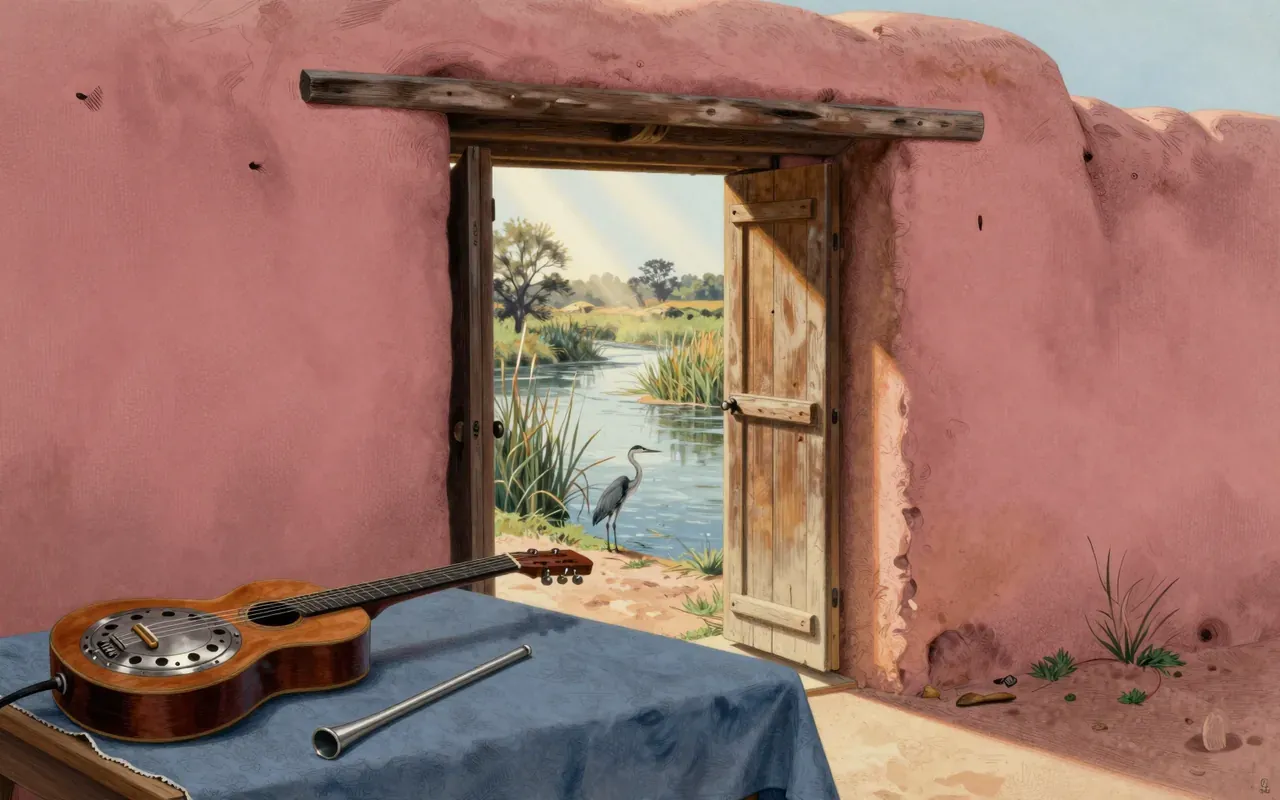
A Meeting by the River is a 1993 Grammy-winning world music crossover album recorded in September 1992 by Ry Cooder on slide guitar and Vishwa Mohan Bhatt on the Mohan veena—an instrument Bhatt created—with Joachim Cooder on dumbek and Sukhvinder Singh Namdhari on tabla. The session was unplanned and unrehearsed: Cooder and Bhatt met less than an hour before recording began. Produced and engineered by Kavichandran Alexander, it features voice-like phrasing, alternating and unison melodic lines, and improvisation rooted in Hindustani classical tradition and blues sensibility. Its four tracks—'A Meeting by the River', 'Longing', 'Ganges Delta Blues', and 'Isa Lei'—are noted for clarity, distinctness, and three-dimensional sound quality.
9:33

Ágætis byrjun

Sigur Rós · 1999

Ágætis byrjun is Sigur Rós’s second studio album, recorded between summer 1998 and spring 1999 with producer Ken Thomas. It marks a stylistic shift from Von, introducing Jónsi’s cello-bowed guitar and orchestration including a double string octet. It features self-reference (backmasked title track in the intro; 'Avalon' as a slowed alternate take of 'Starálfur'), palindromic strings on 'Starálfur', and vocals in Icelandic except for 'Olsen Olsen' and the final section of the title track, both in Vonlenska. It brought international acclaim, spread by word of mouth, and appeared in Vanilla Sky and The Life Aquatic.

10:48

At the Five Spot, Volume 1

Eric Dolphy · 1961

At the Five Spot, Volume 1 documents a single live night in 1961 by the co-led quintet of Eric Dolphy and Booker Little at the Five Spot Café in Manhattan. The rhythm section is Richard Davis, Mal Waldron, and Ed Blackwell. Released in 1961 on New Jazz Records.

11:51

Chega de saudade

João Gilberto · 1959

João Gilberto’s 1958 'Chega de saudade' single inaugurated bossa nova. It used two microphones — one for voice, one for guitar — to establish equal sonic footing between them. The voice was delivered at conversational volume. The song is 68 measures long: 32 in minor, 36 in parallel major. Elizeth Cardoso recorded it first in 1957; Gilberto’s version became the hit and defined the genre. It was released on 78 rpm at Odeon in August 1958, with arrangements by Antônio Carlos Jobim and participation by Milton Banana.

8:52

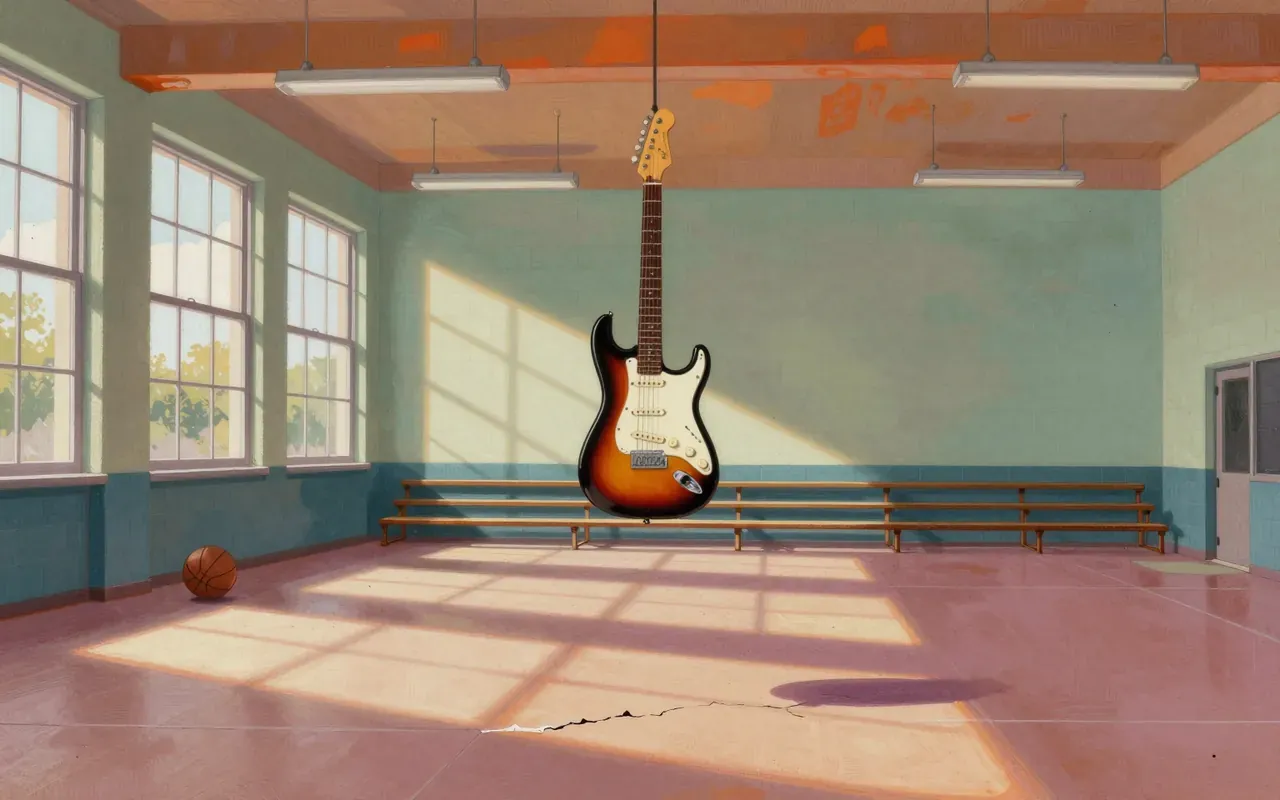
Concert by the Sea

Erroll Garner · 1956

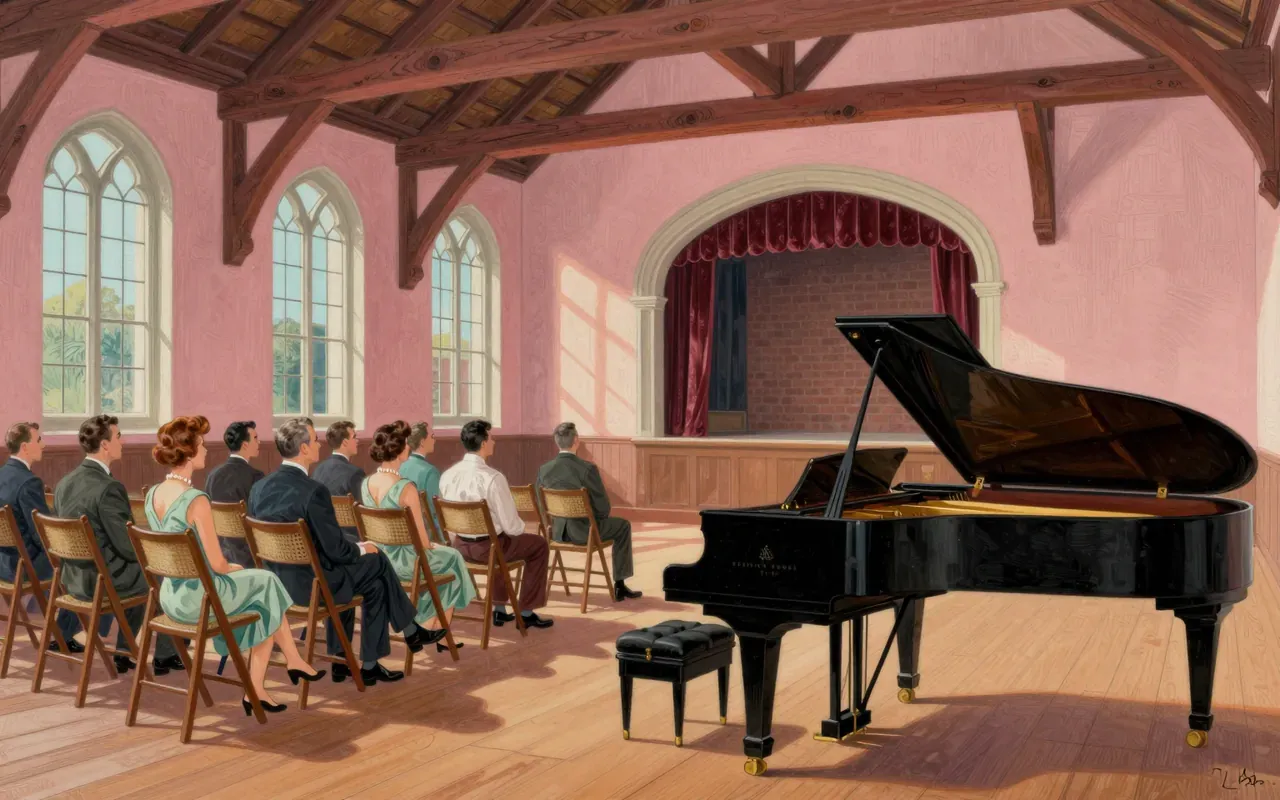
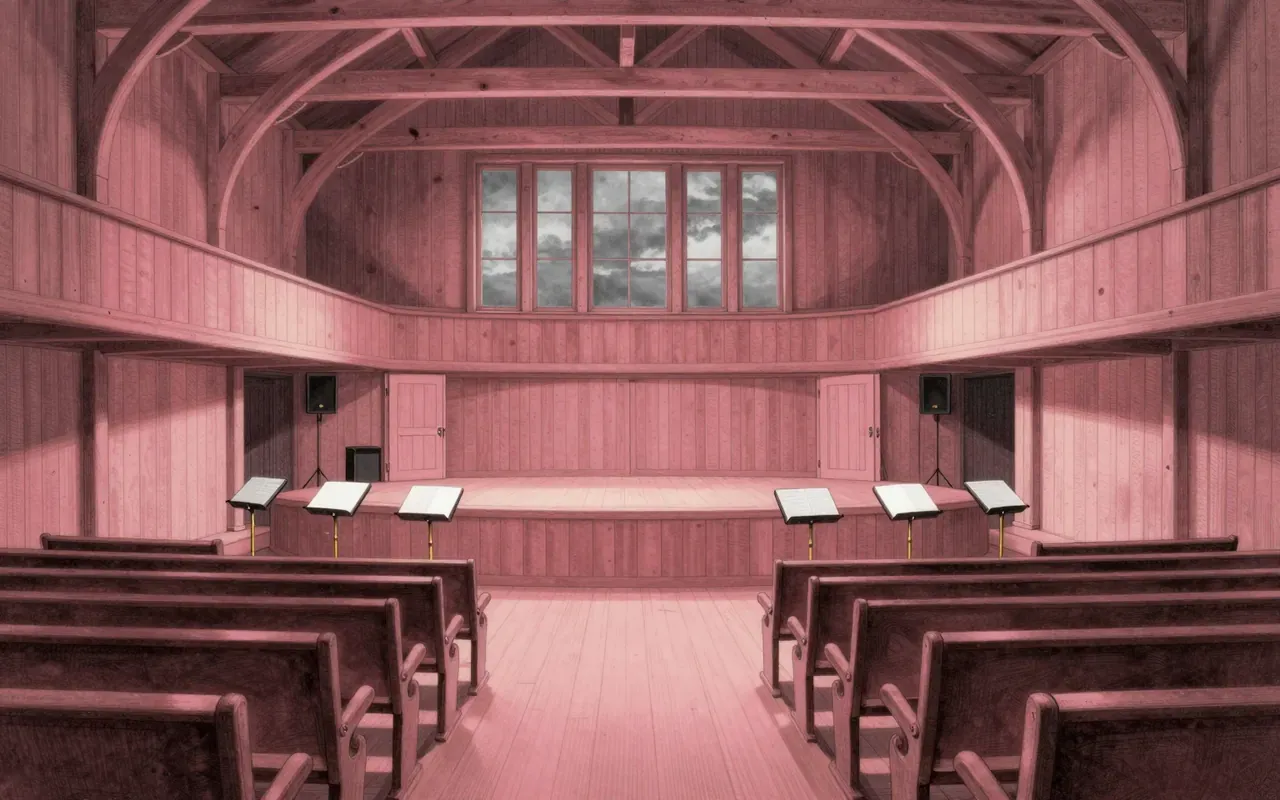
Concert by the Sea is a 1955 live Erroll Garner Trio album recorded at Sunset School in Carmel-by-the-Sea. It features Eddie Calhoun on bass and Denzil Best on drums. The piano is out of tune. The bass and drums are receded. The acoustics are poor. The recording was made with primitive sound equipment. It was captured unofficially by Armed Forces Radio Network engineer Will Thornbury. Manager Martha Glaser discovered the tape backstage, edited it, and persuaded George Avakian to release it. Servicemen from Fort Ord were bused to attend. The concert took place in a gothic-revivalist assembly hall. It was a best-selling jazz album in its day. The decision to release it was easy for Avakian.

11:32

Elvis Is Back!

Elvis Presley · 1960

Elvis Is Back! is a decisive, studio-crafted pivot — not a nostalgic return. Its sound is anchored by new technology (three-track, U-47 mics), deliberate personnel choices (Moore, Fontana, Randolph, Jordanaires), and Presley’s own acoustic guitar work. It avoids film material and pre-army tropes. It lands hardest where it commits to blues menace and vocal precision — not charm or spectacle. It rewards attention to process, not persona.

9:57

Five Leaves Left

Nick Drake · 1969

Five Leaves Left is Nick Drake’s 1968 debut, recorded live at Sound Techniques in London between May 1968 and April 1969. Drake sang and played acoustic guitar simultaneously with a string section—no overdubbing. Producer Joe Boyd pursued an intimate vocal sound with no shiny pop reverb, inspired by John Simon’s work on Leonard Cohen’s Songs of Leonard Cohen. String arrangements were by Robert Kirby (most tracks) and Harry Robinson ('River Man'). Backing musicians included Richard Thompson and Danny Thompson. Sessions were irregular and rushed, occurring during downtime from Fairport Convention’s Unhalfbricking production. Tension emerged between Boyd’s studio-centric methodology and Drake’s preference for organic sound. Bootleg recordings reveal Drake’s anxiety and Boyd’s unsuccessful instrumentation attempts.

11:27

Fox Confessor Brings the Flood

Neko Case · 2006

Fox Confessor Brings the Flood is a tightly controlled act of withholding — in lyric, structure, and space. Its power lies in what it omits, not what it declares.

film.briefs Film

All 14 in film →
13:00

À Nous la Liberté

René Clair · 1931

René Clair’s 1931 À Nous la Liberté follows two convicts — one who becomes a tramp, the other a phonograph magnate — and their reunion in a factory whose assembly line echoes the prison they fled. With Georges Auric’s music supplying much of the diegetic sound, and Georges Périnal’s cinematography framing both institutions as variations on the same geometry, the film stages a precise, unsentimental satire of mechanisation, class and the illusion of upward mobility. It is formally inventive, politically light-footed, and built on recurrence rather than revelation.
13:00

Blow Out

Brian De Palma · 1981

Brian De Palma’s 1981 crime thriller follows a Philadelphia sound technician who records a fatal car crash, then uncovers evidence of assassination in the audio. With John Travolta, Nancy Allen, and John Lithgow, it uses split screens, long takes, and meticulous sound design to explore how truth is assembled from fragments—and why it so often goes unheard.

13:00

Clean, Shaven

Lodge Kerrigan · 1994

Lodge Kerrigan’s 1994 debut Clean, Shaven follows Peter Winter (Peter Greene), a man recently released from a psychiatric institution, as he navigates a hostile world while searching for his daughter. Shot on 16mm with fragmented editing, dissonant sound design and tightly constrained perspective, the film immerses the viewer in a subjective experience of schizophrenia — avoiding diagnosis, exposition or moral framing. Its power lies in sustained formal discipline, not plot resolution.

13:00

M

Fritz Lang · 1931

Fritz Lang’s 1931 German thriller M follows the parallel manhunts for a child murderer by Berlin’s police and criminal underworld. Using sound innovatively — especially Edvard Grieg’s 'In the Hall of the Mountain King' as a leitmotif — and avoiding on-screen violence, it treats crime as a systemic rupture. Peter Lorre stars as Hans Beckert; Fritz Arno Wagner shot it for Nero-Film. Widely regarded as a landmark of procedural and sound cinema, it remains austere, precise, and morally unresolved.

13:00

Mon Oncle

Jacques Tati · 1958

Jacques Tati’s Mon Oncle (1958) is a colour comedy set in postwar France, contrasting the sterile geometry of a modernist villa with the worn textures of an old Paris neighbourhood. Starring Tati as the amiable, unmoored Monsieur Hulot, the film uses choreographed movement, precise sound design and architectural detail — not dialogue — to explore how design, automation and consumerism reshape human behaviour and relationships.

13:00

Playtime

Jacques Tati · 1967

Jacques Tati’s 1967 film Playtime is a meticulously constructed satirical comedy set on a vast, purpose-built 70 mm stage. It follows Monsieur Hulot and an American tourist, Barbara, across six architecturally defined sequences — airport, offices, trade fair, apartments, restaurant, roundabout — using movement, sound and colour to explore how modern design conditions human behaviour. With minimal dialogue, no close-ups and a near-monochrome palette punctuated by deliberate accents of red and green, it privileges spatial logic over narrative. Though commercially disastrous on release, it is now regarded as a landmark of arthouse cinema.

13:00

Punch-Drunk Love

Paul Thomas Anderson · 2002

Paul Thomas Anderson’s 2002 film stars Adam Sandler as Barry Egan, a socially anxious novelty-plunger entrepreneur in Los Angeles whose life fractures and reforms around an unexpected romance with Emily Watson’s Lena. Shot in 95 tightly controlled minutes, it uses Jon Brion’s dissonant score, Jeremy Blake’s abstract interludes, and a meticulously restrained performance from Sandler to explore loneliness, familial pressure, and love as destabilising force — not resolution.

13:00

Read My Lips

Jacques Audiard · 2001

Read My Lips (2001), directed by Jacques Audiard, follows Carla Behm, a nearly deaf secretary in a Paris construction firm, and Paul Angeli, an ex-convict on parole, as they form an uneasy alliance that blurs professional, criminal, and personal boundaries. Shot with restraint by Mathieu Vadepied and scored sparsely by Alexandre Desplat, the film anchors its suspense in physical detail and acoustic limitation rather than plot mechanics. Emmanuelle Devos won the César for Best Actress for her understated, embodied performance.

science.briefs Science

All 3 in science →
10:01

Ernst Mach

Mach didn’t discover relativity — he photographed shock waves and mapped how your inner ear keeps you upright.
10:52

Jing Fang

A Han dynasty mathematician calculated musical temperaments to 0.0145-cent precision — and declared the Moon a mirror centuries before Europe.
12:03

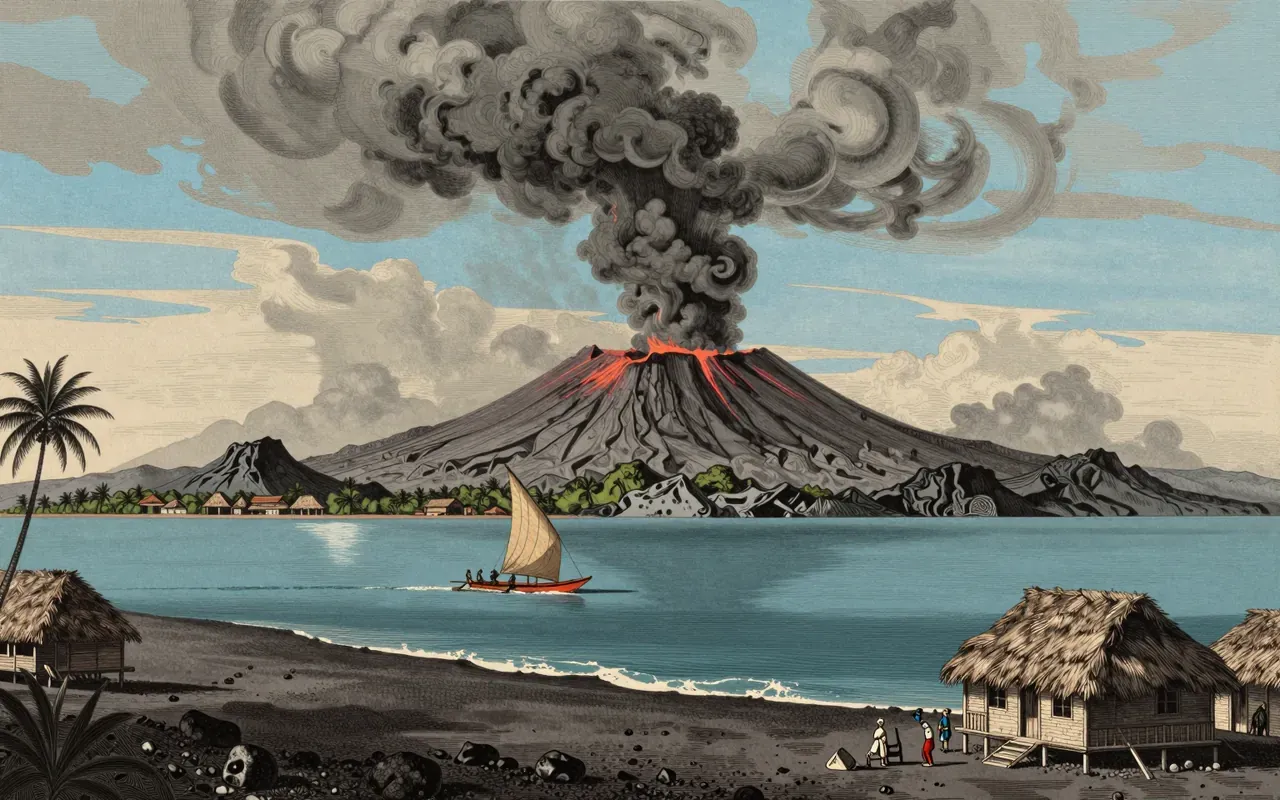
1883 eruption of Krakatoa

Krakatoa didn’t just boom — it turned the atmosphere into a resonant chamber and a reflective shield, with numbers we still use to test climate physics.

design.briefs Design

All 5 in design →
4:18

Ross Lovegrove

Lovegrove’s career is a sequence of verified commissions—not a manifesto.
9:06

Anni Albers

Cellophane wasn’t just new—it was impractical. Her wall covering proved utility could emerge from constraint, not compromise.
10:48

Golan Levin

Levin didn’t build interfaces—he built mirrors for how machines see, hear, and misread us.
8:35

Ryoji Ikeda

Ikeda doesn’t make music you feel in your chest—he makes music you measure in hertz.

games.briefs Games

All 5 in games →
8:40

Tom Clancy's Splinter Cell: Chaos Theory

Ubisoft Montreal · 2005

Tom Clancy's Splinter Cell: Chaos Theory is a 2005 stealth action game developed by Ubisoft Montreal. It refines the series' core stealth loop around two interdependent detection systems: light exposure and relative noise. Guards react intelligently to environmental changes and coordinate tactically. Alarms trigger only on discovery—not on being seen—and no longer cause automatic failure. It expands close-quarters options and introduces equipment loadouts tied to lethality constraints.

10:58

Thief: The Dark Project

Looking Glass Studios · 1998

Thief: The Dark Project is a 1998 stealth game by Looking Glass Studios. It uses light and sound as core mechanics. Players assume the role of Garrett in a first-person, unscripted 3D world. Objectives are discrete—like stealing a specific object—and must be completed to advance. A visibility gem on the HUD indicates detectability. NPCs react to environmental cues. Eidos Interactive published it.

12:14

Thief II

Looking Glass Studios · 2000

Thief II is a foundational immersive sim built on light, sound, and consequence. It asks players to move like a thought — unseen, unheard, deliberate. Its design remains coherent decades later. Its pacing and opacity do not.

10:12

Far Cry (video game)

Crytek · 2004

Far Cry (2004) is a first-person shooter set in a dynamic tropical archipelago. It uses environmental cover, sound, and optical tools to create a sensor-driven combat loop. Enemies react, coordinate, and communicate. Its open maps contrast with linear missions. It is Crytek’s debut AAA title, built on CryEngine, and the first Far Cry game.

9:26

Ecco the Dolphin (video game)

Sega · 1992

Ecco the Dolphin is an action-adventure game where the player controls a bottlenose dolphin navigating time-traveling plot-driven levels. Core mechanics include speed-based swimming, singing-based interaction and mapping, glyph-based puzzles, and survival constraints like air depletion and health management.

business.briefs Business

All 2 in business →
10:10

Alimentation Couche-Tard

Alain Bouchard · 1980

Alimentation Couche-Tard is a textbook case of geographic and operational scaling through acquisition and banner standardisation — not product, tech, or marketing innovation. Its model depends on acquiring undermanaged regional chains, stripping overlapping functions, and enforcing consistency in procurement and site selection. It reveals little about consumer behaviour or retail design, but much about how capital, real estate leverage, and decentralised execution combine to dominate fragmented markets.

11:31

Geely

Li Shufu · 1986

Geely is a founder-led, family-financed industrial pivot machine — not a tech innovator or brand builder. It built scale by acquiring assets (Volvo, Lotus, Smart, Aston Martin), not customers. Its business model relies on platform reuse and regulatory arbitrage, not margin expansion or consumer loyalty. Verified financials are absent. Its most durable tactic is holding equity stakes where others seek control.
technology.briefs Technology

All 16 in technology →
10:27

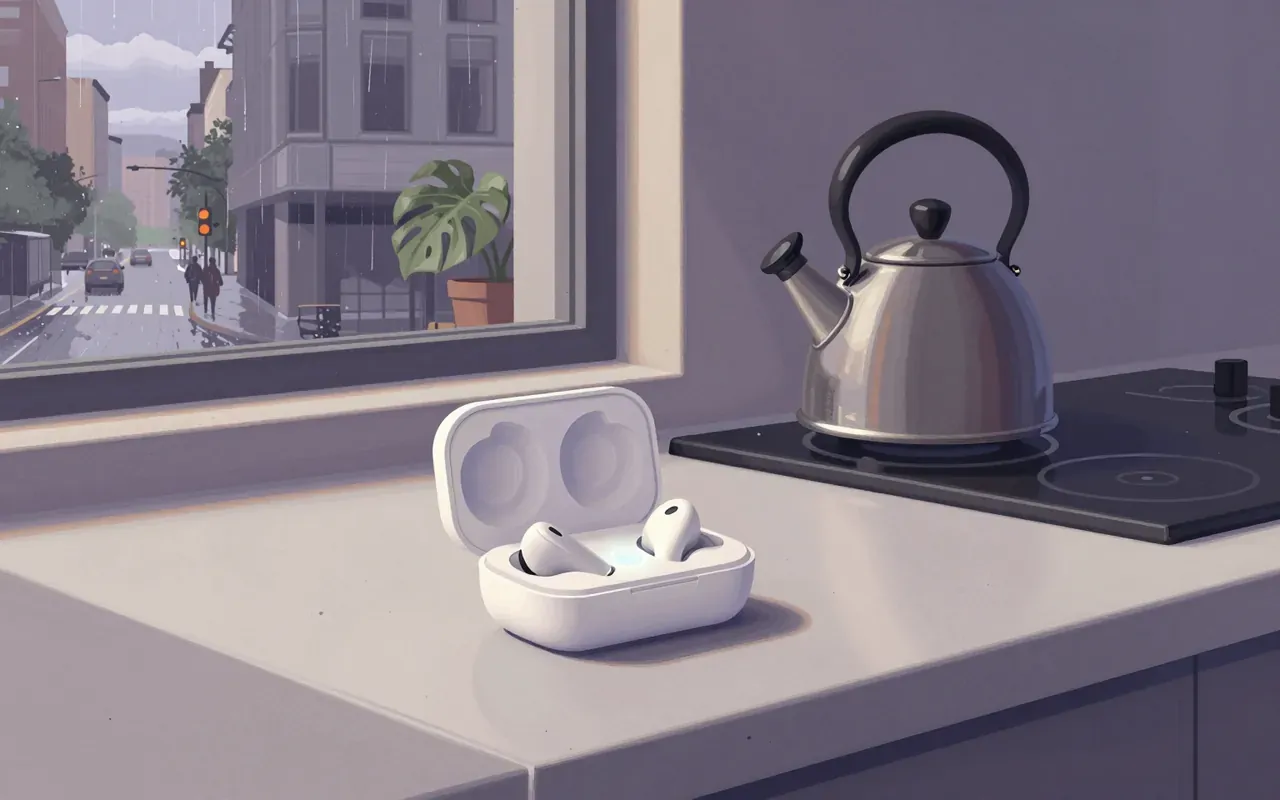
AirPods

Apple · 2016

AirPods are Apple-designed wireless Bluetooth earbuds announced 7 September 2016 and launched 20 December 2016. They use optical sensors and accelerometers to detect ear placement and pause audio automatically. A proprietary W1 SoC chip enables efficient Bluetooth 4.2 audio and battery management. Full feature support requires iOS 10, macOS Sierra or watchOS 3 or later. On non-Apple devices, they function only as standard Bluetooth headphones. Within two years, they became Apple’s most popular accessory.
10:21

Magnetic tape

Fritz Pfleumer

Magnetic tape is a plastic-backed iron-oxide medium for analog sound recording. It solved portability and repeatability in audio capture—replacing wire—but required mechanical precision, careful handling, and post-war reverse-engineering to spread. Its value lies not in fidelity alone, but in making recorded sound a transportable, storable, and re-broadcastable commodity.

8:35

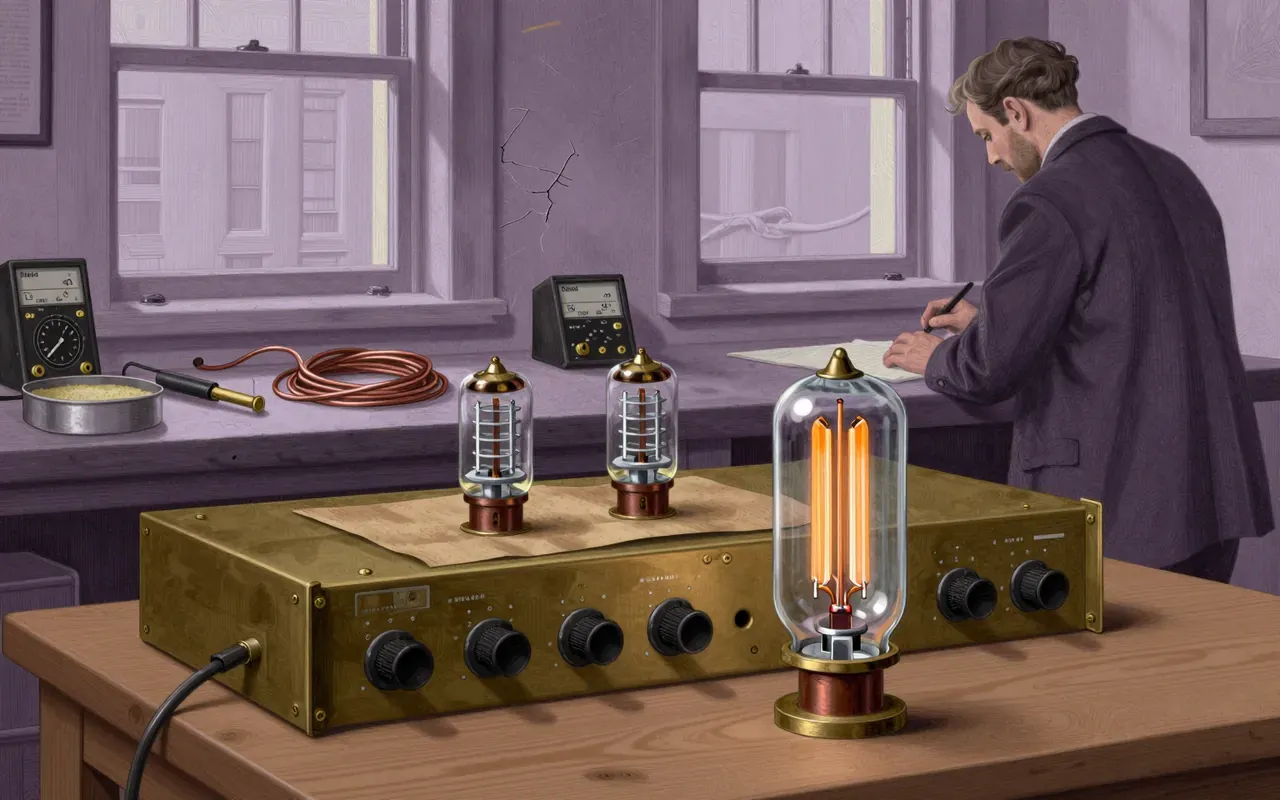
Valve amplifier

Lee de Forest

Lee de Forest’s triode valve amplifier is the first electronic amplifying device. It uses a control grid to modulate current flow. It first regenerated long-distance telephony signals. It amplified radio signals only slightly. It required residual gas and was initially unreliable. It enabled radio broadcasting, telephony, television, and computing.

11:43

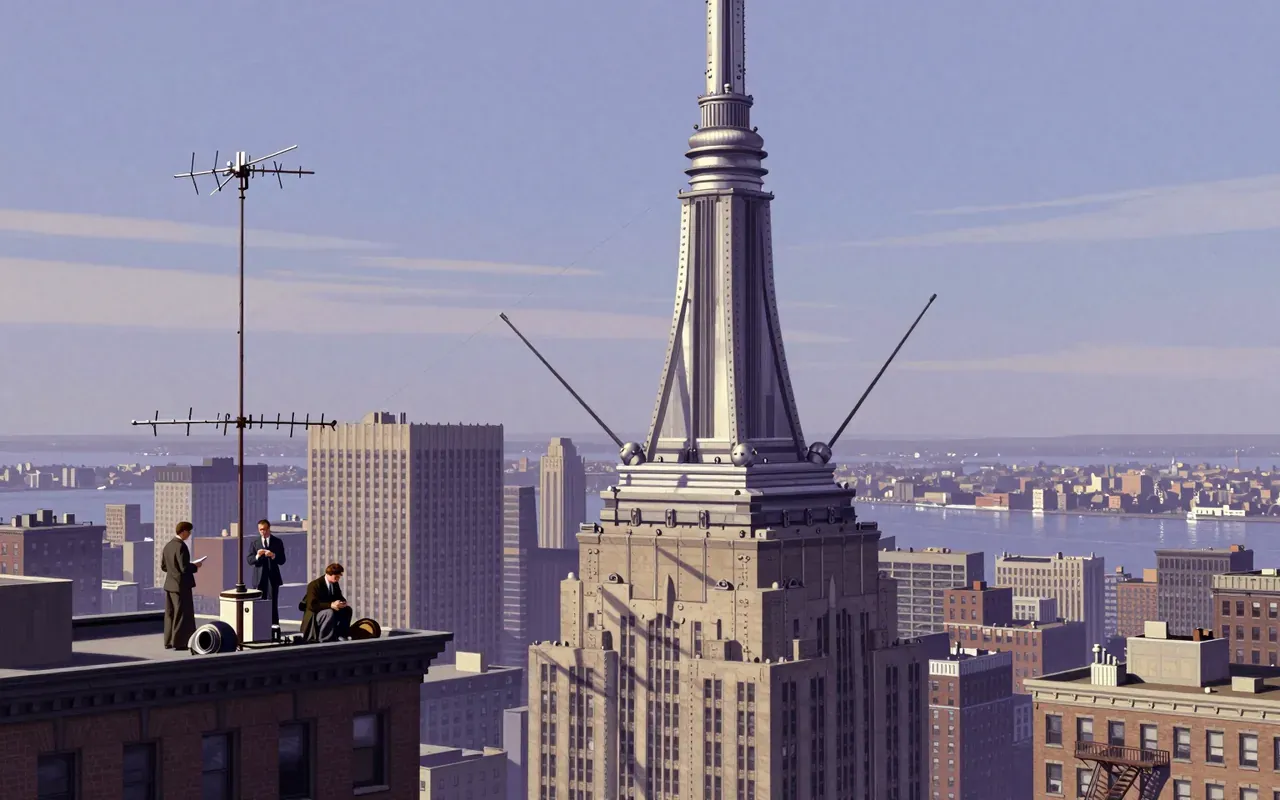
FM broadcasting

Edwin Howard Armstrong

FM broadcasting is a noise-resilient analog transmission method that trades bandwidth for fidelity and static immunity. Armstrong engineered it deliberately—not as an evolution of AM, but as its functional alternative. Its mechanism works. Its early promise did not. Its regulatory impact did.

10:06

Dell Technologies

A debt-fuelled merger, not a technology—Dell Technologies is infrastructure consolidation disguised as innovation.
7:38

Hewlett-Packard

A light bulb—not transistors, not code—was HP’s first engineering breakthrough.
9:02

MP3

MP3 is not a codec—it’s a decoder contract with a thousand incompatible encoders.
9:59

Sonar

Paul Langevin

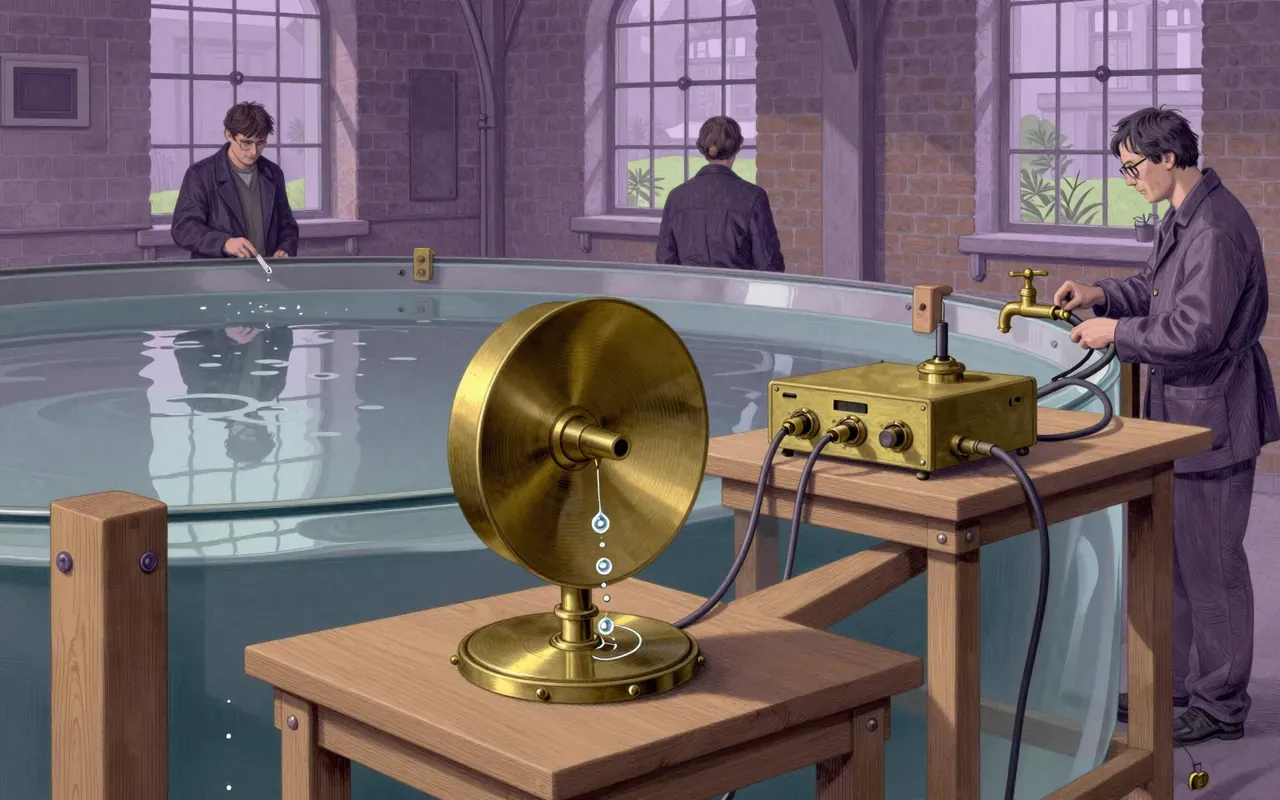
Langevin’s 1915 sonar was the first active underwater echo-ranging system. It used electrostatic and quartz piezoelectric transducers to send and receive ultrasound. Distance was calculated from signal time-of-flight. Though patented and physically demonstrated, it did not become operational before World War I ended. Electrostatic transducers were soon abandoned; quartz piezoelectric methods endured and scaled. The invention established the core mechanism of modern sonar — but delivered no tactical utility in its intended conflict.

culture.briefs Culture

All 6 in culture →
8:54

Heavy metal music

Heavy metal did not exist as a genre in 1970 — it existed as a set of techniques waiting for someone to unify them.
9:08

La Scala

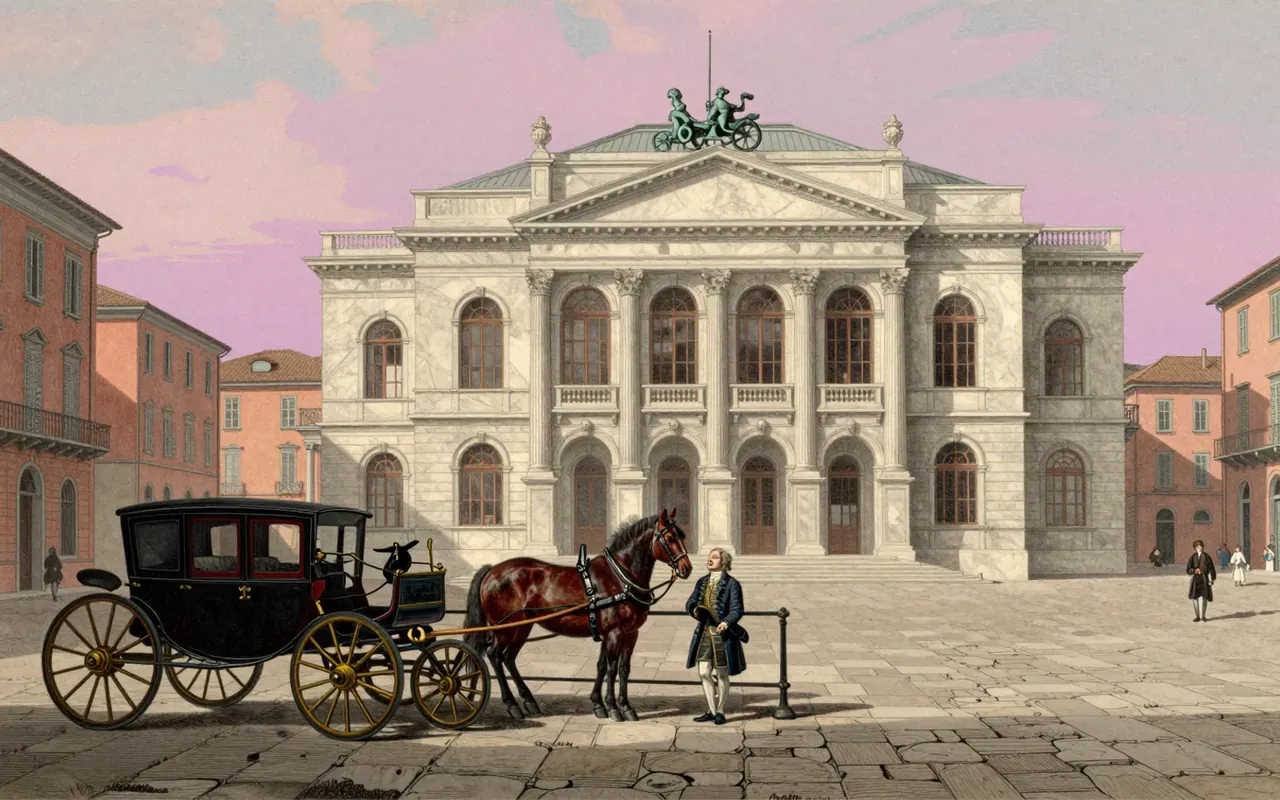
La Scala was never about art for art’s sake—it was opera as municipal utility.
8:08

Sound system (Jamaican)

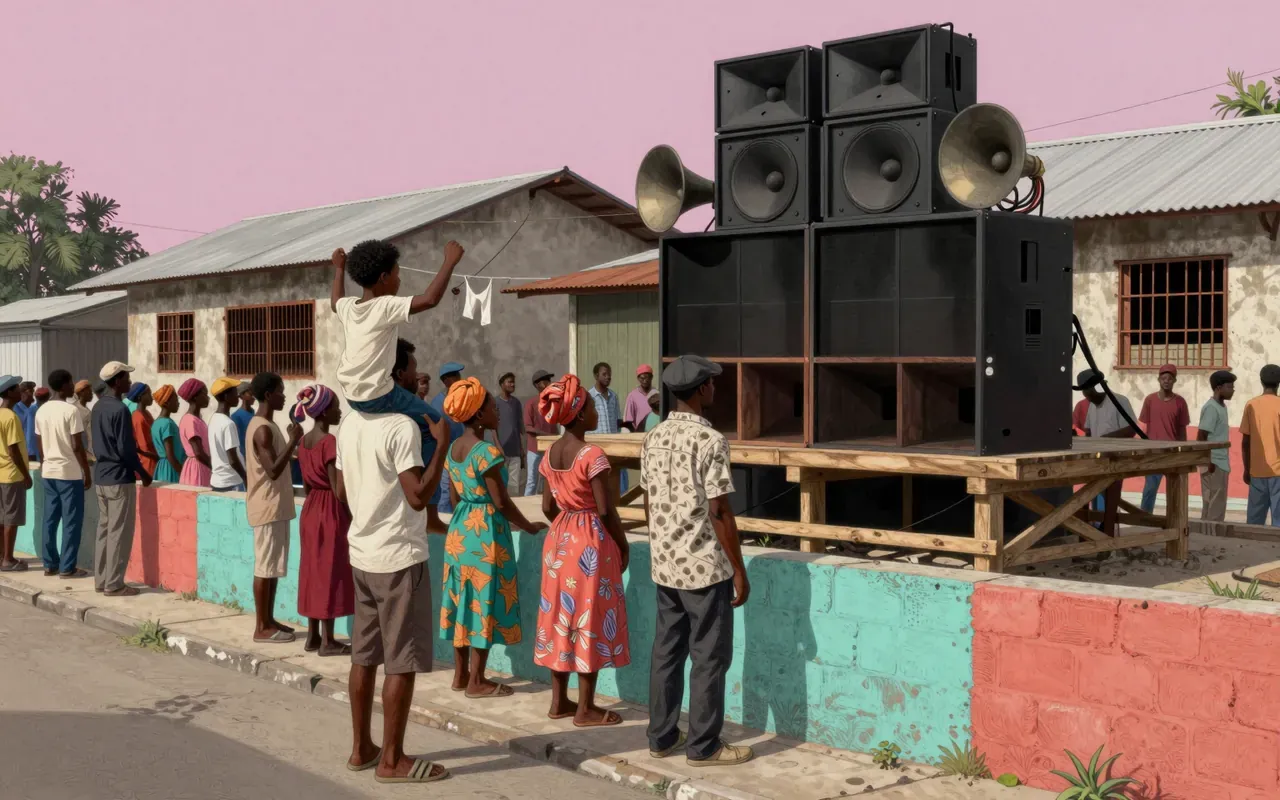
Sound systems didn’t just play music—they built an economy where bass was currency and exclusivity was policy.
9:28

Phreaking

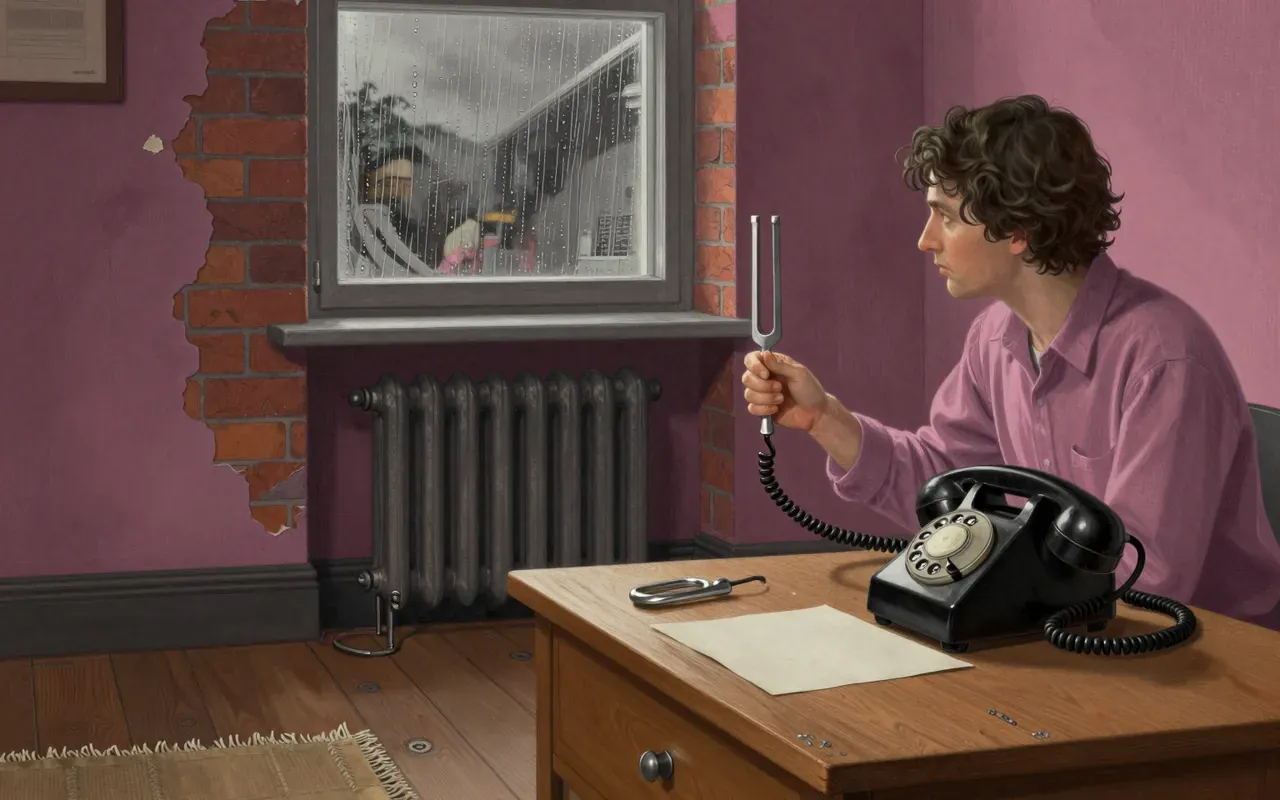
Phreaking wasn’t rebellion—it was listening closely enough to hear the system speak back.
9:04

Bolshoi Theatre

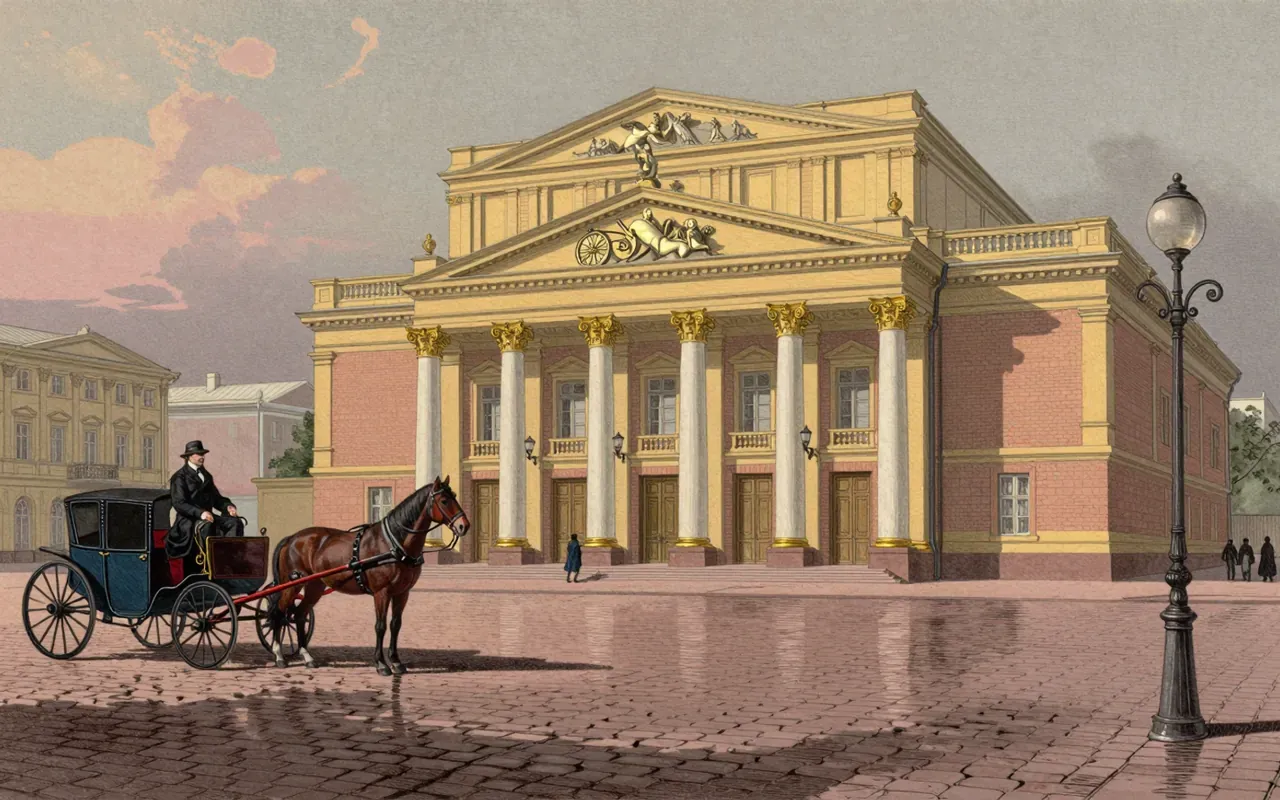
A theatre built by imperial licence, rebuilt by imperial architect, renovated to erase Soviet sound—this is state culture as infrastructure, not expression.

automotive.briefs Automotive

All 3 in automotive →
10:25

Lamborghini Huracán

Filippo Perini · 2014

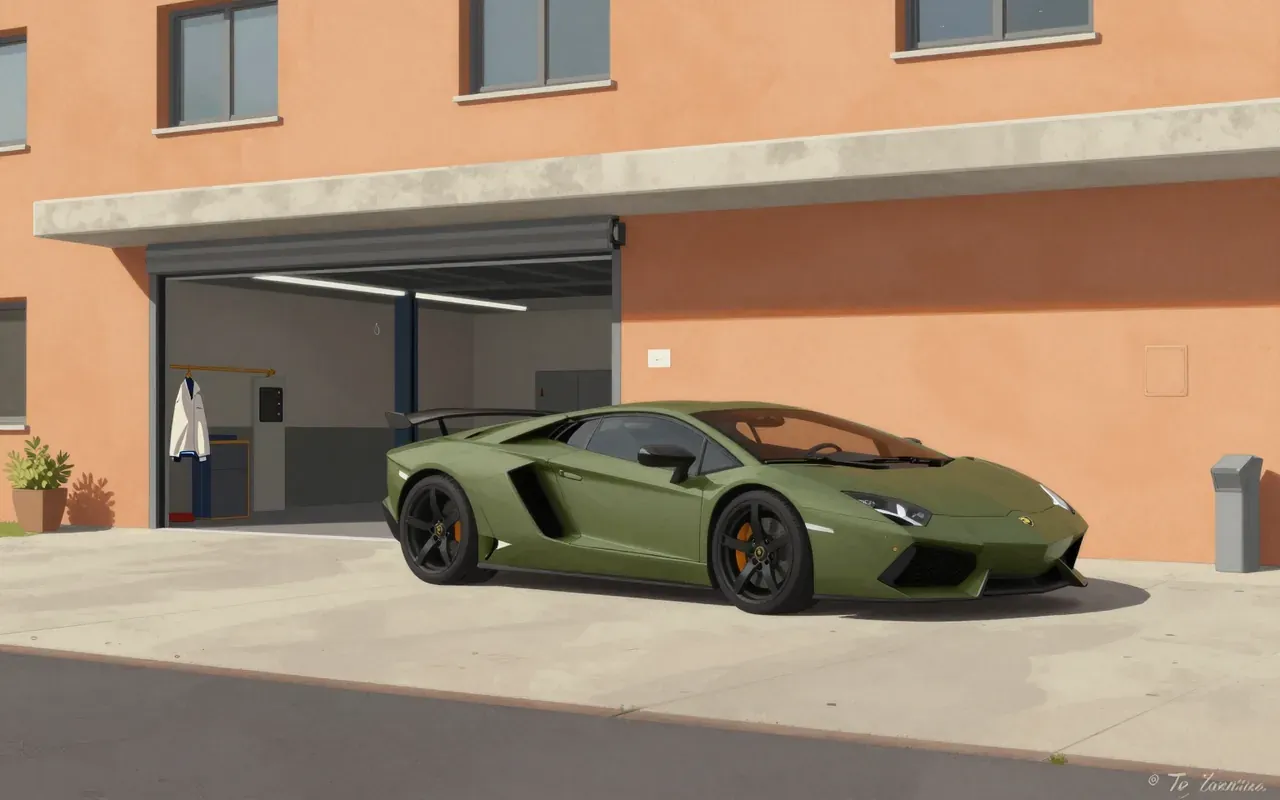
The Lamborghini Huracán is a mid-engine, two-seater sports car made by Lamborghini from 2014 to 2024. Its name is inspired by a Spanish fighting bull. It retains the 5.2-litre naturally aspirated Audi/Lamborghini V10 engine of the facelifted Gallardo. To ensure its balance and performance, the car is mid-engined. The engine has both direct fuel injection and multi-point fuel injection. It combines the benefits of both systems; it is the first time this combination has been used in a V10 engine. The drag coefficient of Cd=0.39 was undisclosed until 2021. With a kerb weight of 1,553 kg (3,424 lb), the Huracán LP 610-4 has a power-to-weight ratio of 2.55 kg (5.62 lb) per horsepower.

9:46

Gordon Murray Automotive T.50

Gordon Murray · 2022

The GMA T.50 is a sports car manufactured by Gordon Murray Automotive. Designed by Gordon Murray, it is the logical successor to the McLaren F1. It went into production in 2022 at GMA’s Surrey facility. It features a 3,994 cc naturally aspirated V12 developed by Cosworth. It achieves a dry weight of 997 kg, with its V12 weighing 178 kg and its chassis 30 kg lighter than the McLaren F1’s. A distinctive feature is the 8.5 kW 40 cm aerodynamic fan integrated into the rear, powered by a 48 volt electrical motor. It incorporates the fan car concept of the Brabham BT46B.

10:16

Lexus LFA

Kengo Matsumoto · 2010

The Lexus LFA is a rare, self-contained argument against automotive trend-chasing: no hybrid system, no forced induction, no digital mediation. It exists to deliver a specific sensory contract—between driver, engine and road—and nothing else.

audio.briefs Audio

All 57 in audio →
9:04

Marshall 1960A Cabinet

Marshall

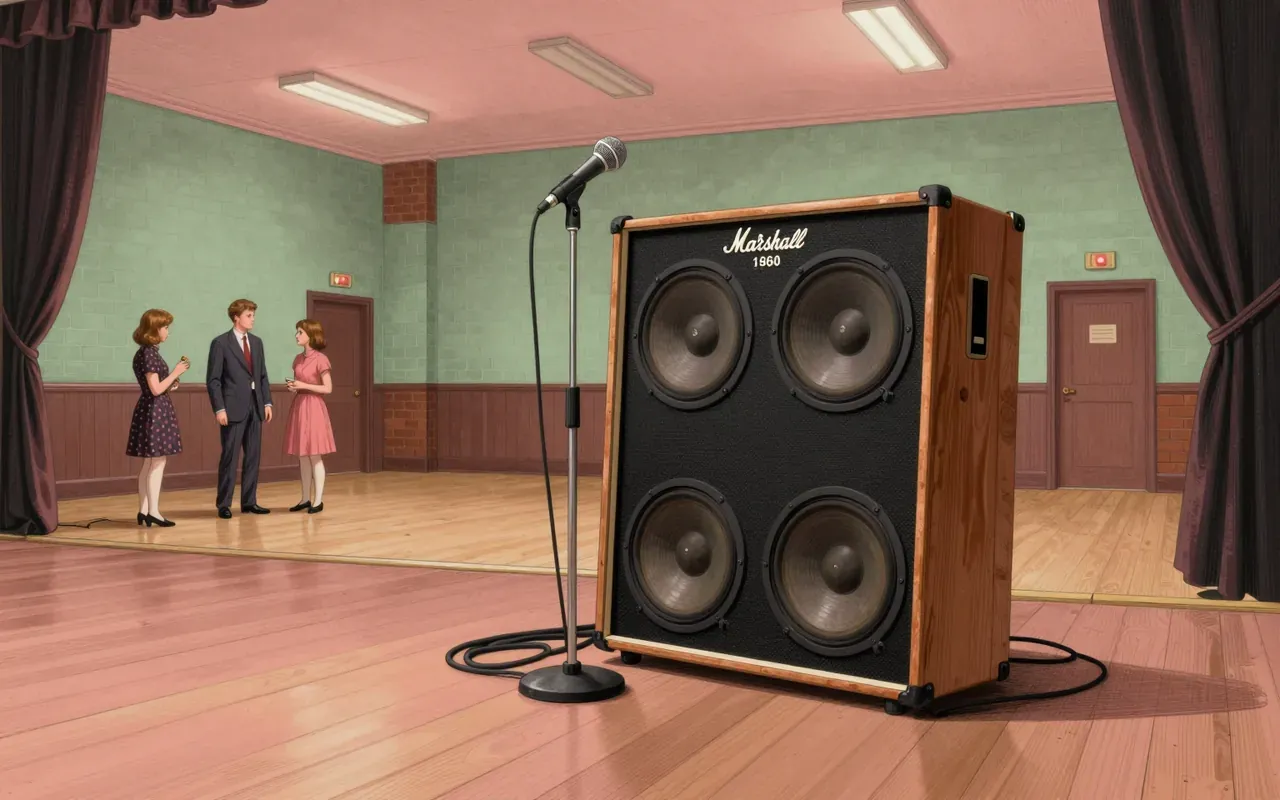
The Marshall 1960A JCM900 is Marshall’s designated main 4x12 cabinet—widely used, widely modified, and widely criticised. Its four Celestion G12T75 speakers deliver 300 watts of aggressive, scooped tone. Birch plywood construction meets an MDF back panel. Rear-panel impedance and stereo switching add flexibility. But air leaks at the seams. Joints feel insecure. Plastic handles flex under load. It excels only where harsh highs and tight lows serve metal—but fails jazz, grunge, and any genre demanding warmth or low-end authority.

9:08

Alembic Series I

Alembic

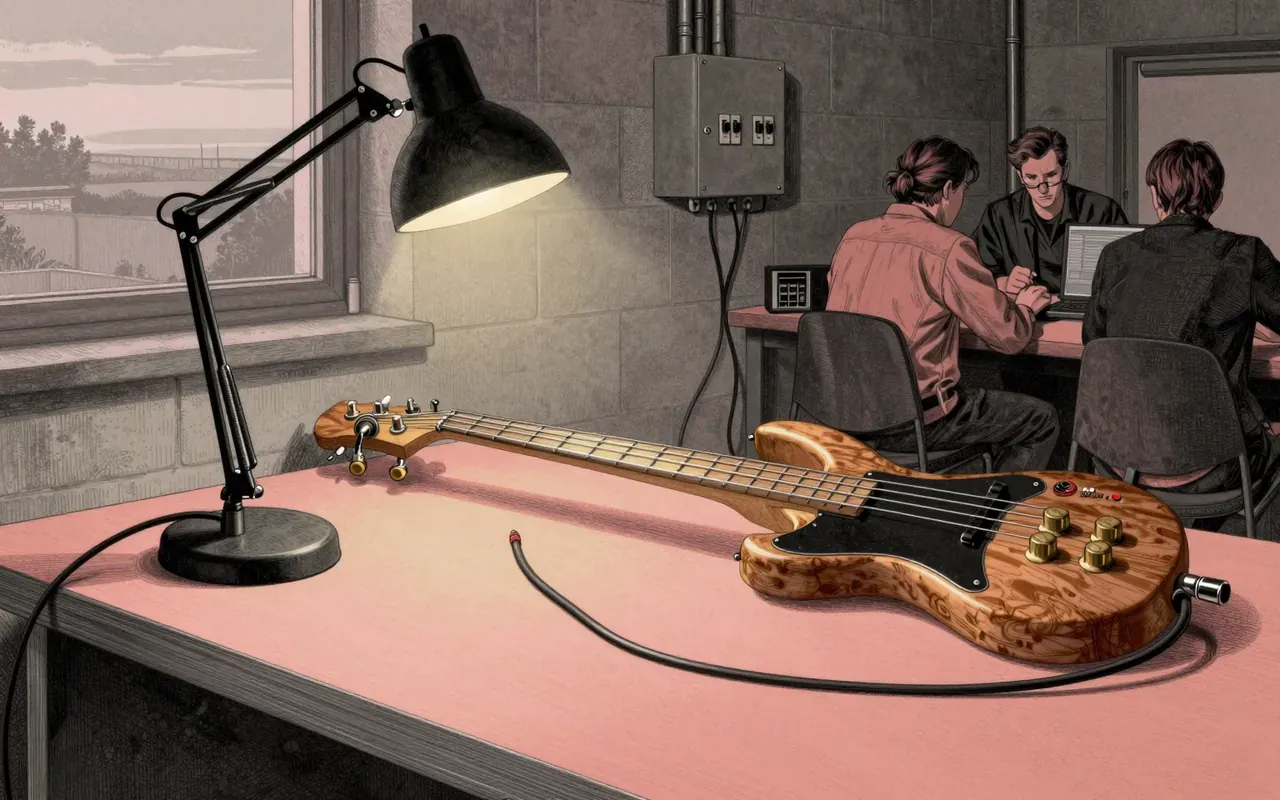
The Alembic Series I is a 1977 US-made 4-string bass with rabl neck and top, mahogany body, bne key, brass bridge and nut, and 24-fret pearl-inlaid neck. Its electronics include two single-coil pickups, a central dummy hum pickup, stereo 5-pin XLR output, external power supply, dual volume/tone controls, dual 3-position Q-switches, and a 3-position + Off selector. It delivers precise, clear, full-range sound suited to slap, fingerstyle, and pick playing—but is relatively heavy, fragile (headstock prone to breakage), and has non-independent string height adjustment at the bridge.

9:14

Auratone 5C Super Sound Cube

Auratone

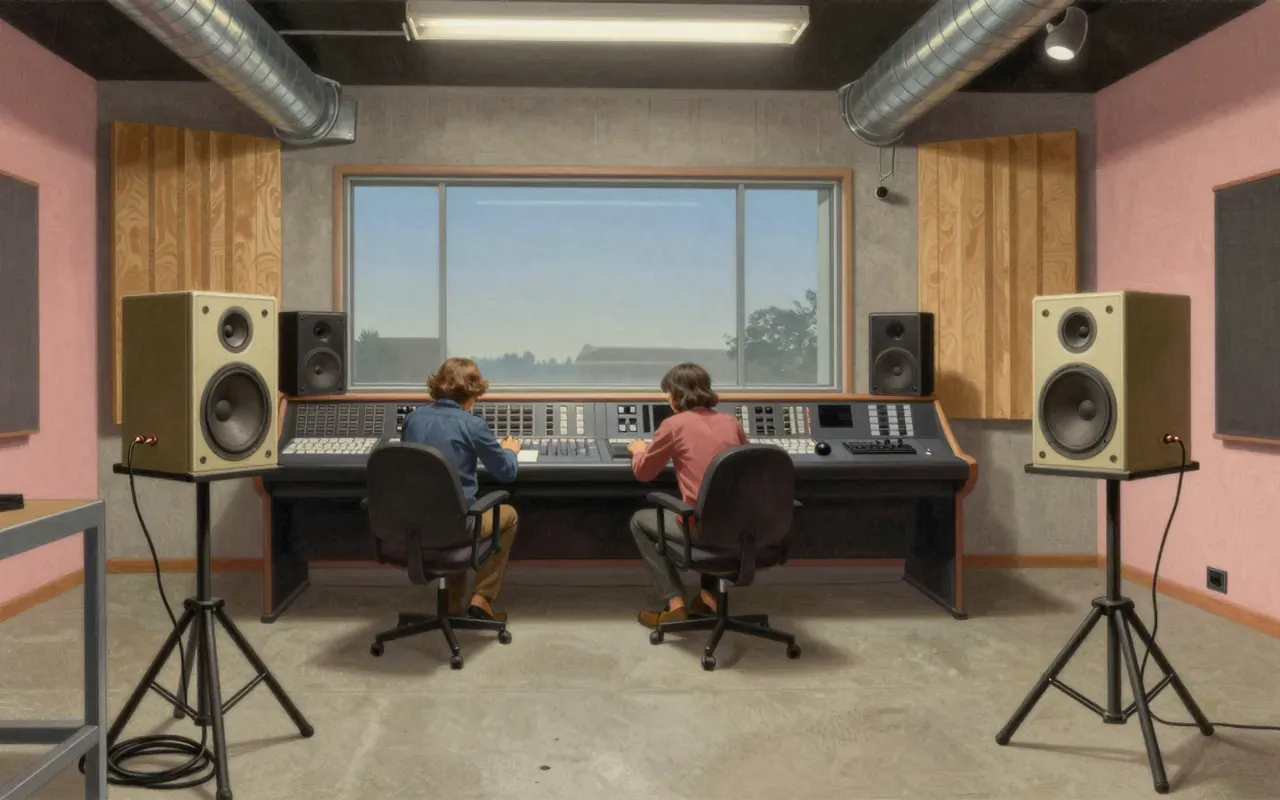
The Auratone 5C is a passive monitor requiring an external amplifier. Its extremely flat response and limited frequency range make it useful for quick A/B checks — but its lack of low-end response rules it out for primary mixing. It does one thing well: revealing what a mix loses when stripped of bass and extension.

9:02

AKG C414 B-ULS

AKG

The AKG C414 B-ULS is a large diaphragm condenser microphone. It is one of 13 products in the AKG C414 series. The source material gives no further technical, historical, or functional detail.

8:11

AKG C414 EB

AKG

The AKG C414 EB is a large diaphragm condenser microphone. It is one of 13 products in the AKG C414 series. No technical, historical, or functional detail beyond that is provided in the source material.

9:30

JBL 4310

JBL

The JBL 4310 is an active studio monitor built for truth-telling. Its neutral and linear sound reveals flaws. It needs an external amp. Bruce Swedien preferred it over the 4311—so much that he dismissed the latter as 'pure dog-doo'.

8:26

Millennia HV-3D

Millennia

The Millennia HV-3D is a solid-state mic preamp built for fidelity, not flavour. It gives you three transparent gain stages per channel, 1.5 dB stepped gain, phantom power, no phase flip, and eight channels in two rack units — all on internal power. It excels on strings, voice, and piano. It fails on distorted guitar and bright cymbals. It is not subtle. It is literal.

8:18

Genelec 1031A

Genelec

The Genelec 1031A is a large, active, self-powered studio monitor built for stationary use in professional recording studios. It delivers full-spectrum sound with strong low-end presence and tight high-end response. It plays loudly without colouration and reveals fine audio detail. Its built-in amplification is highly effective. Its size and sonic neutrality make it unsuitable for small rooms or home studios. Users report it excels in medium-to-large spaces and is trusted for critical mixing and tracking.

nature.briefs Nature

All 11 in nature →
8:10

Purr

Purring is not comfort noise — it’s a biomechanical alarm system that hijacks human ears while healing the animal from within.
8:52

Whale vocalization

Humpback whale song is cultural transmission without sex, syntax without speech, and evolution without repetition.
9:49

Iceberg

Icebergs are physics made visible—not alive, not sentient, but brutally honest about density, force, and consequence.
8:37

Singing sand

Sand doesn’t sing—it shears, resonates, and releases air with mechanical precision.
9:26

Picea sitchensis

The tallest spruce on Earth thrives where no other tree can—but burns like tinder when fire comes.
8:30

Tidal bore

A tidal bore is not magic — it is geography shouting back at the moon.
8:59

Blue whale

The largest animal ever confirmed doesn’t roar—it hums at frequencies humans can barely feel, and records its life in wax.
8:48

Cicada

A living nanotech surface that sings, drowns predators in numbers, and drinks from tree veins—no brain required.