briefs
Topic · across the network

Perception

The reconstruction that gets mistaken for a recording.

44
briefs
9
subjects
10:25
average
458 min
in total
Abstraction 407Absurdism 137Acoustics 220Acting 65Adaptation 372Addiction 95Adolescence 202Advertising 77Age of exploration 14Ageing 113Agriculture 100Algorithms 114Ambition 46Anarchism 38Ancient Egypt 17Ancient Greece 38Ancient Rome 30Animals 172Anthropology 23Apartheid 12Architecture 165Archives 32Argentina 10Art Deco 26Artificial intelligence 78Astronomy 81Attention 42Australia 32Automation 73Avant-garde 164Aviation 79Banking 72Banned works 40Bauhaus 12Beer 5Behavioural economics 22Berlin 16Big tech 6Biodiversity 136Biography 86Birds 41Black holes 20Blockchain 12Boxing 14Branding 77Brazil 43Bread 29Britain 131Brutalism 4Bubbles 3Buddhism 28Byzantium 10California 17Canada 18Capitalism 94Cars 468Celebrity 59Censorship 110Cheese 24Chefs 9Chemistry 104Chess 2Childhood 87China 109Chocolate 8Christianity 49Cinematography 343Cities 90Class 485Climate change 107Club culture 100Cocktails 2Coffee 11Cognitive bias 14Collecting 16Colonialism 284Colour 42Comedy 89Community 52Complexity 21Computing 309Consciousness 16Conservatism 14Conspiracy theories 8Cooking 178Corruption 38Cosmology 31Cover versions 64Craft 116Crate digging 42Creativity 8Crime 234Cryptocurrency 8Cryptography 24Cuba 10Cybersecurity 30Dada 12Debt 38Decision-making 28Decolonisation 46Deep time 80Democracy 45Denim 16Deserts 45Detroit 17Dinosaurs 12Directing 168Disasters 59Disease 109DJ culture 89Dreams 32Drones 5Drum machines 96Dystopia 69East Africa 28Ecology 337Economics 36Editing 72Education 92Egypt 12Electric vehicles 59Emotion 22Empire 92Endurance 49Energy 120Engineering 541Entropy 8Epidemics 13Equality 9Espionage 31Ethics 44Evolution 174Existentialism 106Expertise 2Exploration 49Extinction 23Failure 37Family 240Fandom 22Fascism 45Fashion 215Fast fashion 12Fear 34Feminism 122Fermentation 126Film music 81Fishing 12Folklore 71Food history 588Football 16Forests 31Forgery 7France 163Fraud 15Free will 13Freedom 16French literature 15Friendship 24Furniture 36Gambling 14Gender 63Generations 28Genetics 87Geology 96Germany 66Globalisation 74Gothic 32Greece 5Grief 126Habits 6Happiness 2Hardware 709Haute couture 22Headphones 8Hi-fi 12Hinduism 12Hoaxes 1Human history 23Human nature 41Identity 138Illustration 8Impressionism 6Improvisation 249India 89Indonesia 15Industrial design 342Inequality 13Inflation 4Information 34Infrastructure 280Insects 29Intelligence 8Interiors 31Internet culture 88Invention 329Iran 41Islam 40Islands 17Israel 9Italy 52Jamaica 10Japan 114Jewellery 5Journalism 34Judaism 13Justice 42Korea 41Language 70Law 90Leadership 20Learning 6Liberalism 1Libraries 6Literary criticism 26London 12Loneliness 61Los Angeles 62Lost works 9Love 67Luxury 55Machine learning 15Management 10Maps 5Marketing 21Markets 51Mars 6Marxism 26Masculinity 46Materials 138Mathematics 79Meaning 6Medicine 124Memory 82Mental health 70Mesopotamia 4Mexico 38Migration 95Minimalism 68Mining 30Misinformation 9Modernism 63Money 24Monopoly 32Mortality 61Motivation 2Mountains 16Museums 27Mysticism 11Mythology 60Nationalism 40Neuroscience 23New York 36Nigeria 7Nihilism 10Noise 31Nostalgia 33Nuclear 29Nutrition 17Oceans 48Oil 42Open source 45Painting 18Palaeontology 29Parenting 14Paris 18Partition 6Patents 71Patronage 14Perception 44Personal style 27Personality 2Persuasion 8Peru 10Philosophy 77Photography 37Physics 206Plants 26Platforms 89Podcasting 1Poetry 25Poland 17Policing 34Pop Art 16Populism 2Portraiture 6Portugal 18Postmodernism 23Power 91Prehistory 24Preservation 28Printmaking 21Privacy 11Probability 6Productivity 1Programming 54Prohibition 1Propaganda 35Protest 75Pseudoscience 17Psychology 80Publishing 22Punishment 16Quantum mechanics 44Race 145Radio 30Railways 35Rave 17Realism 47Record labels 19Recording 810Relativity 23Religion 154Resilience 15Restaurants 30Restoration 2Retail 94Revolution 58Risk 18Ritual 96Robotics 26Romance 96Russia 58Salt 9Sampling 246Satire 84Scandinavia 28Scientific method 186Screenwriting 26Sculpture 7Secularism 2Self-deception 14Semiconductors 73Sexuality 102Ships 18Silence 24Silicon Valley 17Slavery 35Sleep 2Smartphones 27Sneakers 15Social media 58Socialism 9Software 68Songwriting 180Sound design 332Sound systems 20South Africa 19South East Asia 30Space exploration 84Spain 18Special effects 41Spices 62Spirits 12Sport 82Startups 21Statistics 10Status 9Stoicism 4Storytelling 68Strategy 70Street food 99Streetwear 16Studio craft 508Subcultures 59Sugar 12Supply chains 115Surrealism 53Surveillance 21Sustainability 30Synthesis 232Tailoring 37Taxation 14Tea 24Textiles 97Thailand 11The American Revolution 19The American South 88The Arab world 41The Arctic 19The Balkans 17The Belle Epoque 13The body 29The brain 26The Caribbean 28The civil rights movement 62The Cold War 160The eighties 268The Enlightenment 29The financial crisis 19The First World War 39The food industry 157The French Revolution 9The Gilded Age 9The Great Depression 18The Holocaust 20The Industrial Revolution 93The internet 61The interwar years 135The Middle Ages 35The Moon 4The music business 169The Netherlands 10The nineties 26The Olympics 10The pandemic 13The Reformation 1The Renaissance 16The Russian Revolution 19The Second World War 102The seventies 58The sixties 28The space race 5The United States 19The universe 7The Victorian era 37Therapy 20Tokyo 11Trade 48Tragedy 22Translation 5Trauma 85Travel 5True crime 2Turkey 18Typography 54Uniforms 23Unions 8Urban planning 66Utilitarianism 1Utopia 5Vaccines 10Vegetarianism 15Venture capital 6Video games 291Vietnam 12Vintage 65Vinyl 6Virtual reality 11War 169Watches 4Water 11Weather 29West Africa 29Wilderness 10Wine 3Work 22Workwear 19Worldbuilding 121

books.briefs Books

All 1 in books →
14:48

The Critique of Pure Reason

Immanuel Kant · 1804

Kant’s 1781 critique argues that experience is possible only because the mind structures sensation using innate categories like causality. The brief explains why the Transcendental Deduction is necessary, why noumena are limits not objects, and why the Antinomies expose reason’s self-deception. It tells you which chapters to read, which to skip, and why this book remains unavoidable—not for its answers, but for the questions it forces on every thinker after it.
film.briefs Film

All 9 in film →
13:00

Clean, Shaven

Lodge Kerrigan · 1994

Lodge Kerrigan’s 1994 debut Clean, Shaven follows Peter Winter (Peter Greene), a man recently released from a psychiatric institution, as he navigates a hostile world while searching for his daughter. Shot on 16mm with fragmented editing, dissonant sound design and tightly constrained perspective, the film immerses the viewer in a subjective experience of schizophrenia — avoiding diagnosis, exposition or moral framing. Its power lies in sustained formal discipline, not plot resolution.

13:00

Repulsion

Roman Polanski · 1965

Roman Polanski’s 1965 psychological horror follows Carol Ledoux, a withdrawn Belgian manicurist in London, as she descends into acute dissociation while left alone in her sister’s flat. Shot in black and white on a modest budget, the film uses tight framing, amplified diegetic sound, and meticulous pacing to replicate the texture of perceptual collapse — cracks in walls, hands emerging from plaster, time stretching and warping. Catherine Deneuve’s restrained performance anchors a film that refuses exposition, causality, or resolution. It is a study in claustrophobia, not of space alone, but of consciousness under pressure.

13:00

Blowup

Michelangelo Antonioni · 1966

Michelangelo Antonioni’s 1966 English-language debut follows a London fashion photographer who believes he has photographed a murder — only to find that each enlargement deepens uncertainty rather than clarifying truth. Shot on location across Swinging London, with Carlo Di Palma’s restrained cinematography and Herbie Hancock’s sparse jazz score, Blowup uses photographic process as metaphor for perception itself. It won the Palme d’Or, helped end Hollywood’s Production Code, and remains a touchstone for films about mediation, alienation, and the instability of the image.

13:00

L'Arrivée d'un train en gare de La Ciotat

Auguste Lumière, Louis Lumière · 1896

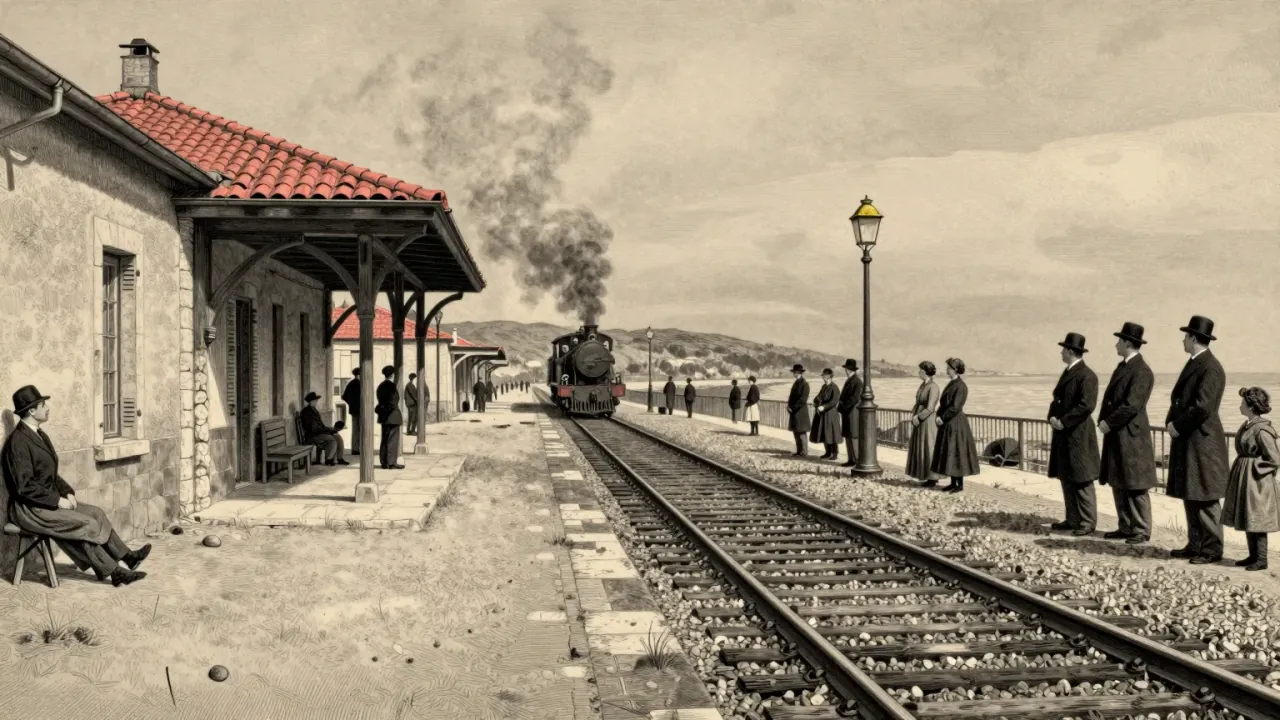
L'Arrivée d'un train en gare de La Ciotat (1896) is a fifty-second silent actuality film by Auguste and Louis Lumière, recording a steam locomotive arriving at La Ciotat station. Shot in a single unedited take with the Cinématographe, it exemplifies early cinema’s documentary impulse and technical ambition. Though often mythologised for causing audience panic, no contemporary evidence supports this. Its significance lies in its formal restraint, its demonstration of cinematic continuity, and its role in establishing the medium’s foundational grammar.

13:00

Meshes of the Afternoon

Maya Deren, Alexandr Hackenschmied · 1943

A fourteen-minute 1943 American experimental film directed by Maya Deren and Alexandr Hackenschmied, starring Deren and shot by Hackenschmied. It uses repetition, recursive editing, and shifting subjectivity to map the interior logic of anxiety and dissociation—not as metaphor but as cinematic structure. Silent on release, later scored by Teiji Ito. Preserved in the US National Film Registry for cultural and aesthetic significance.

13:00

Anomalisa

Charlie Kaufman, Duke Johnson · 2015

A middle-aged man perceives everyone as identical—same face, same voice—except one woman he meets in a Cincinnati hotel. Adapted from Charlie Kaufman’s 2005 audio play, this stop-motion feature renders alienation as tactile, acoustic and temporal experience, using painstaking puppetry and vocal repetition to explore perception, loneliness and the fragile mechanics of connection.

13:00

Cave of Forgotten Dreams

Werner Herzog · 2010

Werner Herzog’s 2010 documentary enters France’s Chauvet Cave — home to the oldest known figurative paintings — under strict access conditions. Shot in 3D by Peter Zeitlinger, the film foregrounds the physical relationship between the Palaeolithic artists and the cave’s contours, with minimal narration and quiet interviews. It avoids archaeological exposition in favour of sensory immersion, treating deep time as atmosphere rather than epoch.

13:00

Under the Skin

Jonathan Glazer · 2013

Jonathan Glazer’s 2013 film adapts Michel Faber’s novel into a stark, sensory-driven study of alien perception. Scarlett Johansson plays an extraterrestrial who preys on men across Scotland, filmed with hidden cameras and minimal dialogue. Dan Landin’s cinematography, Mica Levi’s dissonant score and Paul Watts’ restrained editing sustain a consistent, disorienting viewpoint. The film prioritises texture and duration over exposition, generating unease through omission rather than shock. Acclaimed for its formal rigour, it remains deliberately ambiguous about motive, origin and outcome.

science.briefs Science

All 1 in science →
11:20

Ibn al-Haytham

He didn’t just study light—he invented the scientific method for perception.

design.briefs Design

All 3 in design →
9:48

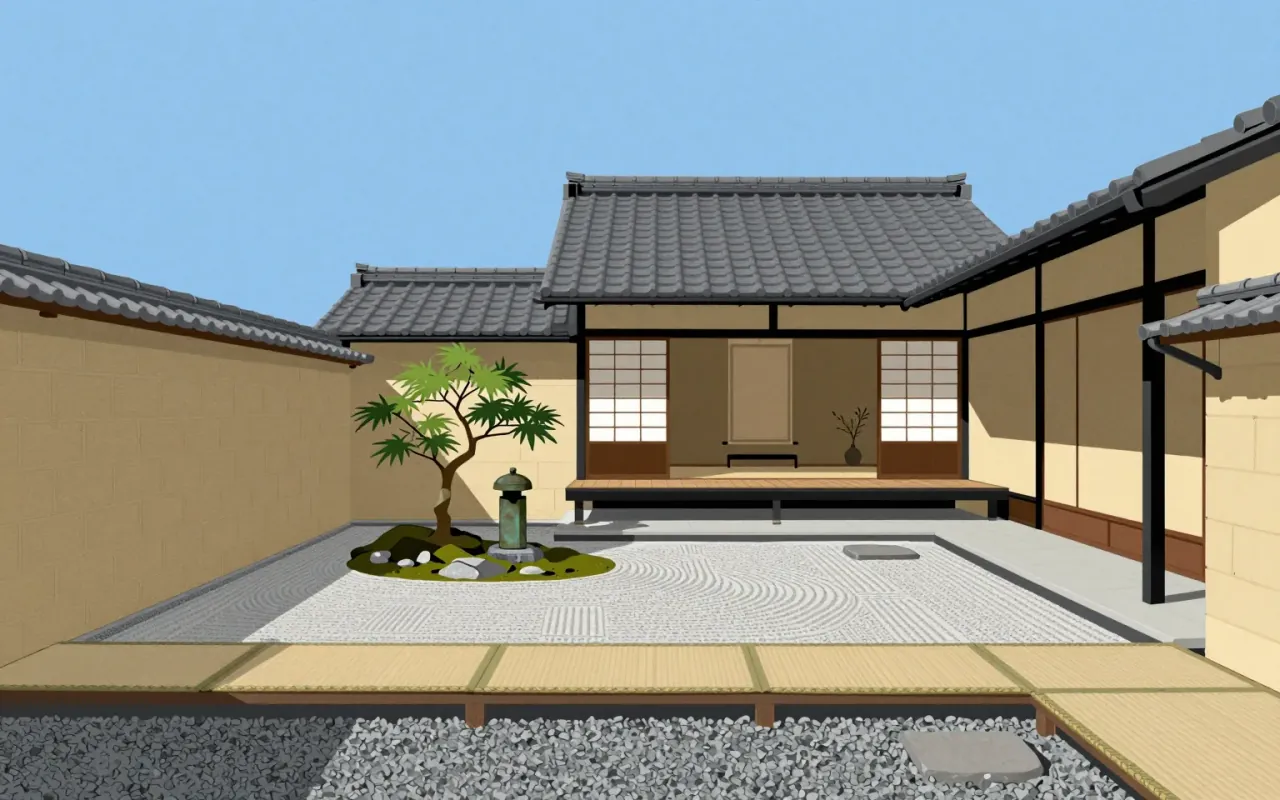
Fumihiko Maki

Maki’s architecture is not about form — it’s about how space is felt, entered, and remembered.
9:18

Kengo Kuma

Kuma doesn’t build buildings — he builds frames for nature, using technology to make stone disappear.
9:14

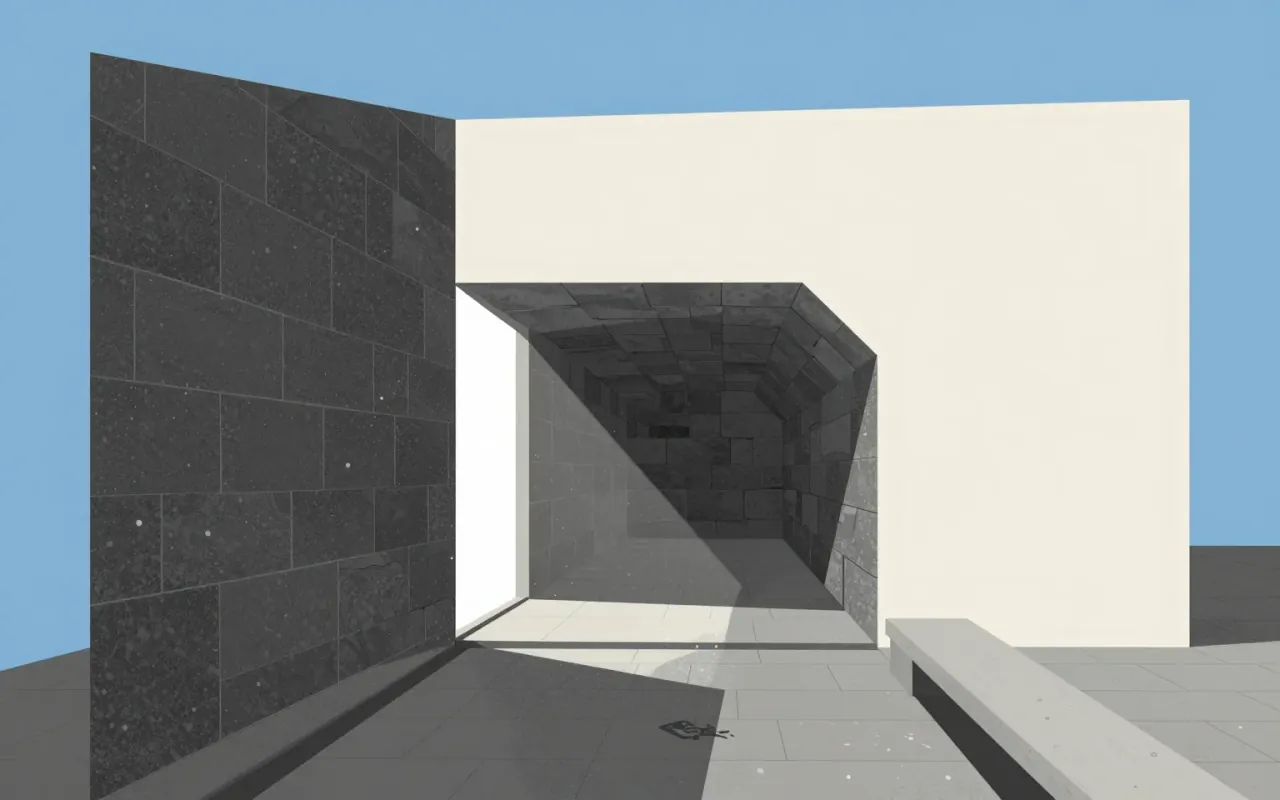
Peter Zumthor

Zumthor treats light as a material—and silence as a publishing policy.

games.briefs Games

All 2 in games →
9:39

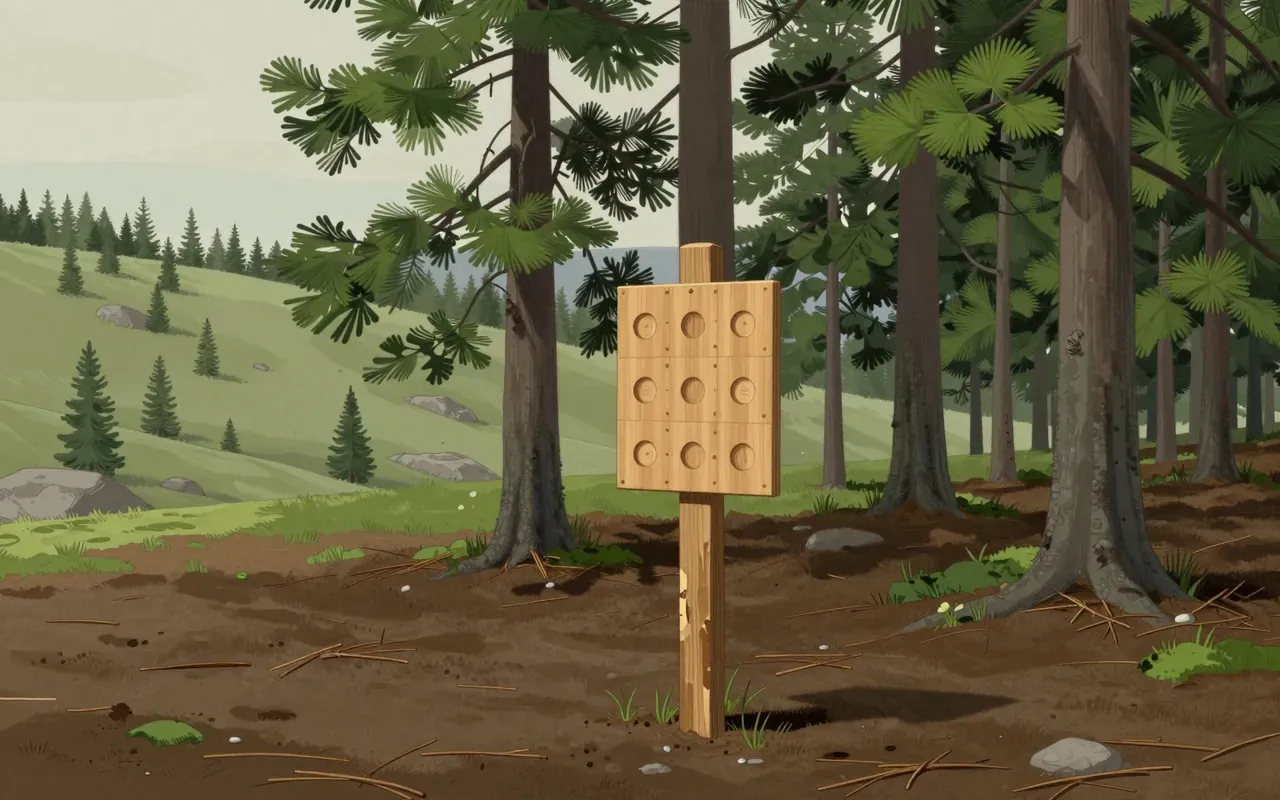
The Witness (2016 video game)

Jonathan Blow · 2016

The Witness is a first-person puzzle game developed and published by Thekla, Inc., released in 2016 on Windows and PlayStation 4. It is an open-world island filled with natural and human-made structures, where players solve over 650 puzzles by drawing paths on grids or across environments.

9:01

Superliminal

Pine Studio · 2019

Superliminal is a first-person puzzle game built entirely around forced perspective. Players manipulate objects by moving them while holding them, then dropping them at new apparent distances to scale them up or down. This enables climbing, bridging, and unlocking. Trompe-l'œil elements require precise alignment to become interactive. Puzzles involve navigating rooms to reach exits that are closed, elevated, or hidden. The game establishes a single, elegant perceptual rule—and sticks to it rigidly.

technology.briefs Technology

All 4 in technology →
9:56

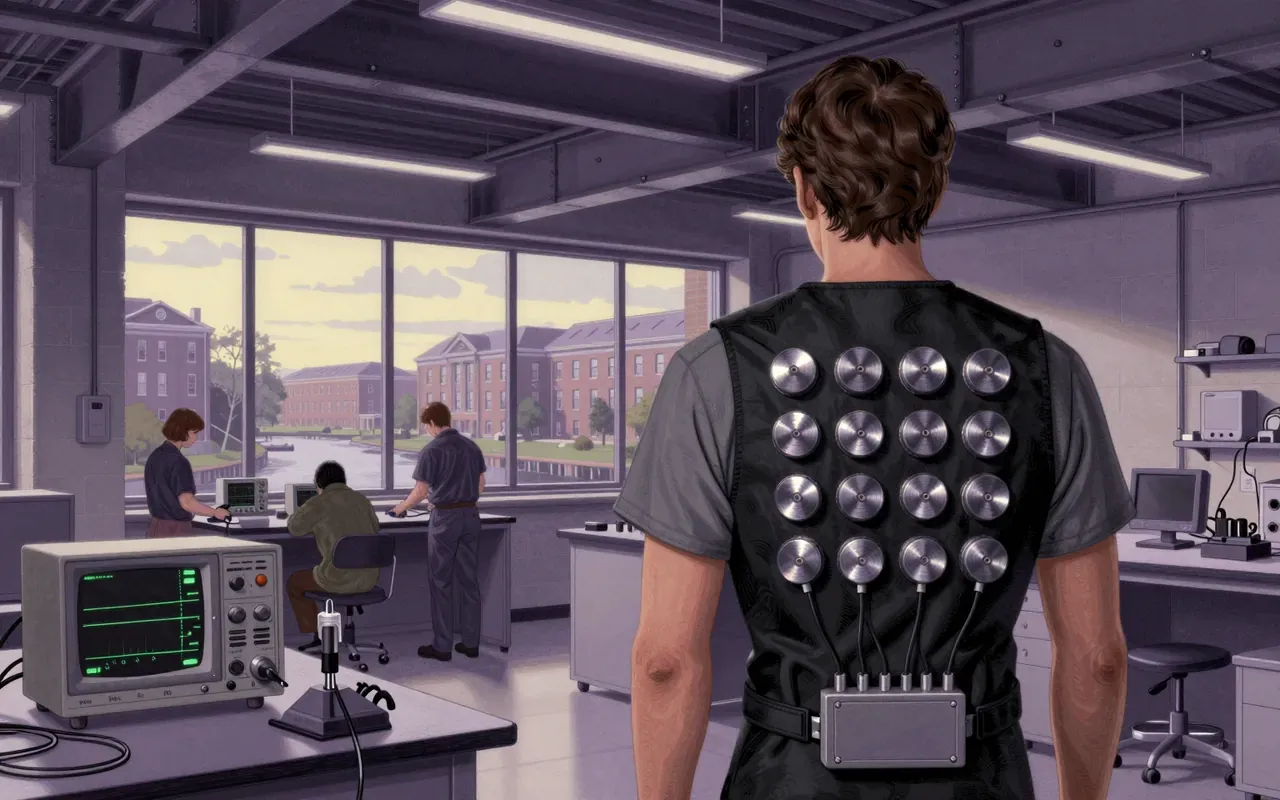
Haptic technology

Haptic tech doesn’t replicate touch—it substitutes it with calibrated vibrations, forces, and motions, and that substitution is all it ever promised to do.
10:07

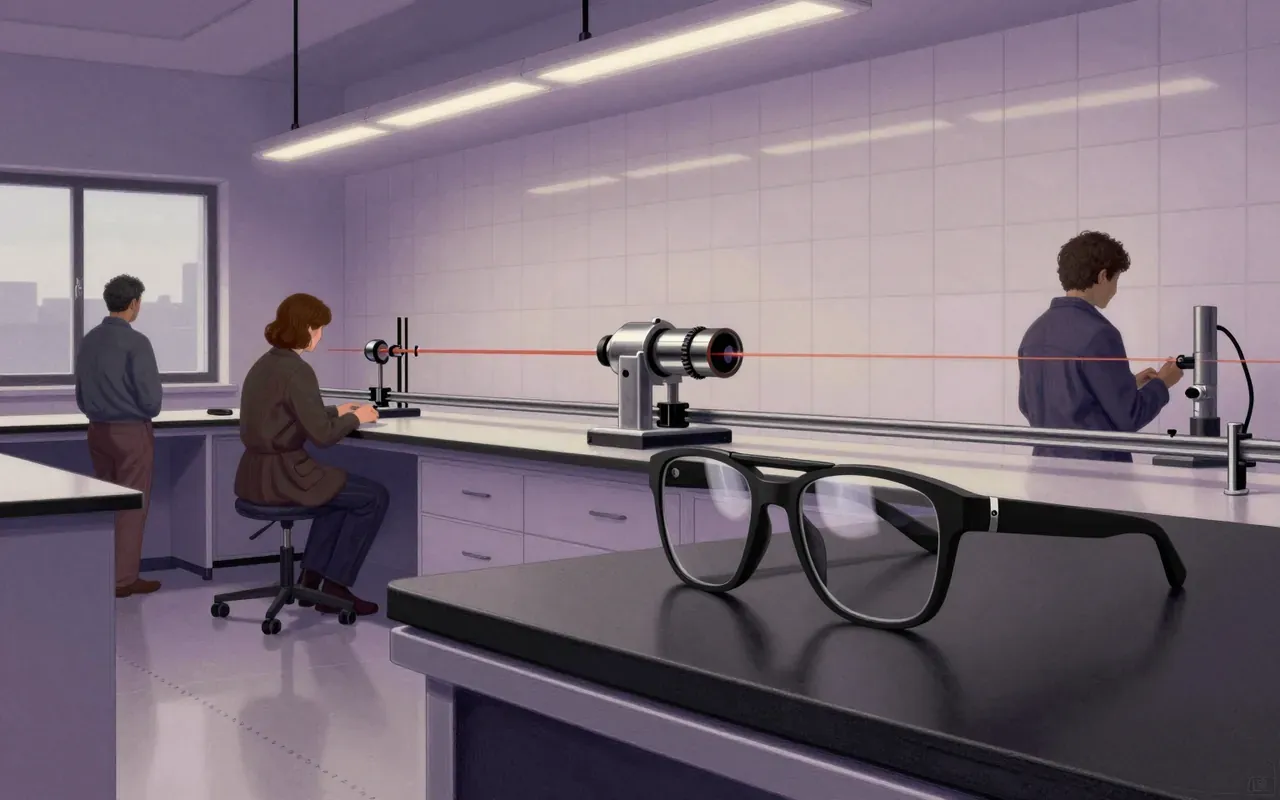
Smartglasses

Smartglasses aren’t one thing — they’re three competing definitions stapled together with pose tracking.
9:40

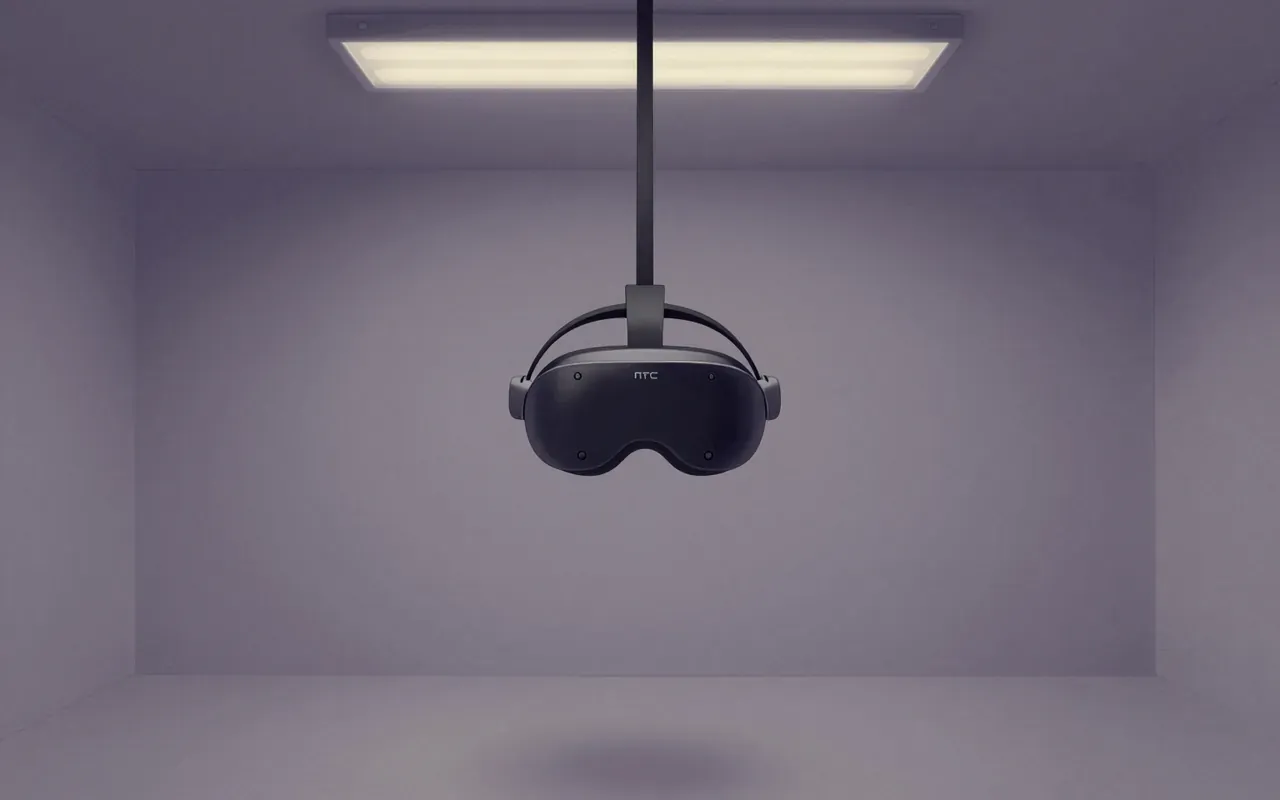
HTC Vive

Room-scale VR wasn’t invented by the Vive—but it was proven, priced, and shipped by it.
10:42

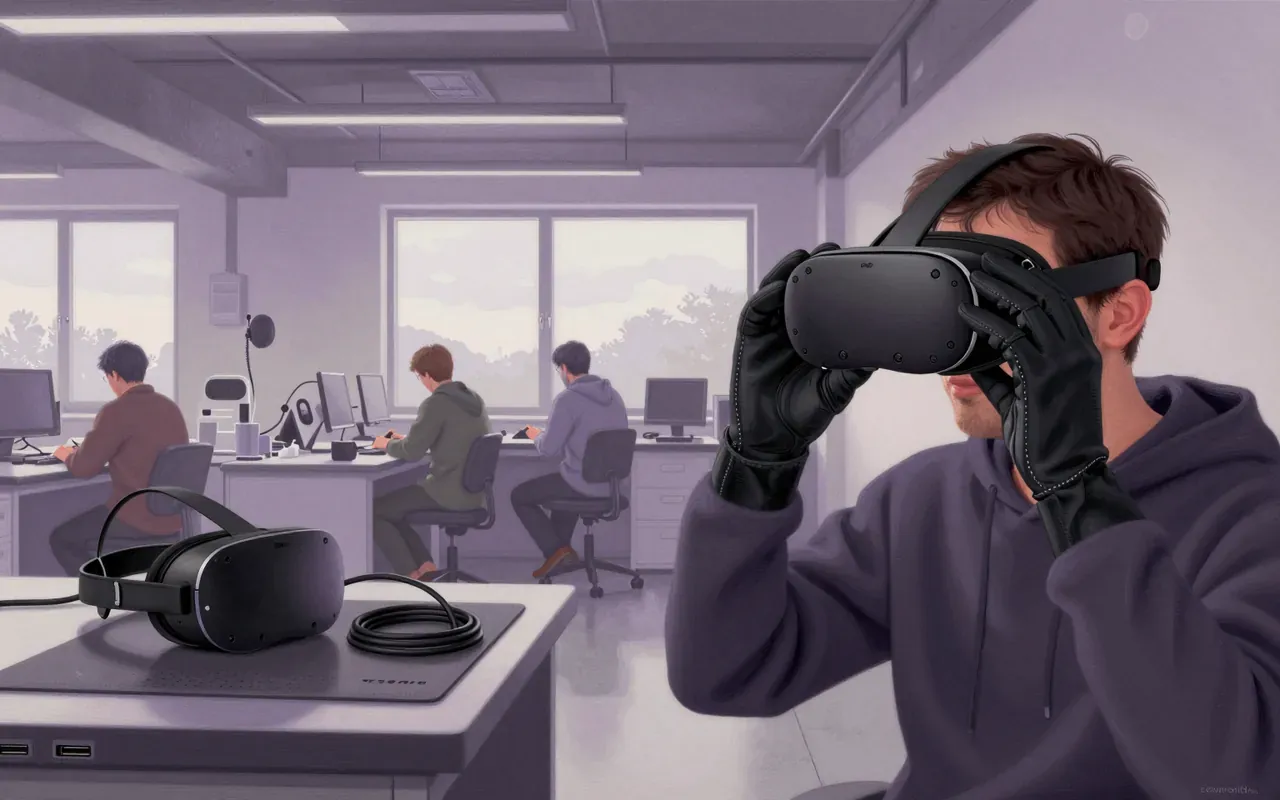
Oculus Rift

VR was broken until Oculus Rift proved wide FOV and sub-20ms latency weren’t luxuries—they were prerequisites.

culture.briefs Culture

All 18 in culture →
9:56

Framing (social sciences)

Framing doesn’t reflect reality—it builds the lens through which reality becomes legible, actionable, and political.
10:47

Habitus (sociology)

Habitus explains why your accent, posture and instinctive likes are not personal choices — but class signatures.
9:44

Subliminal stimuli

Subliminal stimuli don’t hijack your will—they only nudge what you already intend to do.
11:07

Cultivation theory

Television didn’t teach people what to think—it taught them what to fear, and how much of it there was.
8:35

Culture jamming

Culture jamming doesn’t break the system—it just makes the system quote itself back at you.

fashion.briefs Fashion

All 1 in fashion →

nature.briefs Nature

All 5 in nature →
9:06

Brocken spectre

A shadow that lies about its own size — and tells the truth about how easily we misread the world.
8:07

Mimicry

Mimicry isn’t about looking alike—it’s about fooling someone who matters.
8:29

Moonbow

A rainbow that refuses to show its colours — unless you wait, watch, and record.
10:24

Sun dog

A sun dog is not a creature — it is ice in the air, bending light like a prism, and it only shows up when the sky gets its geometry right.
9:15

Mirage

A mirage is not a trick of the eye — it’s your brain lying to your camera.