briefs
Topic · across the network

Invention

The moment credited to one person and owed to many.

329
briefs
9
subjects
9:58
average
3279 min
in total
Abstraction 407Absurdism 137Acoustics 220Acting 65Adaptation 372Addiction 95Adolescence 202Advertising 77Age of exploration 14Ageing 113Agriculture 100Algorithms 114Ambition 46Anarchism 38Ancient Egypt 17Ancient Greece 38Ancient Rome 30Animals 172Anthropology 23Apartheid 12Architecture 165Archives 32Argentina 10Art Deco 26Artificial intelligence 78Astronomy 81Attention 42Australia 32Automation 73Avant-garde 164Aviation 79Banking 72Banned works 40Bauhaus 12Beer 5Behavioural economics 22Berlin 16Big tech 6Biodiversity 136Biography 86Birds 41Black holes 20Blockchain 12Boxing 14Branding 77Brazil 43Bread 29Britain 131Brutalism 4Bubbles 3Buddhism 28Byzantium 10California 17Canada 18Capitalism 94Cars 468Celebrity 59Censorship 110Cheese 24Chefs 9Chemistry 104Chess 2Childhood 87China 109Chocolate 8Christianity 49Cinematography 343Cities 90Class 485Climate change 107Club culture 100Cocktails 2Coffee 11Cognitive bias 14Collecting 16Colonialism 284Colour 42Comedy 89Community 52Complexity 21Computing 309Consciousness 16Conservatism 14Conspiracy theories 8Cooking 178Corruption 38Cosmology 31Cover versions 64Craft 116Crate digging 42Creativity 8Crime 234Cryptocurrency 8Cryptography 24Cuba 10Cybersecurity 30Dada 12Debt 38Decision-making 28Decolonisation 46Deep time 80Democracy 45Denim 16Deserts 45Detroit 17Dinosaurs 12Directing 168Disasters 59Disease 109DJ culture 89Dreams 32Drones 5Drum machines 96Dystopia 69East Africa 28Ecology 337Economics 36Editing 72Education 92Egypt 12Electric vehicles 59Emotion 22Empire 92Endurance 49Energy 120Engineering 541Entropy 8Epidemics 13Equality 9Espionage 31Ethics 44Evolution 174Existentialism 106Expertise 2Exploration 49Extinction 23Failure 37Family 240Fandom 22Fascism 45Fashion 215Fast fashion 12Fear 34Feminism 122Fermentation 126Film music 81Fishing 12Folklore 71Food history 588Football 16Forests 31Forgery 7France 163Fraud 15Free will 13Freedom 16French literature 15Friendship 24Furniture 36Gambling 14Gender 63Generations 28Genetics 87Geology 96Germany 66Globalisation 74Gothic 32Greece 5Grief 126Habits 6Happiness 2Hardware 709Haute couture 22Headphones 8Hi-fi 12Hinduism 12Hoaxes 1Human history 23Human nature 41Identity 138Illustration 8Impressionism 6Improvisation 249India 89Indonesia 15Industrial design 342Inequality 13Inflation 4Information 34Infrastructure 280Insects 29Intelligence 8Interiors 31Internet culture 88Invention 329Iran 41Islam 40Islands 17Israel 9Italy 52Jamaica 10Japan 114Jewellery 5Journalism 34Judaism 13Justice 42Korea 41Language 70Law 90Leadership 20Learning 6Liberalism 1Libraries 6Literary criticism 26London 12Loneliness 61Los Angeles 62Lost works 9Love 67Luxury 55Machine learning 15Management 10Maps 5Marketing 21Markets 51Mars 6Marxism 26Masculinity 46Materials 138Mathematics 79Meaning 6Medicine 124Memory 82Mental health 70Mesopotamia 4Mexico 38Migration 95Minimalism 68Mining 30Misinformation 9Modernism 63Money 24Monopoly 32Mortality 61Motivation 2Mountains 16Museums 27Mysticism 11Mythology 60Nationalism 40Neuroscience 23New York 36Nigeria 7Nihilism 10Noise 31Nostalgia 33Nuclear 29Nutrition 17Oceans 48Oil 42Open source 45Painting 18Palaeontology 29Parenting 14Paris 18Partition 6Patents 71Patronage 14Perception 44Personal style 27Personality 2Persuasion 8Peru 10Philosophy 77Photography 37Physics 206Plants 26Platforms 89Podcasting 1Poetry 25Poland 17Policing 34Pop Art 16Populism 2Portraiture 6Portugal 18Postmodernism 23Power 91Prehistory 24Preservation 28Printmaking 21Privacy 11Probability 6Productivity 1Programming 54Prohibition 1Propaganda 35Protest 75Pseudoscience 17Psychology 80Publishing 22Punishment 16Quantum mechanics 44Race 145Radio 30Railways 35Rave 17Realism 47Record labels 19Recording 810Relativity 23Religion 154Resilience 15Restaurants 30Restoration 2Retail 94Revolution 58Risk 18Ritual 96Robotics 26Romance 96Russia 58Salt 9Sampling 246Satire 84Scandinavia 28Scientific method 186Screenwriting 26Sculpture 7Secularism 2Self-deception 14Semiconductors 73Sexuality 102Ships 18Silence 24Silicon Valley 17Slavery 35Sleep 2Smartphones 27Sneakers 15Social media 58Socialism 9Software 68Songwriting 180Sound design 332Sound systems 20South Africa 19South East Asia 30Space exploration 84Spain 18Special effects 41Spices 62Spirits 12Sport 82Startups 21Statistics 10Status 9Stoicism 4Storytelling 68Strategy 70Street food 99Streetwear 16Studio craft 508Subcultures 59Sugar 12Supply chains 115Surrealism 53Surveillance 21Sustainability 30Synthesis 232Tailoring 37Taxation 14Tea 24Textiles 97Thailand 11The American Revolution 19The American South 88The Arab world 41The Arctic 19The Balkans 17The Belle Epoque 13The body 29The brain 26The Caribbean 28The civil rights movement 62The Cold War 160The eighties 268The Enlightenment 29The financial crisis 19The First World War 39The food industry 157The French Revolution 9The Gilded Age 9The Great Depression 18The Holocaust 20The Industrial Revolution 93The internet 61The interwar years 135The Middle Ages 35The Moon 4The music business 169The Netherlands 10The nineties 26The Olympics 10The pandemic 13The Reformation 1The Renaissance 16The Russian Revolution 19The Second World War 102The seventies 58The sixties 28The space race 5The United States 19The universe 7The Victorian era 37Therapy 20Tokyo 11Trade 48Tragedy 22Translation 5Trauma 85Travel 5True crime 2Turkey 18Typography 54Uniforms 23Unions 8Urban planning 66Utilitarianism 1Utopia 5Vaccines 10Vegetarianism 15Venture capital 6Video games 291Vietnam 12Vintage 65Vinyl 6Virtual reality 11War 169Watches 4Water 11Weather 29West Africa 29Wilderness 10Wine 3Work 22Workwear 19Worldbuilding 121

science.briefs Science

All 29 in science →
9:54

3D printing

Chuck Hull

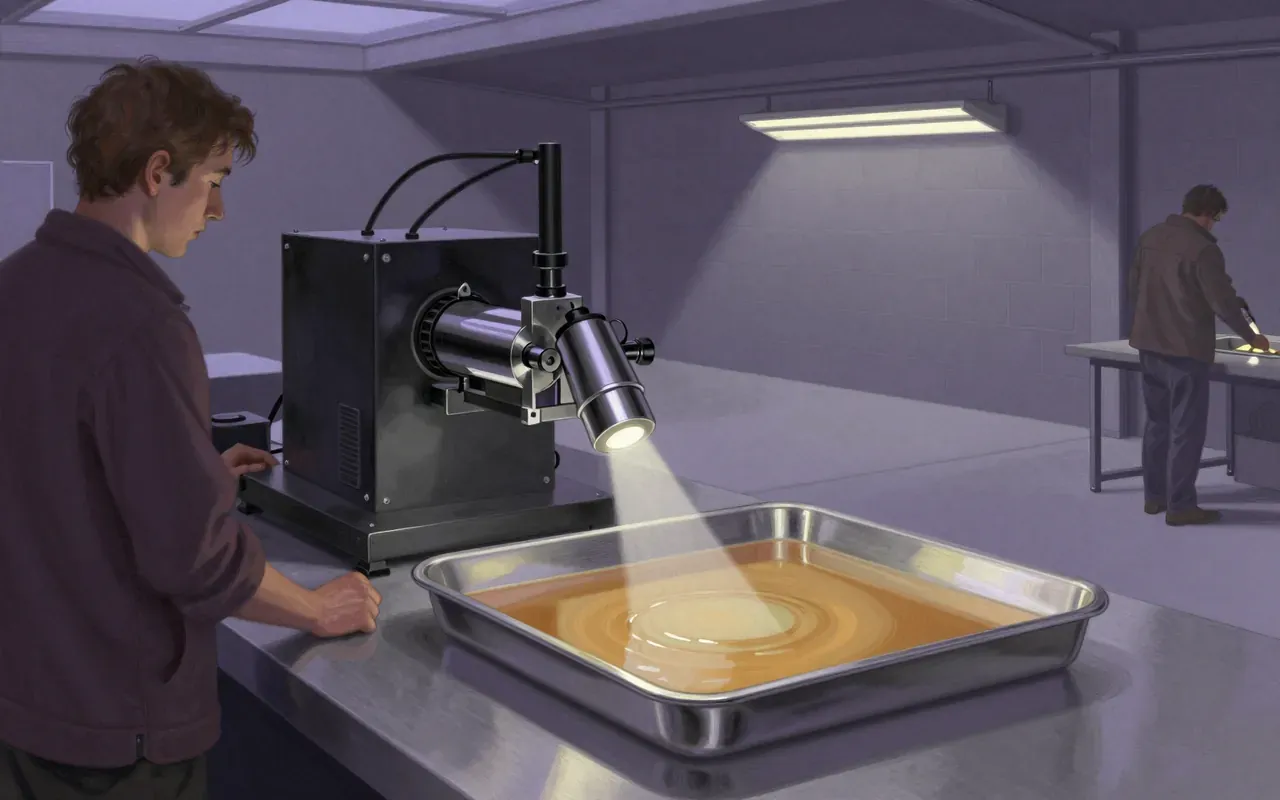
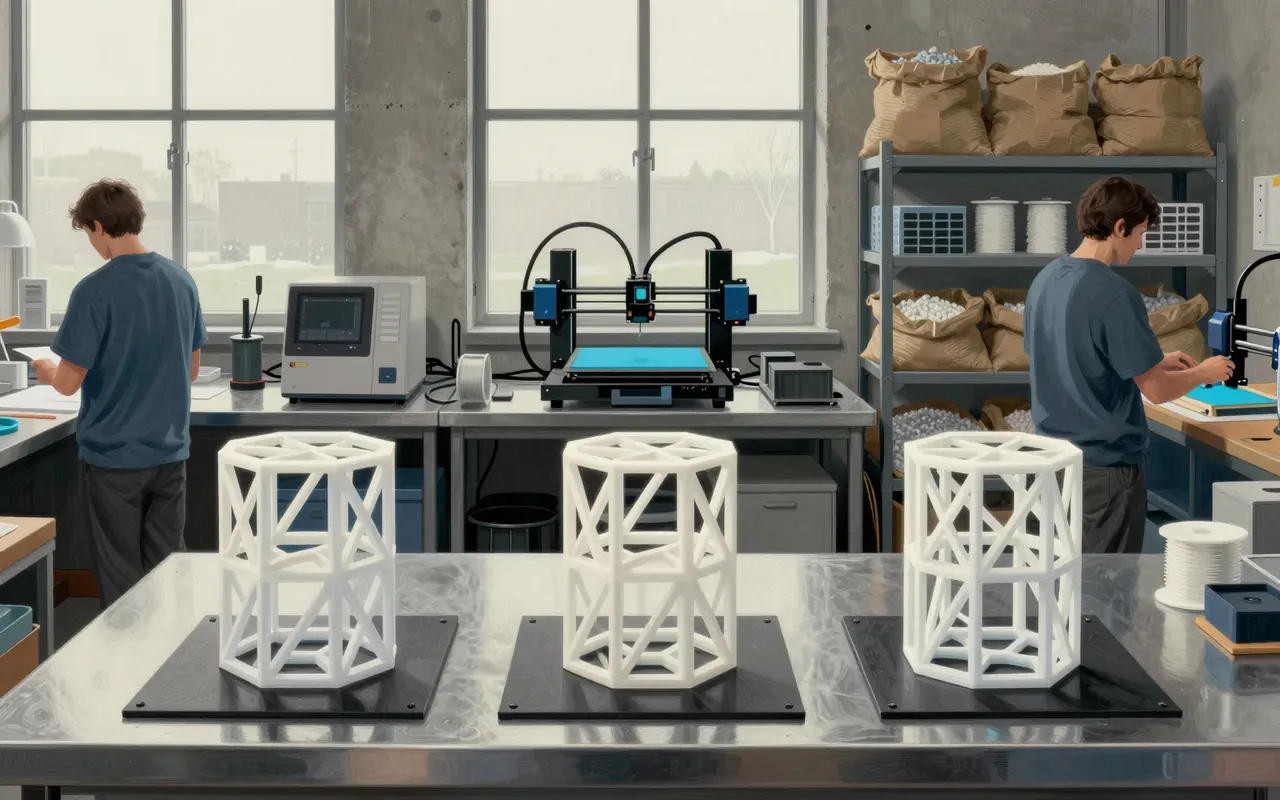
3D printing is a layer-by-layer fabrication method rooted in Chuck Hull’s 1984 stereolithography patent. It evolved from rapid prototyping in the 1980s into an industrial production option by 2019. Its real advantage is enabling previously impossible geometries—like hollow or truss-structured parts—that cut weight and waste. Fused deposition modeling (FDM) was the most common process as of 2020. It does not replace conventional manufacturing at scale. It does not solve material consistency, certification, or throughput problems. Its impact is precise, not pervasive.


9:39

Thomas Edison

Edison didn’t invent the light bulb—he invented the process that made it matter.
9:36

Arthur Ashkin

He didn’t just trap light — he made light grab matter, one photon at a time.
10:10

Christiaan Huygens

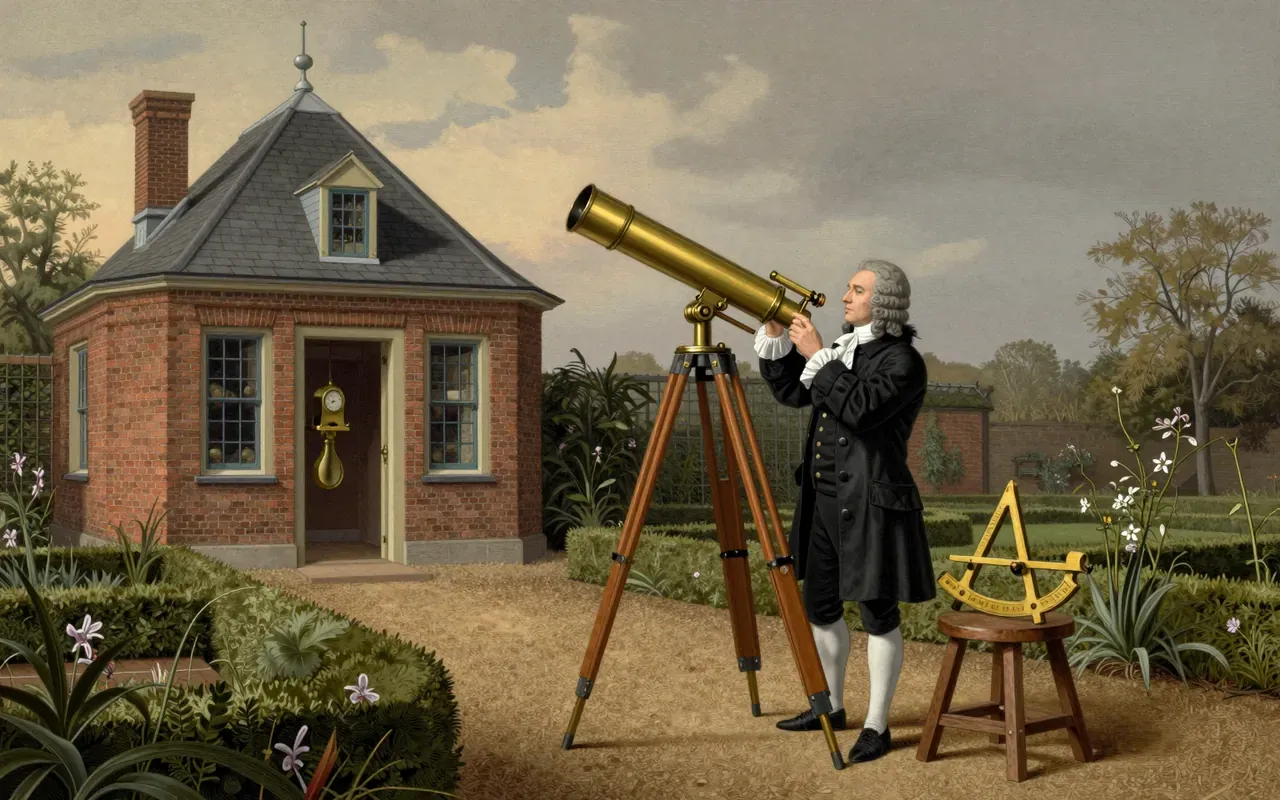
Huygens didn’t just see further—he built the tools, derived the maths, and insisted on mechanism: the first true theoretical physicist.

9:57

Guglielmo Marconi

Marconi didn’t discover radio—he engineered its first working system, one patent and one grounded wire at a time.
9:33

Hans Christian Ørsted

Ørsted didn’t stumble on electromagnetism — he hunted it for two years with a compass, and got the physics half-right.
10:26

Hedy Lamarr

A Hollywood actress co-patented a jam-proof torpedo system — but never saw it built, tested, or used.

design.briefs Design

All 15 in design →
9:27

Bic Cristal

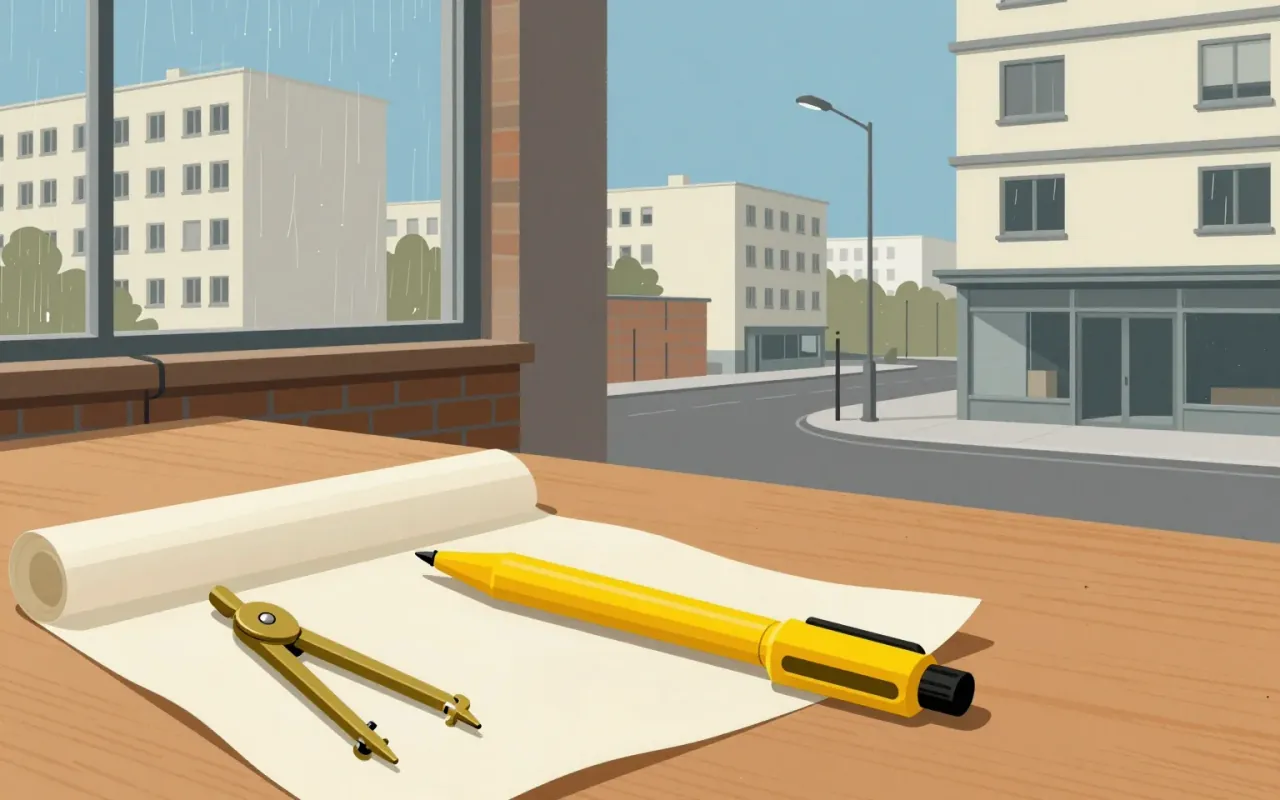
It solved ink flow, grip, and visibility — then made disposability feel inevitable.
10:08

Geodesic dome

A dome that bears weight by refusing walls — not a shelter, but a stress map made solid.
7:08

IDEO

IDEO’s 1999 shopping cart wasn’t built to shop — it was built to be watched.
9:56

Paper clip

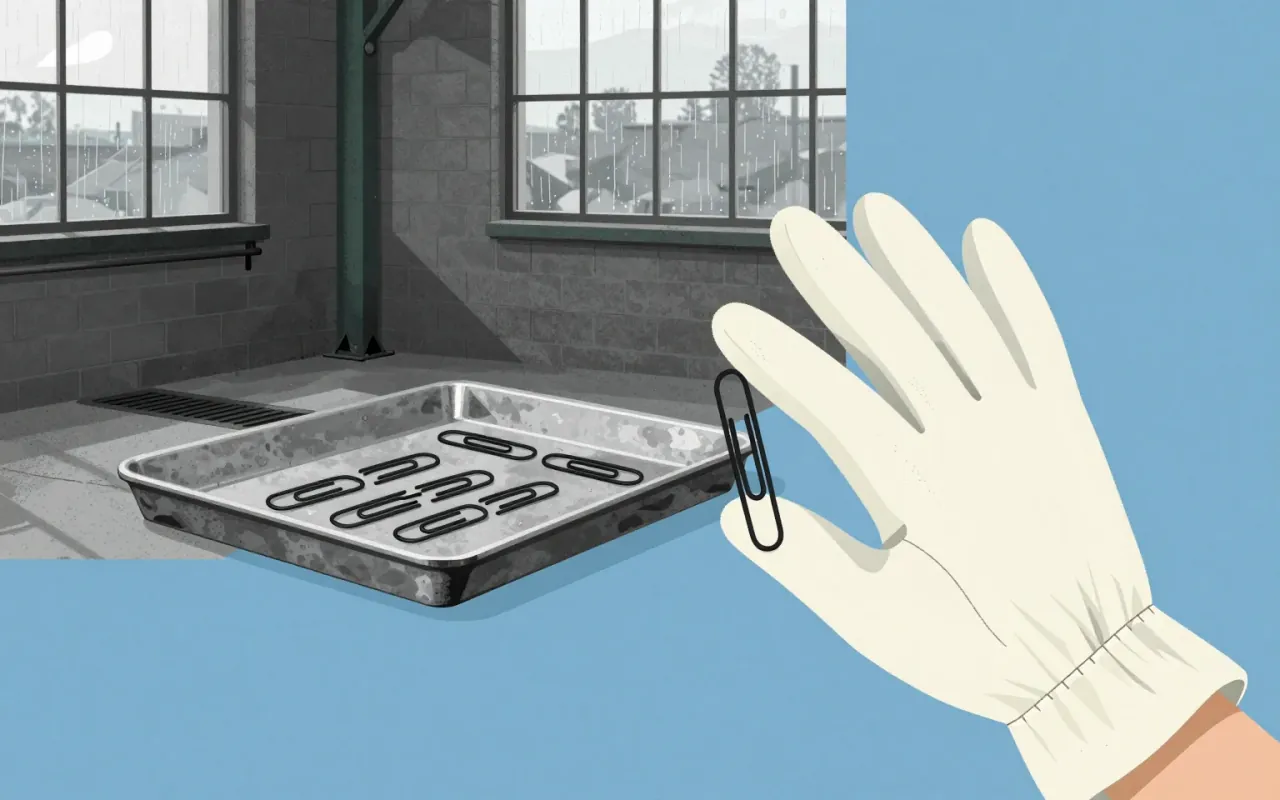
The Gem paper clip succeeded because it solved a physical problem; Vaaler’s did not — and nothing else matters.
11:50

Trinitron

Sony

Trinitron is a CRT display technology defined by its single-gun three-cathode electron gun and vertically aligned steel aperture grille. It improved image sharpness by reducing beam obstruction and simplifying focus. Its patent ran until 1996. It launched as a branded line in 1968, powered televisions and monitors until 2005–2007, and marked the end of Sony’s analog display era.

9:19

Walkman

Sony Design Team · 1979

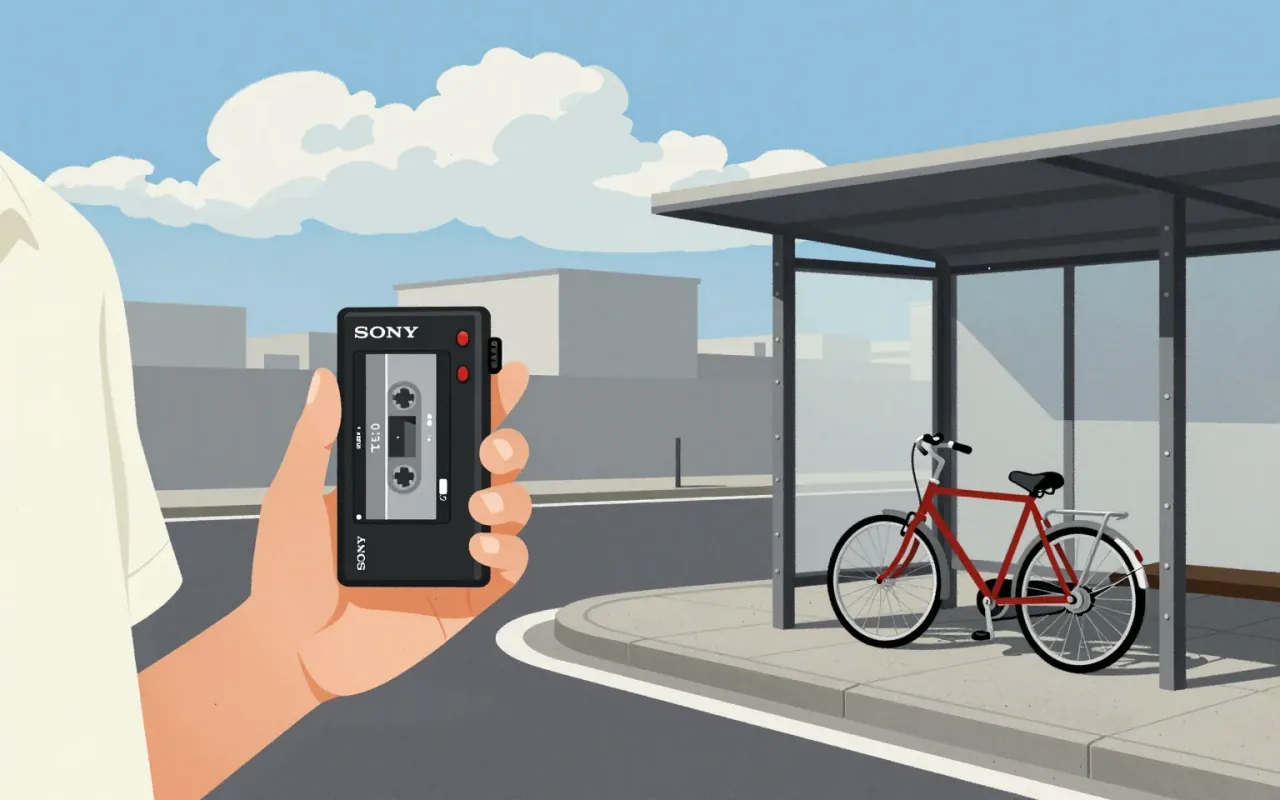
The Walkman is industrial design as behavioural intervention — minimal, specific, and consequential.

5:50

Zippo

George G. Blaisdell · 1932

The Zippo lighter is a tightly constrained industrial object defined by wind resistance, guaranteed longevity, and procedural repeatability — not novelty, aesthetics, or scale.

9:04

Anglepoise lamp

George Carwardine · 1933

The Anglepoise lamp is a balanced-arm lamp designed in 1932 by George Carwardine, a vehicle suspension specialist. Its defining feature is the placement of all springs near the base — a direct transfer of suspension mechanics to lighting. It requires no clamps to hold position. Carwardine patented it, built it himself in Bath, then licensed it to Herbert Terry and Sons in 1934. Two versions exist: four-spring for professional use, three-spring for domestic use — both sharing the same spring-placement principle.

business.briefs Business

All 6 in business →
10:44

Biz Stone

A creative director who co-patented Twitter but never ran its business — and whose second act at the company changed nothing.
9:26

John Deere

John Deere · 1868

John Deere is not a tech company. It is a manufacturer whose first product solved a tactile, geographic problem — soil adhesion — with a repeatable material fix. Its growth followed physical logic: water power, then scale, then diversification. Financial services are noted but undated. Nothing in the sources supports claims about digital transformation, autonomy, or data-driven farming.

10:57

Kodak

George Eastman · 1880

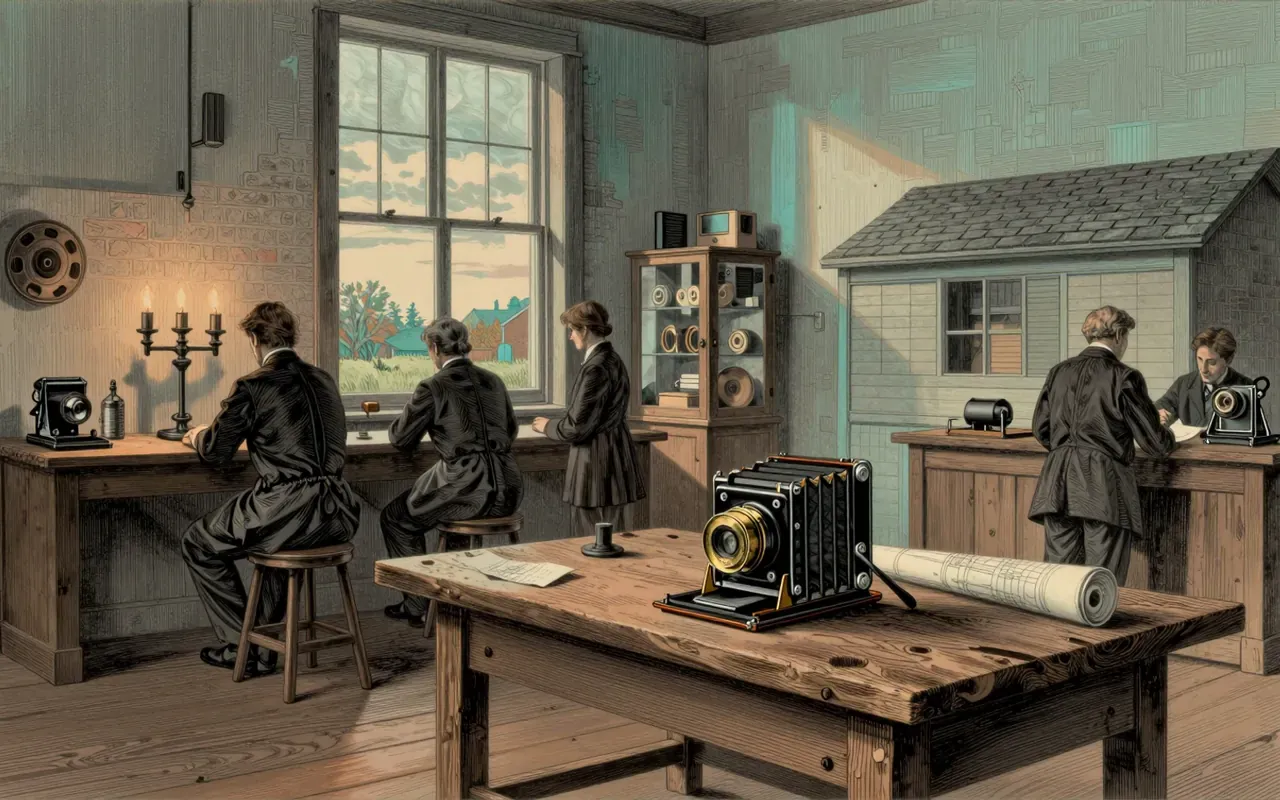
Kodak was not a camera company first — it was a film company that used cameras to distribute its consumable. Its 1888 system created a new market by removing technical barriers. Its dominance came from controlling the film supply chain, not the hardware. No source mentions digital disruption, so the brief stops at peak film-era success.

10:10

Xerox

Joseph C. Wilson · 1906

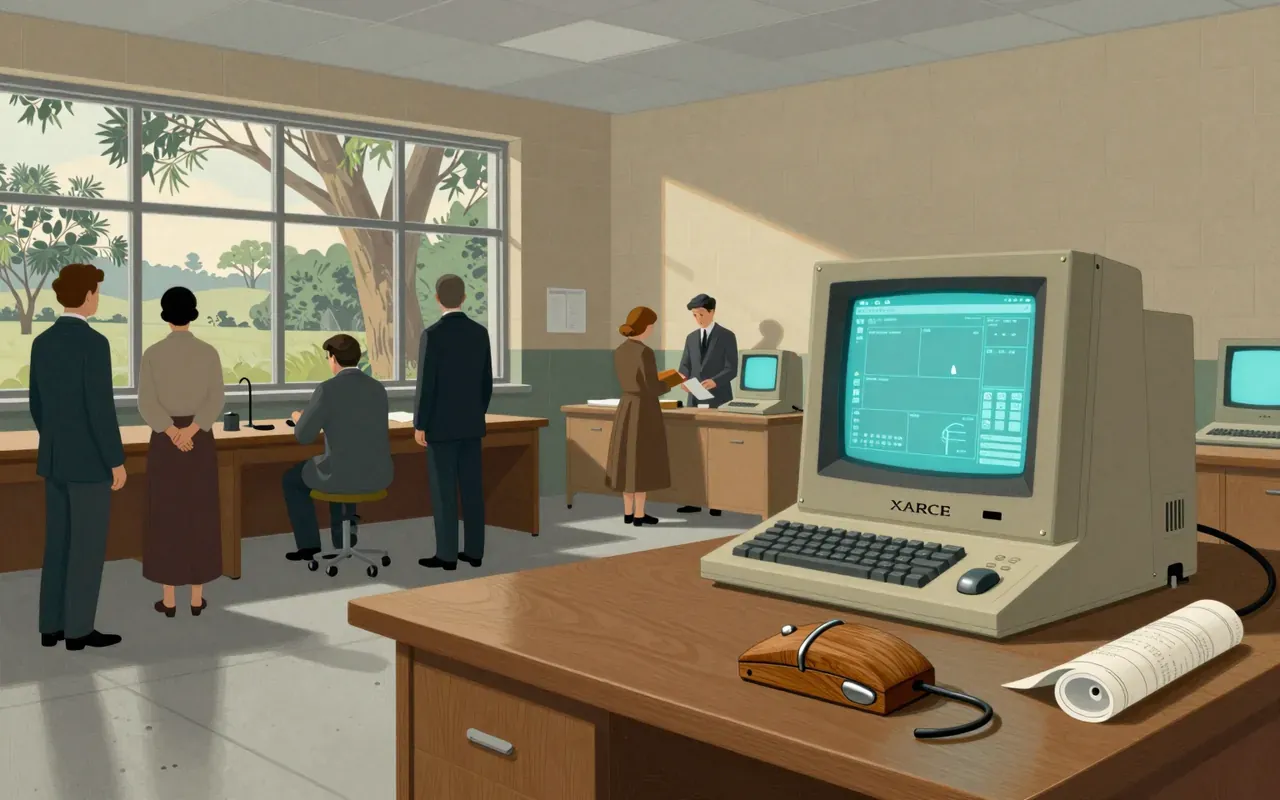
Xerox pioneered the photocopier market starting with the Xerox 914 in 1959; Joseph C. Wilson signed an agreement in 1946 to develop Chester Carlson's invention commercially; before the 914, Xerox tested the market with the Flat-plate 1385 prototype, which proved nonviable due to slow speed; the 914—the first plain paper photocopier—was developed by Carlson and John H. Dessauer; researchers at Xerox and PARC invented key personal computing elements including the GUI, mouse, and desktop computing; Xerox opened PARC in 1970; and Gary Starkweather invented the laser printer in 1969 by modifying a Xerox 7000 copier.

12:03

Nike, Inc.

Phil Knight · 1964

Nike’s origin is a textbook case of a startup succeeding not by inventing a category, but by reengineering a supply chain — then iterating relentlessly on one functional detail: traction.

9:59

Sony

Akio Morita & Masaru Ibuka · 1946

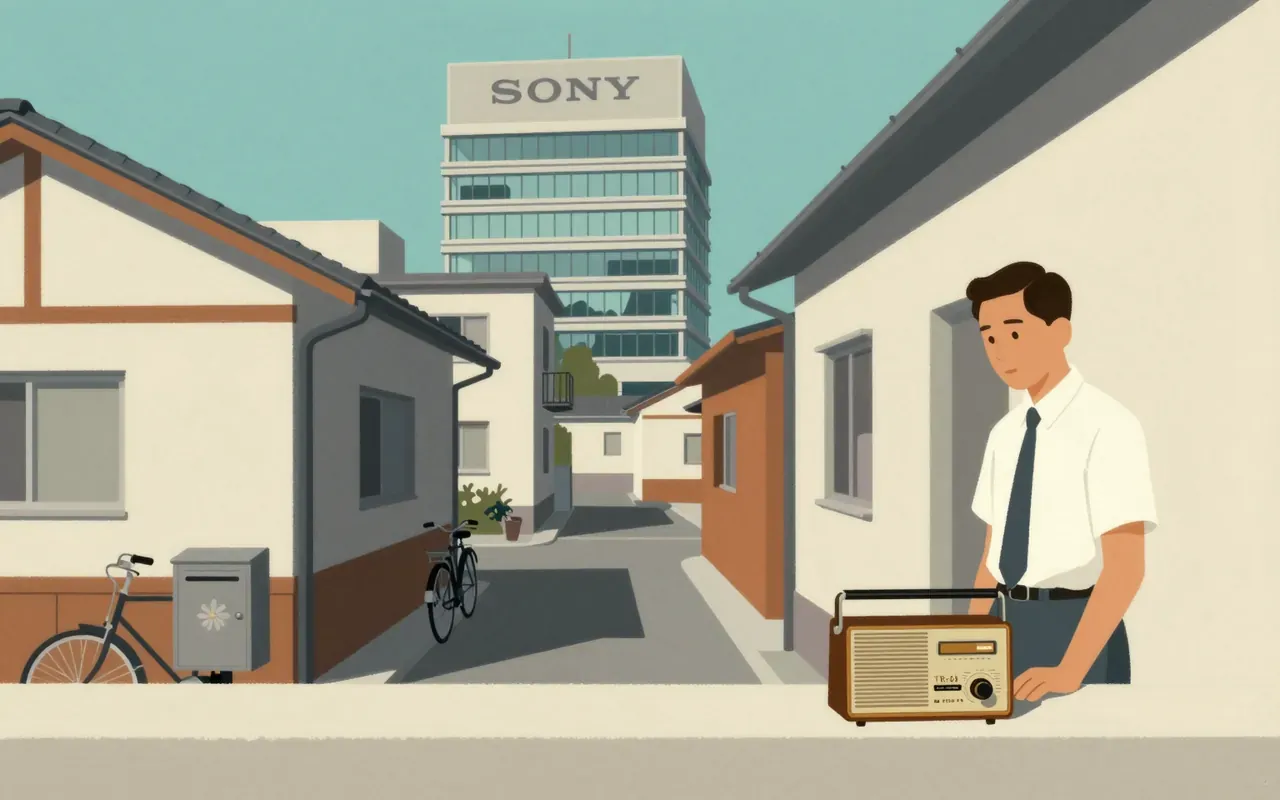
Sony’s early business model was hardware-first, export-first, and name-first — built on tangible, shipable, patentable devices that redefined category boundaries in foreign markets.

technology.briefs Technology

All 241 in technology →
8:44

Personal computer

A personal computer is a computer designed for personal use and operated directly by its user, rather than shared through time-sharing on a mainframe or minicomputer.
8:52

Hard disk drive

The hard disk drive didn’t invent storage—it invented *addressable* memory at scale.
8:16

1G

1G wasn’t the dawn of mobile—it was the last gasp of analog radio dressed as a network.
9:38

3D printing

Chuck Hull

Chuck Hull’s stereolithography system is the origin point of digital additive manufacturing—not because it printed everything, but because it defined how digital models become physical things: via slicing, STL, and controlled solidification. It works for prototyping. It fails for production. Its legacy is infrastructural, not material.

11:42

Macintosh 128K

Apple · 1984

The Macintosh 128K delivers a complete graphical interface in a sealed, unexpandable box. It works by tightly integrating hardware and firmware — not by scaling up, but by locking down. Its success comes from constraint, not capability.

10:16

BlackBerry

BlackBerry didn’t invent mobile email — it made corporations dependent on it, then couldn’t survive the shift to apps.
10:00

Canning

Nicolas Appert · 1810

Appert’s canning was an empirical fix for spoilage: cook food inside a sealed glass jar, and it lasts — unless the seal leaks. He never knew why. He avoided tinplate. He boiled for variable times. He built the world’s first bottling factory in 1804. His 1810 prize recognised a working solution, not a scientific insight.

9:49

Cobot

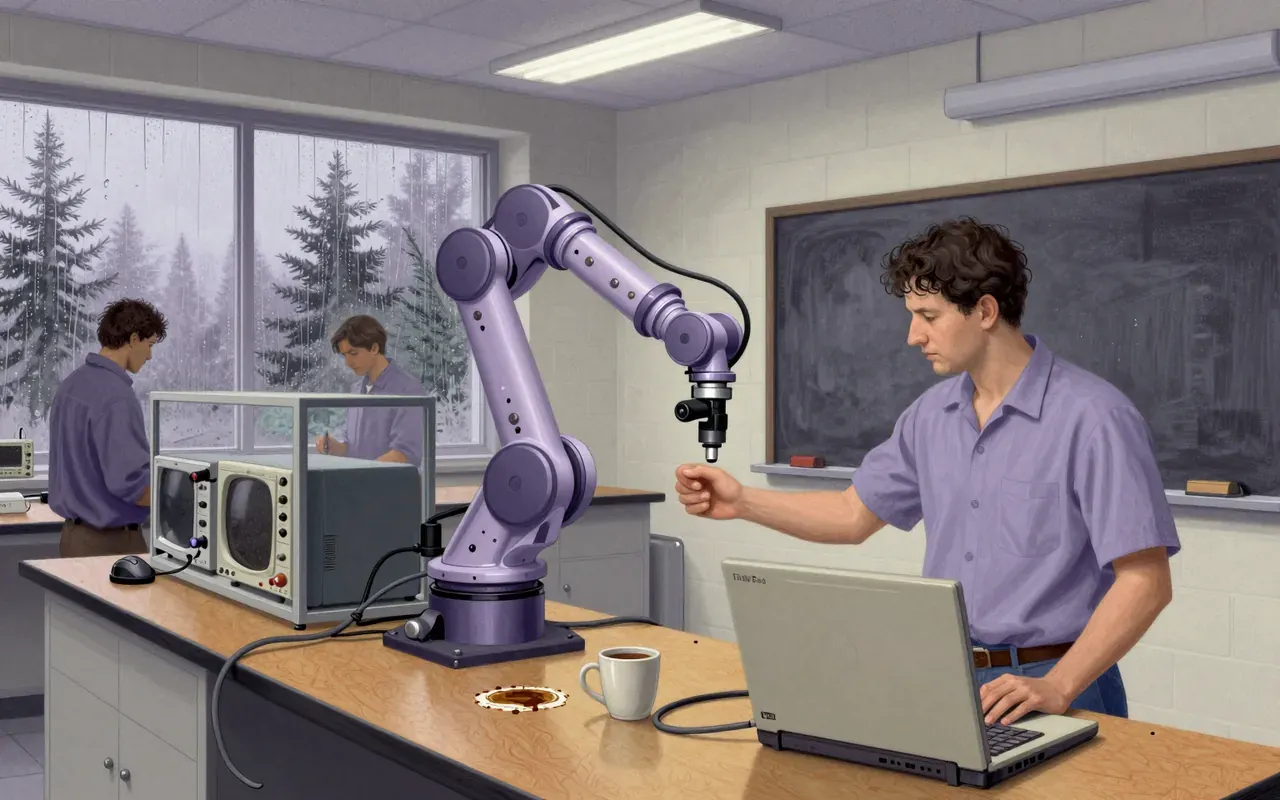
‘Cobot’ isn’t a robot type—it’s a risk-assessment label you have to verify yourself.

culture.briefs Culture

All 4 in culture →
10:25

Glassblowing

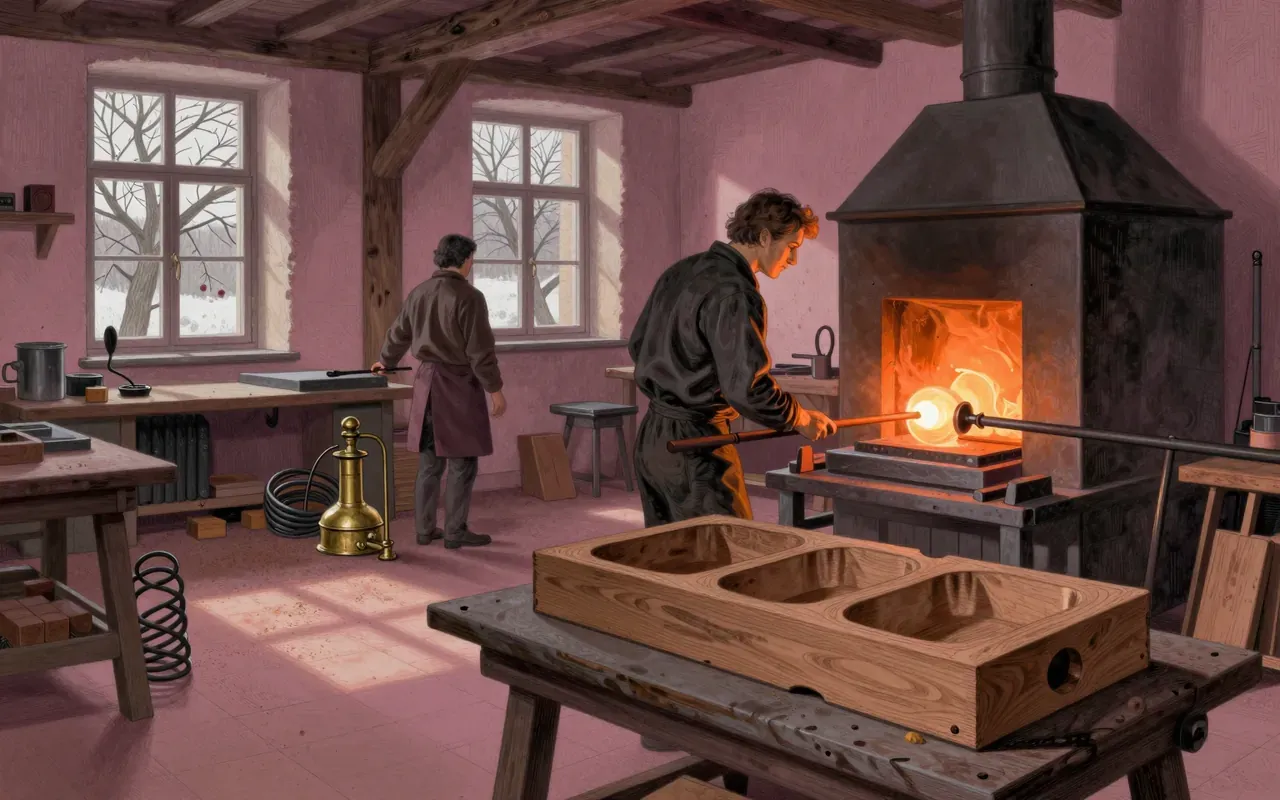
Glassblowing didn’t just make glass cheaper—it rewrote what glass could be, and who could hold it.
10:00

Internet Hall of Fame

A self-awarded canon, built by the Internet Society to name its own ancestors — then quietly drop the categories that made those ancestors legible.
8:54

Lithography

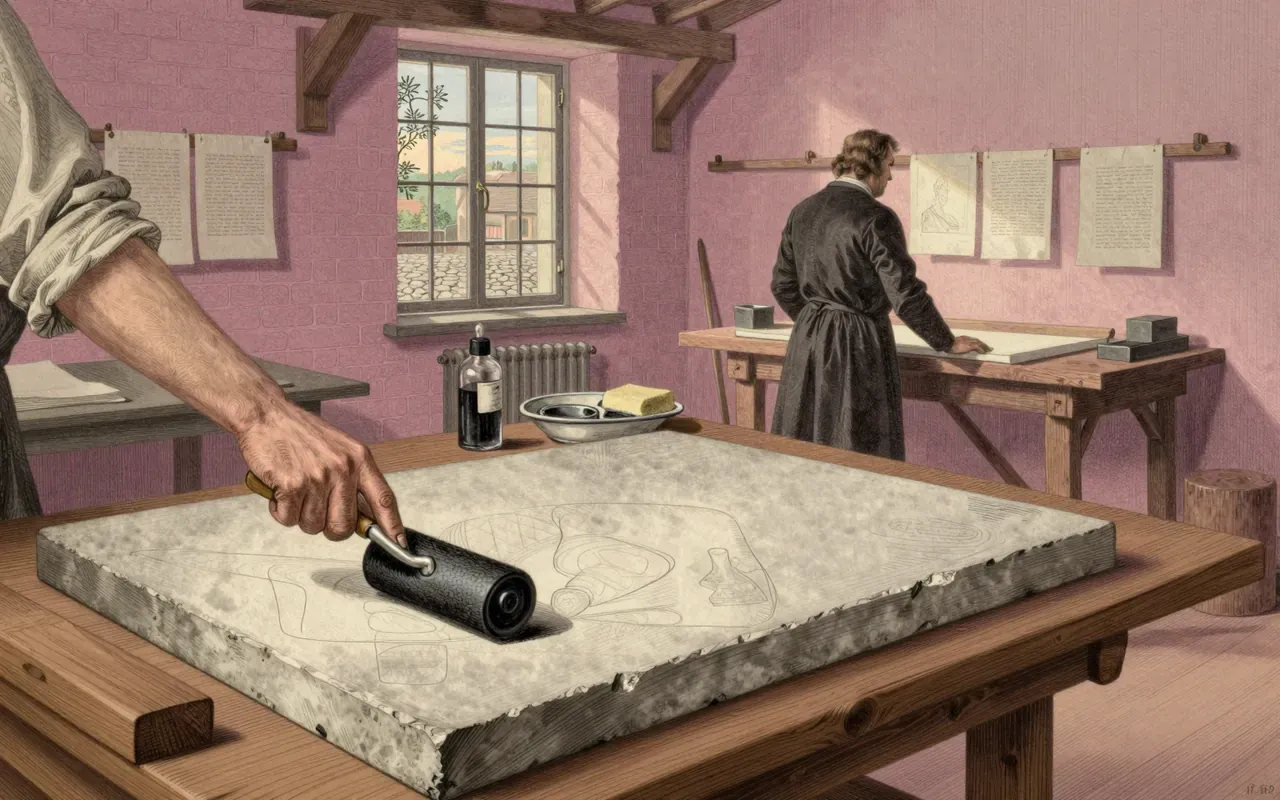
Lithography wasn’t art—it was a hack: an actor’s fix for expensive musical scores.

automotive.briefs Automotive

All 4 in automotive →
9:35

Lancia Aurelia B20 GT

Ghia · 1951

The B20 GT is the coupé of the Lancia Aurelia, which Lancia built from 1950 to 1958 over six series. It arrived in 1951 on a shorter wheelbase, with a Ghia-designed body built by Pinin Farina and a 1,991 cc V6 making 75 hp. Over six series it gained a larger engine, a de Dion rear axle and a sturdier transaxle, and the sixth-series coupés were the most touring-oriented of the B20 line.

10:34

Matra Djet

René Bonnet · 1962

The Matra Djet is the world's first rear mid-engined production road car. It began as the René Bonnet Djet in June 1962. It used a 1,108 cc Renault 8 engine mounted mid-ship. Its fiberglass body was bonded to a steel chassis. Production ran from 1962 to 1967 across both makers. Total units: 1,689.

11:12

Mini

Alec Issigonis · 1959

The Mini is a two-door, four-seat saloon designed by Sir Alec Issigonis for BMC in response to the 1956 Suez Crisis fuel shortage. Its front-wheel-drive, transverse-engine layout with sump gearbox and 10-inch wheels maximised interior space, delivering 80% of the floorpan to passengers and luggage. It used Alex Moulton’s rubber cone suspension — a time-driven compromise that sharpened road feedback. It influenced Honda N360, Nissan Cherry, and Fiat 127. It was voted second-most influential car of the 20th century in 1999. It remained in production from 1959 to 2000, selling 5.3 million units — the best-selling British car in history.

9:10

Volkswagen Type 2

Ben Pon concept · 1950

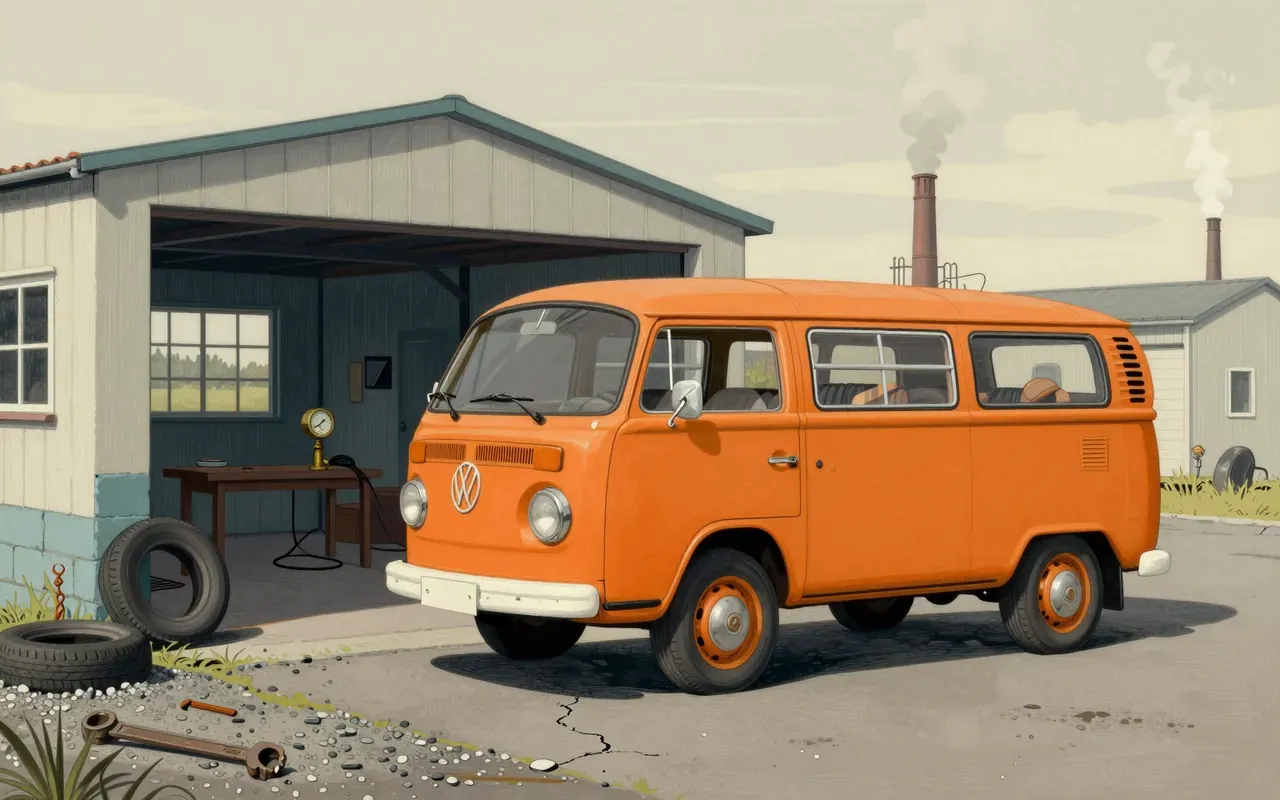
The Volkswagen Type 2 is a forward-control light commercial vehicle introduced in 1950. It was Volkswagen's second mass-production light motor vehicle series, inspired by Dutch importer Ben Pon. Pon conceived the design after seeing a Type 1-based Plattenwagen in Wolfsburg in 1946 and sketched it on 23 April 1947, specifying a 690 kg payload and front-placed driver. Production began in 1950, delayed only because the factory was at capacity building the Type 1. For its first 40 years, all variants used a forward-control layout with a rear-mounted flat-four engine and shared the Beetle’s wheelbase.

audio.briefs Audio

All 17 in audio →
9:06

Pianet N

Hohner

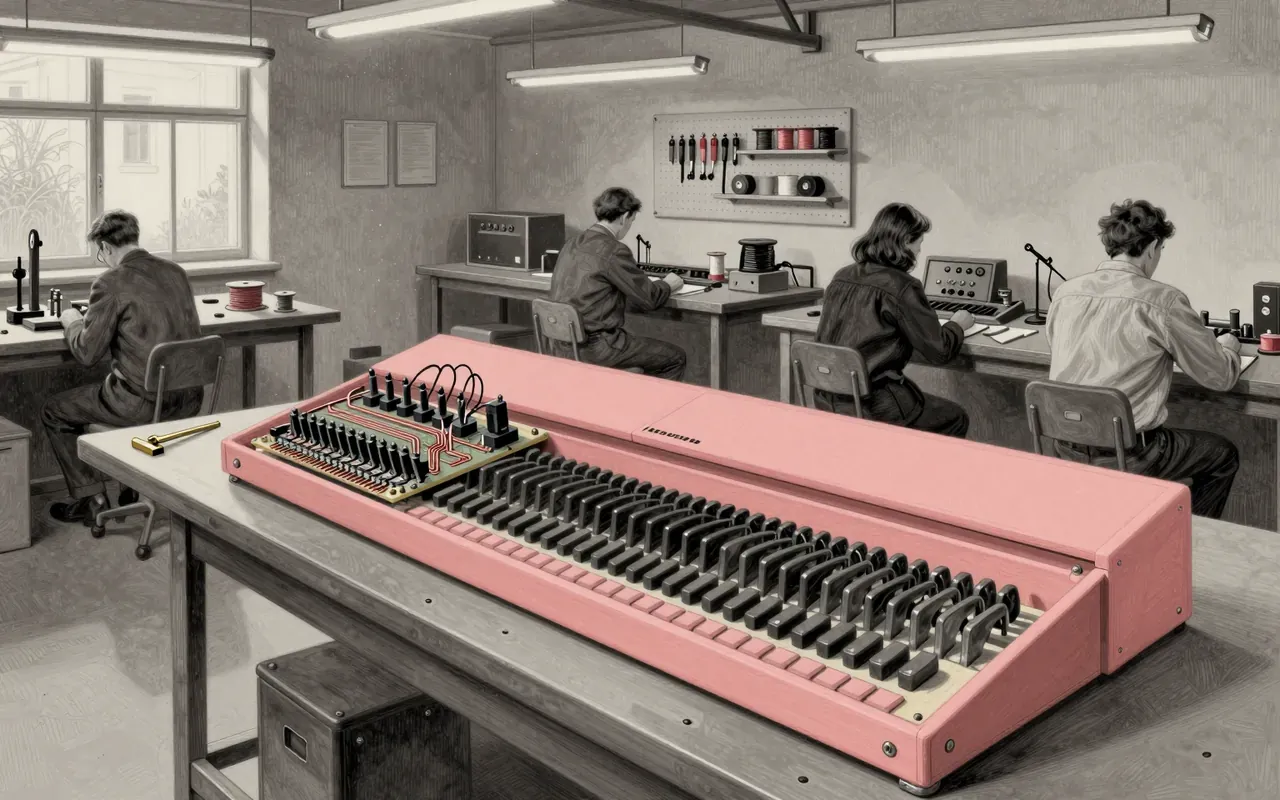
The Pianet N was Hohner's most popular Pianet, made from about 1965 to 1977 in two variants. The N stands for natural wood finish. It has inverted-V legs, a folding top that doubles as a music stand, a transistorised pre-amplifier, a floor pedal for volume and standard vibrato, and it plays through an external amplifier.

8:47

Pianet T

Hohner

The Pianet T was made from 1977 to about 1983 and headed Hohner's second group of Pianets. Plastic suction pads pluck its reeds, an electro-magnetic pick-up like the one in a Rhodes converts the vibration, and the instrument needs no electrical power of its own. Vinyl-covered, with a hinged lid, it was built for live use but has no built-in amplifier.

7:26

Rickenbacker 4005

Rickenbacker

The Rickenbacker 4005 is a 4-string bass guitar. That is all the source material confirms.

10:10

Frankenstein (guitar)

Eddie Van Halen

Frankenstein is a custom guitar built by Eddie Van Halen to combine Gibson’s PAF humbucker tone with Fender Stratocaster playability and tremolo. It uses one potted PAF in the bridge, mounted offset for string spacing, wired through a single 500k pot labelled 'TONE' and an output jack. No tone controls. No working selector. Middle and neck positions hold non-functional parts. It delivers aggressive, feedback-resistant lead tone — nothing else.

8:08

Moog Modular

Moog · 1964

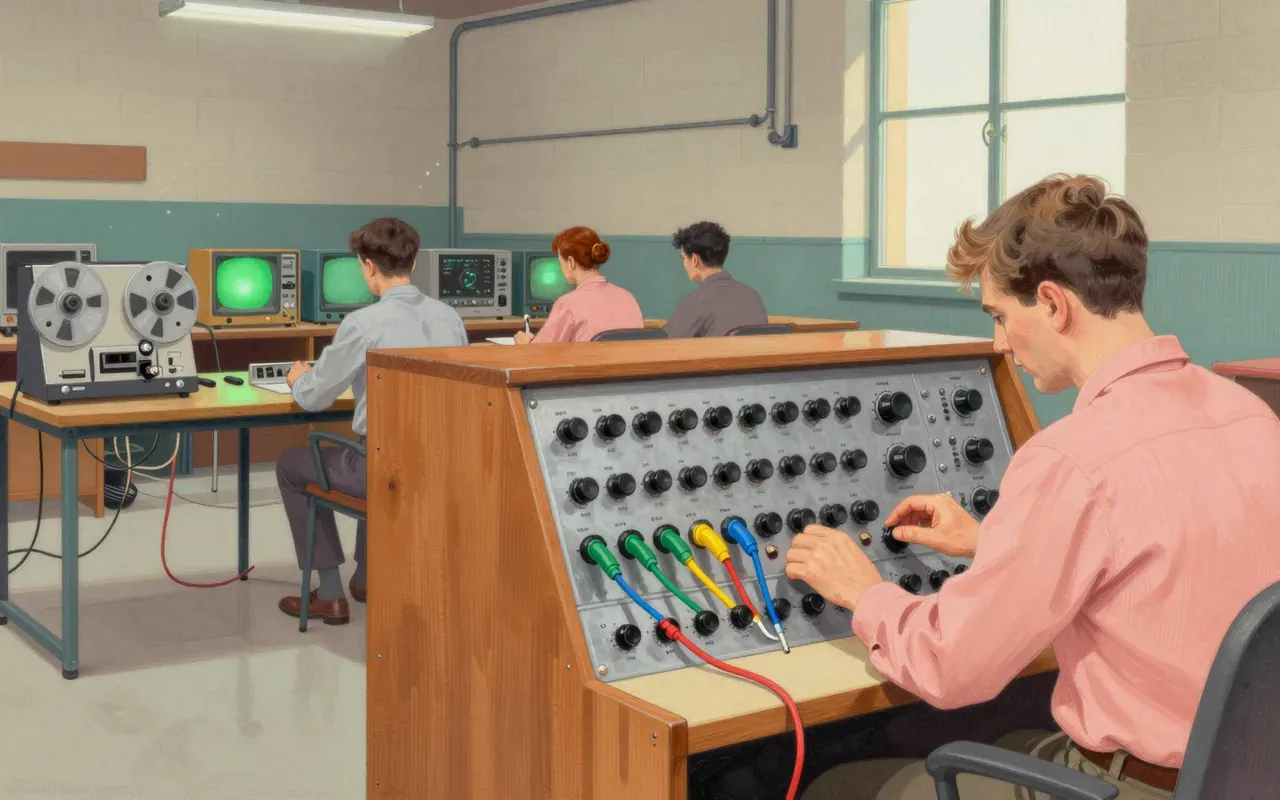
The Moog synthesizer is a modular, voltage-controlled analog synthesizer invented by Robert Moog in 1964. It was the first commercial synthesizer and established the analog synthesizer concept through its use of patch-cord-connected modules—including voltage-controlled oscillators, filters, envelope generators, and amplifiers—to implement subtractive synthesis.

8:39

Gibson Thunderbird

Gibson

The Gibson Thunderbird is a 34-inch scale electric bass introduced in 1963. Designed by auto stylist Raymond H. Dietrich, it features neck-through construction and a reverse body shape. It was Gibson’s first bass at that scale and originally came in two models: the single-pickup Thunderbird II and dual-pickup Thunderbird IV. Its soapbar humbuckers deliver focused midrange. In 1966, Gibson altered the design to a non-reverse body and set-neck construction following a lawsuit from Fender.

9:51

PCM adaptor

Sony

The PCM adaptor is a transitional artifact: a hardware hack that made digital audio portable and recordable using 1970s video infrastructure. It solved one problem — getting 16-bit audio onto physical media for CD mastering — and introduced many others: tape instability, video sync dependency, and zero interoperability with later digital standards.

9:30

Ampeg

Ampeg · 1946

Ampeg began in 1946 with Everett Hull’s tailpin transducer for upright bass. Jess Oliver later engineered the B-15’s flip-top chassis. It defined studio bass tone for decades—but only for players who matched its physical and sonic constraints.

food.briefs Food

All 1 in food →
7:47

Espresso

Espresso isn’t about taste—it’s about control: a 1884 Italian patent that turned coffee into a timed, pressurised, repeatable unit of labour.

fashion.briefs Fashion

All 12 in fashion →
8:45

Brooks Brothers

Brooks Brothers didn’t invent American style—it built its wardrobe like a factory: precise, repeatable, and indifferent to the body.
9:42

Gore-Tex

A 1969 accident with heated PTFE gave us waterproof breathability—and a lifetime of environmental debt.
7:09

Jean Patou

Jean Patou didn’t liberate women’s bodies — he equipped them for sport.
9:42

Nike Cortez

The Cortez didn’t invent running shoes—it weaponised comfort into a sales explosion.
9:06

PrimaLoft

PrimaLoft isn’t clothing—it’s the first synthetic insulation that refuses to quit when soaked.