Klaus von Klitzing
A single number, RK, turned resistance into a quantum ruler — but it measures only one kind of perfection.
Sand, refined into the bottleneck of the world economy.
Perovskite solar cells began with CsSnI3 in a solid-state dye-sensitized architecture. They proved 3D halide perovskites could act as efficient semiconductors — not just additives — and enabled rapid efficiency gains: 3.8% to 27% (single-junction) and 34.85% (silicon tandem) between 2009 and 2025. The materials are cheap and simple to make. But no source names Kojima or Park, reports stability, or confirms real-world deployment.

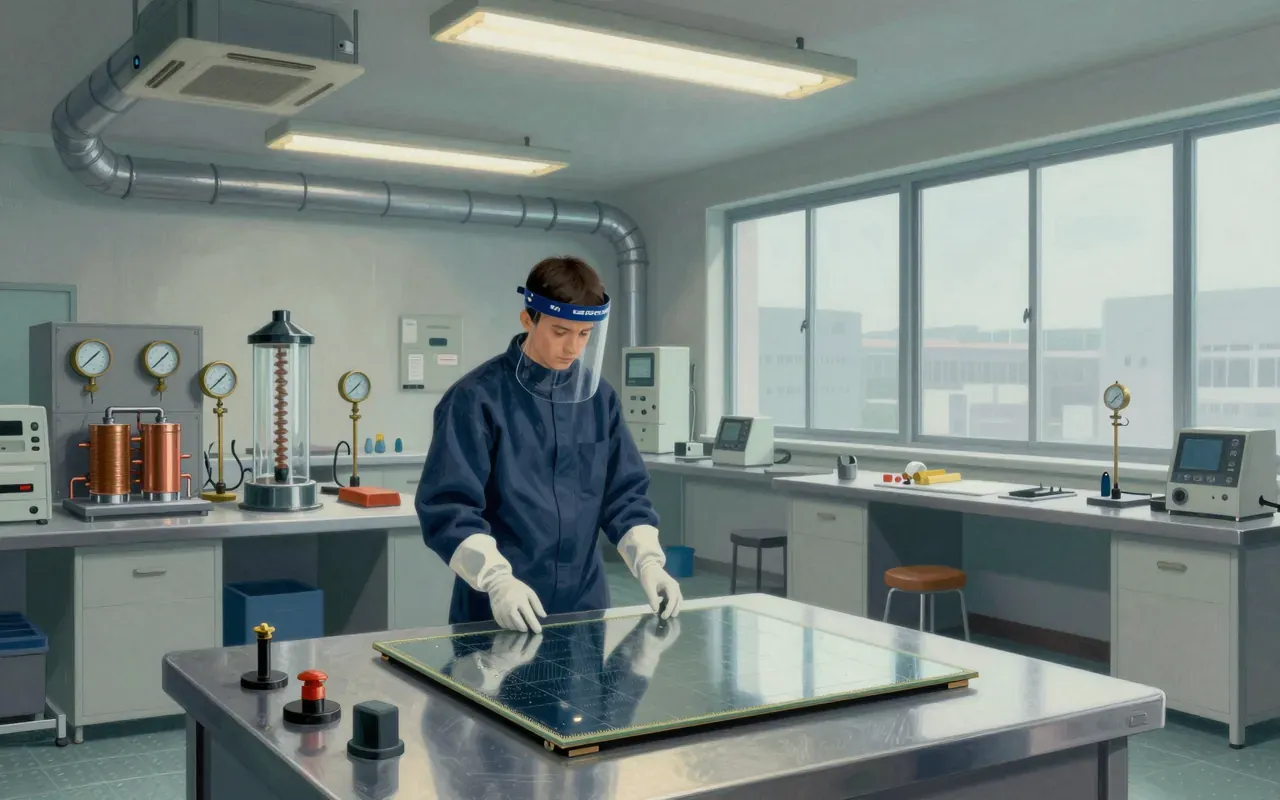
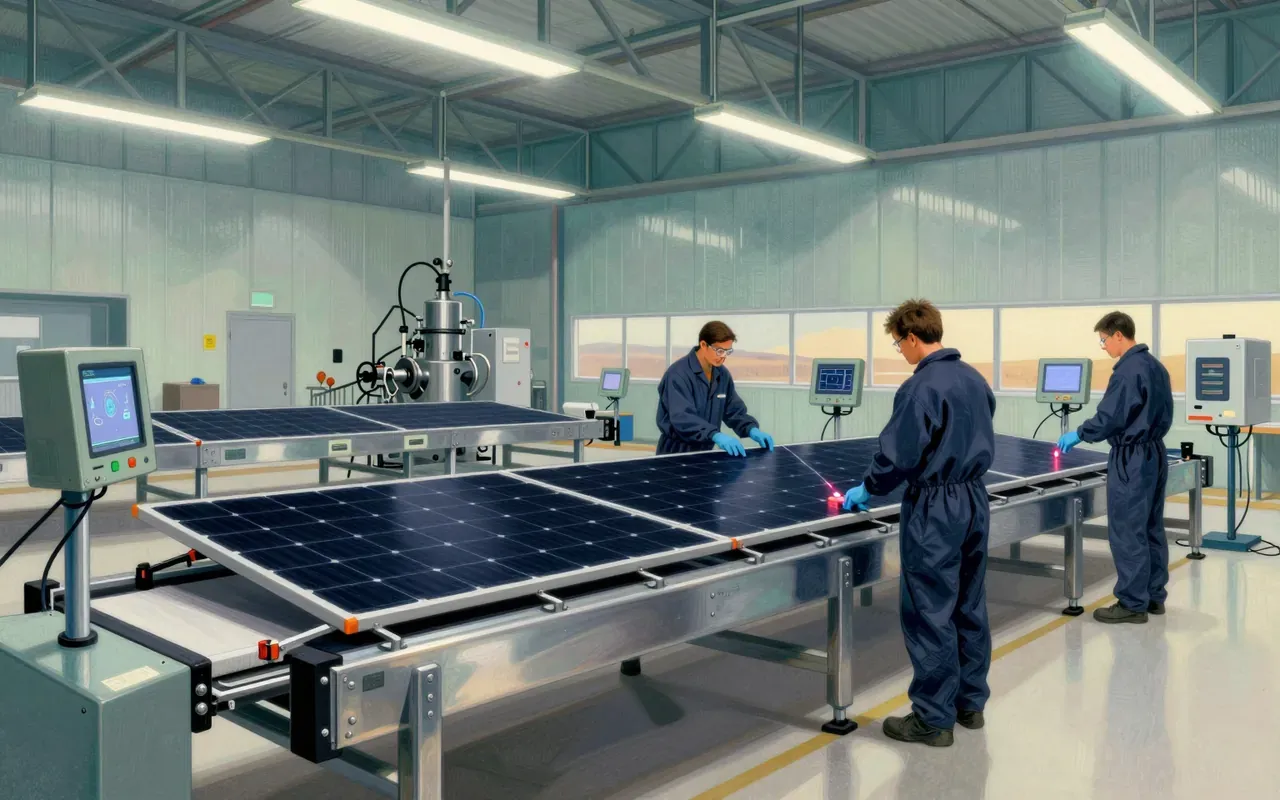
First Solar is a U.S. solar panel manufacturer that builds cadmium telluride (CdTe) thin-film modules in domestic factories. It was founded in 1990 as Solar Cells, Inc. by Harold McMaster, acquired and rebranded in 1999, and went public in 2006. Its technology diverges from mainstream silicon PV. As of March 2026, it had ~14 GW of annual domestic nameplate capacity across facilities in Ohio, Alabama, and Louisiana. It does not produce silicon panels, does not operate overseas factories, and does not integrate storage or software.
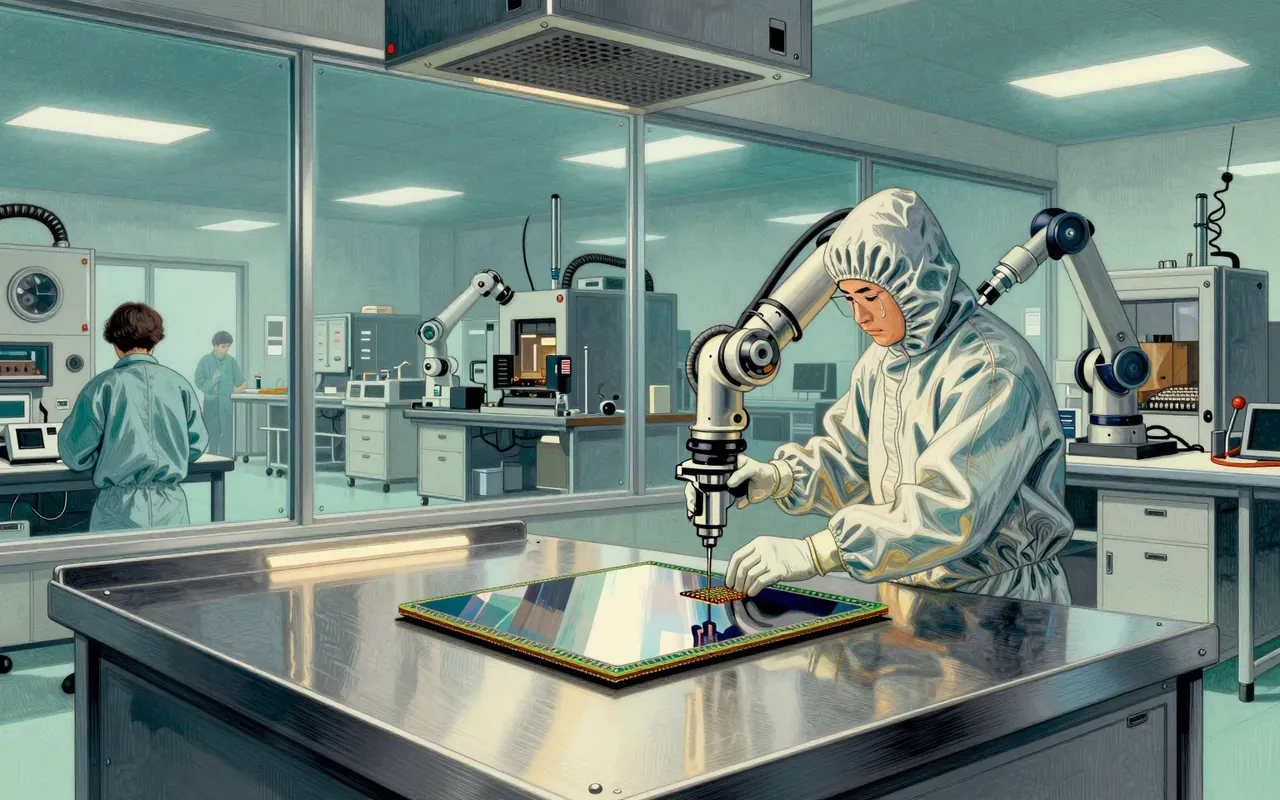

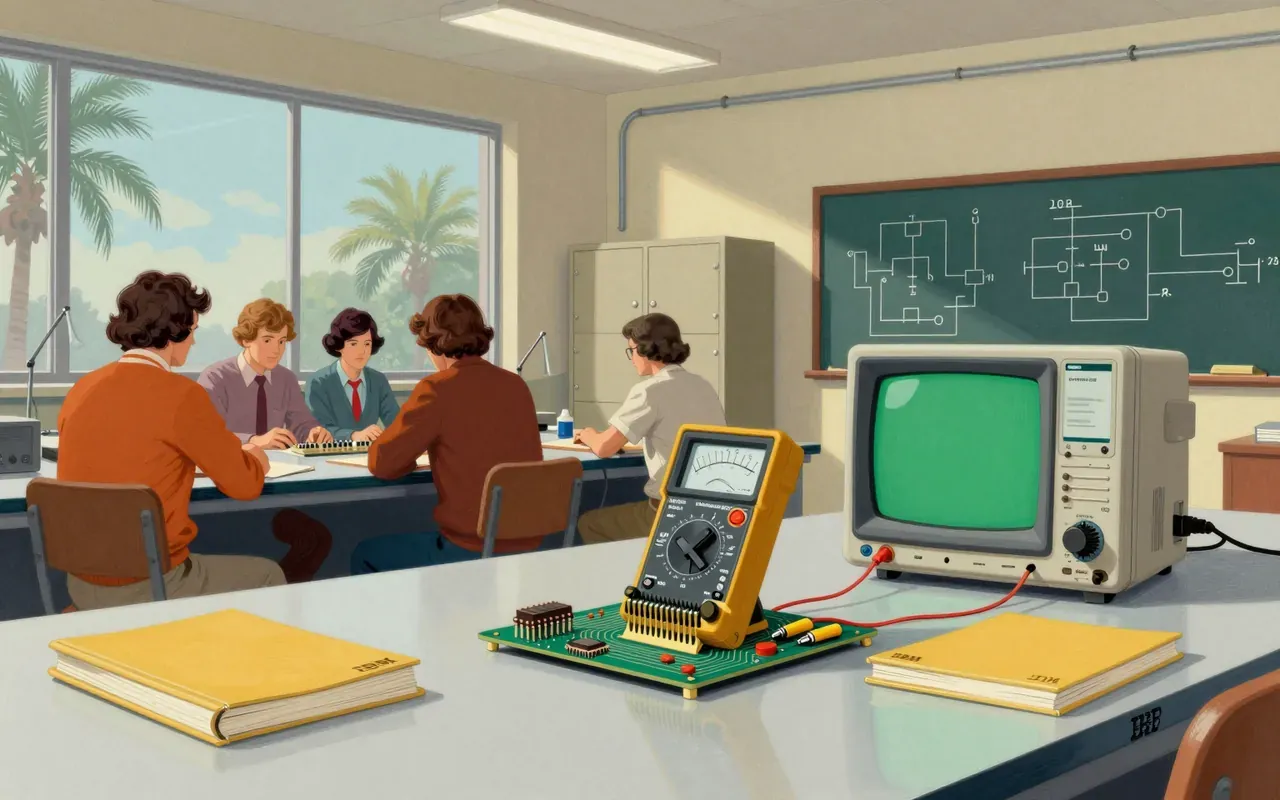
AMD is not a story of disruption — it is a story of licensed dependence, contested access, and court-mandated self-reliance in semiconductor design.
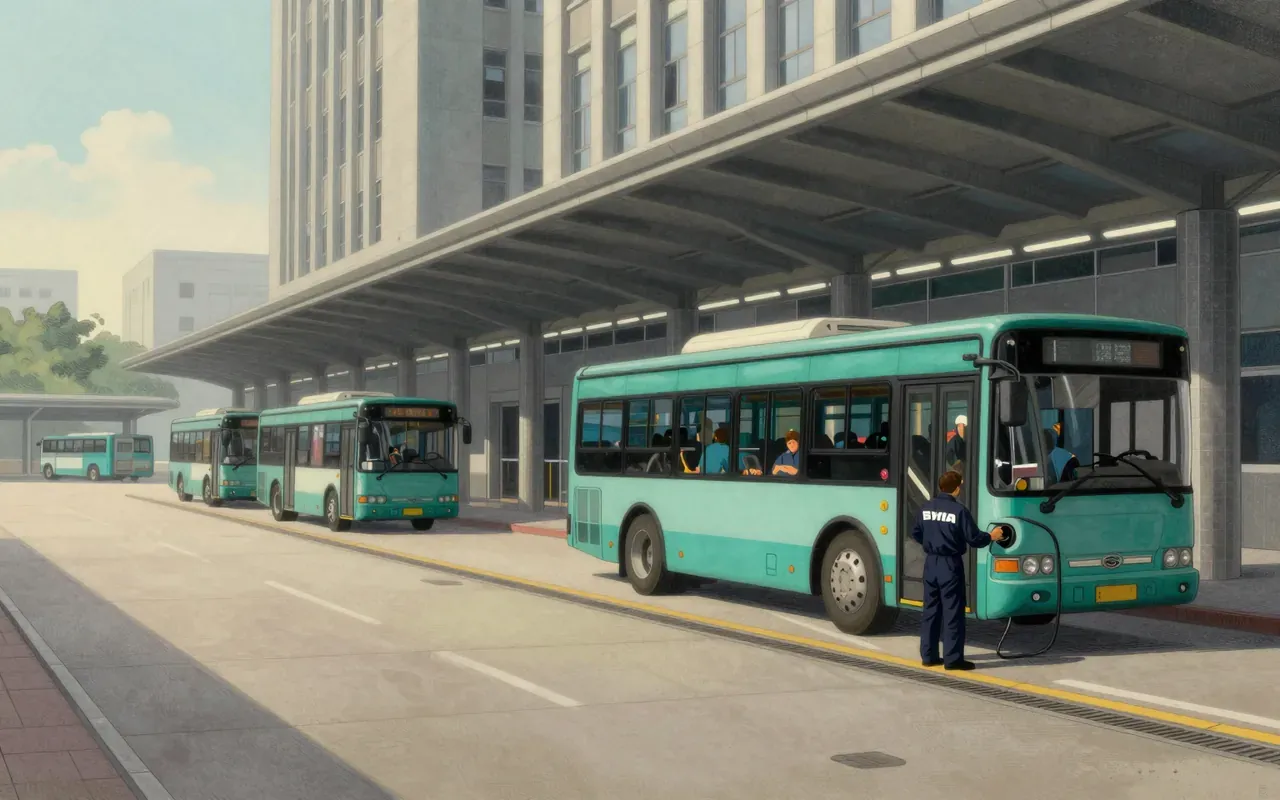
BYD is a battery-born, vertically integrated Chinese manufacturing conglomerate whose automotive business now dominates its revenue and global EV output — but the sources disclose no financials, no unit economics, and no evidence of why its integration delivers advantage beyond scale and employment headcount.
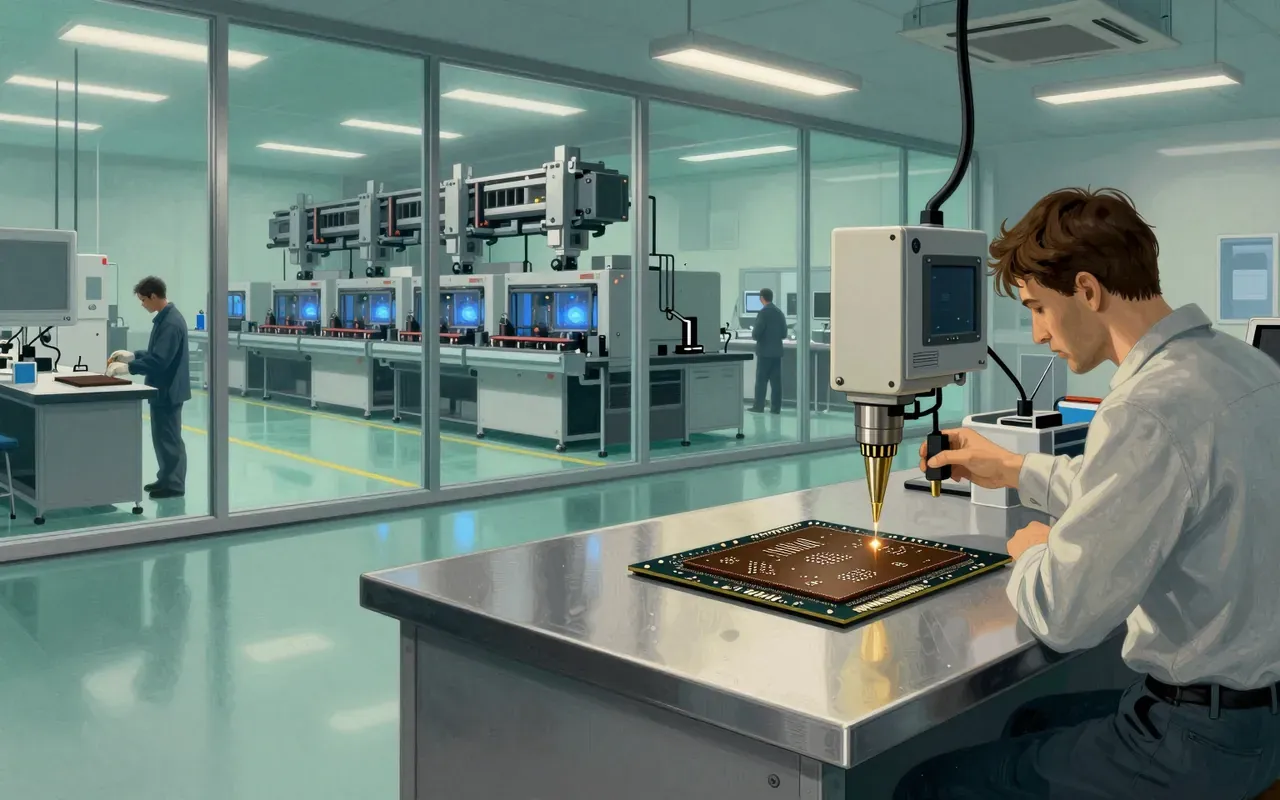


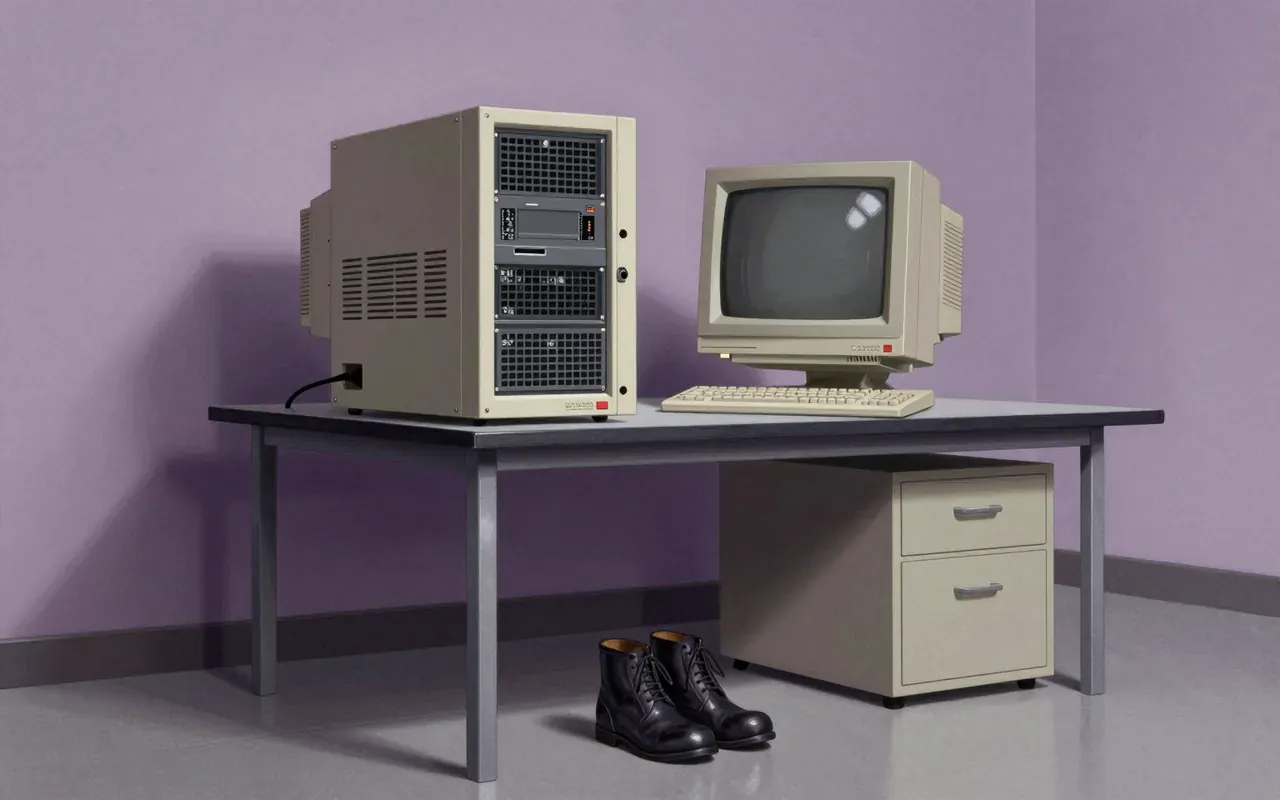
Silicon Graphics built the first practical hardware-accelerated 3D graphics systems. Its Geometry Engine — designed at Stanford under ARPA — delivered ~6 million geometry operations per second. It pioneered scalable cc-NUMA architectures in the mid-1990s. But its reliance on proprietary MIPS and failed transitions to Itanium and Xeon eroded its position as PC graphics commoditised. It filed for bankruptcy in 2009.
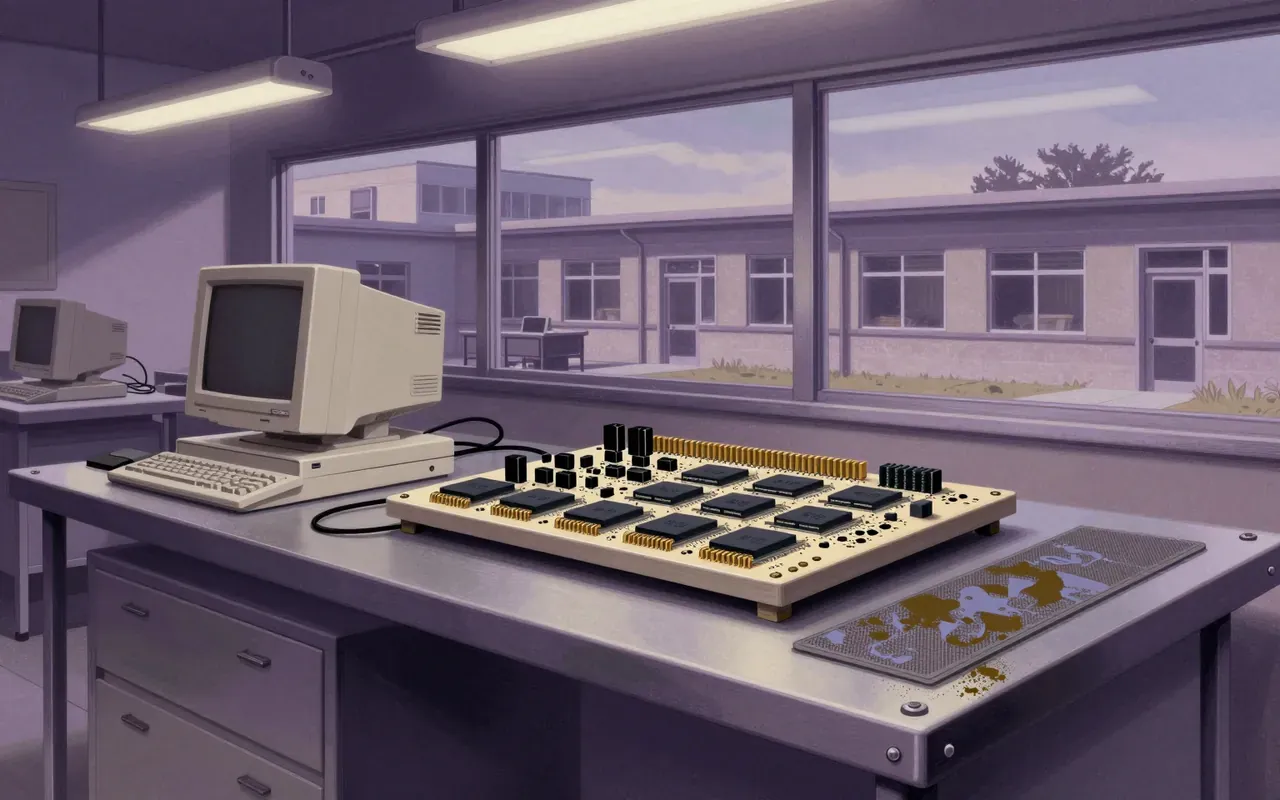
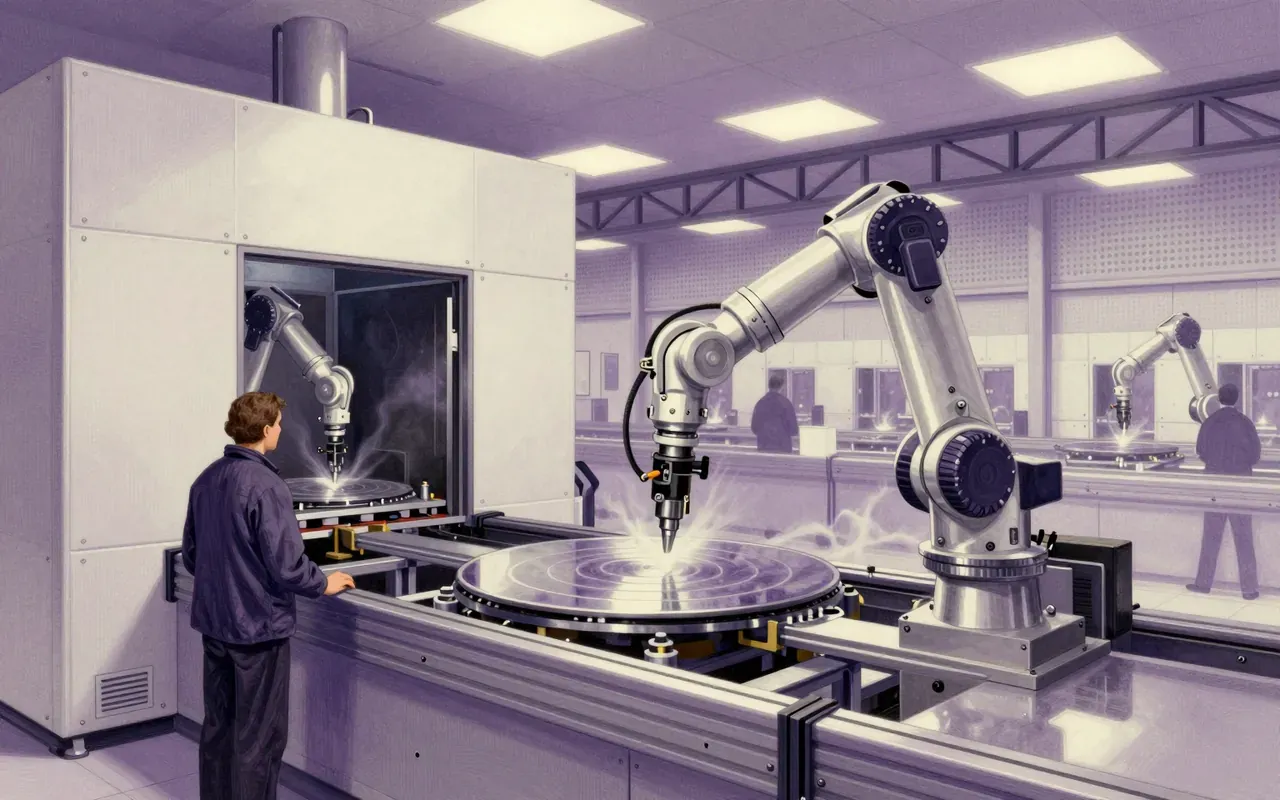

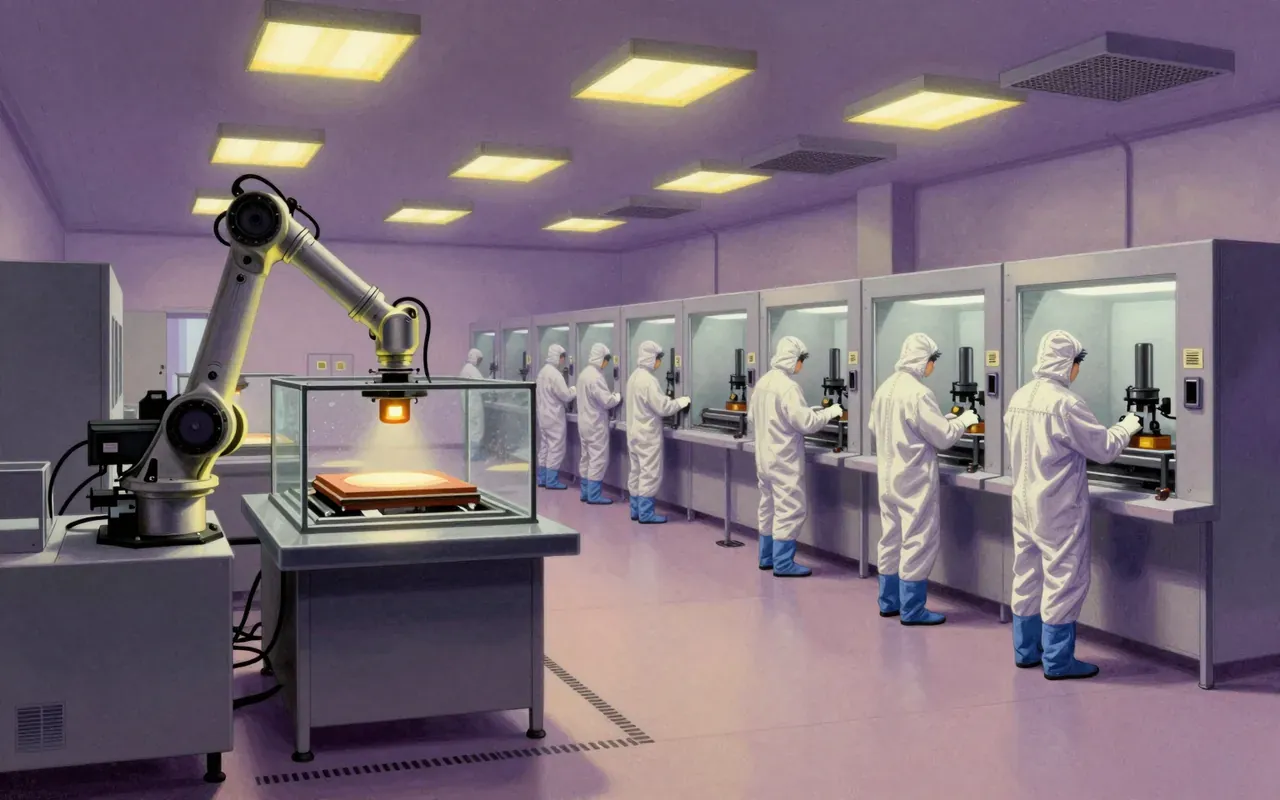

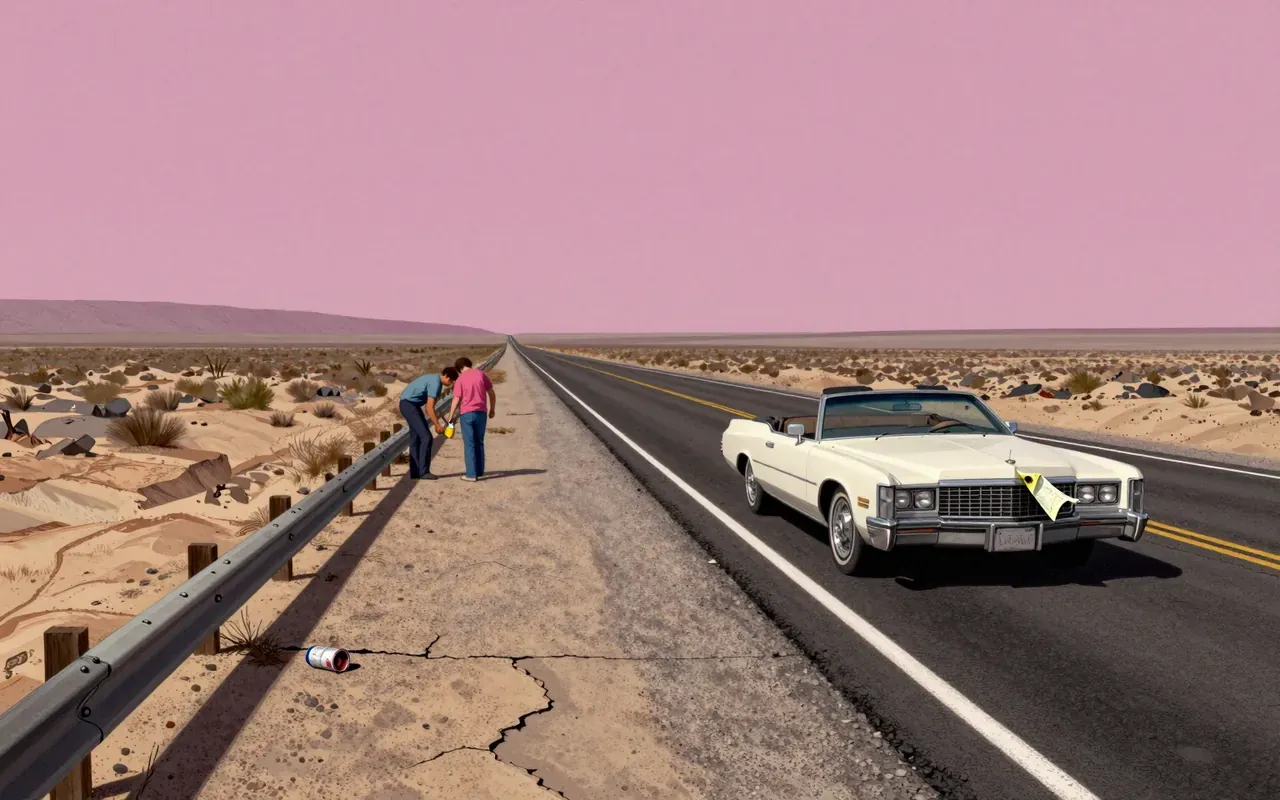
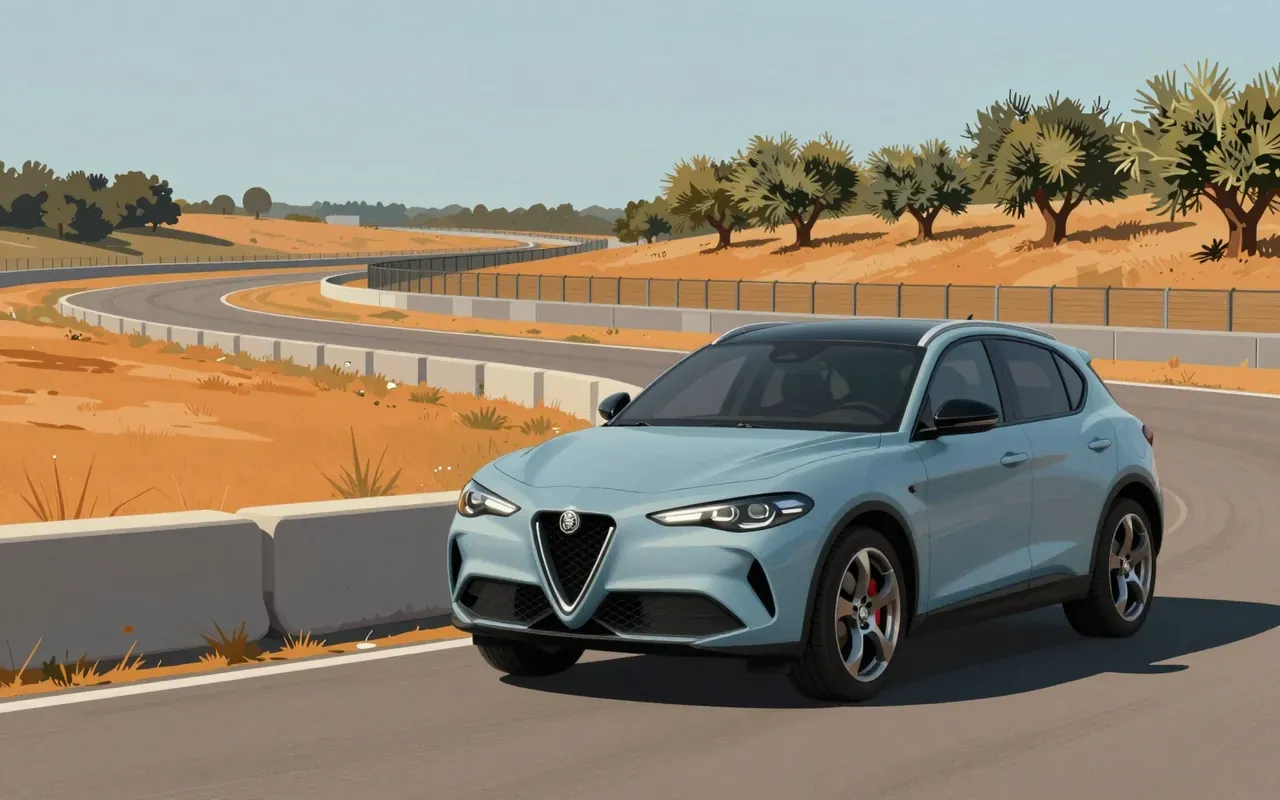
The Alfa Romeo Tonale is a compact luxury crossover SUV launched in February 2022. It is Alfa Romeo’s first hybrid vehicle and first new model in six years. It sits between the Junior and Stelvio in the SUV lineup. It uses a modified SCCS platform shared with the Jeep Compass. It offers mild-hybrid and plug-in hybrid variants, the latter with a 15.5 kWh battery and 48 km electric range. It was delayed from 2021 to 2022 due to semiconductor shortages and drivetrain requirements. A rebadged version, the Dodge Hornet, launched in North America in August 2022.
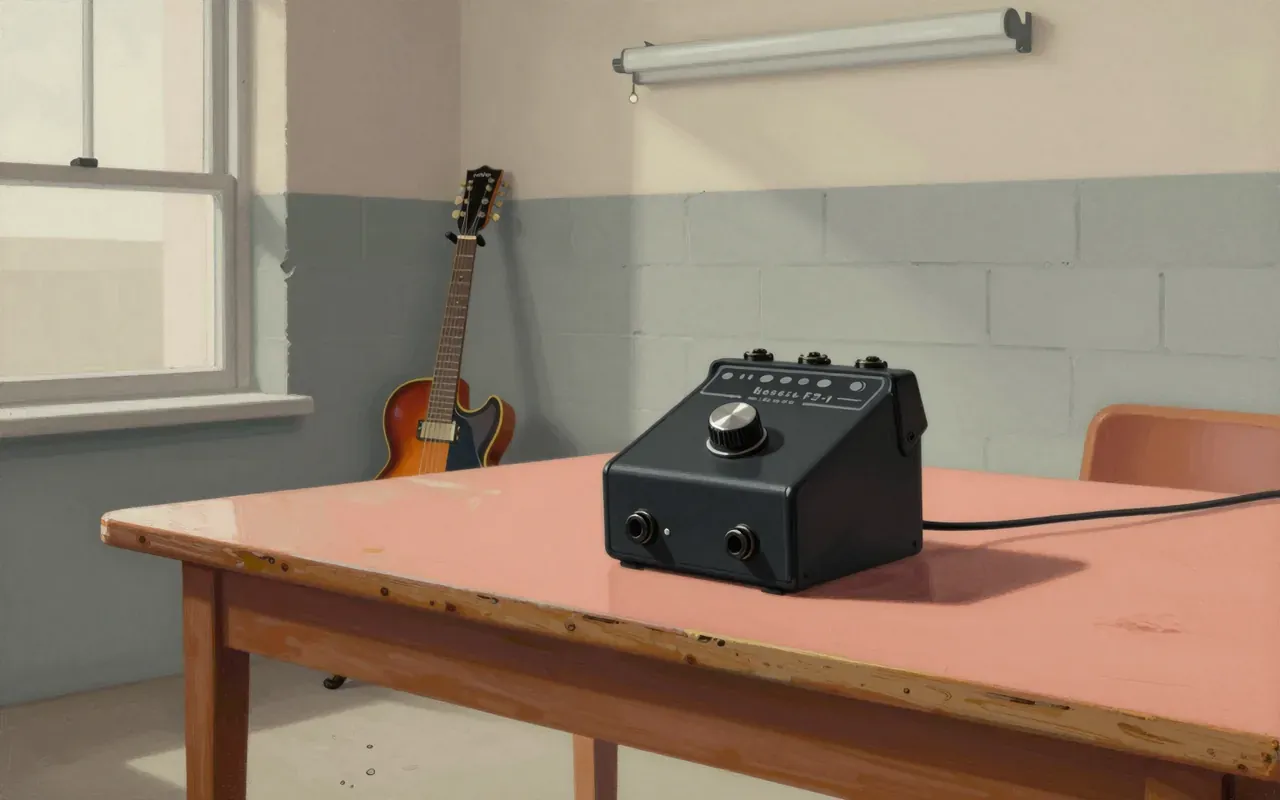
The Maestro FZ-1 Fuzz-Tone is the first widely marketed fuzz effect. Introduced in 1962. Achieved mainstream impact in 1965 via Keith Richards on 'Satisfaction'. Uses three germanium transistors. Powered by two 1.5V batteries (later one). Responds directly to input amplitude. Temperature sensitive. Delivers brass-like tones. Integrated into Gibson EB-0F basses circa 1964. Revised as FZ-1a in late 1965.

The Tone Bender is a lineage of germanium-transistor fuzz pedals designed to out-sustain the Maestro Fuzz-Tone. Its revisions trade transistor count, topology, and features—not stability or convenience. It rewards touch. It punishes precision.

The TR-808 is a programmable analog drum machine introduced in 1980. It generated all sounds via analog synthesis—not sampling—and allowed full percussion track programming including breaks and rolls. It supported up to 32 patterns, chaining up to 768 measures, and beat accents. Roland discontinued it in 1983 after approximately 12,000 units due to semiconductor shortages. It was a commercial failure because the market preferred realistic drum sounds.
