briefs
Topic · across the network

Railways

The technology that standardised time.

35
briefs
8
subjects
10:29
average
367 min
in total
Abstraction 407Absurdism 137Acoustics 220Acting 65Adaptation 372Addiction 95Adolescence 202Advertising 77Age of exploration 14Ageing 113Agriculture 100Algorithms 114Ambition 46Anarchism 38Ancient Egypt 17Ancient Greece 38Ancient Rome 30Animals 172Anthropology 23Apartheid 12Architecture 165Archives 32Argentina 10Art Deco 26Artificial intelligence 78Astronomy 81Attention 42Australia 32Automation 73Avant-garde 164Aviation 79Banking 72Banned works 40Bauhaus 12Beer 5Behavioural economics 22Berlin 16Big tech 6Biodiversity 136Biography 86Birds 41Black holes 20Blockchain 12Boxing 14Branding 77Brazil 43Bread 29Britain 131Brutalism 4Bubbles 3Buddhism 28Byzantium 10California 17Canada 18Capitalism 94Cars 468Celebrity 59Censorship 110Cheese 24Chefs 9Chemistry 104Chess 2Childhood 87China 109Chocolate 8Christianity 49Cinematography 343Cities 90Class 485Climate change 107Club culture 100Cocktails 2Coffee 11Cognitive bias 14Collecting 16Colonialism 284Colour 42Comedy 89Community 52Complexity 21Computing 309Consciousness 16Conservatism 14Conspiracy theories 8Cooking 178Corruption 38Cosmology 31Cover versions 64Craft 116Crate digging 42Creativity 8Crime 234Cryptocurrency 8Cryptography 24Cuba 10Cybersecurity 30Dada 12Debt 38Decision-making 28Decolonisation 46Deep time 80Democracy 45Denim 16Deserts 45Detroit 17Dinosaurs 12Directing 168Disasters 59Disease 109DJ culture 89Dreams 32Drones 5Drum machines 96Dystopia 69East Africa 28Ecology 337Economics 36Editing 72Education 92Egypt 12Electric vehicles 59Emotion 22Empire 92Endurance 49Energy 120Engineering 541Entropy 8Epidemics 13Equality 9Espionage 31Ethics 44Evolution 174Existentialism 106Expertise 2Exploration 49Extinction 23Failure 37Family 240Fandom 22Fascism 45Fashion 215Fast fashion 12Fear 34Feminism 122Fermentation 126Film music 81Fishing 12Folklore 71Food history 588Football 16Forests 31Forgery 7France 163Fraud 15Free will 13Freedom 16French literature 15Friendship 24Furniture 36Gambling 14Gender 63Generations 28Genetics 87Geology 96Germany 66Globalisation 74Gothic 32Greece 5Grief 126Habits 6Happiness 2Hardware 709Haute couture 22Headphones 8Hi-fi 12Hinduism 12Hoaxes 1Human history 23Human nature 41Identity 138Illustration 8Impressionism 6Improvisation 249India 89Indonesia 15Industrial design 342Inequality 13Inflation 4Information 34Infrastructure 280Insects 29Intelligence 8Interiors 31Internet culture 88Invention 329Iran 41Islam 40Islands 17Israel 9Italy 52Jamaica 10Japan 114Jewellery 5Journalism 34Judaism 13Justice 42Korea 41Language 70Law 90Leadership 20Learning 6Liberalism 1Libraries 6Literary criticism 26London 12Loneliness 61Los Angeles 62Lost works 9Love 67Luxury 55Machine learning 15Management 10Maps 5Marketing 21Markets 51Mars 6Marxism 26Masculinity 46Materials 138Mathematics 79Meaning 6Medicine 124Memory 82Mental health 70Mesopotamia 4Mexico 38Migration 95Minimalism 68Mining 30Misinformation 9Modernism 63Money 24Monopoly 32Mortality 61Motivation 2Mountains 16Museums 27Mysticism 11Mythology 60Nationalism 40Neuroscience 23New York 36Nigeria 7Nihilism 10Noise 31Nostalgia 33Nuclear 29Nutrition 17Oceans 48Oil 42Open source 45Painting 18Palaeontology 29Parenting 14Paris 18Partition 6Patents 71Patronage 14Perception 44Personal style 27Personality 2Persuasion 8Peru 10Philosophy 77Photography 37Physics 206Plants 26Platforms 89Podcasting 1Poetry 25Poland 17Policing 34Pop Art 16Populism 2Portraiture 6Portugal 18Postmodernism 23Power 91Prehistory 24Preservation 28Printmaking 21Privacy 11Probability 6Productivity 1Programming 54Prohibition 1Propaganda 35Protest 75Pseudoscience 17Psychology 80Publishing 22Punishment 16Quantum mechanics 44Race 145Radio 30Railways 35Rave 17Realism 47Record labels 19Recording 810Relativity 23Religion 154Resilience 15Restaurants 30Restoration 2Retail 94Revolution 58Risk 18Ritual 96Robotics 26Romance 96Russia 58Salt 9Sampling 246Satire 84Scandinavia 28Scientific method 186Screenwriting 26Sculpture 7Secularism 2Self-deception 14Semiconductors 73Sexuality 102Ships 18Silence 24Silicon Valley 17Slavery 35Sleep 2Smartphones 27Sneakers 15Social media 58Socialism 9Software 68Songwriting 180Sound design 332Sound systems 20South Africa 19South East Asia 30Space exploration 84Spain 18Special effects 41Spices 62Spirits 12Sport 82Startups 21Statistics 10Status 9Stoicism 4Storytelling 68Strategy 70Street food 99Streetwear 16Studio craft 508Subcultures 59Sugar 12Supply chains 115Surrealism 53Surveillance 21Sustainability 30Synthesis 232Tailoring 37Taxation 14Tea 24Textiles 97Thailand 11The American Revolution 19The American South 88The Arab world 41The Arctic 19The Balkans 17The Belle Epoque 13The body 29The brain 26The Caribbean 28The civil rights movement 62The Cold War 160The eighties 268The Enlightenment 29The financial crisis 19The First World War 39The food industry 157The French Revolution 9The Gilded Age 9The Great Depression 18The Holocaust 20The Industrial Revolution 93The internet 61The interwar years 135The Middle Ages 35The Moon 4The music business 169The Netherlands 10The nineties 26The Olympics 10The pandemic 13The Reformation 1The Renaissance 16The Russian Revolution 19The Second World War 102The seventies 58The sixties 28The space race 5The United States 19The universe 7The Victorian era 37Therapy 20Tokyo 11Trade 48Tragedy 22Translation 5Trauma 85Travel 5True crime 2Turkey 18Typography 54Uniforms 23Unions 8Urban planning 66Utilitarianism 1Utopia 5Vaccines 10Vegetarianism 15Venture capital 6Video games 291Vietnam 12Vintage 65Vinyl 6Virtual reality 11War 169Watches 4Water 11Weather 29West Africa 29Wilderness 10Wine 3Work 22Workwear 19Worldbuilding 121

film.briefs Film

All 8 in film →
13:00

Brief Encounter

David Lean · 1945

David Lean’s 1945 adaptation of Noël Coward’s Still Life follows Laura Jesson and Alec Harvey, two married strangers whose brief, chaste affair unfolds over Thursdays in a Lancashire railway station. Shot in stark black-and-white by Robert Krasker, scored with Rachmaninoff’s Second Piano Concerto, and performed with extraordinary restraint by Celia Johnson and Trevor Howard, it renders love not as liberation but as quiet crisis — a collision of feeling and duty that resolves not in triumph or tragedy, but in return.
13:00

La Bête Humaine

Jean Renoir · 1938

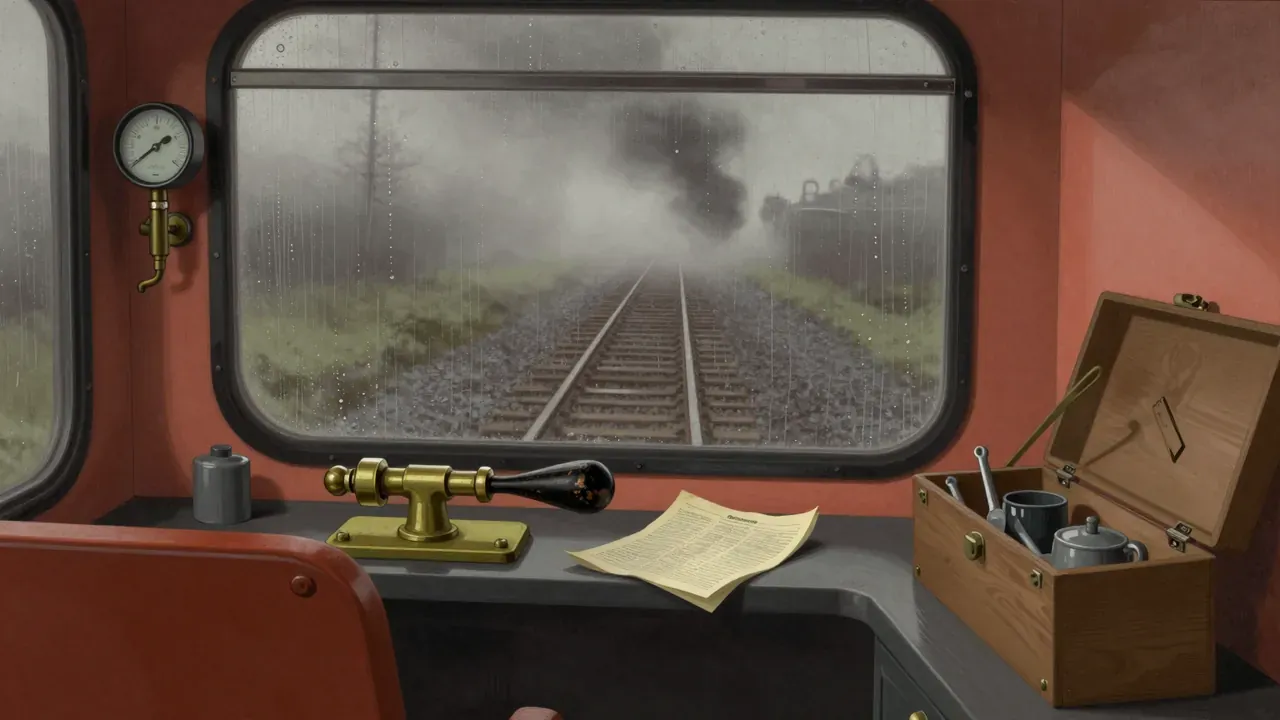
Jean Renoir’s 1938 adaptation of Zola’s La Bête humaine follows railway driver Lantier, whose inherited violent impulses collide with a web of guilt, desire, and industrial routine. Shot by Curt Courant and scored by Joseph Kosma, it uses the railway as both setting and structural principle — a world governed by timetables, steam, and inescapable consequence.

13:00

Shoah

Claude Lanzmann · 1985

A nine-hour French documentary directed by Claude Lanzmann, released in 1985. Made over eleven years, it contains no archival footage, no narration, no music — only interviews with survivors, perpetrators and bystanders, filmed on location at former death camps in Poland. Its method is durational, forensic and ethically uncompromising: testimony is left untranslated where necessary, interpreters’ voices remain audible, silence is preserved, and geography is matched to memory. It does not explain the Holocaust but locates it in speech, space and procedure.

13:00

Terminal Station

Vittorio De Sica · 1953

Terminal Station (1953) is Vittorio De Sica’s English-language drama set entirely in Rome’s Termini station, following an American woman torn between her husband and an Italian lover. Produced by David O. Selznick and plagued by creative conflict, it exists in two versions — an 89-minute Italian cut and a 72-minute American recut titled Indiscretion of an American Wife. Shot on location with restrained performances and atmospheric cinematography, it prioritises place and pause over plot, exposing tensions between neorealism and Hollywood convention. Though nominated at Cannes and for an Oscar, it divided critics and performers alike.

13:00

L'Arrivée d'un train en gare de La Ciotat

Auguste Lumière, Louis Lumière · 1896

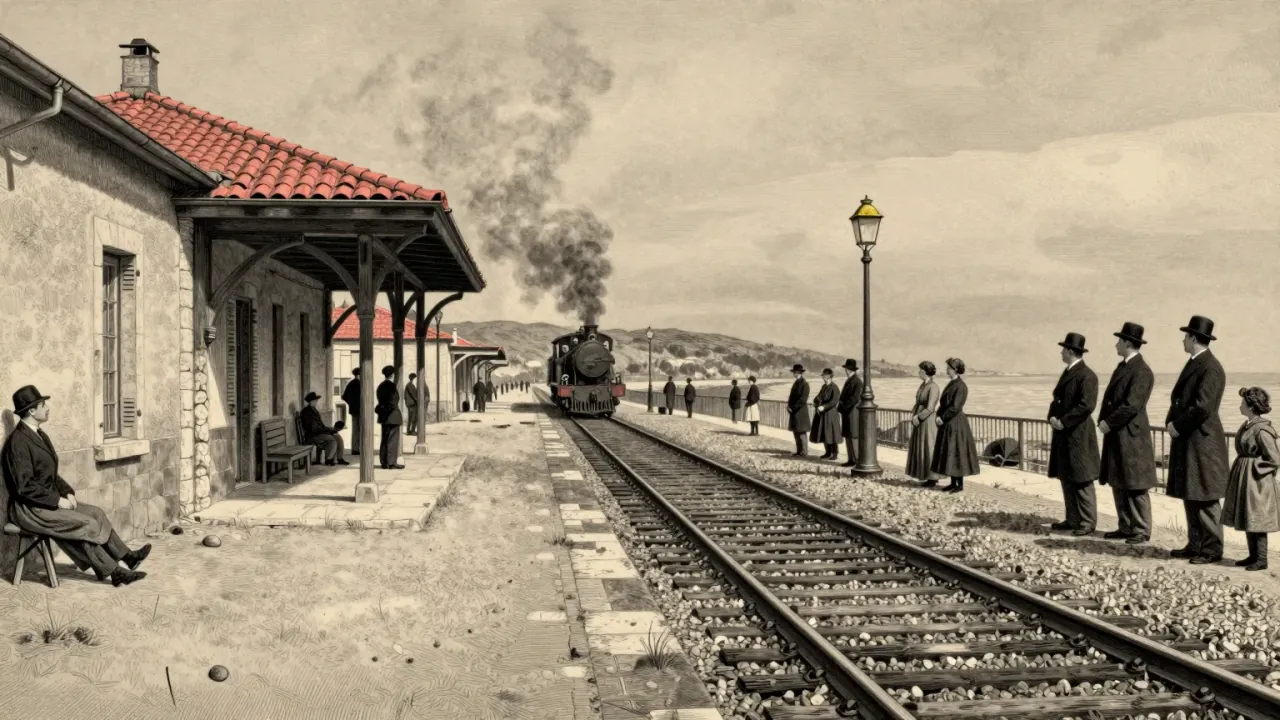
L'Arrivée d'un train en gare de La Ciotat (1896) is a fifty-second silent actuality film by Auguste and Louis Lumière, recording a steam locomotive arriving at La Ciotat station. Shot in a single unedited take with the Cinématographe, it exemplifies early cinema’s documentary impulse and technical ambition. Though often mythologised for causing audience panic, no contemporary evidence supports this. Its significance lies in its formal restraint, its demonstration of cinematic continuity, and its role in establishing the medium’s foundational grammar.

13:00

Closely Watched Trains

Jiří Menzel · 1966

Jiří Menzel’s 1966 debut follows Miloš Hrma, a teenage train dispatcher in German-occupied Bohemia, as he navigates sexual anxiety, bureaucratic absurdity and a small act of resistance. Adapted from Bohumil Hrabal’s novella, it treats war as ambient pressure rather than spectacle, finding gravity in hesitation, humour in proportion, and dignity in failure. Shot by Jaromír Šofr at Barrandov Studios and released the same year, it won the 1968 Academy Award for Best International Feature Film.

13:00

The General

Buster Keaton, Clyde Bruckman · 1926

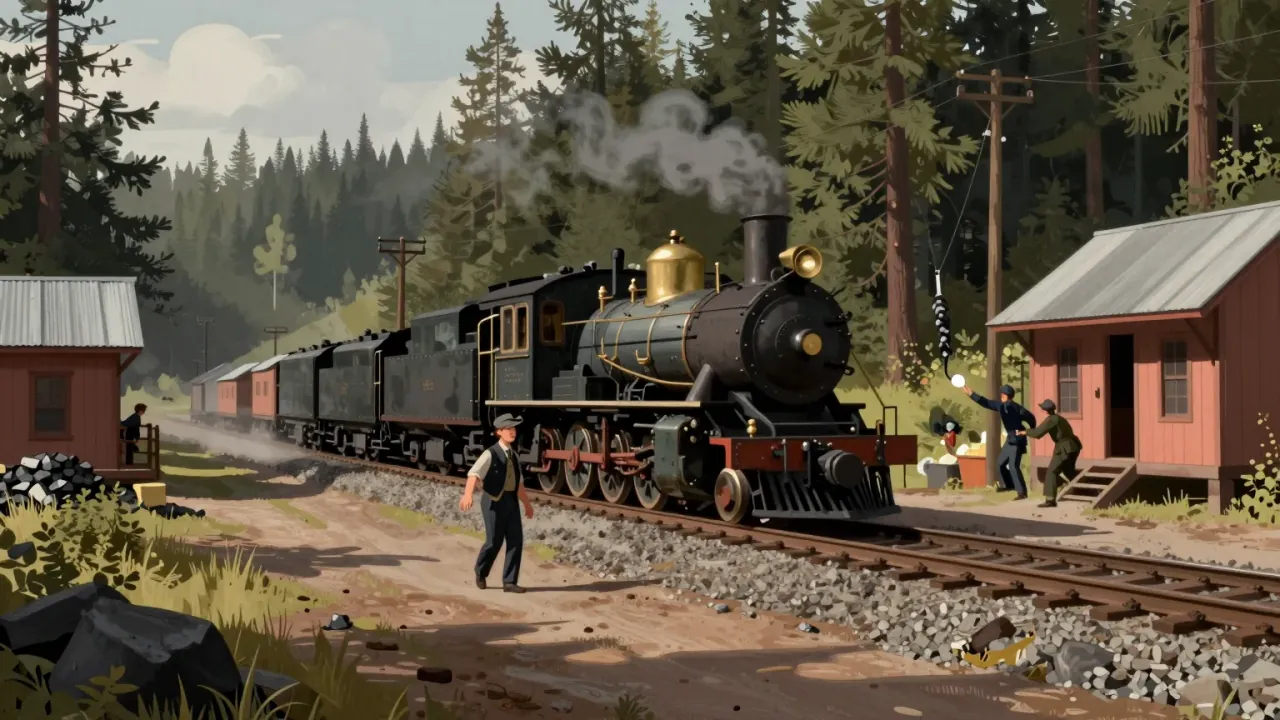
Buster Keaton’s 1926 film The General is a romantic comedy-war film set during the American Civil War, co-directed with Clyde Bruckman. Starring Keaton as a Southern railroad engineer, it follows his pursuit of a stolen locomotive and his estranged sweetheart across Oregon landscapes shot with period-accurate trains and practical stunts. Though poorly received on release, it is now widely regarded as a landmark of cinematic craft — precise, physically coherent, and emotionally restrained.

13:00

Unstoppable

Tony Scott · 2010

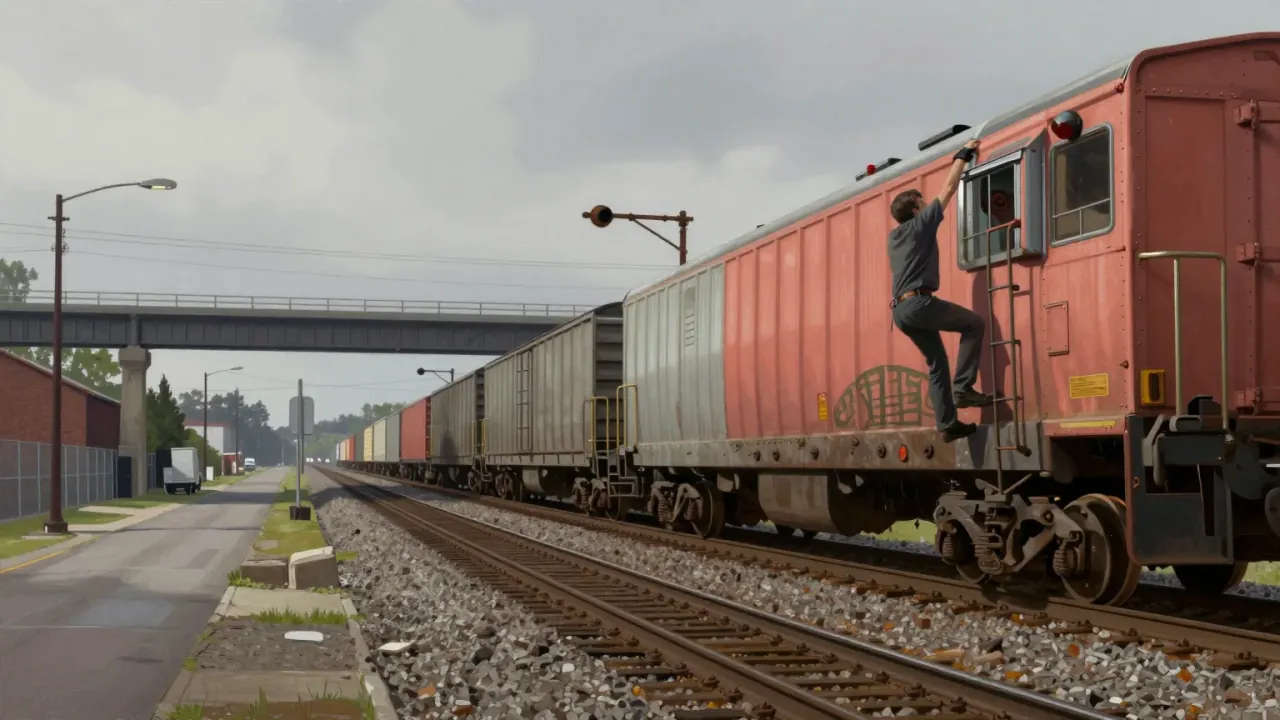
Tony Scott’s 2010 action thriller Unstoppable follows veteran engineer Frank Barnes and rookie conductor Will Colson as they attempt to couple to and slow a runaway freight train carrying toxic chemicals. Based loosely on the 2001 CSX 8888 incident, it prioritises procedural realism, mechanical stakes and spatial clarity over character depth or thematic expansion. Shot across Western Pennsylvania and Ohio, it uses real rail infrastructure and practical effects to ground its escalating tension. With Chris Pine and Denzel Washington leading a functional ensemble, and Ben Seresin’s cinematography anchoring every beat in tangible geography, the film delivers a tightly wound, 98-minute exercise in cause, consequence and controlled velocity.

science.briefs Science

All 1 in science →
9:23

George Westinghouse

Fail-safe engineering began not in labs, but on broken railway lines — where a ruptured pipe had to stop a train, not kill its passengers.

design.briefs Design

All 5 in design →
5:16

DIN 1451

German Institute for Standardization · 1931

DIN 1451 is a foundational typographic standard—not a font family, but a reproducible system. Its value lies in its constraint-driven clarity, not its aesthetic novelty.

4:33

Kenji Ekuan

One designer, eight verified works, zero commentary: Ekuan’s legacy is a list of dates and clients—not a theory of form.
9:38

Tube map

Harry Beck · 1931

A diagrammatic map of London's rapid transit network, designed in 1931 by Harry Beck. It is not a geographic map. It is a navigational tool that reduces the network to connections, sequence, and interchange points.

9:56

High Line

Adaptive reuse is not a style — it’s a discipline of subtraction, and the High Line proves it.
10:17

Gill Sans

Eric Gill · 1928

Gill Sans is a humanist sans-serif typeface designed by Eric Gill and released by Monotype in 1928, based on Edward Johnston's 1916 Underground Alphabet and Roman inscriptions, with lowercase forms derived from old-style serifs and uppercase proportions drawn from Trajan’s Column.

business.briefs Business

All 6 in business →
10:36

E. H. Harriman

Harriman didn’t build a company — he built a command-and-control apparatus that worked only while he was alive.
9:50

Russian Railways

A state monopoly disguised as reform — Russian Railways inherited the Ministry’s assets, debts, and power, but none of its accountability.
9:47

Bombardier Inc.

A snowmobile maker became a rail and jet giant — not by pivoting, but by doubling down on heavy manufacturing.
11:36

Canadian Pacific Railway

William Cornelius Van Horne · 1881

The Canadian Pacific Railway was not a startup, nor a disruptor — it was a state-contracted infrastructure monopoly, executed under tight political deadline and scaled through vertical integration. Van Horne’s genius lay not in invention but in orchestration: he turned a rail line into a self-reinforcing system of movement, messaging, lodging, and shipping — all funded by federal land grants, bonds, and tariffs, not market demand. Its success was geopolitical, not financial; its durability came from control of geography, not innovation.

technology.briefs Technology

All 9 in technology →
9:55

Electrical telegraph

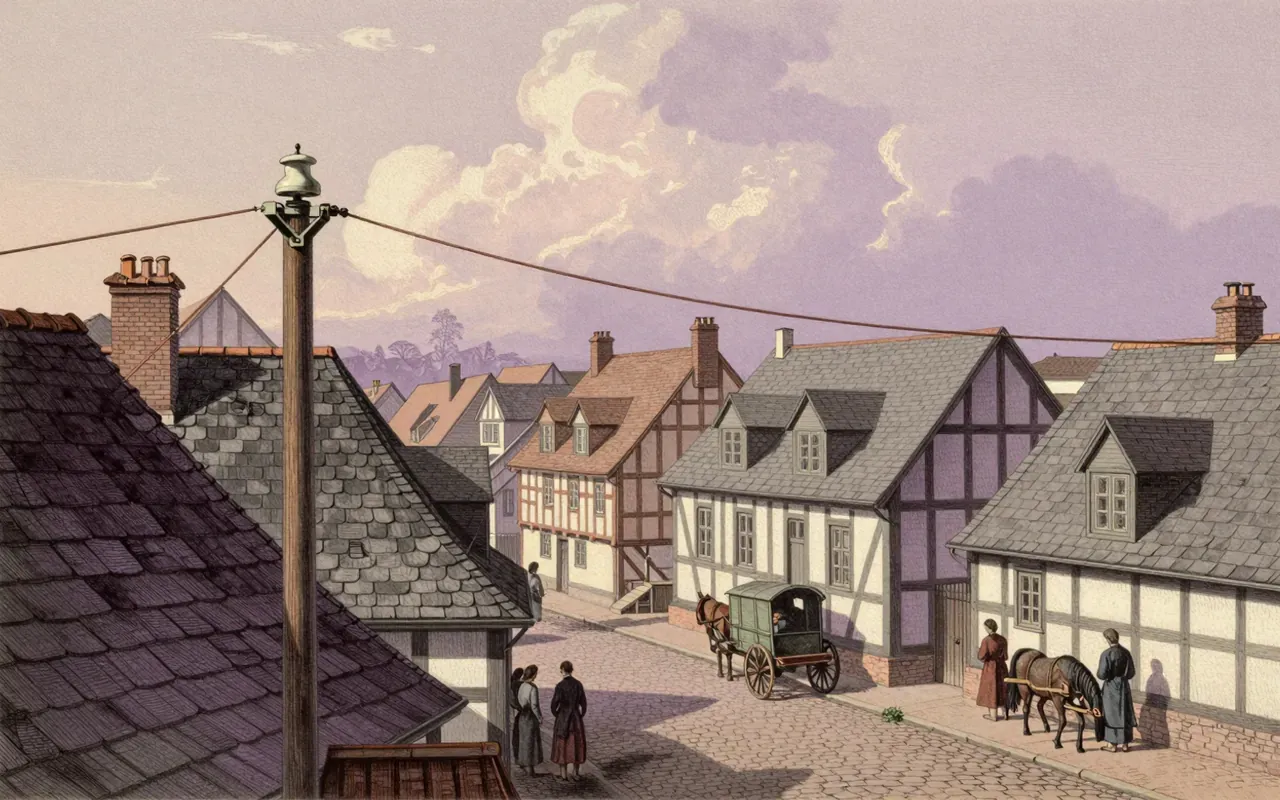
The telegraph wasn’t invented in 1816—it didn’t exist then, and no verified system predates Gauss and Weber’s 1833 wire.
10:49

High-speed rail

High-speed rail is not fast trains on old tracks—it’s expensive infrastructure pretending to be transport policy.
9:45

Maglev

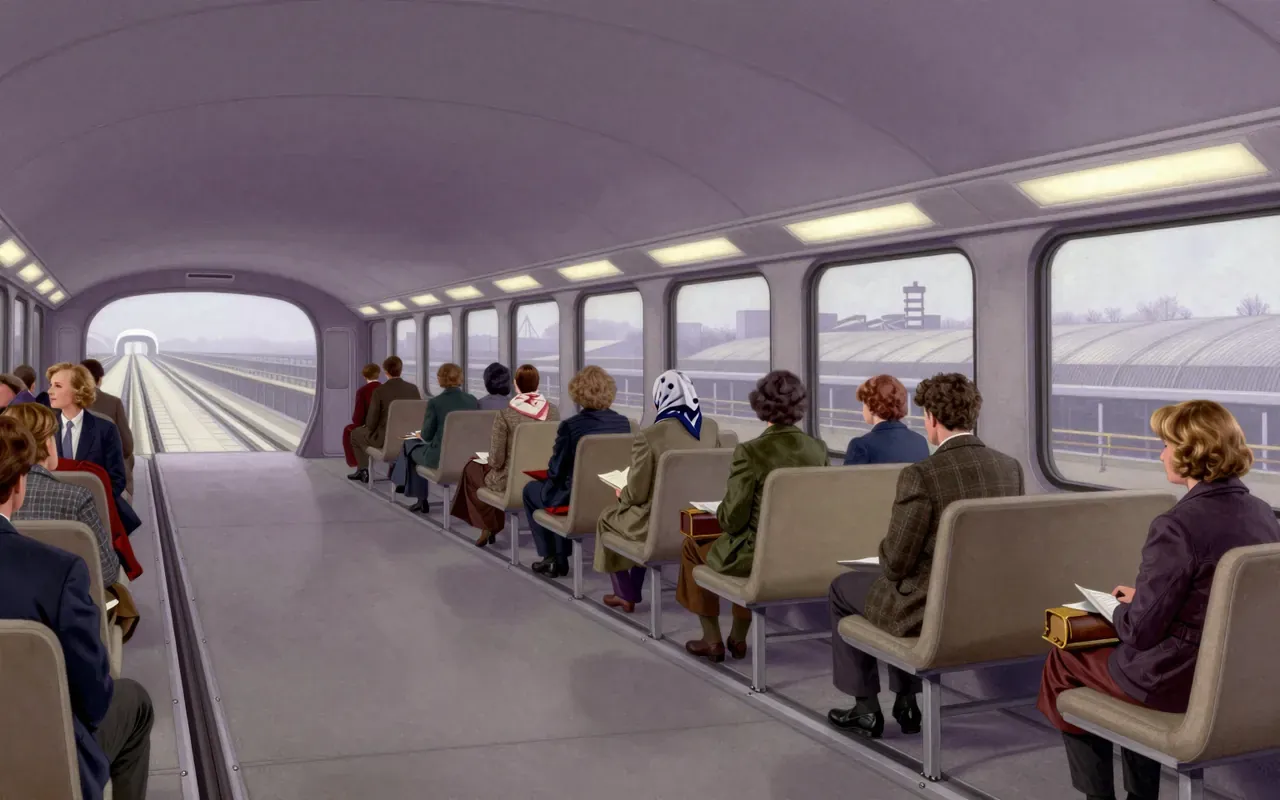
Maglev eliminates wheels — but not cost, complexity, or isolation from existing rail infrastructure.
10:59

Standard-gauge railway

George Stephenson

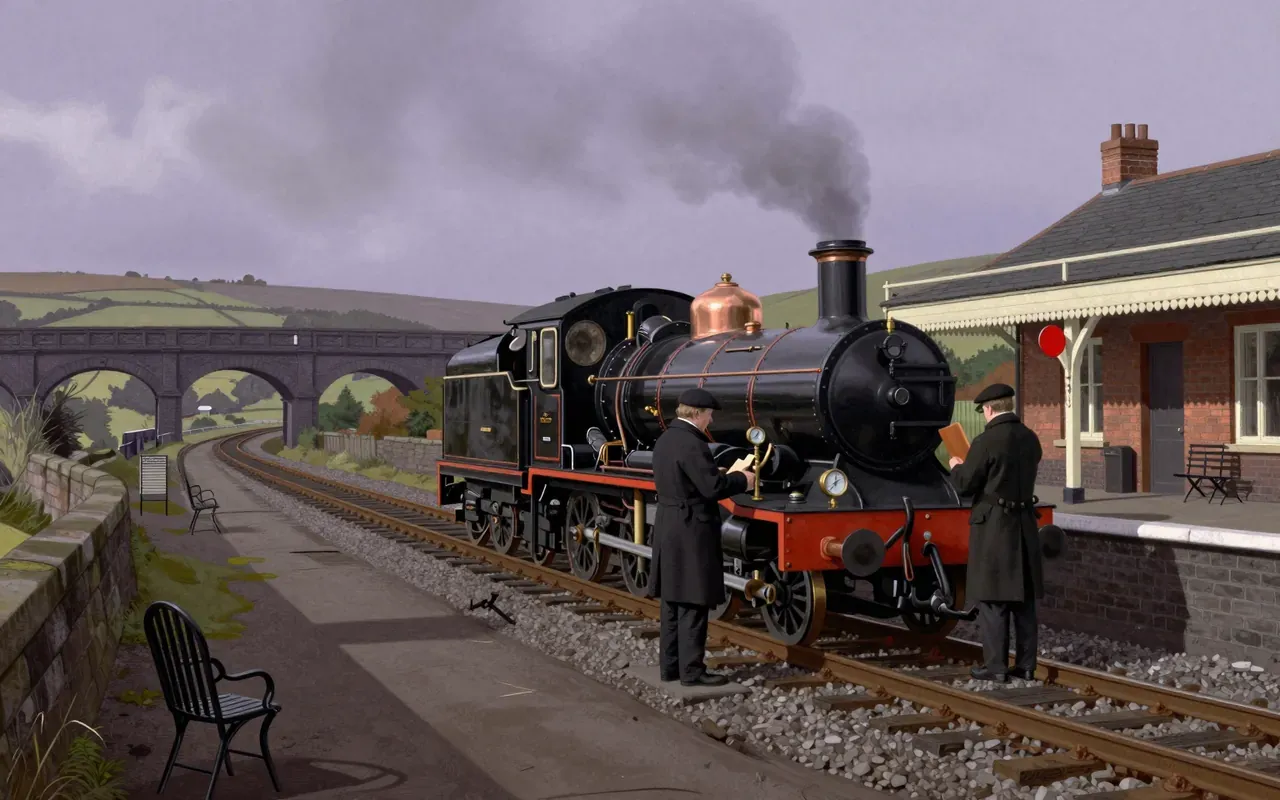
The standard-gauge railway is a deliberate, legislated solution to fragmentation — not an inevitable outcome of engineering progress.

9:45

Diesel locomotive

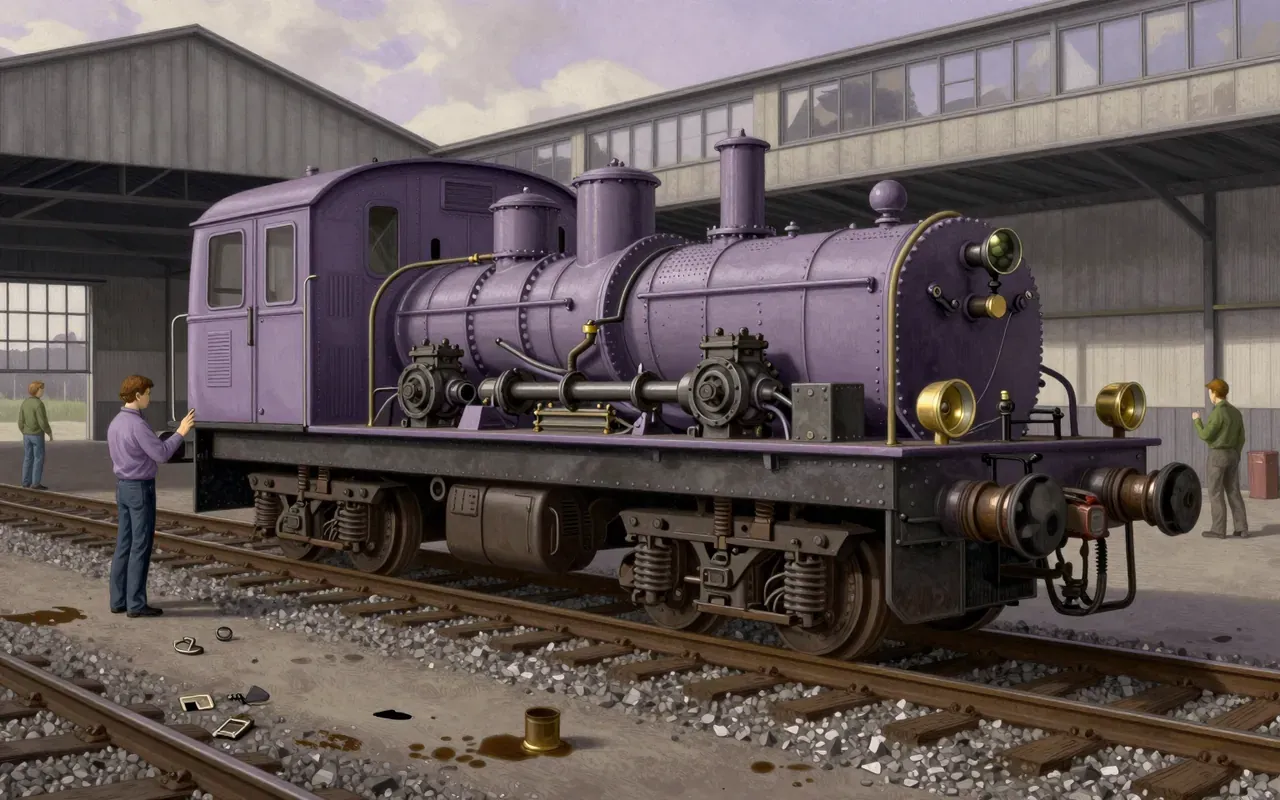
Diesel locomotives didn’t replace steam—they replaced the idea that locomotion had to be thermal and continuous.
11:02

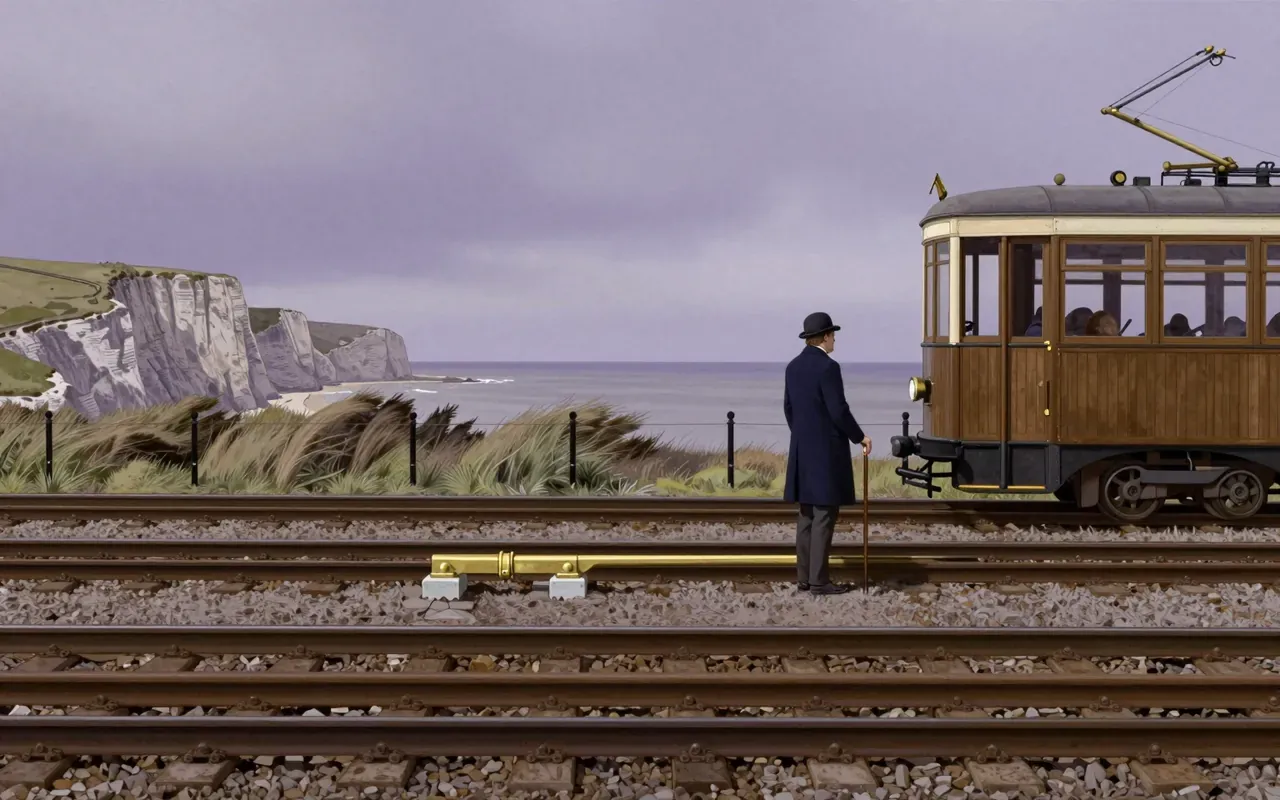
Volk's Electric Railway

Werner von Siemens

Volk's Electric Railway is operationally continuous but technically marginal. It demonstrates longevity, not leadership. Its engineering adaptations were local fixes — not transferable standards. Siemens set the template. Volk kept a line alive.

10:15

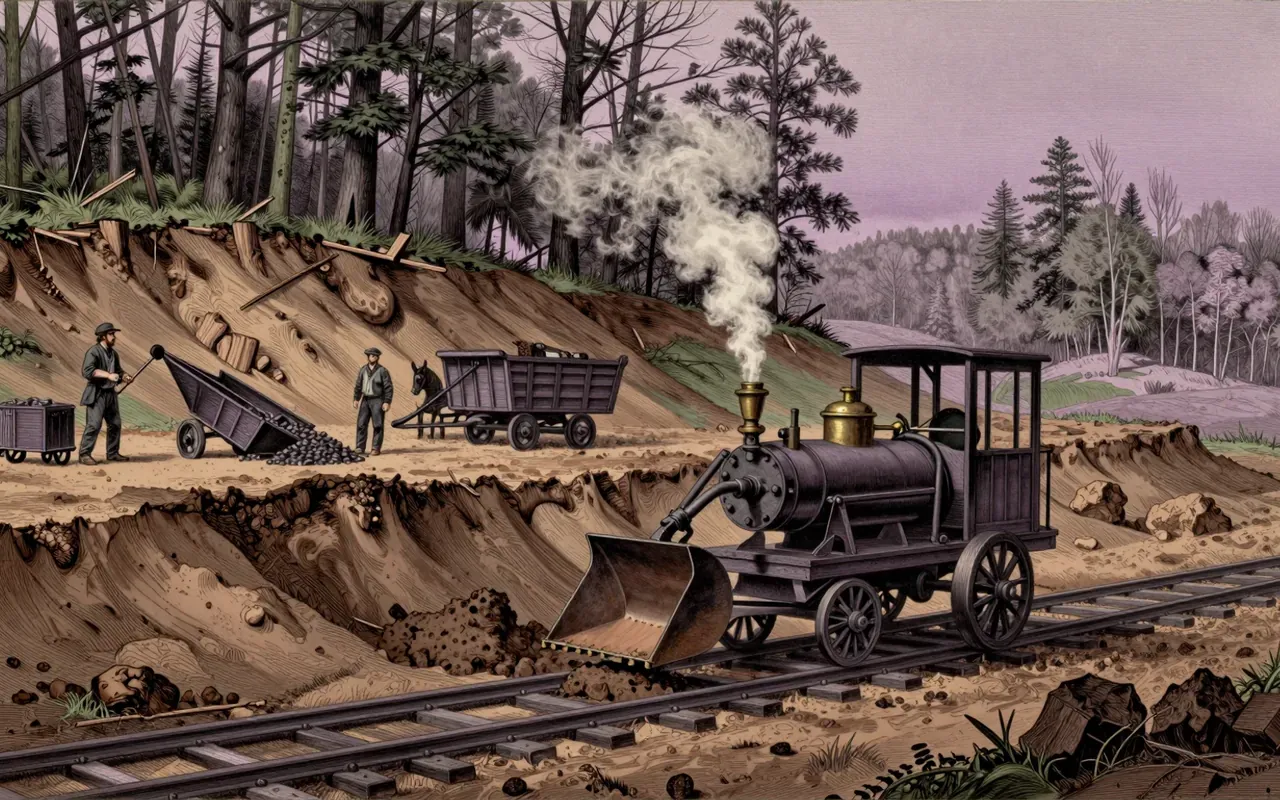
Steam shovel

William Otis · 1839

The steam shovel is a pivotal hardware innovation that mechanised excavation but remained tethered to rail logistics and partial rotation. It delivered measurable productivity gains (380 m³/day) in specific contexts — railroads, canals — yet offered no autonomy, adaptability, or terrain independence. Its legacy is infrastructural, not operational.

culture.briefs Culture

All 2 in culture →
8:39

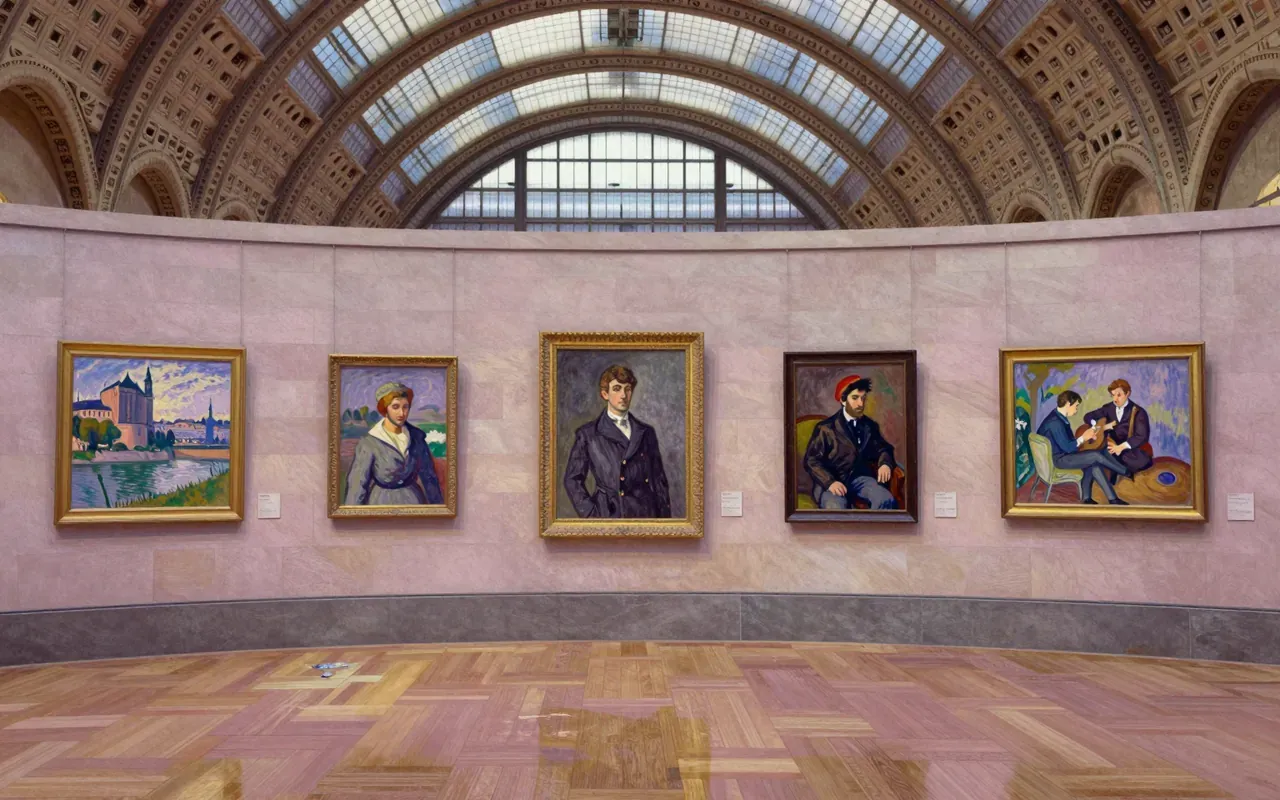
Musée d'Orsay

A railway station turned temple to 19th-century French painting — brilliant in focus, rigid in boundary.
8:14

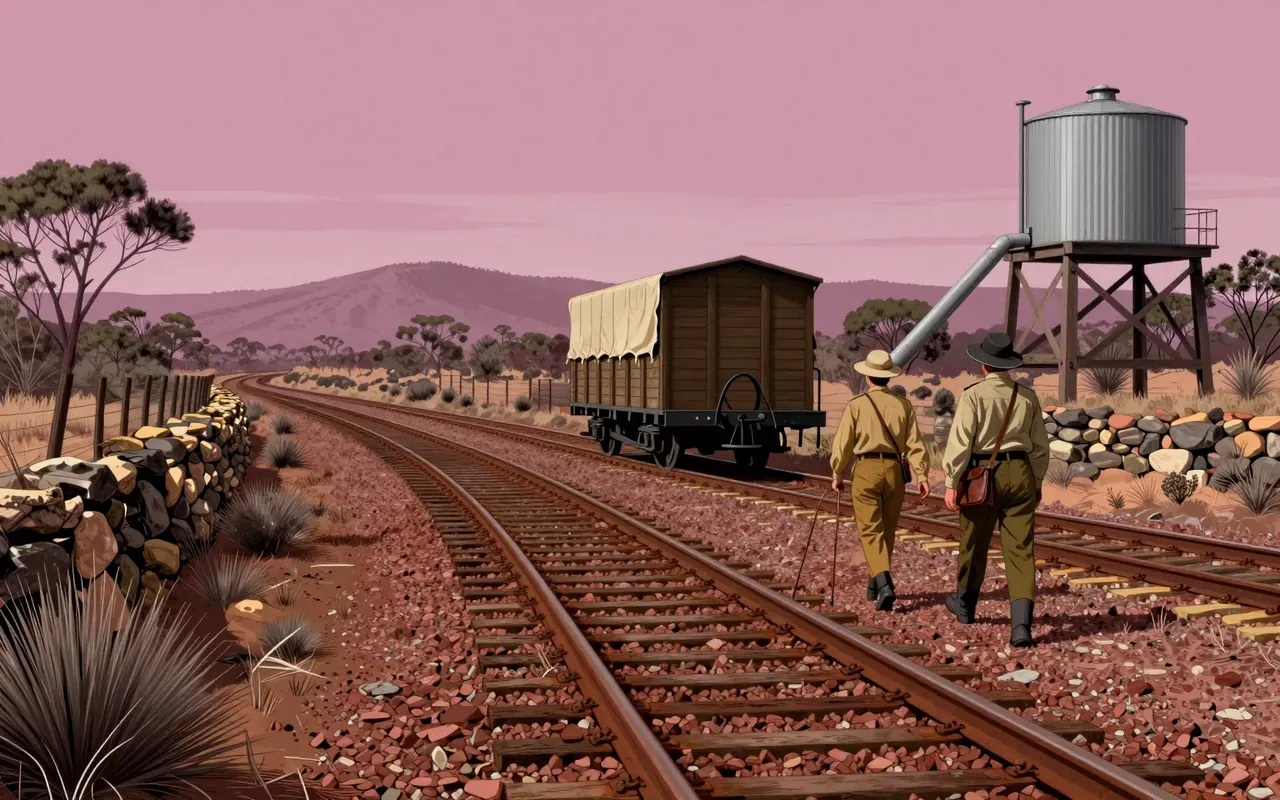
March of the Dungarees

Recruitment as railway pageant: a march that gathered men like freight but couldn’t carry the weight of Gallipoli.

automotive.briefs Automotive

All 3 in automotive →
9:37

Ford RS200

Ghia · 1984

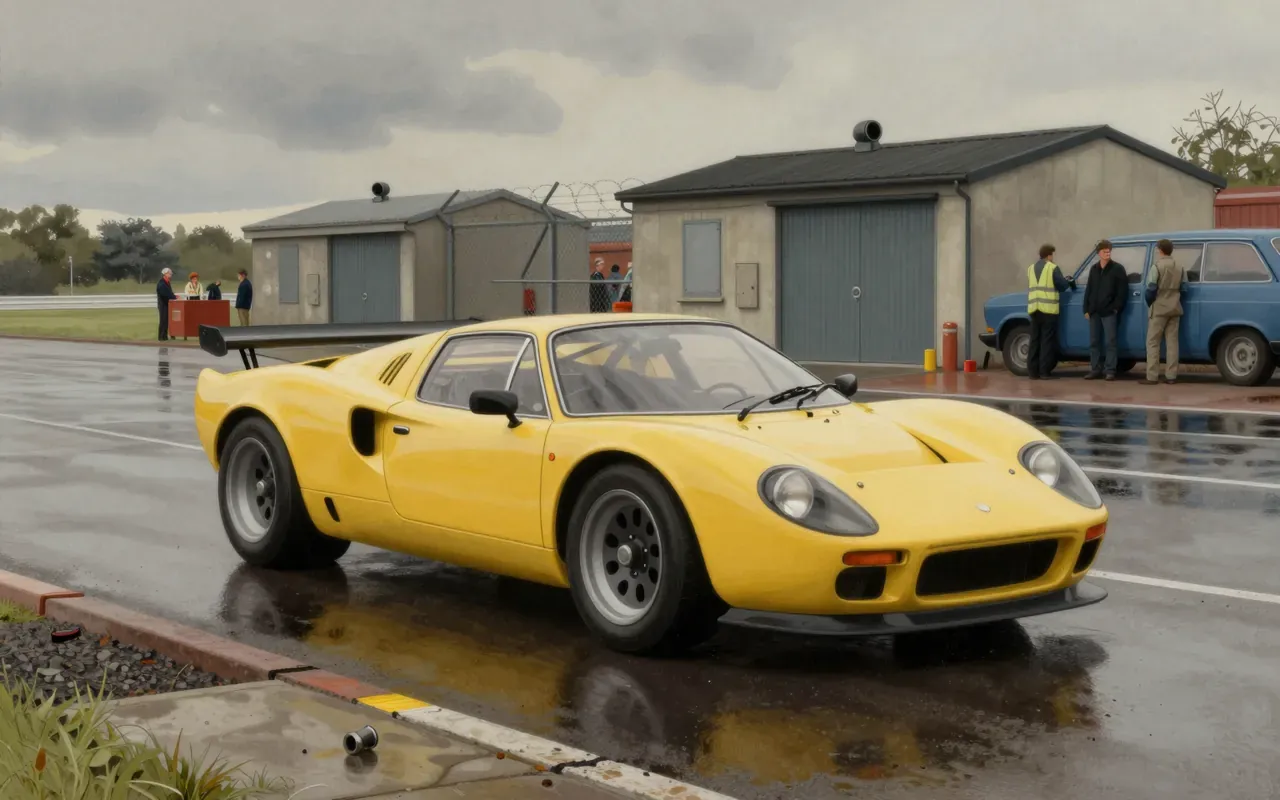
The Ford RS200 is a purpose-built homologation special: mid-engined, all-wheel drive, plastic-fiberglass body by Ghia, built by Reliant in Shenstone to meet FIA Group B’s 200-unit rule. It exists only to enable a rally car—not as a design statement, luxury product, or road-going evolution.

9:44

Toyota GR Yaris

Toyota Gazoo Racing · 2020

The GR Yaris is a rally-homologated, three-door hatchback built by hand at Toyota’s GR Factory in Motomachi since September 2020. It uses a bespoke 1.6L turbo three-cylinder engine and was produced in volumes exceeding WRC requirements. It is sold globally except in North America.

9:22

Renault 5 Turbo

Marc Deschamps · 1980

The Renault 5 Turbo is a homologation special that reimagines the Renault 5 supermini as a mid-engined rally car. Built from 1980 to 1984, it features a rear mid-engine, rear-wheel-drive layout, a 1,397 cc turbocharged Cléon-Fonte inline-four, and 4,987 total units produced. Though badged as a Renault 5, its mechanicals are radically different. It was launched at the Brussels Motor Show in January 1980 and sold in street-legal form to meet homologation requirements.

audio.briefs Audio

All 1 in audio →
9:45

Bombardier M5000

TC Electronic

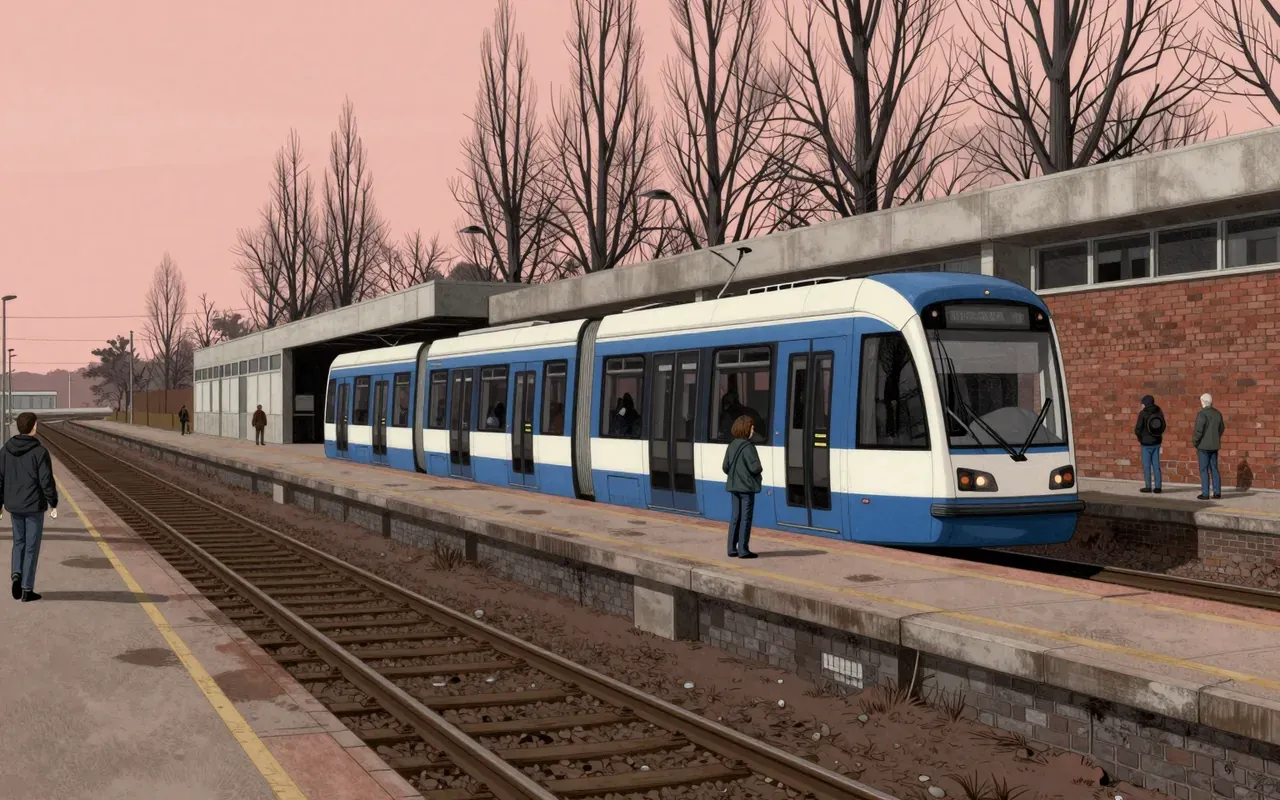
The Bombardier M5000 is a light rail vehicle. TC Electronic is an audio equipment company. They have no relationship. The M5000 uses pre-recorded WAV files for warnings — but offers no user-accessible audio controls, no synthesis, no sampling, no modulation, no inputs or outputs. It is not an instrument. It is not software. It is not part of TC Electronic’s product line. It belongs in transport policy, not in an audio brief.