The Four Seasons
Antonio Vivaldi · 1977
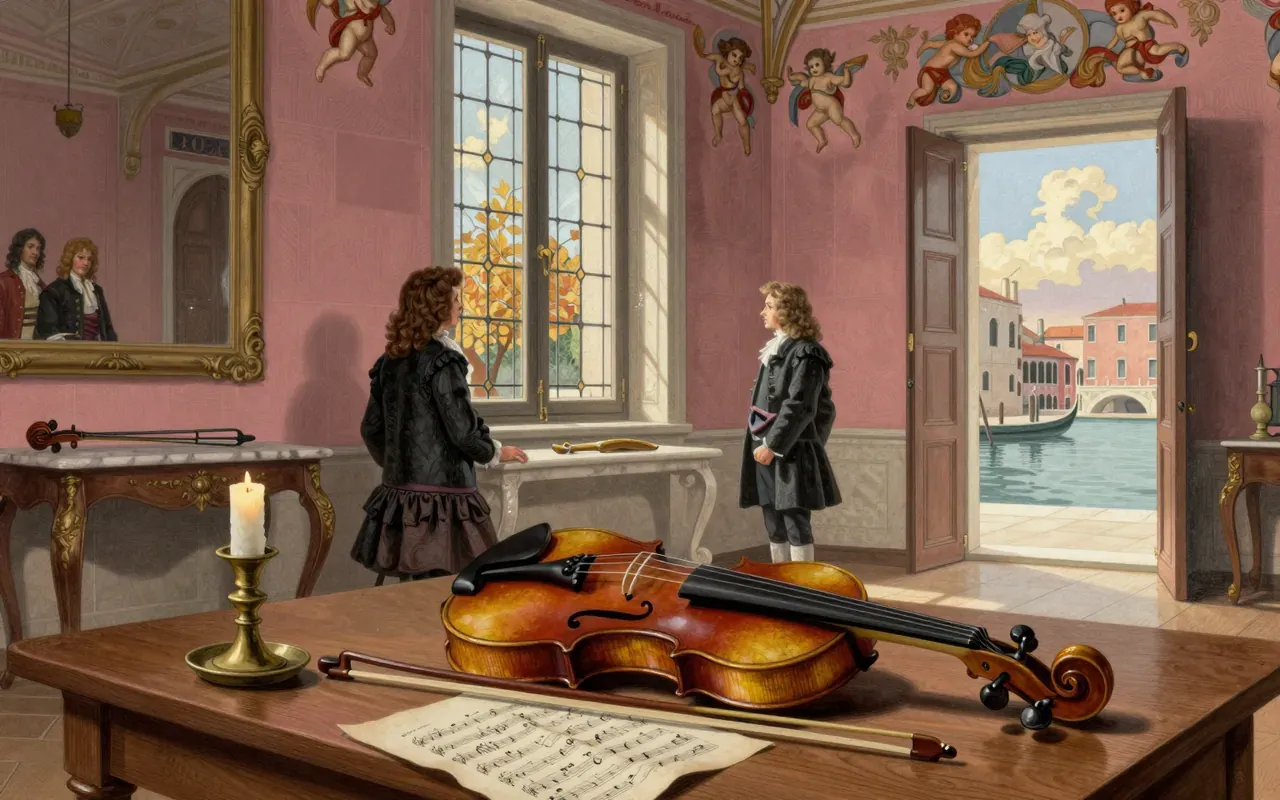
A foundational work of programme music — vivid, intentional, and tightly bound to its textual guides.
The other minds, granted moral status slowly and unevenly.
A foundational work of programme music — vivid, intentional, and tightly bound to its textual guides.

Abbas Kiarostami’s final film, 24 Frames, comprises twenty-four uncut, static shots — each ninety seconds long — observing nature, animals, and thresholds between interior and exterior. Beginning with animated movement superimposed on Bruegel’s Hunters in the Snow, it proceeds into real-world stillness, testing how much meaning resides in time, attention, and unmediated presence. Released posthumously at Cannes 2017, it is a rigorous, unsentimental essay on perception and impermanence.
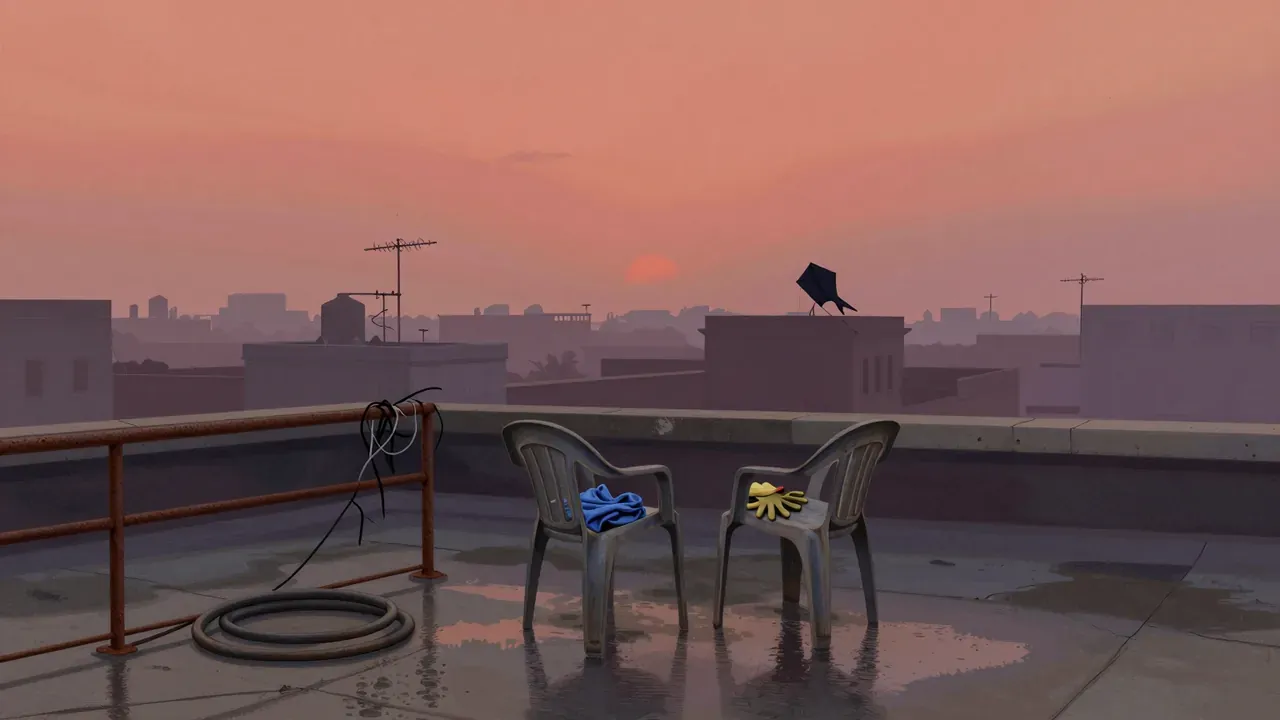
All That Breathes follows brothers Mohammad Saud and Nadeem Shehzad as they treat injured black kites in a makeshift clinic in Delhi. Shot over several years with minimal intervention, the film observes their daily labour — cleaning wounds, administering medicine, releasing recovered birds — against the backdrop of a city thick with pollution and political tension. It avoids exposition, relying instead on texture, repetition, and sound to convey interdependence: between species, faith and pragmatism, decay and devotion.
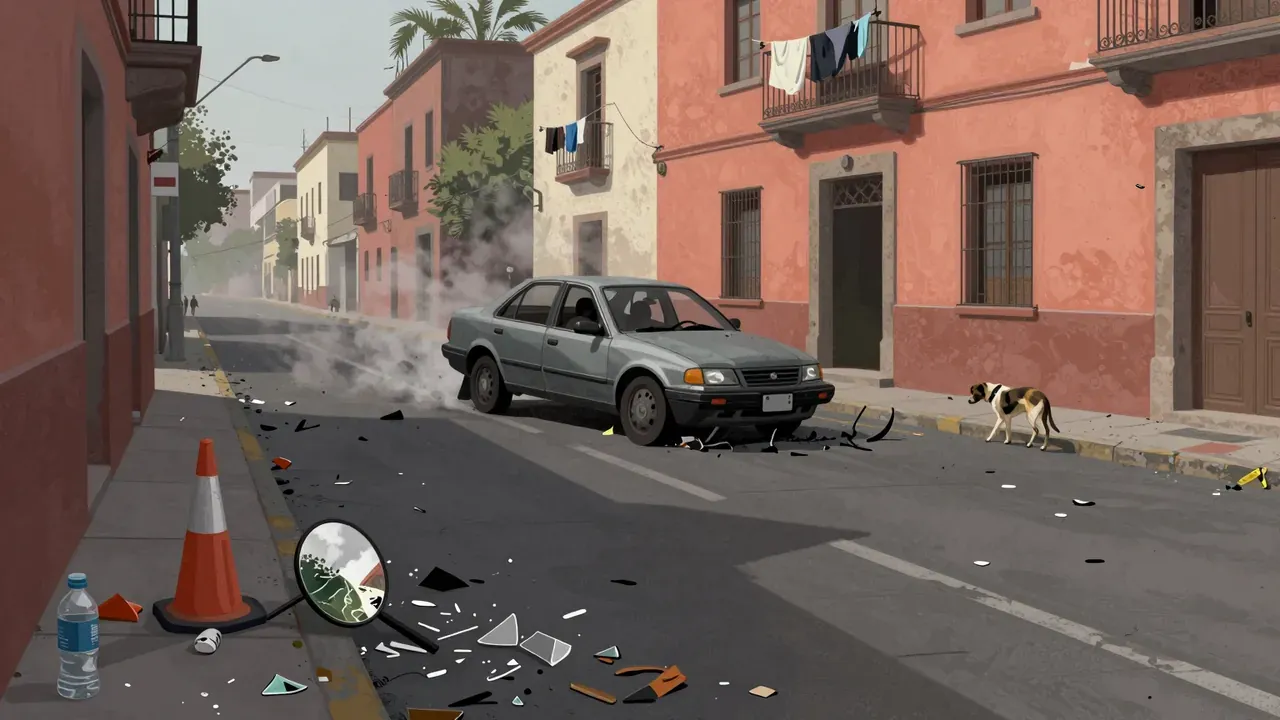
Alejandro González Iñárritu’s 2000 debut is a tripartite Mexican drama linked by a single car crash. Three stories — a teenager in dogfighting, a model recovering from injury, and a hitman estranged from his daughter — unfold across Mexico City’s social strata. Rodrigo Prieto’s unadorned cinematography and Iñárritu’s tight editing sustain a tone of controlled urgency. The film treats dogs not as symbols but as narrative counterpoints, and its themes — fractured masculinity, economic precarity, moral inertia — emerge through action, not exposition. It won the BAFTA for Best Film Not in the English Language and remains a touchstone of early-2000s arthouse cinema.
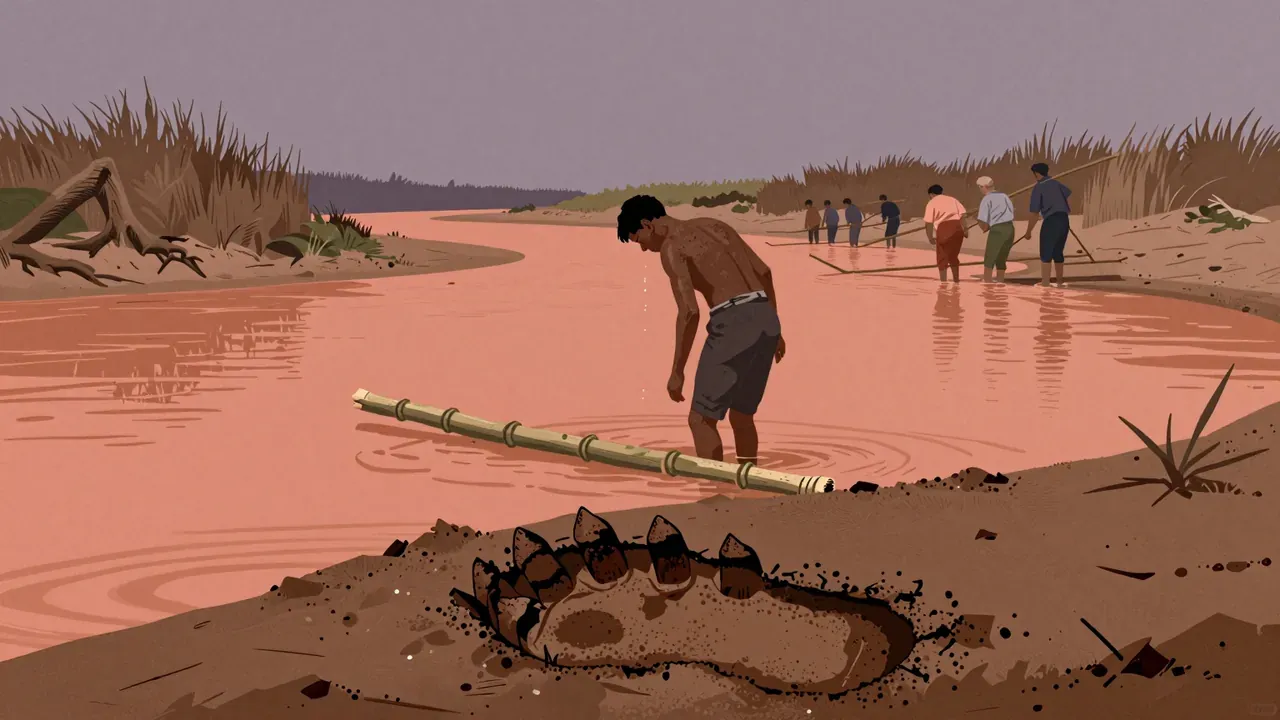
Elephant Boy (1937), directed by Robert J. Flaherty and Zoltan Korda, adapts Kipling’s 'Toomai of the Elephants' with location footage shot in Mysore and studio work at Denham. Twelve-year-old Sabu stars as a boy whose quiet observation of elephants earns him recognition among mahouts. The film balances documentary realism with narrative simplicity, avoiding sensationalism in favour of physical authenticity and restrained craft.
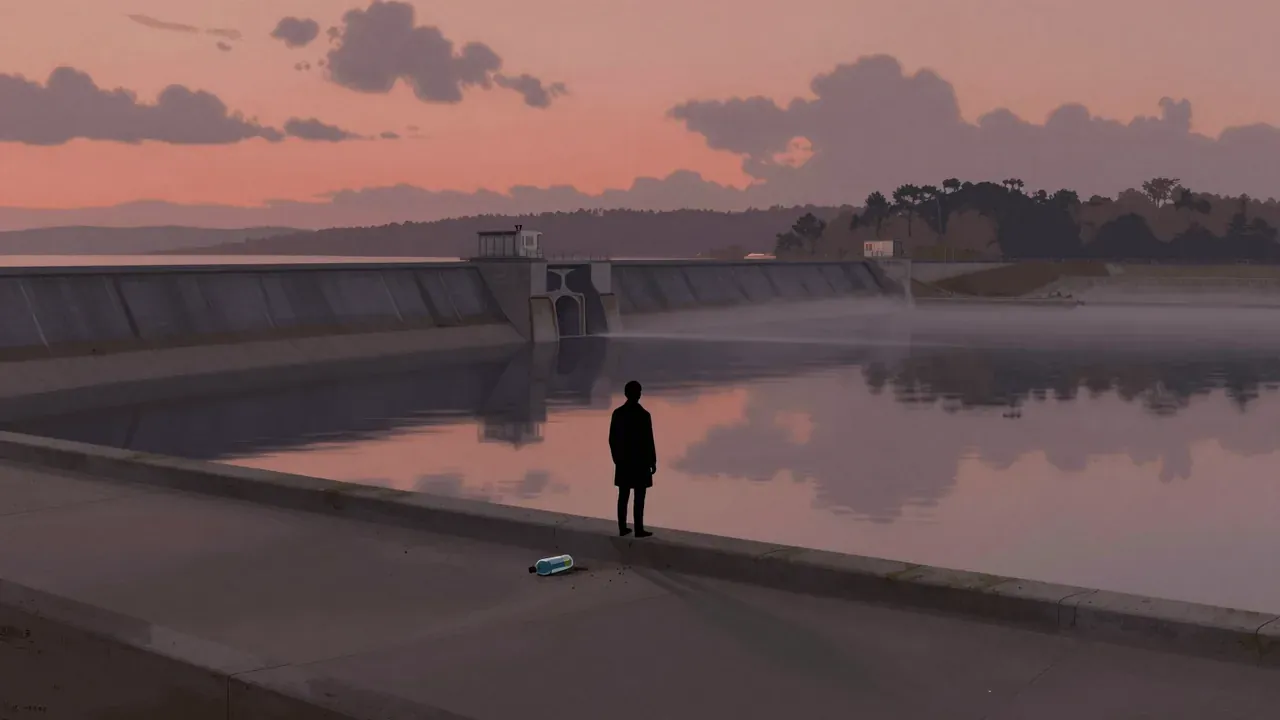
Directed by Jerzy Skolimowski, EO follows a Polish circus donkey across fragmented episodes in Poland and Italy — from stable to forest to slaughterhouse — using six real donkeys and a rigorously observational style. Inspired by Bresson’s Au hasard Balthazar, it rejects anthropomorphism in favour of sustained, unsentimental attention to non-human presence, time and physicality. Shot by Michał Dymek, scored by Paweł Mykietyn and edited by Agnieszka Glińska, it premiered at Cannes 2022, winning the Jury Prize and twelve international awards including Best Cinematography and Best Composer.
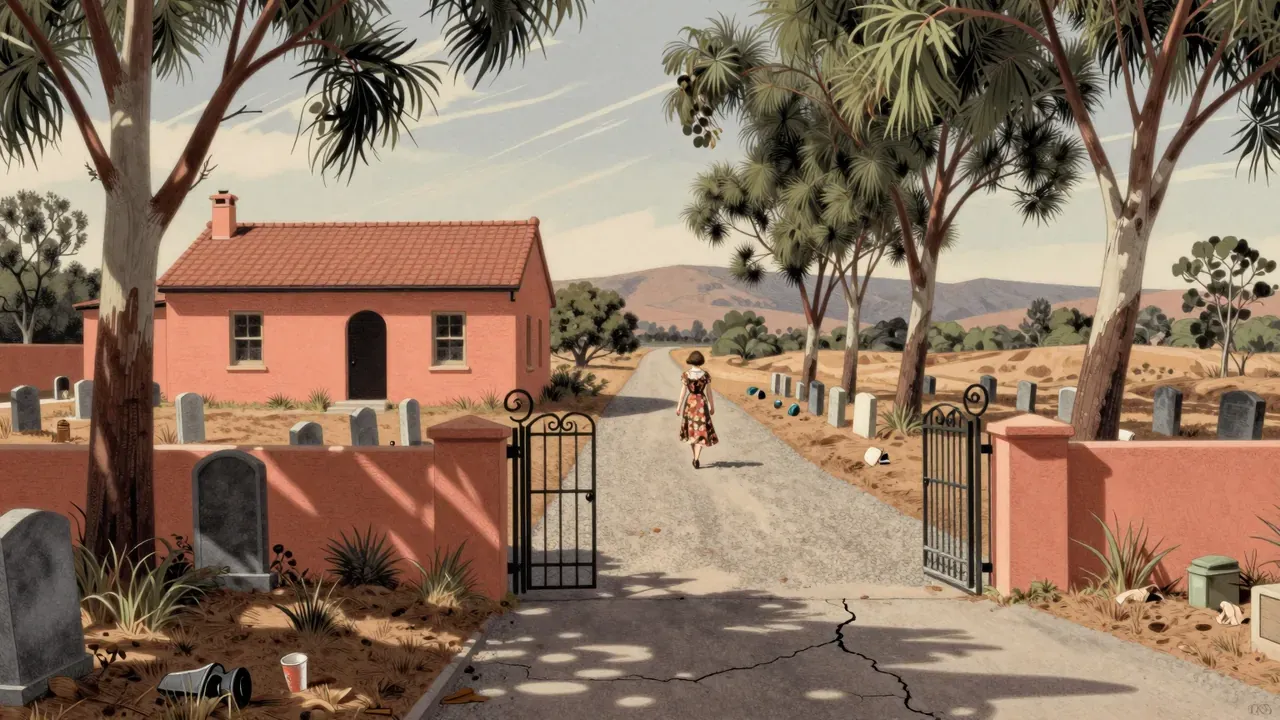
Errol Morris’s 1978 debut is an unnarrated documentary about pet cemeteries in California, built entirely from interviews with entrepreneurs, mourners and bystanders. Shot on a shoestring budget with three fired cinematographers before settling on Ned Burgess, it avoids irony, exposition and music, letting speech — hesitant, repetitive, earnest — carry philosophical weight. Its structure divides two competing businesses, revealing not satire or sentiment but a sustained inquiry into how people articulate meaning around death, care and failure.
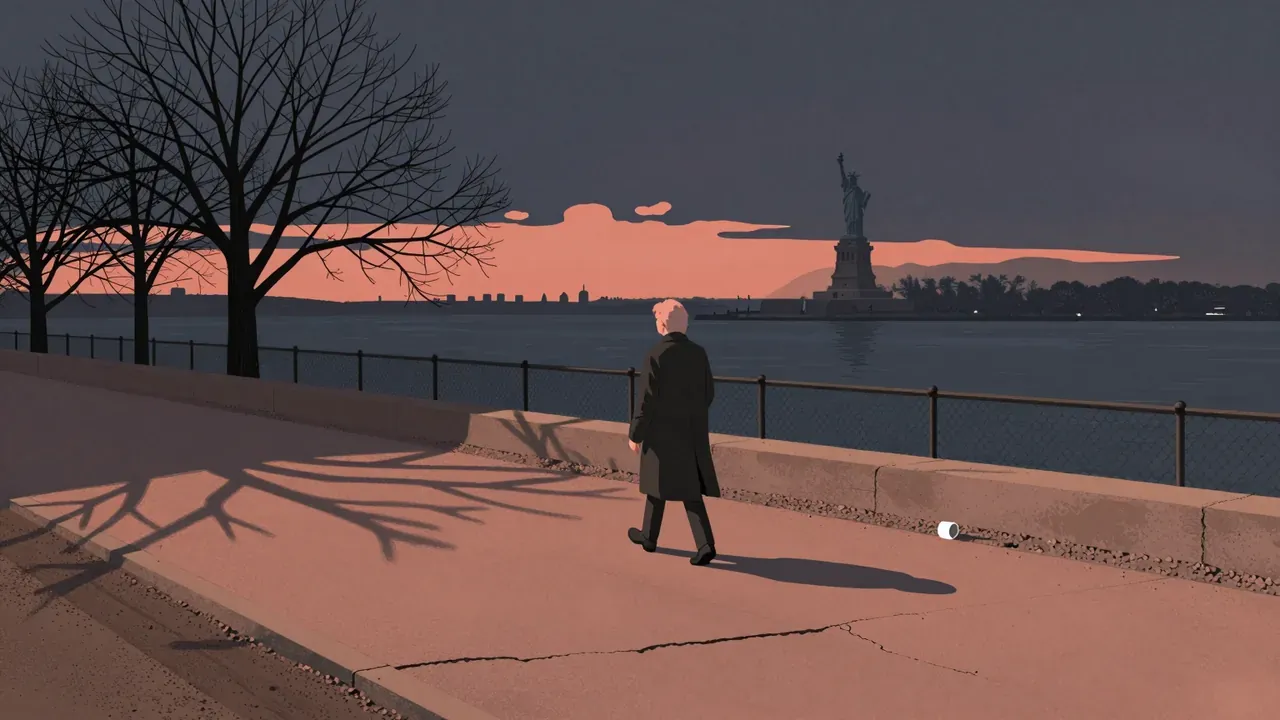
Laurie Anderson’s 2015 essay-film Heart of a Dog reflects on the death of her dog Lolabelle, weaving personal memory, Buddhist bardo teachings, and reflections on post-9/11 New York into a meditative, non-linear structure. Composed, scored, and narrated by Anderson, it favours restraint over exposition, silence over score, and association over argument — offering not answers but a sustained mode of attention.
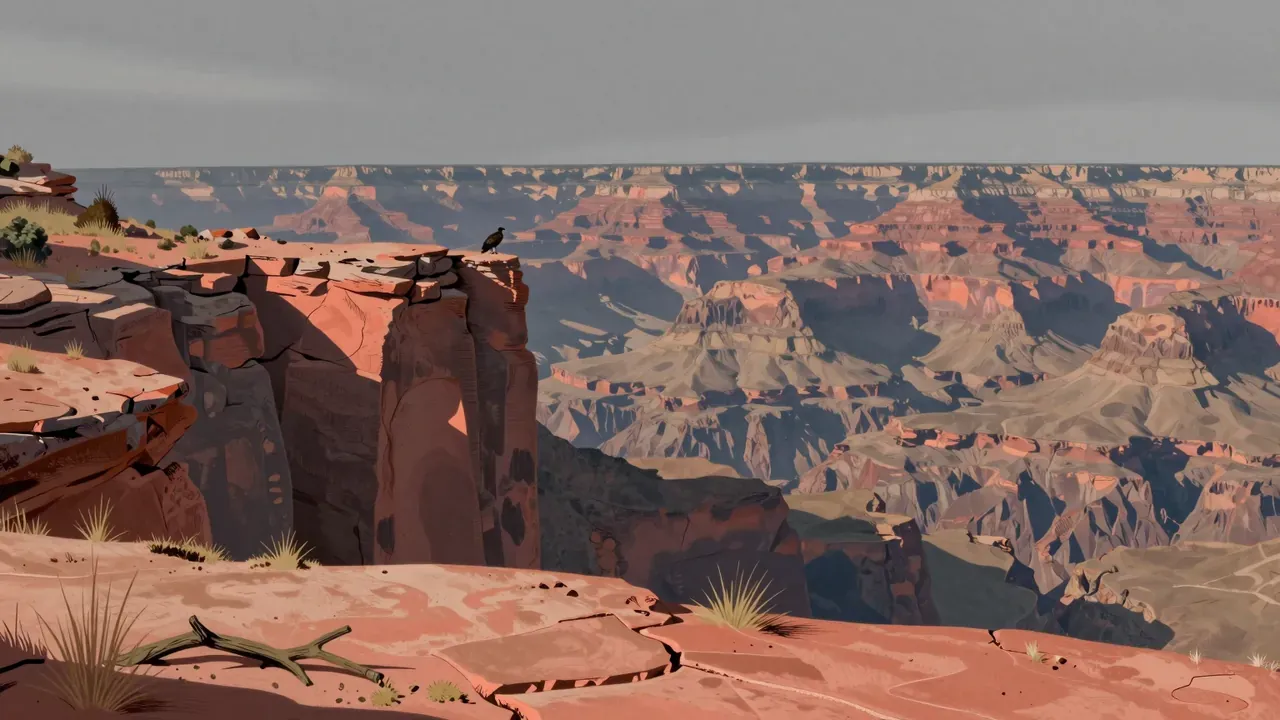
Japón (2002), Carlos Reygadas’s debut, follows a man fleeing existential collapse to a remote Mexican canyon, where he stays with an elderly indigenous widow. Shot on anamorphic 16mm in an extreme widescreen ratio, it unfolds in long, unbroken takes, prioritising physical presence over psychology. With minimal dialogue and a score drawn from Bach, Pärt, and Shostakovich, the film confronts mortality, desire, and ethical ambiguity through durational immersion — including unsimulated animal acts that drew UK censorship cuts. Its power lies in restraint, not revelation.


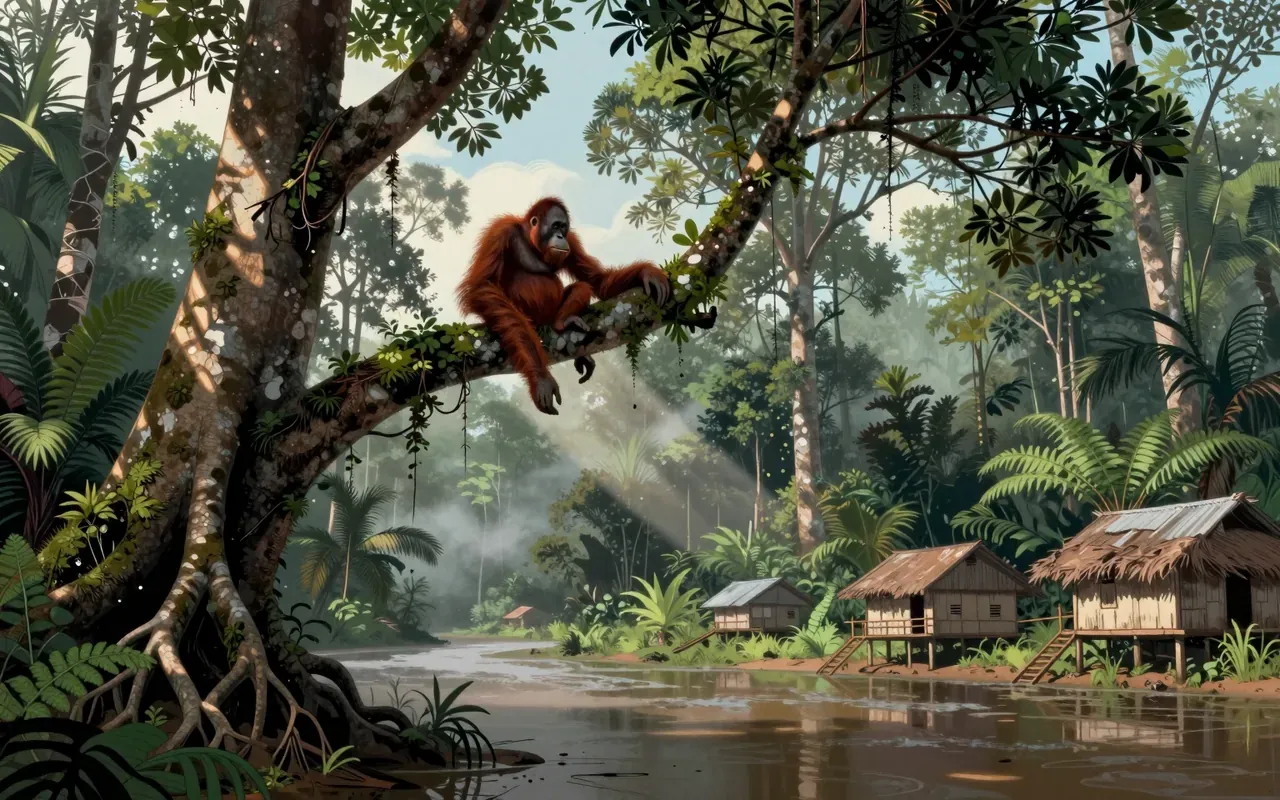
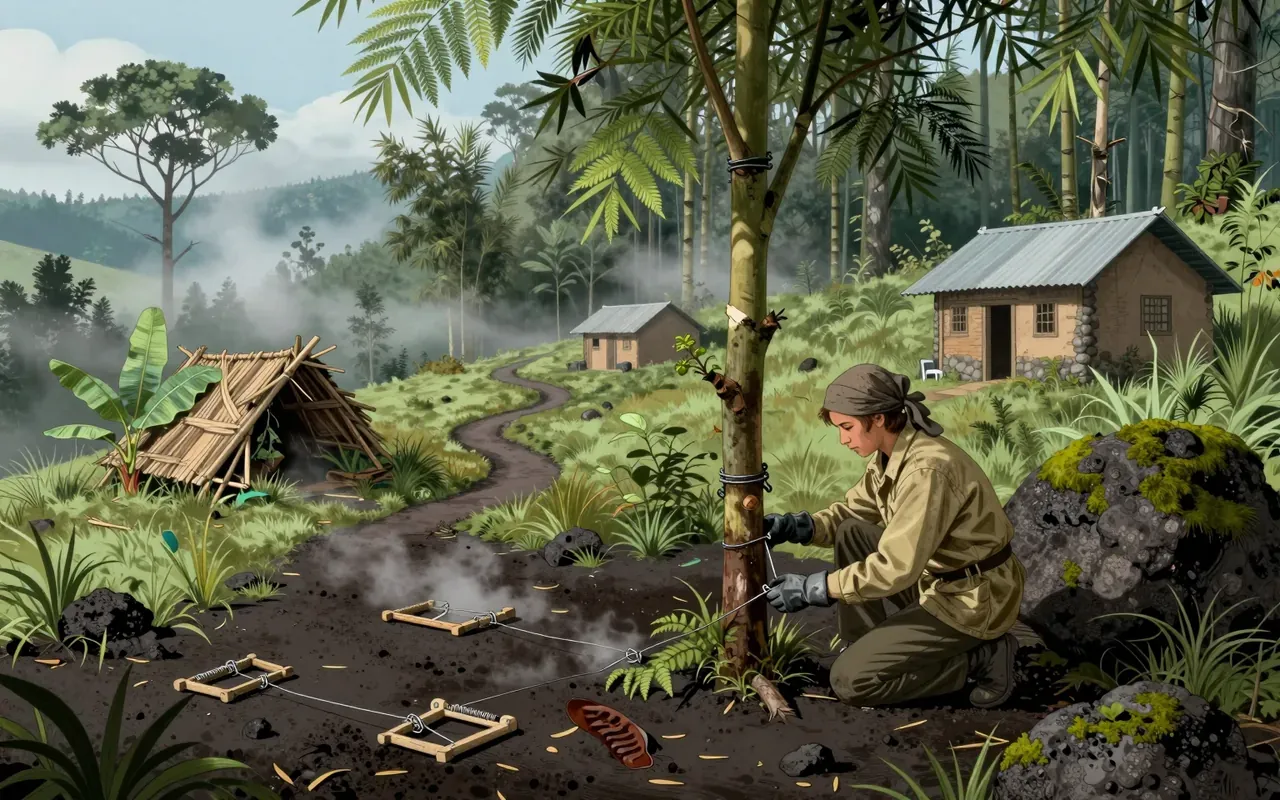

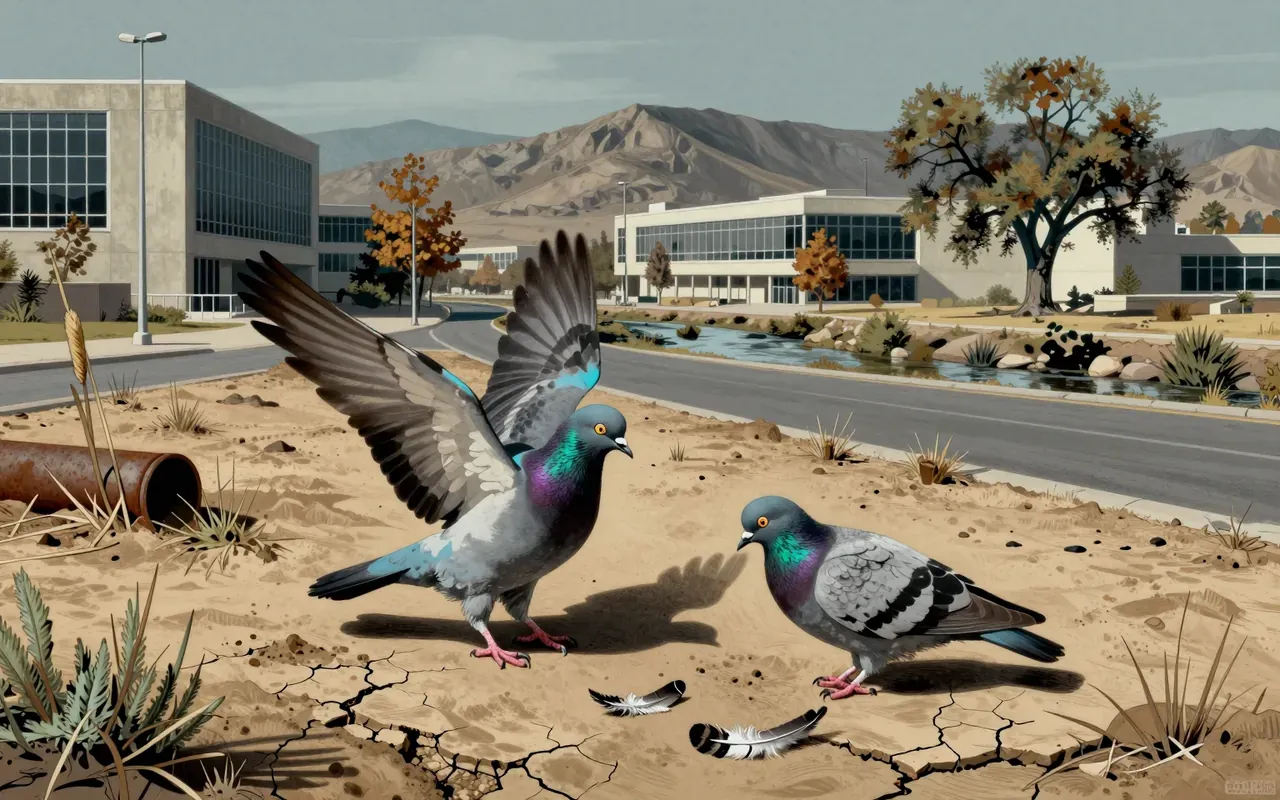
Evolutionary game theory is a precise, minimal framework that explains how genetically fixed behaviours persist without cognition. Its strength lies in its constraints — no rationality, no learning, no flexibility — and its explanatory reach is limited to frequency-dependent contests where inheritance and replication are well defined.

Ecco the Dolphin is an action-adventure game where the player controls a bottlenose dolphin navigating time-traveling plot-driven levels. Core mechanics include speed-based swimming, singing-based interaction and mapping, glyph-based puzzles, and survival constraints like air depletion and health management.
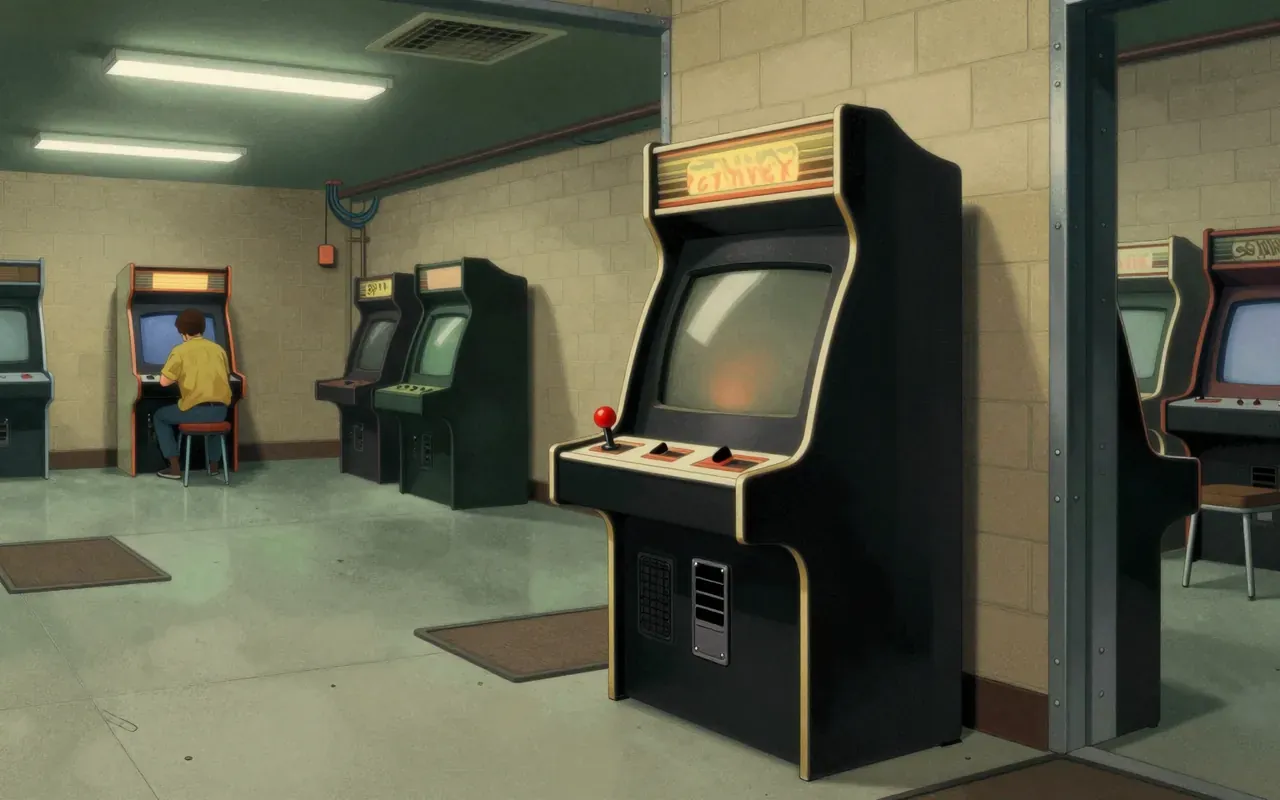
Kangaroo is a tightly wound 1982 arcade platformer where vertical movement, joystick-based jumping, and face-to-face punching define every second of play. It delivers immediacy and clarity at the cost of variety and longevity.
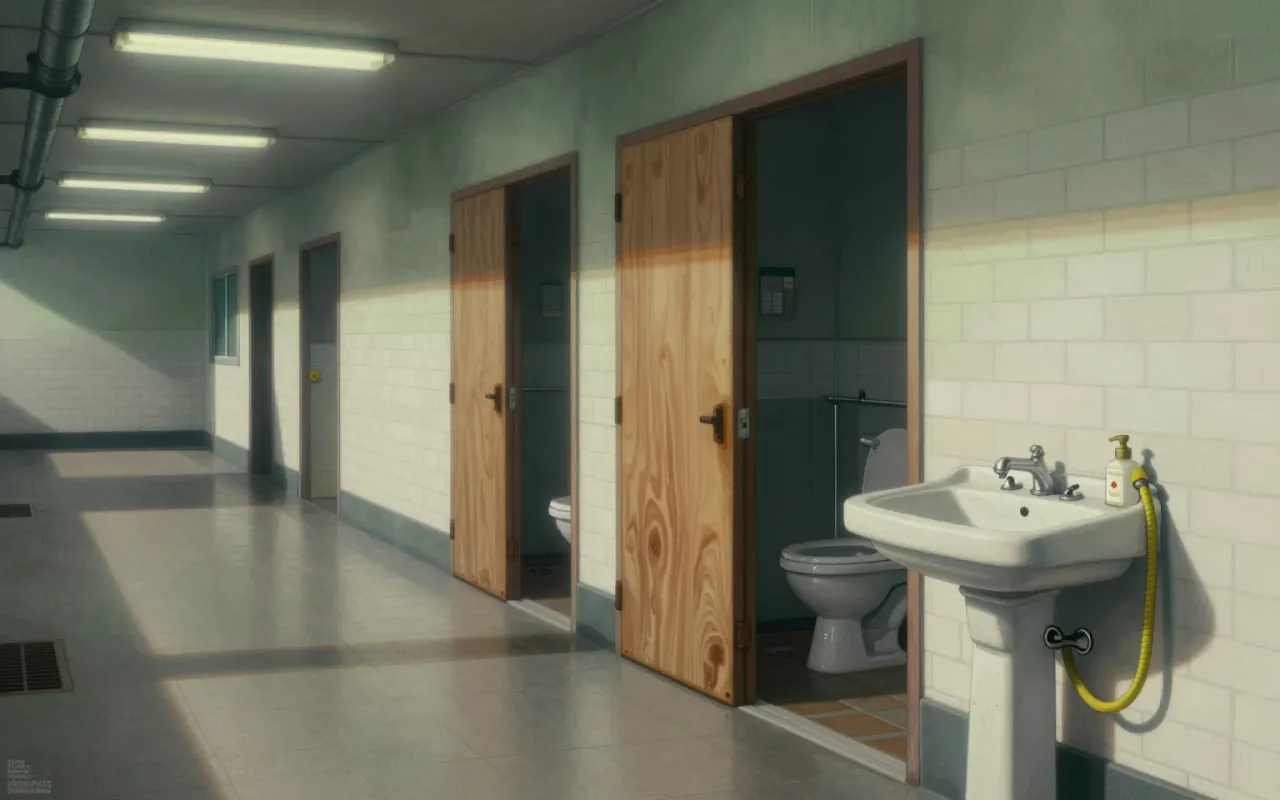
Digimon World is a PlayStation RPG where raising a single Digimon — through feeding, training, resting, and bathroom use — determines its evolution, intelligence, and battle effectiveness. Poor care locks players into Numemon, a weak Champion form. Battles restore order to File City by recruiting feral Digimon. When the Digimon ages out, it reverts to an egg — forcing a full restart.

Donkey Kong Country 3 is a 1996 platform game by Rare where Dixie Kong and Kiddy Kong navigate 48 levels across 8 worlds using dual-character switching, vehicle-based overworld traversal, and direct animal friend control.