John Prine
John Prine · 1971
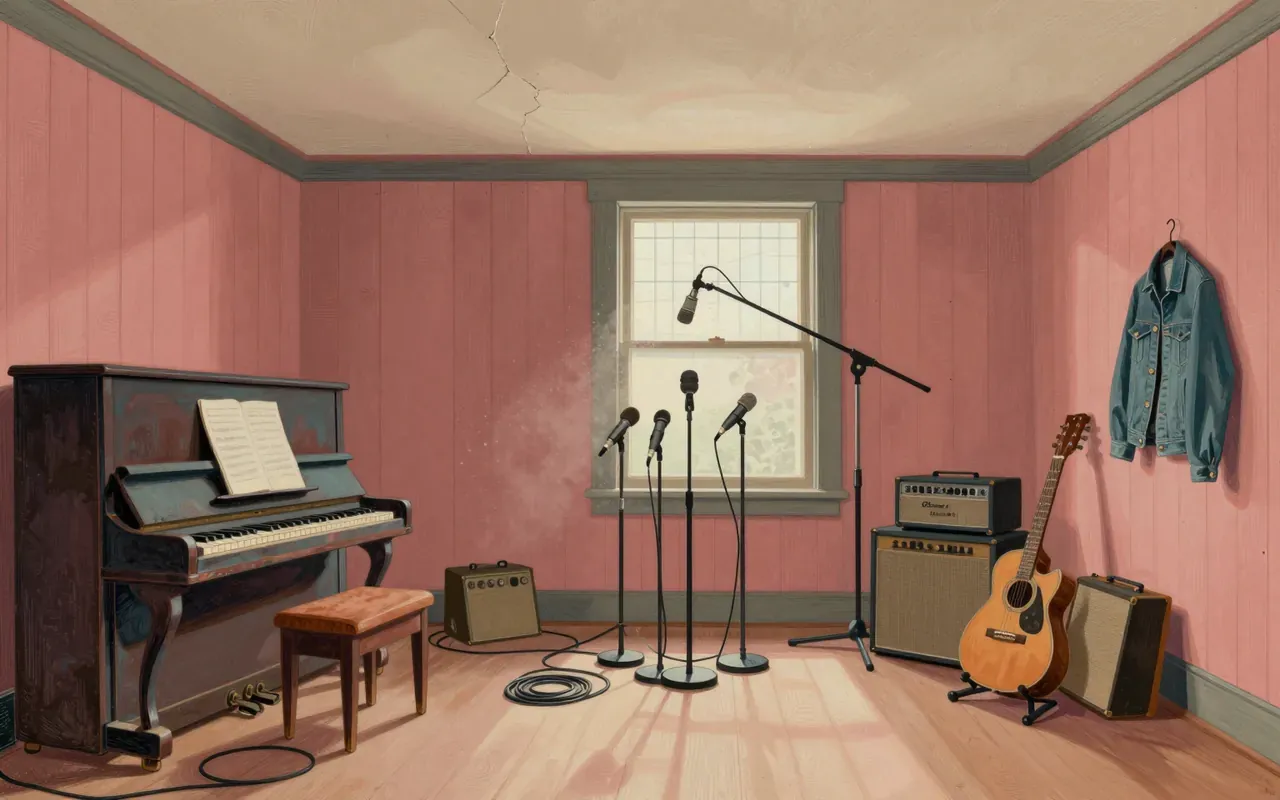
John Prine’s 1971 debut is a document of lyrical authority—not sonic ambition. It was made fast, in two studios, with musicians unused to his unswinging phrasing. Its power lies in what it names, not how it sounds.
Where the materials actually come from, and at what cost.
John Prine’s 1971 debut is a document of lyrical authority—not sonic ambition. It was made fast, in two studios, with musicians unused to his unswinging phrasing. Its power lies in what it names, not how it sounds.
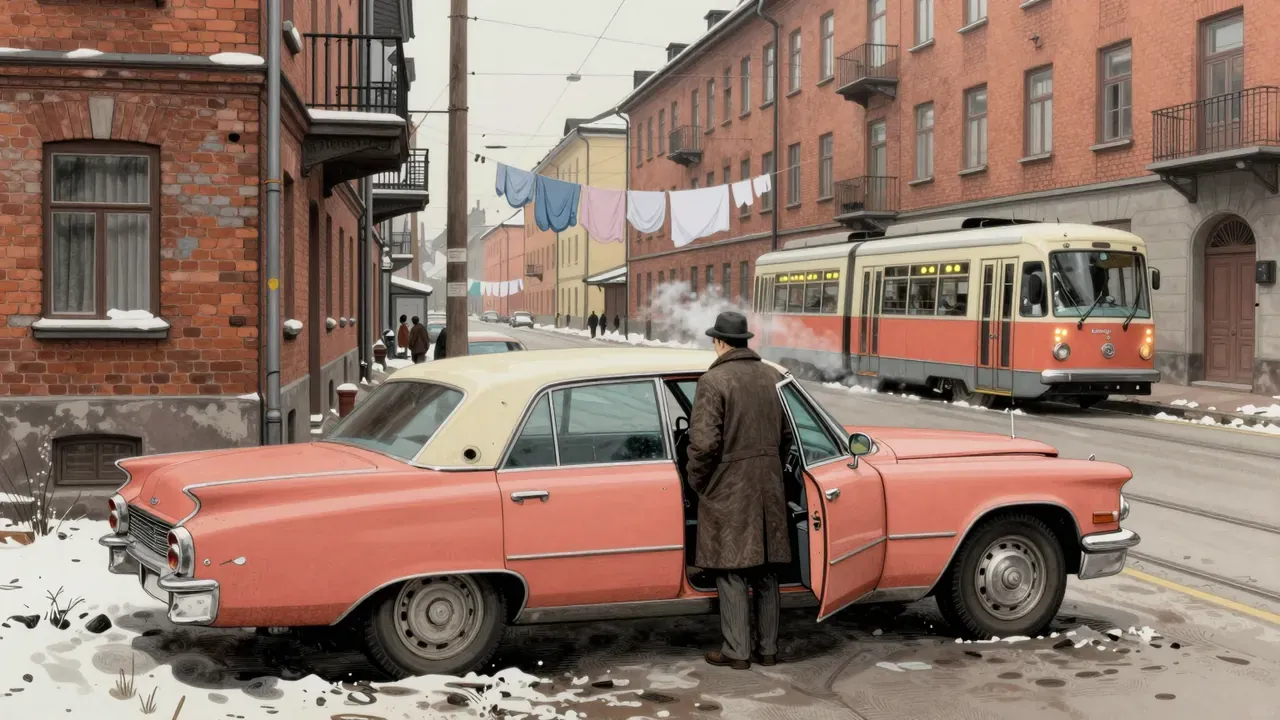
Aki Kaurismäki’s 1988 drama follows a displaced Finnish miner, Taisto Kasurinen, as he drifts from Lapland to Helsinki, surviving eviction, robbery, imprisonment, and finally a bank heist — all with deadpan reserve and minimal dialogue. Shot by Timo Salminen in muted tones and edited with deliberate stillness, the film treats economic abandonment as atmosphere rather than crisis, and resilience as routine rather than triumph.
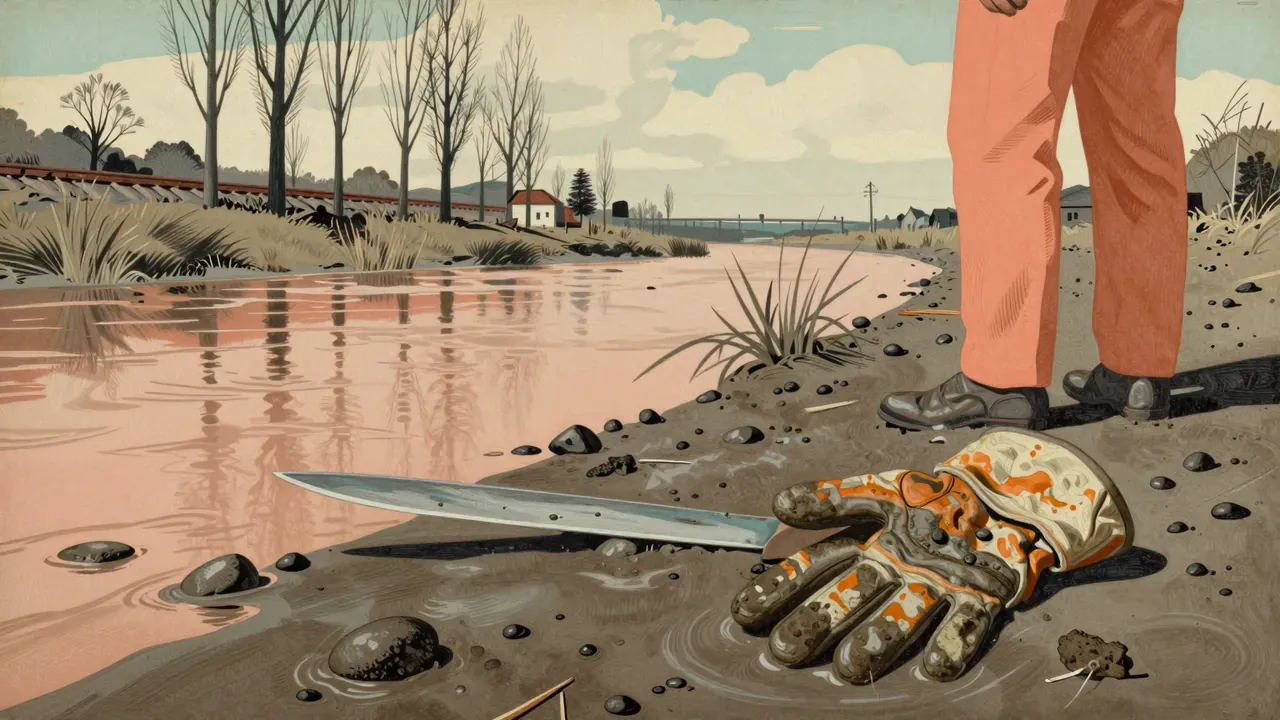
Hiroshi Teshigahara’s 1962 debut, written by Kōbō Abe, follows a miner murdered in a Kyūshū ghost town, then resurrected as a silent ghost while a man in white manipulates evidence to frame a union leader. Shot in stark black-and-white with Tōru Takemitsu’s percussive score, it uses surreal structure and deliberate opacity to articulate systemic erasure — not as metaphor but as lived, repeatable condition.
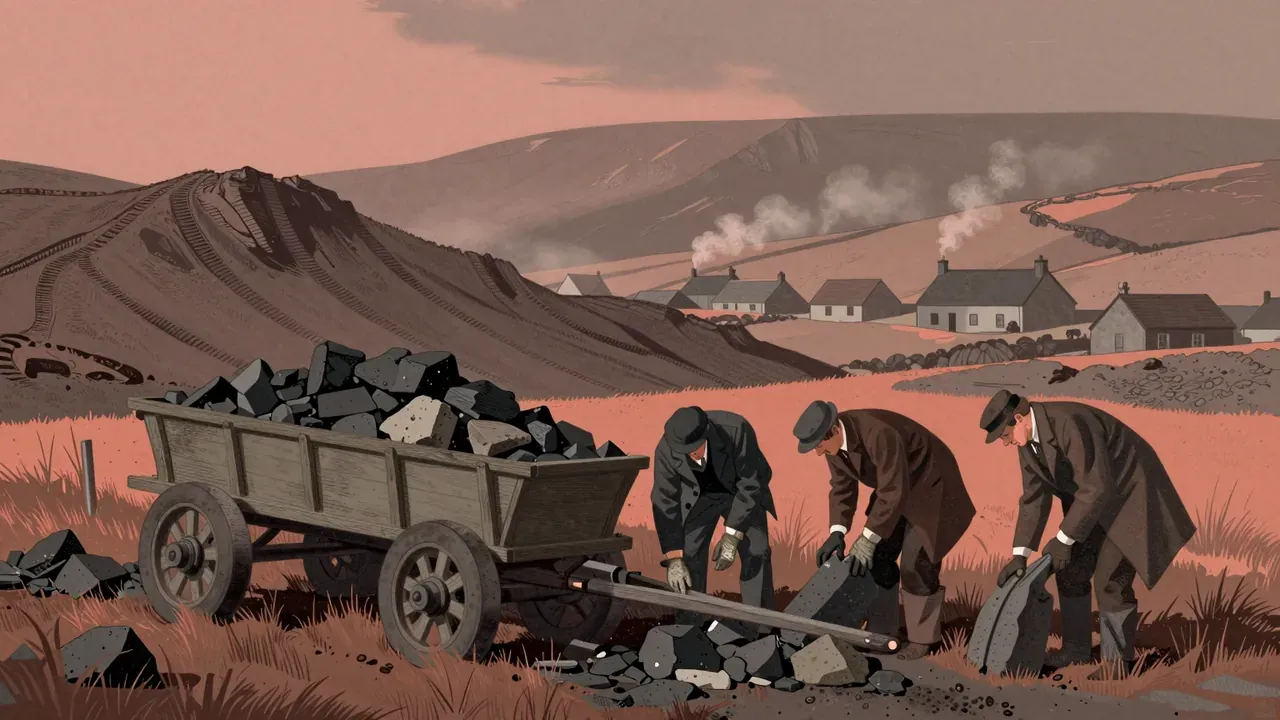
The Proud Valley (1940) follows Paul Robeson as an African American sailor who joins a Welsh mining community, finding kinship in labour and song. Filmed on location before the outbreak of WWII, it was re-cut to soften its socialist ending — yet retains its emotional and political force through understated performances, choral texture, and unvarnished depictions of industrial life. Directed by Pen Tennyson for Ealing Studios, it remains Robeson’s favourite film and a rare British drama centred on Black dignity, cross-racial solidarity, and collective endurance.
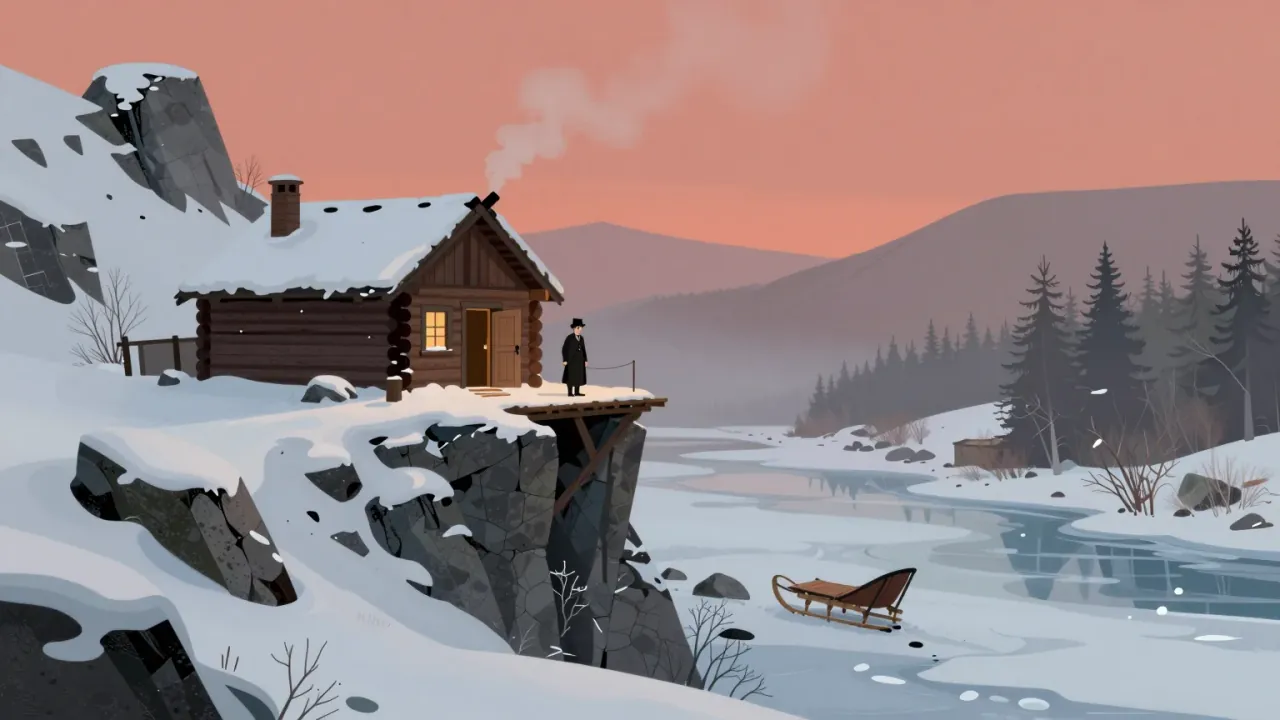
Charlie Chaplin’s 1925 silent feature The Gold Rush transplants his Little Tramp into the Klondike Gold Rush, using starvation, cold, and isolation as structural principles rather than setting. Its most enduring sequences — shoe-eating, roll-dancing, cabin-on-a-cliff — succeed through unwavering tonal control and physical precision. While the romantic second half lacks the psychological density of the survival sections, the film remains a masterclass in expressive economy: every frame, gesture, and pause serves its dual commitment to laughter and pathos.
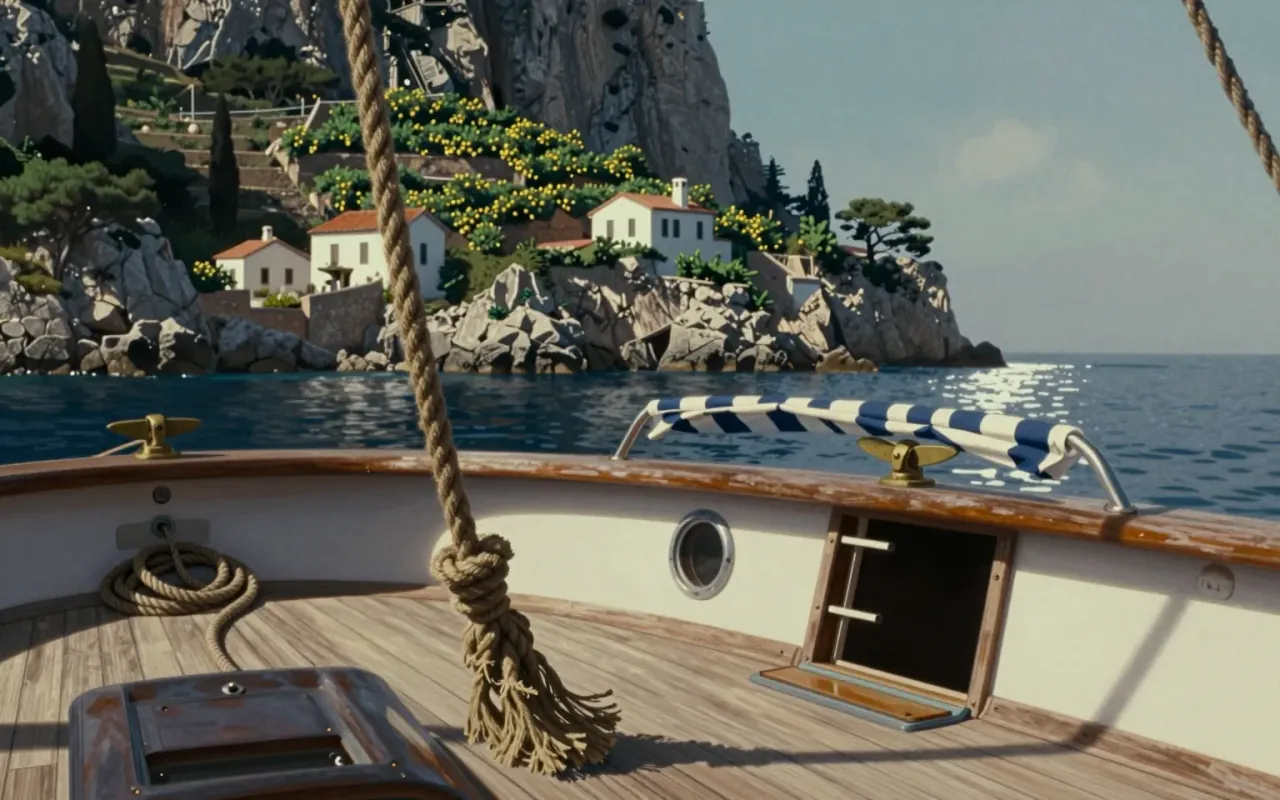
Jet Set Willy is a flip-screen platformer where Miner Willy cleans his mansion after a party, navigating 60 rooms to collect glowing items. It abandons linear progression for open exploration, uses only left/right/jump controls, and punishes errors with room-reset deaths that cascade. Its design prioritises memory and timing over fairness or recovery.
Manic Miner is a foundational platformer defined by constraint: fixed screens, fixed enemies, fixed timing, fixed reset. Its influence is historical. Its play is mechanical. Its value lies in how cleanly it exposes the grammar of the genre—before power-ups, before scrolling, before mercy.
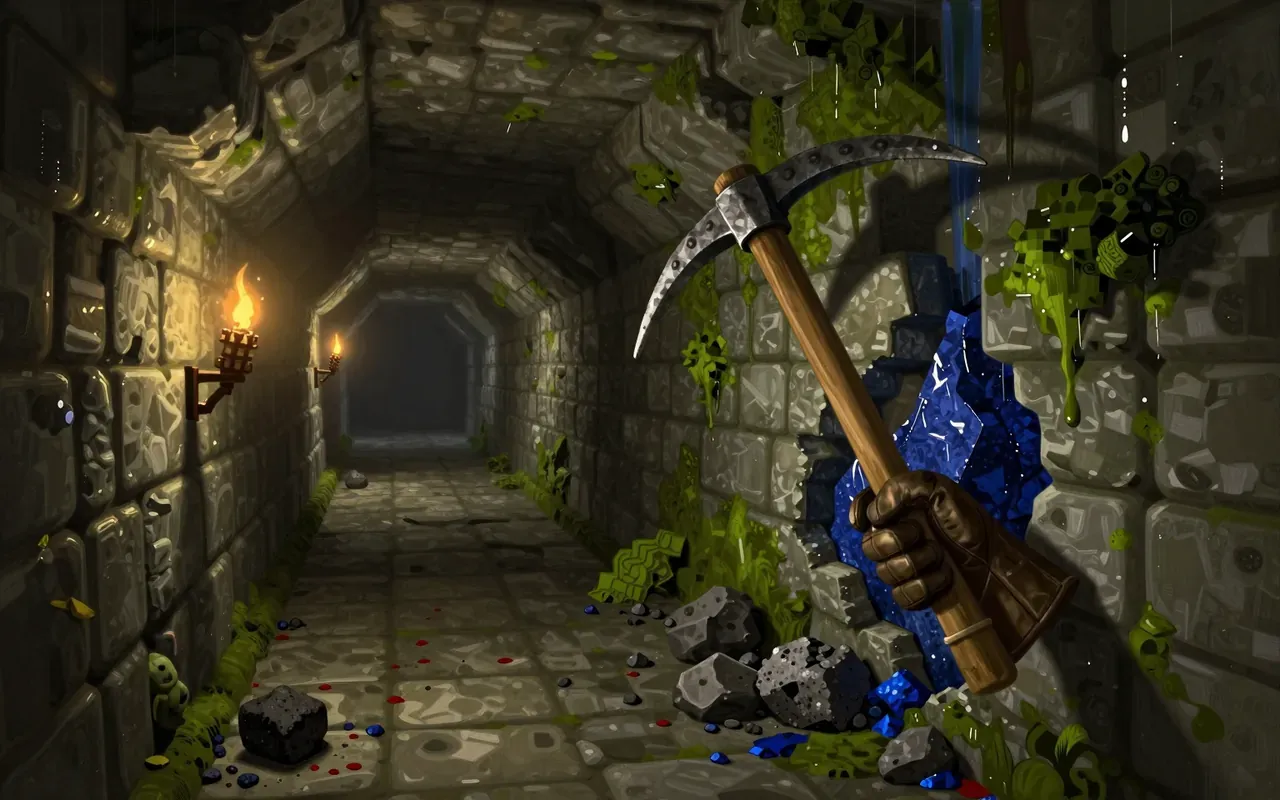
Minecraft is a sandbox and survival game developed by Mojang Studios. Its first alpha version was released on 17 May 2009. It began as a clone of Infiniminer.
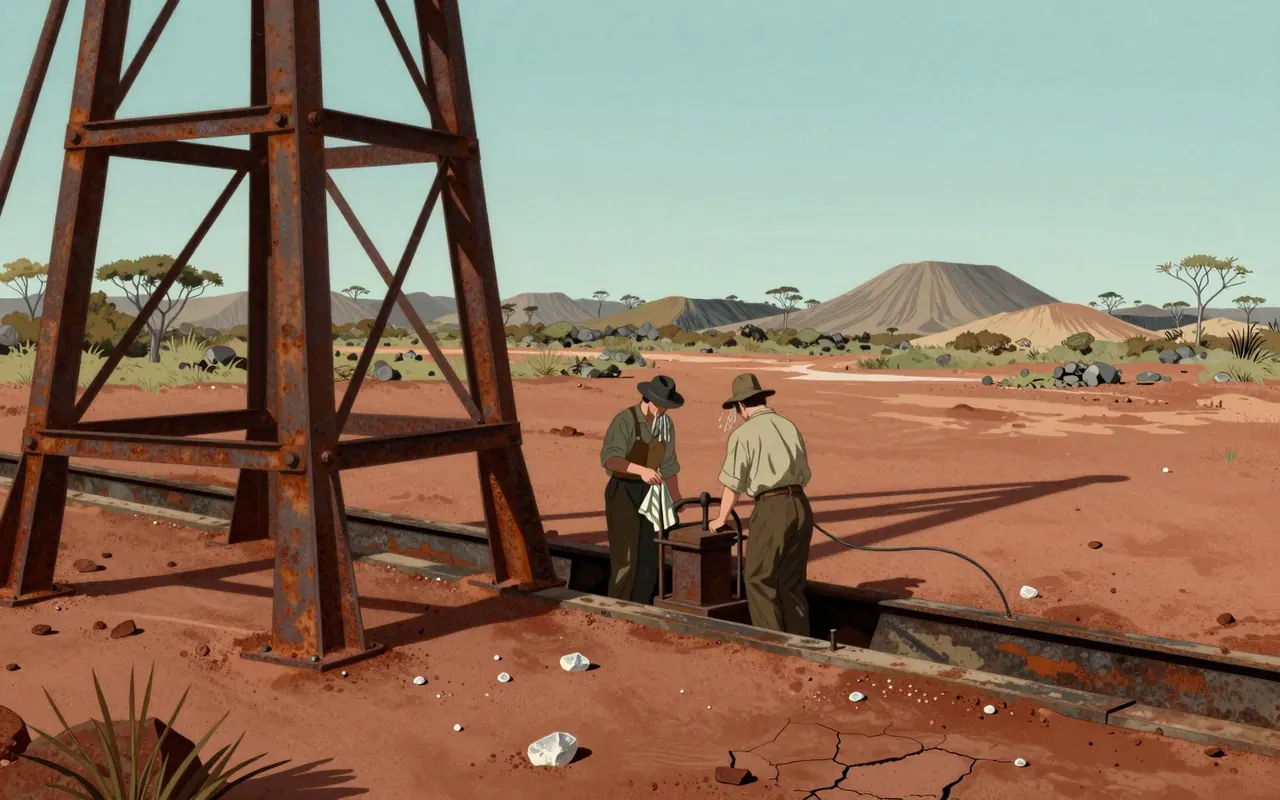

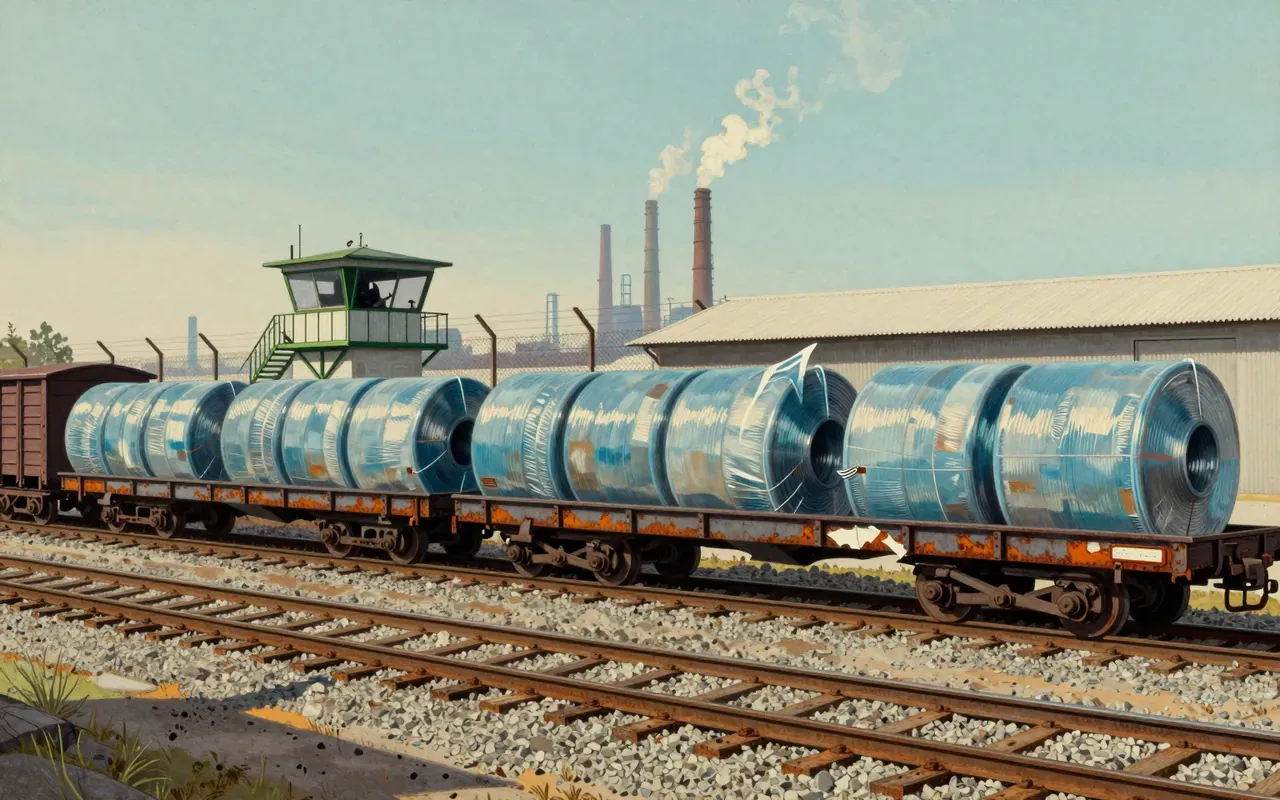
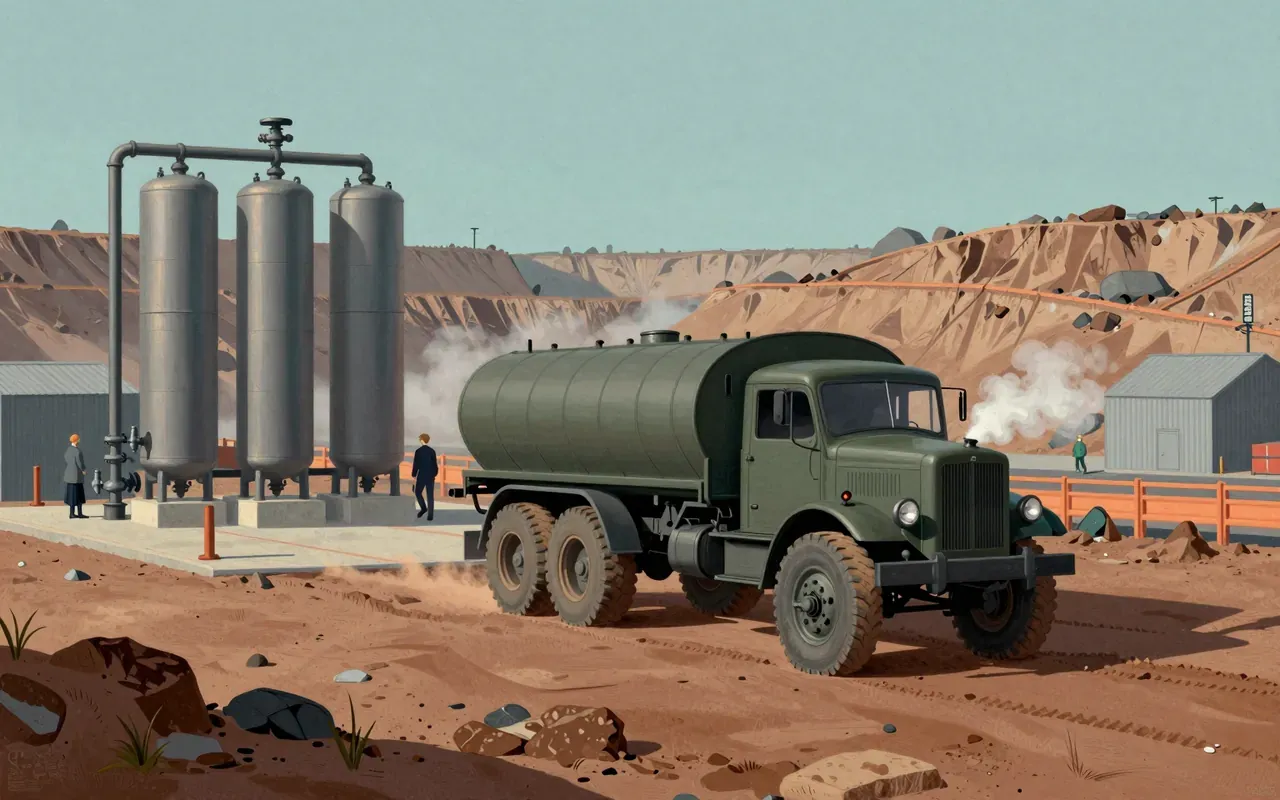
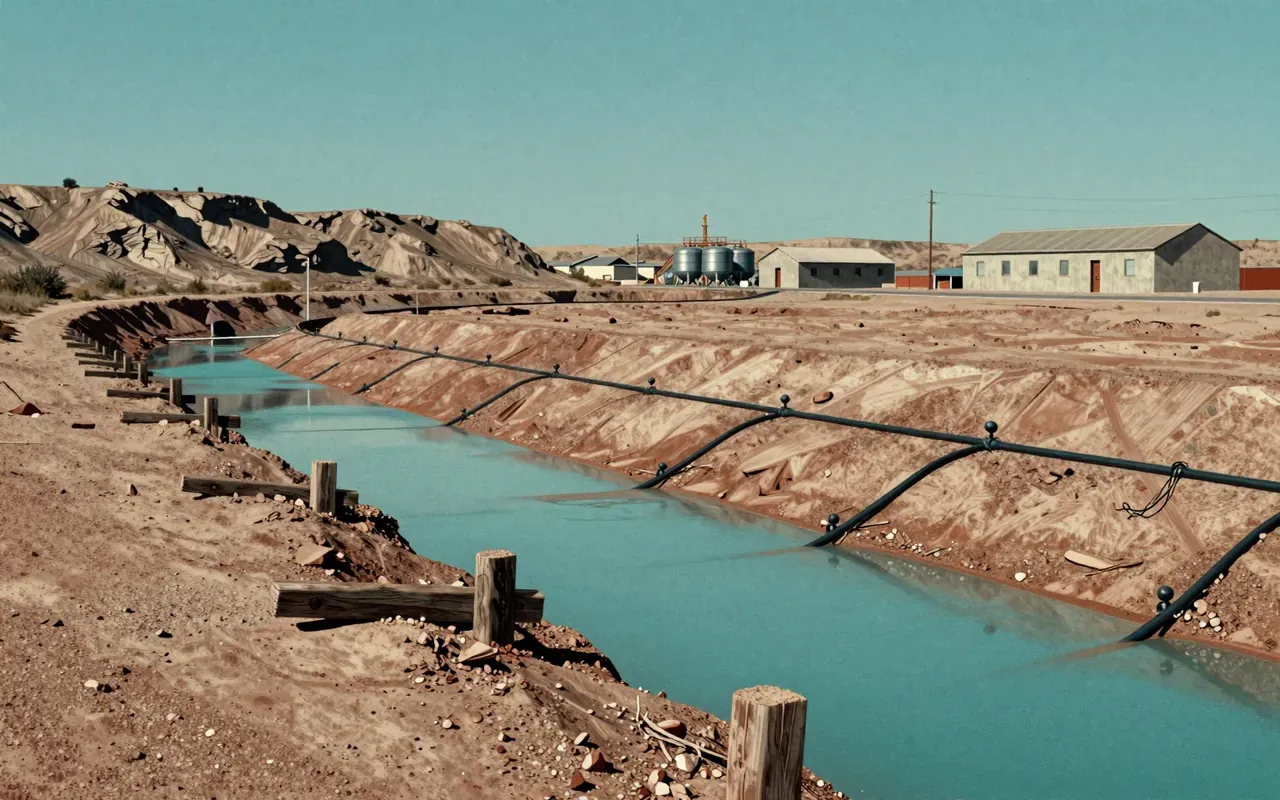
Barrick Mining is a gold-and-copper extraction company built through strategic acquisitions — not innovation, not discovery, not vertical integration. Its value lies in scale: 89 million ounces of gold in reserves, 3.91 million ounces produced in 2024, and a history of absorbing rivals like Placer Dome. But its governance fails where operations meet people: in 2008, Peter Munk personally silenced testimony about violence at Porgera. That gap — between reserve size and human accountability — is the real story.
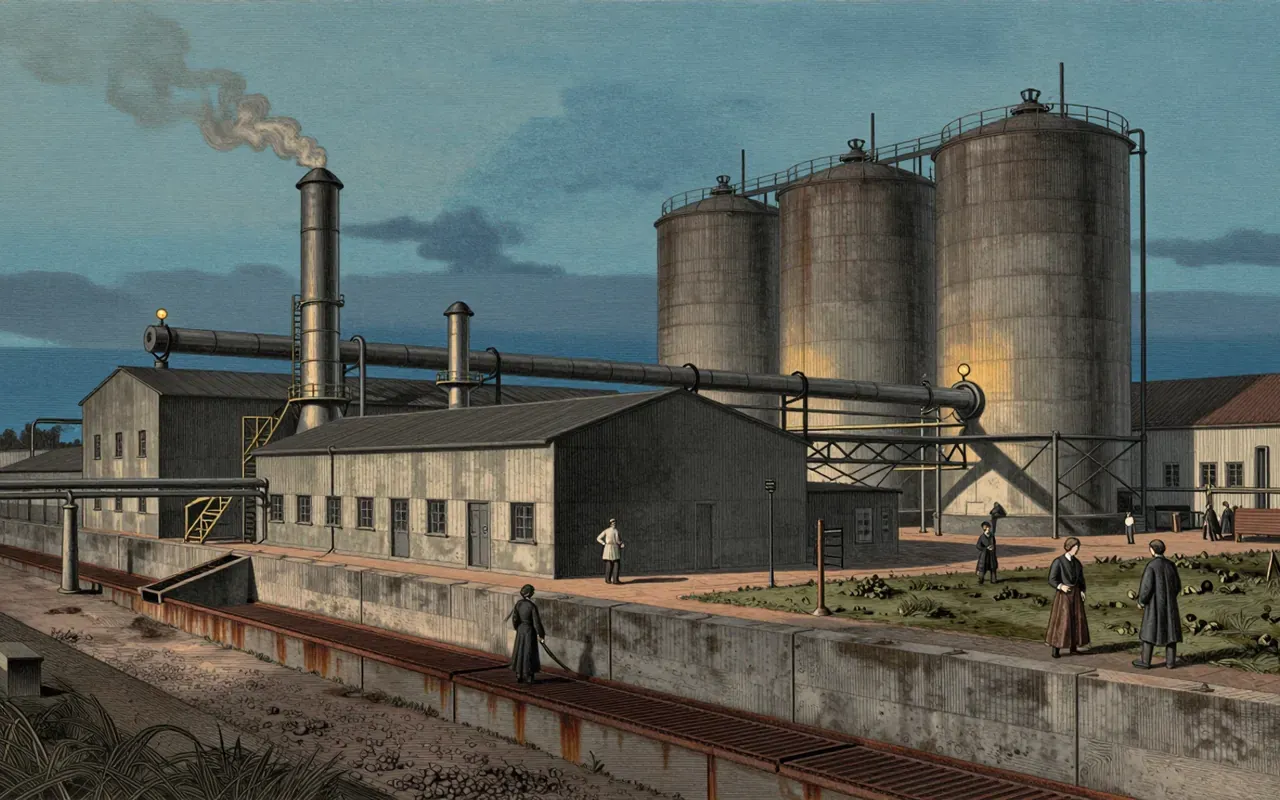
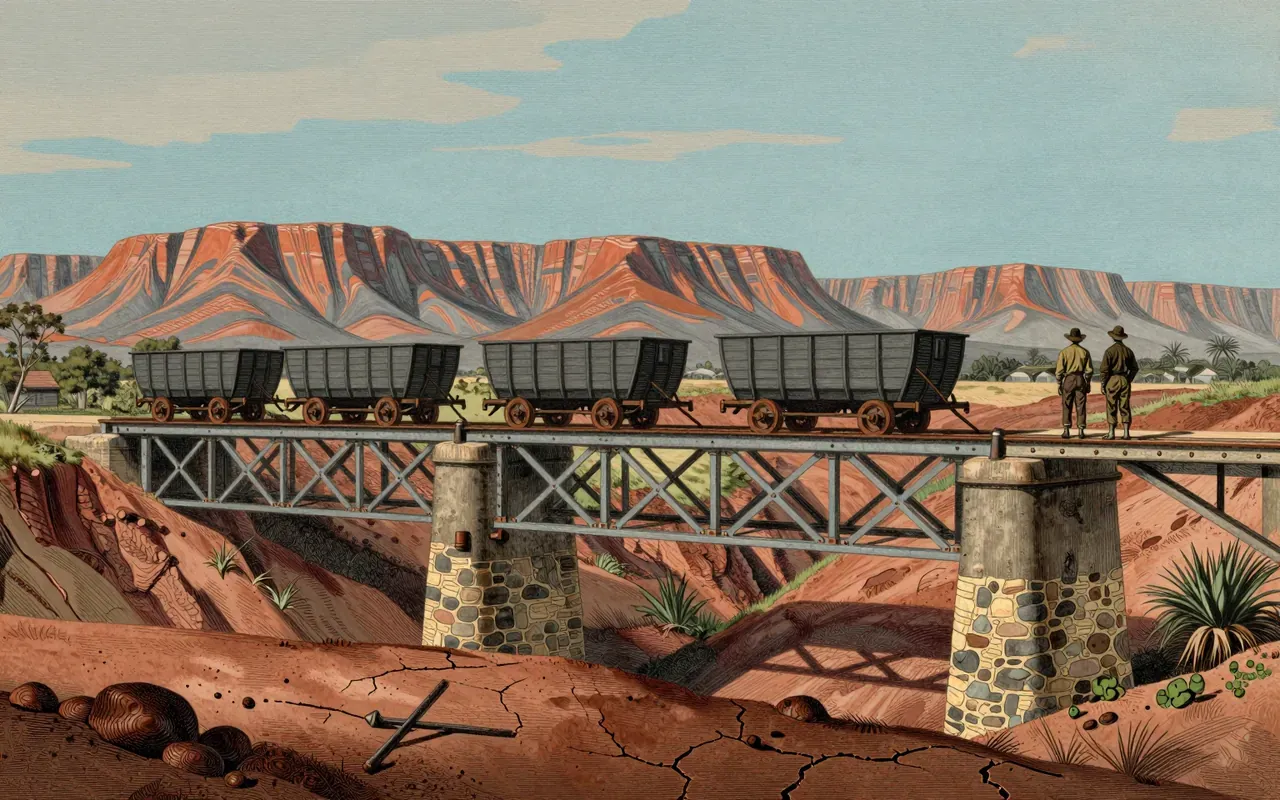
Rio Tinto is a British–Australian multinational mining company founded in 1873, headquartered in London and Melbourne, and operating globally as a major producer of copper, iron ore, aluminium, and lithium. Its history includes early dominance in Spanish copper production, strategic diversification after 1925, pivotal mergers — notably with Consolidated Zinc in 1962 and Alcan in 2007 — and extensive international expansion. The company is dual-listed on the London and Australian stock exchanges and has faced recurring criticism over environmental damage, corruption allegations (especially in Guinea), human rights concerns (e.g., Juukan Gorge), workplace culture issues, and legal challenges related to bribery and espionage. Its operational structure spans four product-based business units and numerous subsidiaries across six continents, with core assets concentrated in Australia and Canada.
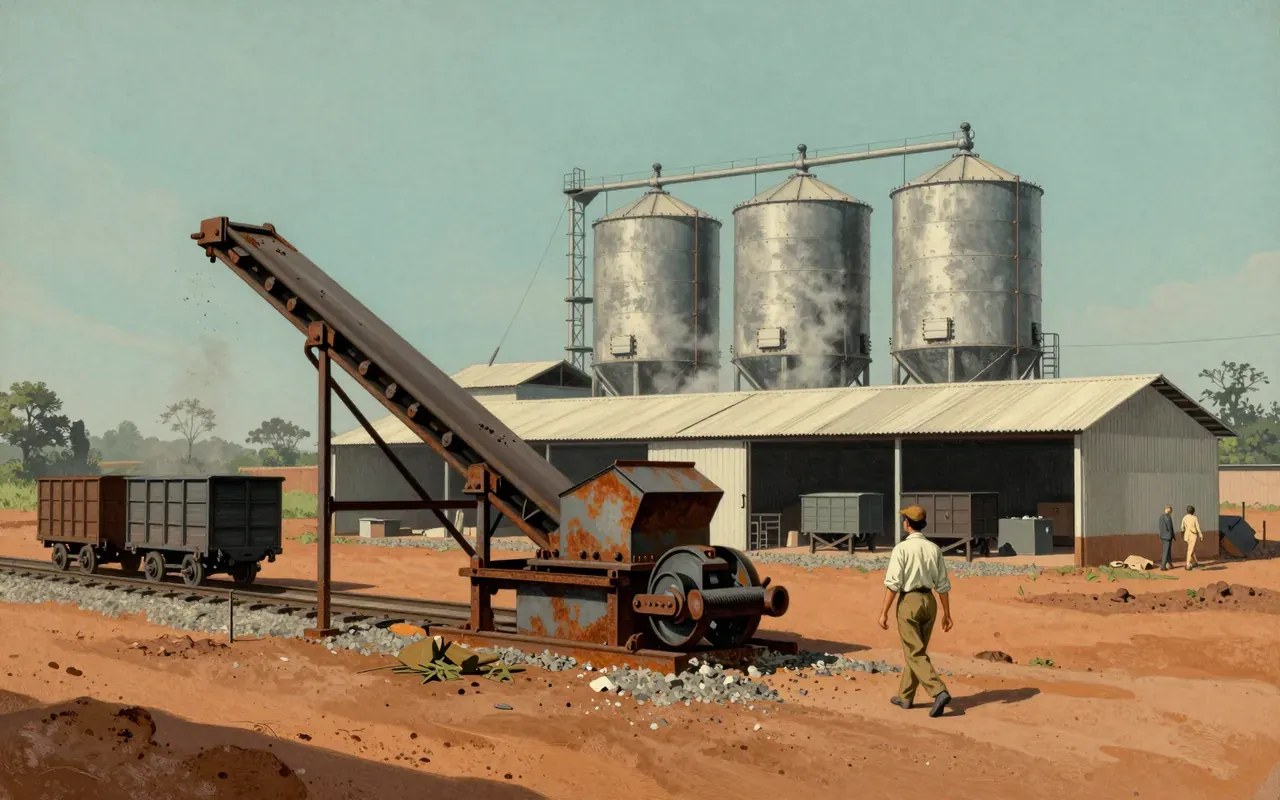
Vedanta Limited is a mining and metals company built on acquisitions, offshore holding structures, and regulatory navigation—not on technological differentiation or market creation.
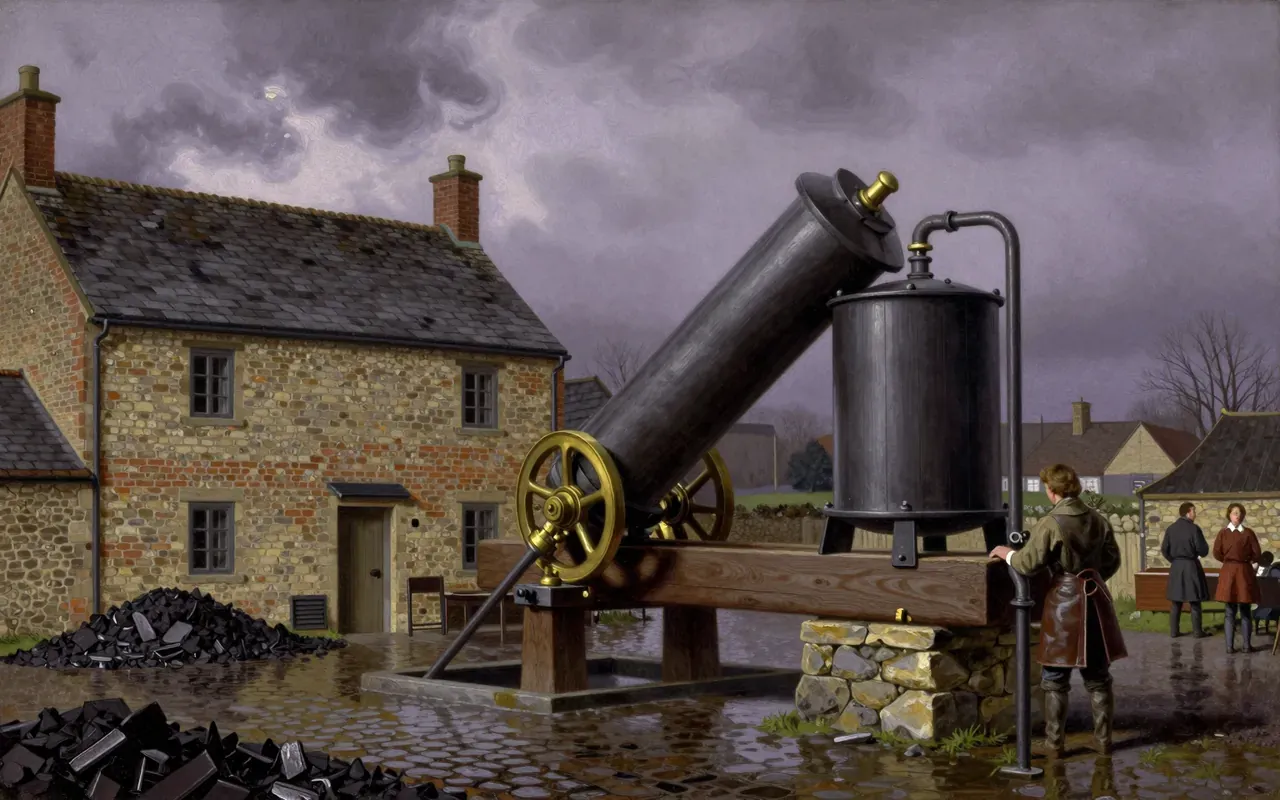
The Newcomen atmospheric engine was the first practical steam-powered device to produce mechanical work. It solved the problem of mine flooding beyond the 30-foot vacuum limit by using atmospheric pressure to drive a piston linked to a rocking beam and force pump. It worked by condensing steam in a cylinder to create a partial vacuum, allowing air pressure to push the piston down. Its motion lifted a weighted rod that operated a pump. It was inefficient due to repeated cylinder cooling, but matched the engineering limits of its time. Hundreds were built across Britain and Europe during the 18th century, with the first successful installation in 1712 at Conygree Coalworks in Tipton.