briefs
Topic · across the network

Cars

The object that reorganised the twentieth-century landscape.

468
briefs
9
subjects
9:57
average
4660 min
in total
Abstraction 407Absurdism 137Acoustics 220Acting 65Adaptation 372Addiction 95Adolescence 202Advertising 77Age of exploration 14Ageing 113Agriculture 100Algorithms 114Ambition 46Anarchism 38Ancient Egypt 17Ancient Greece 38Ancient Rome 30Animals 172Anthropology 23Apartheid 12Architecture 165Archives 32Argentina 10Art Deco 26Artificial intelligence 78Astronomy 81Attention 42Australia 32Automation 73Avant-garde 164Aviation 79Banking 72Banned works 40Bauhaus 12Beer 5Behavioural economics 22Berlin 16Big tech 6Biodiversity 136Biography 86Birds 41Black holes 20Blockchain 12Boxing 14Branding 77Brazil 43Bread 29Britain 131Brutalism 4Bubbles 3Buddhism 28Byzantium 10California 17Canada 18Capitalism 94Cars 468Celebrity 59Censorship 110Cheese 24Chefs 9Chemistry 104Chess 2Childhood 87China 109Chocolate 8Christianity 49Cinematography 343Cities 90Class 485Climate change 107Club culture 100Cocktails 2Coffee 11Cognitive bias 14Collecting 16Colonialism 284Colour 42Comedy 89Community 52Complexity 21Computing 309Consciousness 16Conservatism 14Conspiracy theories 8Cooking 178Corruption 38Cosmology 31Cover versions 64Craft 116Crate digging 42Creativity 8Crime 234Cryptocurrency 8Cryptography 24Cuba 10Cybersecurity 30Dada 12Debt 38Decision-making 28Decolonisation 46Deep time 80Democracy 45Denim 16Deserts 45Detroit 17Dinosaurs 12Directing 168Disasters 59Disease 109DJ culture 89Dreams 32Drones 5Drum machines 96Dystopia 69East Africa 28Ecology 337Economics 36Editing 72Education 92Egypt 12Electric vehicles 59Emotion 22Empire 92Endurance 49Energy 120Engineering 541Entropy 8Epidemics 13Equality 9Espionage 31Ethics 44Evolution 174Existentialism 106Expertise 2Exploration 49Extinction 23Failure 37Family 240Fandom 22Fascism 45Fashion 215Fast fashion 12Fear 34Feminism 122Fermentation 126Film music 81Fishing 12Folklore 71Food history 588Football 16Forests 31Forgery 7France 163Fraud 15Free will 13Freedom 16French literature 15Friendship 24Furniture 36Gambling 14Gender 63Generations 28Genetics 87Geology 96Germany 66Globalisation 74Gothic 32Greece 5Grief 126Habits 6Happiness 2Hardware 709Haute couture 22Headphones 8Hi-fi 12Hinduism 12Hoaxes 1Human history 23Human nature 41Identity 138Illustration 8Impressionism 6Improvisation 249India 89Indonesia 15Industrial design 342Inequality 13Inflation 4Information 34Infrastructure 280Insects 29Intelligence 8Interiors 31Internet culture 88Invention 329Iran 41Islam 40Islands 17Israel 9Italy 52Jamaica 10Japan 114Jewellery 5Journalism 34Judaism 13Justice 42Korea 41Language 70Law 90Leadership 20Learning 6Liberalism 1Libraries 6Literary criticism 26London 12Loneliness 61Los Angeles 62Lost works 9Love 67Luxury 55Machine learning 15Management 10Maps 5Marketing 21Markets 51Mars 6Marxism 26Masculinity 46Materials 138Mathematics 79Meaning 6Medicine 124Memory 82Mental health 70Mesopotamia 4Mexico 38Migration 95Minimalism 68Mining 30Misinformation 9Modernism 63Money 24Monopoly 32Mortality 61Motivation 2Mountains 16Museums 27Mysticism 11Mythology 60Nationalism 40Neuroscience 23New York 36Nigeria 7Nihilism 10Noise 31Nostalgia 33Nuclear 29Nutrition 17Oceans 48Oil 42Open source 45Painting 18Palaeontology 29Parenting 14Paris 18Partition 6Patents 71Patronage 14Perception 44Personal style 27Personality 2Persuasion 8Peru 10Philosophy 77Photography 37Physics 206Plants 26Platforms 89Podcasting 1Poetry 25Poland 17Policing 34Pop Art 16Populism 2Portraiture 6Portugal 18Postmodernism 23Power 91Prehistory 24Preservation 28Printmaking 21Privacy 11Probability 6Productivity 1Programming 54Prohibition 1Propaganda 35Protest 75Pseudoscience 17Psychology 80Publishing 22Punishment 16Quantum mechanics 44Race 145Radio 30Railways 35Rave 17Realism 47Record labels 19Recording 810Relativity 23Religion 154Resilience 15Restaurants 30Restoration 2Retail 94Revolution 58Risk 18Ritual 96Robotics 26Romance 96Russia 58Salt 9Sampling 246Satire 84Scandinavia 28Scientific method 186Screenwriting 26Sculpture 7Secularism 2Self-deception 14Semiconductors 73Sexuality 102Ships 18Silence 24Silicon Valley 17Slavery 35Sleep 2Smartphones 27Sneakers 15Social media 58Socialism 9Software 68Songwriting 180Sound design 332Sound systems 20South Africa 19South East Asia 30Space exploration 84Spain 18Special effects 41Spices 62Spirits 12Sport 82Startups 21Statistics 10Status 9Stoicism 4Storytelling 68Strategy 70Street food 99Streetwear 16Studio craft 508Subcultures 59Sugar 12Supply chains 115Surrealism 53Surveillance 21Sustainability 30Synthesis 232Tailoring 37Taxation 14Tea 24Textiles 97Thailand 11The American Revolution 19The American South 88The Arab world 41The Arctic 19The Balkans 17The Belle Epoque 13The body 29The brain 26The Caribbean 28The civil rights movement 62The Cold War 160The eighties 268The Enlightenment 29The financial crisis 19The First World War 39The food industry 157The French Revolution 9The Gilded Age 9The Great Depression 18The Holocaust 20The Industrial Revolution 93The internet 61The interwar years 135The Middle Ages 35The Moon 4The music business 169The Netherlands 10The nineties 26The Olympics 10The pandemic 13The Reformation 1The Renaissance 16The Russian Revolution 19The Second World War 102The seventies 58The sixties 28The space race 5The United States 19The universe 7The Victorian era 37Therapy 20Tokyo 11Trade 48Tragedy 22Translation 5Trauma 85Travel 5True crime 2Turkey 18Typography 54Uniforms 23Unions 8Urban planning 66Utilitarianism 1Utopia 5Vaccines 10Vegetarianism 15Venture capital 6Video games 291Vietnam 12Vintage 65Vinyl 6Virtual reality 11War 169Watches 4Water 11Weather 29West Africa 29Wilderness 10Wine 3Work 22Workwear 19Worldbuilding 121

music.briefs Music

All 2 in music →
9:59

After School Session

Chuck Berry · 1957

After School Session is Chuck Berry’s debut studio album, released in May 1957 by Chess Records. It compiles twelve tracks recorded across five sessions at Universal Recording Corporation in Chicago between May 1955 and January 1957. Most songs had previously appeared as singles. The album features Chuck Berry on vocals and guitar, Johnnie Johnson on piano, and contributions from Willie Dixon, Fred Below, L. C. Davis, Jasper Thomas, Ebby Hardy, Otis Spann, Jimmy Rogers, and Jerome Green. Steel guitar appears on 'Deep Feeling'. The sequencing reflects single release order, not recording chronology. It arrived during Berry’s peak commercial and creative period, when he was already an established star with hit records, film appearances, and a touring career.
10:09

Double Nickels on the Dime

Minutemen · 1984

Double Nickels on the Dime is a 45-song double LP by Minutemen, released July 1984 on SST Records. Recorded in two sessions at Radio Tokyo Studios with Ethan James, it mixes punk, funk, country, spoken word, and jazz. Inspired by Hüsker Dü’s Zen Arcade, the band adopted a car-themed concept, assigned each member a side (with 'Chaff' as the fourth), and incorporated lyrics from friends including Henry Rollins and Joe Carducci. It was mixed overnight on eight-track for $1,100. Themes include the Vietnam War, racism, working-class life, and linguistics.

film.briefs Film

All 3 in film →
13:00

Humain, trop humain

Louis Malle, René Vautier · 1973

Humain, trop humain (1973) is a French observational documentary co-directed by Louis Malle and René Vautier, filmed inside a Citroën car plant. With no narration, interviews, or music, it records the rhythms of assembly-line work — shifts, tools, gestures, pauses — over 73 minutes. Its power lies in sustained attention, not argument.

13:00

Two-Lane Blacktop

Monte Hellman · 1971

Monte Hellman’s 1971 road film follows unnamed racers — Driver, Mechanic, Girl and GTO — across the American Southwest in a stripped-down, near-silent contest with no clear stakes and no resolution. Shot on location over eight weeks, edited by Hellman and photographed by John Bailey, it treats motion, machinery and landscape as primary subjects, not backdrops. Its rigour is formal and philosophical: no backstory, no score, no names, no climax. Over time, it has been reassessed not as a commercial misfire but as a defining work of New Hollywood minimalism.

13:00

Days of Thunder

Tony Scott · 1990

Tony Scott’s 1990 NASCAR romance stars Tom Cruise as a sprint-car prodigy thrust into Winston Cup racing, mentored by Robert Duvall and drawn into rivalry and romance. Shot on location with real drivers and cars, its strengths lie in visceral racing sequences, Hans Zimmer’s propulsive score, and Duvall’s grounded authority. Its weaknesses include underdeveloped relationships, thin thematic scaffolding, and a script that favours momentum over meaning. It remains a coherent, craft-led studio artefact — best appreciated as sensory experience rather than narrative inquiry.

design.briefs Design

All 3 in design →
4:18

Ross Lovegrove

Lovegrove’s career is a sequence of verified commissions—not a manifesto.
10:02

Citroën DS

Flaminio Bertoni

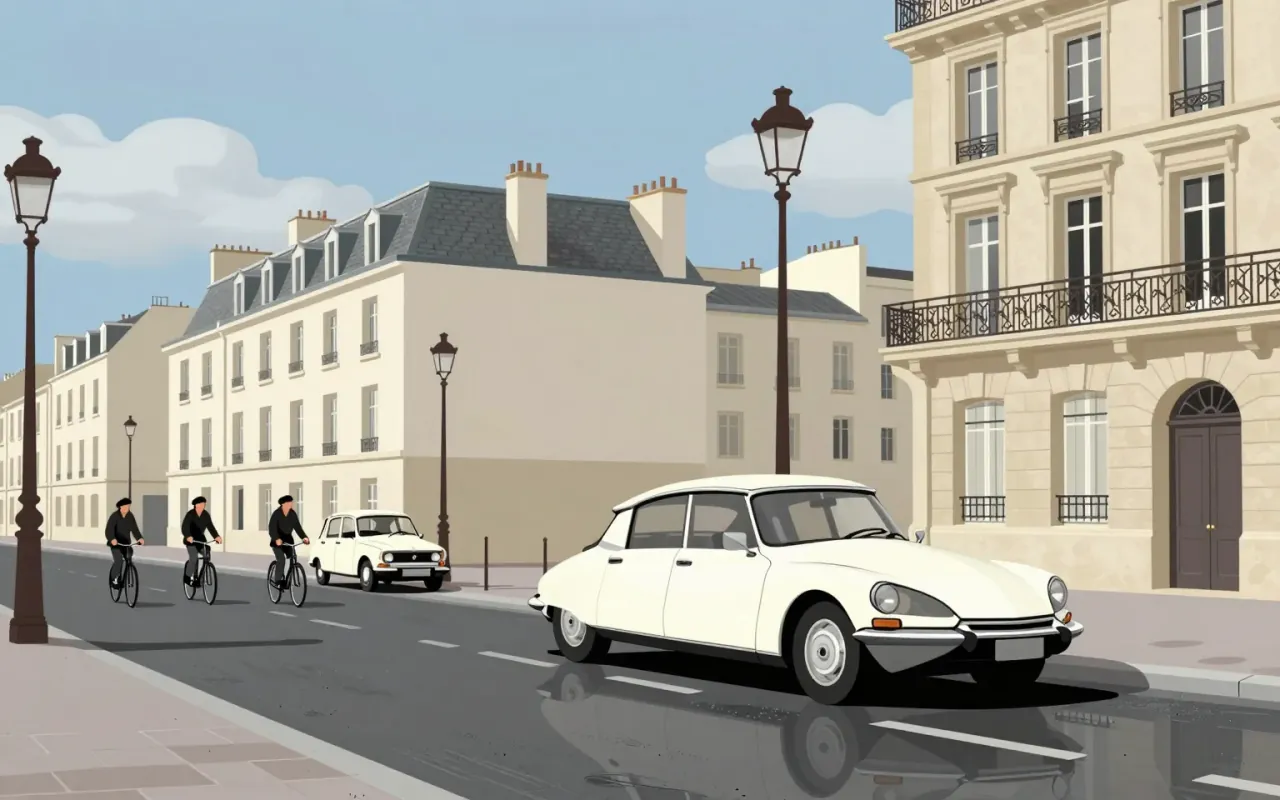
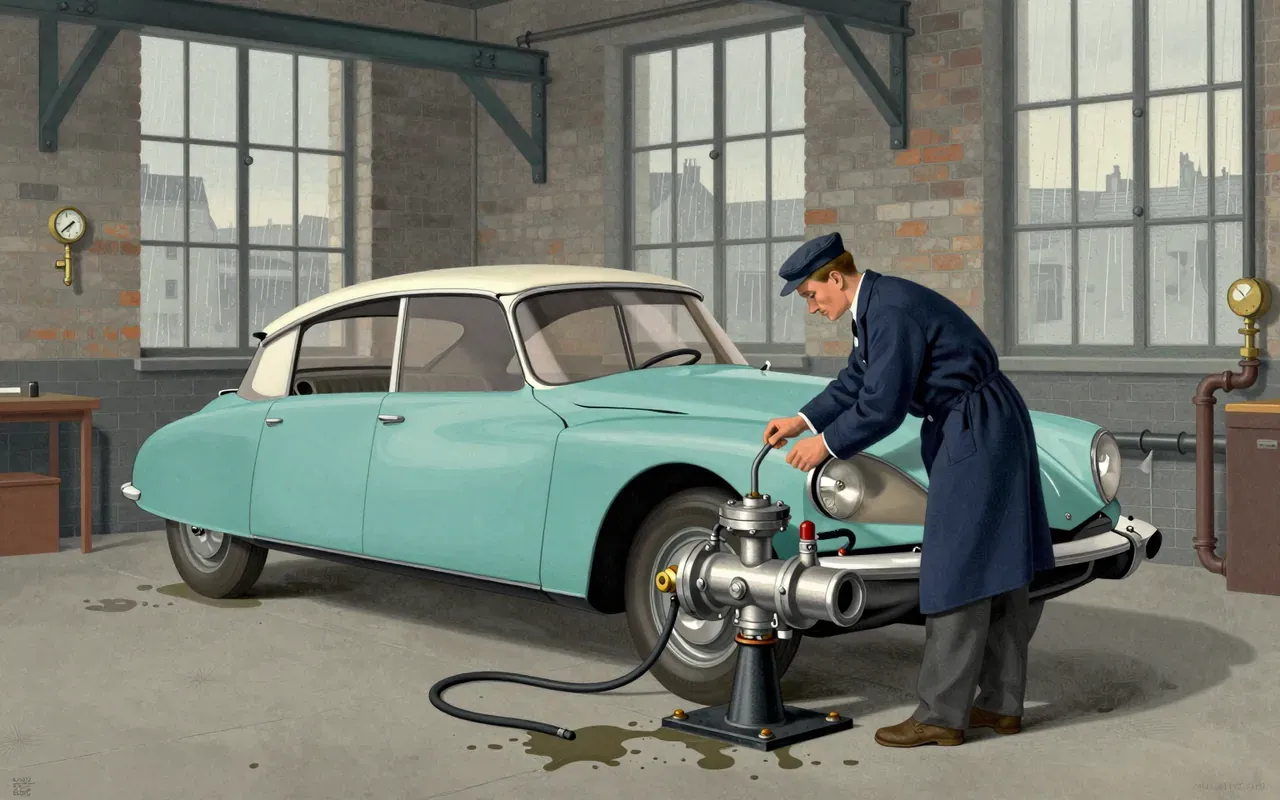
The Citroën DS is an industrial design for a mass-production automobile. Flaminio Bertoni co-styled it with André Lefèbvre. Paul Magès developed its hydropneumatic self-levelling suspension. It used hydropneumatic suspension and disc brakes — the first mass-production car to do so. It set new standards in ride quality, handling, and braking. It pushed the envelope in the ride vs. handling compromise possible in a motor vehicle. Its body design was aerodynamic and futuristic. Roland Barthes described it as looking as if it had 'fallen from the sky'. The DS Series 3 introduced directional headlights to automotive mass-production.

10:38

Luigi Colani

Colani proved that biodynamic form could sell — not as art, but as product.

games.briefs Games

All 35 in games →
10:30

Carmageddon II: Carpocalypse Now

Stainless Games · 1998

Carmageddon II: Carpocalypse Now is a 1998 Windows vehicular combat sequel developed by Stainless Games. It uses hardware acceleration to power a world-first fully featured physics engine, enabling detailed vehicle deformation — including fenders, spoilers, and catastrophic splitting — and replaces the original’s ‘stealworthy cars’ mechanic with universal purchase of wrecked vehicles.

10:22

Colin McRae Rally (1998 video game)

Codemasters · 1998

Colin McRae Rally (1998) is a Codemasters rally simulation built around the 1998 World Rally Championship. It structures progression across three difficulty tiers — Novice (F2 front-wheel-drive), Intermediate (WRC four-wheel-drive), and Expert (Group B classics) — each with distinct cars and increasing challenge. Colin McRae and Nicky Grist provide authentic voice work, with McRae serving as the tutorial instructor. The game supports LAN multiplayer for up to eight players and two-player split-screen. A cheat-enabled Easter egg parodies the Barney and Betty Hill alien abduction incident. It was distributed in North America by Warner Bros. Interactive Entertainment.

10:18

Forza Motorsport (2005 video game)

Turn 10 Studios · 2005

Forza Motorsport (2005) is a simulation racing video game developed by Turn 10 Studios for Xbox. It was the inaugural title in a Microsoft Game Studios-commissioned series. It features licensed real-world cars, real and fictional tracks, arcade and career modes, driving assists, realistic vehicle damage, and deep car tuning.

10:51

Gran Turismo (1997 video game)

Polyphony Digital · 1997

Gran Turismo (1997) is a PlayStation sim racing game developed by Polyphony Digital. It emphasises realism through physics-driven handling, two distinct modes—Arcade and Simulation—and a curated roster of 140 cars from Japanese manufacturers. It was the first game to fully support the DualShock controller. It does not feature car damage. Its design prioritises mechanical fidelity over spectacle, progression over immediacy, and menu clarity over visual density.
9:26

Gran Turismo 3: A-Spec

Polyphony Digital · 2001

Gran Turismo 3: A-Spec is a PlayStation 2 racing simulator built around linear, tiered progression, realistic driving physics, and graphical fidelity over breadth.

9:56

Need for Speed: Most Wanted (2005 video game)

Black Box · 2005

Need for Speed: Most Wanted (2005) is a street-racing game set in the fictional city of Rockport. Players use licensed real-world cars to defeat 15 Blacklist racers, complete varied race types—including Tollbooth and Speedtrap—and evade increasingly aggressive police pursuits governed by a heat-based escalation system. Cars can be upgraded and customised in Career mode. The game features Career, Quick Race, Challenge Series, and multiplayer modes on certain console editions.

9:27

RalliSport Challenge

Rainbow Studios · 2002

RalliSport Challenge is a 2002 offroad racing game developed by Rainbow Studios. It features four race types—Rally, Hillclimb, Ice Racing, and Rallycross—each defined by distinct terrain-based rules and consequences. Players progress through career mode to unlock cars, choose between Beginner (mid-rally restart) and Normal (full-rally restart) modes, and race either sequentially or against AI. It belongs to the same offroad lineage as Motocross Madness and MX vs. ATV.

10:07

Richard Burns Rally

SMS Developers · 2004

Richard Burns Rally is a sim racing game developed by Warthog and published by SCi in 2004. It features eight cars and thirty-six rally stages modelled from real locations including Gateshead forest, Nevada, Canberra, Hokkaido, the French Alps, and the Arctic Circle. Its defining trait is an uncompromising physics engine shaped by on-location scouting, precise measurement of road width, camber and texture, and direct input from rally drivers Richard Burns and Possum Bourne. It simulates both classic and modern rallying, and is defined by high difficulty—not as a flaw, but as a consequence of its fidelity-first design.

business.briefs Business

All 28 in business →
11:18

Ferrari

Enzo Ferrari · 1947

Ferrari is a racing operation that sells cars — not the reverse. Its business model depends on using road-car revenue to fund Scuderia Ferrari, which in turn validates the brand, justifies price premiums, and dictates engineering direction. It was never financially self-sustaining in racing alone. Enzo Ferrari maintained control of racing through every ownership change — including Fiat’s 1969 investment — because that control was the source of legitimacy, not the cars.

9:31

PSA Group

PSA Group was not a carmaker that grew — it was a consolidator that bought its way into relevance, then sold its independence.
10:50

Hyundai Motor Company

Chung Ju-yung · 1967

Hyundai Motor is a state-facilitated, scale-first automaker whose power lies in integration — not invention. It controls the largest single auto plant on earth, ranks third globally by output, and sells more hybrids than EVs. Its origin story is contested across sources. Its value is in execution, not narrative.

9:44

Willys

Willys didn’t invent the jeep — it weaponised the word.
9:32

Alfa Romeo

Nicola Romeo · 1910

Alfa Romeo was not founded by Nicola Romeo. It was founded in 1910 as A.L.F.A. to acquire the assets of the failing Italian Darracq subsidiary. Romeo acquired it in 1915, took full ownership by 1918, renamed it in 1920, launched the first Alfa Romeo-branded car in 1921, won the inaugural 1925 World Manufacturers’ Championship, faced near-liquidation in 1927 due to poor investments, departed formally in 1928, and was taken over by the Italian state in 1933.

11:47

Citroën

André-Gustave Citroën · 1919

Citroën was a French automobile manufacturer founded in 1919 in Saint-Ouen-sur-Seine. It pioneered four world-first production car technologies: front-wheel drive with unibody construction (1934), hydropneumatic self-levelling suspension (1954), modern disc brakes (1955), and swiveling headlights (1967). It also launched the 2CV in 1948, pioneering soft interconnected suspension. Citroën gained international reputation mass-producing armaments in WWI. It became the fourth-largest carmaker in the world in the 1930s, peaking in 1932 with the Traction Avant. Cost struggles aggravated by the Great Depression led to bankruptcy in 1934 and takeover by Michelin. Its double-chevron logo derived from André Citroën’s application of double helical gears, which he acquired after seeing them used by a Polish carpenter around 1900.

technology.briefs Technology

All 7 in technology →
10:33

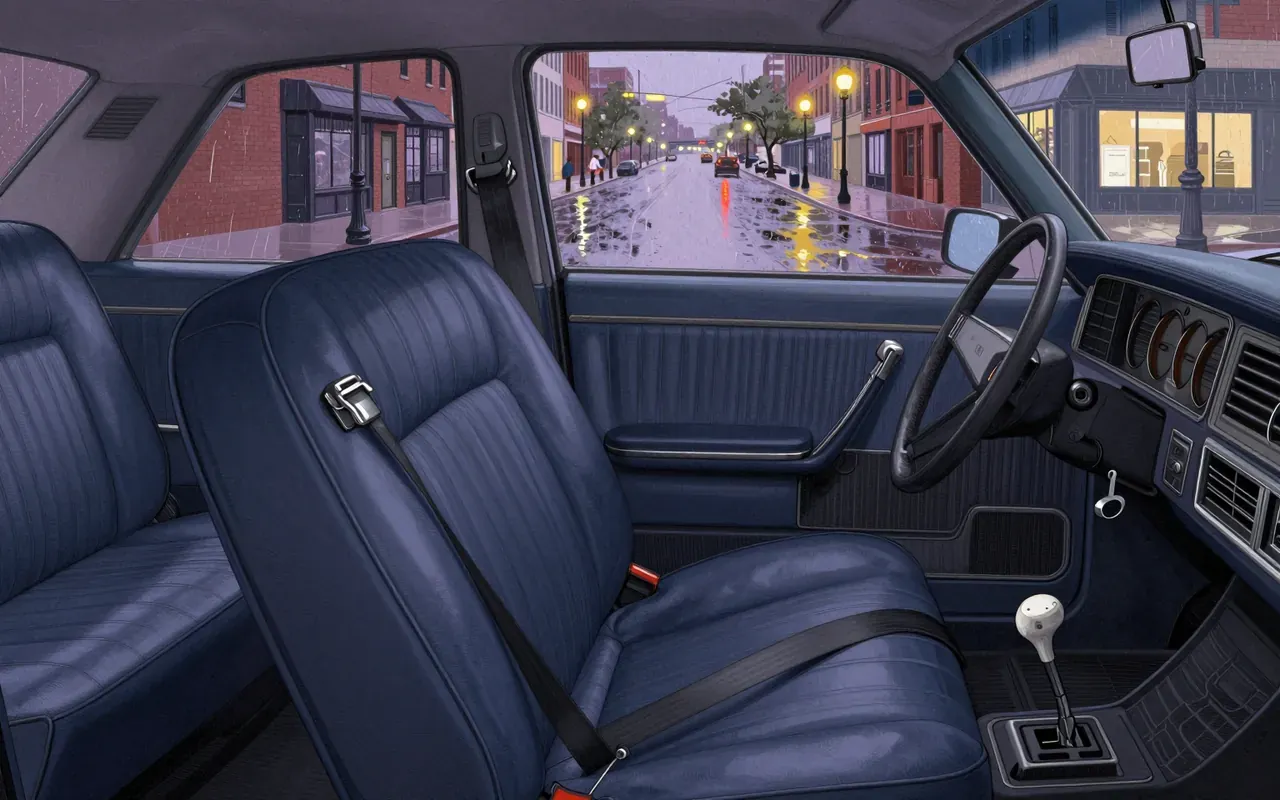
Seat belt

Seat belts save lives — but only if they’re tight, three-point, and used right.
9:14

Toyota Prius

Toyota

The Prius established hybrid electrification as a viable mass-production pathway—not through technical novelty alone, but by shipping, selling, iterating, and breaking even. Its real innovation was industrial execution under constraint.

8:20

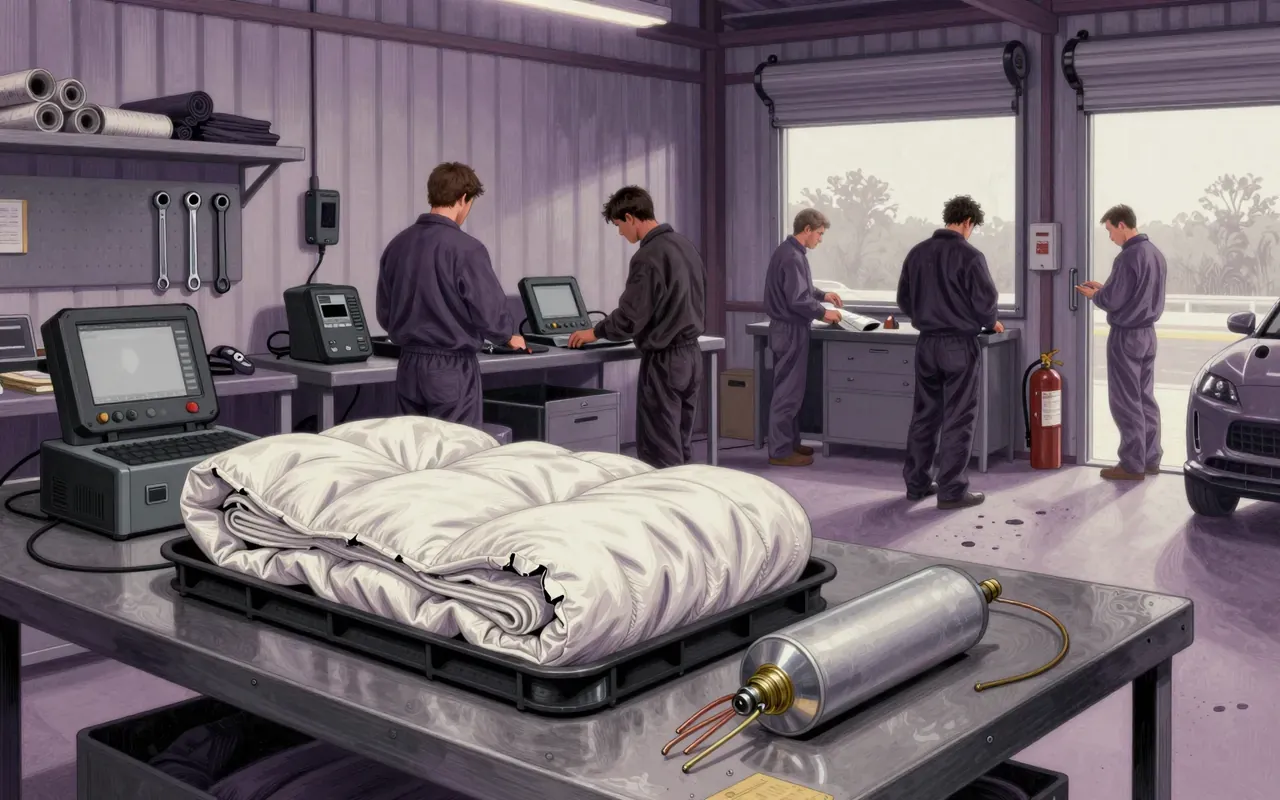
Airbag

An airbag doesn’t protect people—it protects the physics of the crash test.
9:45

Automatic transmission

It replaced the driver’s foot with a pump, the clutch with a turbine, and the gear lever with hydraulic logic—then locked that logic in place for eighty years.
10:17

History of the automobile

Karl Benz

The Benz Patent-Motorwagen is the first gasoline-powered automobile built in series and proven in extended real-world use. Its mechanism—four-stroke engine, belt-and-chain drive, evaporative cooling—was functional but limited. Its breakthrough was not theoretical elegance but empirical validation: Bertha Benz’s 1888 journey forced immediate, field-driven improvements. It changed nothing overnight—but it created the first reproducible template for what a car could be: a product, not a demonstration.

9:23

Crumple zone

Béla Barényi

The crumple zone is a hardware solution that redefined automotive safety by separating function across the car body: rigid for survival, deformable for energy absorption. It works. It spread. It remains indispensable.

10:14

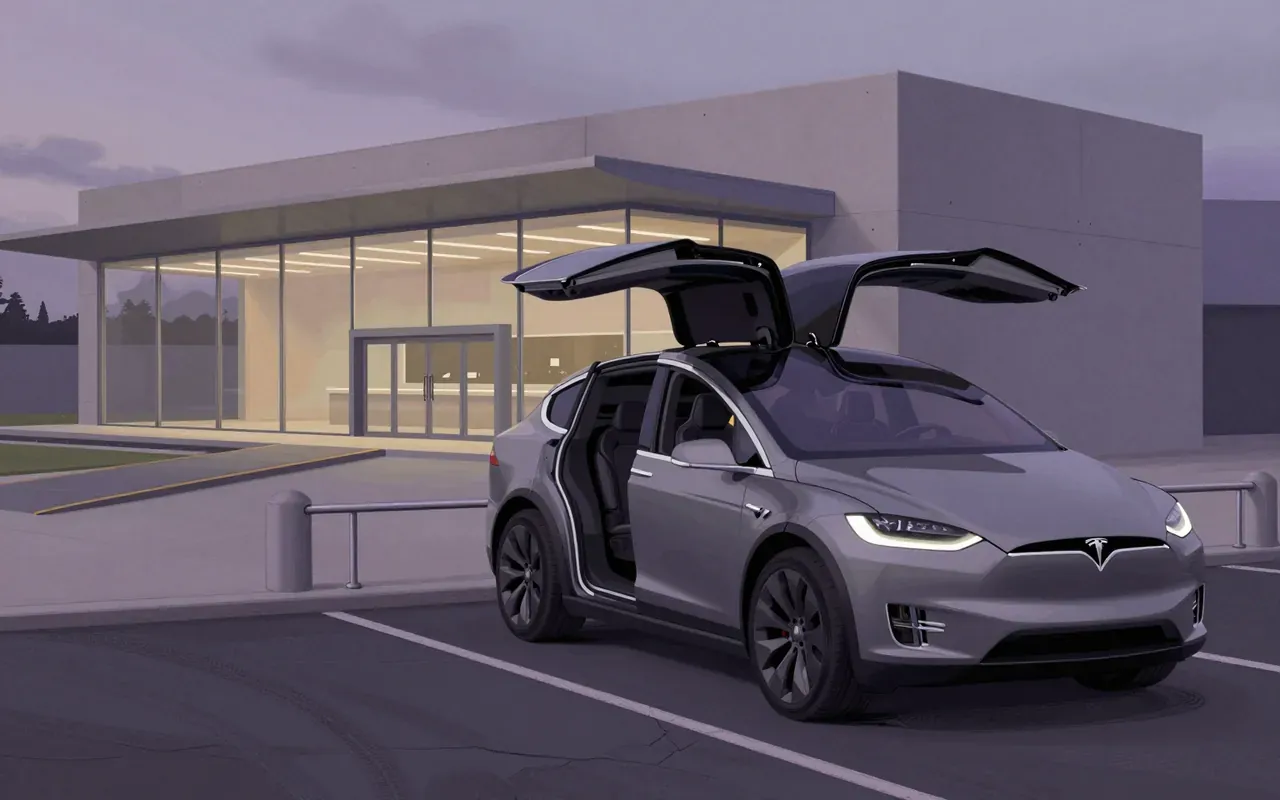
Tesla Model X

Tesla · 2012

The Tesla Model X is a battery electric mid-size luxury crossover SUV developed from the Model S platform and distinguished by falcon wing doors. It shares ~30% of its parts with the Model S—half the originally planned 60%—and weighs ~10% more. Unveiled in Hawthorne on 9 February 2012, it entered production in Fremont and began deliveries in September 2015. In 2016, it ranked seventh among the world’s best-selling plug-in cars. A 2021 refresh added the Plaid model and updated interior, powertrain, and suspension.

culture.briefs Culture

All 1 in culture →
9:22

Van-dwelling

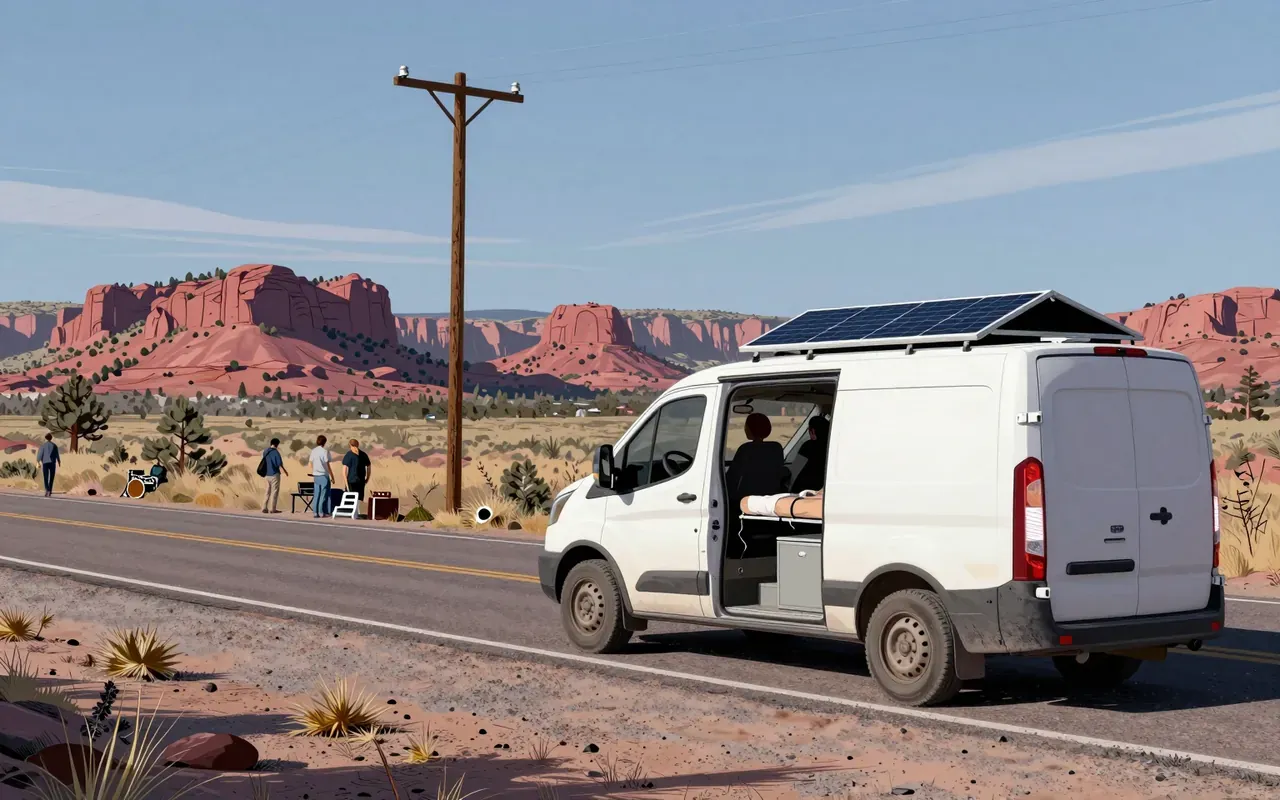
Van-dwelling isn’t a trend — it’s a mirror reflecting who controls space, stability, and the right to roam.

automotive.briefs Automotive

All 388 in automotive →
9:22

Alfa Romeo Giulia Sprint GT

Giorgetto Giugiaro · 1963

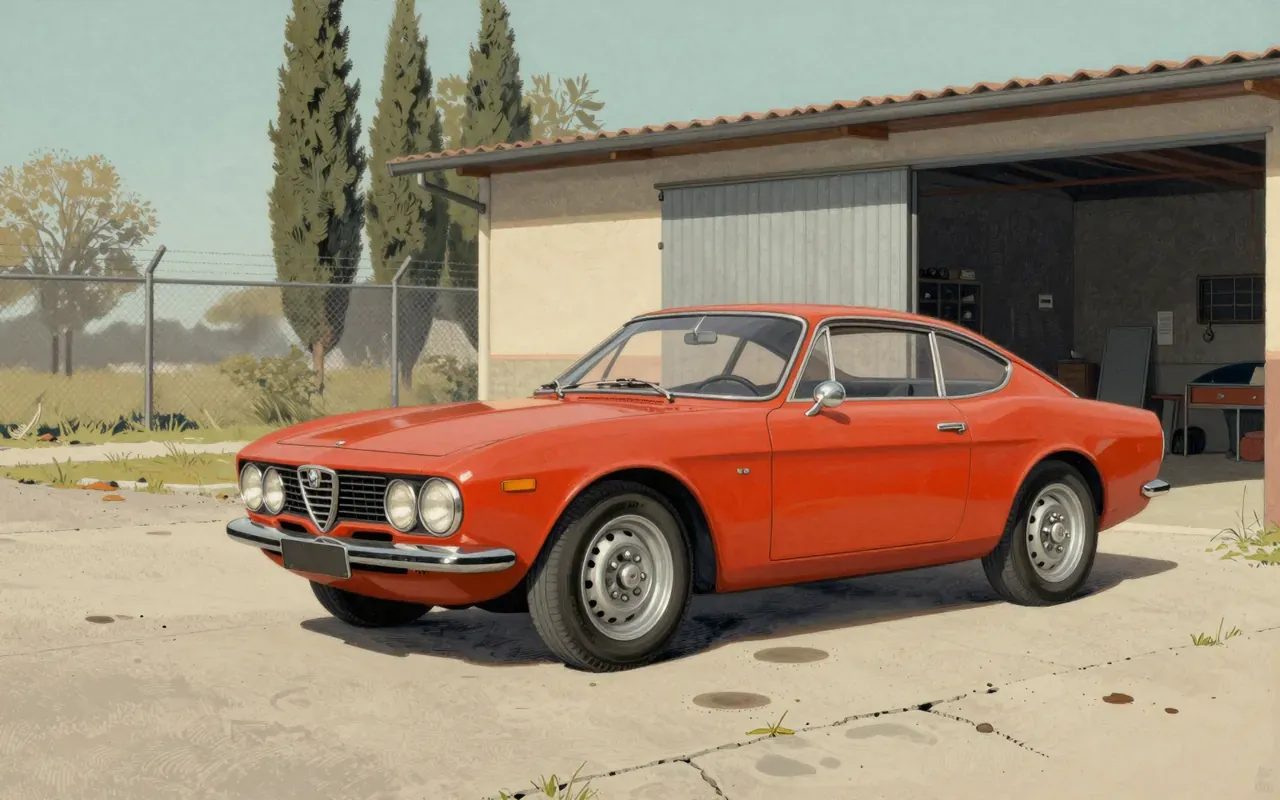
The Giulia Sprint GT was revealed at Alfa Romeo's new Arese plant on 9 September 1963 and built until 1965, when the Sprint GT Veloce replaced it. Giorgetto Giugiaro drew its Bertone body, known as the step front for the raised edge of its bonnet. It paired an all-aluminium 1570 cc twin cam four with a five-speed gearbox and four disc brakes, and 21,902 were built.

10:50

Alfa Romeo TZ2

Zagato · 1964

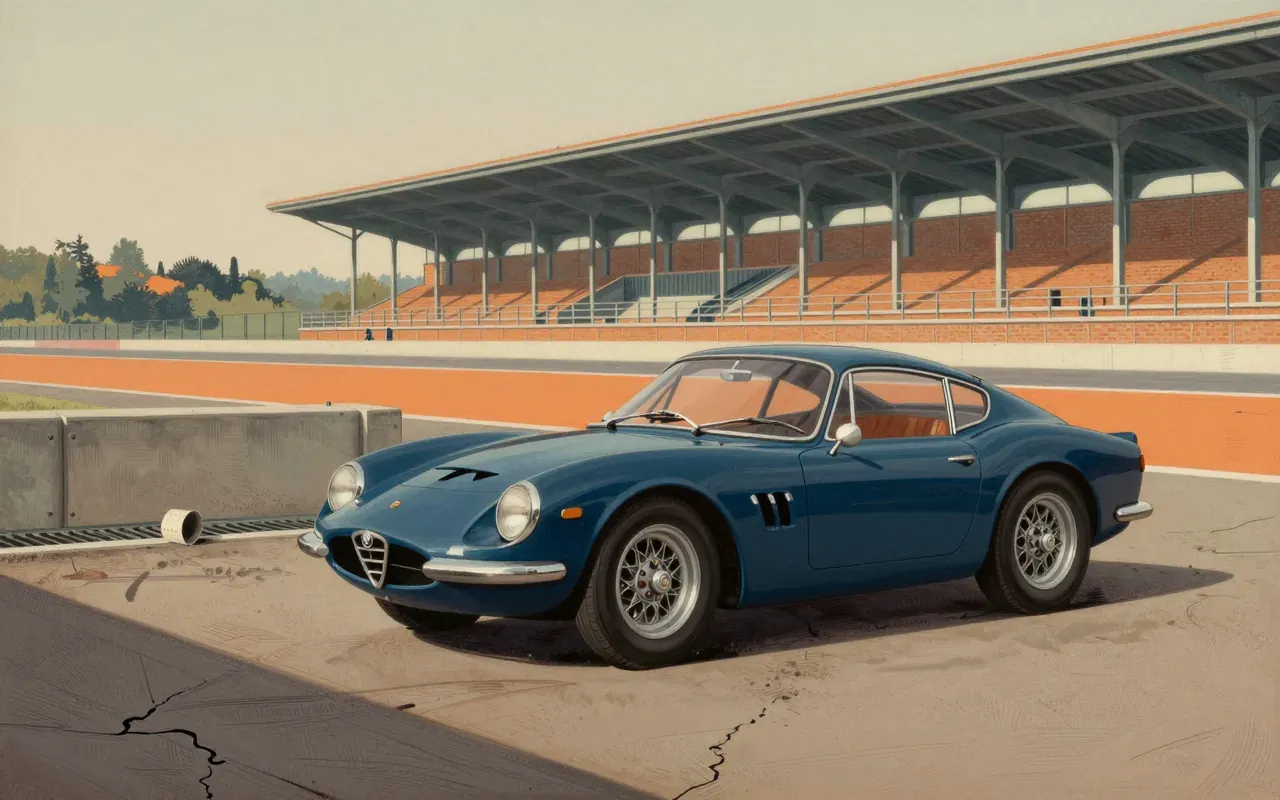
The TZ2 was shown at the 1964 Turin Auto Show on the Zagato stand. It swapped the TZ's light alloy body for a more streamlined fibreglass one and dropped the weight to 620 kg. It was a racing version only, with an Autodelta-prepared 1,570 cc twin plug engine, and 12 were built. Development of the TZ cars stopped at the end of 1965.

10:13

BMW 1500 Neue Klasse

Wilhelm Hofmeister · 1961

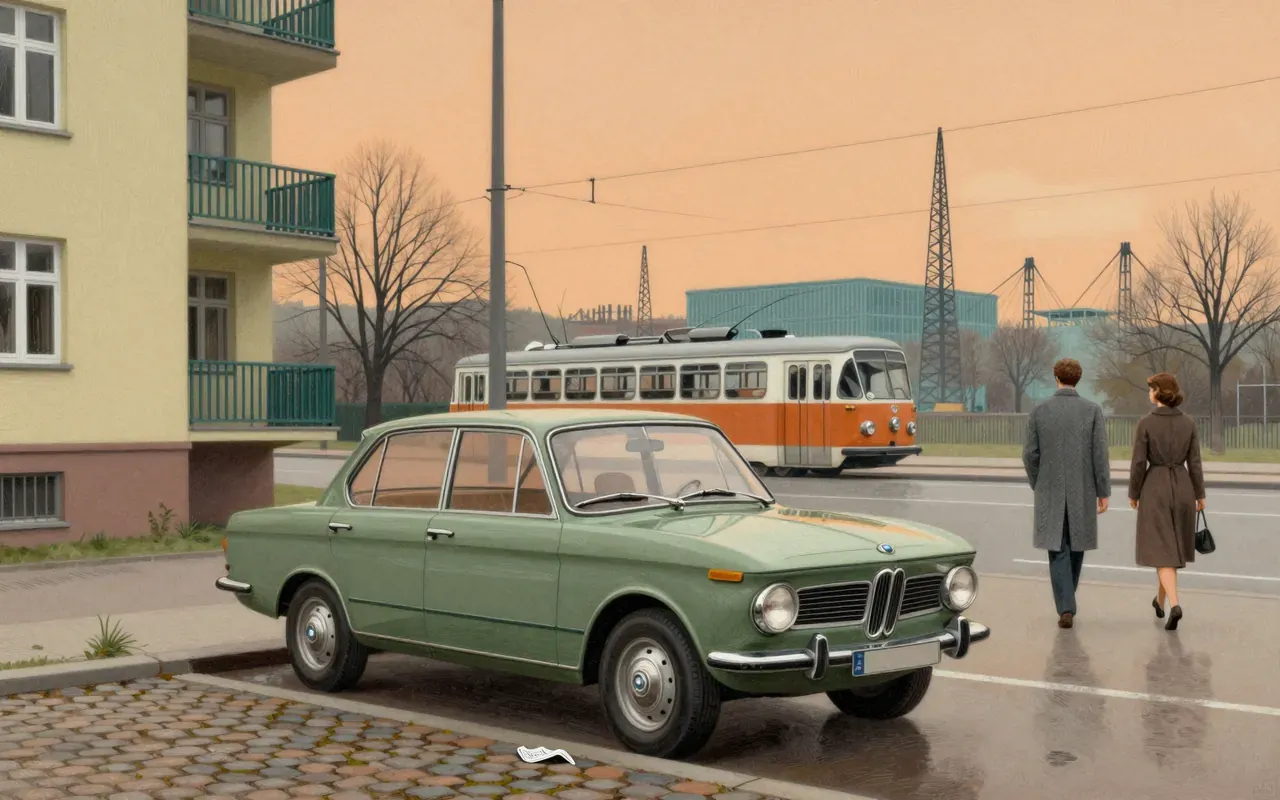
The BMW 1500 was shown at the 1961 Frankfurt Motor Show and built from October 1962 to December 1964. It was a compact four-door executive saloon with the new M10 four-cylinder engine, MacPherson strut front suspension and independent rear suspension. It was the first car of the New Class, the line that arrived as BMW broke even in 1962 after years of losses.

9:36

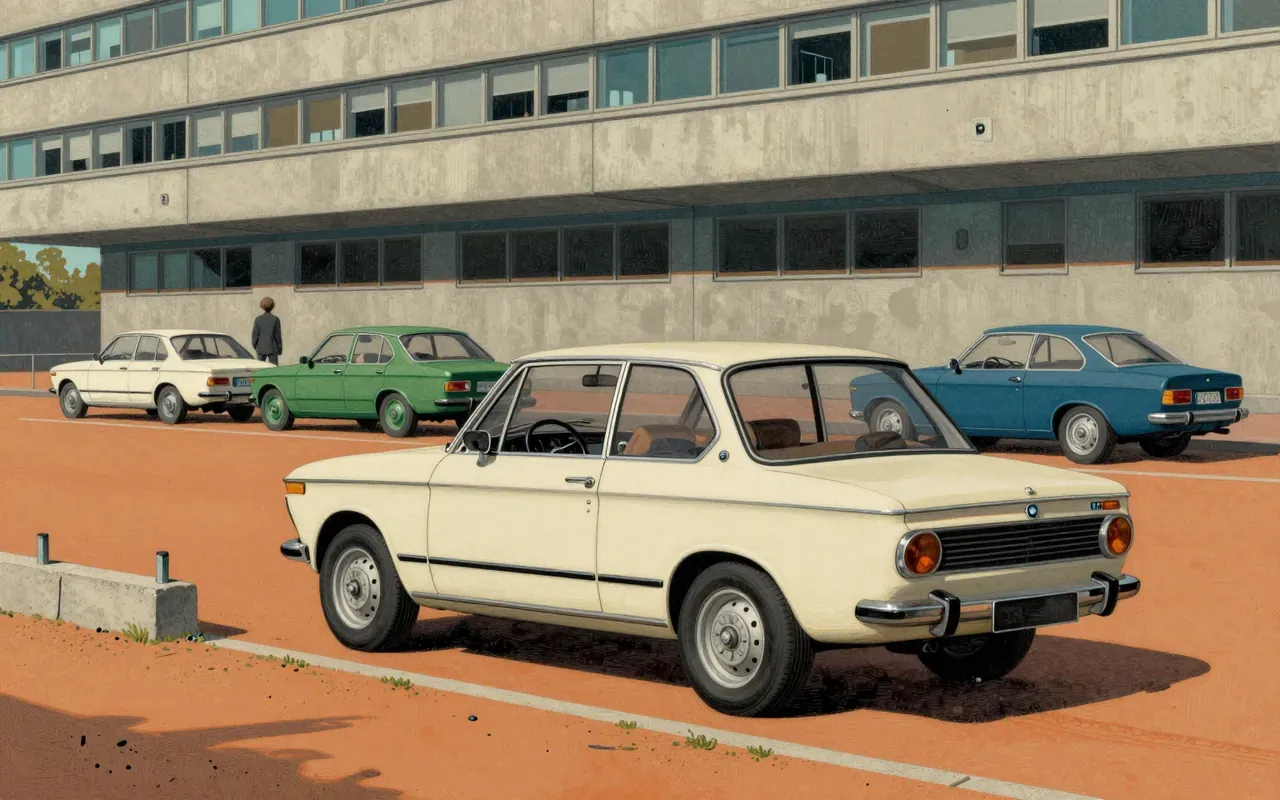
BMW 2002

Giovanni Michelotti · 1968

The BMW 2002 went into production in January 1968 as the larger-engined derivative of the 1966 1600-2, itself a shortened New Class saloon. It used a two-litre version of the M10 engine, and the range grew to include the fuel-injected tii, the Touring hatchback, a Baur TopCabriolet and, in 1973, Europe's first turbocharged production car.
9:58

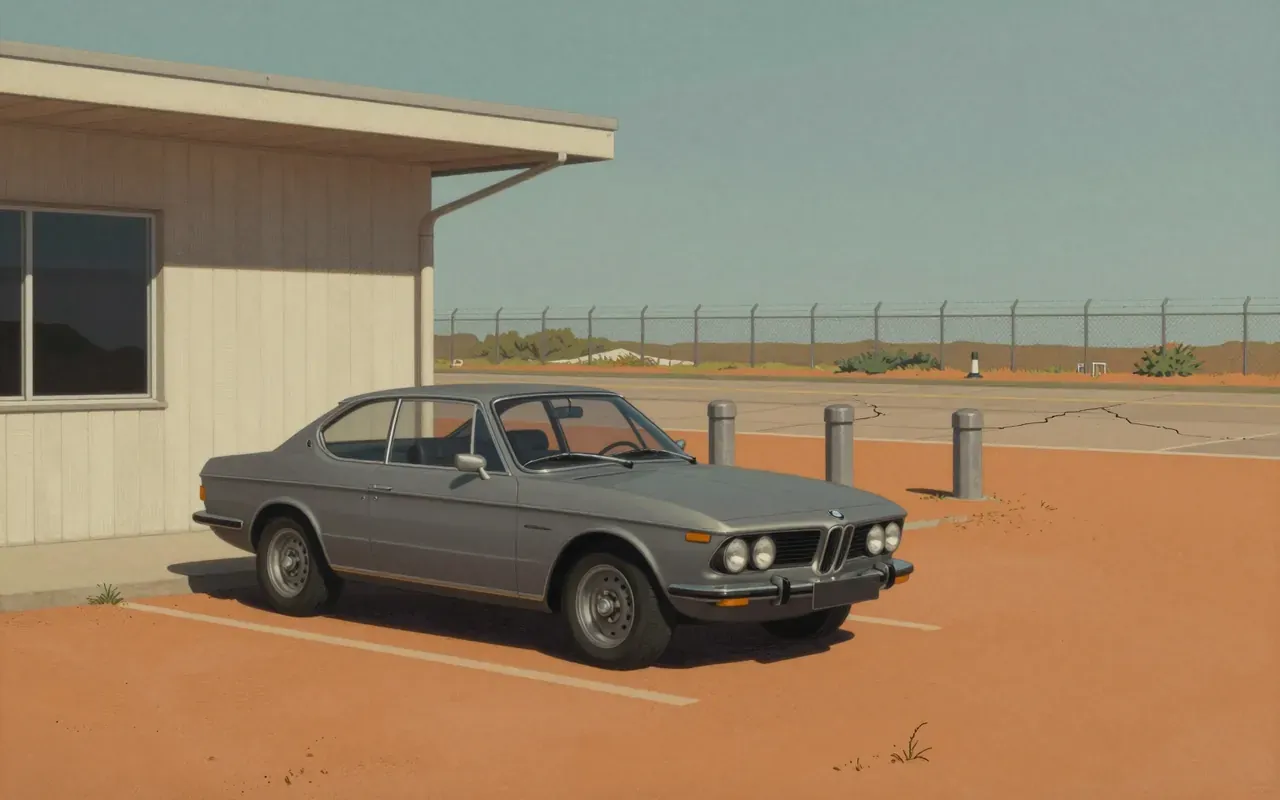
BMW 3.0 CSL

BMW · 1972

The BMW 3.0 CSL was the homologation special of the E9 coupé range: a lighter six-cylinder car built to make BMW eligible for the European Touring Car Championship. Its winged racing form earned the nickname Batmobile.
9:30

Bugatti Type 57SC Atlantic

Jean Bugatti · 1936

The Atlantic was one of the best-known bodies on the Bugatti Type 57S and 57SC. It was based on Jean Bugatti's 1935 Aérolithe concept, and the dorsal seam that began as a riveting method became its signature.

10:00

Chevrolet Corvette C6

Tom Peters · 2005

The C6 is the sixth generation of the Chevrolet Corvette, built from 2005 to 2013. It was the first Corvette since the 1962 model with exposed headlamps, and it brought a larger passenger compartment and a 6.0 L LS2 V8 rated at 400 hp, followed from 2008 by the 6.2 L LS3. Z06, ZR1, Grand Sport and 427 Convertible versions were also built.

10:08

Chevrolet Corvette C8

Tom Peters · 2020

The C8 is the eighth generation of the Chevrolet Corvette and the first with a rear mid-engine layout. The Stingray uses a 6.2 L LT2 V8 rated at 490 hp with an 8-speed dual-clutch gearbox and no manual option. Production began on 3 February 2020, and Z06, E-Ray and ZR1 versions followed.

food.briefs Food

All 1 in food →
7:26

Michelin Guide

The Michelin Guide is a restaurant and hotel guide published by the French tyre company Michelin since 1900, known for its stars awarded by anonymous inspectors.