briefs
Topic · across the network

Sport

Rule-bound conflict, watched by billions, taken personally.

82
briefs
8
subjects
10:01
average
822 min
in total
Abstraction 407Absurdism 137Acoustics 220Acting 65Adaptation 372Addiction 95Adolescence 202Advertising 77Age of exploration 14Ageing 113Agriculture 100Algorithms 114Ambition 46Anarchism 38Ancient Egypt 17Ancient Greece 38Ancient Rome 30Animals 172Anthropology 23Apartheid 12Architecture 165Archives 32Argentina 10Art Deco 26Artificial intelligence 78Astronomy 81Attention 42Australia 32Automation 73Avant-garde 164Aviation 79Banking 72Banned works 40Bauhaus 12Beer 5Behavioural economics 22Berlin 16Big tech 6Biodiversity 136Biography 86Birds 41Black holes 20Blockchain 12Boxing 14Branding 77Brazil 43Bread 29Britain 131Brutalism 4Bubbles 3Buddhism 28Byzantium 10California 17Canada 18Capitalism 94Cars 468Celebrity 59Censorship 110Cheese 24Chefs 9Chemistry 104Chess 2Childhood 87China 109Chocolate 8Christianity 49Cinematography 343Cities 90Class 485Climate change 107Club culture 100Cocktails 2Coffee 11Cognitive bias 14Collecting 16Colonialism 284Colour 42Comedy 89Community 52Complexity 21Computing 309Consciousness 16Conservatism 14Conspiracy theories 8Cooking 178Corruption 38Cosmology 31Cover versions 64Craft 116Crate digging 42Creativity 8Crime 234Cryptocurrency 8Cryptography 24Cuba 10Cybersecurity 30Dada 12Debt 38Decision-making 28Decolonisation 46Deep time 80Democracy 45Denim 16Deserts 45Detroit 17Dinosaurs 12Directing 168Disasters 59Disease 109DJ culture 89Dreams 32Drones 5Drum machines 96Dystopia 69East Africa 28Ecology 337Economics 36Editing 72Education 92Egypt 12Electric vehicles 59Emotion 22Empire 92Endurance 49Energy 120Engineering 541Entropy 8Epidemics 13Equality 9Espionage 31Ethics 44Evolution 174Existentialism 106Expertise 2Exploration 49Extinction 23Failure 37Family 240Fandom 22Fascism 45Fashion 215Fast fashion 12Fear 34Feminism 122Fermentation 126Film music 81Fishing 12Folklore 71Food history 588Football 16Forests 31Forgery 7France 163Fraud 15Free will 13Freedom 16French literature 15Friendship 24Furniture 36Gambling 14Gender 63Generations 28Genetics 87Geology 96Germany 66Globalisation 74Gothic 32Greece 5Grief 126Habits 6Happiness 2Hardware 709Haute couture 22Headphones 8Hi-fi 12Hinduism 12Hoaxes 1Human history 23Human nature 41Identity 138Illustration 8Impressionism 6Improvisation 249India 89Indonesia 15Industrial design 342Inequality 13Inflation 4Information 34Infrastructure 280Insects 29Intelligence 8Interiors 31Internet culture 88Invention 329Iran 41Islam 40Islands 17Israel 9Italy 52Jamaica 10Japan 114Jewellery 5Journalism 34Judaism 13Justice 42Korea 41Language 70Law 90Leadership 20Learning 6Liberalism 1Libraries 6Literary criticism 26London 12Loneliness 61Los Angeles 62Lost works 9Love 67Luxury 55Machine learning 15Management 10Maps 5Marketing 21Markets 51Mars 6Marxism 26Masculinity 46Materials 138Mathematics 79Meaning 6Medicine 124Memory 82Mental health 70Mesopotamia 4Mexico 38Migration 95Minimalism 68Mining 30Misinformation 9Modernism 63Money 24Monopoly 32Mortality 61Motivation 2Mountains 16Museums 27Mysticism 11Mythology 60Nationalism 40Neuroscience 23New York 36Nigeria 7Nihilism 10Noise 31Nostalgia 33Nuclear 29Nutrition 17Oceans 48Oil 42Open source 45Painting 18Palaeontology 29Parenting 14Paris 18Partition 6Patents 71Patronage 14Perception 44Personal style 27Personality 2Persuasion 8Peru 10Philosophy 77Photography 37Physics 206Plants 26Platforms 89Podcasting 1Poetry 25Poland 17Policing 34Pop Art 16Populism 2Portraiture 6Portugal 18Postmodernism 23Power 91Prehistory 24Preservation 28Printmaking 21Privacy 11Probability 6Productivity 1Programming 54Prohibition 1Propaganda 35Protest 75Pseudoscience 17Psychology 80Publishing 22Punishment 16Quantum mechanics 44Race 145Radio 30Railways 35Rave 17Realism 47Record labels 19Recording 810Relativity 23Religion 154Resilience 15Restaurants 30Restoration 2Retail 94Revolution 58Risk 18Ritual 96Robotics 26Romance 96Russia 58Salt 9Sampling 246Satire 84Scandinavia 28Scientific method 186Screenwriting 26Sculpture 7Secularism 2Self-deception 14Semiconductors 73Sexuality 102Ships 18Silence 24Silicon Valley 17Slavery 35Sleep 2Smartphones 27Sneakers 15Social media 58Socialism 9Software 68Songwriting 180Sound design 332Sound systems 20South Africa 19South East Asia 30Space exploration 84Spain 18Special effects 41Spices 62Spirits 12Sport 82Startups 21Statistics 10Status 9Stoicism 4Storytelling 68Strategy 70Street food 99Streetwear 16Studio craft 508Subcultures 59Sugar 12Supply chains 115Surrealism 53Surveillance 21Sustainability 30Synthesis 232Tailoring 37Taxation 14Tea 24Textiles 97Thailand 11The American Revolution 19The American South 88The Arab world 41The Arctic 19The Balkans 17The Belle Epoque 13The body 29The brain 26The Caribbean 28The civil rights movement 62The Cold War 160The eighties 268The Enlightenment 29The financial crisis 19The First World War 39The food industry 157The French Revolution 9The Gilded Age 9The Great Depression 18The Holocaust 20The Industrial Revolution 93The internet 61The interwar years 135The Middle Ages 35The Moon 4The music business 169The Netherlands 10The nineties 26The Olympics 10The pandemic 13The Reformation 1The Renaissance 16The Russian Revolution 19The Second World War 102The seventies 58The sixties 28The space race 5The United States 19The universe 7The Victorian era 37Therapy 20Tokyo 11Trade 48Tragedy 22Translation 5Trauma 85Travel 5True crime 2Turkey 18Typography 54Uniforms 23Unions 8Urban planning 66Utilitarianism 1Utopia 5Vaccines 10Vegetarianism 15Venture capital 6Video games 291Vietnam 12Vintage 65Vinyl 6Virtual reality 11War 169Watches 4Water 11Weather 29West Africa 29Wilderness 10Wine 3Work 22Workwear 19Worldbuilding 121

film.briefs Film

All 11 in film →
13:00

Bull Durham

Ron Shelton · 1988

Ron Shelton’s 1988 romantic comedy follows a veteran catcher, a rookie pitcher, and a baseball-obsessed teacher in the Durham Bulls minor-league team. Grounded in precise detail and unhurried pacing, it explores mentorship, obsolescence, and the rituals that give shape to transient lives — all without resorting to sentiment or spectacle.
13:00

Downhill Racer

Michael Ritchie · 1969

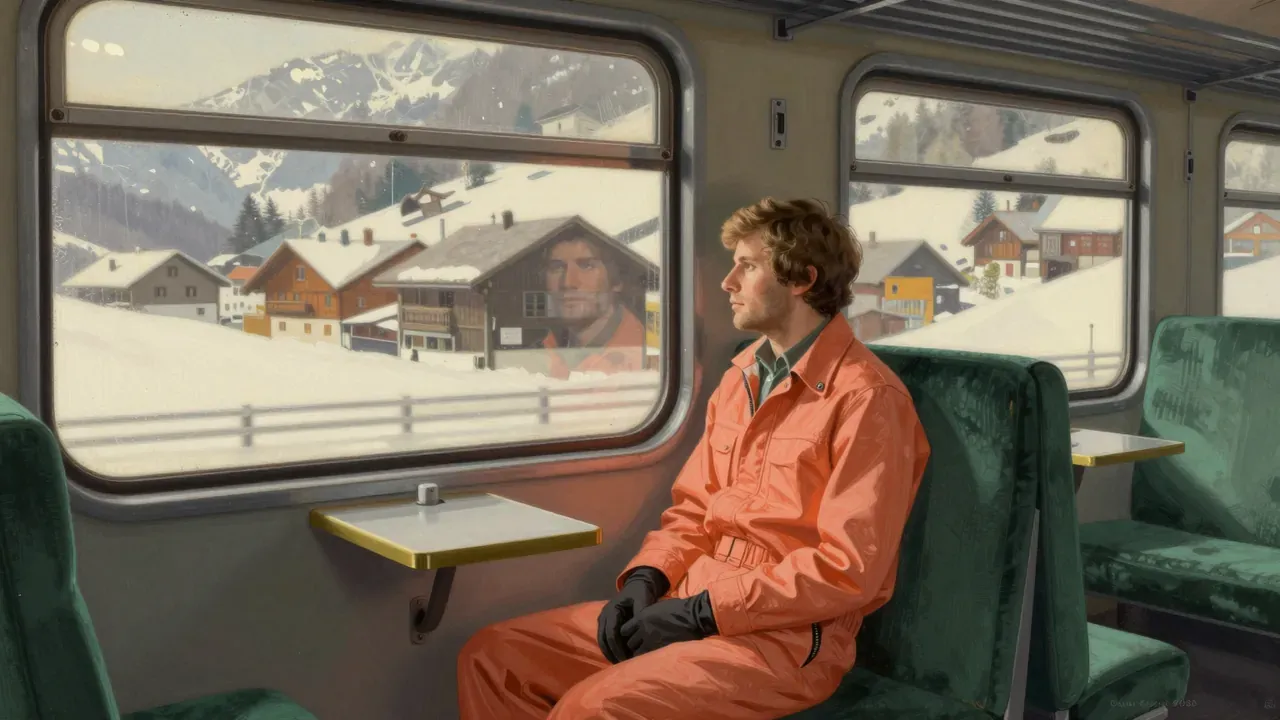
Michael Ritchie’s 1969 debut follows American downhill skier David Chappellet — played by Robert Redford — as he joins the U.S. Ski Team in Europe. Written by James Salter and shot on real World Cup courses, the film avoids sports-movie tropes: no training montages, no last-minute comebacks, no emotional breakthroughs. Instead, it observes Chappellet’s unyielding self-containment — his victories, silences, and failures — with clinical precision. Brian Probyn’s cinematography and Kenyon Hopkins’ sparse score reinforce its austere tone. It is less about skiing than about the cost of treating excellence as a solitary metric.

13:00

I Will Buy You

Masaki Kobayashi · 1956

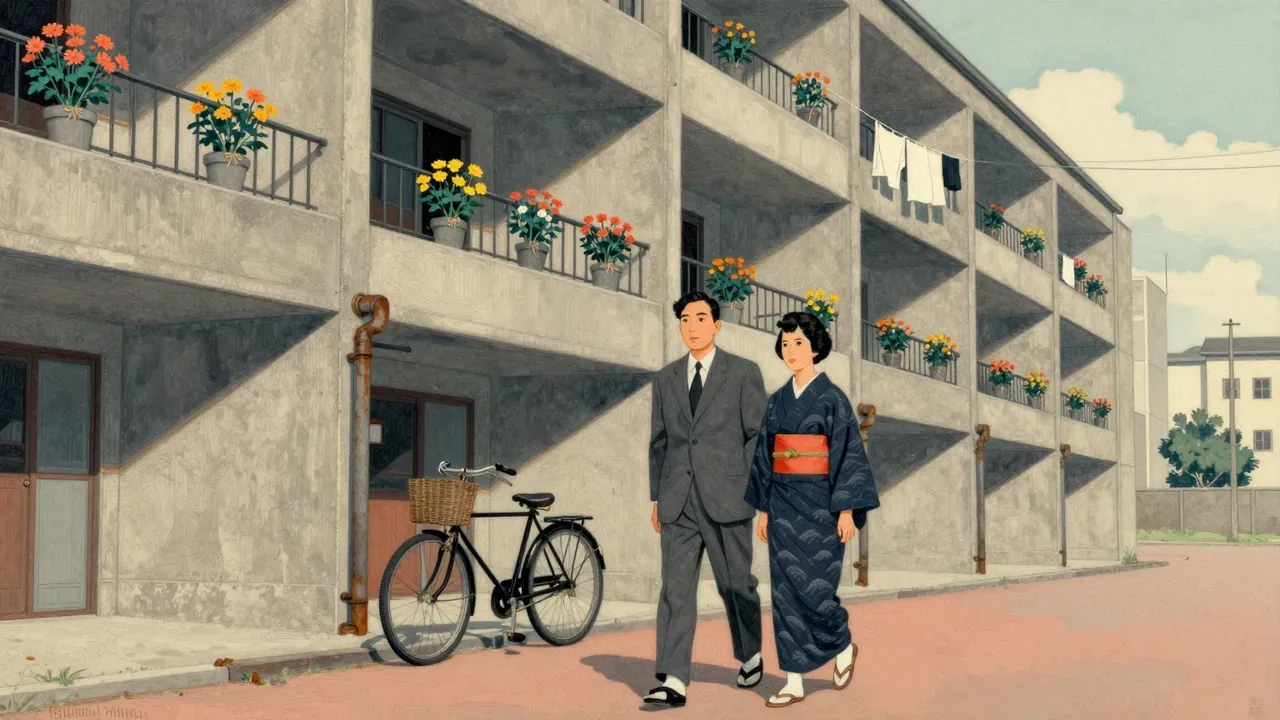
Masaki Kobayashi’s 1956 film I Will Buy You follows a baseball talent scout competing to sign a gifted student, Kurita, whose future becomes a site of negotiation among clubs, family, and a shadowy patron. Adapted from Minoru Ōno’s novel, it examines commodification, consent, and class through restrained performances and procedural pacing — not games, but meetings; not triumph, but transaction.

13:00

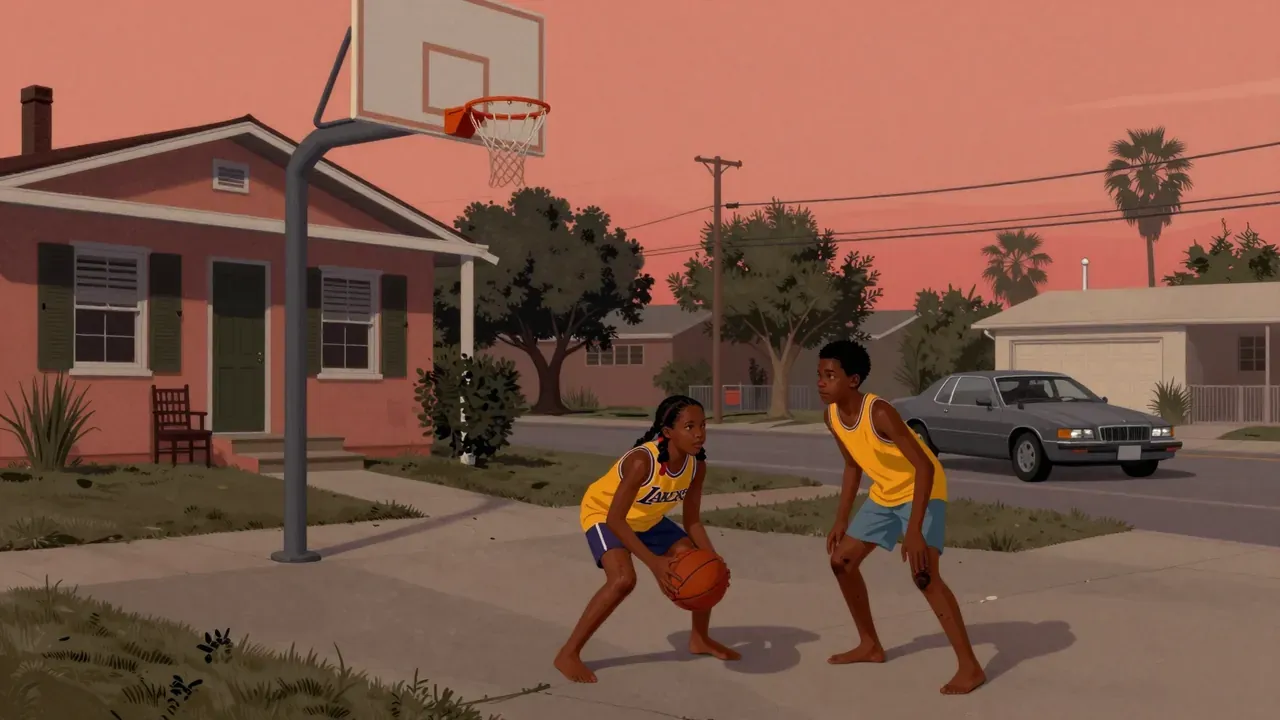
Love & Basketball

Gina Prince-Bythewood · 2000

Gina Prince-Bythewood’s 2000 debut follows Monica Wright and Quincy McCall from childhood in South Central Los Angeles through parallel basketball careers and a decades-long, on-off relationship. Structured in four chronological 'quarters', the film grounds its romance in physical detail, domestic texture and the gendered pressures of athletic ambition — all rendered with unhurried specificity and restrained craft.

13:00

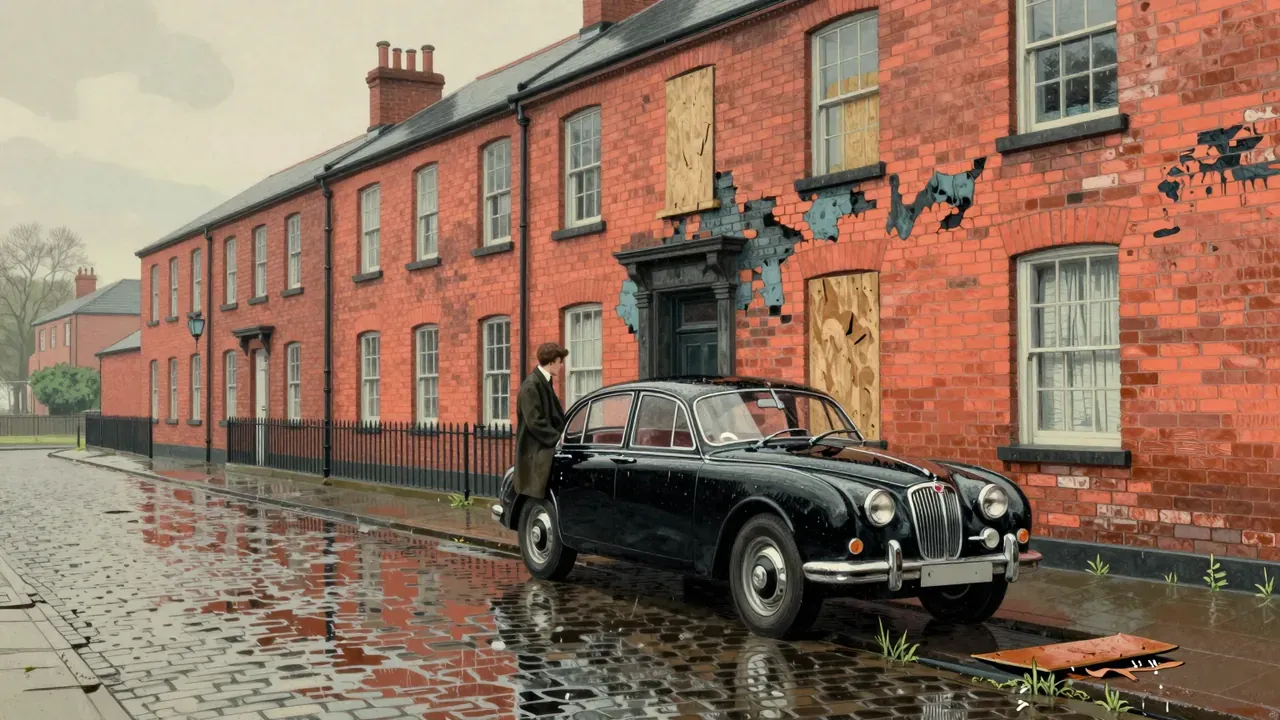
This Sporting Life

Lindsay Anderson · 1963

Lindsay Anderson’s 1963 debut, adapted by David Storey from his novel, follows Frank Machin — a rugby league player in industrial Yorkshire — whose physical dominance on the pitch contrasts with his emotional paralysis off it. Shot by Denys Coop and edited by Peter Taylor, it uses fractured chronology, restrained performance, and unvarnished locations to explore class, grief, and the limits of male expression. Though commercially unsuccessful, it was critically lauded, earning BAFTA and Cannes honours.

13:00

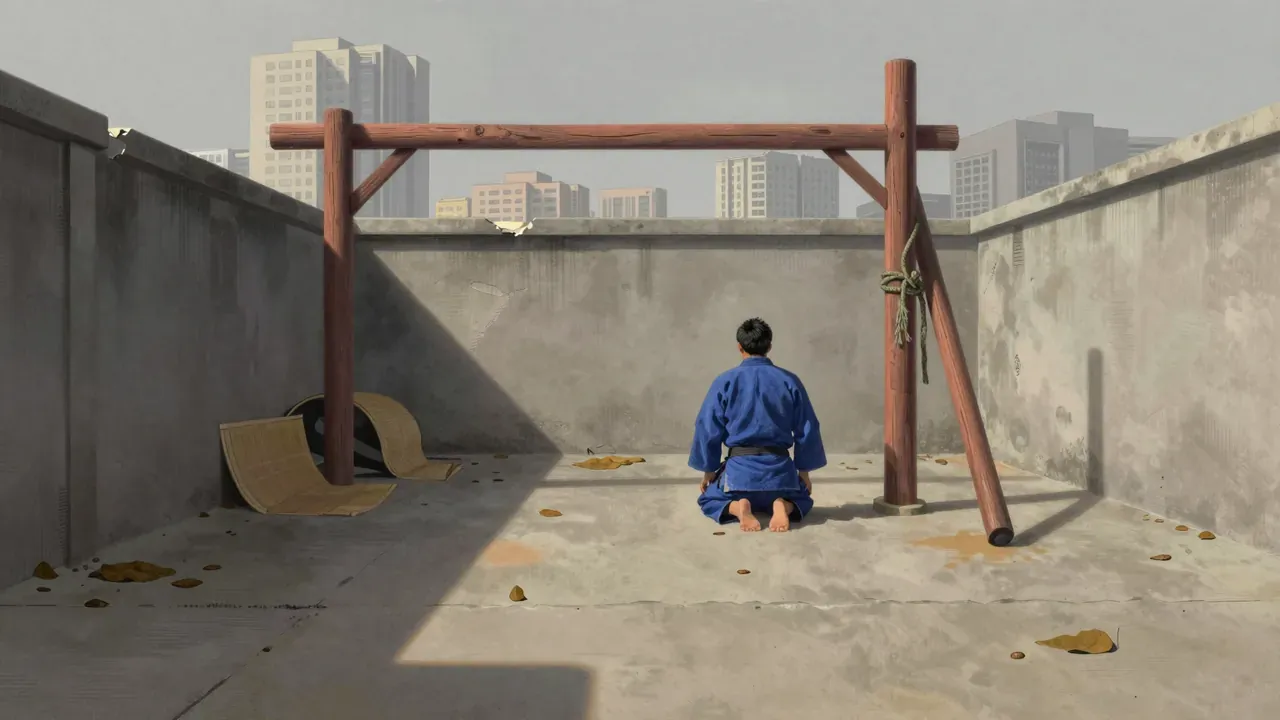
Throw Down

Johnnie To · 2004

Johnnie To’s 2004 film Throw Down follows a former judo champion, Sze-to Bo, whose failing vision forces him to confront his past, his mentor, and two rivals — not for glory, but for fidelity to craft. Shot with deliberate restraint by Cheng Siu-keung and scored with quiet precision by Peter Kam, it locates tension in stillness, meaning in repetition, and dignity in limitation. Though its subplot involving a singer feels grafted, the film’s central inquiry — what it means to act when perception unravels — lands with cumulative force.

13:00

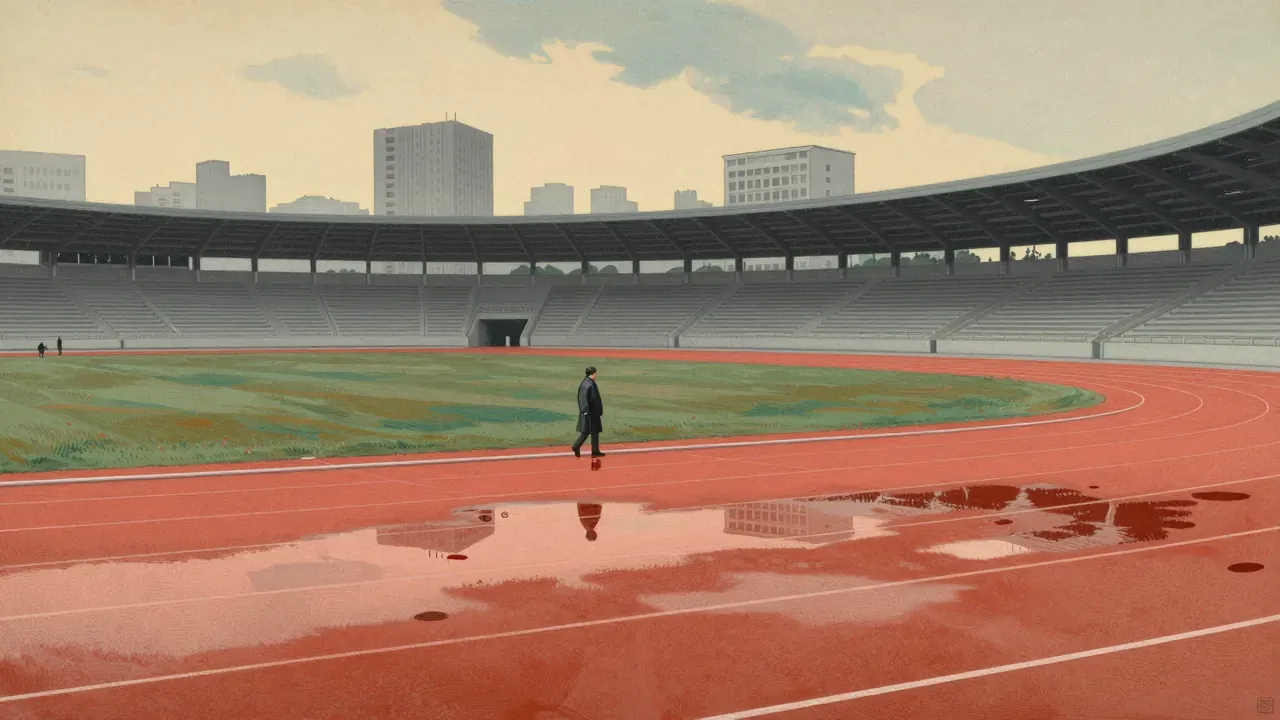
Tokyo Olympiad

Kon Ichikawa · 1965

Kon Ichikawa’s 1965 documentary Tokyo Olympiad records the 1964 Tokyo Games not as a chronicle of results but as a sustained study of human movement, effort, and collective attention. Shot by Kazuo Miyagawa and scored by Toshiro Mayuzumi, it rejects narration and exposition in favour of immersive, unhurried observation — close-ups of muscles, wide shots of emptying stadiums, extended sequences of athletic exertion. Commissioned by the Japanese government as a national showcase, it instead became a landmark of poetic documentary, prioritising physical presence over patriotic narrative. Its 170-minute runtime demands patience, but rewards it with unparalleled intimacy and tactility.

13:00

Vive le Tour

Louis Malle · 1962

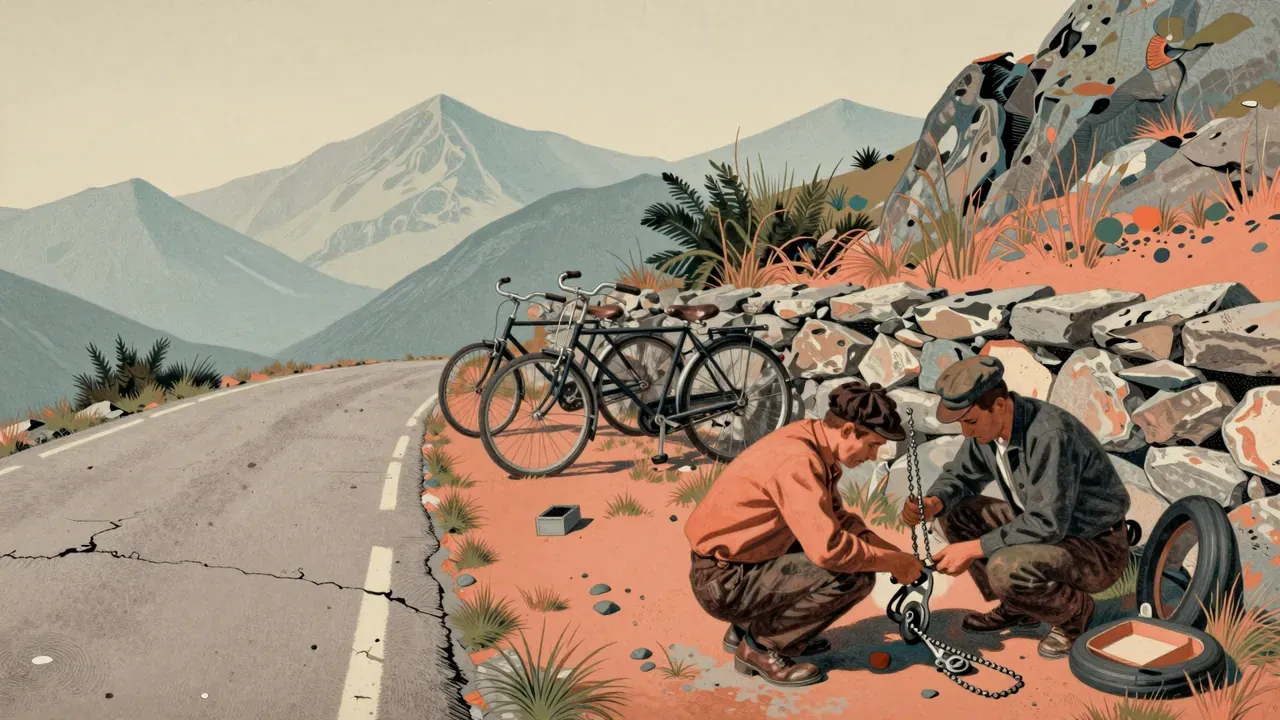
Louis Malle’s 1962 documentary Vive le Tour observes the 1962 Tour de France with clinical intimacy: mechanics adjusting bikes roadside, riders eating cold sandwiches, journalists shouting questions, medical staff administering injections. Shot on location by Malle alongside Ghislain Cloquet and Jacques Ertaud, and narrated by cyclist Jean Bobet, it avoids heroics and exposition in favour of accumulated detail — food, fatigue, doping, injury — treated as routine elements of a vast, mobile operation. Georges Delerue’s restrained score underscores transitions, not emotions. At 18 minutes, it is brief but densely observed, offering no answers, only a clear-eyed look at endurance as collective, unglamorous work.

design.briefs Design

All 1 in design →
10:38

Swoosh

Carolyn Davidson · 1972

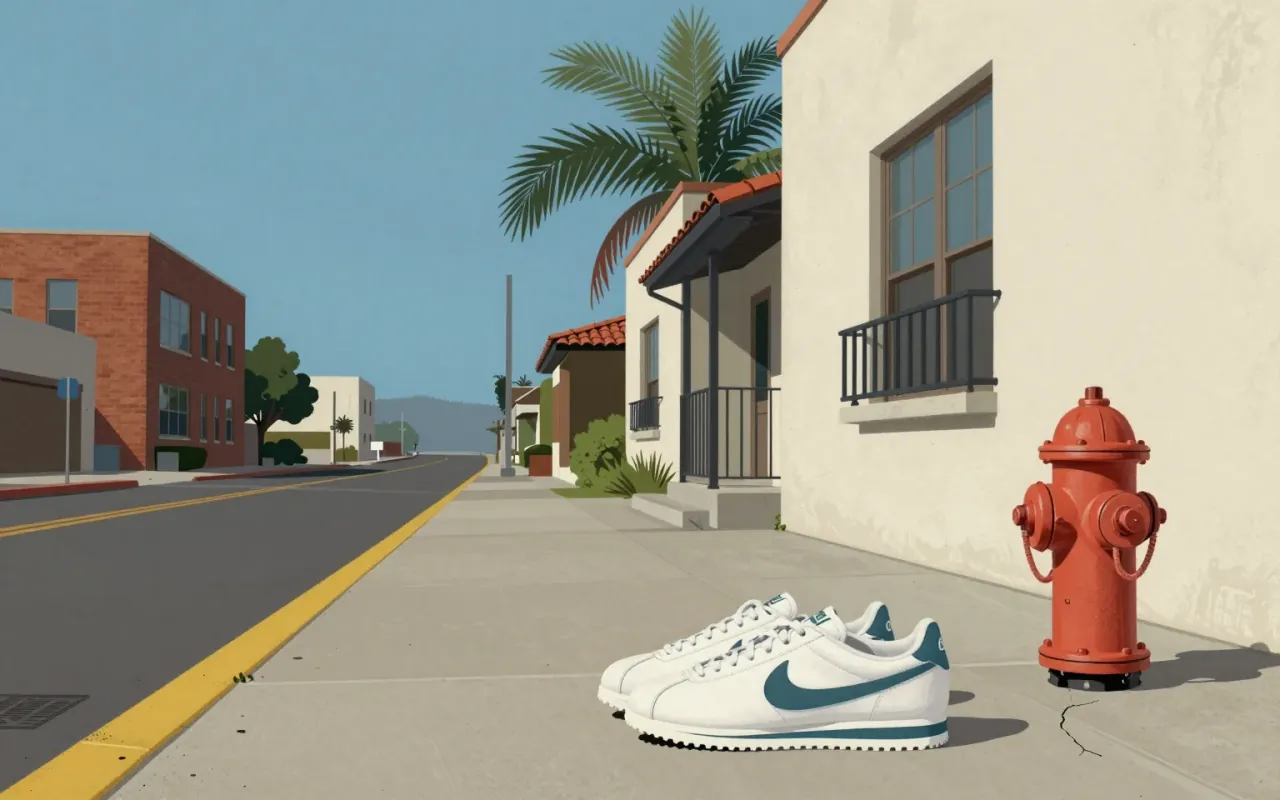
The Swoosh is a 1971 graphic design solution to a specific client request: motion, differentiation from Adidas, speed of execution. It succeeded not as an expression of personality or craft, but as a functional answer to a narrow constraint — and its longevity reveals more about brand consolidation than design innovation.

games.briefs Games

All 25 in games →
11:06

1080° Snowboarding

Nintendo · 1998

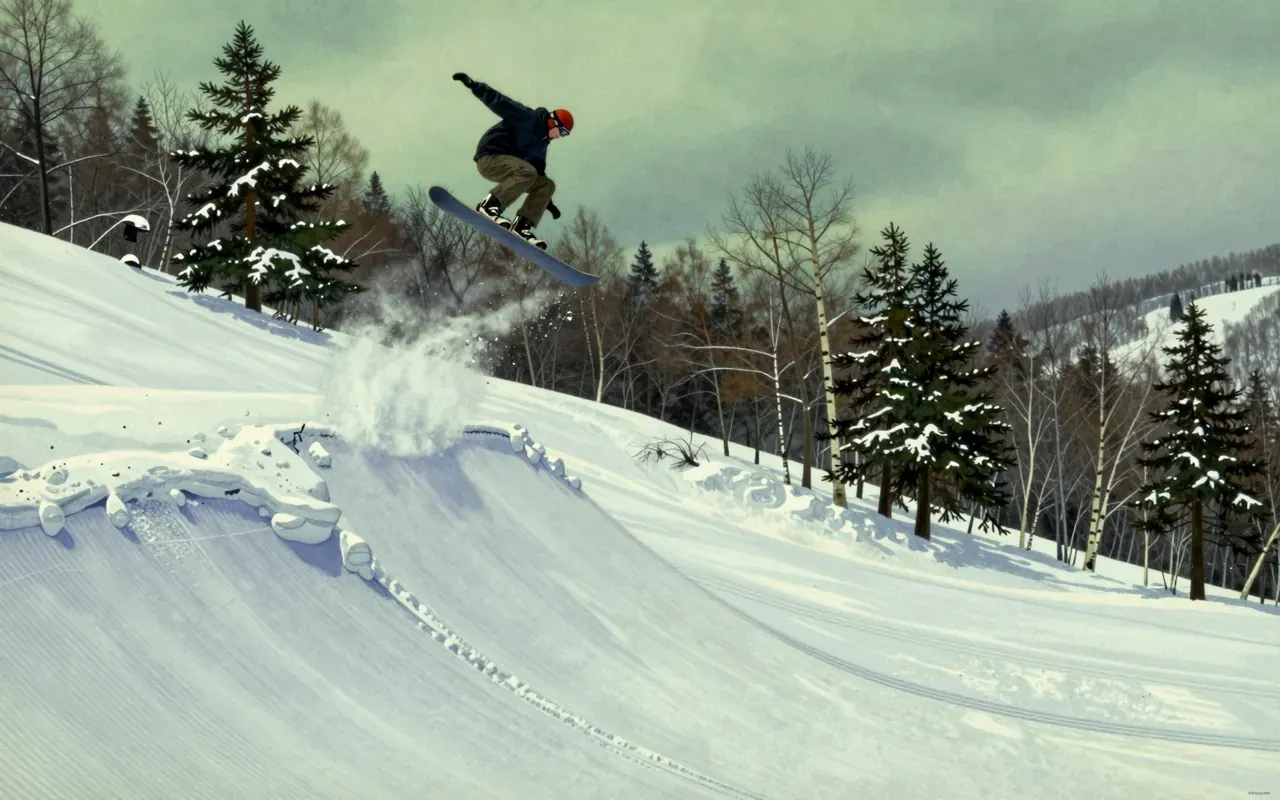
1080° Snowboarding is a Nintendo 64 snowboarding game released in 1998. Players control one of five snowboarders in third-person across eight levels. Core gameplay splits between racing (Race, Time Attack, 2 Players, Match Race) and trick-based scoring (Trick Attack, Contest). Tricks — 24 standard and 5 secret — fall into grab or spin categories and require circular stick motions plus R, Z, and B inputs. Scoring rewards complexity, combos, and timing. Characters and boards have distinct stats affecting technique, speed, weight, balance, and edge control. The game emphasises realistic physics and responsive controls.

10:22

Colin McRae Rally (1998 video game)

Codemasters · 1998

Colin McRae Rally (1998) is a Codemasters rally simulation built around the 1998 World Rally Championship. It structures progression across three difficulty tiers — Novice (F2 front-wheel-drive), Intermediate (WRC four-wheel-drive), and Expert (Group B classics) — each with distinct cars and increasing challenge. Colin McRae and Nicky Grist provide authentic voice work, with McRae serving as the tutorial instructor. The game supports LAN multiplayer for up to eight players and two-player split-screen. A cheat-enabled Easter egg parodies the Barney and Betty Hill alien abduction incident. It was distributed in North America by Warner Bros. Interactive Entertainment.

9:36

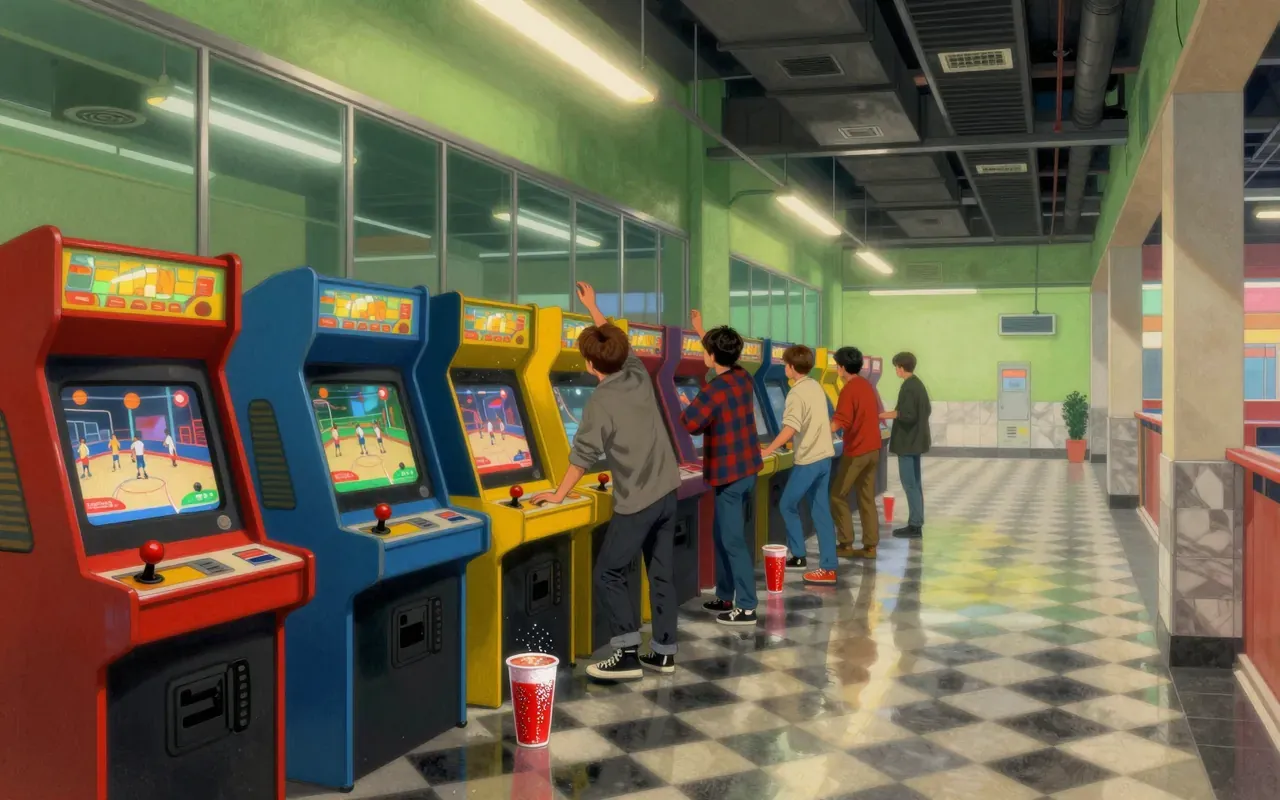
NBA Jam (1993 video game)

Midway · 1994

NBA Jam (1993) is a two-on-two arcade basketball game developed and published by Midway, featuring NBA-licensed teams and digitized likenesses of real players.

9:33

Pro Evolution Soccer (video game)

Konami · 2001

The verified material establishes only that Pro Evolution Soccer (2001) is Konami’s first football sports simulation in the PES series, known in Japan as World Soccer: Winning Eleven 5, with region-specific commentary, and that it sits in a lineage from International Superstar Soccer to eFootball — but says nothing about how it plays, what it asks of a player, or what it delivers in practice.

9:03

Session: Skate Sim

crea-ture Studios · 2019

Session: Skate Sim is an open-ended sports video game that simulates skateboarding with strict adherence to physics, presented through a fish-eye lens mimicking mini DV format.

9:41

Unreal Tournament 2004

Epic Games · 2004

Unreal Tournament 2004 is a multiplayer-first first-person shooter built around movement systems, weapon dual-fires, and vehicle-integrated game types. It establishes clear win conditions per mode—objective sequencing in Assault, node capture and core destruction in Onslaught, hoop scoring in Bombing Run, flag retrieval in Capture the Flag. It falls short as a solo experience and offers no scaffolding for players unfamiliar with its movement grammar or objective logic.

10:04

NBA 2K (video game)

2K Sports · 1999

NBA 2K (1999) is the inaugural title of the NBA 2K series, released for the Sega Dreamcast. Developed by Visual Concepts and published by Sega, it features real NBA players and teams from the 1999–2000 season, custom player and team creation, and fictional commentary by Bob Steele and Rod West.

9:20

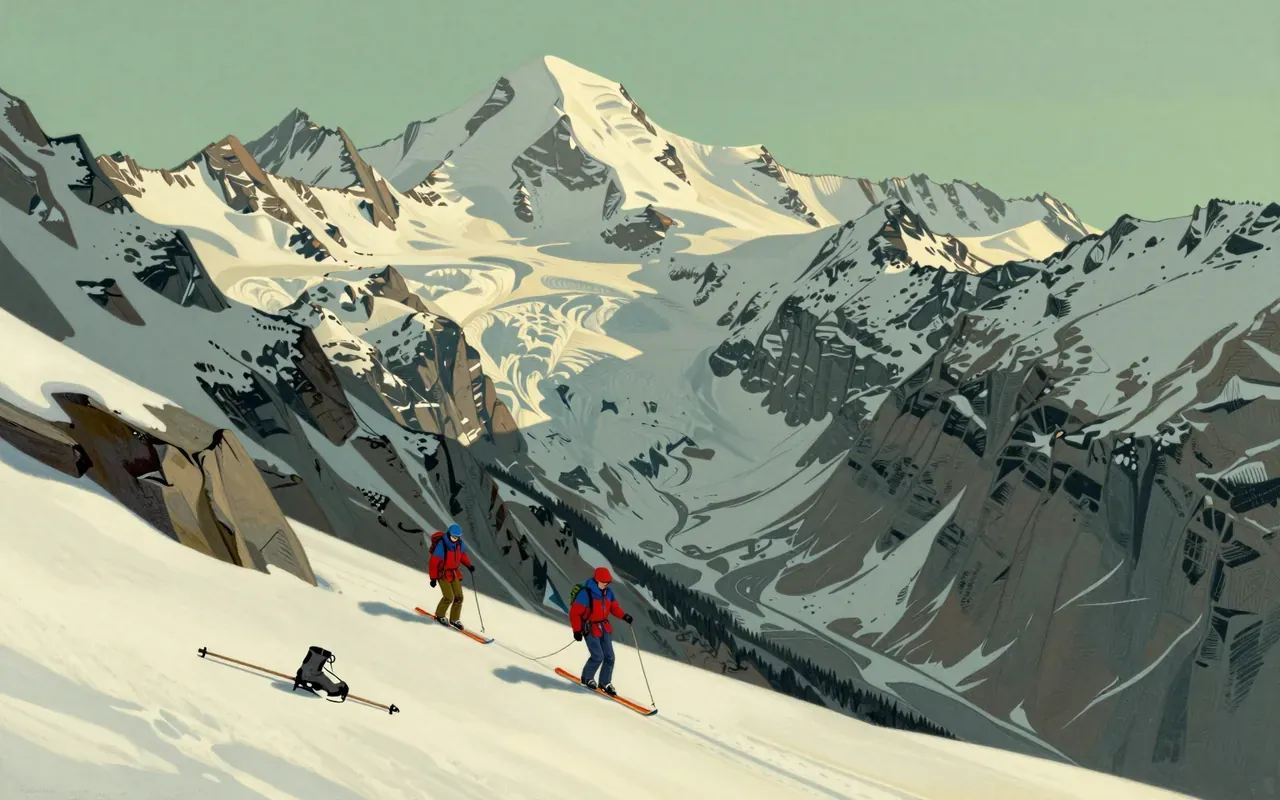
Steep (video game)

Ubisoft · 2016

Steep is a sports video game developed by Ubisoft Annecy and published by Ubisoft. It was released worldwide on 2 December 2016 for PlayStation 4, Windows, and Xbox One. It is an online multiplayer extreme sports game set in a vast open world based on real mountain ranges including the Alps, Alaska Range, and mountains in Japan and Korea. Players explore a freely navigable open world set in the Alps, centered on Mont Blanc. The game can be played from either a first-person or third-person perspective. The game uses GoPro-style camera angles during races. The four main activities are skiing, wingsuit flying, snowboarding, and paragliding. Later DLC added rocket-powered wingsuit flying, sledding, BASE jumping, and speed riding. Players switch between activities using the game's menu wheel.

business.briefs Business

All 3 in business →
11:18

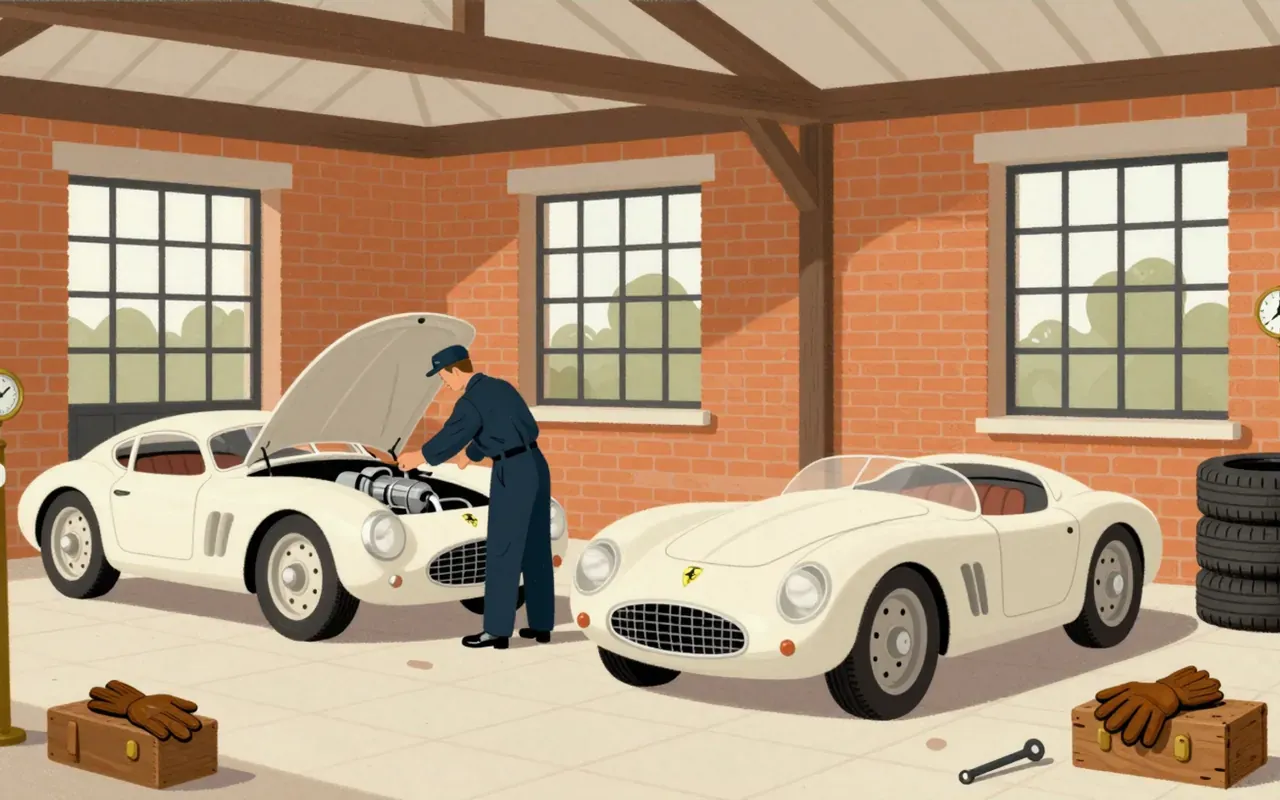
Ferrari

Enzo Ferrari · 1947

Ferrari is a racing operation that sells cars — not the reverse. Its business model depends on using road-car revenue to fund Scuderia Ferrari, which in turn validates the brand, justifies price premiums, and dictates engineering direction. It was never financially self-sustaining in racing alone. Enzo Ferrari maintained control of racing through every ownership change — including Fiat’s 1969 investment — because that control was the source of legitimacy, not the cars.

10:03

Adolf Dassler

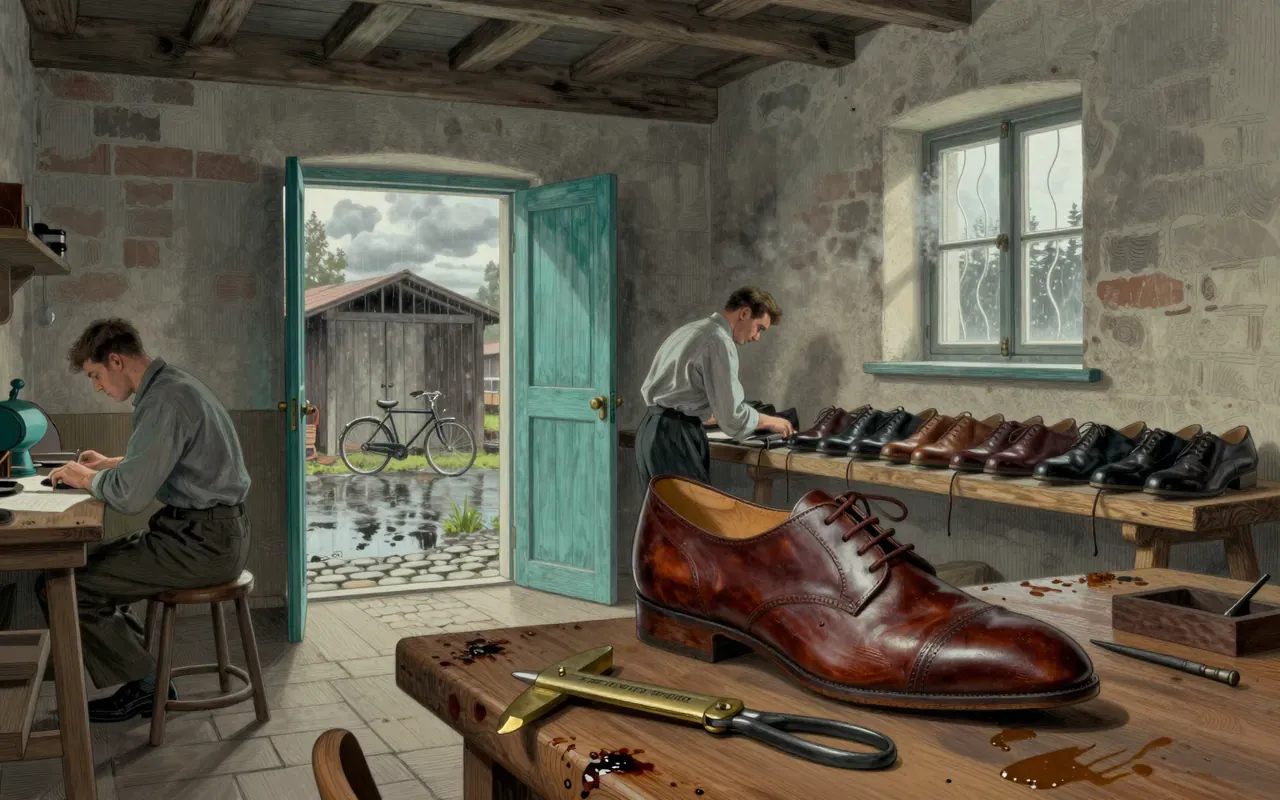
Adolf Dassler built Adidas not with slogans or stories — but with spikes, shark skin, and athletes’ feet.
10:56

Adidas

Adolf Dassler · 1924

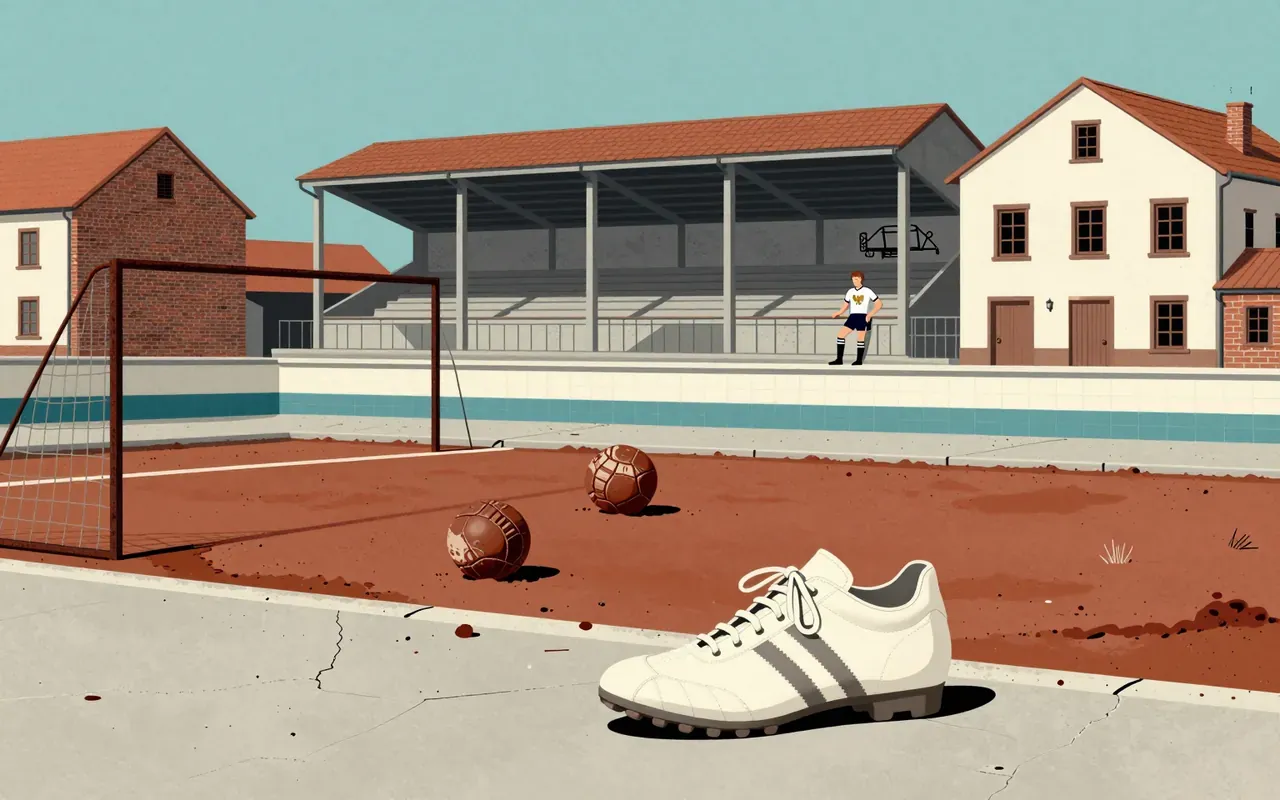
Adidas is a German multinational athletic apparel and footwear corporation headquartered in Herzogenaurach. It was founded by Adolf Dassler in 1948, following the breakup of the Dassler Brothers Shoe Factory. Adidas makes money selling athletic apparel and footwear. Its revenue in 2024 was €23 billion. It operated 17 factories and generated one billion Deutschmarks in annual sales by 1978. Dassler’s focus on functional footwear innovation worked: he redesigned spiked running shoes, introduced interchangeable screw-in studs for football boots, and secured high-visibility athlete adoption (Jesse Owens, 1936). The three-stripe logo became a registered trademark in 1949 and a scalable visual identifier. The 1924 Dassler Brothers Shoe Factory was a shared venture — not Adidas — and dissolved in 1948 amid a rift. Post-war material shortages forced rapid reconversion from weapons to shoes — yet Adidas hit one billion Deutschmarks in sales by 1978. Adidas shows how a narrow technical advantage — screw-in studs, canvas-rubber spikes, the three-stripe trademark — can anchor decades of manufacturing expansion when paired with strict control over production, branding, and distribution channels. Yes — as a case study in how technical footwear innovation, trademark discipline, and athlete-led validation built industrial scale in post-war Europe — but only if you treat its origin story as a business reconstitution, not a founding myth.

technology.briefs Technology

All 2 in technology →
10:07

Fitness tracker

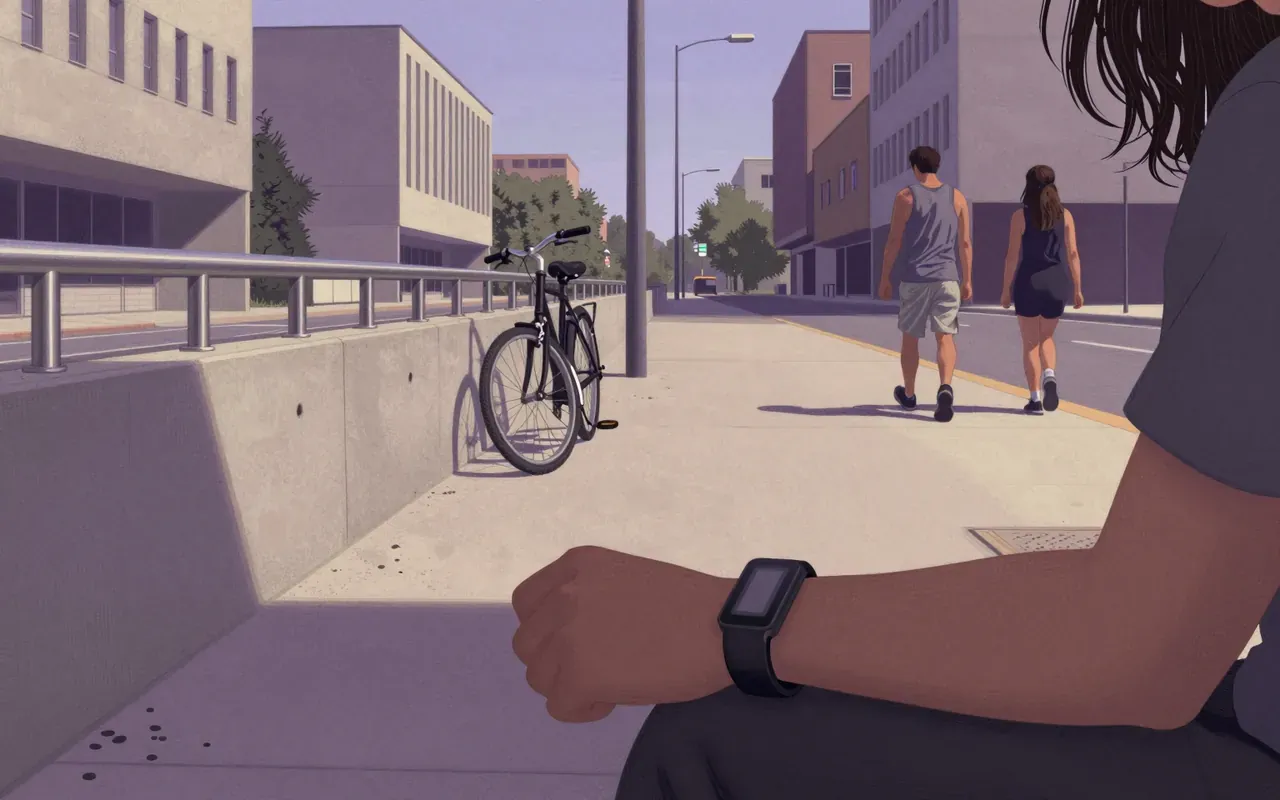
It logs movement like a census — precise on headcount, blind to motive, health, or consequence.
8:50

GoPro

GoPro · 2002

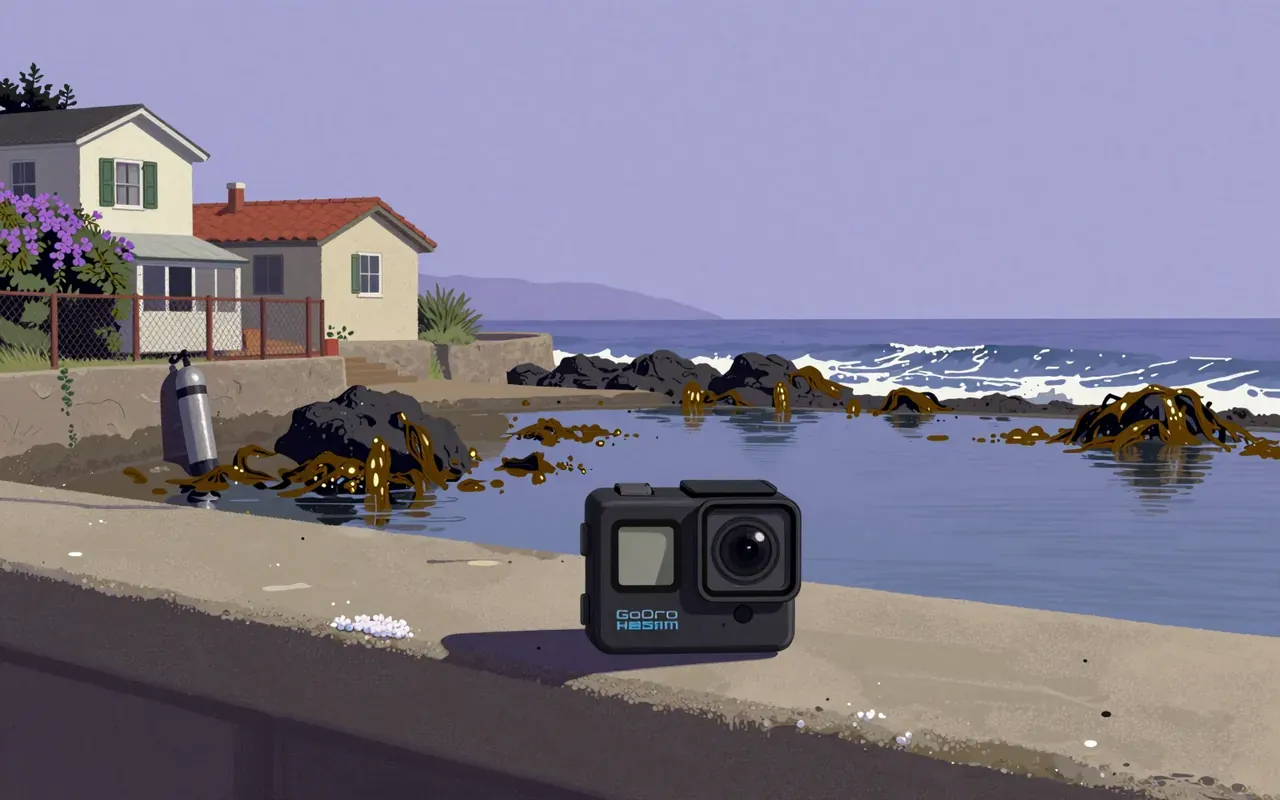
GoPro is a hardware product line defined by physical constraints and use-case discipline—not AI, cloud, or ecosystem. Its value lies in solving one narrow problem exceptionally well: rugged, wide-angle, first-person video capture. Its evolution from 35mm film to digital HD reflects adaptation—not disruption.

culture.briefs Culture

All 1 in culture →
8:31

Burton Snowboards

Burton didn’t invent snowboarding—it weaponised polyurethane and rope to force ski resorts to let people ride.

automotive.briefs Automotive

All 7 in automotive →
10:50

Alfa Romeo TZ2

Zagato · 1964

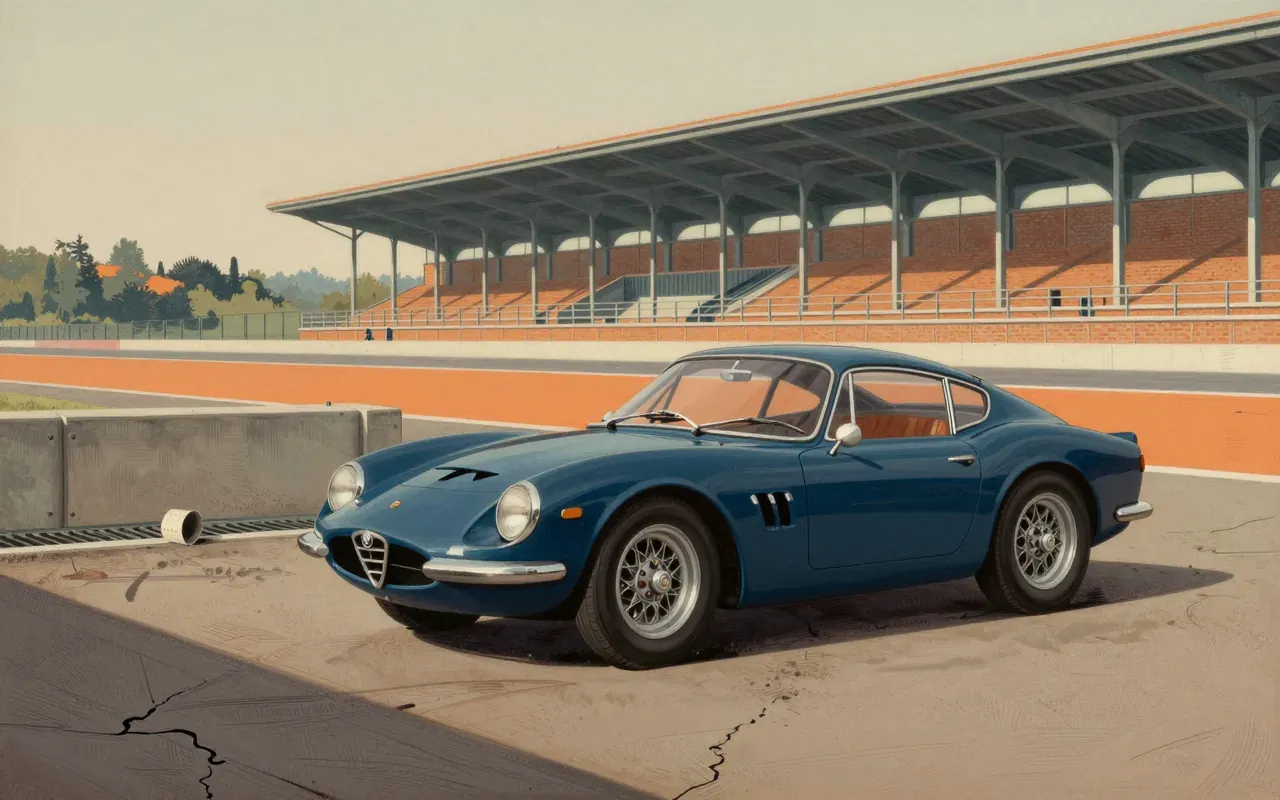
The TZ2 was shown at the 1964 Turin Auto Show on the Zagato stand. It swapped the TZ's light alloy body for a more streamlined fibreglass one and dropped the weight to 620 kg. It was a racing version only, with an Autodelta-prepared 1,570 cc twin plug engine, and 12 were built. Development of the TZ cars stopped at the end of 1965.

10:00

Peugeot 205 T16 Evo 2

Peugeot Talbot Sport · 1985

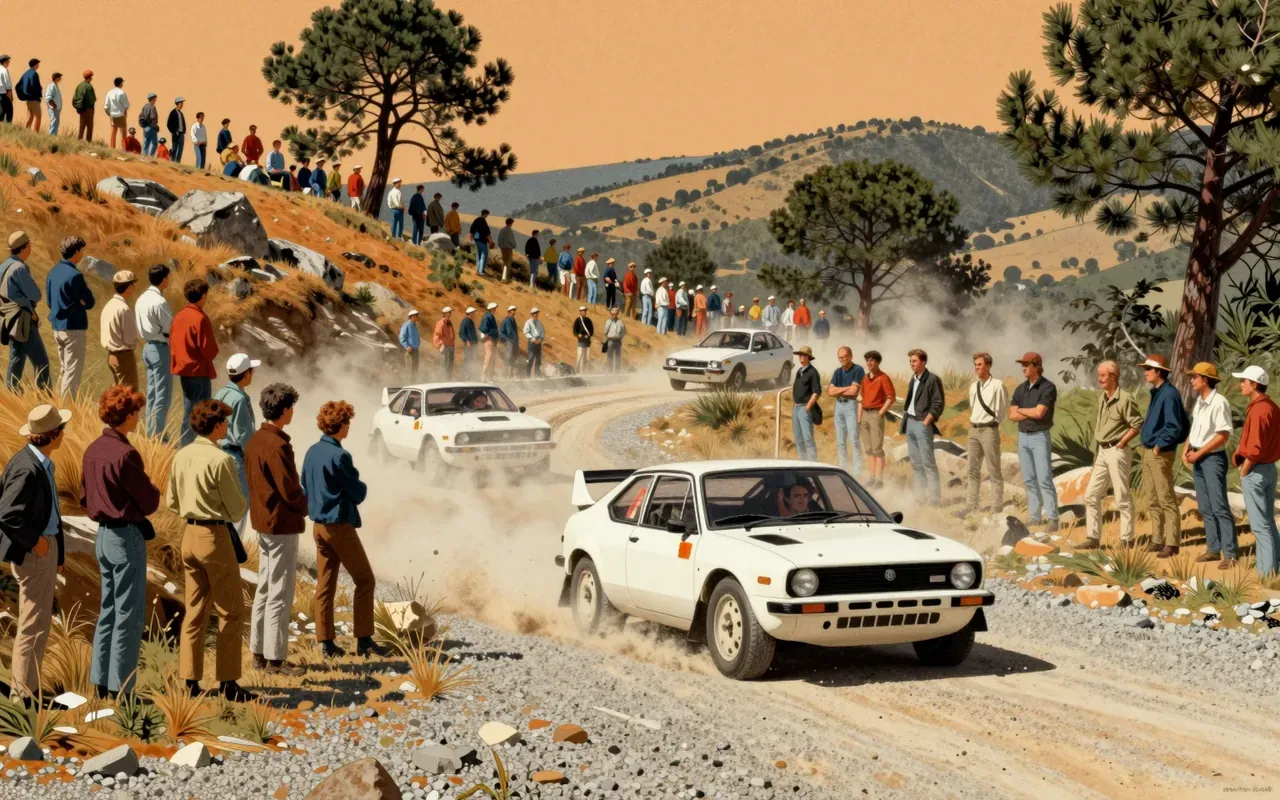
The Peugeot 205 Turbo 16 is the Group B rally car Peugeot Talbot Sport built on the two-door 205, with a rear-mid turbocharged engine and four-wheel drive. The Evolution 2 version arrived for the 1986 season and used a rear spaceframe made entirely of tubes. Factory cars under Jean Todt won the 1985 and 1986 world rally titles.

10:38

Honda S2000

Daisuke Sawai · 1999

The Honda S2000 is a front-mid engine, rear-wheel-drive open-top sports car manufactured by Honda from 1999 to 2009. It launched on April 15, 1999, to mark Honda’s 50th anniversary. Its name honours the 1960s S-series roadsters and its two-litre engine. It holds the record for highest specific power output of any mass-production naturally aspirated car until 2010. It was tested on race tracks and mountain roads. Development followed classic Honda engineering values, not marketing input.

9:48

Koenigsegg Jesko

Christian von Koenigsegg · 2019

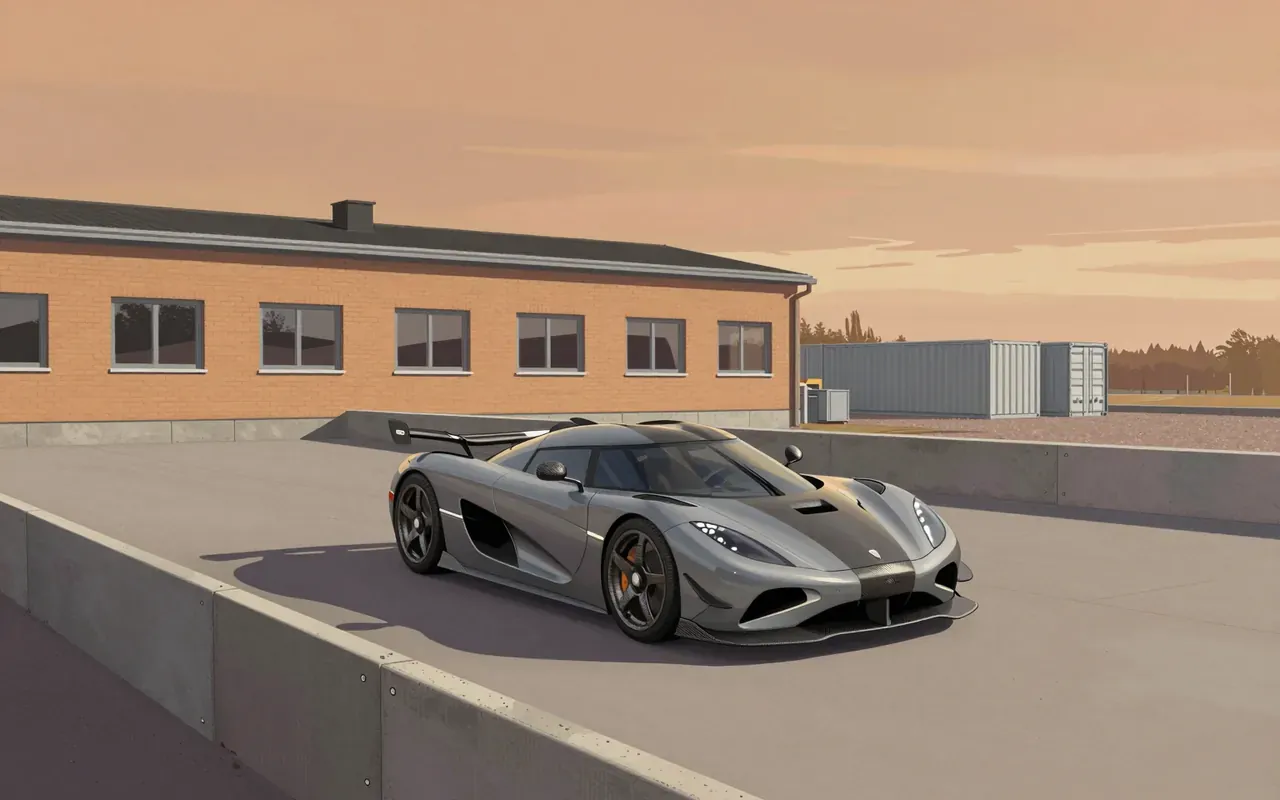
The Koenigsegg Jesko is a limited-production mid-engine sports car made by Koenigsegg Automotive AB. It succeeded the Agera and was named after Christian von Koenigsegg’s father. It debuted at the 2019 Geneva Motor Show and sold out before the show ended. It features a redeveloped 5.1 L twin-turbocharged V8 engine with a flat-plane crankshaft, increased redline, and dual-fuel capability. The car has three variants — Absolut, Attack, and Sadair's Spear — differing in aerodynamics, suspension, and purpose. Production is capped at 125 units, built between 2019 and 2023.

9:46

Lotus Seven

Colin Chapman · 1957

The Lotus Seven is a British-built, open-wheel, two-seat, open-top sports car designed by Colin Chapman to embody performance through low weight and simplicity. It was produced from 1957 to 1973, originally by Lotus Cars (Lotus Engineering), and featured a front-engine, rear-wheel-drive layout with a tubular spaceframe and lightweight aluminium/fibreglass bodywork. The Series 1 used a 1,172 cc Ford Sidevalve straight-four engine and was used both on road and in club racing. Over 2,500 original Lotuses were sold. After 1973, Caterham acquired the rights and continued production as the Caterham 7. The design inspired widespread imitation in the kit car market.

9:45

SSC Ultimate Aero

Jerod Shelby · 2006

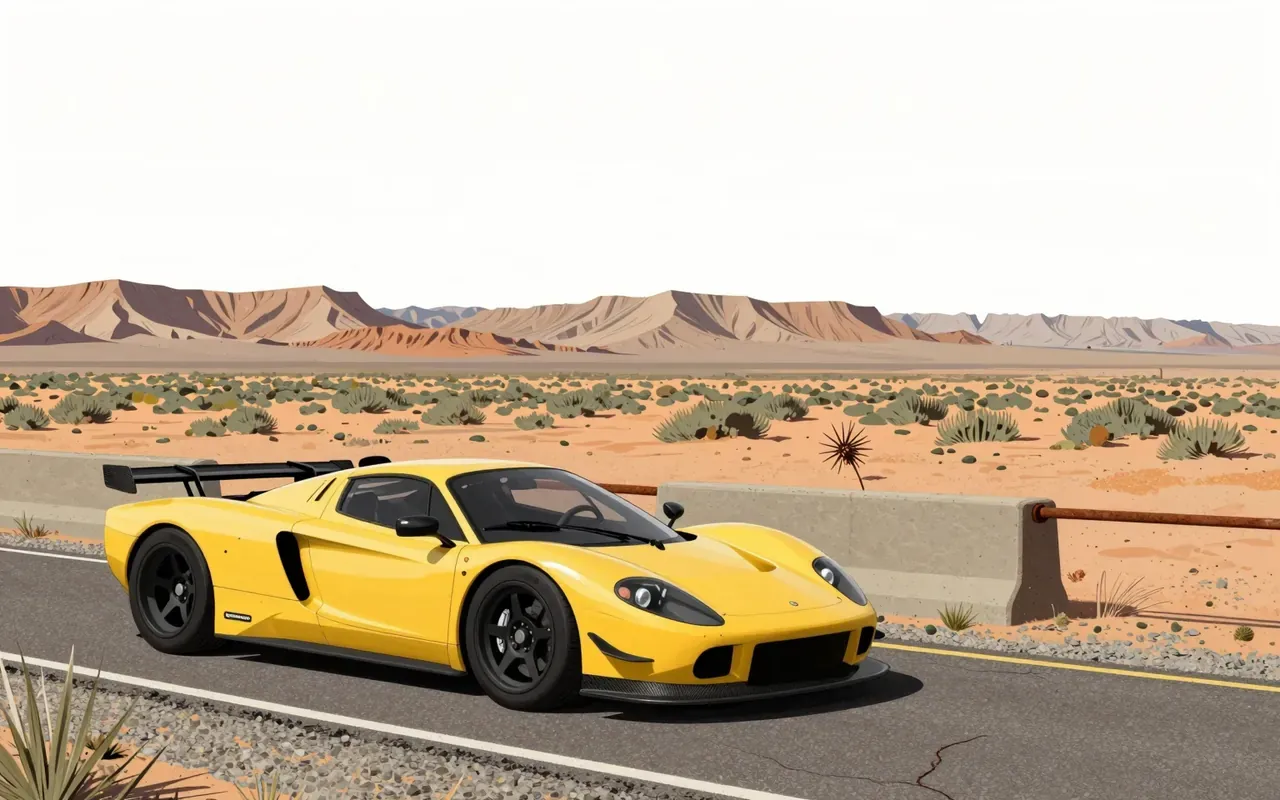
The SSC Ultimate Aero is a mid-engined sports car built by SSC North America from 2004 to 2013. It held the Guinness World Records production car speed record from 2007 until 2010. Jerod Shelby stated the early design philosophy was to make it a driver's car where throttle input could influence steering. The Aero features butterfly doors similar to those on the McLaren F1 and Ferrari Enzo. Carbon fibre and titanium are used throughout the car.

9:54

Toyota 86

Tetsuya Tada · 2012

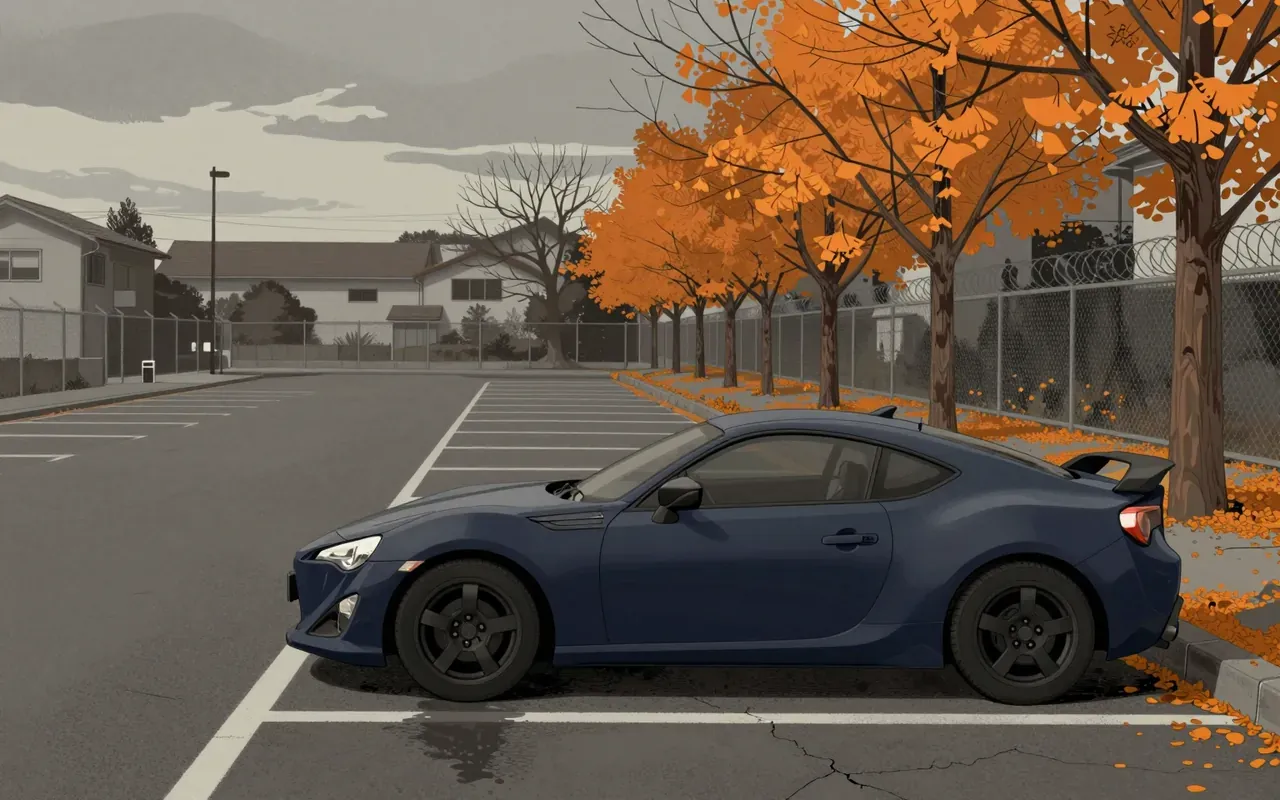
The Toyota 86 is a driver’s car defined by restraint: low weight, natural aspiration, precise weight distribution, and mechanical transparency. It trades speed for fidelity — and in doing so, redefined what an entry-level sports car could be.

fashion.briefs Fashion

All 32 in fashion →
9:15

Sportswear

Sportswear is a style of dress rooted in athletic clothing, built on relaxed, practical separates, and an American fashion tradition that grew into a global genre.
8:22

Mizuno

Mizuno is a Japanese sports equipment and sportswear company, founded in Osaka in 1906, that makes gear for sports from golf and baseball to running and rugby.
8:29

Dirk Bikkembergs

Fashion didn’t enter the stadium—it was invited in by a designer who made players his pattern-cutters.
8:17

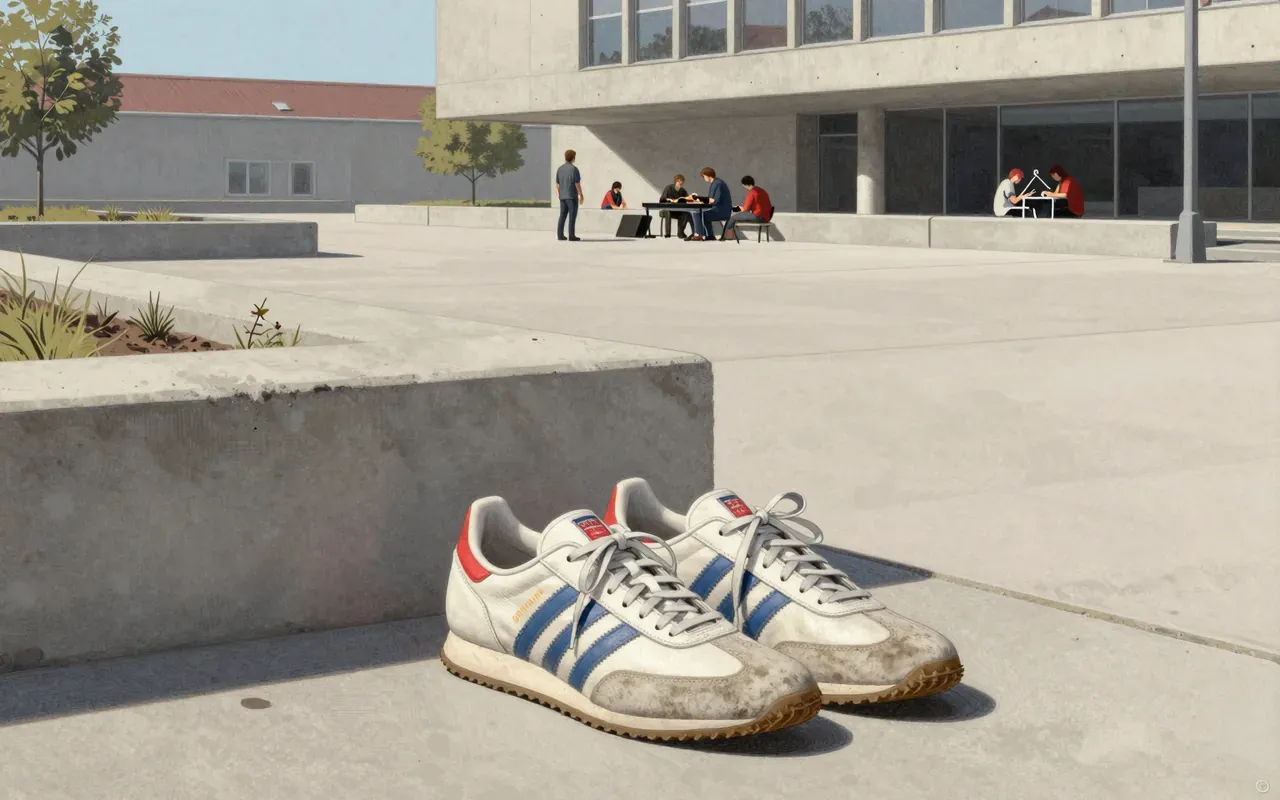
Adidas SL 72

A running shoe that traded structure for speed—and put the trefoil on feet for the first time.
9:24

Asics

A Latin motto made literal—not through slogans, but through gel, geometry, and Kobe-based biomechanics.
9:26

Descente

Descente doesn’t make clothes — it builds wearable physics labs for bodies moving at speed in extreme cold.
9:24

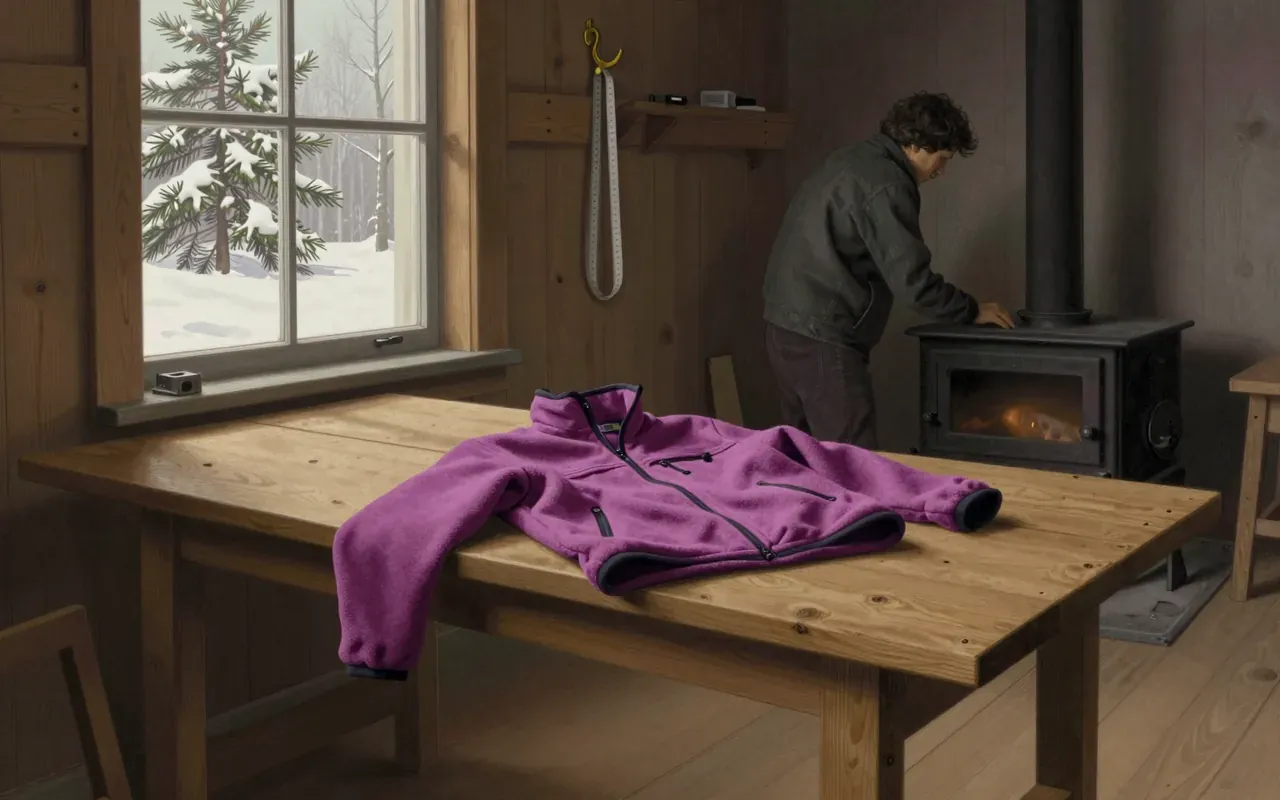
Polar fleece

Fleece liberated warmth from wool—and trapped us in static, shedding, and wet-weather failure.