briefs
Topic · across the network

Urban planning

Deciding how strangers will share a place.

66
briefs
10
subjects
9:31
average
628 min
in total
Abstraction 407Absurdism 137Acoustics 220Acting 65Adaptation 372Addiction 95Adolescence 202Advertising 77Age of exploration 14Ageing 113Agriculture 100Algorithms 114Ambition 46Anarchism 38Ancient Egypt 17Ancient Greece 38Ancient Rome 30Animals 172Anthropology 23Apartheid 12Architecture 165Archives 32Argentina 10Art Deco 26Artificial intelligence 78Astronomy 81Attention 42Australia 32Automation 73Avant-garde 164Aviation 79Banking 72Banned works 40Bauhaus 12Beer 5Behavioural economics 22Berlin 16Big tech 6Biodiversity 136Biography 86Birds 41Black holes 20Blockchain 12Boxing 14Branding 77Brazil 43Bread 29Britain 131Brutalism 4Bubbles 3Buddhism 28Byzantium 10California 17Canada 18Capitalism 94Cars 468Celebrity 59Censorship 110Cheese 24Chefs 9Chemistry 104Chess 2Childhood 87China 109Chocolate 8Christianity 49Cinematography 343Cities 90Class 485Climate change 107Club culture 100Cocktails 2Coffee 11Cognitive bias 14Collecting 16Colonialism 284Colour 42Comedy 89Community 52Complexity 21Computing 309Consciousness 16Conservatism 14Conspiracy theories 8Cooking 178Corruption 38Cosmology 31Cover versions 64Craft 116Crate digging 42Creativity 8Crime 234Cryptocurrency 8Cryptography 24Cuba 10Cybersecurity 30Dada 12Debt 38Decision-making 28Decolonisation 46Deep time 80Democracy 45Denim 16Deserts 45Detroit 17Dinosaurs 12Directing 168Disasters 59Disease 109DJ culture 89Dreams 32Drones 5Drum machines 96Dystopia 69East Africa 28Ecology 337Economics 36Editing 72Education 92Egypt 12Electric vehicles 59Emotion 22Empire 92Endurance 49Energy 120Engineering 541Entropy 8Epidemics 13Equality 9Espionage 31Ethics 44Evolution 174Existentialism 106Expertise 2Exploration 49Extinction 23Failure 37Family 240Fandom 22Fascism 45Fashion 215Fast fashion 12Fear 34Feminism 122Fermentation 126Film music 81Fishing 12Folklore 71Food history 588Football 16Forests 31Forgery 7France 163Fraud 15Free will 13Freedom 16French literature 15Friendship 24Furniture 36Gambling 14Gender 63Generations 28Genetics 87Geology 96Germany 66Globalisation 74Gothic 32Greece 5Grief 126Habits 6Happiness 2Hardware 709Haute couture 22Headphones 8Hi-fi 12Hinduism 12Hoaxes 1Human history 23Human nature 41Identity 138Illustration 8Impressionism 6Improvisation 249India 89Indonesia 15Industrial design 342Inequality 13Inflation 4Information 34Infrastructure 280Insects 29Intelligence 8Interiors 31Internet culture 88Invention 329Iran 41Islam 40Islands 17Israel 9Italy 52Jamaica 10Japan 114Jewellery 5Journalism 34Judaism 13Justice 42Korea 41Language 70Law 90Leadership 20Learning 6Liberalism 1Libraries 6Literary criticism 26London 12Loneliness 61Los Angeles 62Lost works 9Love 67Luxury 55Machine learning 15Management 10Maps 5Marketing 21Markets 51Mars 6Marxism 26Masculinity 46Materials 138Mathematics 79Meaning 6Medicine 124Memory 82Mental health 70Mesopotamia 4Mexico 38Migration 95Minimalism 68Mining 30Misinformation 9Modernism 63Money 24Monopoly 32Mortality 61Motivation 2Mountains 16Museums 27Mysticism 11Mythology 60Nationalism 40Neuroscience 23New York 36Nigeria 7Nihilism 10Noise 31Nostalgia 33Nuclear 29Nutrition 17Oceans 48Oil 42Open source 45Painting 18Palaeontology 29Parenting 14Paris 18Partition 6Patents 71Patronage 14Perception 44Personal style 27Personality 2Persuasion 8Peru 10Philosophy 77Photography 37Physics 206Plants 26Platforms 89Podcasting 1Poetry 25Poland 17Policing 34Pop Art 16Populism 2Portraiture 6Portugal 18Postmodernism 23Power 91Prehistory 24Preservation 28Printmaking 21Privacy 11Probability 6Productivity 1Programming 54Prohibition 1Propaganda 35Protest 75Pseudoscience 17Psychology 80Publishing 22Punishment 16Quantum mechanics 44Race 145Radio 30Railways 35Rave 17Realism 47Record labels 19Recording 810Relativity 23Religion 154Resilience 15Restaurants 30Restoration 2Retail 94Revolution 58Risk 18Ritual 96Robotics 26Romance 96Russia 58Salt 9Sampling 246Satire 84Scandinavia 28Scientific method 186Screenwriting 26Sculpture 7Secularism 2Self-deception 14Semiconductors 73Sexuality 102Ships 18Silence 24Silicon Valley 17Slavery 35Sleep 2Smartphones 27Sneakers 15Social media 58Socialism 9Software 68Songwriting 180Sound design 332Sound systems 20South Africa 19South East Asia 30Space exploration 84Spain 18Special effects 41Spices 62Spirits 12Sport 82Startups 21Statistics 10Status 9Stoicism 4Storytelling 68Strategy 70Street food 99Streetwear 16Studio craft 508Subcultures 59Sugar 12Supply chains 115Surrealism 53Surveillance 21Sustainability 30Synthesis 232Tailoring 37Taxation 14Tea 24Textiles 97Thailand 11The American Revolution 19The American South 88The Arab world 41The Arctic 19The Balkans 17The Belle Epoque 13The body 29The brain 26The Caribbean 28The civil rights movement 62The Cold War 160The eighties 268The Enlightenment 29The financial crisis 19The First World War 39The food industry 157The French Revolution 9The Gilded Age 9The Great Depression 18The Holocaust 20The Industrial Revolution 93The internet 61The interwar years 135The Middle Ages 35The Moon 4The music business 169The Netherlands 10The nineties 26The Olympics 10The pandemic 13The Reformation 1The Renaissance 16The Russian Revolution 19The Second World War 102The seventies 58The sixties 28The space race 5The United States 19The universe 7The Victorian era 37Therapy 20Tokyo 11Trade 48Tragedy 22Translation 5Trauma 85Travel 5True crime 2Turkey 18Typography 54Uniforms 23Unions 8Urban planning 66Utilitarianism 1Utopia 5Vaccines 10Vegetarianism 15Venture capital 6Video games 291Vietnam 12Vintage 65Vinyl 6Virtual reality 11War 169Watches 4Water 11Weather 29West Africa 29Wilderness 10Wine 3Work 22Workwear 19Worldbuilding 121

music.briefs Music

All 4 in music →
9:24

Love Deluxe

Sade · 1992

Love Deluxe is a controlled, atmospheric R&B record built on restraint and texture rather than groove or spontaneity.
9:36

Rum Sodomy & the Lash

The Pogues · 1985

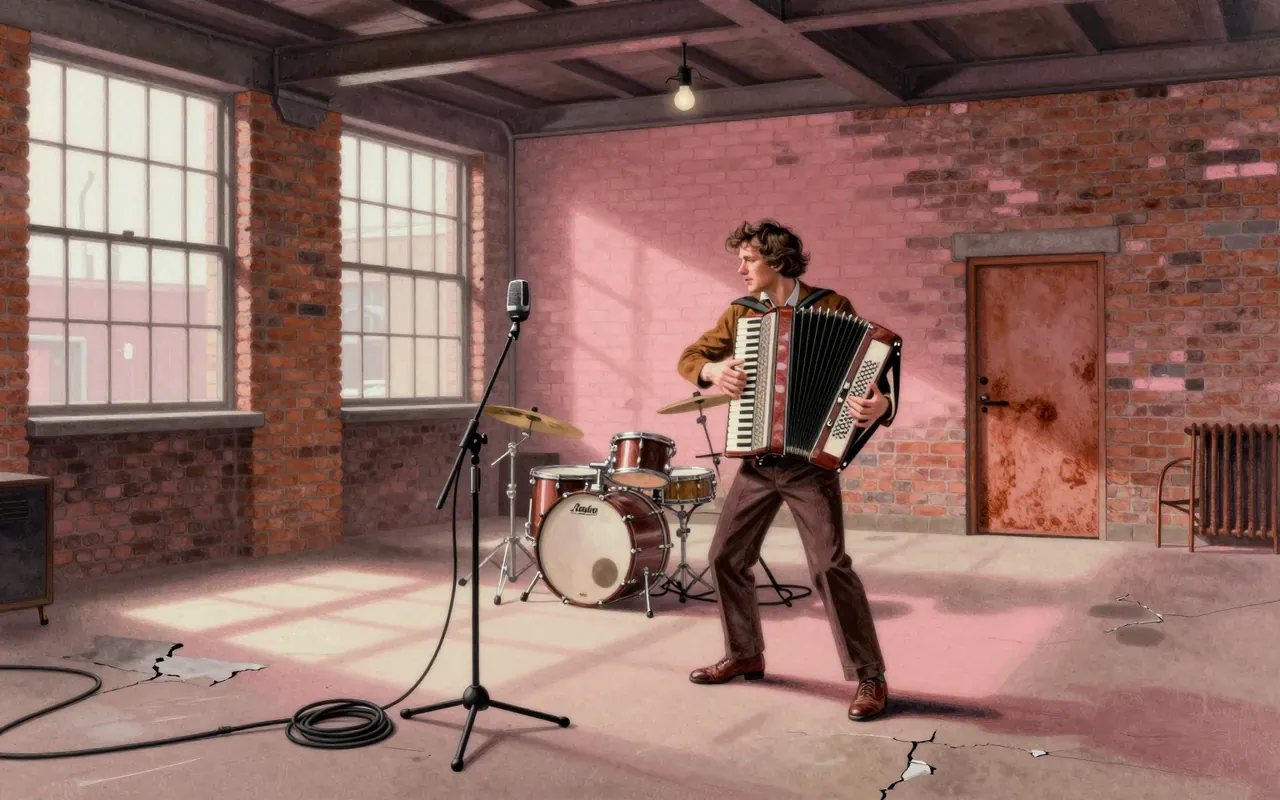
Rum Sodomy & the Lash is The Pogues’ 1985 second studio album, recorded live at Elephant Studios in Wapping with Elvis Costello producing after initially being hired for just two tracks. Its production prioritised natural acoustic presence and raw ensemble performance — Costello described his role as capturing the band’s 'dilapidated glory' before external interference altered it. The title references a misattributed Churchill quote about naval tradition; the cover reimagines Géricault’s The Raft of the Medusa with painted band members’ faces replacing those of the original figures. Musically, it pivots from traditional covers to Shane MacGowan’s original songwriting — mythic, urban, fatalistic — while retaining authoritative renditions of 'Dirty Old Town' and 'And the Band Played Waltzing Matilda'. It does not sound polished, controlled, or studio-perfect. There are no synthesizers, no overdubbed strings, no vocal comping, no reverb tails stretched for effect. It lands strongest where rhythm and narrative lock: 'The Sick Bed of Cuchulainn' opens with harp-like guitar urgency; 'Dirty Old Town' closes the first side as a bruised, communal lament. It is worth your time if you want folk music that bites, not soothes — if you listen for rhythm first, then story — and if you distrust studio sheen. Not for those who need clarity, comfort, or clean separation between instruments.
8:37

Aladdin Sane

David Bowie · 1973

Aladdin Sane is David Bowie’s sixth studio album, co-produced with Ken Scott and recorded between December 1972 and January 1973 in London and New York City during breaks in the Ziggy Stardust Tour. It features the full Spiders from Mars lineup—Mick Ronson, Trevor Bolder, and Mick Woodmansey—alongside jazz-influenced pianist Mike Garson, two saxophonists, and three backing vocalists. Most songs were written on the road in the US and reflect Bowie’s ambivalent perceptions of America, resulting in a harder, edgier rock sound than his prior glam work. Lyrics explore duality: the rewards of stardom versus the toll of touring, and recurring motifs of urban decay, drugs, sex, violence, and death. The album includes a Rolling Stones cover, 'Let's Spend the Night Together', and Bowie framed its title as both a pun—'A Lad Insane'—and the conceptual extension 'Ziggy Stardust goes to America'. 'The Jean Genie' was the first track recorded, on 6 October 1972 in New York, with Bowie producing that session himself. It was Bowie’s final album with the complete Spiders from Mars lineup.

10:15

The Message

Grandmaster Flash & The Furious Five · 1982

The Message is a 1982 hip-hop record that reoriented the genre toward social realism. Its sound is stripped: drum machine, bass synth, piano, and Melle Mel’s unadorned voice. No group members rap lead. No turntablism. No resolution. It documents, not consoles. It is foundational — not because it sounds like what came after, but because it sounds like nothing that came before.
film.briefs Film

All 1 in film →
13:00

Fellow Citizen

Abbas Kiarostami · 1983

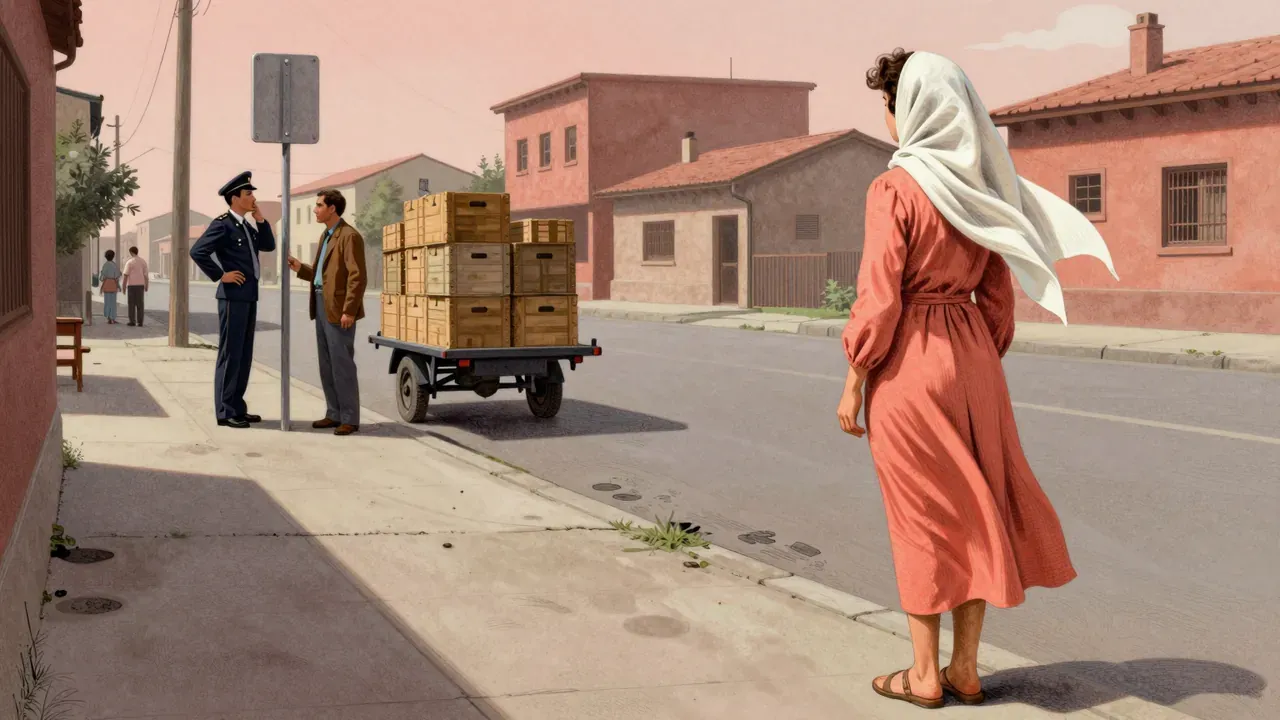
Fellow Citizen (1983) is Abbas Kiarostami’s 48-minute observational documentary, shot on a Tehran street. It follows a civil servant attempting to regulate pedestrian and vehicle movement, capturing unscripted reactions without narration, interviews or contextual framing. The film’s method is rigorously restrained: fixed camera, natural sound, no edits that conceal time. Its interest lies in behavioural nuance — hesitation, mimicry, negotiation — rather than argument or exposition.
history.briefs History

All 1 in history →
9:23

Jane Addams

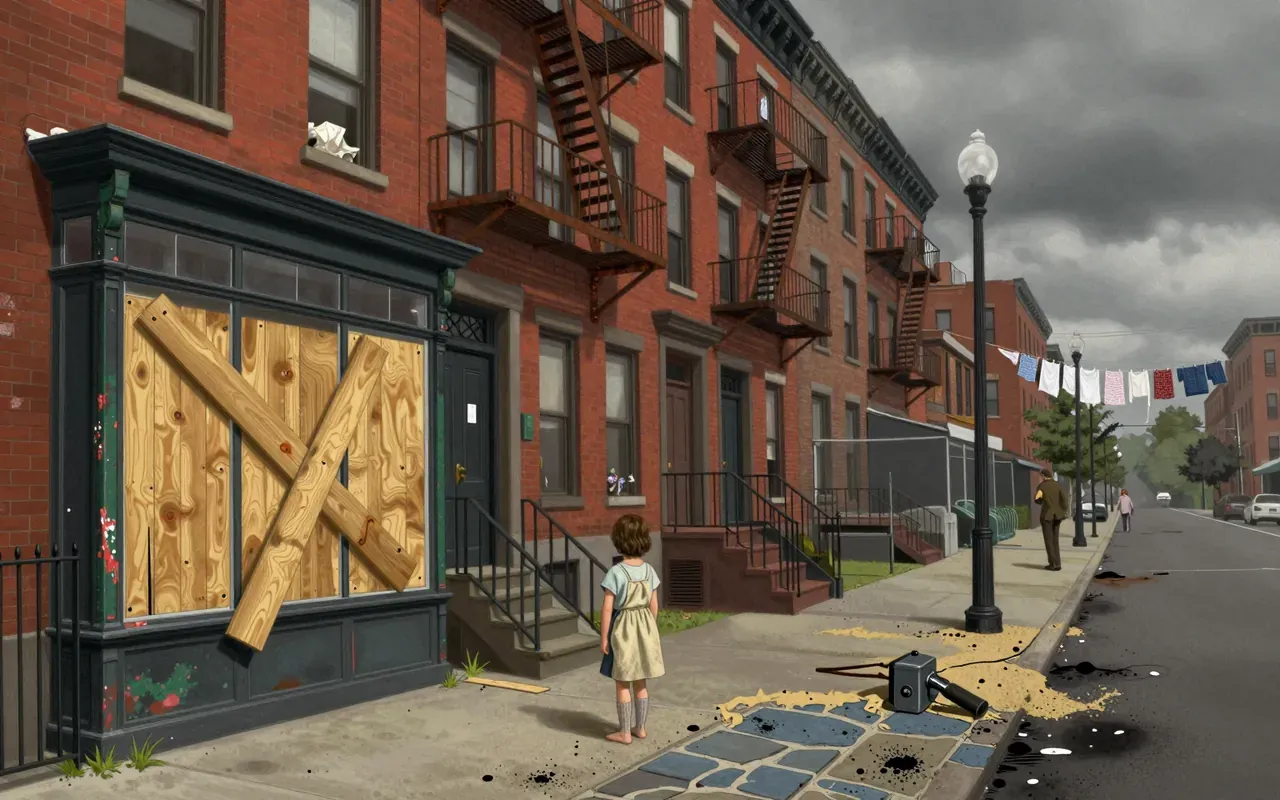
She didn’t lobby politicians — she mapped typhoid and named the bosses who let it spread.

design.briefs Design

All 39 in design →
10:00

Diller Scofidio + Renfro

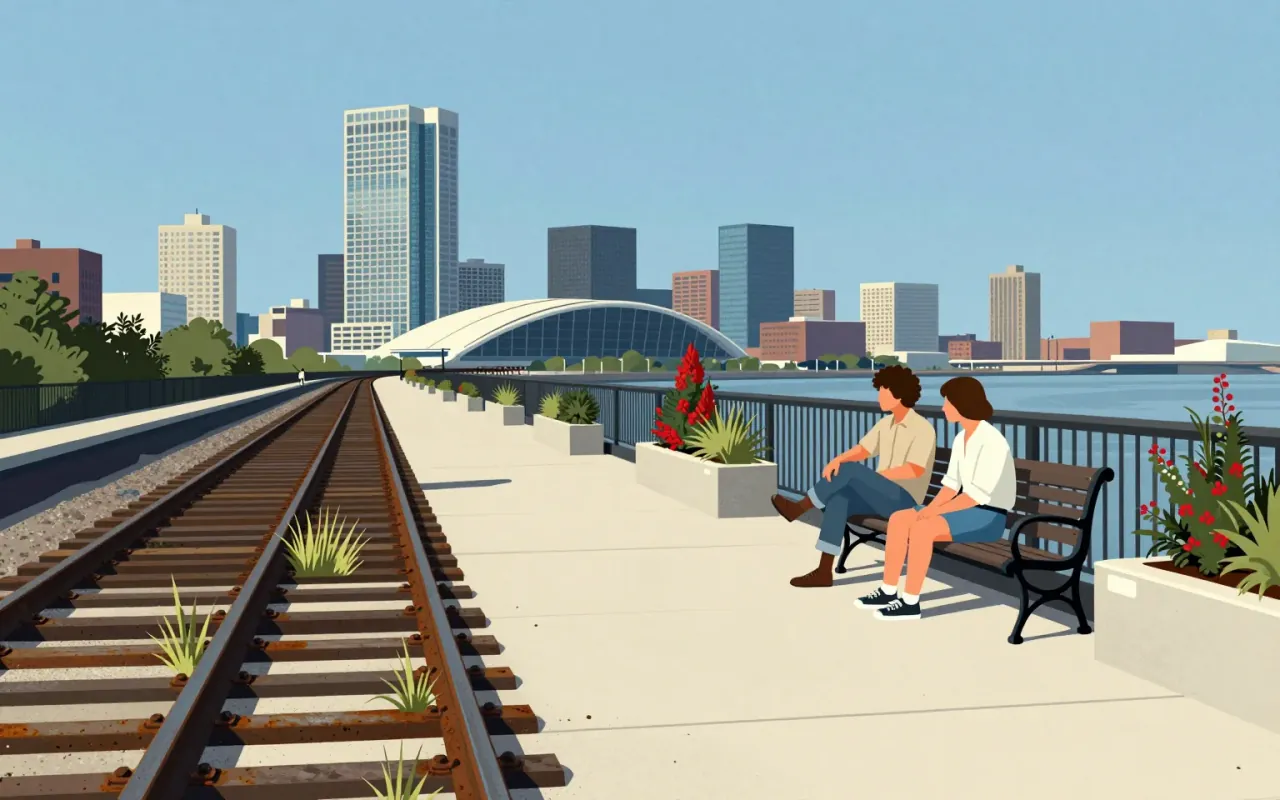
Diller Scofidio + Renfro is a New York design studio that works across architecture, the visual arts and the performing arts.
9:36

550 Madison Avenue

Philip Johnson · 1984

550 Madison Avenue is a postmodern skyscraper completed in 1982 by Philip Johnson and John Burgee. It uses pink Stony Creek granite cladding and features an eight-story arched entry and split pediment. It challenged modernist functionalism, complied with NYC zoning via an atrium, and reduced energy use versus glass towers. Though not the first postmodern building, its scale and location made it the movement’s most famous example. It was designated a NYC landmark in 2018.
10:58

Centre Pompidou-Metz

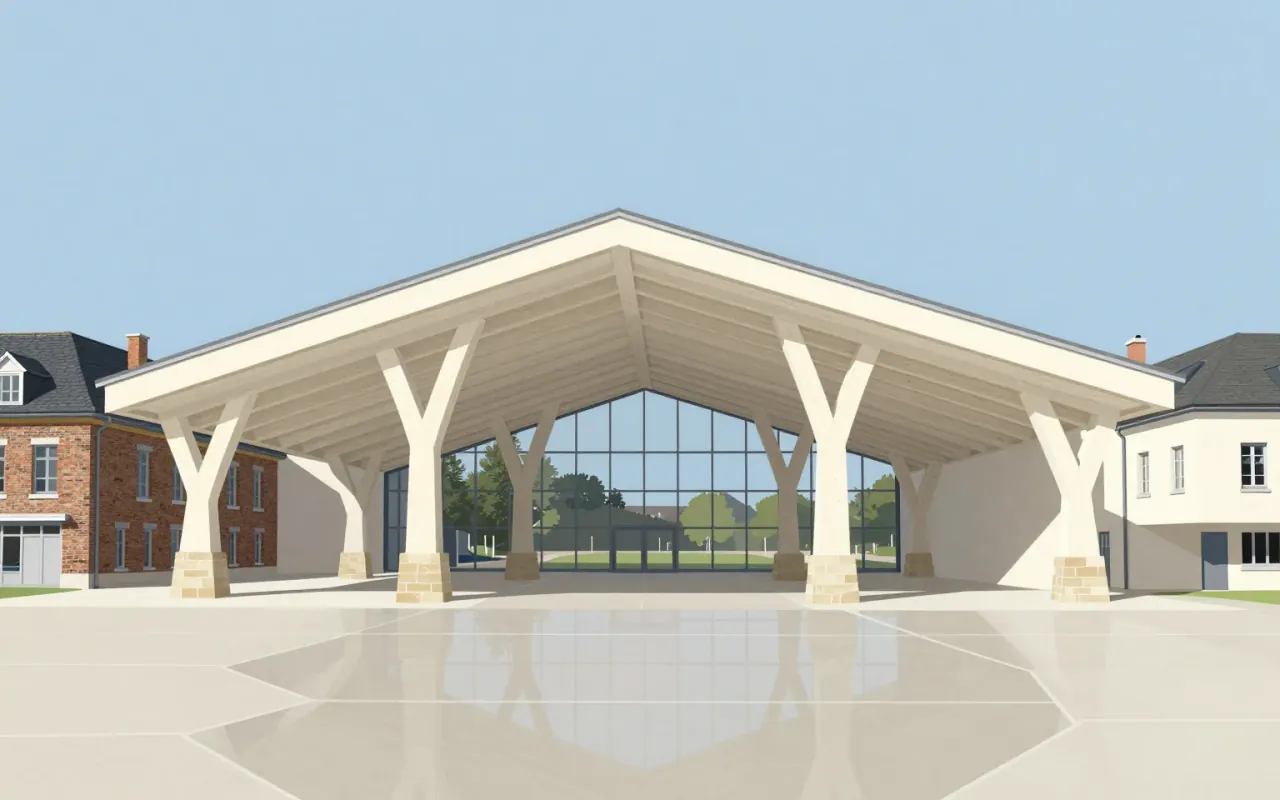
A regional museum that uses geometry, sightlines, and roof engineering — not branding — to assert cultural parity with Paris.
8:59

Charles Correa

Correa’s architecture refuses imported aesthetics — but builds no system for replicating its cultural logic.
10:58

Hassan Fathy

A failed resettlement project that rewrote the rules of low-cost housing by rejecting industrial materials—and proving that failure can be more instructive than success.
9:25

Jürgen Mayer

Architecture that treats the body, technology, and nature as inseparable — not as themes, but as structural conditions.
5:38

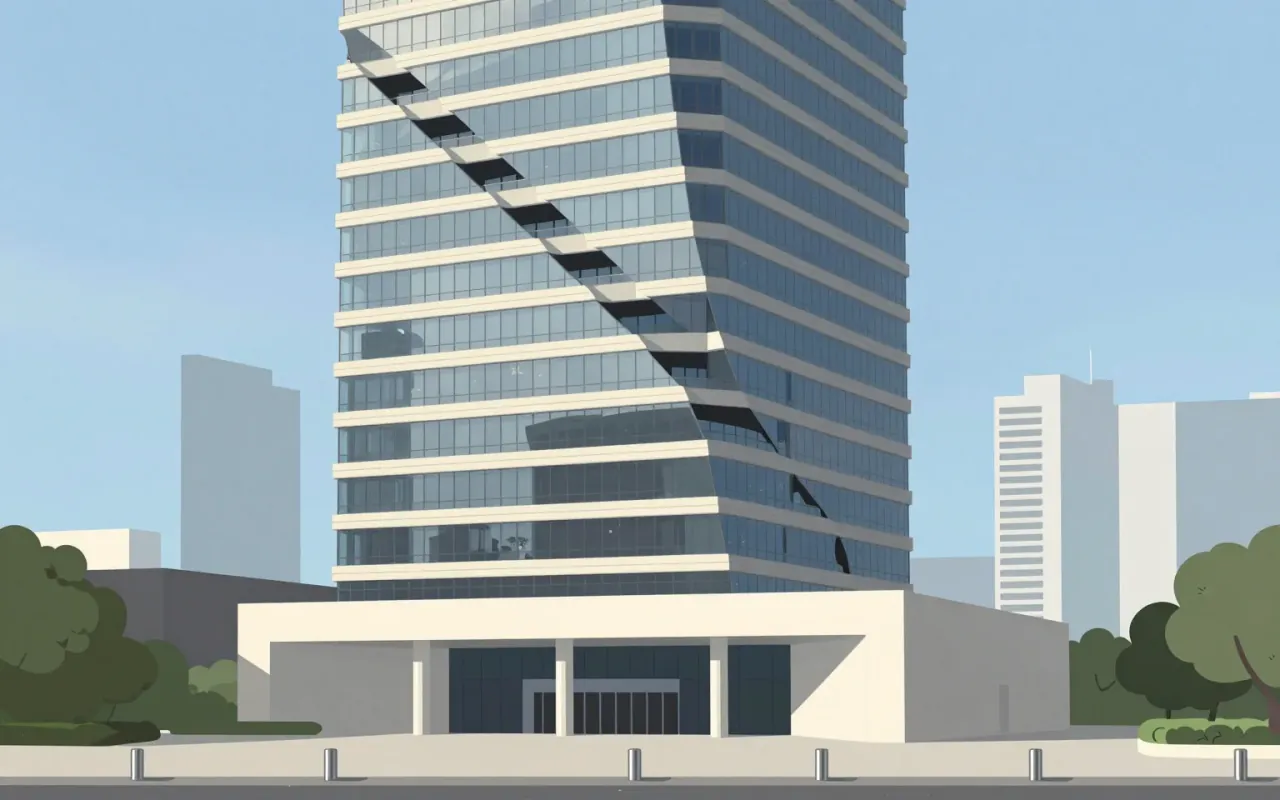
King Power Mahanakhon

A helix-shaped void that made a building famous—not for what it housed, but for how tall it stood, and how briefly.

games.briefs Games

All 9 in games →
8:50

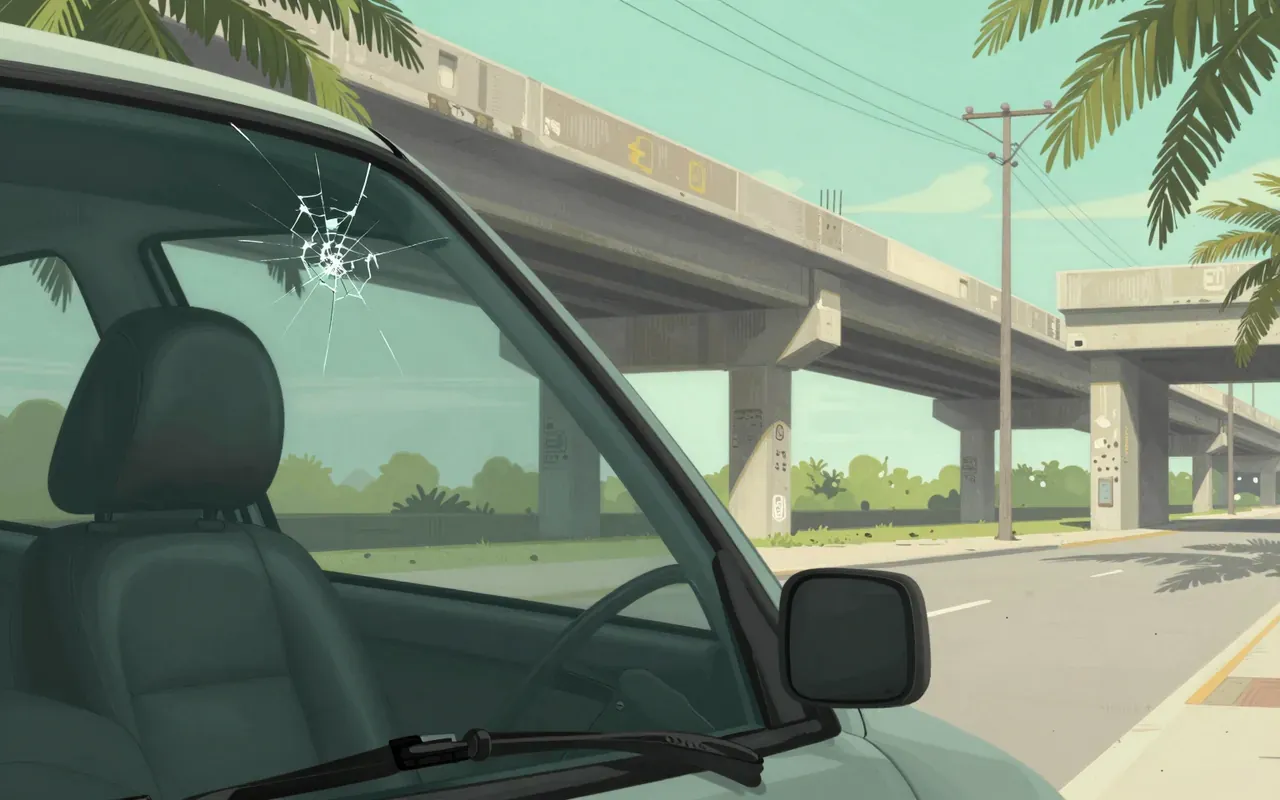
Need for Speed: Underground 2

Black Box · 2004

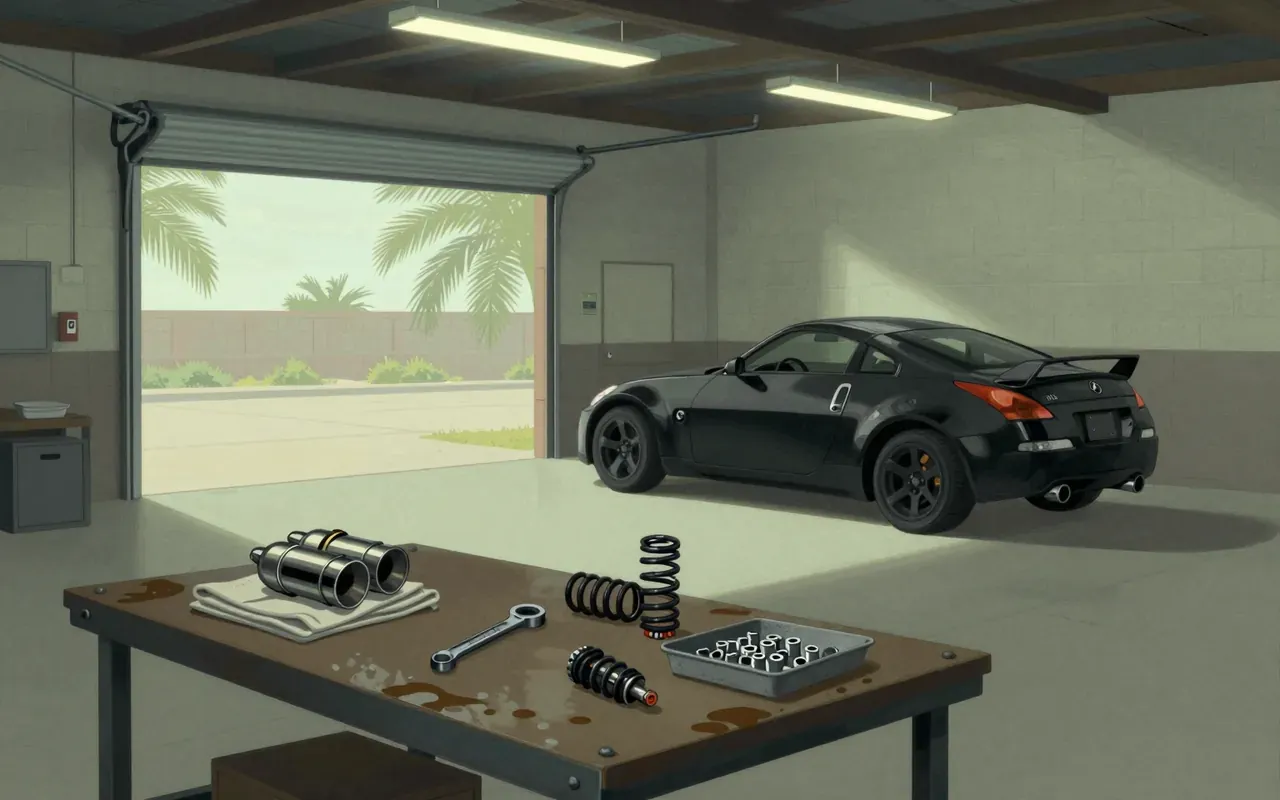
Need for Speed: Underground 2 is a racing game where tuning, driving, and discovery are inseparable. It asks you to treat Bayview as terrain—not backdrop—and rewards persistence over precision. Its constraints are deliberate: no fast travel, no race menus, no hand-holding for hidden events. It works because those constraints shape a specific kind of attention: one tuned to corners, shortcuts, and the hum of a modified engine echoing off concrete.
9:51

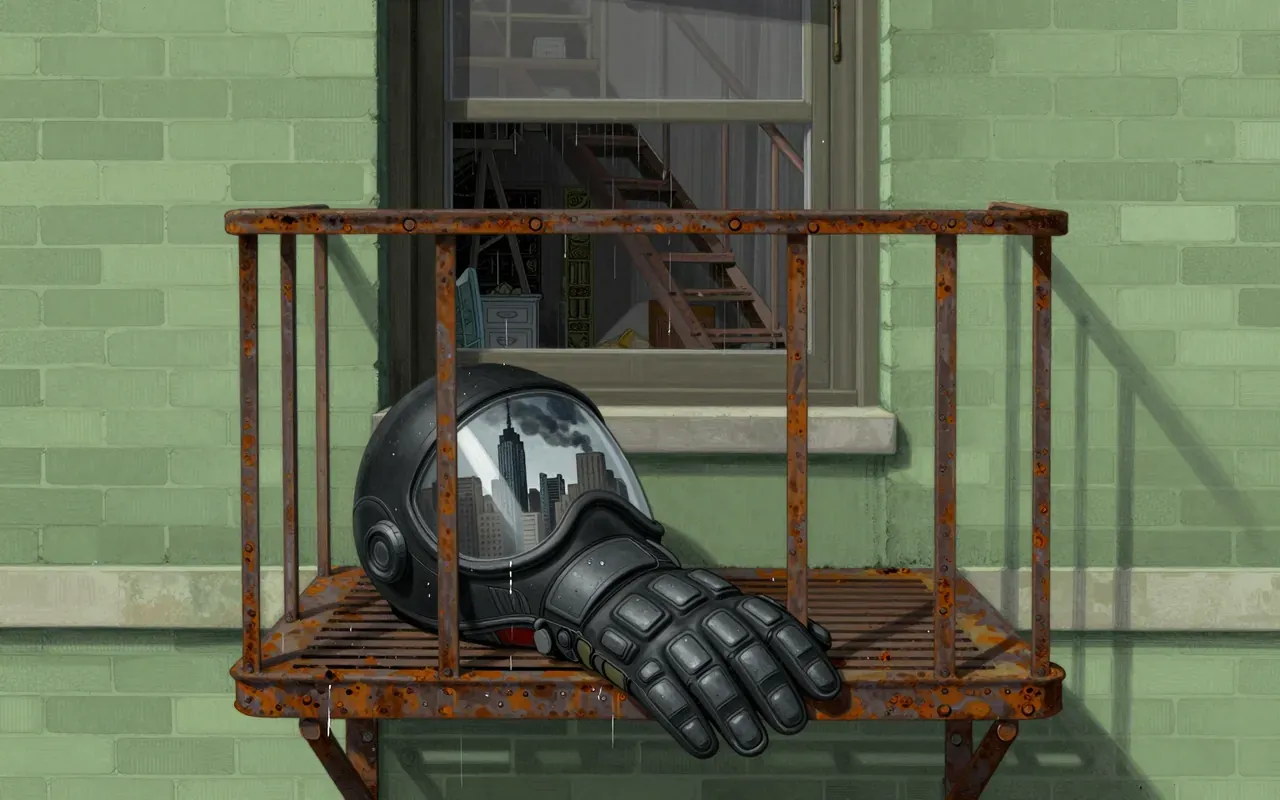
Burnout Paradise

Criterion Games · 2008

Burnout Paradise is a racing game where the city is the only level, the car is the only tool, and crashing is the only score.
9:56

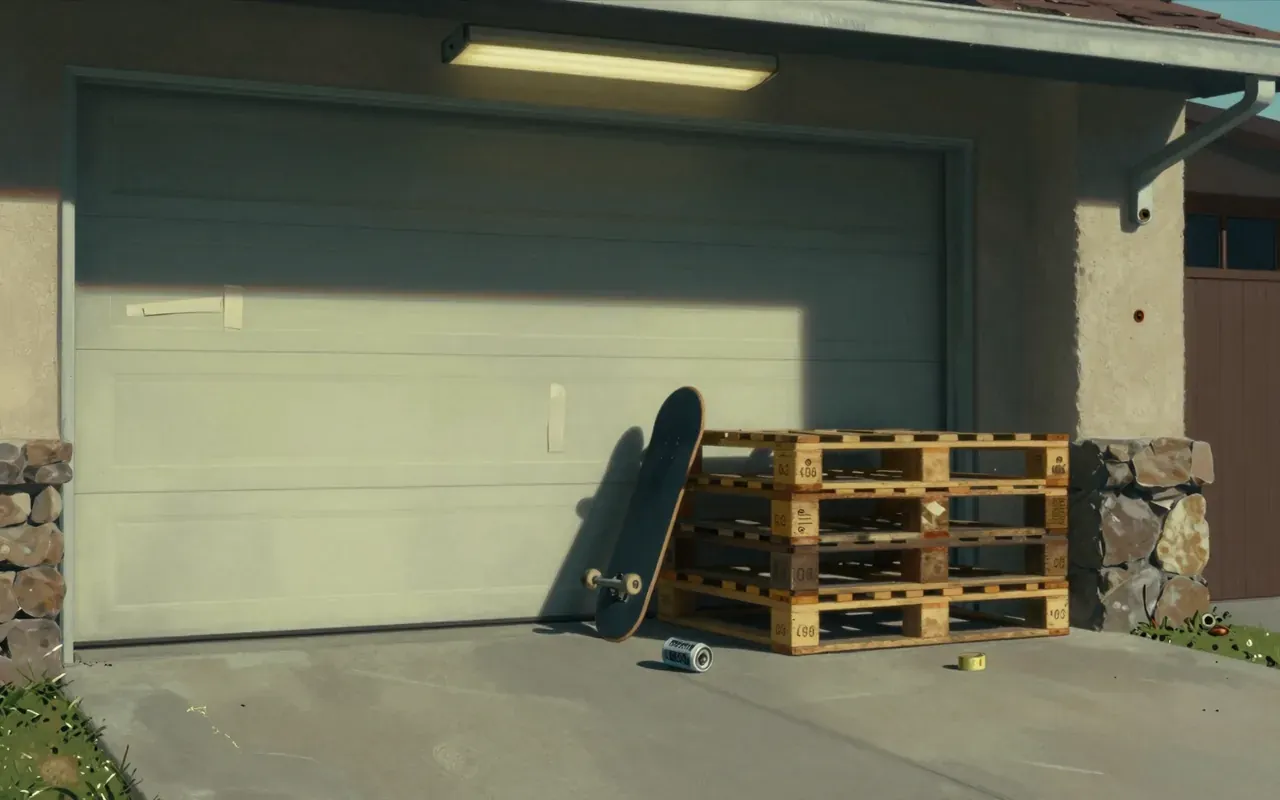
Crysis 2

Crytek · 2011

Crysis 2 is a first-person shooter developed by Crytek and released in March 2011. It is a direct sequel to Crysis. It casts you as Force Recon Marine Alcatraz in an evacuated, war-torn New York City—the 'urban jungle'.
9:02

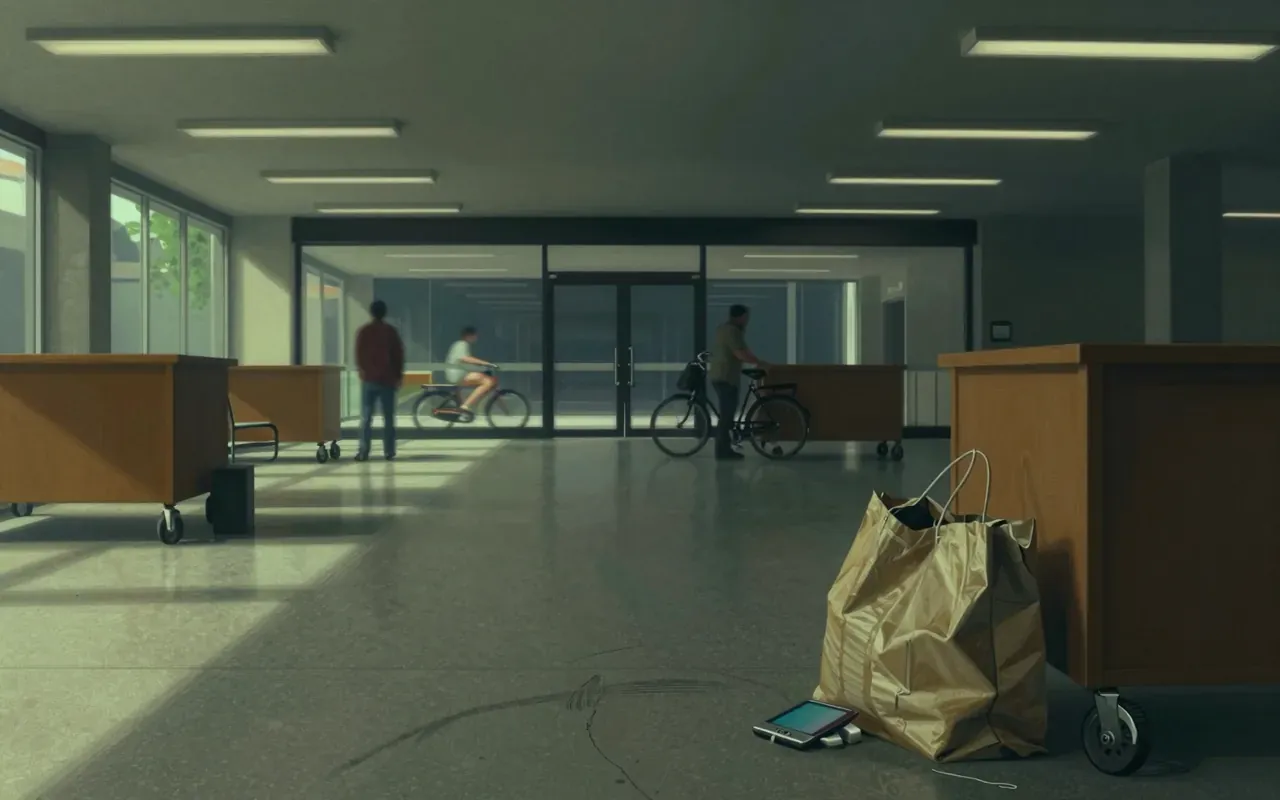
Skate 2

EA Black Box · 2009

Skate 2 is a 2009 skateboarding game developed by EA Black Box and published by Electronic Arts. Set in the fictional city of New San Vanelona, the single-player career mode follows a skateboarder released from jail five years after being arrested in the first game, Skate, who is tasked with popularising skateboarding in the city again after devastating earthquakes, avoiding security guards hired by the company 'Mongocorp' who have bought most of the city's property.
9:02

The World Ends with You

Square Enix · 2007

A DS-native action RPG where combat, exploration and narrative all hinge on using both screens at once — scanning crowds, syncing attacks, and satisfying Reaper-imposed gates in Shibuya.

10:09

Cities: Skylines

Colossal Order · 2015

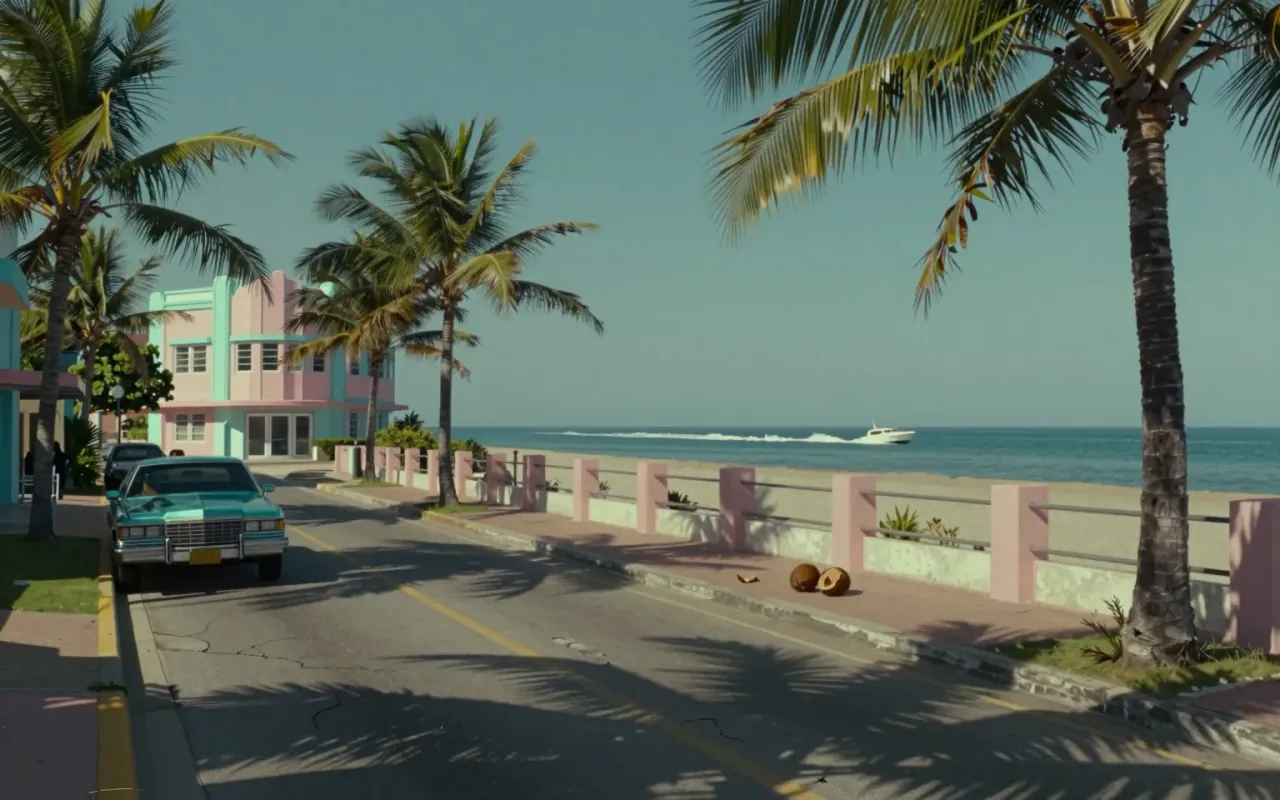
Cities: Skylines is a systems-first city-builder where players manage zoning, infrastructure, taxation, and district-level regulations to grow a functional urban area. It rewards methodical planning and iterative adjustment—not storytelling, speed, or spectacle.
9:35

SimCity 2000

Maxis / Will Wright · 1993

SimCity 2000 replaces top-down abstraction with isometric spatial logic, adds elevation and underground layers, and expands infrastructure choice—but offers no deeper explanation of how its systems connect. It rewards experimentation, not mastery.
technology.briefs Technology

All 2 in technology →
9:43

Roundabout

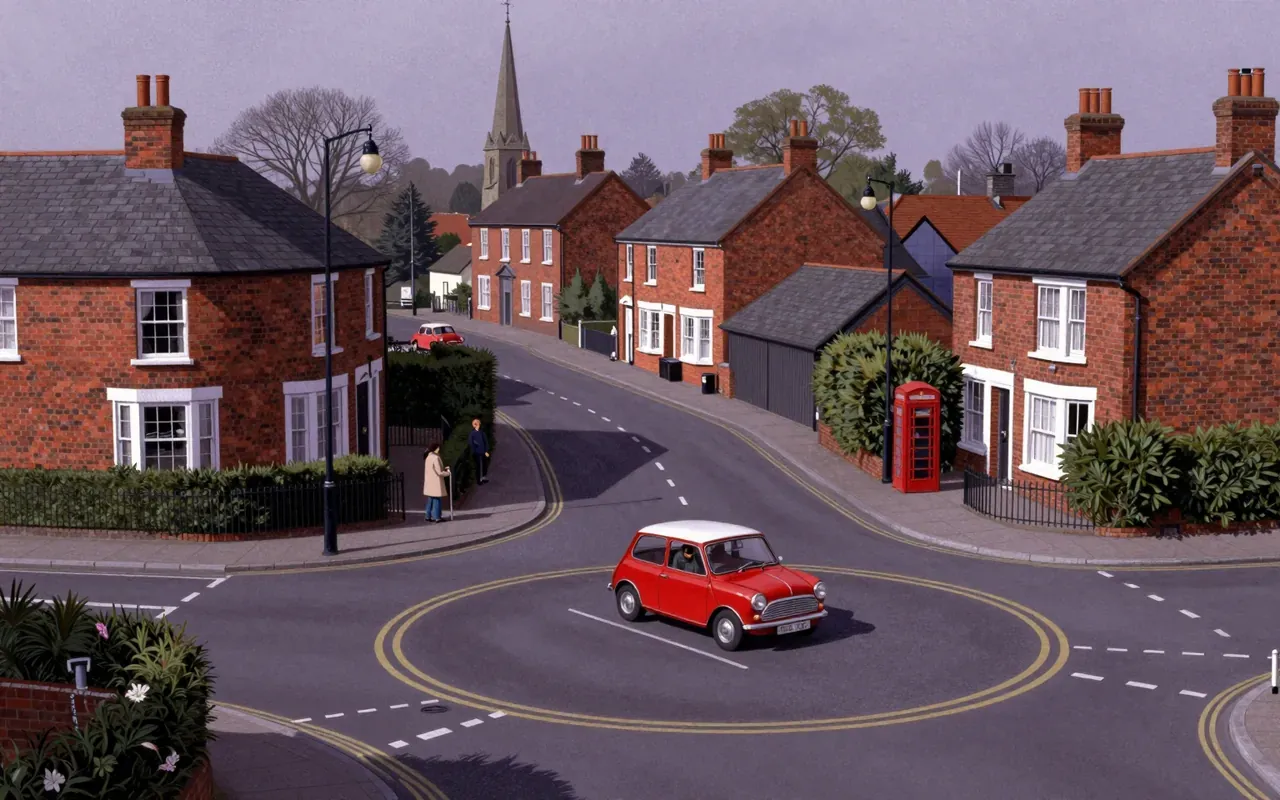
The roundabout isn’t clever design—it’s enforced yielding, standardised in 1966, and it works only because drivers obey a single, unambiguous rule.
8:35

Traffic light

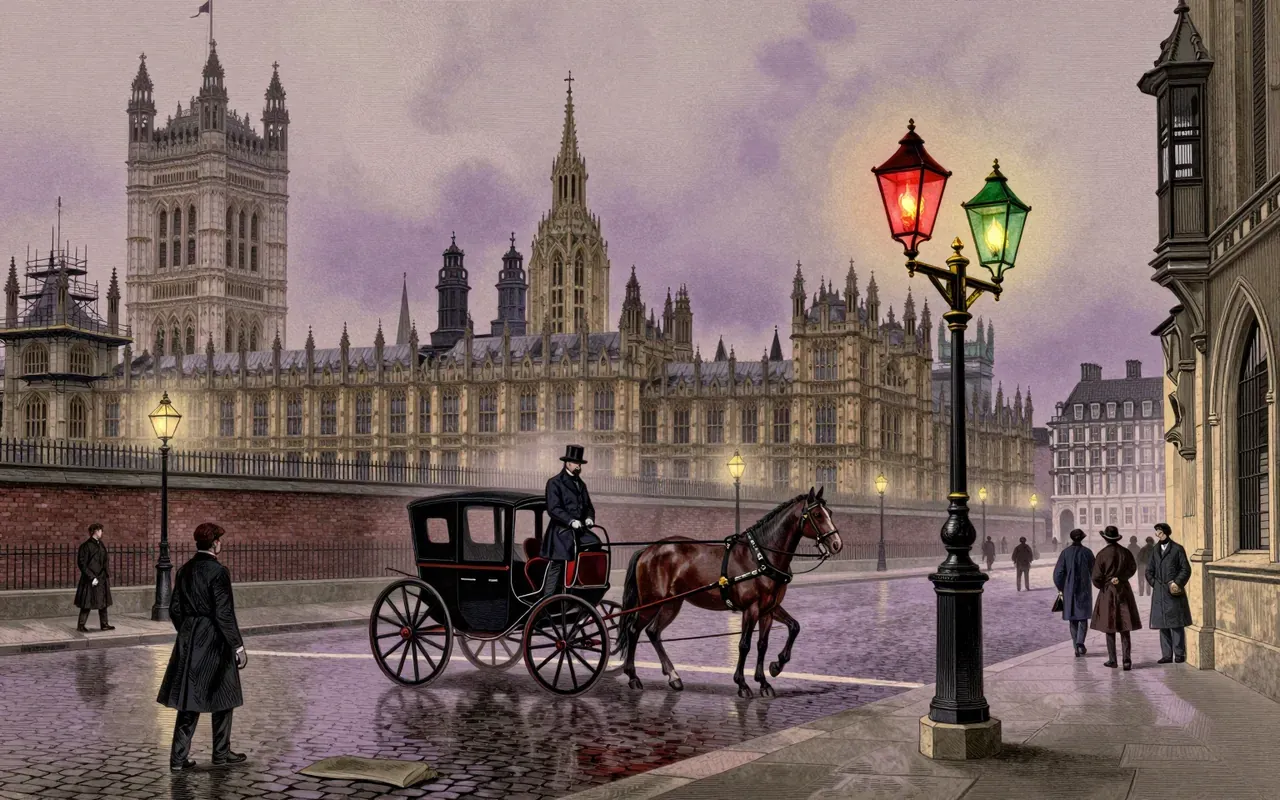
The first traffic light wasn’t a step forward — it was a gas-powered dead end.

culture.briefs Culture

All 4 in culture →
10:20

Lincoln Center

Lincoln Center wasn’t built for the people it replaced—it was built over them.
8:21

Paul Virilio

Speed doesn’t connect us—it dominates us. Virilio named the logic. He didn’t solve it.

automotive.briefs Automotive

All 2 in automotive →
11:26

Smart Fortwo

Johann Tomforde · 1998

The Smart Fortwo is a two-seater city car made by Smart, a division of Mercedes-Benz Group, from 1998 to 2024. It used a rear-engine, rear-wheel-drive layout and mono-box body across all three generations. It was manufactured in coupé and cabrio forms at Smartville in Hambach, France. It sold over two million units globally across 46 countries. Its defining features include compact length (2.5–2.69 m), the Tridion steel safety cell, interchangeable plastic panels, and offset seating.
10:12

Renault Twingo

Patrick Le Quément · 1992

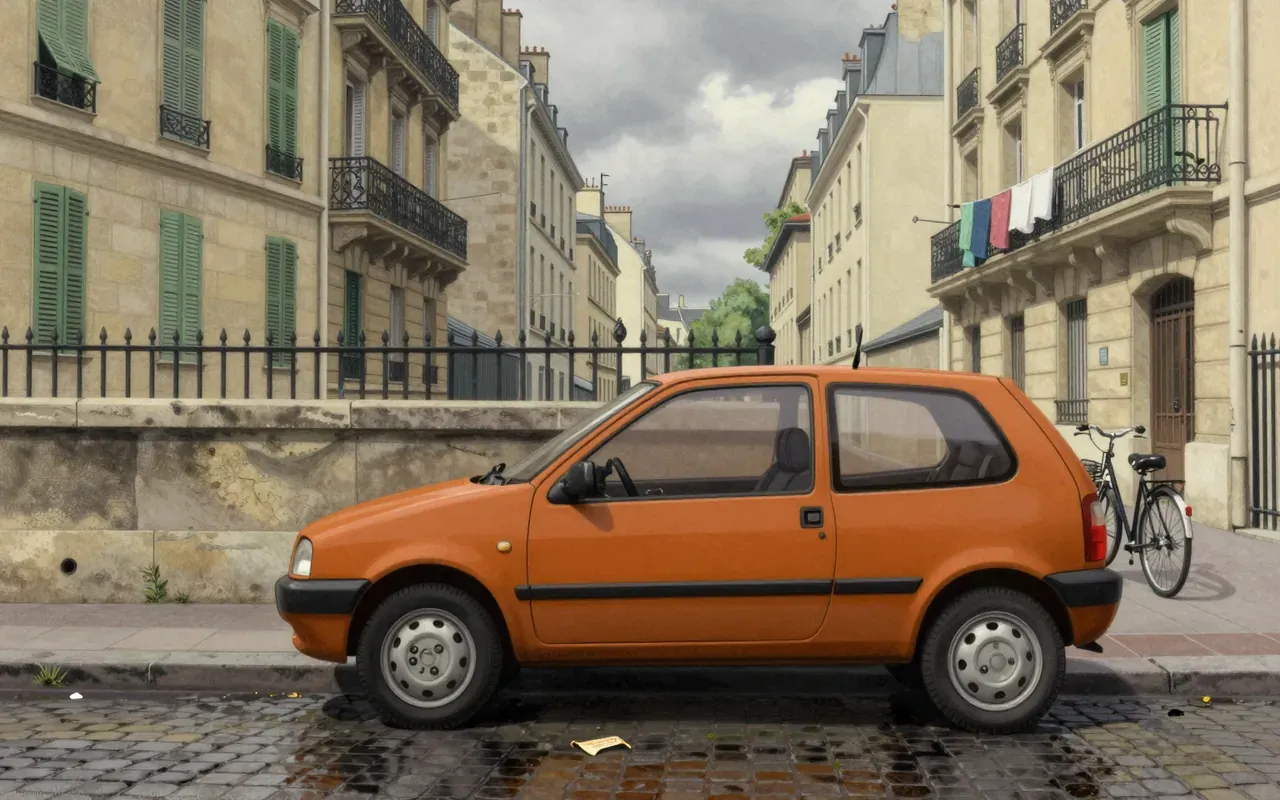
The Renault Twingo (1992) is a two-door, front-engine city car designed under Patrick Le Quément’s leadership to reverse Renault’s declining sales through bold, autonomous design. Its defining feature—the smile-shaped front end—was a deliberate assertion of styling priority over mechanical packaging. It delivered visibility, compactness, and instant recognition, but sacrificed rear access, cargo space, and dynamic refinement. It marked the moment Renault’s design department gained executive authority—and proved that a city car could be defined first by how it looked, not how it was engineered.

food.briefs Food

All 2 in food →
8:56

Fast food

Fast food isn’t about taste — it’s the first fully industrialised food system, built for cars and clocks, not kitchens and care.
9:39

Street food

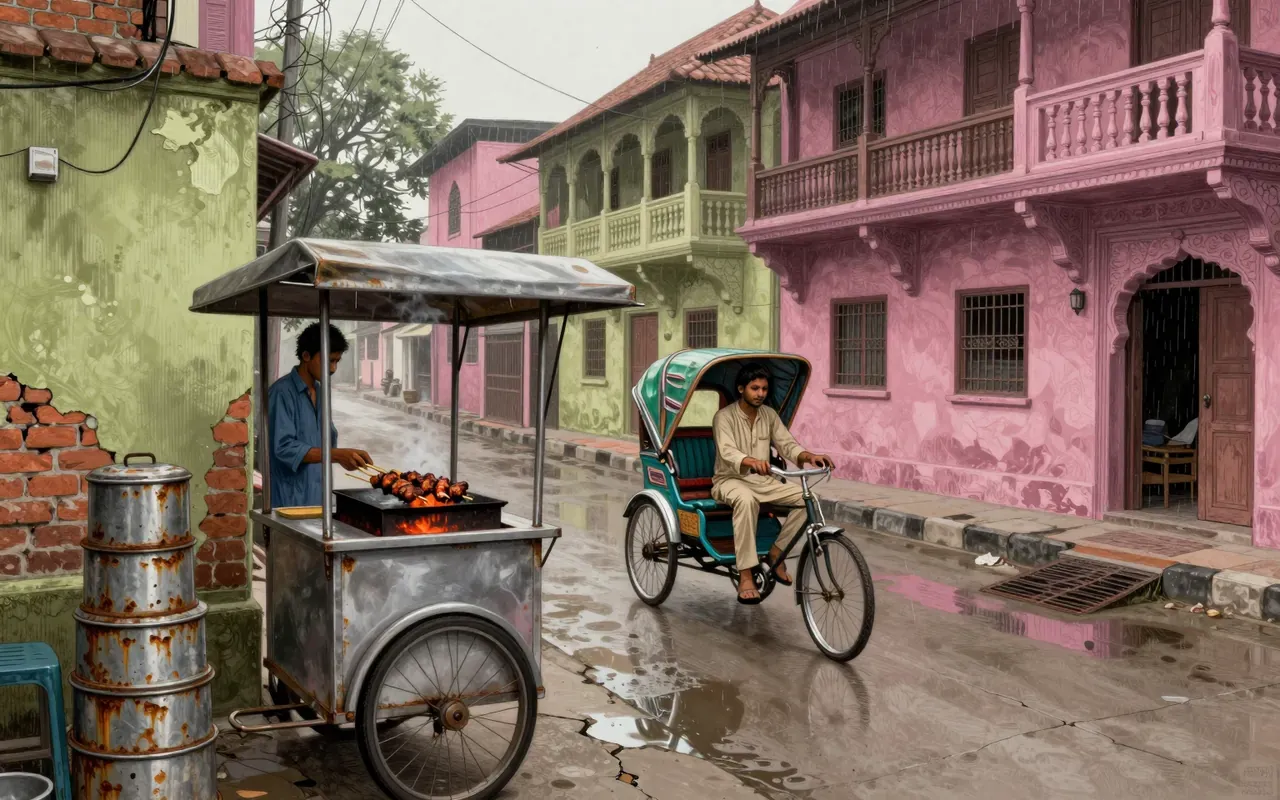
Street food isn’t culture — it’s infrastructure disguised as lunch.

fashion.briefs Fashion

All 2 in fashion →
9:36

Street style

Street style is not fashion’s raw material—it is fashion’s first draft, written by the people it claims to serve.