briefs
Topic · across the network

Taxation

How a state pays for itself, and who is asked.

14
briefs
7
subjects
10:42
average
150 min
in total
Abstraction 407Absurdism 137Acoustics 220Acting 65Adaptation 372Addiction 95Adolescence 202Advertising 77Age of exploration 14Ageing 113Agriculture 100Algorithms 114Ambition 46Anarchism 38Ancient Egypt 17Ancient Greece 38Ancient Rome 30Animals 172Anthropology 23Apartheid 12Architecture 165Archives 32Argentina 10Art Deco 26Artificial intelligence 78Astronomy 81Attention 42Australia 32Automation 73Avant-garde 164Aviation 79Banking 72Banned works 40Bauhaus 12Beer 5Behavioural economics 22Berlin 16Big tech 6Biodiversity 136Biography 86Birds 41Black holes 20Blockchain 12Boxing 14Branding 77Brazil 43Bread 29Britain 131Brutalism 4Bubbles 3Buddhism 28Byzantium 10California 17Canada 18Capitalism 94Cars 468Celebrity 59Censorship 110Cheese 24Chefs 9Chemistry 104Chess 2Childhood 87China 109Chocolate 8Christianity 49Cinematography 343Cities 90Class 485Climate change 107Club culture 100Cocktails 2Coffee 11Cognitive bias 14Collecting 16Colonialism 284Colour 42Comedy 89Community 52Complexity 21Computing 309Consciousness 16Conservatism 14Conspiracy theories 8Cooking 178Corruption 38Cosmology 31Cover versions 64Craft 116Crate digging 42Creativity 8Crime 234Cryptocurrency 8Cryptography 24Cuba 10Cybersecurity 30Dada 12Debt 38Decision-making 28Decolonisation 46Deep time 80Democracy 45Denim 16Deserts 45Detroit 17Dinosaurs 12Directing 168Disasters 59Disease 109DJ culture 89Dreams 32Drones 5Drum machines 96Dystopia 69East Africa 28Ecology 337Economics 36Editing 72Education 92Egypt 12Electric vehicles 59Emotion 22Empire 92Endurance 49Energy 120Engineering 541Entropy 8Epidemics 13Equality 9Espionage 31Ethics 44Evolution 174Existentialism 106Expertise 2Exploration 49Extinction 23Failure 37Family 240Fandom 22Fascism 45Fashion 215Fast fashion 12Fear 34Feminism 122Fermentation 126Film music 81Fishing 12Folklore 71Food history 588Football 16Forests 31Forgery 7France 163Fraud 15Free will 13Freedom 16French literature 15Friendship 24Furniture 36Gambling 14Gender 63Generations 28Genetics 87Geology 96Germany 66Globalisation 74Gothic 32Greece 5Grief 126Habits 6Happiness 2Hardware 709Haute couture 22Headphones 8Hi-fi 12Hinduism 12Hoaxes 1Human history 23Human nature 41Identity 138Illustration 8Impressionism 6Improvisation 249India 89Indonesia 15Industrial design 342Inequality 13Inflation 4Information 34Infrastructure 280Insects 29Intelligence 8Interiors 31Internet culture 88Invention 329Iran 41Islam 40Islands 17Israel 9Italy 52Jamaica 10Japan 114Jewellery 5Journalism 34Judaism 13Justice 42Korea 41Language 70Law 90Leadership 20Learning 6Liberalism 1Libraries 6Literary criticism 26London 12Loneliness 61Los Angeles 62Lost works 9Love 67Luxury 55Machine learning 15Management 10Maps 5Marketing 21Markets 51Mars 6Marxism 26Masculinity 46Materials 138Mathematics 79Meaning 6Medicine 124Memory 82Mental health 70Mesopotamia 4Mexico 38Migration 95Minimalism 68Mining 30Misinformation 9Modernism 63Money 24Monopoly 32Mortality 61Motivation 2Mountains 16Museums 27Mysticism 11Mythology 60Nationalism 40Neuroscience 23New York 36Nigeria 7Nihilism 10Noise 31Nostalgia 33Nuclear 29Nutrition 17Oceans 48Oil 42Open source 45Painting 18Palaeontology 29Parenting 14Paris 18Partition 6Patents 71Patronage 14Perception 44Personal style 27Personality 2Persuasion 8Peru 10Philosophy 77Photography 37Physics 206Plants 26Platforms 89Podcasting 1Poetry 25Poland 17Policing 34Pop Art 16Populism 2Portraiture 6Portugal 18Postmodernism 23Power 91Prehistory 24Preservation 28Printmaking 21Privacy 11Probability 6Productivity 1Programming 54Prohibition 1Propaganda 35Protest 75Pseudoscience 17Psychology 80Publishing 22Punishment 16Quantum mechanics 44Race 145Radio 30Railways 35Rave 17Realism 47Record labels 19Recording 810Relativity 23Religion 154Resilience 15Restaurants 30Restoration 2Retail 94Revolution 58Risk 18Ritual 96Robotics 26Romance 96Russia 58Salt 9Sampling 246Satire 84Scandinavia 28Scientific method 186Screenwriting 26Sculpture 7Secularism 2Self-deception 14Semiconductors 73Sexuality 102Ships 18Silence 24Silicon Valley 17Slavery 35Sleep 2Smartphones 27Sneakers 15Social media 58Socialism 9Software 68Songwriting 180Sound design 332Sound systems 20South Africa 19South East Asia 30Space exploration 84Spain 18Special effects 41Spices 62Spirits 12Sport 82Startups 21Statistics 10Status 9Stoicism 4Storytelling 68Strategy 70Street food 99Streetwear 16Studio craft 508Subcultures 59Sugar 12Supply chains 115Surrealism 53Surveillance 21Sustainability 30Synthesis 232Tailoring 37Taxation 14Tea 24Textiles 97Thailand 11The American Revolution 19The American South 88The Arab world 41The Arctic 19The Balkans 17The Belle Epoque 13The body 29The brain 26The Caribbean 28The civil rights movement 62The Cold War 160The eighties 268The Enlightenment 29The financial crisis 19The First World War 39The food industry 157The French Revolution 9The Gilded Age 9The Great Depression 18The Holocaust 20The Industrial Revolution 93The internet 61The interwar years 135The Middle Ages 35The Moon 4The music business 169The Netherlands 10The nineties 26The Olympics 10The pandemic 13The Reformation 1The Renaissance 16The Russian Revolution 19The Second World War 102The seventies 58The sixties 28The space race 5The United States 19The universe 7The Victorian era 37Therapy 20Tokyo 11Trade 48Tragedy 22Translation 5Trauma 85Travel 5True crime 2Turkey 18Typography 54Uniforms 23Unions 8Urban planning 66Utilitarianism 1Utopia 5Vaccines 10Vegetarianism 15Venture capital 6Video games 291Vietnam 12Vintage 65Vinyl 6Virtual reality 11War 169Watches 4Water 11Weather 29West Africa 29Wilderness 10Wine 3Work 22Workwear 19Worldbuilding 121

books.briefs Books

All 1 in books →
16:08

An Inquiry into the Nature and Causes of the Wealth of Nations

Adam Smith · 0

The book argues that national wealth springs from productive labour, not trade surpluses or bullion. It identifies the division of labour as the engine of growth — constrained only by market size. It ranks capital uses: agriculture first, then manufacturing, then trade — and declares consumption, not production, the sole end of all economic activity.

music.briefs Music

All 2 in music →
9:27

The Slider

T. Rex · 1972

The Slider is T. Rex’s 1972 album, written and demoed during their UK tour in fall and winter 1971. It was recorded across Rosenberg Studios (Copenhagen), Trident Studios (London), and Strawberry Studios in Château d'Hérouville — the latter chosen to avoid British taxing laws. Tony Visconti produced throughout. Marc Bolan’s drinking and cocaine use affected his personality during sessions, but recordings progressed quickly and efficiently. Musically, it features layered electric guitars, phasing, reverb, backwards guitars, string arrangements by Visconti, and androgynous backing vocals — though Visconti later claimed Flo & Eddie sang on only three tracks. Its lyrical themes include vulnerability, godhead imagery, and emotional states like sadness expressed in the title track’s refrain 'and when I'm sad, I slide'.

9:00

Get Up Offa That Thing

James Brown · 1976

A live-in-studio funk single that lands like a command. Recorded in two takes. No overdubs. No pause. No mercy. It is urgent, lean, and tax-avoidant.

film.briefs Film

All 1 in film →
13:00

Lagaan

Ashutosh Gowariker · 2001

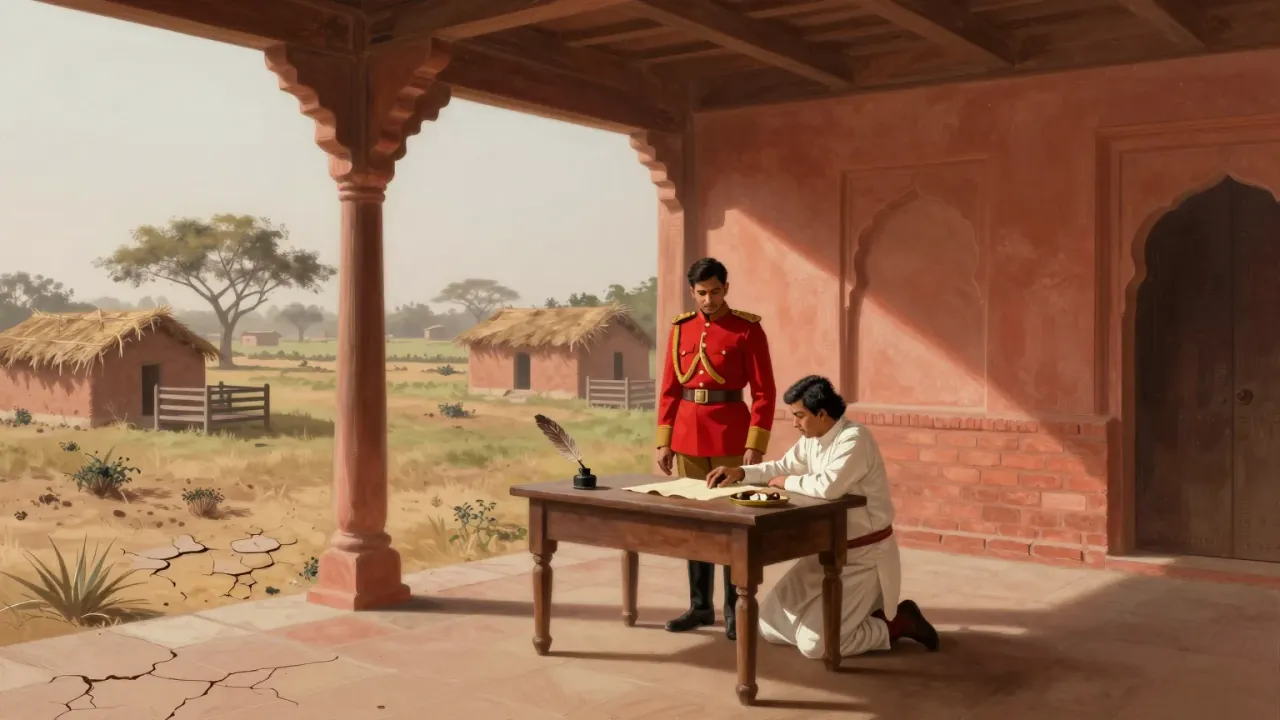
A 2001 Hindi-language epic set in 1893 colonial India, where villagers challenged to a cricket match against British officers wager their land tax. Directed by Ashutosh Gowariker and starring Aamir Khan, it blends musical form with historical allegory, foregrounding collective discipline over individual heroism. Shot over months in Gujarat’s Kutch district, its 224-minute runtime sustains drought, training, and match with patient craft — Anil Mehta’s cinematography, A. R. Rahman’s score, Bhanu Athaiya’s costumes. Critically acclaimed, it was India’s third Oscar submission for Best Foreign Language Film.

history.briefs History

All 2 in history →
10:08

Boston Tea Party

December 16, 1773

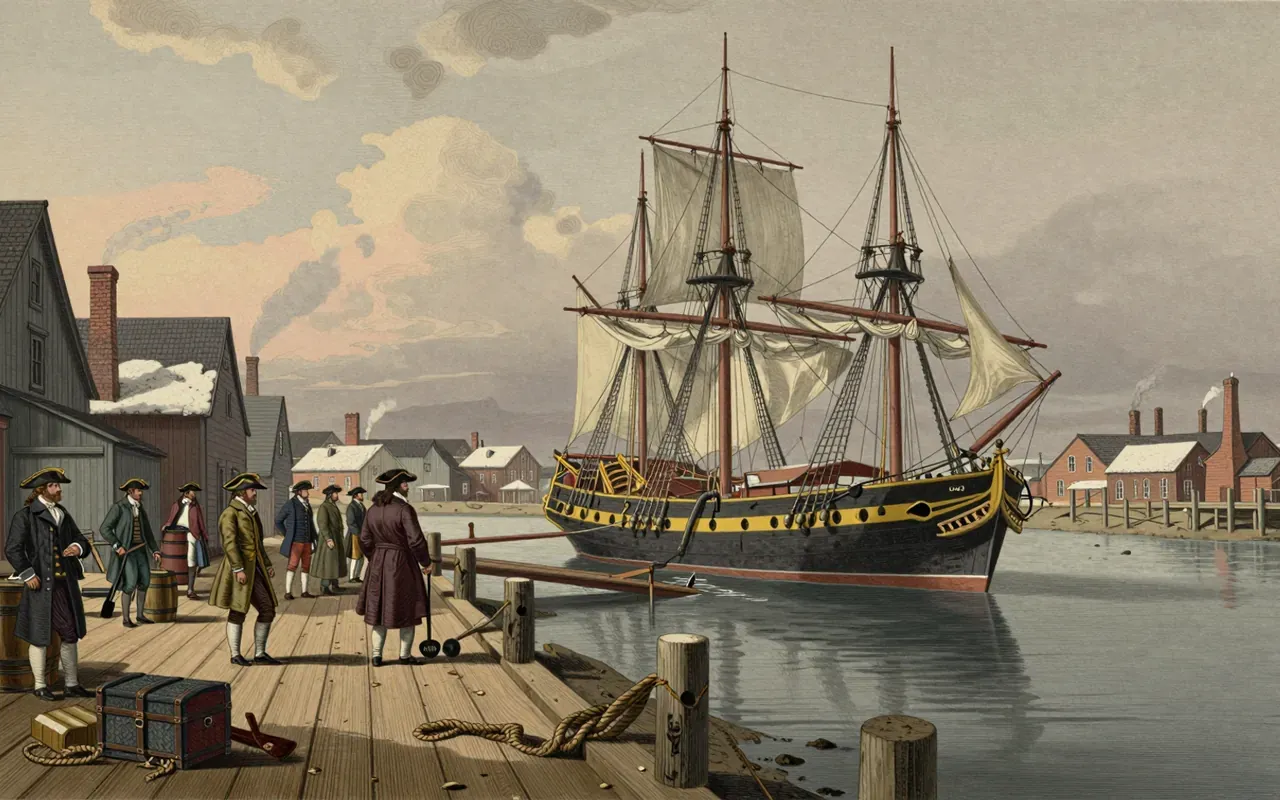
The Boston Tea Party was a deliberate, lawful-looking violation of imperial authority—staged to expose contradiction, not conceal intent. It succeeded in provoking exactly the response its organisers anticipated: punitive overreach that alienated moderates and united colonies. Its legacy is procedural, not patriotic.

8:16

Salt March

A 387-kilometre walk broke no laws until the last step — and that single act jailed 60,000 people without winning a single concession.

business.briefs Business

All 6 in business →
11:03

Vedanta Limited

Anil Agarwal · 1954

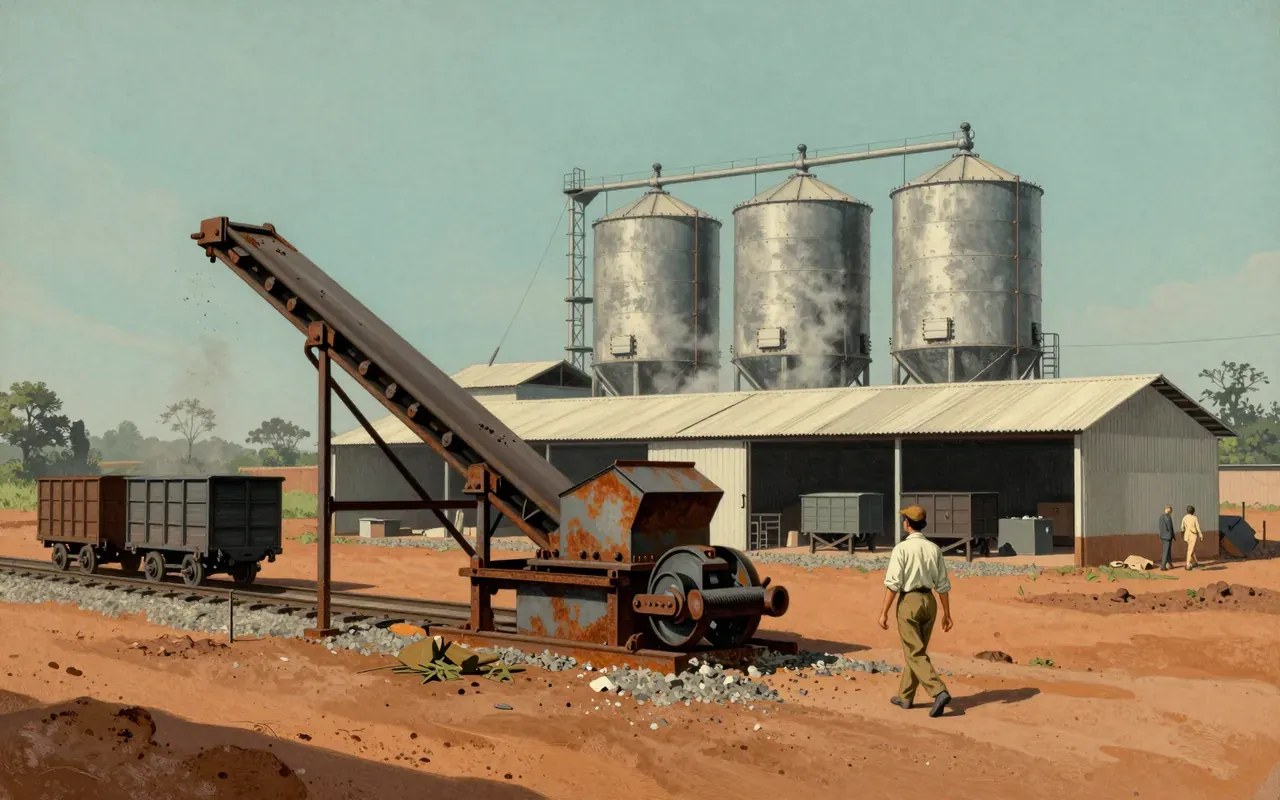
Vedanta Limited is a mining and metals company built on acquisitions, offshore holding structures, and regulatory navigation—not on technological differentiation or market creation.

11:34

BT Group

General Post Office · 1969

BT Group is a British multinational telecommunications holding company headquartered in London, England. It operates in around 180 countries and is the largest provider of fixed-line, broadband and mobile services in the UK. Its origins date back to the founding in 1846 of the Electric Telegraph Company. BT Group as it came to be started in 1912, when the General Post Office, a government department, took over the system of the National Telephone Company, becoming the monopoly telecoms supplier in the UK. The Post Office Act of 1969 led to the GPO becoming a public corporation, Post Office Telecommunications. The British Telecom brand was introduced in 1980, and became independent of the Post Office in 1981. British Telecom was privatised in 1984, becoming British Telecommunications plc, with some 50 percent of its shares sold to investors. BT runs the telephone exchanges, trunk network and local loop connections for the vast majority of British fixed-line telephones. The General Post Office (GPO) was the state postal system and telecommunications carrier of the United Kingdom until 1969. Established in England in the 17th century, the GPO was a state monopoly covering the dispatch of items from a specific sender to a specific receiver; it was overseen by a Government minister, the Postmaster General. The GPO was abolished by the Post Office Act 1969, which transferred its assets to the Post Office, so changing it from a Department of State to a statutory corporation. Responsibility for telecommunications was given to Post Office Telecommunications, the successor of the GPO Telegraph and Telephones department. In 1980, the telecommunications and postal sides were split prior to British Telecommunications' conversion into a totally separate publicly owned corporation the following year as a result of the British Telecommunications Act 1981. When new forms of communication came into existence in the 19th and early 20th centuries the GPO claimed monopoly rights on the basis that like the postal service they involved delivery from a sender and to a receiver. The Telegraph Act 1869 conferred on the Postmaster General a monopoly in telegraphic communication in the UK. The Wireless Telegraphy Act 1904, which granted control of radio waves to the General Post Office, who licensed all senders and receivers.

10:19

Andrew Mellon

Mellon didn’t build a business — he built a fiscal infrastructure, and then rewrote the tax code to protect it.
10:28

Asda

Associated Dairies · 1965

Asda's origin story is a case study in opportunistic capital allocation — not disruption. It used regulatory shifts, tax law, and real estate terms to scale before it had a coherent brand or national footprint.

10:47

Nintendo

Fusajiro Yamauchi · 1889

Nintendo’s origin is a case study in operational discipline over narrative ambition. It succeeded by controlling production hardware, exploiting regulatory shifts, and locking in high-frequency buyers — not by inventing games or chasing culture.

automotive.briefs Automotive

All 1 in automotive →
11:18

Citroën SM

Robert Opron · 1970

The Citroën SM is a high-performance coupé produced by Citroën from 1970 to 1975, featuring a 2.7 L V6 engine and front-engine, front-wheel-drive layout. It was developed as a Gran Tourer using Maserati's engine technology and Citroën's suspension, debuted at the 1970 Geneva Motor Show, and sold initially in France in September 1970. All factory-produced units were left-hand-drive, and its design was constrained by French puissance fiscale taxation.

fashion.briefs Fashion

All 1 in fashion →
9:06

Evisu

A denim label whose hand-painted seagull became a legal liability before it became a logo.