briefs
Topic · across the network

The American Revolution

A colonial tax dispute that became a founding argument.

19
briefs
7
subjects
11:44
average
223 min
in total
Abstraction 407Absurdism 137Acoustics 220Acting 65Adaptation 372Addiction 95Adolescence 202Advertising 77Age of exploration 14Ageing 113Agriculture 100Algorithms 114Ambition 46Anarchism 38Ancient Egypt 17Ancient Greece 38Ancient Rome 30Animals 172Anthropology 23Apartheid 12Architecture 165Archives 32Argentina 10Art Deco 26Artificial intelligence 78Astronomy 81Attention 42Australia 32Automation 73Avant-garde 164Aviation 79Banking 72Banned works 40Bauhaus 12Beer 5Behavioural economics 22Berlin 16Big tech 6Biodiversity 136Biography 86Birds 41Black holes 20Blockchain 12Boxing 14Branding 77Brazil 43Bread 29Britain 131Brutalism 4Bubbles 3Buddhism 28Byzantium 10California 17Canada 18Capitalism 94Cars 468Celebrity 59Censorship 110Cheese 24Chefs 9Chemistry 104Chess 2Childhood 87China 109Chocolate 8Christianity 49Cinematography 343Cities 90Class 485Climate change 107Club culture 100Cocktails 2Coffee 11Cognitive bias 14Collecting 16Colonialism 284Colour 42Comedy 89Community 52Complexity 21Computing 309Consciousness 16Conservatism 14Conspiracy theories 8Cooking 178Corruption 38Cosmology 31Cover versions 64Craft 116Crate digging 42Creativity 8Crime 234Cryptocurrency 8Cryptography 24Cuba 10Cybersecurity 30Dada 12Debt 38Decision-making 28Decolonisation 46Deep time 80Democracy 45Denim 16Deserts 45Detroit 17Dinosaurs 12Directing 168Disasters 59Disease 109DJ culture 89Dreams 32Drones 5Drum machines 96Dystopia 69East Africa 28Ecology 337Economics 36Editing 72Education 92Egypt 12Electric vehicles 59Emotion 22Empire 92Endurance 49Energy 120Engineering 541Entropy 8Epidemics 13Equality 9Espionage 31Ethics 44Evolution 174Existentialism 106Expertise 2Exploration 49Extinction 23Failure 37Family 240Fandom 22Fascism 45Fashion 215Fast fashion 12Fear 34Feminism 122Fermentation 126Film music 81Fishing 12Folklore 71Food history 588Football 16Forests 31Forgery 7France 163Fraud 15Free will 13Freedom 16French literature 15Friendship 24Furniture 36Gambling 14Gender 63Generations 28Genetics 87Geology 96Germany 66Globalisation 74Gothic 32Greece 5Grief 126Habits 6Happiness 2Hardware 709Haute couture 22Headphones 8Hi-fi 12Hinduism 12Hoaxes 1Human history 23Human nature 41Identity 138Illustration 8Impressionism 6Improvisation 249India 89Indonesia 15Industrial design 342Inequality 13Inflation 4Information 34Infrastructure 280Insects 29Intelligence 8Interiors 31Internet culture 88Invention 329Iran 41Islam 40Islands 17Israel 9Italy 52Jamaica 10Japan 114Jewellery 5Journalism 34Judaism 13Justice 42Korea 41Language 70Law 90Leadership 20Learning 6Liberalism 1Libraries 6Literary criticism 26London 12Loneliness 61Los Angeles 62Lost works 9Love 67Luxury 55Machine learning 15Management 10Maps 5Marketing 21Markets 51Mars 6Marxism 26Masculinity 46Materials 138Mathematics 79Meaning 6Medicine 124Memory 82Mental health 70Mesopotamia 4Mexico 38Migration 95Minimalism 68Mining 30Misinformation 9Modernism 63Money 24Monopoly 32Mortality 61Motivation 2Mountains 16Museums 27Mysticism 11Mythology 60Nationalism 40Neuroscience 23New York 36Nigeria 7Nihilism 10Noise 31Nostalgia 33Nuclear 29Nutrition 17Oceans 48Oil 42Open source 45Painting 18Palaeontology 29Parenting 14Paris 18Partition 6Patents 71Patronage 14Perception 44Personal style 27Personality 2Persuasion 8Peru 10Philosophy 77Photography 37Physics 206Plants 26Platforms 89Podcasting 1Poetry 25Poland 17Policing 34Pop Art 16Populism 2Portraiture 6Portugal 18Postmodernism 23Power 91Prehistory 24Preservation 28Printmaking 21Privacy 11Probability 6Productivity 1Programming 54Prohibition 1Propaganda 35Protest 75Pseudoscience 17Psychology 80Publishing 22Punishment 16Quantum mechanics 44Race 145Radio 30Railways 35Rave 17Realism 47Record labels 19Recording 810Relativity 23Religion 154Resilience 15Restaurants 30Restoration 2Retail 94Revolution 58Risk 18Ritual 96Robotics 26Romance 96Russia 58Salt 9Sampling 246Satire 84Scandinavia 28Scientific method 186Screenwriting 26Sculpture 7Secularism 2Self-deception 14Semiconductors 73Sexuality 102Ships 18Silence 24Silicon Valley 17Slavery 35Sleep 2Smartphones 27Sneakers 15Social media 58Socialism 9Software 68Songwriting 180Sound design 332Sound systems 20South Africa 19South East Asia 30Space exploration 84Spain 18Special effects 41Spices 62Spirits 12Sport 82Startups 21Statistics 10Status 9Stoicism 4Storytelling 68Strategy 70Street food 99Streetwear 16Studio craft 508Subcultures 59Sugar 12Supply chains 115Surrealism 53Surveillance 21Sustainability 30Synthesis 232Tailoring 37Taxation 14Tea 24Textiles 97Thailand 11The American Revolution 19The American South 88The Arab world 41The Arctic 19The Balkans 17The Belle Epoque 13The body 29The brain 26The Caribbean 28The civil rights movement 62The Cold War 160The eighties 268The Enlightenment 29The financial crisis 19The First World War 39The food industry 157The French Revolution 9The Gilded Age 9The Great Depression 18The Holocaust 20The Industrial Revolution 93The internet 61The interwar years 135The Middle Ages 35The Moon 4The music business 169The Netherlands 10The nineties 26The Olympics 10The pandemic 13The Reformation 1The Renaissance 16The Russian Revolution 19The Second World War 102The seventies 58The sixties 28The space race 5The United States 19The universe 7The Victorian era 37Therapy 20Tokyo 11Trade 48Tragedy 22Translation 5Trauma 85Travel 5True crime 2Turkey 18Typography 54Uniforms 23Unions 8Urban planning 66Utilitarianism 1Utopia 5Vaccines 10Vegetarianism 15Venture capital 6Video games 291Vietnam 12Vintage 65Vinyl 6Virtual reality 11War 169Watches 4Water 11Weather 29West Africa 29Wilderness 10Wine 3Work 22Workwear 19Worldbuilding 121

books.briefs Books

All 3 in books →
15:00

The House of the Seven Gables

Nathaniel Hawthorne · 0

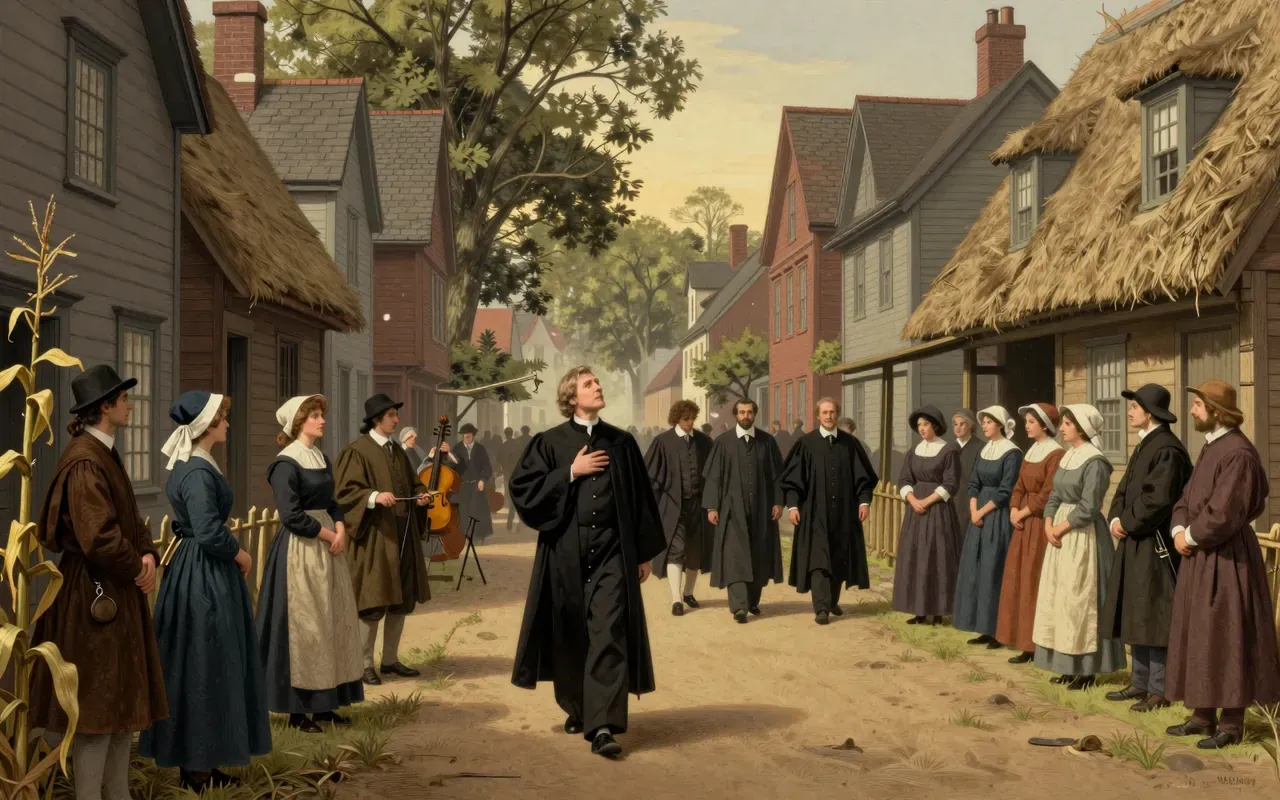
The House of the Seven Gables treats inherited sin as physical law: the house breathes, time splits at midnight, and guilt lodges in timber and watch springs. It works best in its claustrophobic, symbolic moments—the dead judge in the chair, the garden door closing, love blooming beside a corpse. Skip the expository Preface summaries. Read Chapters 3, 4 and 6.
14:25

The Scarlet Letter

Nathaniel Hawthorne · 0

The Scarlet Letter is a tightly wound allegory about shame as public theatre and truth as embodied consequence. Hester’s embroidered 'A' asserts authorship over her punishment. Dimmesdale’s hidden stigma proves secrecy corrodes the self. Chillingworth’s withering confirms revenge is self-annihilation. Skip the Custom-House preface. Read the forest meeting and scaffold revelation—they hold the whole argument.

14:25

Spoon River Anthology

Edgar Lee Masters · 0

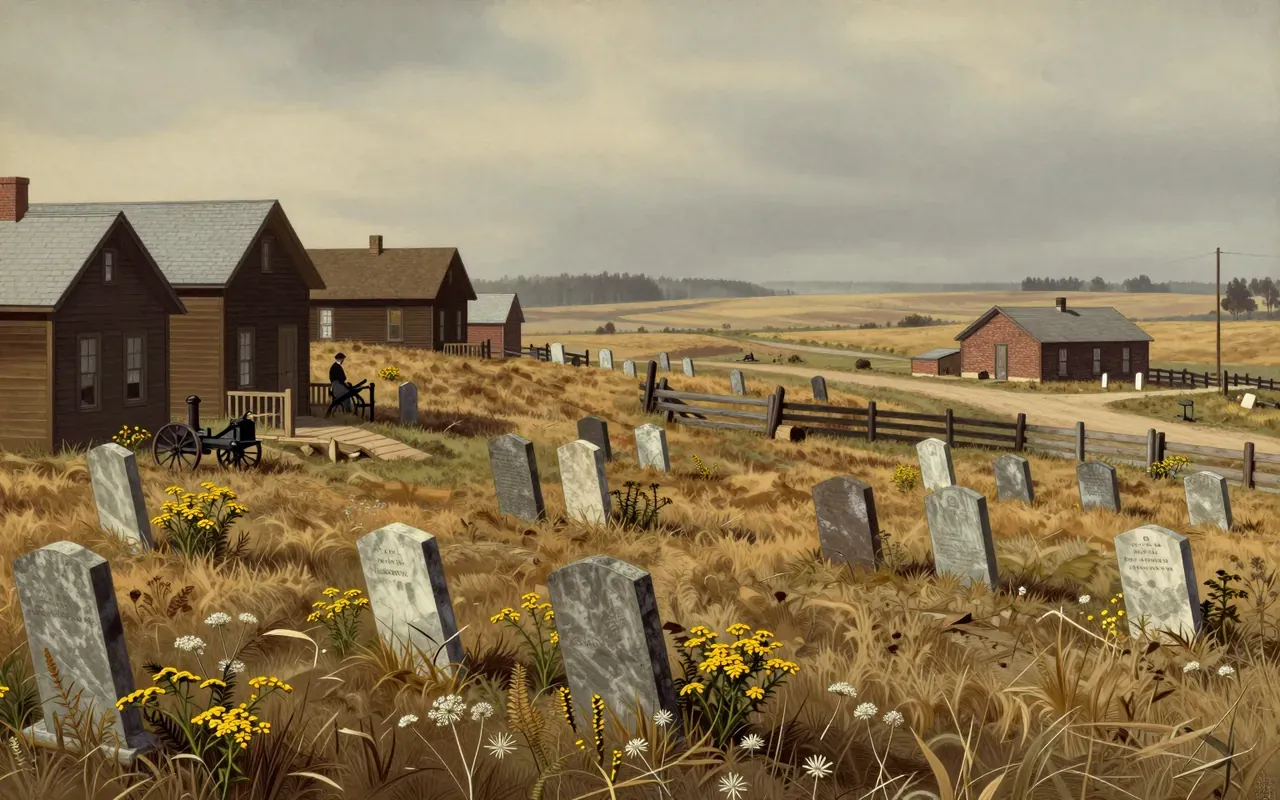
The brief argues that Spoon River Anthology’s power lies entirely in its epitaphs—the dead speaking plainly about lies, loss and local truth. The Epilogue’s mythic allegory undermines that power. Read The Hill. Skip the rest.

music.briefs Music

All 1 in music →
10:09

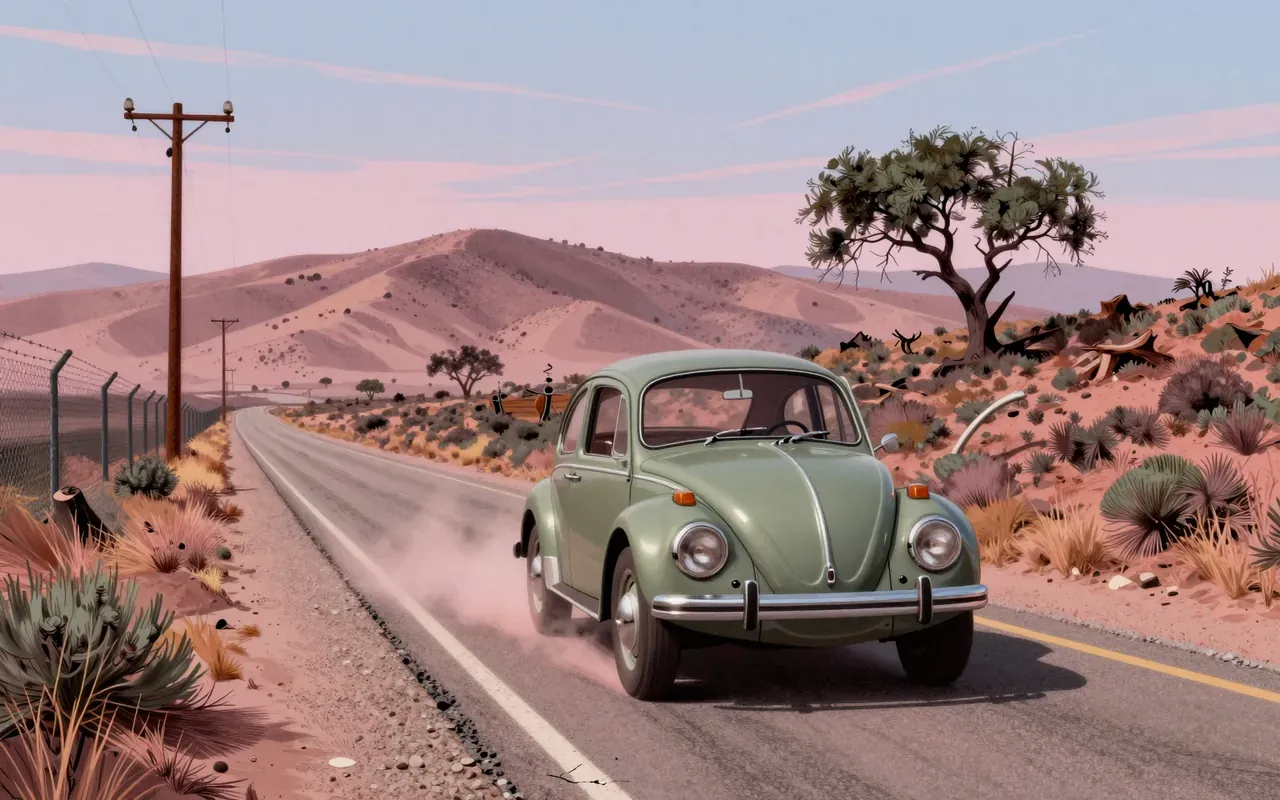
Double Nickels on the Dime

Minutemen · 1984

Double Nickels on the Dime is a 45-song double LP by Minutemen, released July 1984 on SST Records. Recorded in two sessions at Radio Tokyo Studios with Ethan James, it mixes punk, funk, country, spoken word, and jazz. Inspired by Hüsker Dü’s Zen Arcade, the band adopted a car-themed concept, assigned each member a side (with 'Chaff' as the fourth), and incorporated lyrics from friends including Henry Rollins and Joe Carducci. It was mixed overnight on eight-track for $1,100. Themes include the Vietnam War, racism, working-class life, and linguistics.

film.briefs Film

All 7 in film →
13:00

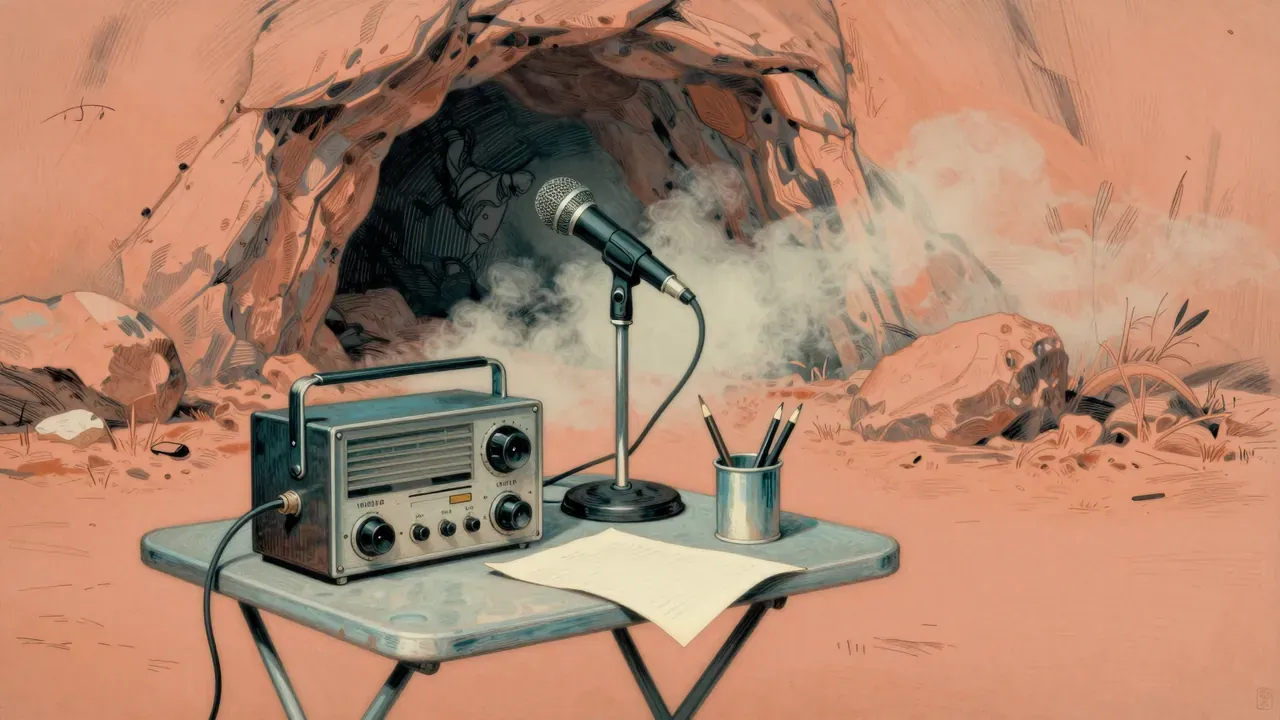
Ace in the Hole

Billy Wilder · 1951

Billy Wilder’s 1951 drama follows a disgraced reporter who manipulates a cave rescue into a week-long media circus in rural New Mexico. With Kirk Douglas as the ruthlessly pragmatic Chuck Tatum, the film charts the incremental erosion of ethics across journalism, law enforcement, and community—treating truth as a negotiable resource rather than a principle. Shot by Charles Lang and edited by Arthur P. Schmidt, it remains stark, unsentimental, and structurally rigorous.

13:00

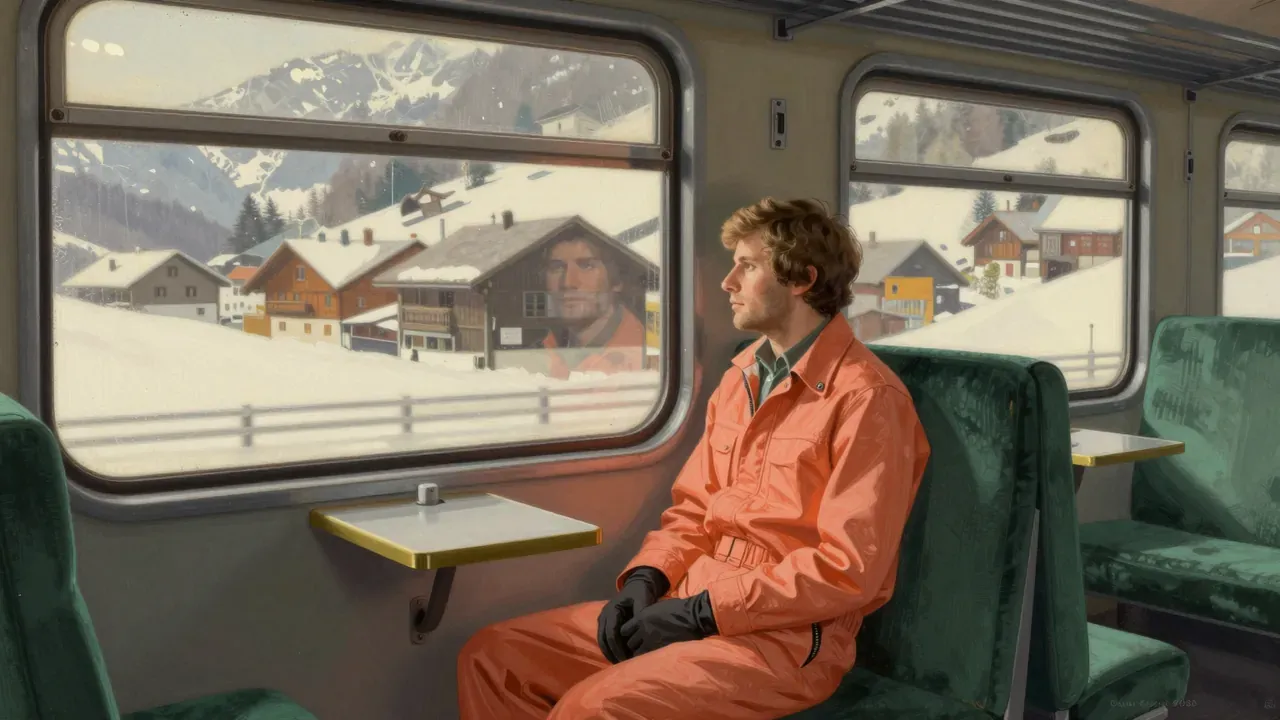
Downhill Racer

Michael Ritchie · 1969

Michael Ritchie’s 1969 debut follows American downhill skier David Chappellet — played by Robert Redford — as he joins the U.S. Ski Team in Europe. Written by James Salter and shot on real World Cup courses, the film avoids sports-movie tropes: no training montages, no last-minute comebacks, no emotional breakthroughs. Instead, it observes Chappellet’s unyielding self-containment — his victories, silences, and failures — with clinical precision. Brian Probyn’s cinematography and Kenyon Hopkins’ sparse score reinforce its austere tone. It is less about skiing than about the cost of treating excellence as a solitary metric.

13:00

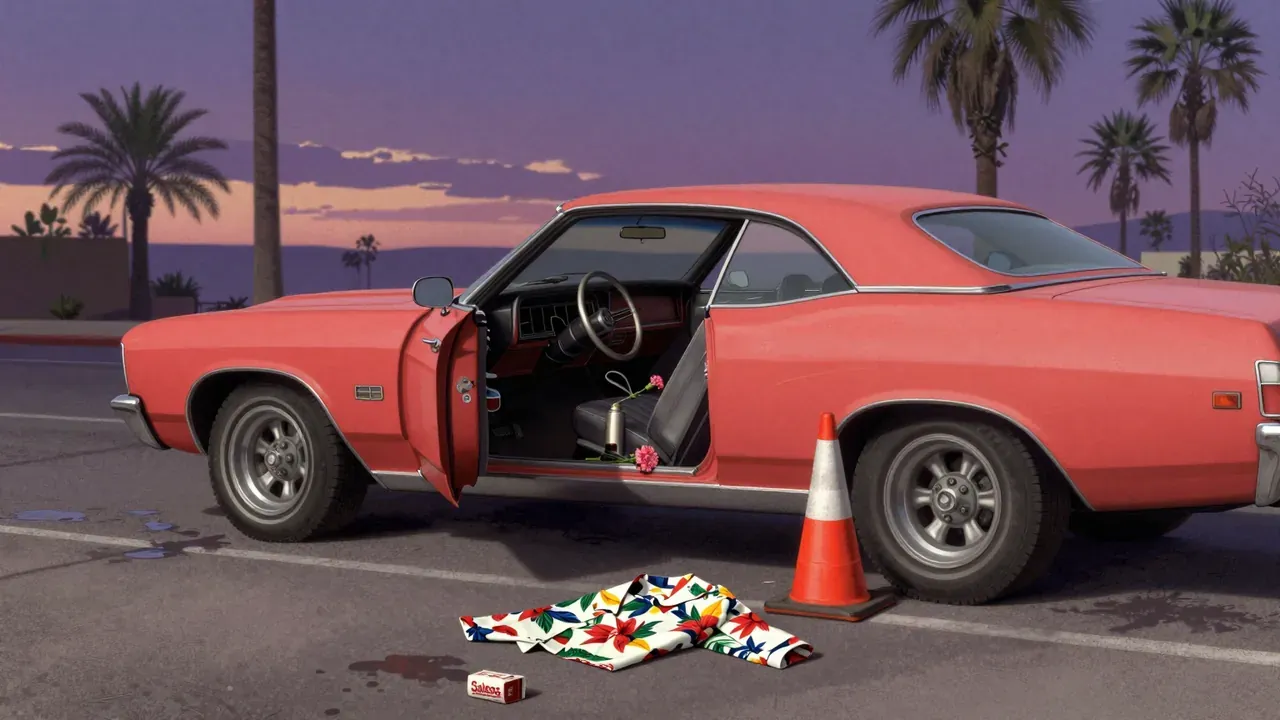
Fear and Loathing in Las Vegas

Terry Gilliam · 1998

Terry Gilliam’s 1998 adaptation of Hunter S. Thompson’s Fear and Loathing in Las Vegas commits fully to the novel’s hallucinatory logic and period specificity. Starring Johnny Depp and Benicio del Toro as Raoul Duke and Dr. Gonzo, it charts their chemically accelerated descent through Las Vegas in 1971 — less a story than a sensory and moral autopsy of a fraying American dream. The film’s craft serves immersion over clarity, its themes revolve around eroded reality and institutional decay, and its value lies in fidelity, not comfort.

13:00

Old Joy

Kelly Reichardt · 2006

Kelly Reichardt’s 2006 debut follows two old friends, Mark and Kurt, on an overnight camping trip to Bagby Hot Springs in Oregon. Mark is settling into domestic life and impending fatherhood; Kurt remains rootless, spiritually adrift. Their conversation circles shared history and unspoken distance, culminating not in reconciliation but in quiet, mutual departure. Shot on a $30,000 budget, the film relies on understated performances, natural light, and ambient sound to trace the subtle erosion of intimacy across divergent adult paths.

13:00

Wild 90

Norman Mailer · 1968

Norman Mailer’s Wild 90 (1968) is a black-and-white, 16mm experimental film shot over four nights in a Lower Manhattan apartment. Mailer, Mickey Knox, and Buzz Farbar improvise as gangster avatars, armed with props and liquor, their dialogue unscripted and heavily profane. D. A. Pennebaker’s cinematography is direct and unadorned; a technical flaw left a quarter of the soundtrack muffled — a choice Mailer preserved. Edited from 150 minutes to 90, the film rejects narrative, polish, and coherence in favour of raw, durational performance. Critically panned on release, it stands as a singular, abrasive document of Mailer’s cinematic ambition — less a story than a test of attention.

13:00

Force of Evil

Abraham Polonsky · 1948

Abraham Polonsky’s 1948 Force of Evil follows lawyer Joe Morse as he helps gangster Ben Tucker rig the numbers racket in New York, only to confront the human cost when his brother Leo is drawn in. Shot by George Barnes and scored by David Raksin, it is a tightly wound, linguistically dense crime film that treats corruption as arithmetic and kinship as collateral. Preserved in the US National Film Registry, it remains a benchmark of film noir’s intellectual rigour.

13:00

Sweet Smell of Success

Alexander Mackendrick · 1957

Sweet Smell of Success (1957) is a tightly wound New York drama about a press agent’s moral collapse under the influence of a ruthless columnist. Directed by Alexander Mackendrick, with a screenplay restructured by Clifford Odets and Ernest Lehman, it stars Burt Lancaster and Tony Curtis in career-defining roles. James Wong Howe’s high-contrast cinematography and Elmer Bernstein’s jagged score deepen its portrait of media power as systemic, not personal. Though commercially unsuccessful on release, it is now regarded as a landmark of American cinema—culturally preserved, critically revered, and formally uncompromising.

history.briefs History

All 1 in history →
10:08

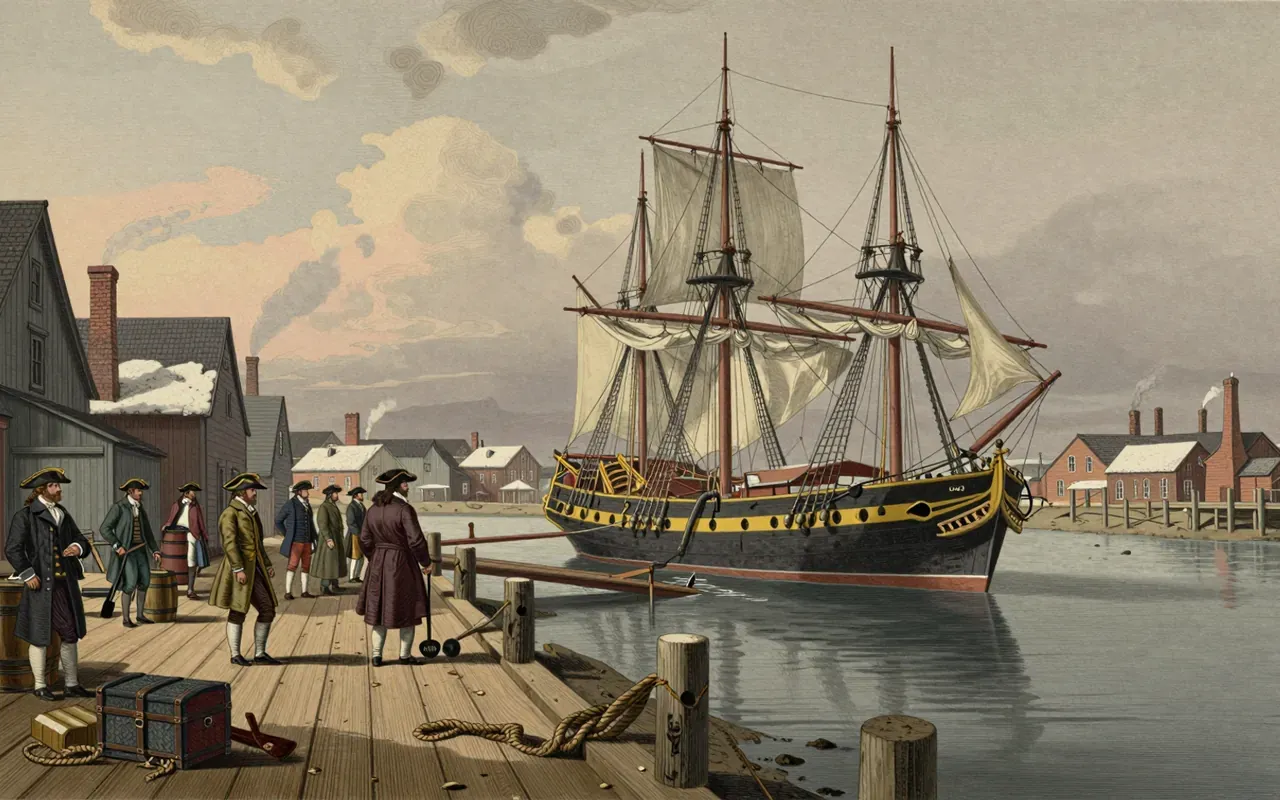
Boston Tea Party

December 16, 1773

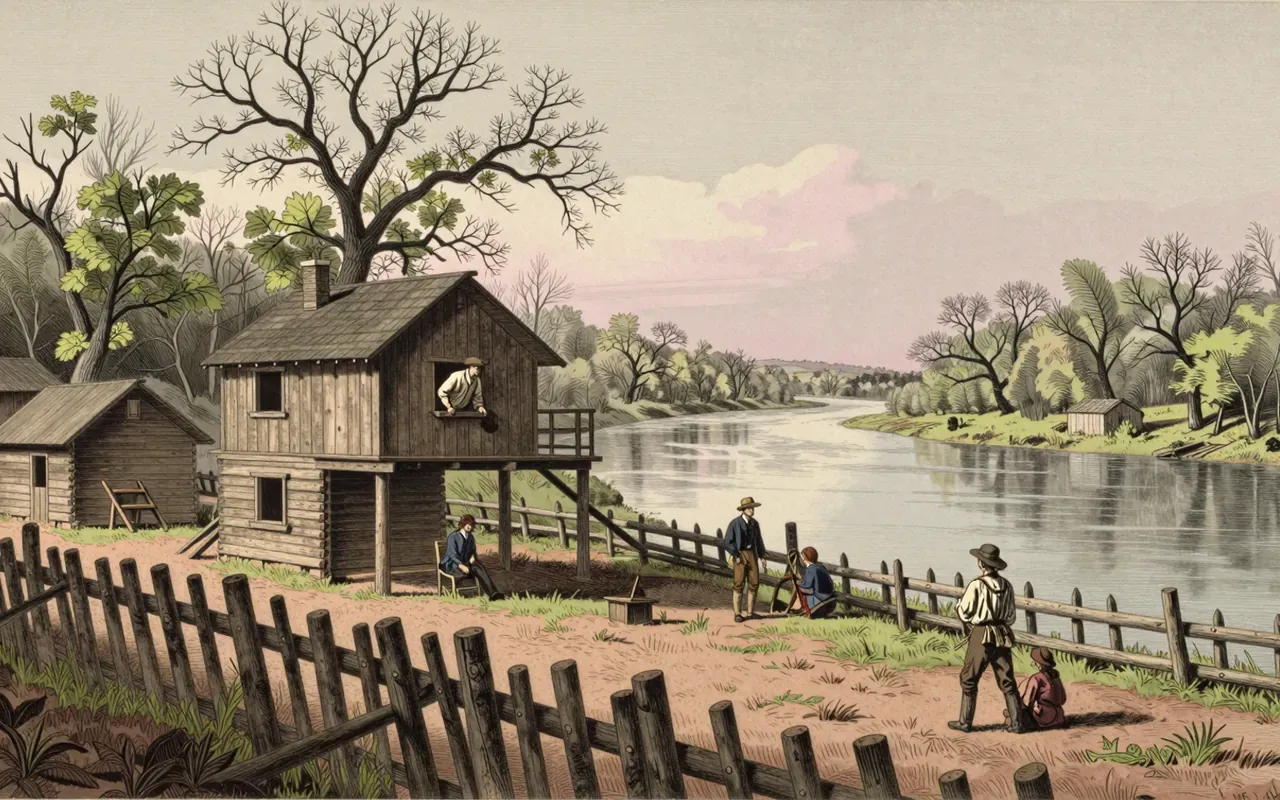
The Boston Tea Party was a deliberate, lawful-looking violation of imperial authority—staged to expose contradiction, not conceal intent. It succeeded in provoking exactly the response its organisers anticipated: punitive overreach that alienated moderates and united colonies. Its legacy is procedural, not patriotic.

games.briefs Games

All 1 in games →
10:21

Madden NFL

EA Sports · 1988

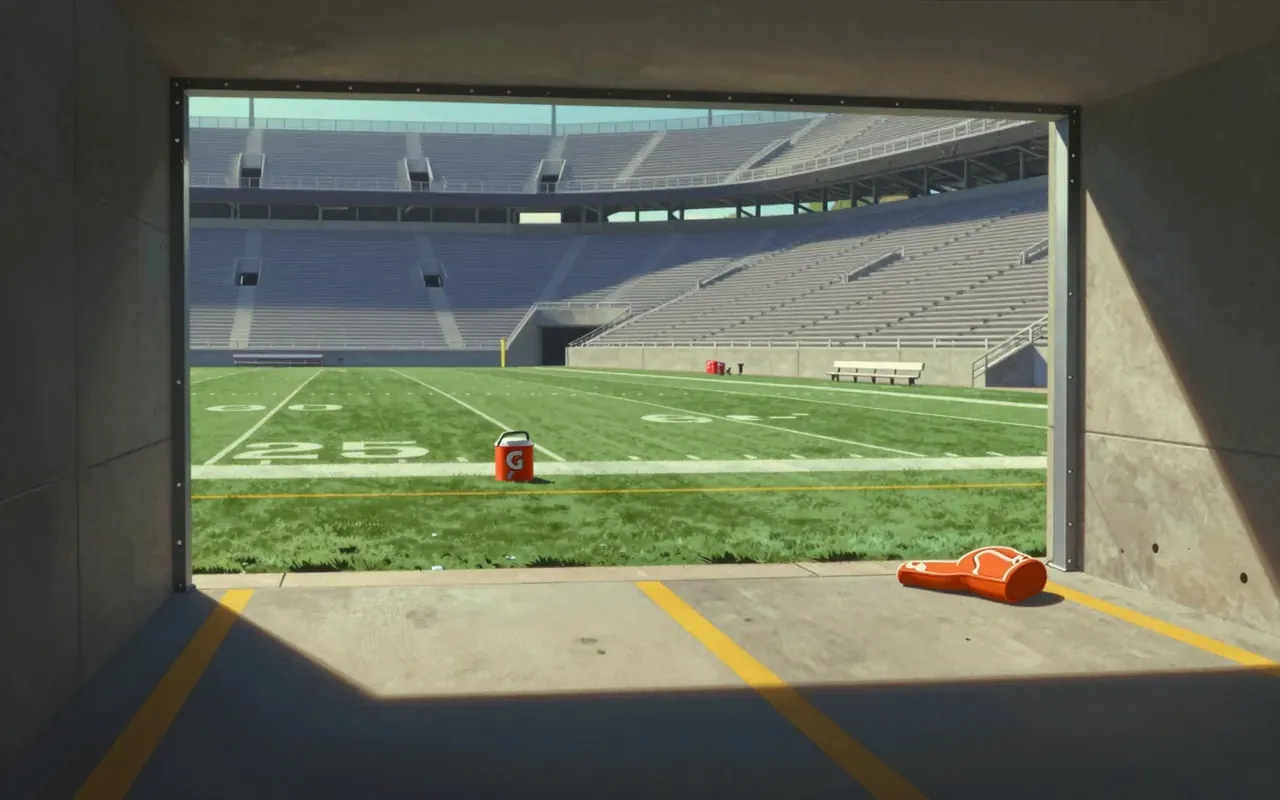
Madden NFL (1988) is the foundational entry in EA Sports’ long-running American football simulation series. Developed by EA Orlando and published by EA Sports, it launched on Apple II and established core tenets: 11-player teams, numerical player ratings, detailed play diagrams with John Madden’s coaching commentary, and broadcast-style voice narration. Later entries expanded into Franchise Mode — a multi-season management layer involving training camp, 16-game seasons, playoffs, and the Super Bowl — though this mode remains consistently criticised. The series operates under an exclusive NFL licensing agreement extending through the 2025–2026 season.

culture.briefs Culture

All 1 in culture →
9:00

Nashville, Tennessee

Nashville wasn’t founded for music—it was founded for land claims, and its 1779 origin is a legal fiction dressed as heritage.

automotive.briefs Automotive

All 5 in automotive →
10:45

Cadillac Sixteen

Brian Smith · 2005

The Cadillac Sixteen is a 2003 concept car. It has a proprietary 13.6 L V16 engine. It uses a four-speed automatic transmission driving the rear wheels. It references the 1930s Cadillac V-16. It weighs about 5,005 lb. It influenced later models including the Celestiq.

8:46

Ford Thunderbird (first generation)

George Walker team · 1955

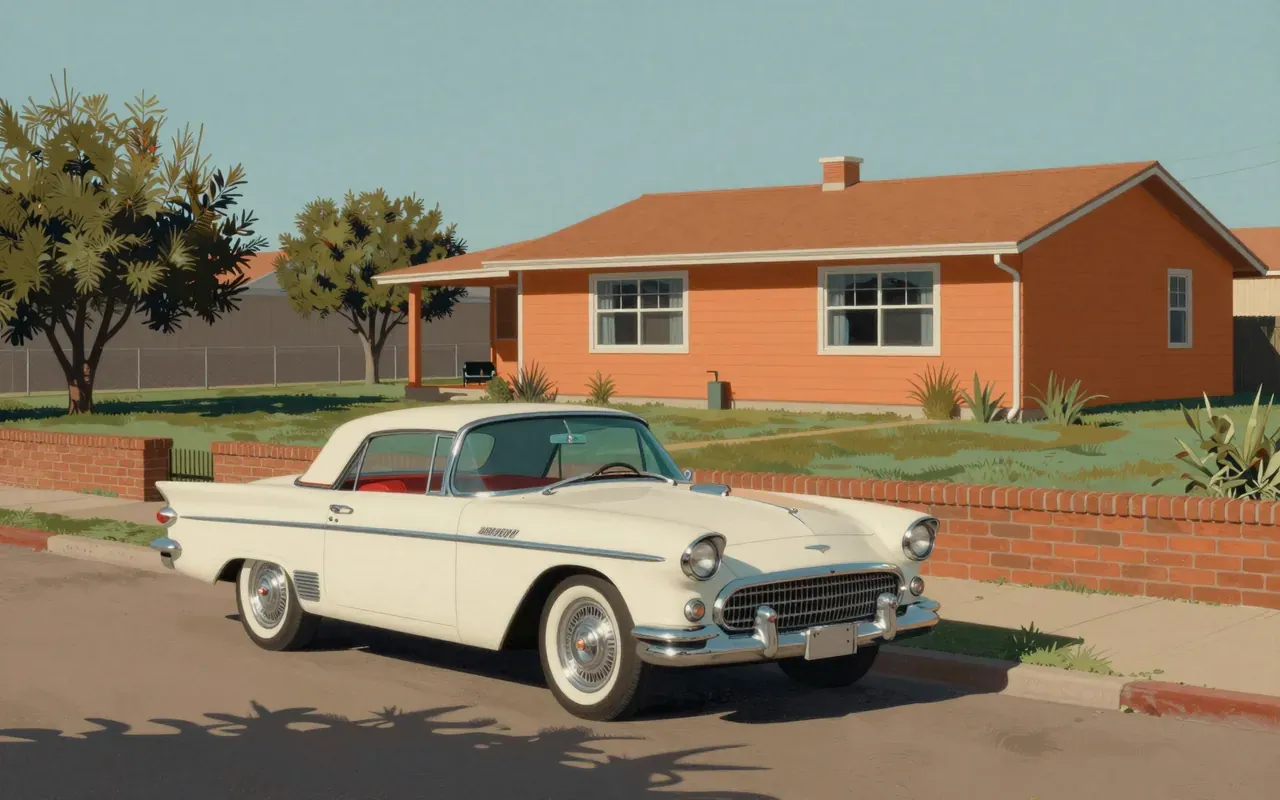
The first-generation Ford Thunderbird (1955–1957) is a two-seat convertible — Ford’s first since 1938 — developed in response to the 1953 Motorama Corvette display. Dubbed 'a personal car of distinction', it prioritised driver comfort over speed and established the personal luxury car segment in the US. Built on existing Ford components with body-on-frame construction, it sold 16,155 units in 1955 — vastly outpacing the Corvette. Its design inspired the German Auto Union 1000 Sp. It remained the only two-seat Thunderbird until 2002.

8:48

AMC AMX

Dick Teague · 1968

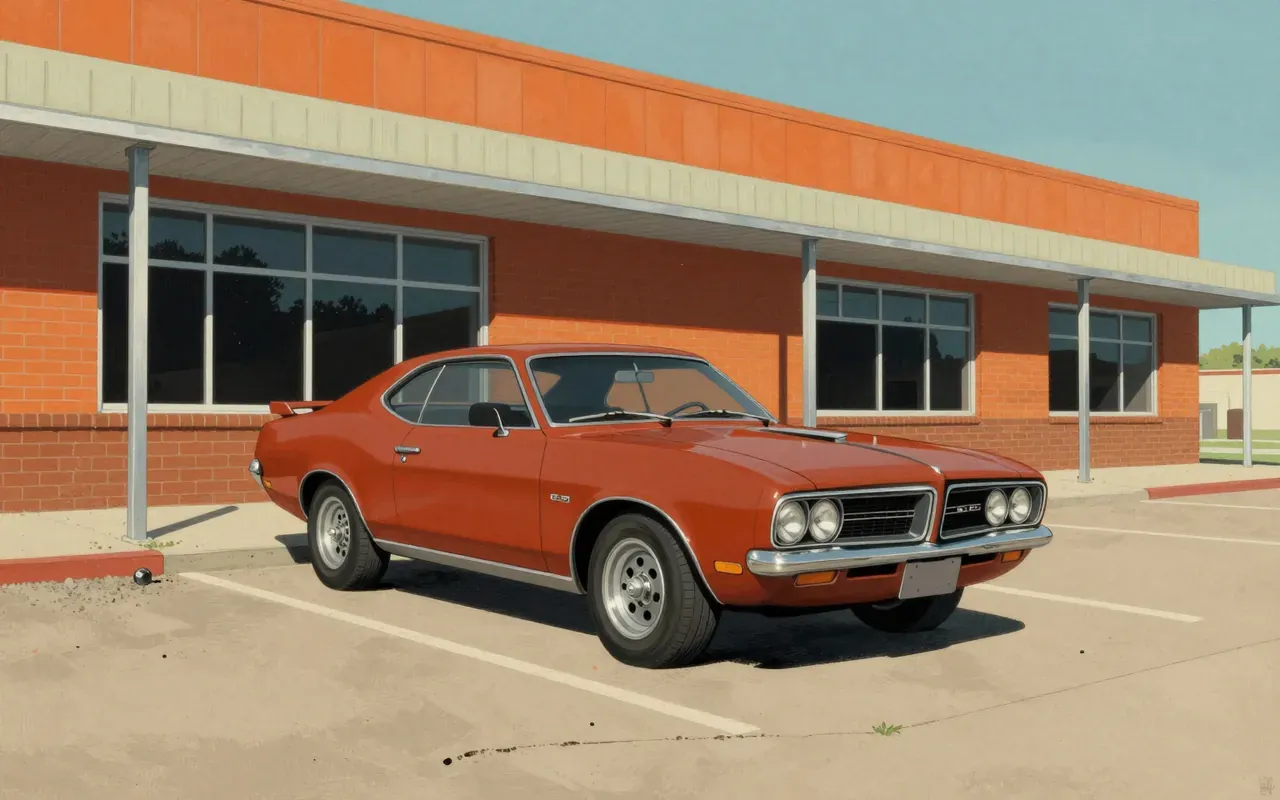
The AMC AMX is a two-seat GT-style muscle car produced by American Motors Corporation from 1968 through 1970. It was one of only two American-built two-seaters and competed directly with the Chevrolet Corvette at a significantly lower price. Based on the Javelin but with a shorter wheelbase and no rear seat, it was styled as a coupe with fixed rear quarter windows. It featured AMC V8 engines in 290, 343, or 390 cubic inch displacements. After three model years, the two-seat version was discontinued, though the AMX name continued on high-performance Javelin models. Its name originated from the 'American Motors experimental' designation used on 1966 concept vehicles.

10:00

Ford Bronco

Paul G. Axelrad · 1966

The 1966 Ford Bronco is Ford’s first SUV. It launched as a compact, off-road vehicle using its own chassis. It was built at Ford’s Michigan Truck Plant in Wayne, Michigan.

10:01

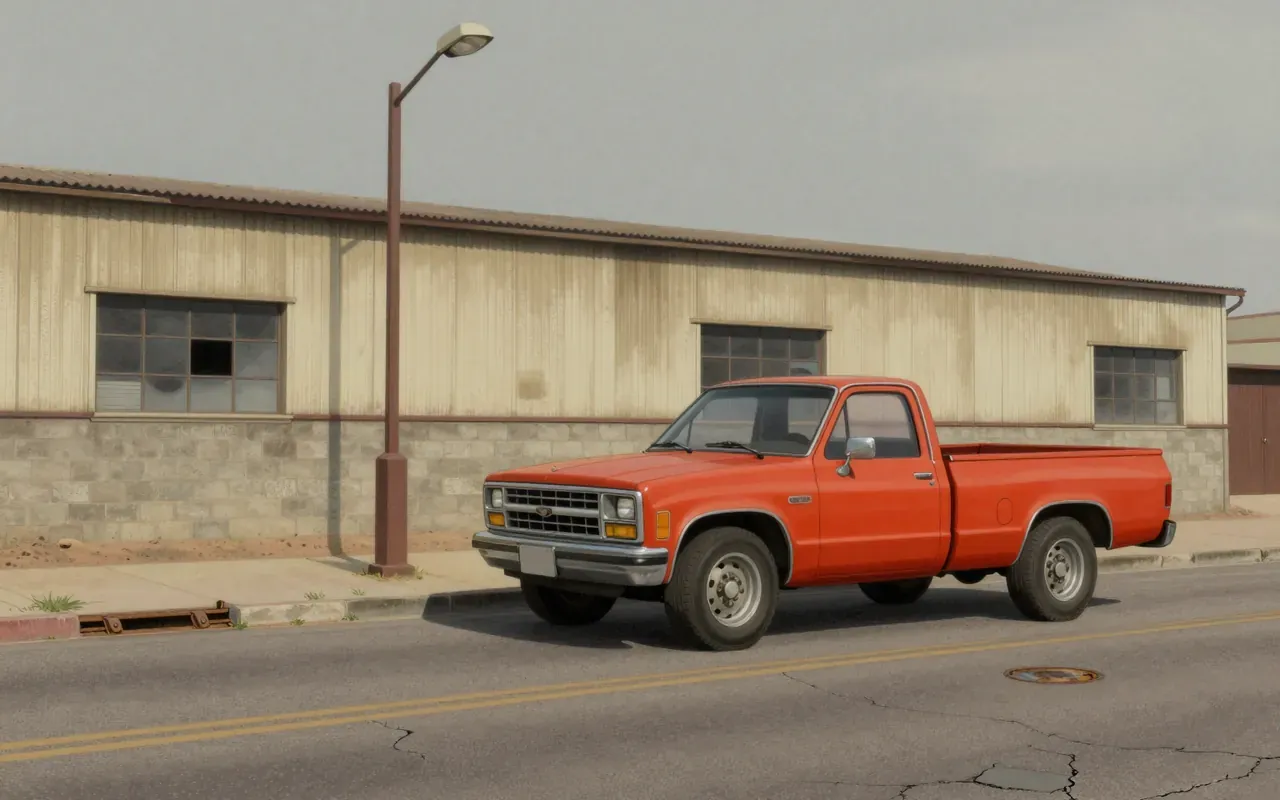
GMC Syclone

GMC · 1991

The GMC Syclone is a 1991 high-performance compact pickup based on the GMC Sonoma. Built by GMC and Production Automotive Services (PAS), it featured a 4.3L turbocharged V6, 4L60 automatic transmission, BorgWarner 4472 AWD transfer case (35/65 torque split), Mitsubishi turbo, Garrett intercooler, and 4-wheel ABS. At launch, it was the fastest stock pickup in the world—and its acceleration outperformed the Chevrolet Corvette and Ferrari 348 ts. It established that AWD and forced induction could coexist in a production truck without sacrificing usability. It did not offer a manual, nor did it prioritise ride comfort or cabin isolation. Its legacy is mechanical audacity, not longevity or luxury.