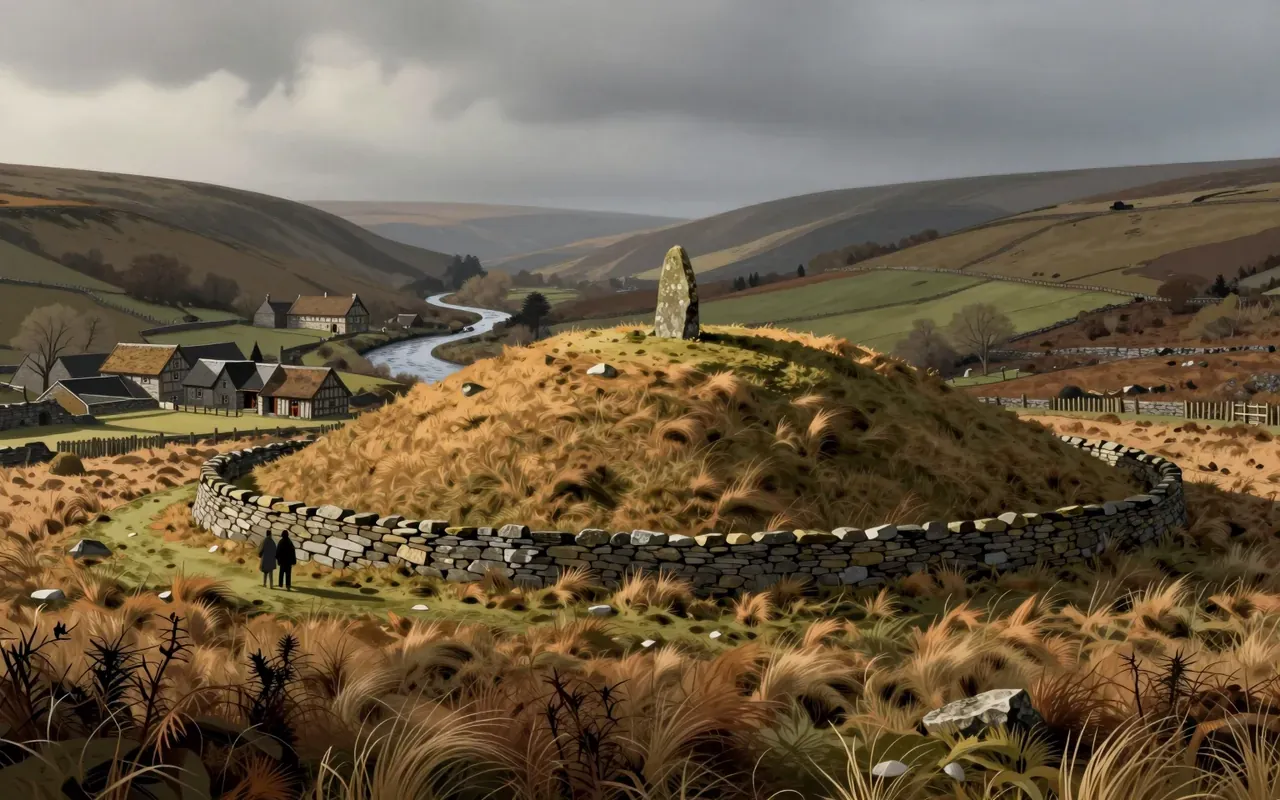
The Mabinogion
Welsh legend didn’t borrow from Arthurian romance — it invented the grammar that made it possible.
What gets passed on without anyone deciding to.
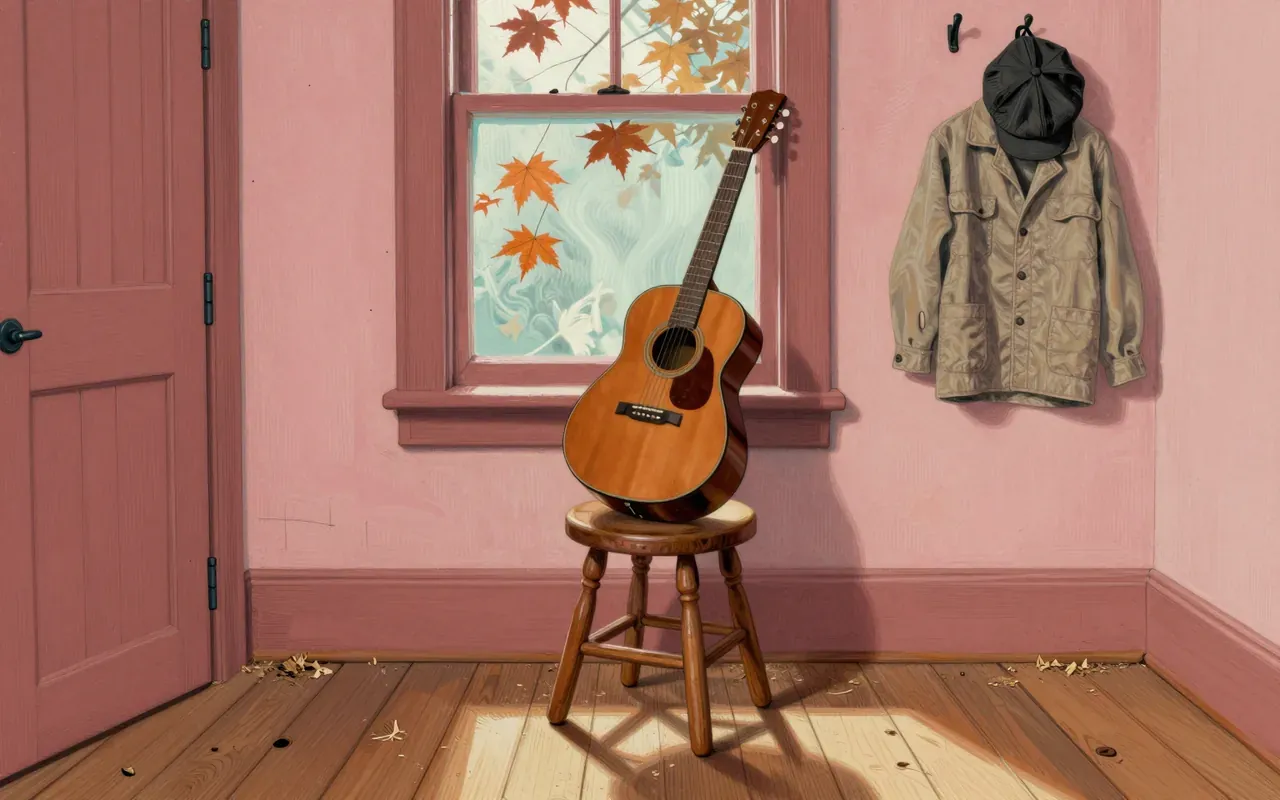
Bob Dylan’s 1962 debut is not a statement of intent—it’s a ledger of absorption. Twelve traditional songs, two originals, recorded in three afternoons with no retakes, no polish, no plan beyond fidelity to what Dylan had heard and internalised. It sounds like one room, one guitar, one voice insisting on its own terms.
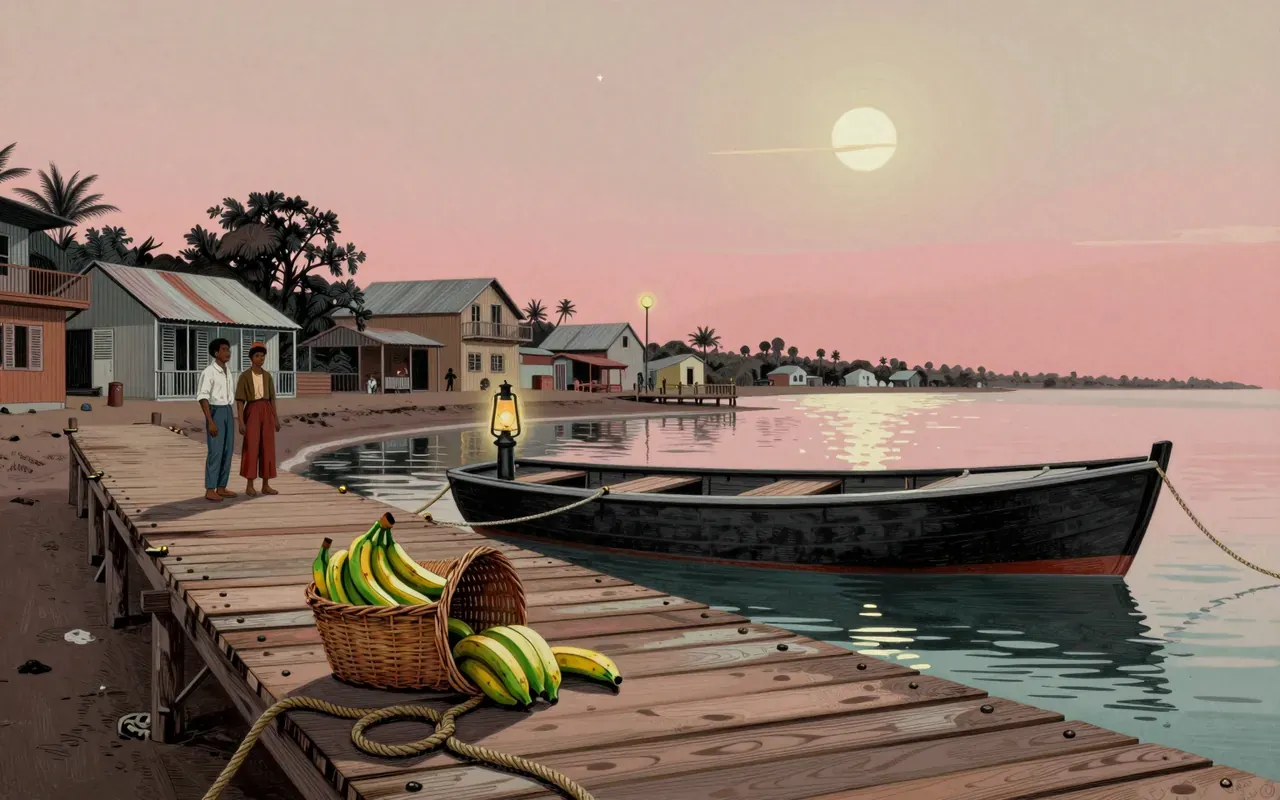
Calypso is Harry Belafonte's third studio album, released in 1956 on RCA Victor. It features vocal performances backed by guitarists Millard J. Thomas and Frantz Casseus, Tony Scott and His Orchestra, and The Norman Luboff Choir on select tracks. It includes 'Day-O (The Banana Boat Song)', sung from the perspective of banana dock workers awaiting daylight, alongside 'Star-O' as a lyrical variant reprise, and 'Jamaica Farewell', a mento folk song published here for the first time. Production involved multiple producers, a conductor, a chorus leader, and contributors to visual and textual elements of the release.
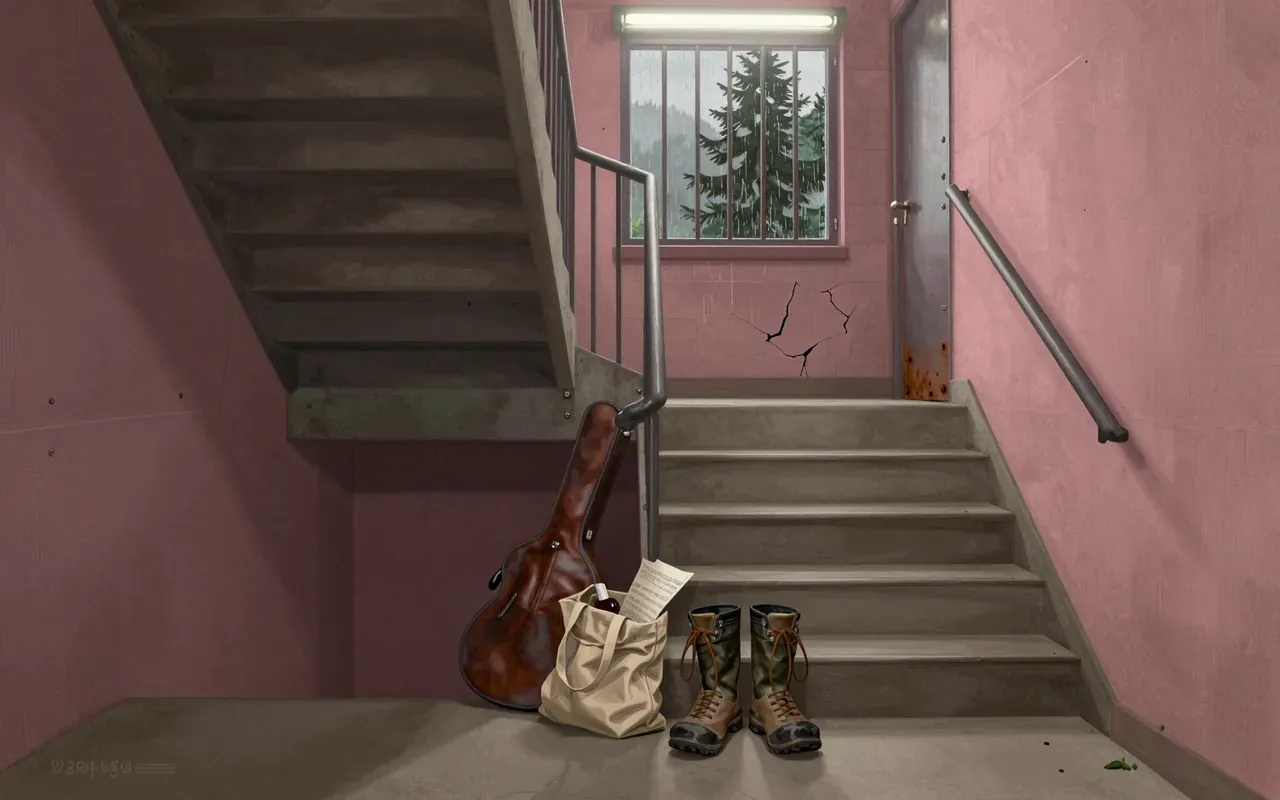
Fox Confessor Brings the Flood is a tightly controlled act of withholding — in lyric, structure, and space. Its power lies in what it omits, not what it declares.

Macalla is Clannad’s 1985 eighth studio album, recorded across Switzerland, England, and Ireland. It features bilingual Irish-English material, including two fully Irish-language tracks and a notable duet with Bono. Producer Steve Nye oversaw key tracks such as 'Closer to Your Heart' and 'Almost Seems (Too Late to Turn)', both of which became hit singles. The album also includes the hit duet 'In a Lifetime' with Bono, opening with Máire teaching him Irish phrases.
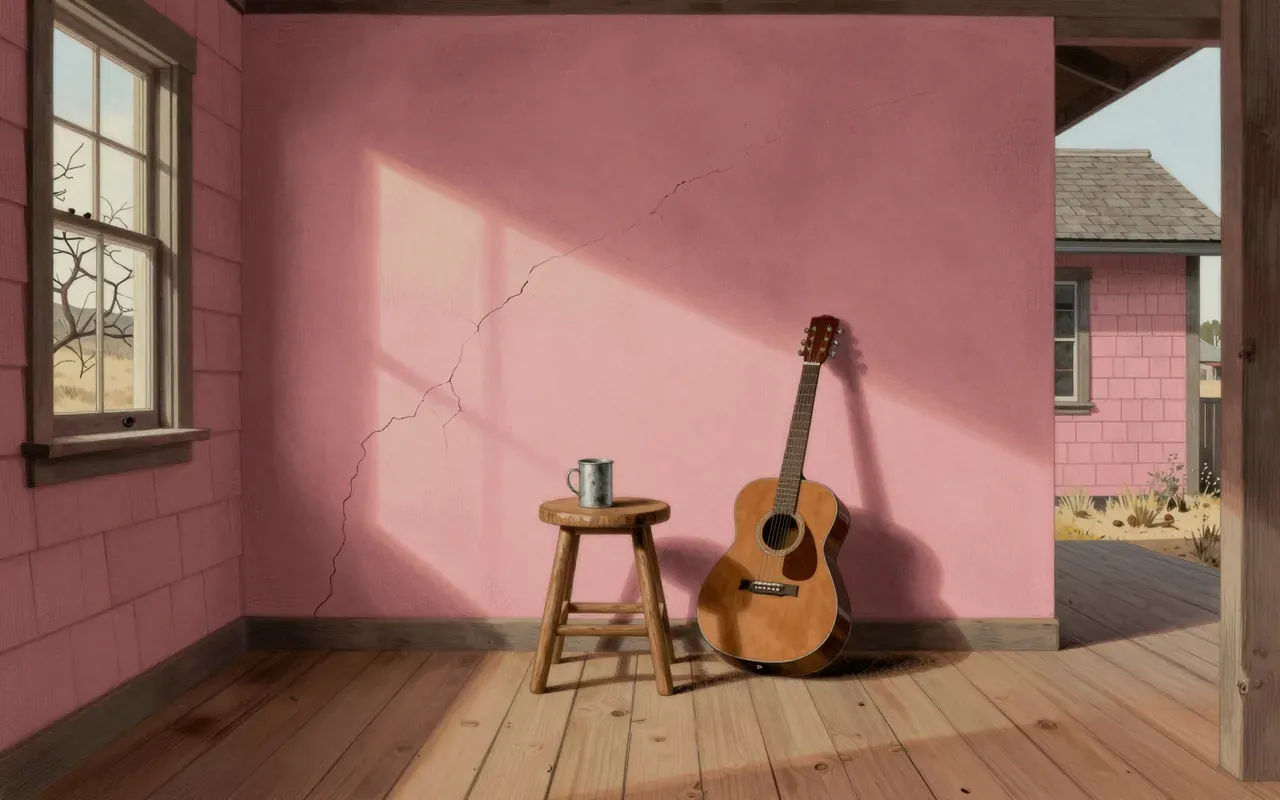
A debut defined by absence: no band, no studio detail, no production flourishes—only the force of Clark’s writing and the dry intimacy of voice and guitar. Its power lies in what it leaves out.
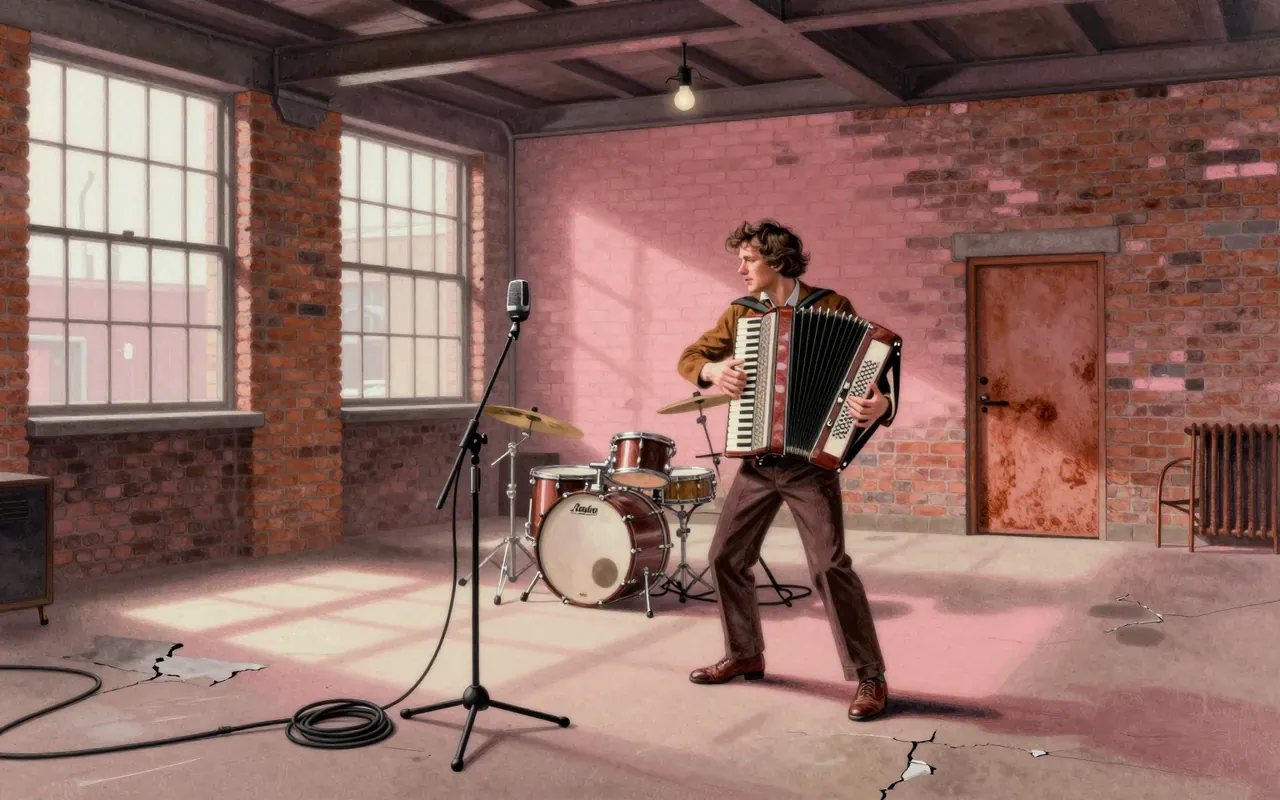
Rum Sodomy & the Lash is The Pogues’ 1985 second studio album, recorded live at Elephant Studios in Wapping with Elvis Costello producing after initially being hired for just two tracks. Its production prioritised natural acoustic presence and raw ensemble performance — Costello described his role as capturing the band’s 'dilapidated glory' before external interference altered it. The title references a misattributed Churchill quote about naval tradition; the cover reimagines Géricault’s The Raft of the Medusa with painted band members’ faces replacing those of the original figures. Musically, it pivots from traditional covers to Shane MacGowan’s original songwriting — mythic, urban, fatalistic — while retaining authoritative renditions of 'Dirty Old Town' and 'And the Band Played Waltzing Matilda'. It does not sound polished, controlled, or studio-perfect. There are no synthesizers, no overdubbed strings, no vocal comping, no reverb tails stretched for effect. It lands strongest where rhythm and narrative lock: 'The Sick Bed of Cuchulainn' opens with harp-like guitar urgency; 'Dirty Old Town' closes the first side as a bruised, communal lament. It is worth your time if you want folk music that bites, not soothes — if you listen for rhythm first, then story — and if you distrust studio sheen. Not for those who need clarity, comfort, or clean separation between instruments.
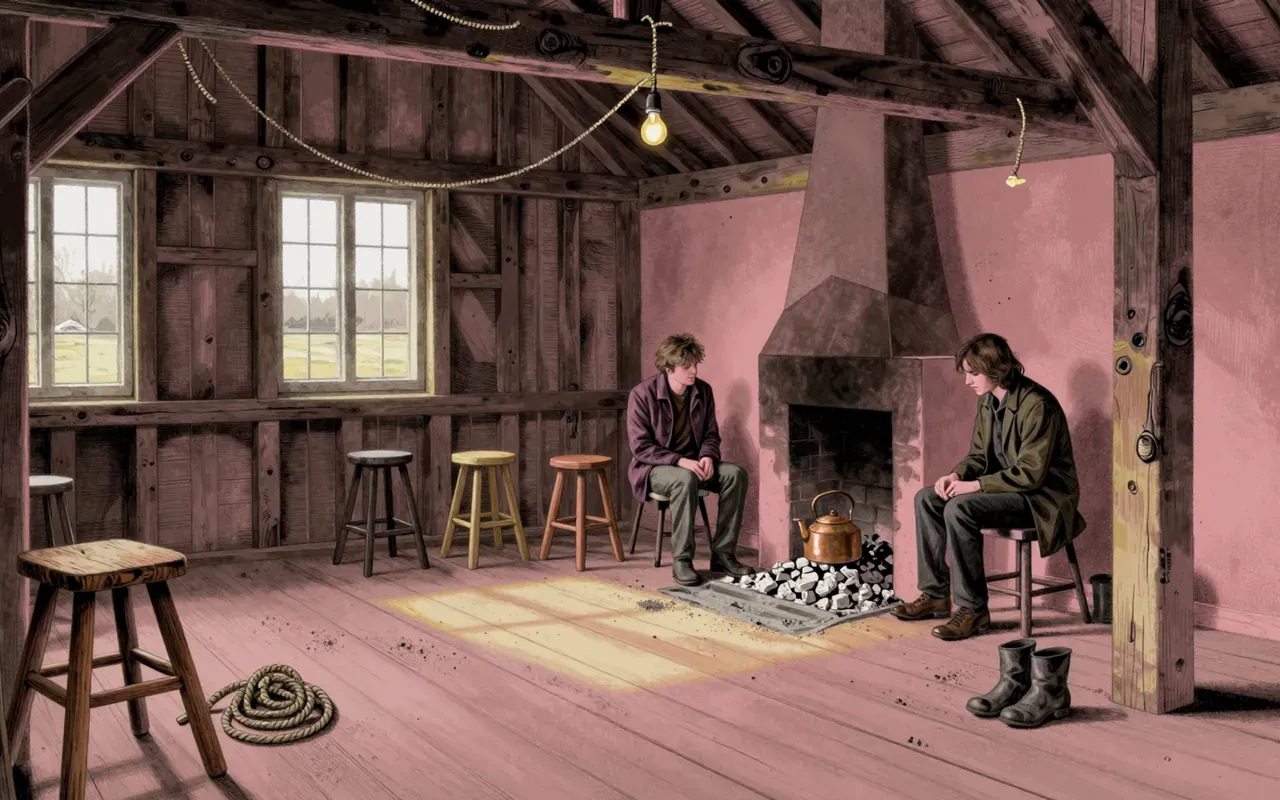
Sigh No More is Mumford & Sons’ 2009 debut studio album, recorded with producer Markus Dravs after the band self-financed it and arrived at sessions without their own instruments. Only one track — 'Little Lion Man' — came from their prior EP Love Your Ground. The album features multi-instrumental performances by the core band (vocals, banjo, mandolin, double bass, drums, keyboards, accordion), augmented by trumpet, flugelhorn, trombone, violin, viola, and cello. Production includes unconventional elements such as 'a nail and a piano string'. Engineering was by François Chevallier, mixing by Ruadhri Cushnan, and mastering by Bob Ludwig. A live recording included in the deluxe edition was made at Shepherd's Bush Empire on 14 March 2010.
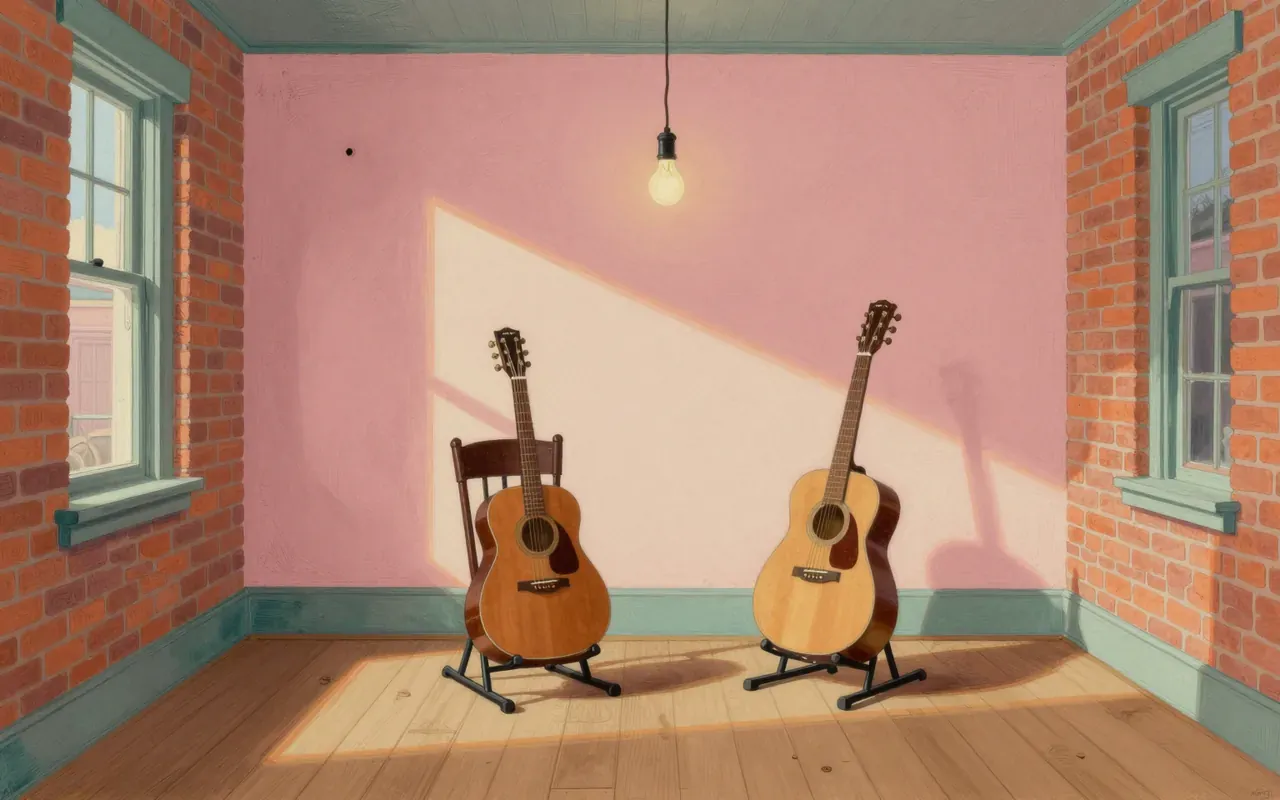
A 1958 album of traditional American folk and country ballads, sung by The Everly Brothers. It was their second studio album and their first without original material.

G. Aravindan’s 1979 Bogeyman (Kummatty) is a lyrical Malayalam fantasy following a boy named Chindan whose encounter with a wandering masked man blurs the line between folklore and lived reality. Shot by Shaji N. Karun and scored by M. G. Radhakrishnan, it unfolds in unhurried, observational rhythms across a Kerala village, culminating in literal transformation — children become animals, one remains a dog, and only witnessing restores him. Awarded Kerala’s Best Children’s Film, it resists explanation in favour of sensory fidelity and quiet moral weight.
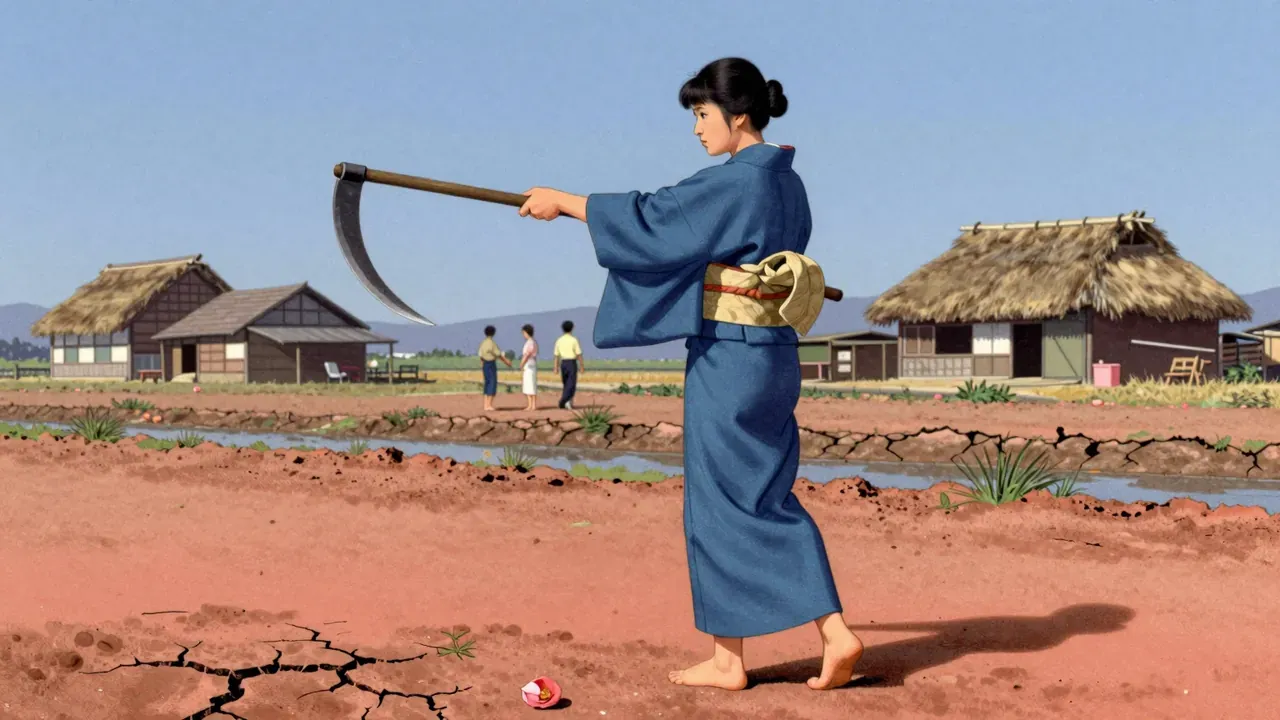
Masahiro Shinoda’s Demon Pond adapts Izumi Kyōka’s 1913 play into a formally rigorous Japanese fantasy. Set in 1930s rural Japan, it follows a schoolteacher caught in a village’s pact with a dragon god — a covenant enforced by daily bell-ringing. When drought drives the villagers to sacrifice the rumoured sorceress Yuri (Tamasaburo Bando, in a dual role), ritual fractures, unleashing flood and transformation. Shot by Masao Kosugi, scored by Isao Tomita with Moog-Debussy-Mussorgsky hybrids, and featuring optical composites by Nobuo Yajima, the film sustains a precise balance between kabuki abstraction and cinematic naturalism.

Marlon Riggs’ 1987 documentary Ethnic Notions traces the development and function of anti-Black stereotypes in American popular culture from the 1800s to the 1960s. Using archival footage, academic commentary, and Esther Rolle’s narration, it dissects figures like The Mammy, The Tom, and The Brute across minstrelsy, advertising, film, and song — showing how visual language enforced racial hierarchy and shaped self-perception. It won a 1988 National Emmy and remains Riggs’ most widely seen work.
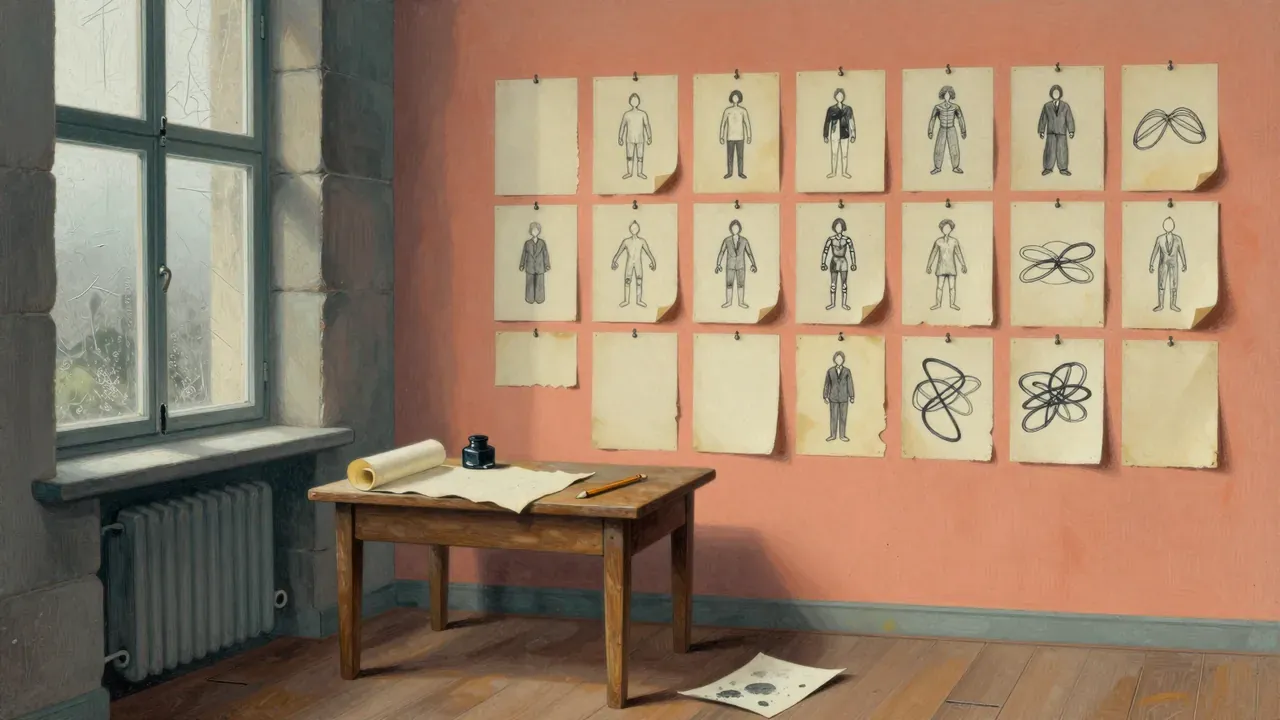
Ingmar Bergman’s 1968 Hour of the Wolf is a psychological horror film starring Max von Sydow and Liv Ullmann as a painter and his wife isolated on a Swedish island. As his visions intensify and his sleep fails, the line between hallucination and reality dissolves. Shot by Sven Nykvist on Fårö and Hovs Hallar, it uses stark naturalism to frame surreal imagery, with Johann Sebastian Bach and Lars Johan Werle on the soundtrack. It explores artistic collapse, intimacy under strain, and the unreliability of perception — not as metaphor, but as lived condition.
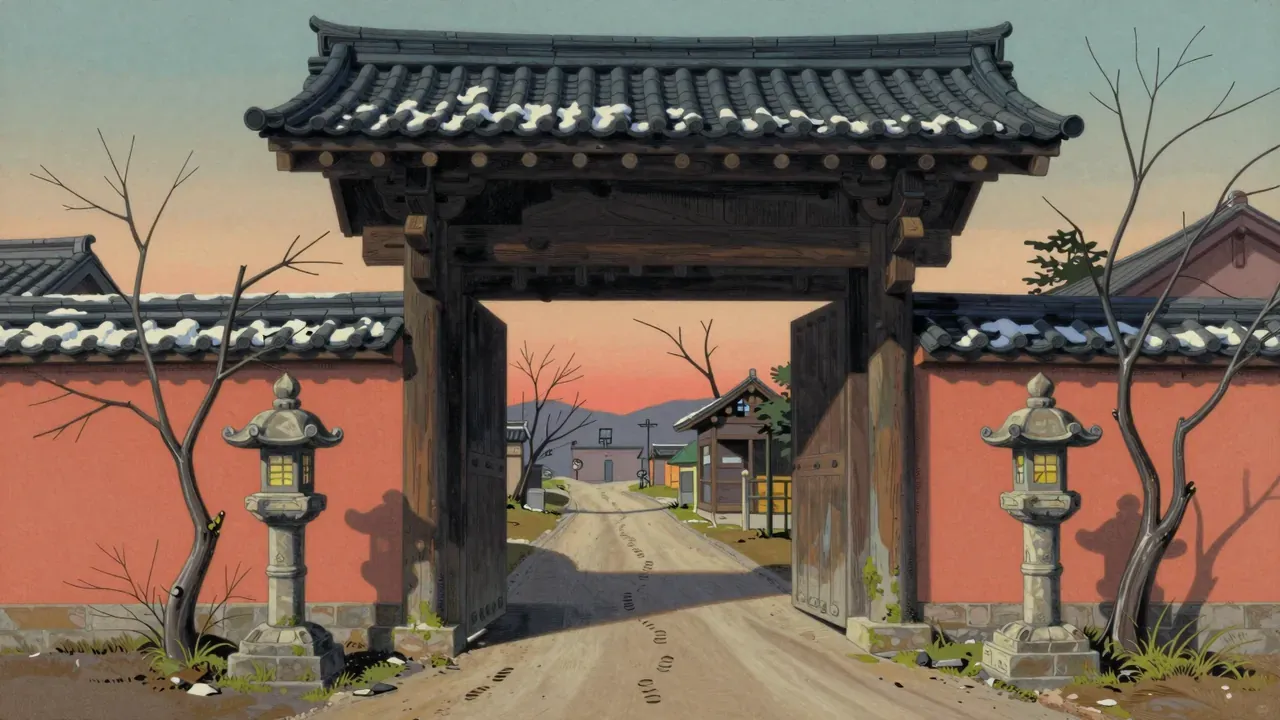
Kaneto Shindō’s 1968 Kuroneko is a black-and-white jidaigeki horror film about two women who return as vengeful spirits after being raped and murdered by samurai. Set in feudal Japan during civil war, it follows their spectral seductions and killings, and the tragic confrontation with the son-husband who must destroy them — even as he loves them. Stylised with Noh and kabuki techniques, shot by Kiyomi Kuroda, and scored by Hikaru Hayashi, it is a study in restraint, doubling, and irreversible consequence.

Masaki Kobayashi’s 1964 Kwaidan is a four-part Japanese horror anthology adapted from Lafcadio Hearn’s folktales. Shot on vast, artificially lit soundstages, it replaces narrative drive with painterly control of colour, silence, and surface. Yoshio Miyajima’s cinematography flattens space; Tōru Takemitsu’s score uses prepared piano and charged silence; Yōko Mizuki’s script preserves Hearn’s archaic cadence. The film treats spirits not as agents of vengeance but as forces of immutable consequence — indifferent, inevitable, aesthetic. Though commercially unsuccessful and financially ruinous for its production company, it won the Special Jury Prize at Cannes and is now regarded as a landmark of stylised cinema.
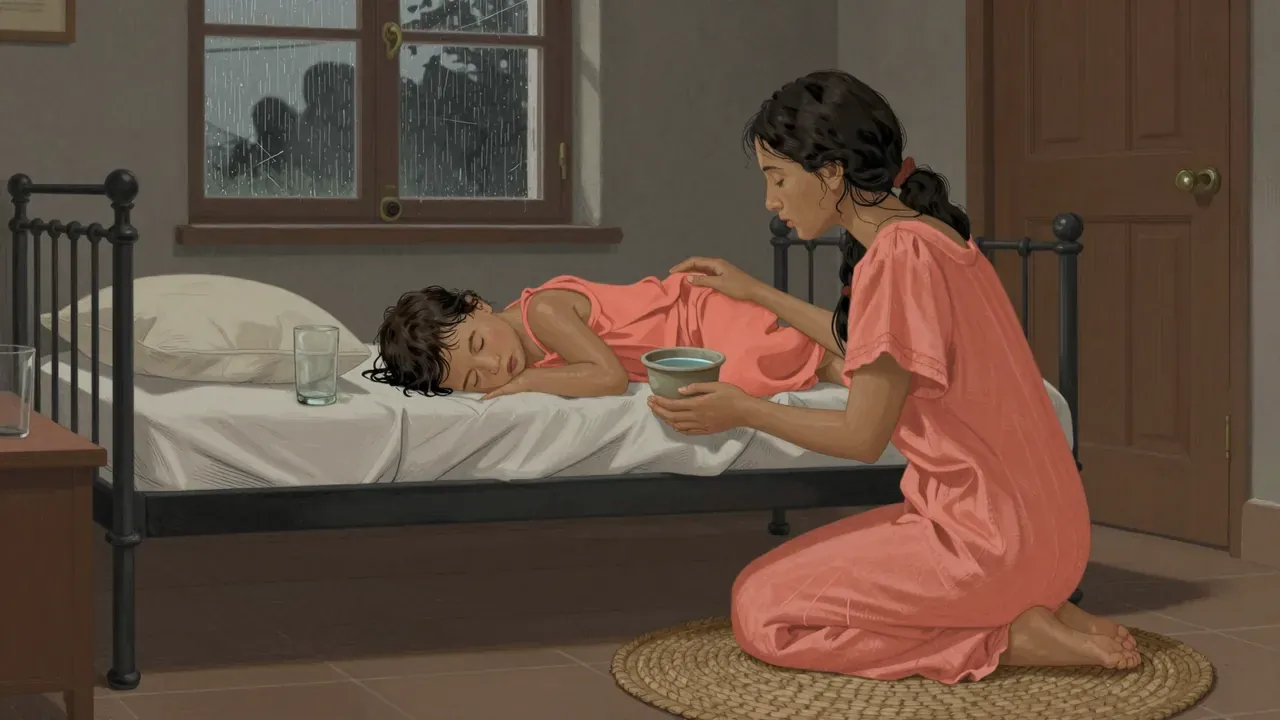
La Llorona (2019) is a Guatemalan thriller directed by Jayro Bustamante, set in the home of a former dictator convicted then exonerated for genocide against Mayan communities. As protests rage outside, a young Kaqchikel maid named Alma arrives, and supernatural disturbances — centred on water and weeping — begin to unsettle the household. The film blends political allegory with folklore, using restraint and precision to explore impunity, memory and intergenerational accountability.
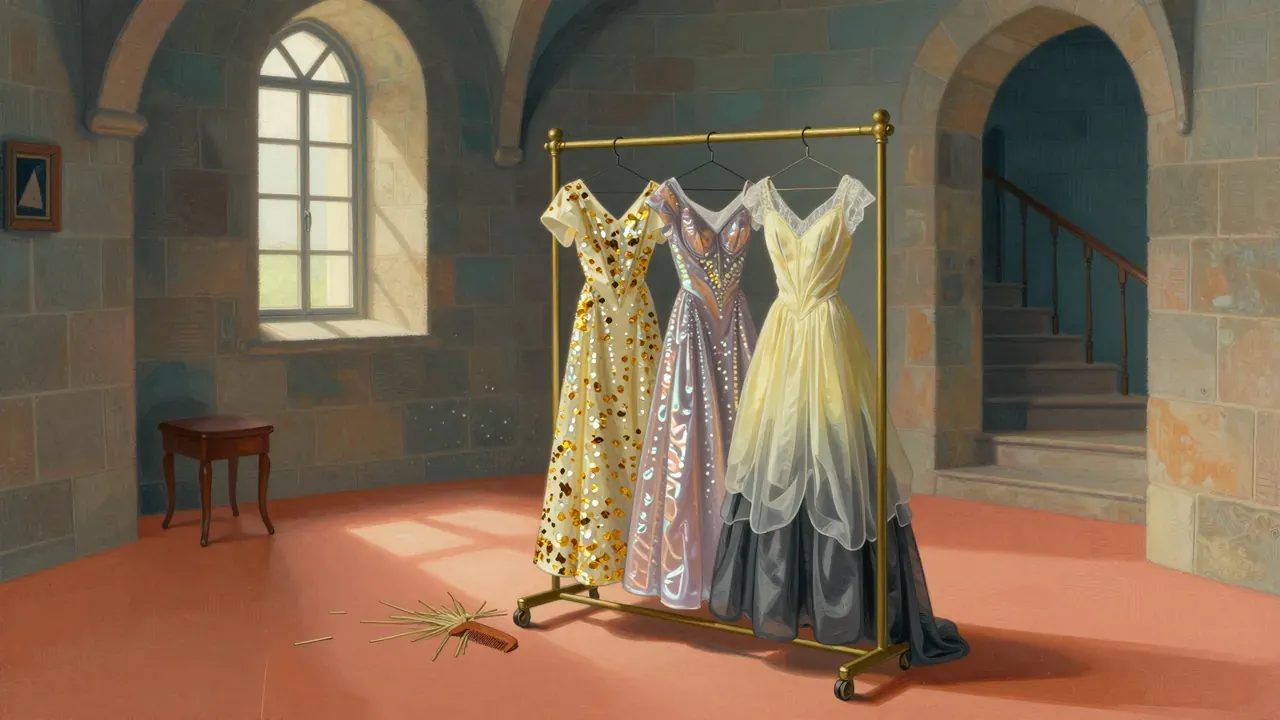
Jacques Demy’s 1970 musical fantasy Peau d’Âne adapts Perrault’s Donkeyskin with meticulous visual and musical precision. Catherine Deneuve stars as a princess who flees her father’s incestuous proposal by donning a magic donkey skin, finding refuge and love in disguise. Shot across historic French châteaux, scored by Michel Legrand, and designed with sumptuous, symbolic costumes, the film treats folklore as a self-contained system of rules, colour, and ritual — not a psychological case study. Its power lies in consistency, not catharsis.

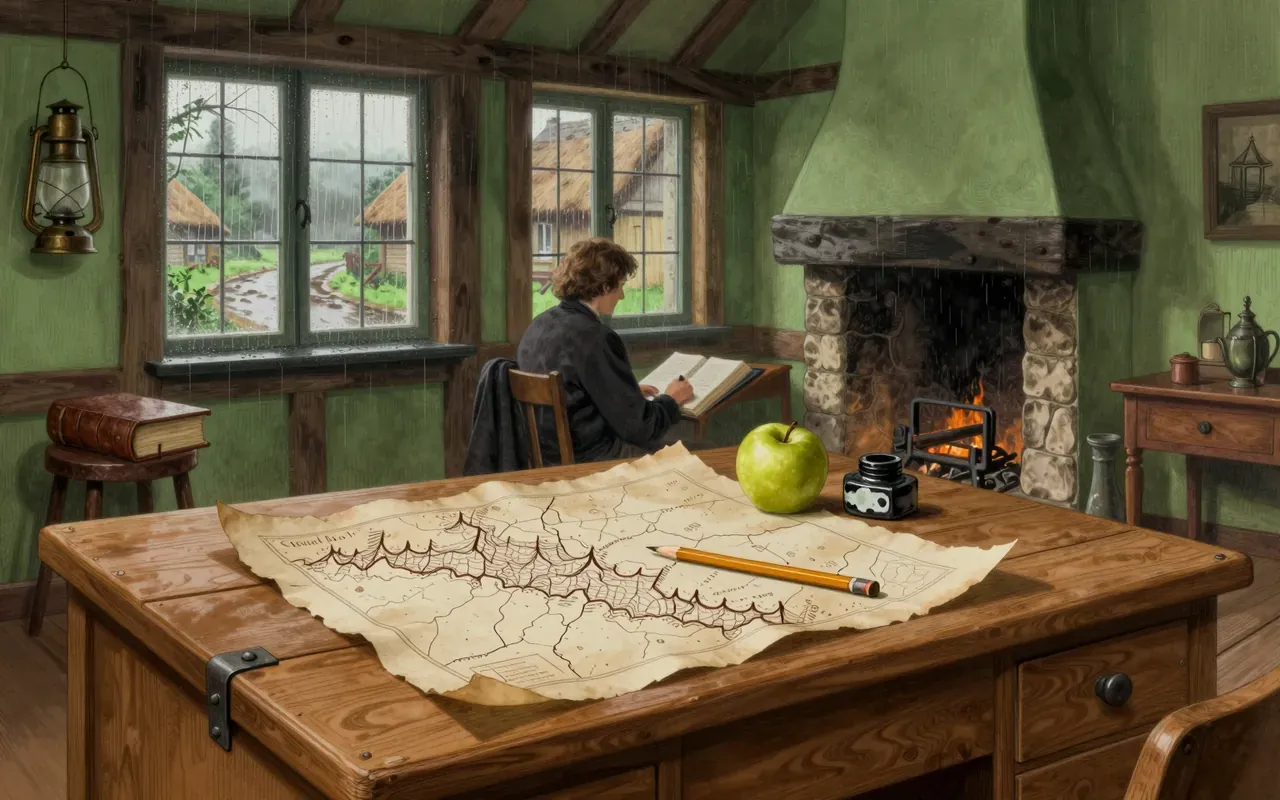
Quest for Glory: So You Want to Be a Hero is a 1989 hybrid adventure/RPG by Sierra On-Line. It asks players to type commands, track time, manage hunger and fatigue, and develop skills organically—not through levels, but through action. Class choice (Fighter, Magic User, Thief) determines starting tools, puzzle solutions, and quest access—but cross-class skills are possible. Its systems behave like physical laws: predictable, persistent, and indifferent to player expectation.
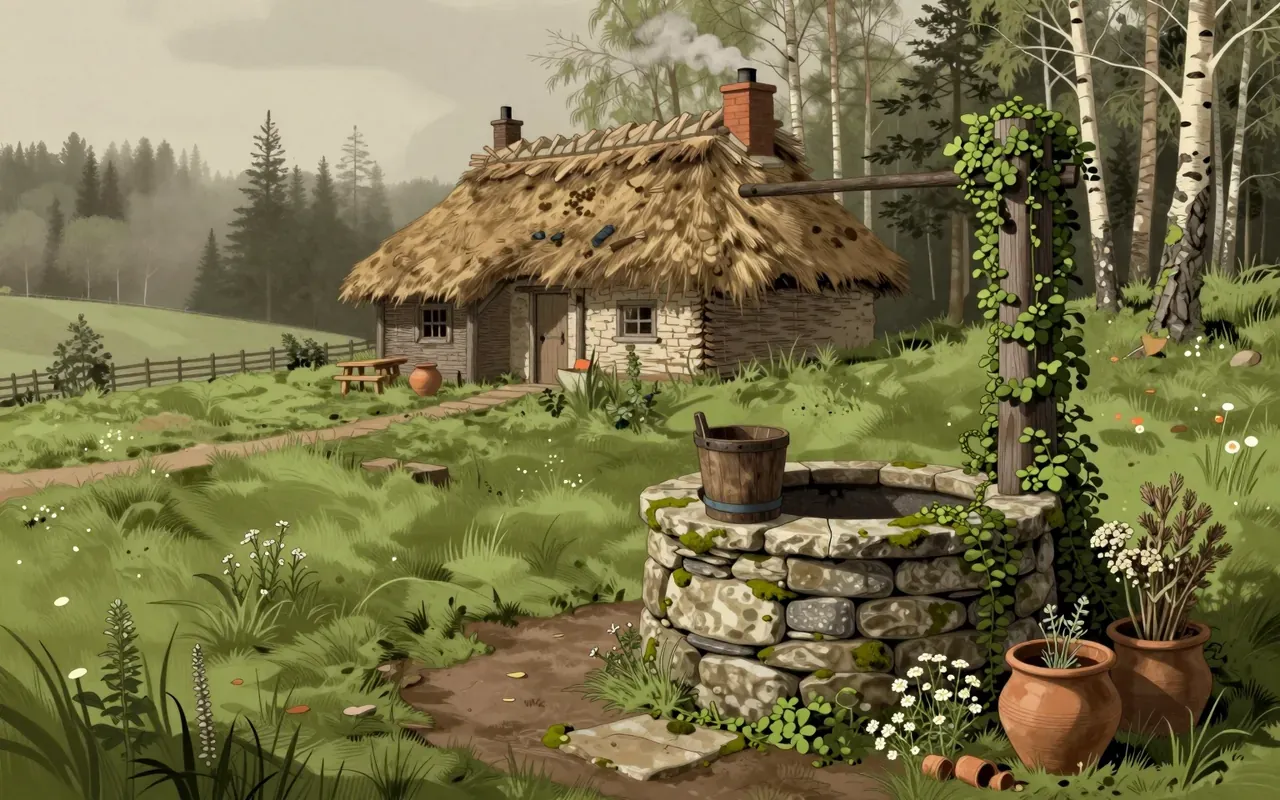
The Witcher 3: Wild Hunt is an open-world RPG built around authored consequence, not systemic simulation. Its combat demands precision, stamina, and resource management. Its world feels lived-in because of writing—not physics. It was made at great cost, with no DRM, and shipped with free DLC. It remains worth playing if you want narrative weight over procedural noise.
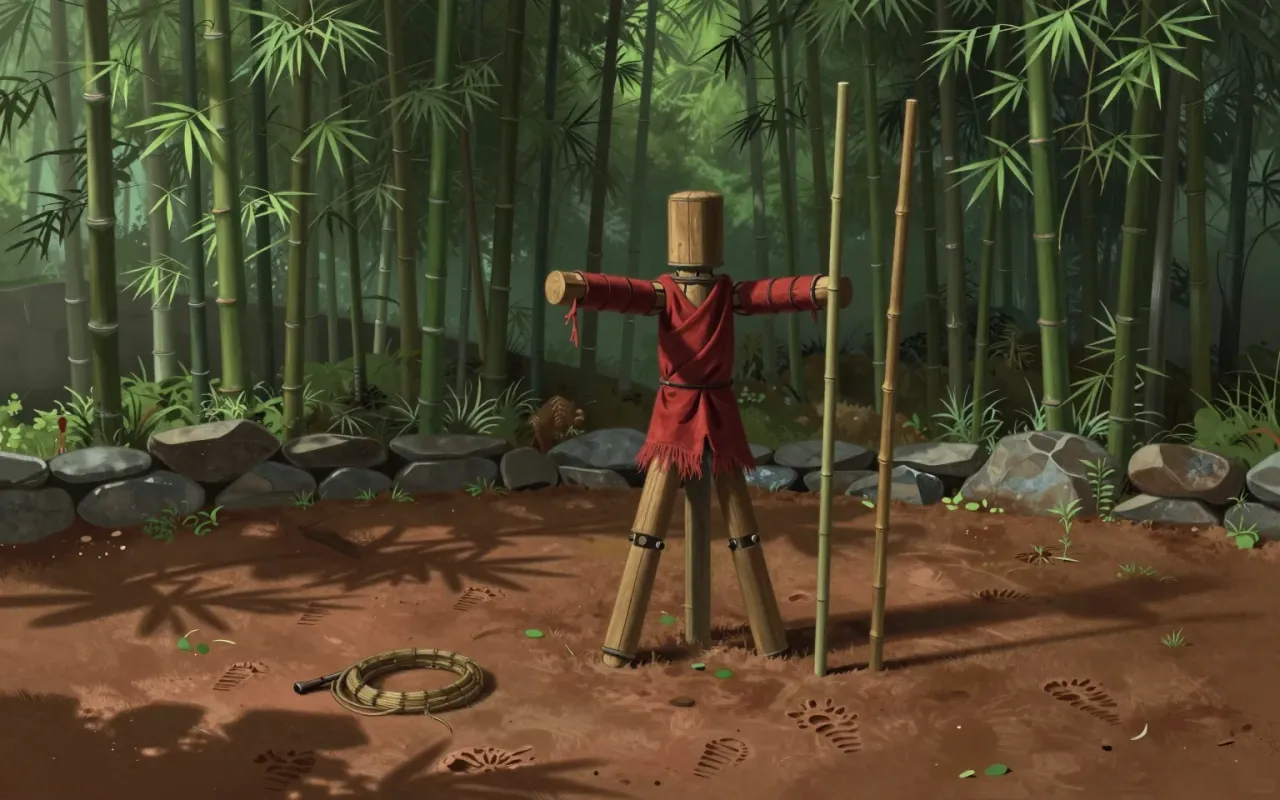
Blade & Soul is a Wuxia-themed MMORPG developed and published by NCSoft. Launched in June 2012, it was NCSoft’s first MMORPG since Aion in 2008. It features open-world exploration, real-time combo-based combat, four folklore-inspired races, and extensive character customisation.


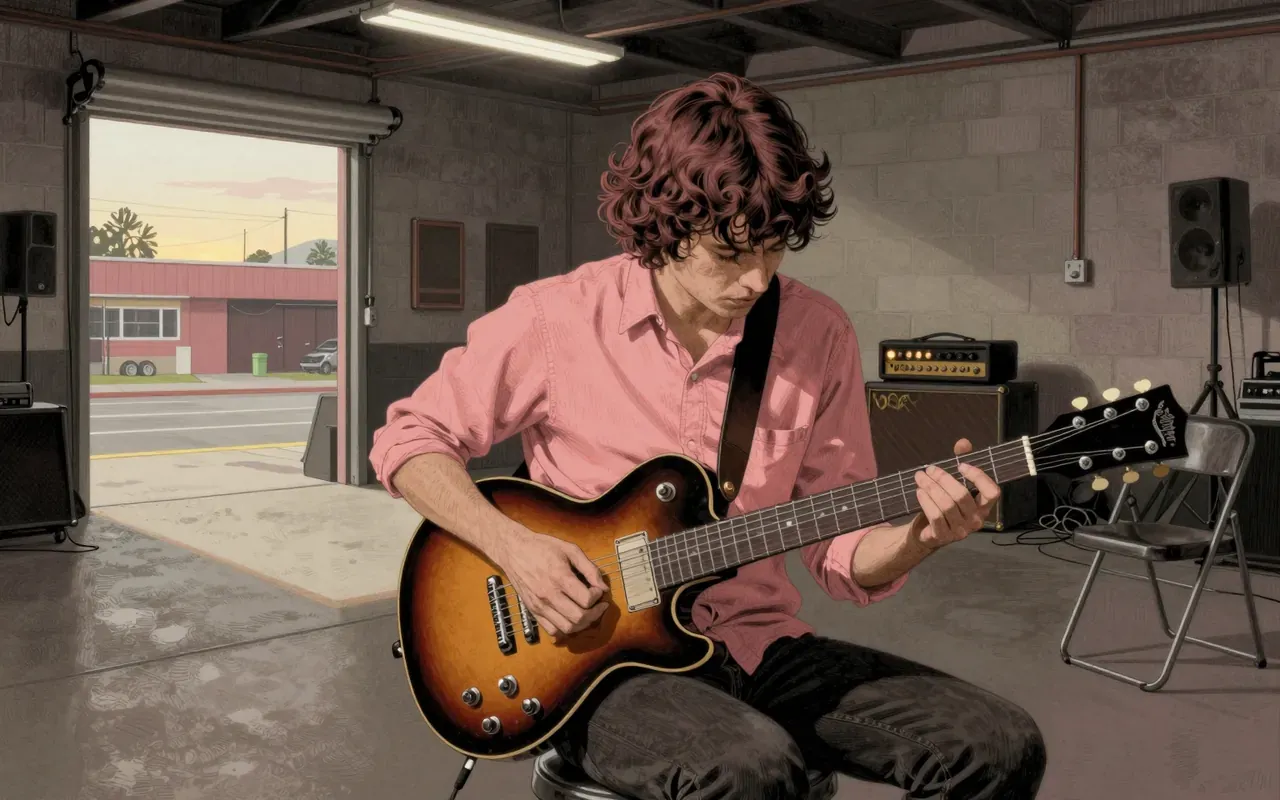
The Fender Electric XII is a 12-string electric guitar designed by Leo Fender and introduced in late 1965. It features a Jaguar/Jazzmaster-style body, a 'hockey-stick' headstock to accommodate twelve tuners, a string-through-body design for increased sustain, a unique split pickup configuration, and a 4-way rotary selector offering neck, neck-and-bridge (parallel), in/out-of-phase, and bridge-only options. Its bridge has individual saddles for each string, enabling precise intonation. Unlike competitors’ models—which were adapted 6-string guitars—the Electric XII was purpose-built for folk rockers.