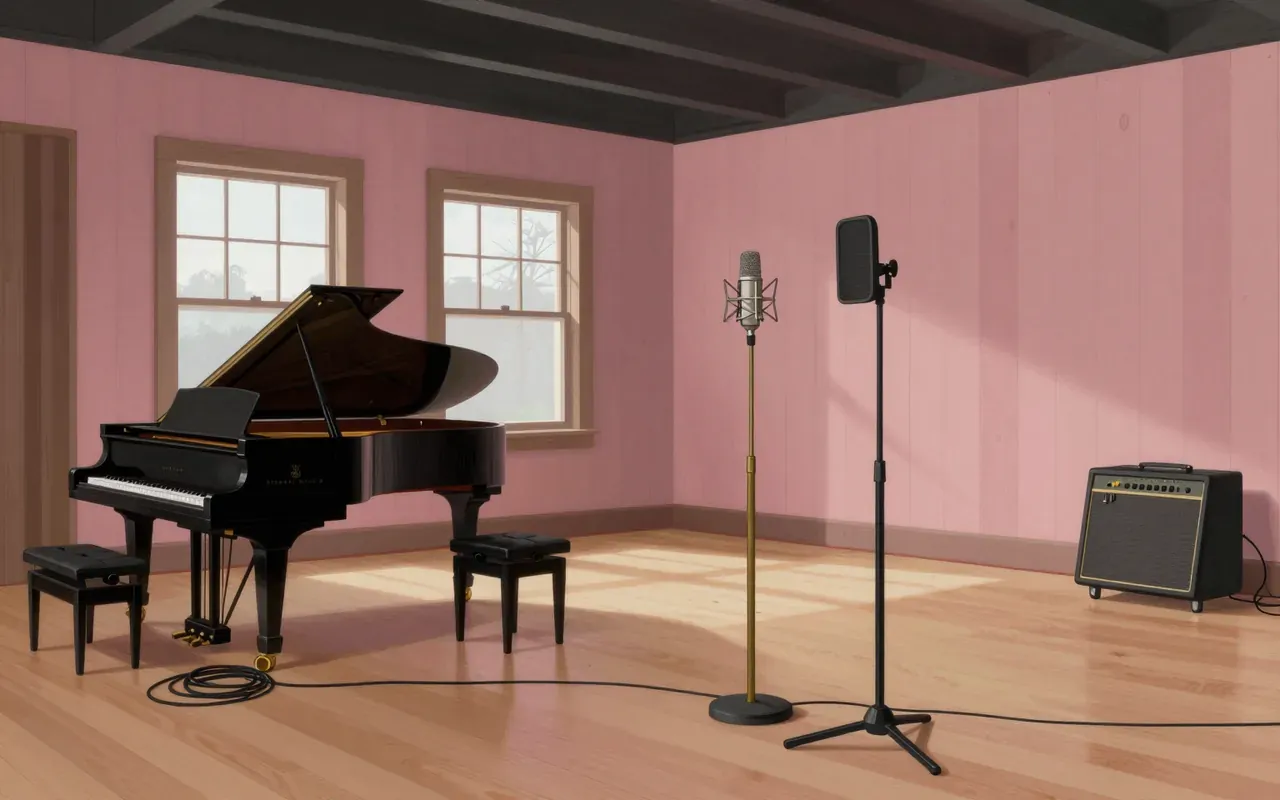
A Sailor’s Guide to Earth
Sturgill Simpson · 2016
A Sailor’s Guide to Earth is a live-recorded, self-produced orchestral-soul detour from country orthodoxy — anchored by real strings, real horns, real steel guitar, and real ensemble interplay.
Enormous effort, contested evidence, permanent stakes.
A Sailor’s Guide to Earth is a live-recorded, self-produced orchestral-soul detour from country orthodoxy — anchored by real strings, real horns, real steel guitar, and real ensemble interplay.
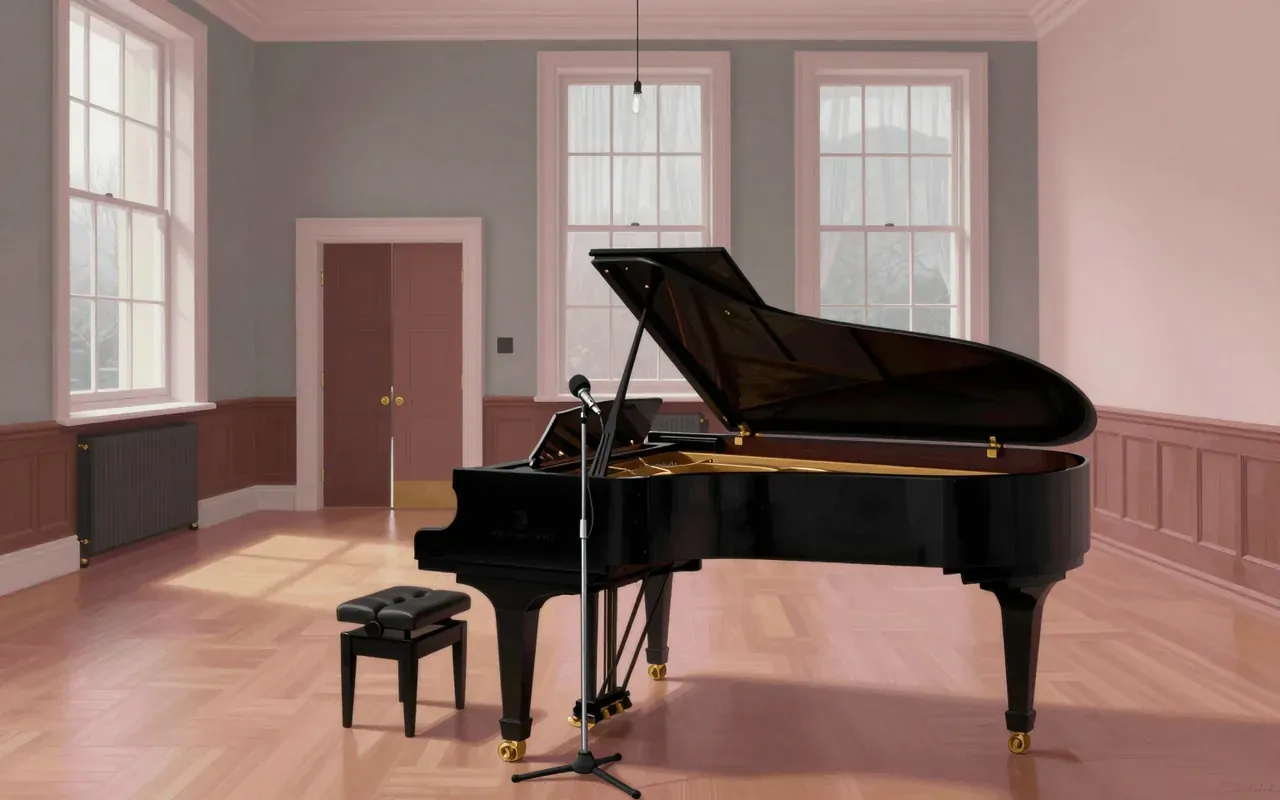
30 is Adele’s fourth studio album, released 19 November 2021. It reached number one in 24 territories and was the best-selling album of 2021 worldwide across multiple chart formats. It marked the first time Columbia Records marketed an Adele album globally. Its lead single, 'Easy on Me', won a Grammy Award in 2023.
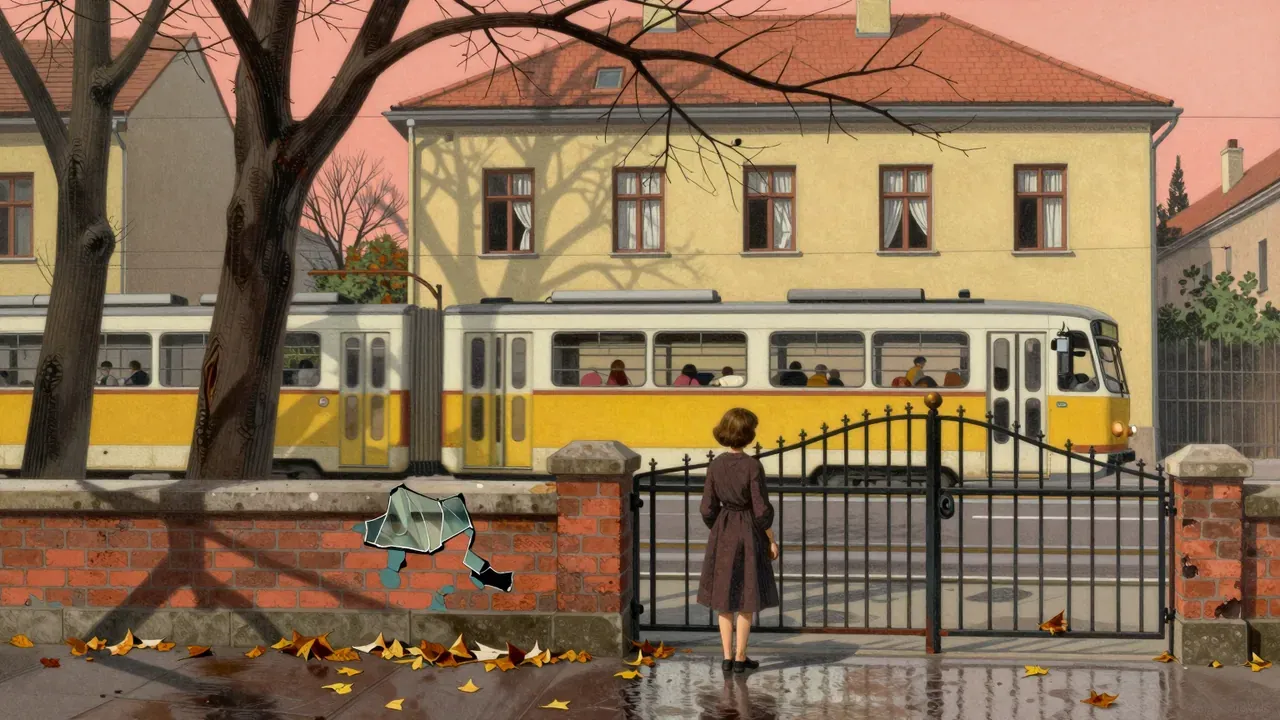
Márta Mészáros’s 1975 drama follows Kata, a 42-year-old Hungarian factory worker, as she forms a bond with a teenage girl at a children’s home and pursues adoption. Shot with documentary restraint and performed with quiet intensity, it examines reproductive choice, institutional care, and the unremarked labour of kinship — all without sentimentality or resolution.
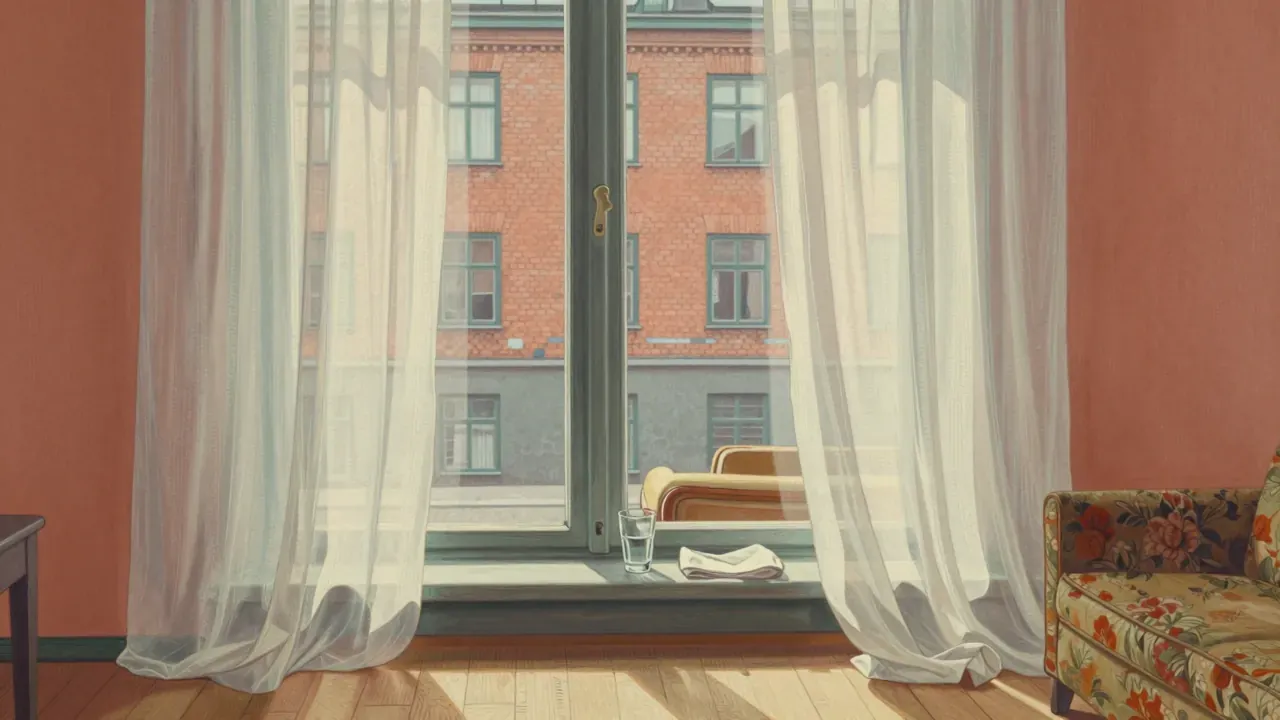
Bo Widerberg’s 1963 Swedish drama Barnvagnen follows a young father’s first months in a Stockholm apartment, using restrained performance, Jan Troell’s naturalistic cinematography, and Jan Johansson’s sparse piano score to observe the uneventful gravity of early care. It avoids narrative escalation, psychological exposition, or symbolic framing — instead building meaning through duration, acoustic detail, and the physical presence of domestic objects.

Daddy Longlegs (2009) follows Lenny, a divorced Manhattan projectionist, during his annual two-week custody of his sons Sage and Frey. Shot on digital video with non-professional performers and minimal score, it observes his chaotic, often reckless parenting — from impromptu road trips to drugging the boys to avoid leaving them alone — without moral framing or psychological exposition. Directed by Josh and Benny Safdie and written by Benny Safdie and Ronald Bronstein, it is a rigorously unsentimental study of adult failure witnessed by children.
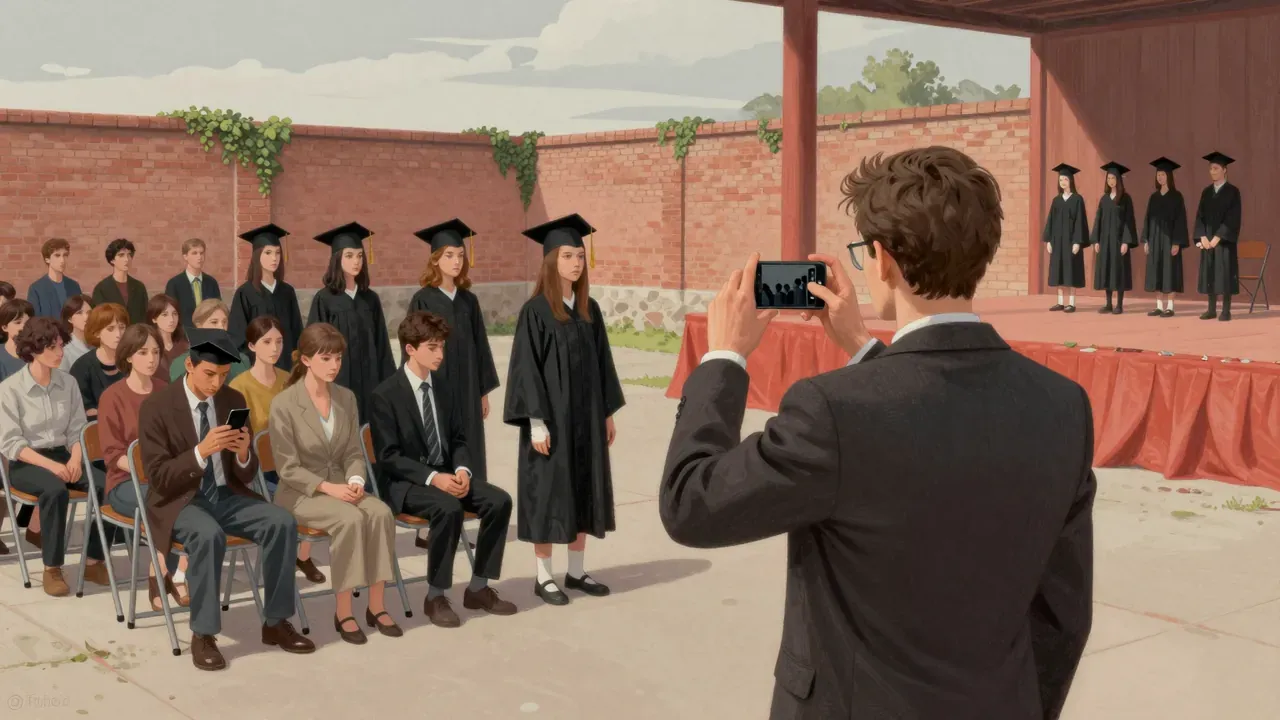
A Transylvanian doctor tries to fix his daughter’s exam results after she is assaulted, triggering a slow collapse of professional, marital and paternal certainties. Directed by Cristian Mungiu, the film observes moral compromise as a series of quiet, irreversible steps — not grand betrayals, but small accommodations made in the name of love, duty, or survival.
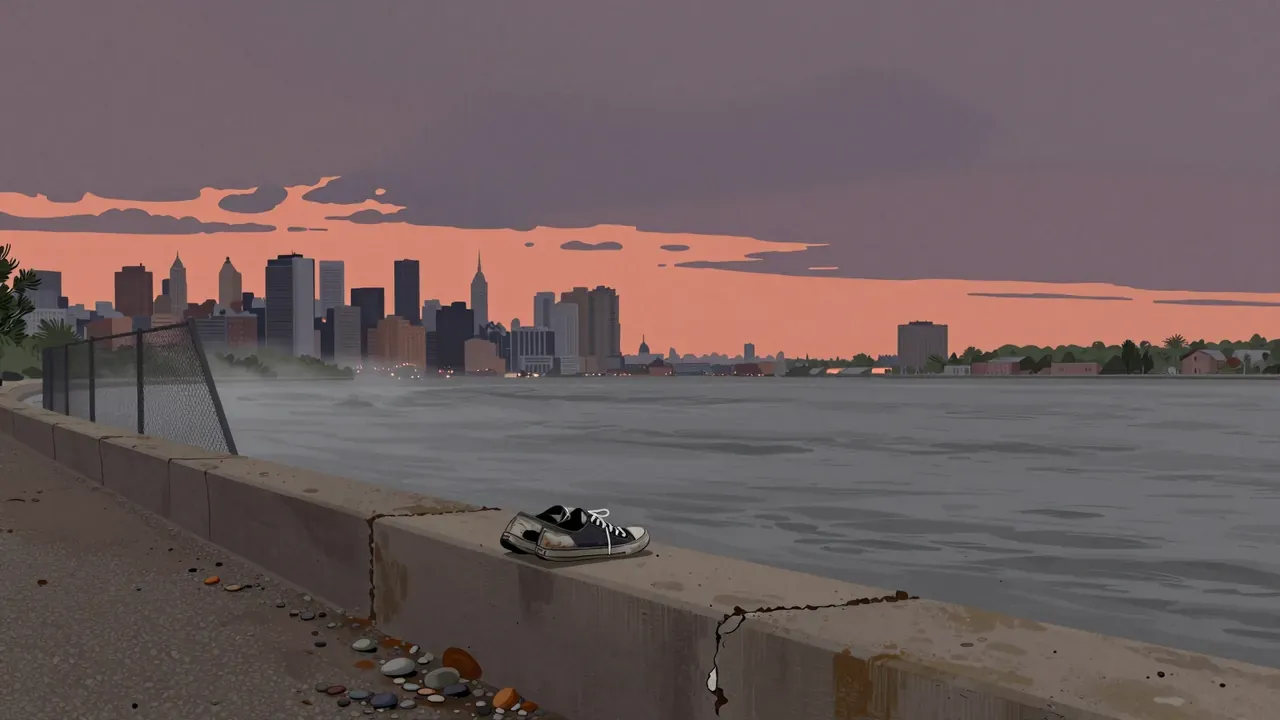
Nanny (2022), Nikyatu Jusu’s feature debut, follows Aisha, a Senegalese nanny in New York, as she navigates wage theft, racialised labour, and the anguish of separation from her son back home. Blending psychological realism with folk-horror inflection, the film renders her unraveling through drowning dreams, waking visions, and quiet ruptures in domestic routine. Anna Diop’s restrained, physically precise performance anchors Rina Yang’s muted cinematography and a soundscape built on absence. Winner of Sundance’s U.S. Dramatic Grand Jury Prize, it is a formally controlled, thematically rich exploration of migration, care, and inherited resilience.
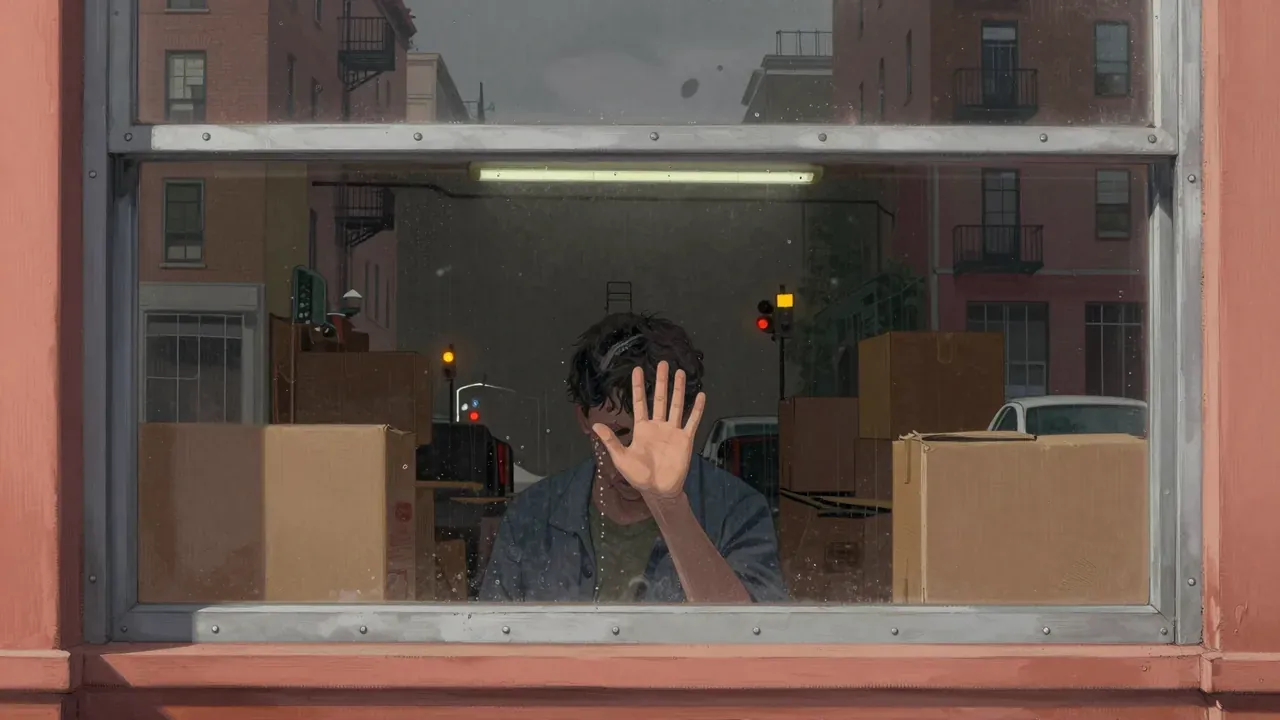
Sean Baker’s 2008 debut Prince of Broadway follows Lucky, a New York street vendor, after his ex-girlfriend brings their young son into his life. Shot on digital with minimal resources, it relies on behavioural nuance and environmental texture rather than plot mechanics. Though its second act sags and some relationships remain underdeveloped, the film’s commitment to quiet observation — and Adu’s understated performance — yields moments of genuine, unforced emotional weight.
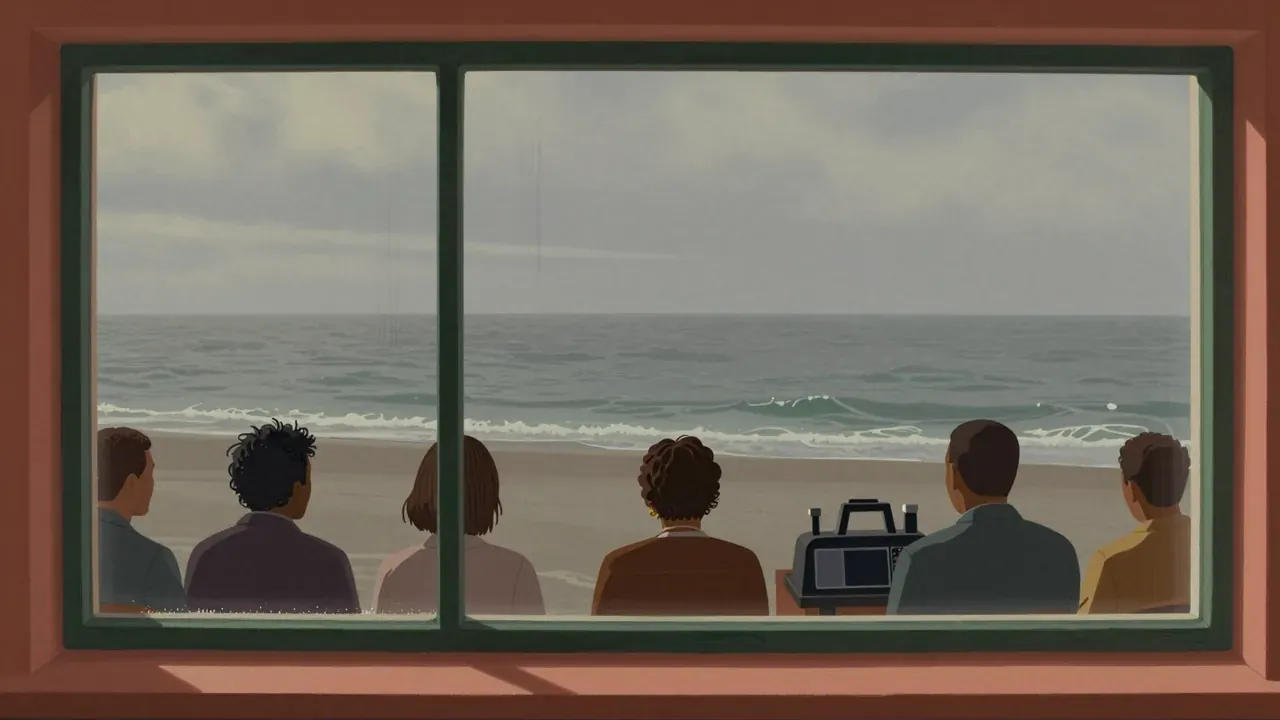
Alice Diop’s debut fiction film reconstructs a French murder trial not to explain but to inhabit — following a pregnant novelist who attends the case of a Senegalese woman accused of killing her infant. Shot in austere, observant style, it treats law, motherhood, and migration as overlapping fields of unspoken pressure, refusing resolution in favour of sustained, ethically weighted attention.

David Cronenberg’s 1979 body horror film follows a man investigating brutal murders tied to his ex-wife’s experimental therapy. Conceived amid Cronenberg’s own custody battle, it externalises psychological rupture as literal, parthenogenetic offspring — dwarf-like creatures born from suppressed rage. Shot in Toronto with clinical restraint, it privileges coherence over catharsis, using flat lighting, sparse scoring, and unadorned performances to sustain dread. Its power lies in its refusal to explain, reassure, or resolve.