briefs
Topic · across the network

Industrial design

The shape of mass-produced things, and who decided it.

342
briefs
8
subjects
9:42
average
3317 min
in total
Abstraction 407Absurdism 137Acoustics 220Acting 65Adaptation 372Addiction 95Adolescence 202Advertising 77Age of exploration 14Ageing 113Agriculture 100Algorithms 114Ambition 46Anarchism 38Ancient Egypt 17Ancient Greece 38Ancient Rome 30Animals 172Anthropology 23Apartheid 12Architecture 165Archives 32Argentina 10Art Deco 26Artificial intelligence 78Astronomy 81Attention 42Australia 32Automation 73Avant-garde 164Aviation 79Banking 72Banned works 40Bauhaus 12Beer 5Behavioural economics 22Berlin 16Big tech 6Biodiversity 136Biography 86Birds 41Black holes 20Blockchain 12Boxing 14Branding 77Brazil 43Bread 29Britain 131Brutalism 4Bubbles 3Buddhism 28Byzantium 10California 17Canada 18Capitalism 94Cars 468Celebrity 59Censorship 110Cheese 24Chefs 9Chemistry 104Chess 2Childhood 87China 109Chocolate 8Christianity 49Cinematography 343Cities 90Class 485Climate change 107Club culture 100Cocktails 2Coffee 11Cognitive bias 14Collecting 16Colonialism 284Colour 42Comedy 89Community 52Complexity 21Computing 309Consciousness 16Conservatism 14Conspiracy theories 8Cooking 178Corruption 38Cosmology 31Cover versions 64Craft 116Crate digging 42Creativity 8Crime 234Cryptocurrency 8Cryptography 24Cuba 10Cybersecurity 30Dada 12Debt 38Decision-making 28Decolonisation 46Deep time 80Democracy 45Denim 16Deserts 45Detroit 17Dinosaurs 12Directing 168Disasters 59Disease 109DJ culture 89Dreams 32Drones 5Drum machines 96Dystopia 69East Africa 28Ecology 337Economics 36Editing 72Education 92Egypt 12Electric vehicles 59Emotion 22Empire 92Endurance 49Energy 120Engineering 541Entropy 8Epidemics 13Equality 9Espionage 31Ethics 44Evolution 174Existentialism 106Expertise 2Exploration 49Extinction 23Failure 37Family 240Fandom 22Fascism 45Fashion 215Fast fashion 12Fear 34Feminism 122Fermentation 126Film music 81Fishing 12Folklore 71Food history 588Football 16Forests 31Forgery 7France 163Fraud 15Free will 13Freedom 16French literature 15Friendship 24Furniture 36Gambling 14Gender 63Generations 28Genetics 87Geology 96Germany 66Globalisation 74Gothic 32Greece 5Grief 126Habits 6Happiness 2Hardware 709Haute couture 22Headphones 8Hi-fi 12Hinduism 12Hoaxes 1Human history 23Human nature 41Identity 138Illustration 8Impressionism 6Improvisation 249India 89Indonesia 15Industrial design 342Inequality 13Inflation 4Information 34Infrastructure 280Insects 29Intelligence 8Interiors 31Internet culture 88Invention 329Iran 41Islam 40Islands 17Israel 9Italy 52Jamaica 10Japan 114Jewellery 5Journalism 34Judaism 13Justice 42Korea 41Language 70Law 90Leadership 20Learning 6Liberalism 1Libraries 6Literary criticism 26London 12Loneliness 61Los Angeles 62Lost works 9Love 67Luxury 55Machine learning 15Management 10Maps 5Marketing 21Markets 51Mars 6Marxism 26Masculinity 46Materials 138Mathematics 79Meaning 6Medicine 124Memory 82Mental health 70Mesopotamia 4Mexico 38Migration 95Minimalism 68Mining 30Misinformation 9Modernism 63Money 24Monopoly 32Mortality 61Motivation 2Mountains 16Museums 27Mysticism 11Mythology 60Nationalism 40Neuroscience 23New York 36Nigeria 7Nihilism 10Noise 31Nostalgia 33Nuclear 29Nutrition 17Oceans 48Oil 42Open source 45Painting 18Palaeontology 29Parenting 14Paris 18Partition 6Patents 71Patronage 14Perception 44Personal style 27Personality 2Persuasion 8Peru 10Philosophy 77Photography 37Physics 206Plants 26Platforms 89Podcasting 1Poetry 25Poland 17Policing 34Pop Art 16Populism 2Portraiture 6Portugal 18Postmodernism 23Power 91Prehistory 24Preservation 28Printmaking 21Privacy 11Probability 6Productivity 1Programming 54Prohibition 1Propaganda 35Protest 75Pseudoscience 17Psychology 80Publishing 22Punishment 16Quantum mechanics 44Race 145Radio 30Railways 35Rave 17Realism 47Record labels 19Recording 810Relativity 23Religion 154Resilience 15Restaurants 30Restoration 2Retail 94Revolution 58Risk 18Ritual 96Robotics 26Romance 96Russia 58Salt 9Sampling 246Satire 84Scandinavia 28Scientific method 186Screenwriting 26Sculpture 7Secularism 2Self-deception 14Semiconductors 73Sexuality 102Ships 18Silence 24Silicon Valley 17Slavery 35Sleep 2Smartphones 27Sneakers 15Social media 58Socialism 9Software 68Songwriting 180Sound design 332Sound systems 20South Africa 19South East Asia 30Space exploration 84Spain 18Special effects 41Spices 62Spirits 12Sport 82Startups 21Statistics 10Status 9Stoicism 4Storytelling 68Strategy 70Street food 99Streetwear 16Studio craft 508Subcultures 59Sugar 12Supply chains 115Surrealism 53Surveillance 21Sustainability 30Synthesis 232Tailoring 37Taxation 14Tea 24Textiles 97Thailand 11The American Revolution 19The American South 88The Arab world 41The Arctic 19The Balkans 17The Belle Epoque 13The body 29The brain 26The Caribbean 28The civil rights movement 62The Cold War 160The eighties 268The Enlightenment 29The financial crisis 19The First World War 39The food industry 157The French Revolution 9The Gilded Age 9The Great Depression 18The Holocaust 20The Industrial Revolution 93The internet 61The interwar years 135The Middle Ages 35The Moon 4The music business 169The Netherlands 10The nineties 26The Olympics 10The pandemic 13The Reformation 1The Renaissance 16The Russian Revolution 19The Second World War 102The seventies 58The sixties 28The space race 5The United States 19The universe 7The Victorian era 37Therapy 20Tokyo 11Trade 48Tragedy 22Translation 5Trauma 85Travel 5True crime 2Turkey 18Typography 54Uniforms 23Unions 8Urban planning 66Utilitarianism 1Utopia 5Vaccines 10Vegetarianism 15Venture capital 6Video games 291Vietnam 12Vintage 65Vinyl 6Virtual reality 11War 169Watches 4Water 11Weather 29West Africa 29Wilderness 10Wine 3Work 22Workwear 19Worldbuilding 121

film.briefs Film

All 1 in film →
13:00

Dillinger Is Dead

Marco Ferreri · 1969

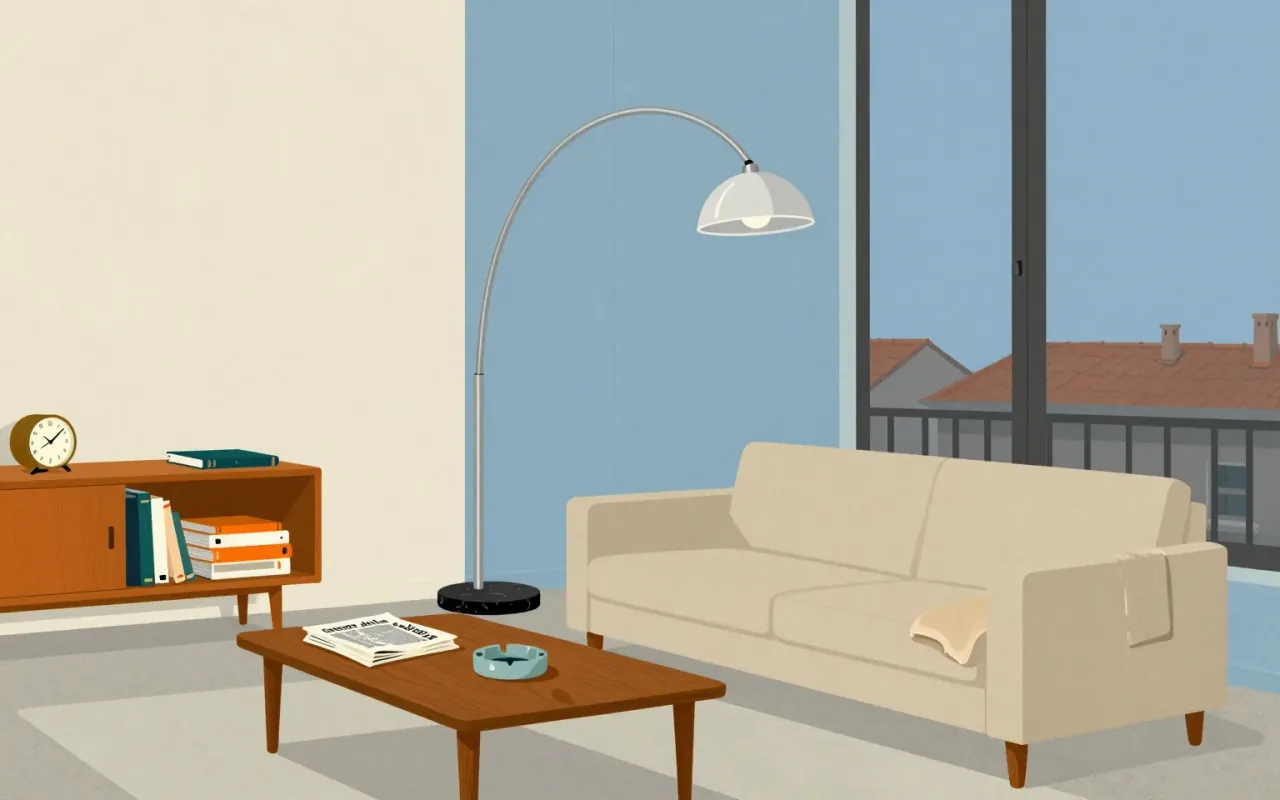
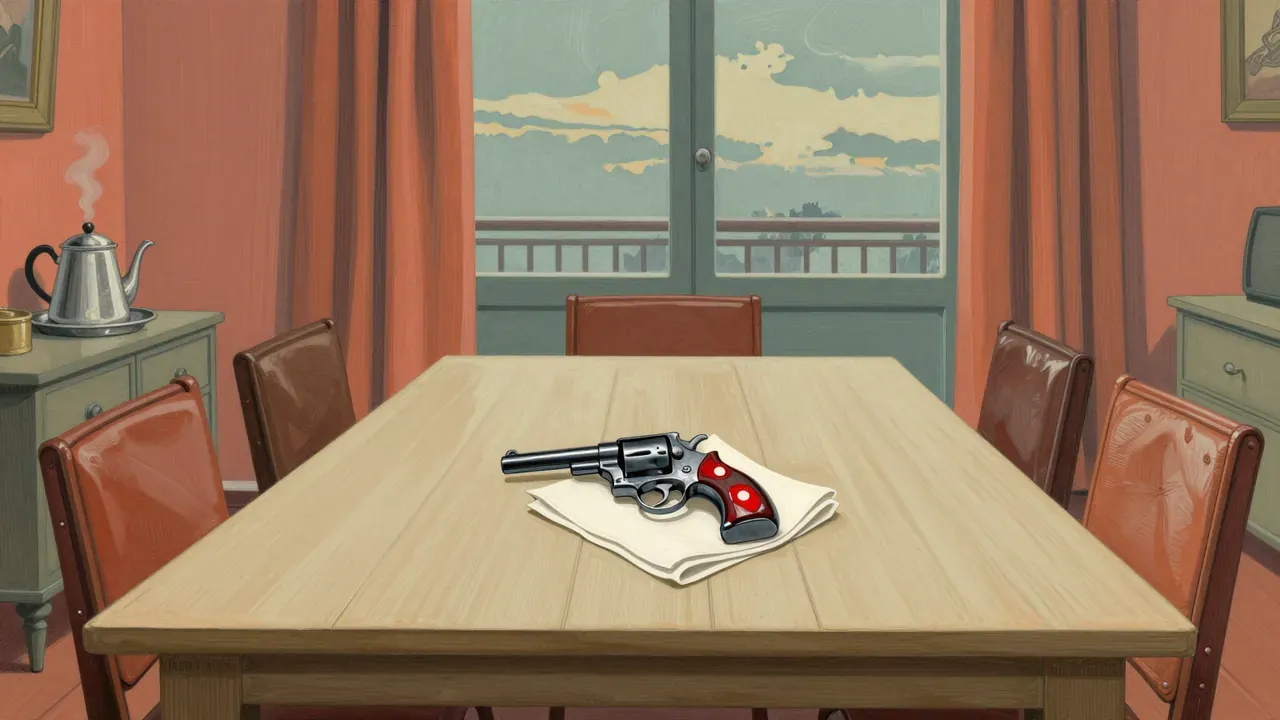
Marco Ferreri’s 1969 Italian drama follows Glauco — a gas-mask designer played by Michel Piccoli — over one night in his Milan apartment. He cooks, watches films, cleans a revolver found in a 1934 newspaper, seduces the maid, rehearses suicide, and finally kills his sleeping wife before fleeing to Tahiti as a yacht chef. Shot by Mario Vulpiani with clinical detachment and scored sparingly by Teo Usuelli, the film treats bourgeois comfort as a sealed, suffocating environment. It is arthouse cinema at its most austere: refusing psychology, satire, or resolution, it renders alienation not as theme but as physical law.
design.briefs Design

All 68 in design →
4:28

Kartell

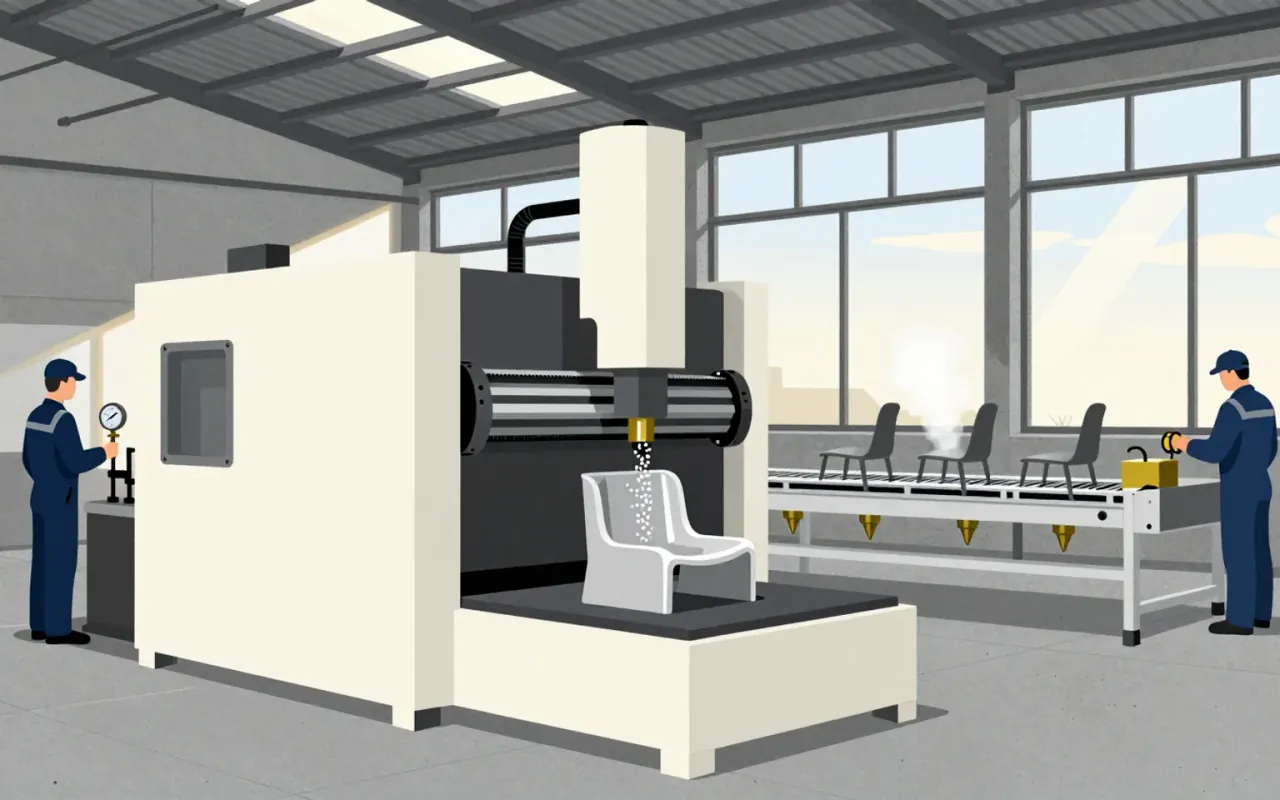
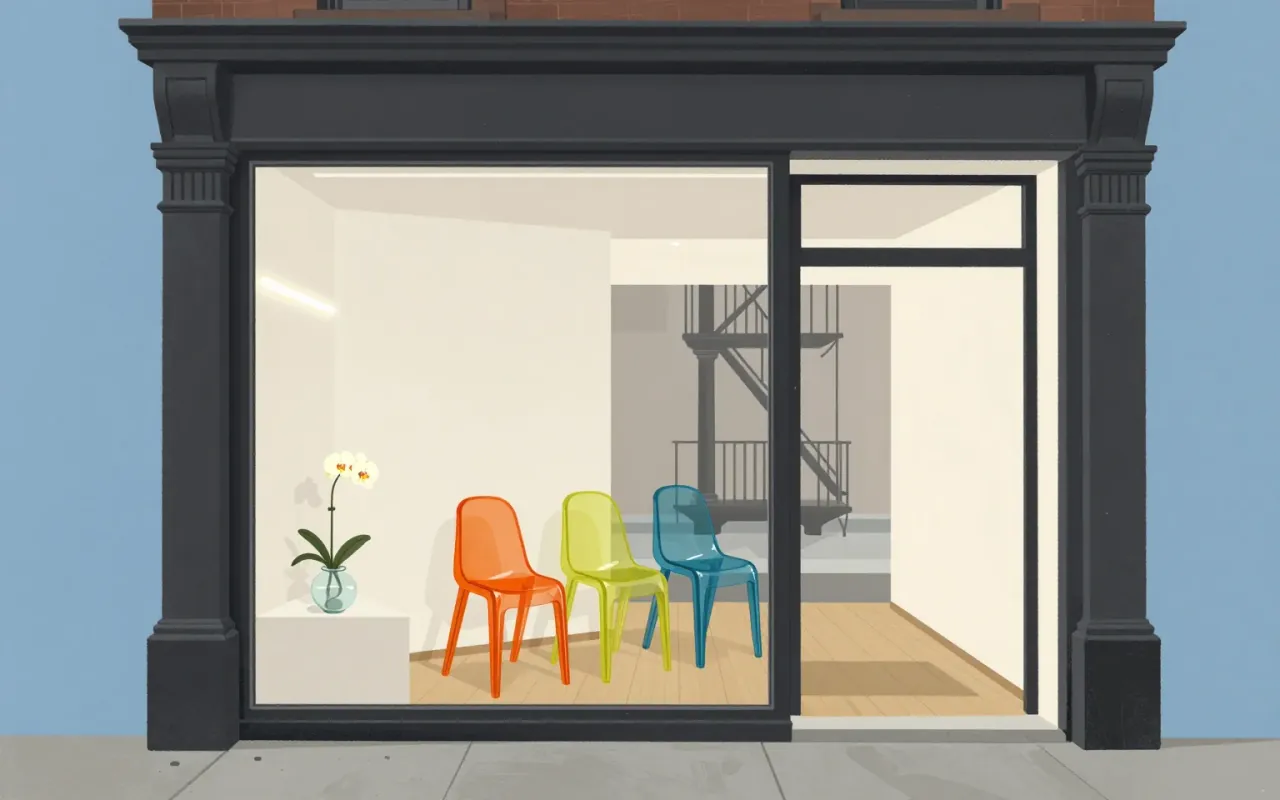
Kartell is an Italian company, headquartered in the Metropolitan City of Milan, that makes and sells contemporary plastic furniture.
13:32

Afra and Tobia Scarpa

Material obsession over style: their work answers 'what can this do?' before 'what should it look like?'
1:44

Arco (lamp)

Achille & Pier Giacomo Castiglioni · 1962

Achille and Pier Giacomo Castiglioni designed the Arco floor lamp for Flos in 1962. It connects a suspended spun-aluminium pendant to a Carrara marble base through an arching stainless-steel arm.

5:45

Arne Norell

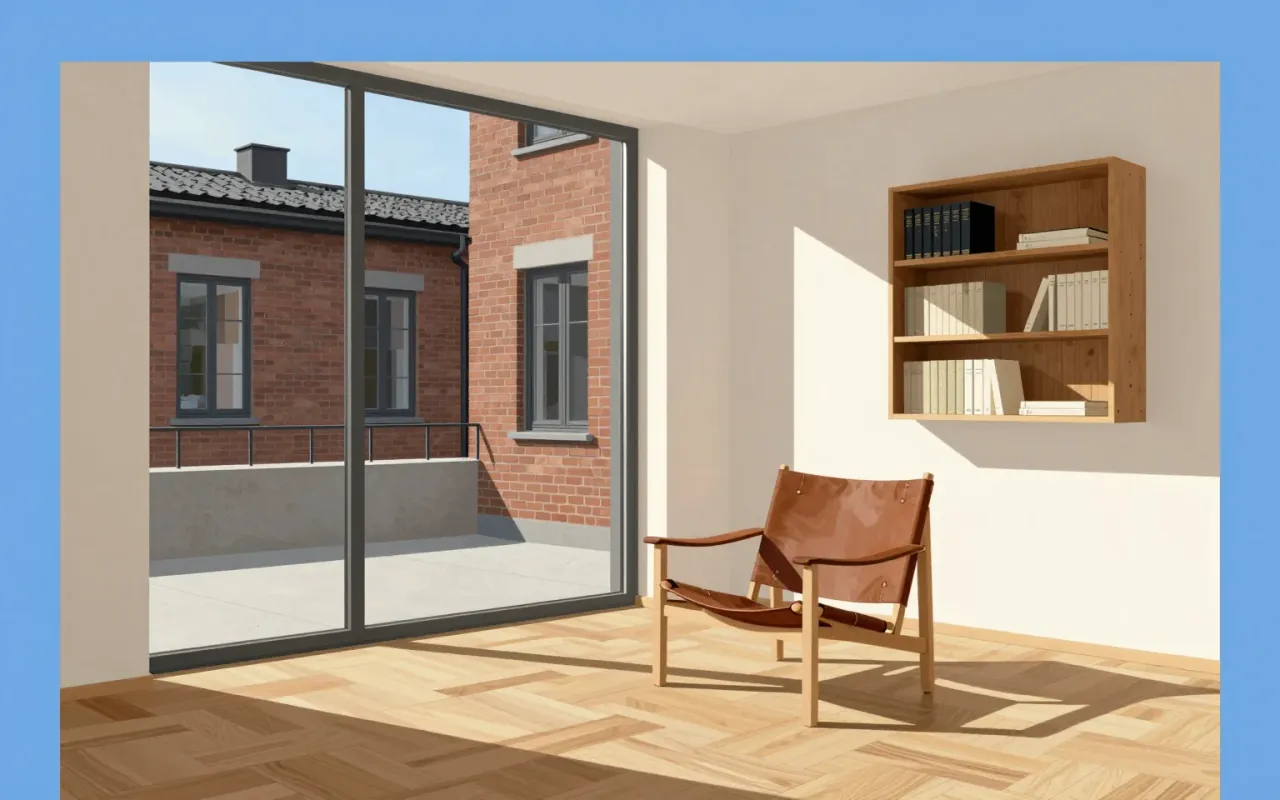
Norell’s furniture isn’t Swedish modernism — it’s Danish influence made local, then licensed for longevity.

business.briefs Business

All 8 in business →
10:28

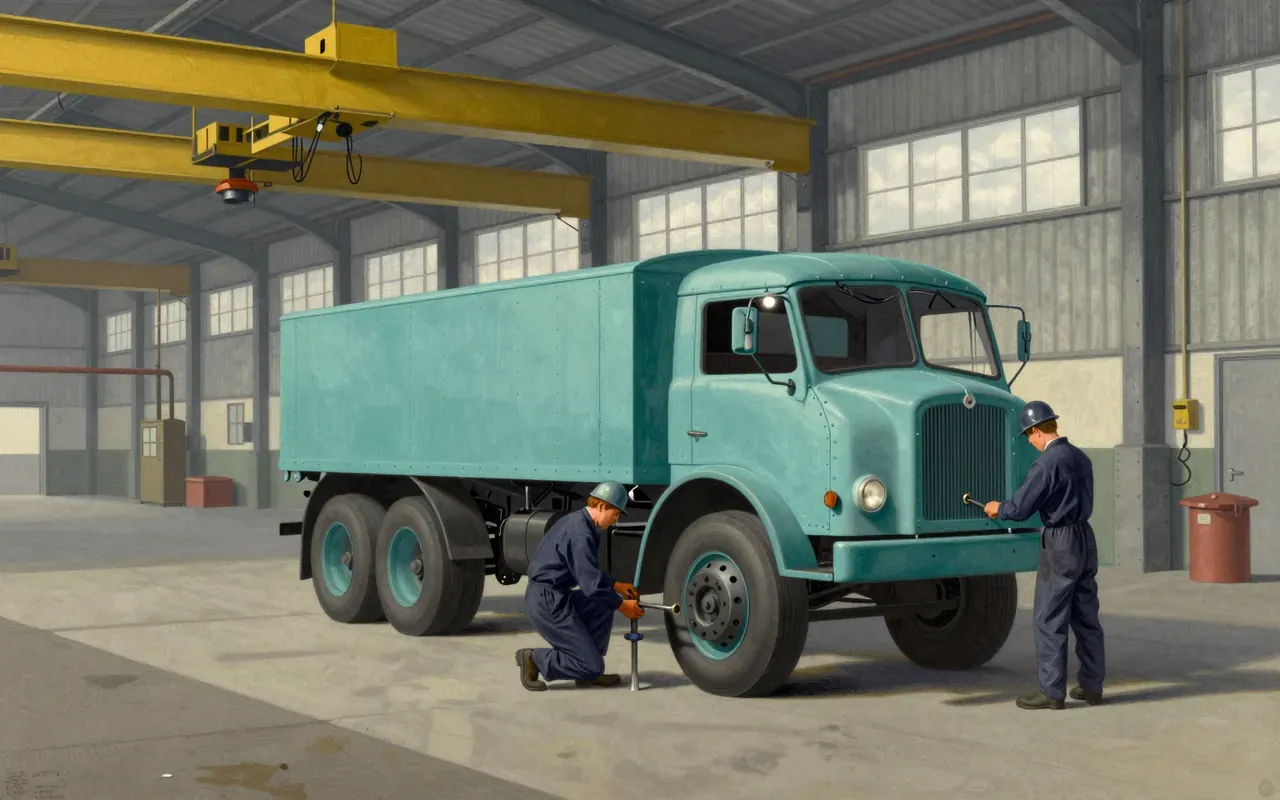
Paccar

A 119-year-old truck maker that never needed a pivot — because it never mistook hardware for strategy.
11:08

Airbnb

Brian Chesky · 2008

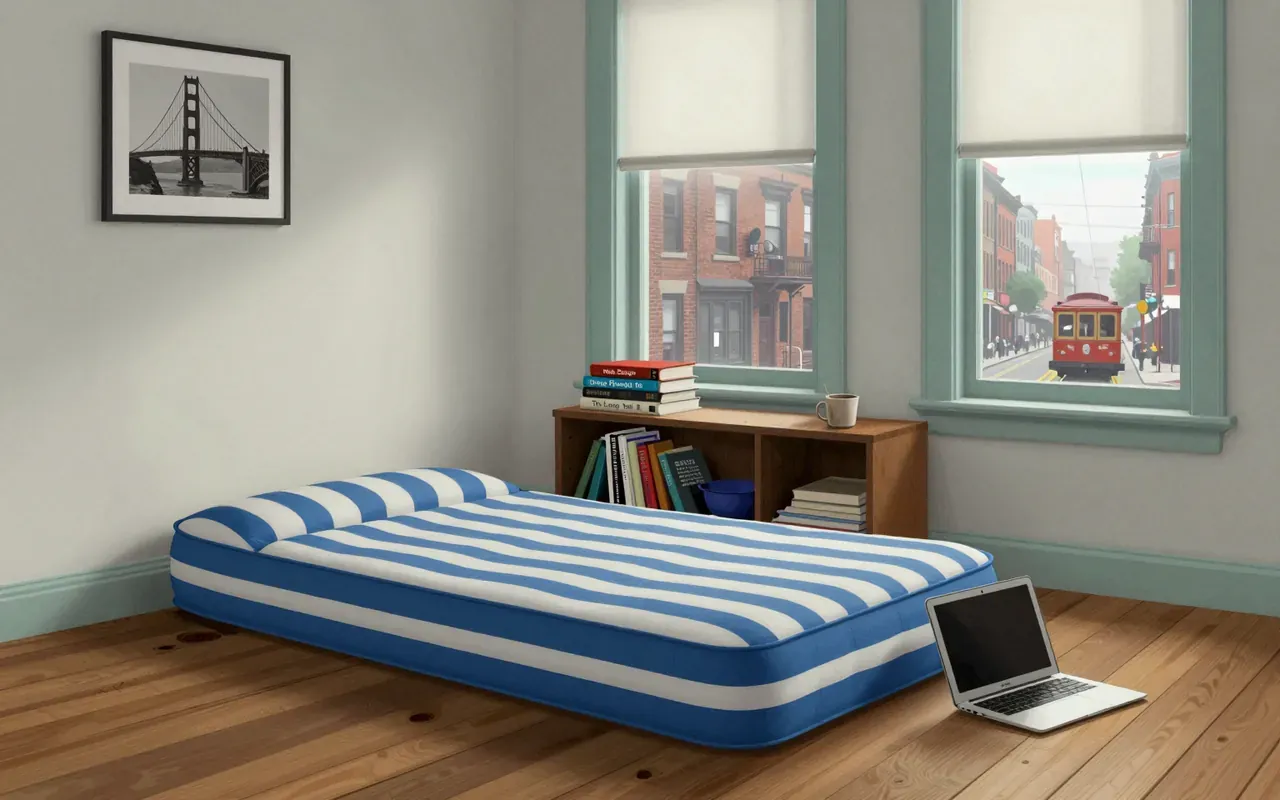
Airbnb’s origin is materially humble: a rent crisis, two roommates, an air mattress, and Pop-Tarts. Its business model — brokerage via commission — was clear from the start, but its execution required repeated, costly pivots: cereal sales, crashed websites, YC’s $20k for 6%, and Sequoia’s $585k only after that. Its European expansion relied on acquiring Accoleo — not organic growth or superior product. The story Airbnb tells about itself is one of design-led innovation; the record shows it was one of opportunistic adaptation, funded by hustle and validated by investors only after infrastructure and evidence accumulated.

10:20

Kia

Kia isn’t a standalone car company—it’s Hyundai’s second brand, repackaged as a design-led challenger.
9:56

LG Electronics

Koo In-hwoi · 1958

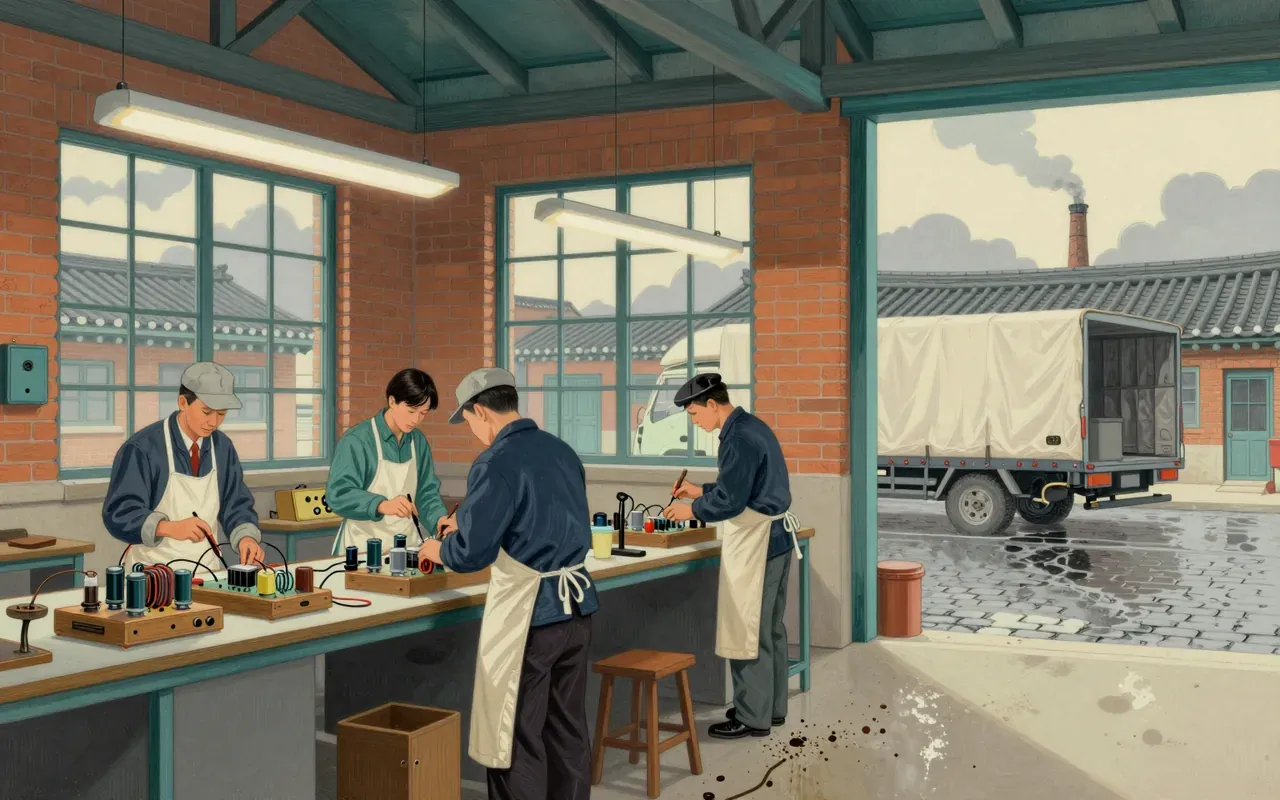
LG Electronics is a vertically integrated South Korean hardware manufacturer whose post-war origins, protected domestic launch, and 1995 rebranding reveal more about industrial policy than innovation mythology.

11:47

Panasonic

Konosuke Matsushita · 1918

Panasonic is a Japanese multinational electronics manufacturer founded in 1918 by Kōnosuke Matsushita, headquartered in Kadoma, Osaka. It makes money by manufacturing and selling electronics, batteries, automotive systems, industrial equipment, and home renovation services. Its early innovation in battery-powered bicycle lamps — replacing three-hour candle and oil lamps — established product-market fit. Its 1963 plant produced eight CRT TVs per minute, accounting for 21.8% of Japan’s output — the largest share of any company. It ranked 6th globally in PCT patents in 2025 — down from three decades as the world’s top patent applicant. Its repeated workforce reductions — 40,000 in 2011, 10,000 in 2025 — signal structural strain, not agility. These are reactive cost cuts, not evidence of resilient business design. Patent leadership does not guarantee market dominance; Panasonic held the world’s top patent applicant rank for three decades but lost consumer electronics leadership as CRT TV production collapsed. Yes — its patent intensity, scale of operational recalibration, and sustained market position offer concrete lessons in industrial adaptation.

10:10

Xerox

Joseph C. Wilson · 1906

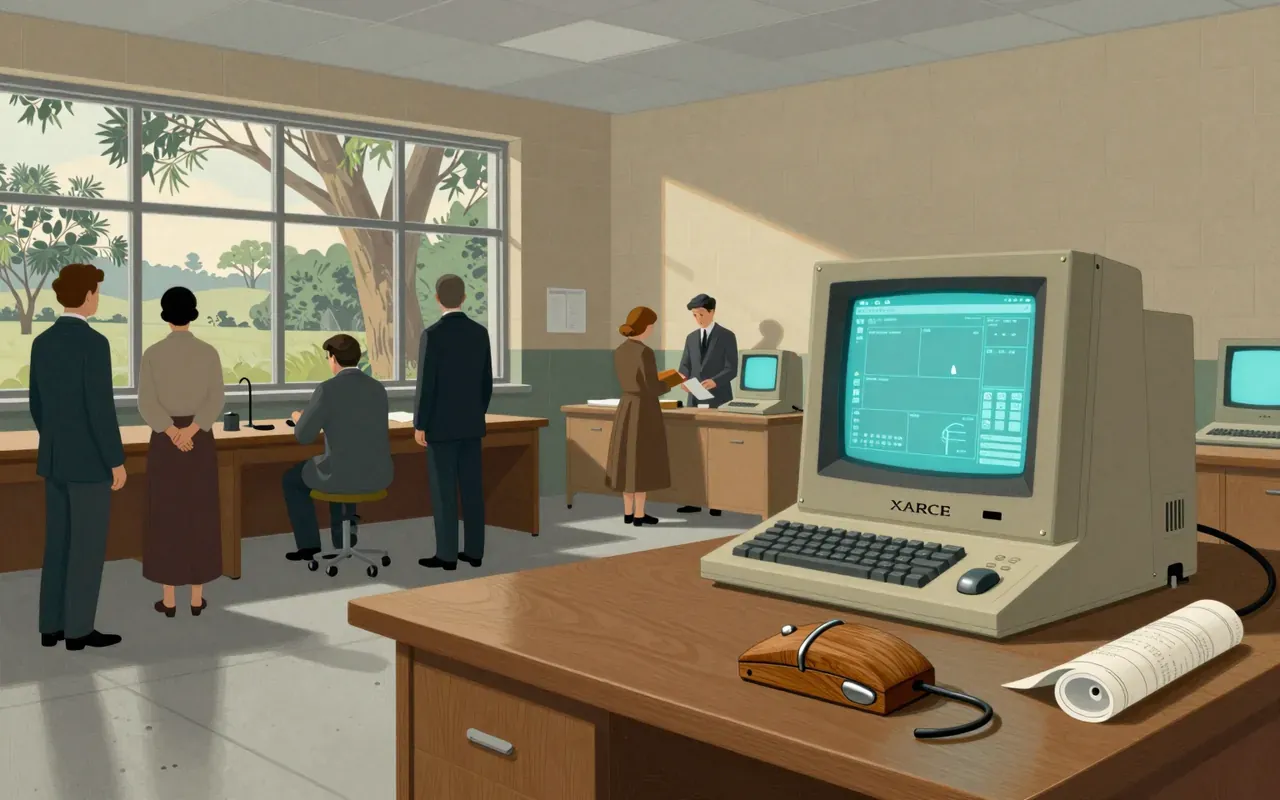
Xerox pioneered the photocopier market starting with the Xerox 914 in 1959; Joseph C. Wilson signed an agreement in 1946 to develop Chester Carlson's invention commercially; before the 914, Xerox tested the market with the Flat-plate 1385 prototype, which proved nonviable due to slow speed; the 914—the first plain paper photocopier—was developed by Carlson and John H. Dessauer; researchers at Xerox and PARC invented key personal computing elements including the GUI, mouse, and desktop computing; Xerox opened PARC in 1970; and Gary Starkweather invented the laser printer in 1969 by modifying a Xerox 7000 copier.

9:59

Sony

Akio Morita & Masaru Ibuka · 1946

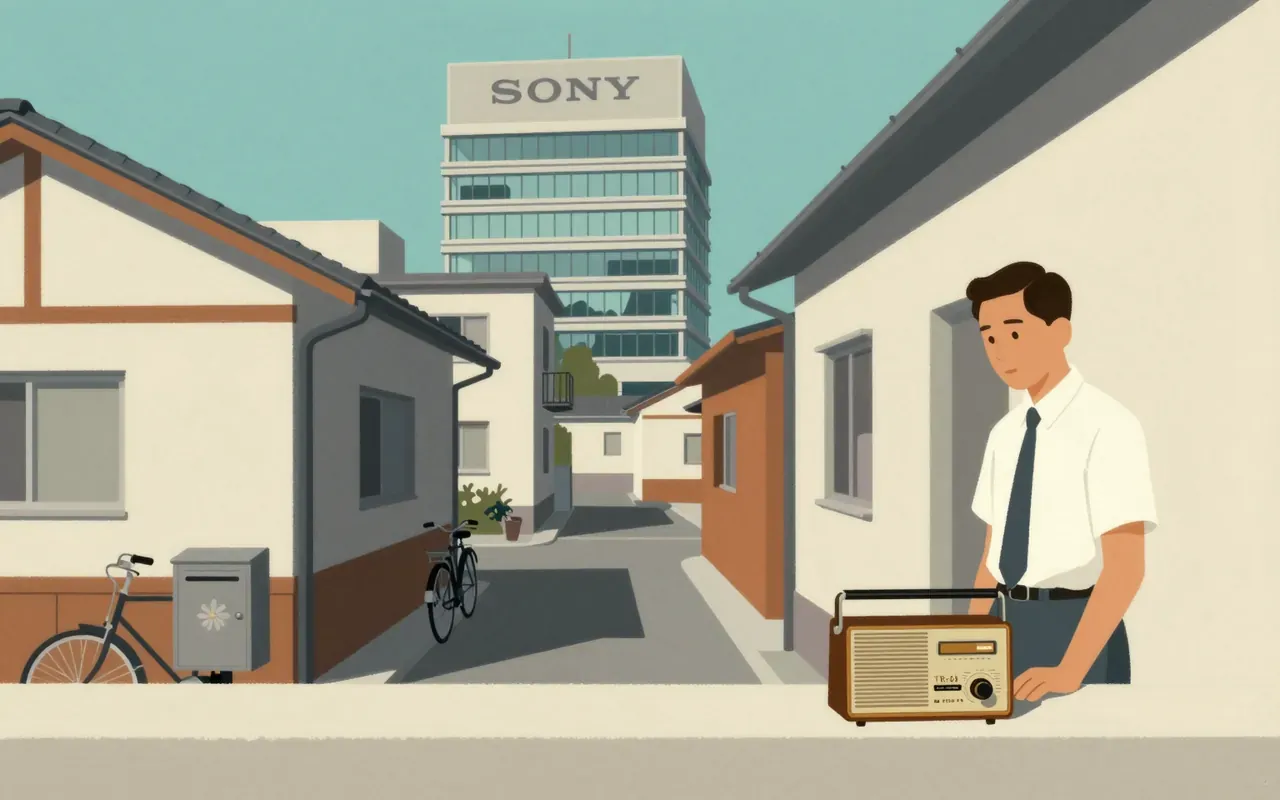
Sony’s early business model was hardware-first, export-first, and name-first — built on tangible, shipable, patentable devices that redefined category boundaries in foreign markets.

10:16

Volkswagen

Ferdinand Porsche · 1937

Volkswagen was a Nazi state project designed by Ferdinand Porsche, funded by coerced public savings, and diverted entirely to military production. Its 'people’s car' promise was broken before delivery — yet its engineering outlived its ideology.

technology.briefs Technology

All 11 in technology →
10:34

Amiga 1000

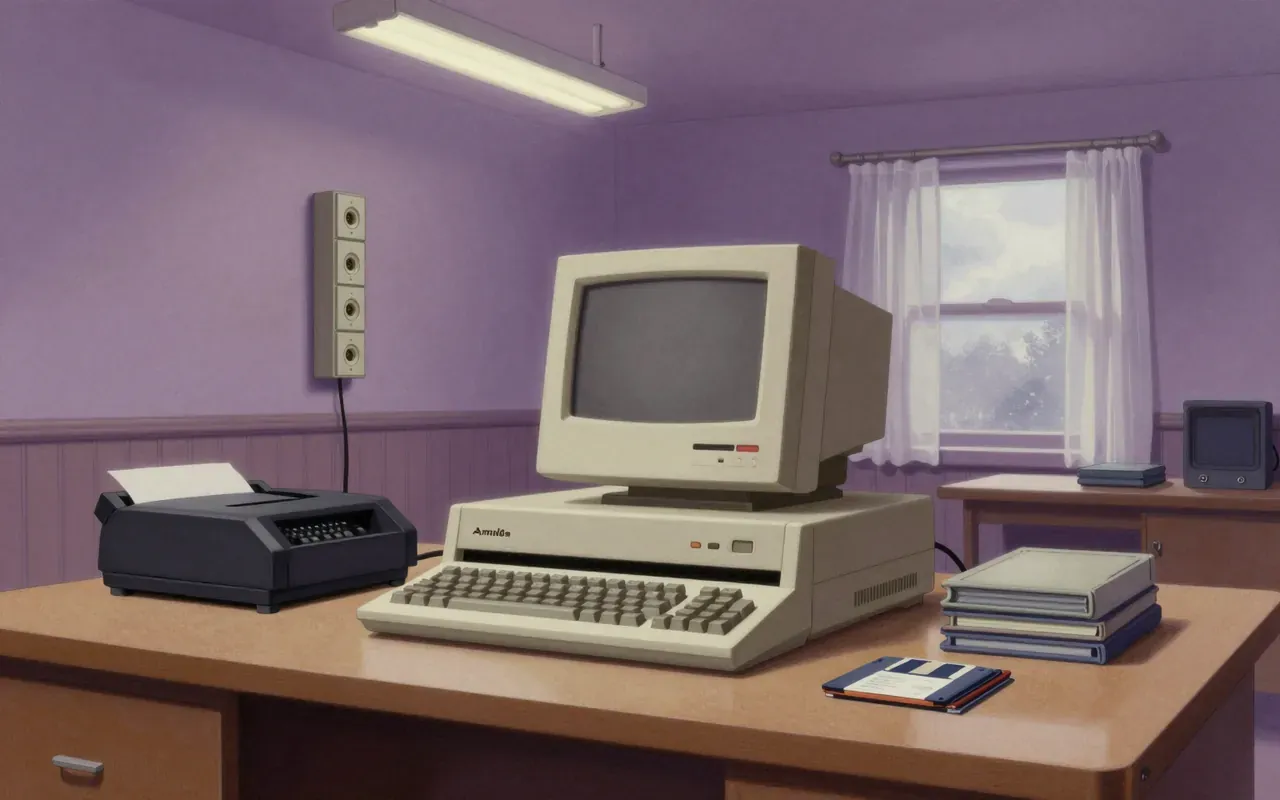
Multitasking wasn’t added later — it shipped baked into the ROM, and that changed everything.
9:40

IMac

The iMac isn’t about power—it’s about erasing the desktop’s ugly seams, one sealed, coloured shell at a time.
10:01

Iridium

Iridium isn’t rare because it’s special — it’s special because it’s rare, and that rarity locks its utility into three narrow, high-stakes industrial niches.
9:31

NeXT Computer

A sealed magnesium cube that proved integrated design was possible — and commercially stillborn.
9:08

Nokia 3310

Durability isn’t a feature — it’s the entire product architecture.
9:13

Philips

Philips didn’t invent the future — it licensed the present, then pivoted before the market caught up.
9:20

PowerBook

It didn’t invent the laptop—but it invented how you hold one.

culture.briefs Culture

All 4 in culture →
8:43

Wiener Werkstätte

Design is never just style—it’s who stamps the object, who pays for it, and who gets left out of the total artwork.

automotive.briefs Automotive

All 237 in automotive →
9:22

Alfa Romeo Giulia Sprint GT

Giorgetto Giugiaro · 1963

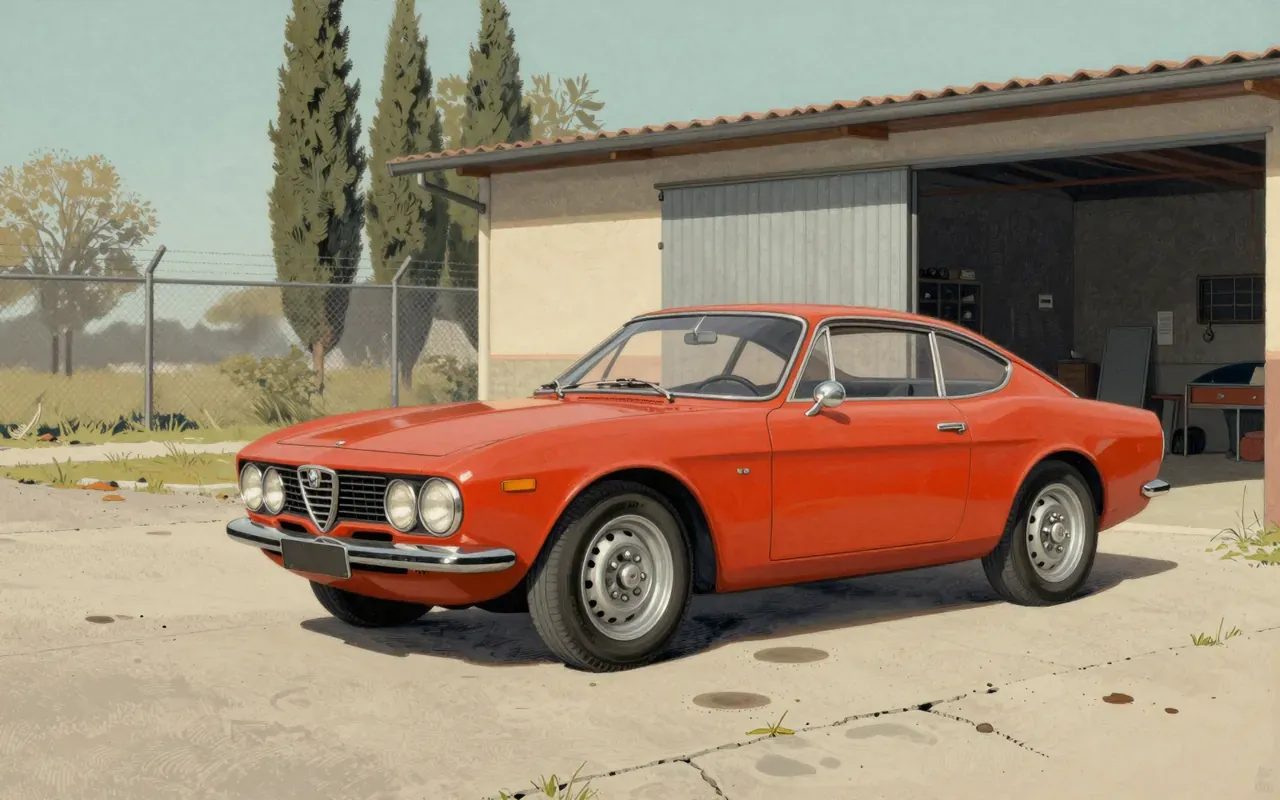
The Giulia Sprint GT was revealed at Alfa Romeo's new Arese plant on 9 September 1963 and built until 1965, when the Sprint GT Veloce replaced it. Giorgetto Giugiaro drew its Bertone body, known as the step front for the raised edge of its bonnet. It paired an all-aluminium 1570 cc twin cam four with a five-speed gearbox and four disc brakes, and 21,902 were built.

10:13

BMW 1500 Neue Klasse

Wilhelm Hofmeister · 1961

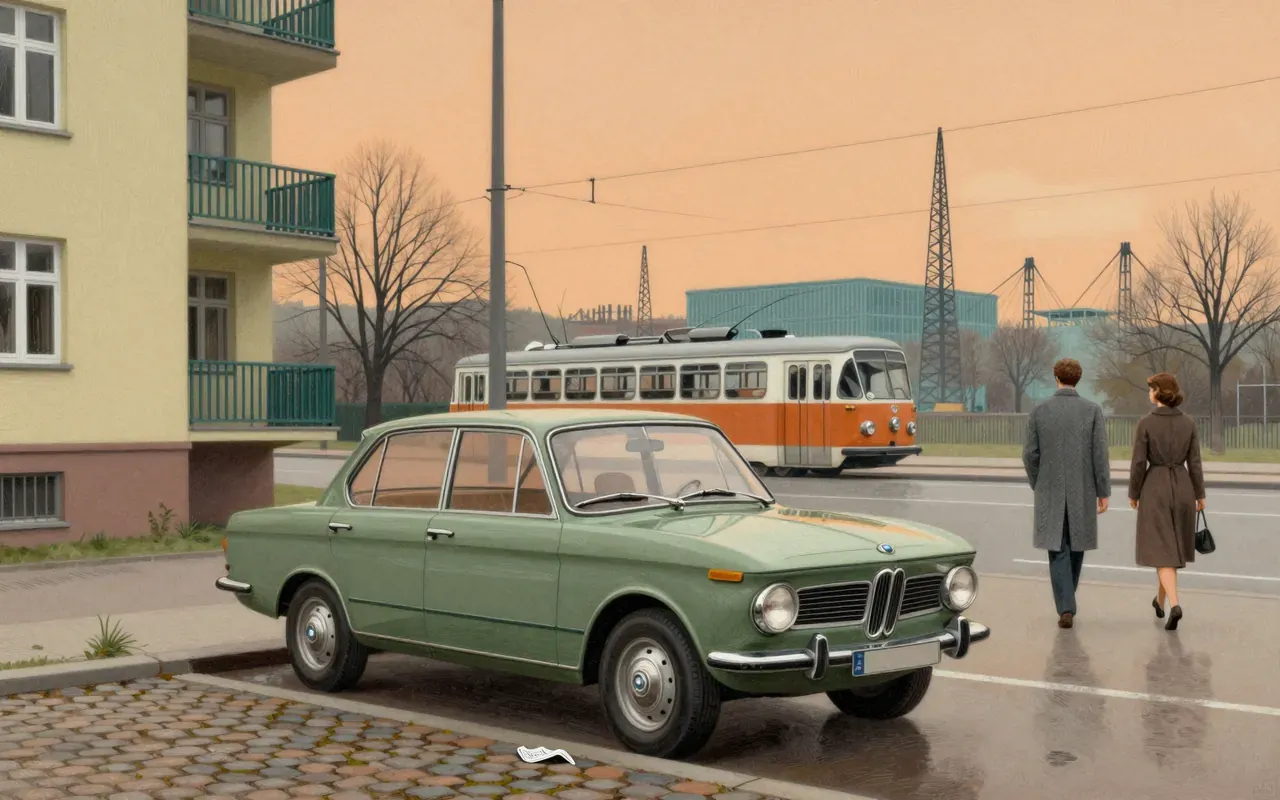
The BMW 1500 was shown at the 1961 Frankfurt Motor Show and built from October 1962 to December 1964. It was a compact four-door executive saloon with the new M10 four-cylinder engine, MacPherson strut front suspension and independent rear suspension. It was the first car of the New Class, the line that arrived as BMW broke even in 1962 after years of losses.

9:36

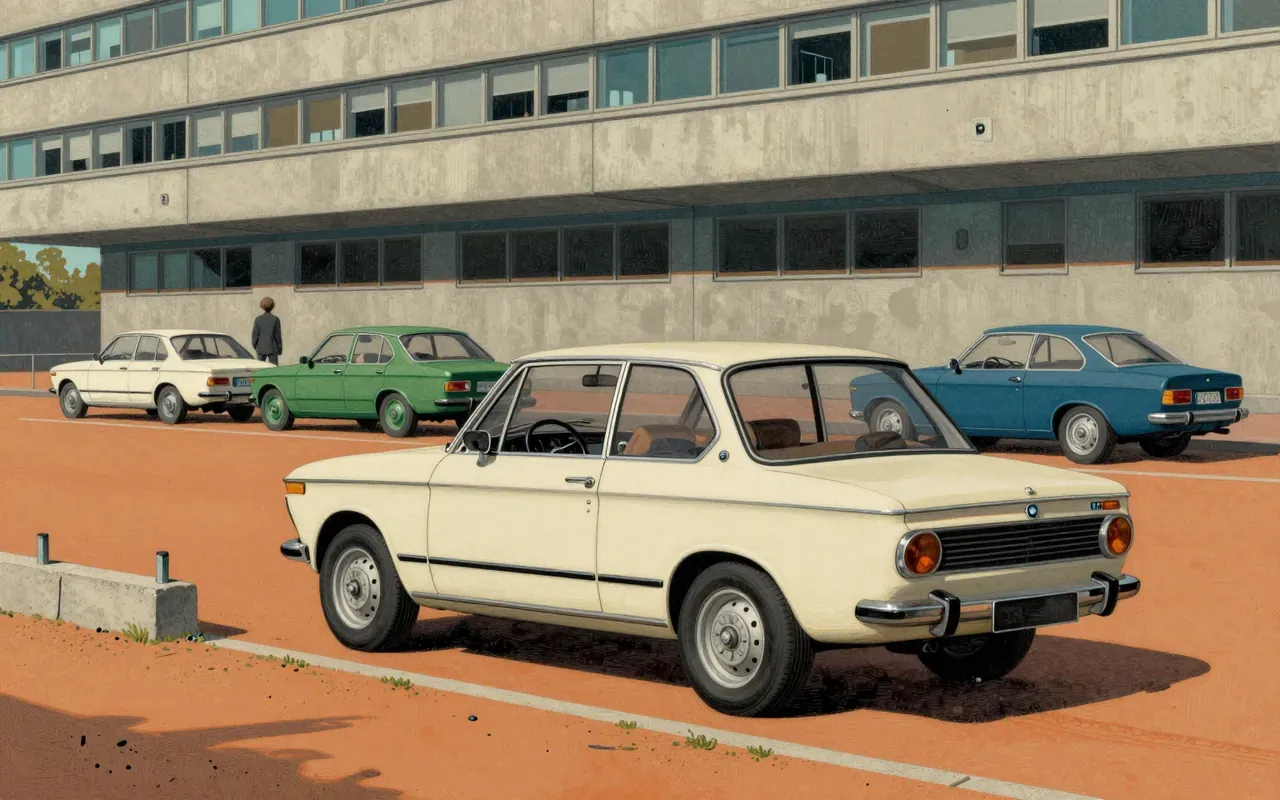
BMW 2002

Giovanni Michelotti · 1968

The BMW 2002 went into production in January 1968 as the larger-engined derivative of the 1966 1600-2, itself a shortened New Class saloon. It used a two-litre version of the M10 engine, and the range grew to include the fuel-injected tii, the Touring hatchback, a Baur TopCabriolet and, in 1973, Europe's first turbocharged production car.

9:58

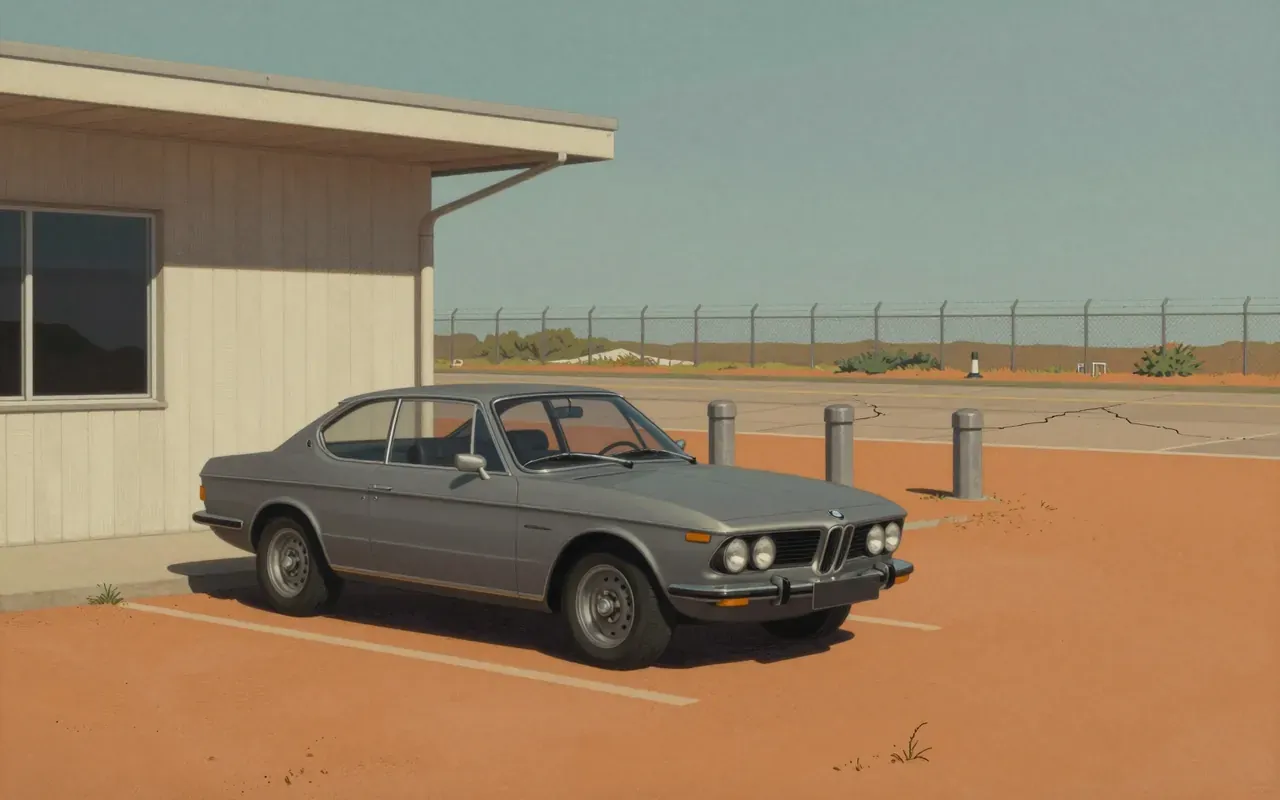
BMW 3.0 CSL

BMW · 1972

The BMW 3.0 CSL was the homologation special of the E9 coupé range: a lighter six-cylinder car built to make BMW eligible for the European Touring Car Championship. Its winged racing form earned the nickname Batmobile.

10:40

Facel Vega HK500

Jean Daninos · 1959

The HK500 was introduced for 1959 as a renamed and upgraded FVS from the French maker Facel. It started with the 5.8 L Chrysler V8 and soon moved to a 6.3 L unit rated at 360 hp, good for 237 km/h. The Facel Vega II replaced it in 1962 after 489 were built.

9:07

Mazda RX-7 SA22C

Matasaburo Maeda · 1978

The SA22C is the first-generation Mazda RX-7, a two-seat hatchback coupé with a Wankel rotary engine set behind the front axle and rear-wheel drive. Matasaburo Maeda led its design. Three series ran from 1978 to 1985, and 471,018 cars were built, most of them sold in the United States.

10:06

Renault 8 Gordini

Philippe Charbonneaux · 1964

The Renault 8 Gordini, model R1134, arrived in 1964 as the tuned version of Renault's rear-engine saloon, with a 1108 cc engine rated at 90 PS, a four-speed close-ratio gearbox and a blue livery with two white stripes. A 1967 facelift brought a 1255 cc engine and 100 PS.

9:15

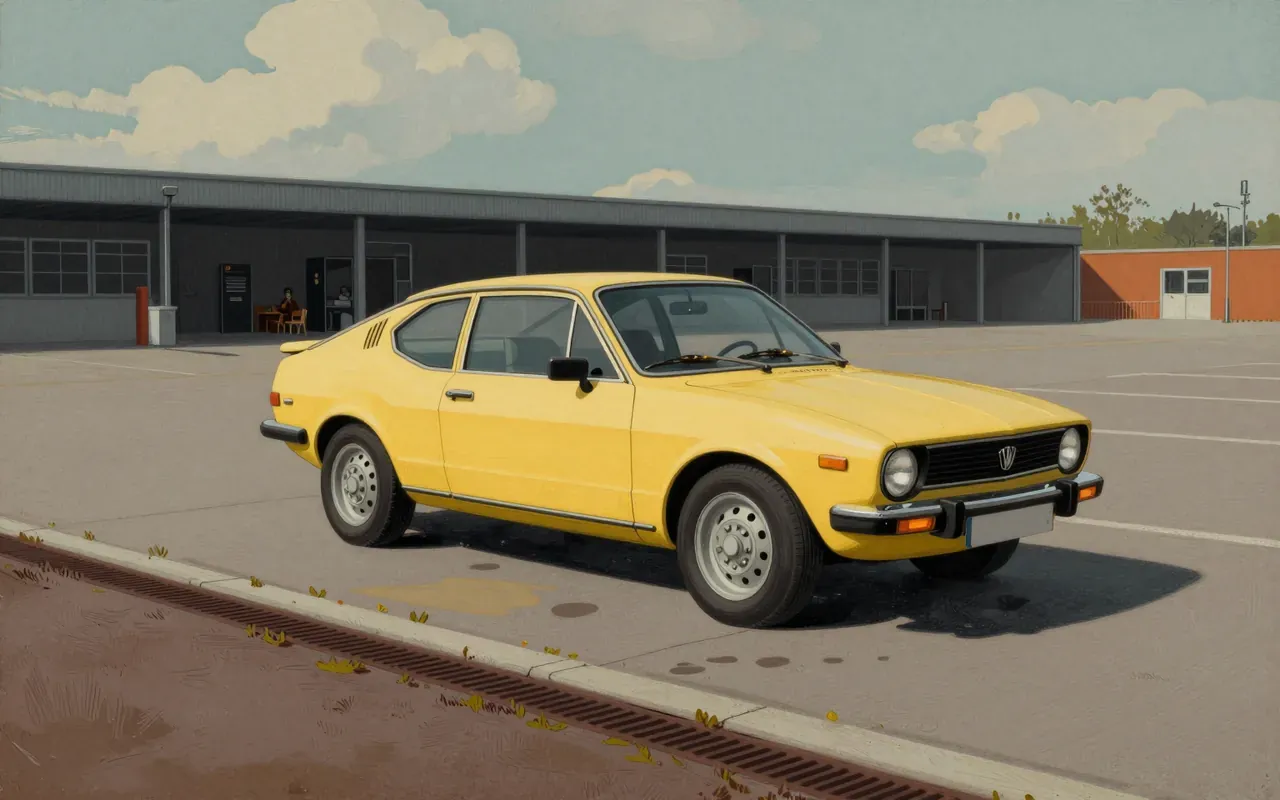
Volkswagen Scirocco Mk1

Giorgetto Giugiaro · 1974

The first-generation Volkswagen Scirocco, internally the Typ 53, replaced the Karmann Ghia. Giorgetto Giugiaro styled it on the Golf's platform with almost every part re-engineered. It went on sale in 1974, six months before the Golf, and its GTi entered production before the Golf GTI was unveiled.

audio.briefs Audio

All 4 in audio →
9:31

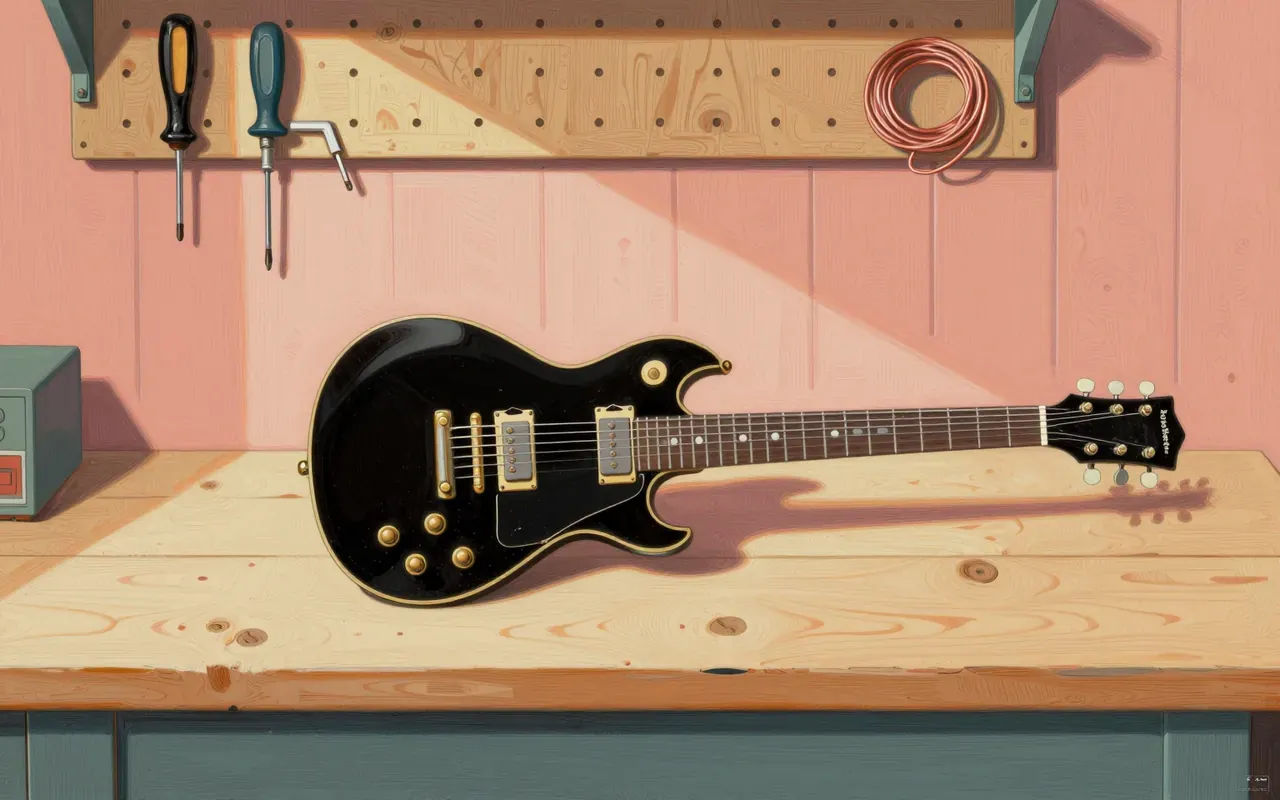
Gibson Explorer

Gibson

The Gibson Explorer is a solid-body electric guitar released by Gibson in 1958. It features a radical, futuristic body design derived from the 1957 Futura prototype. Only 19 were produced in 1958 and 3 in 1959. Early models had a 'split'-shaped headstock with 3+3 tuners; later models used a long drooping 'hockey-stick' headstock with tuners in a straight line on one side.

9:32

Gibson Flying V

Gibson · 1958

The Gibson Flying V is an electric guitar introduced in 1958 with a radical futuristic body design, initially made from korina (limba) wood, with only 98 units produced in its first run due to poor sales. It was reissued in 1967 using mahogany and design updates including a new bridge and larger pickguard. Its physical design — including 17-degree headstock angle and central pickup placement — was intended to enhance sustain.

9:57

Fender Stratocaster

Fender · 1954

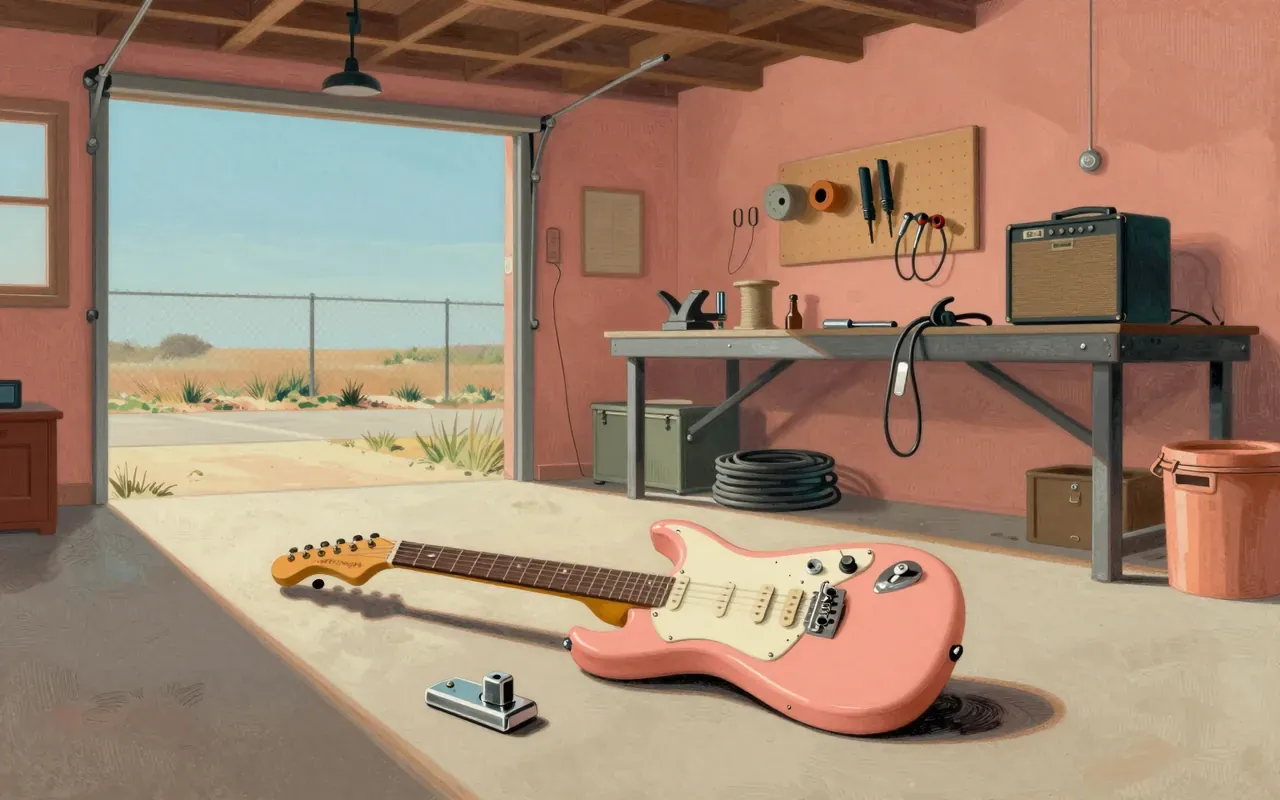
The Stratocaster is a solid-body electric guitar introduced in 1954. Designed between 1952 and 1954 by Leo Fender, Bill Carson, George Fullerton, and Freddie Tavares. Continuously manufactured since 1954. Its distinctive body shape was revolutionary when introduced in the mid-1950s. The heavily contoured back was designed for better comfort while playing. The elongated top horn changes the balance when played standing up with a strap compared to the Fender Telecaster. While the original release of the Stratocaster included a vibrato system, Stratocasters without it ("hardtails") were added to the portfolio in March 1955. The modular nature of the guitar, with its easily removable components, enabled players and luthiers to perform numerous modifications to their own guitars, changing out pickups or necks to fit the needs of the player. All of these design elements were popularized and later became industry standards due to the success of the Stratocaster.

10:20

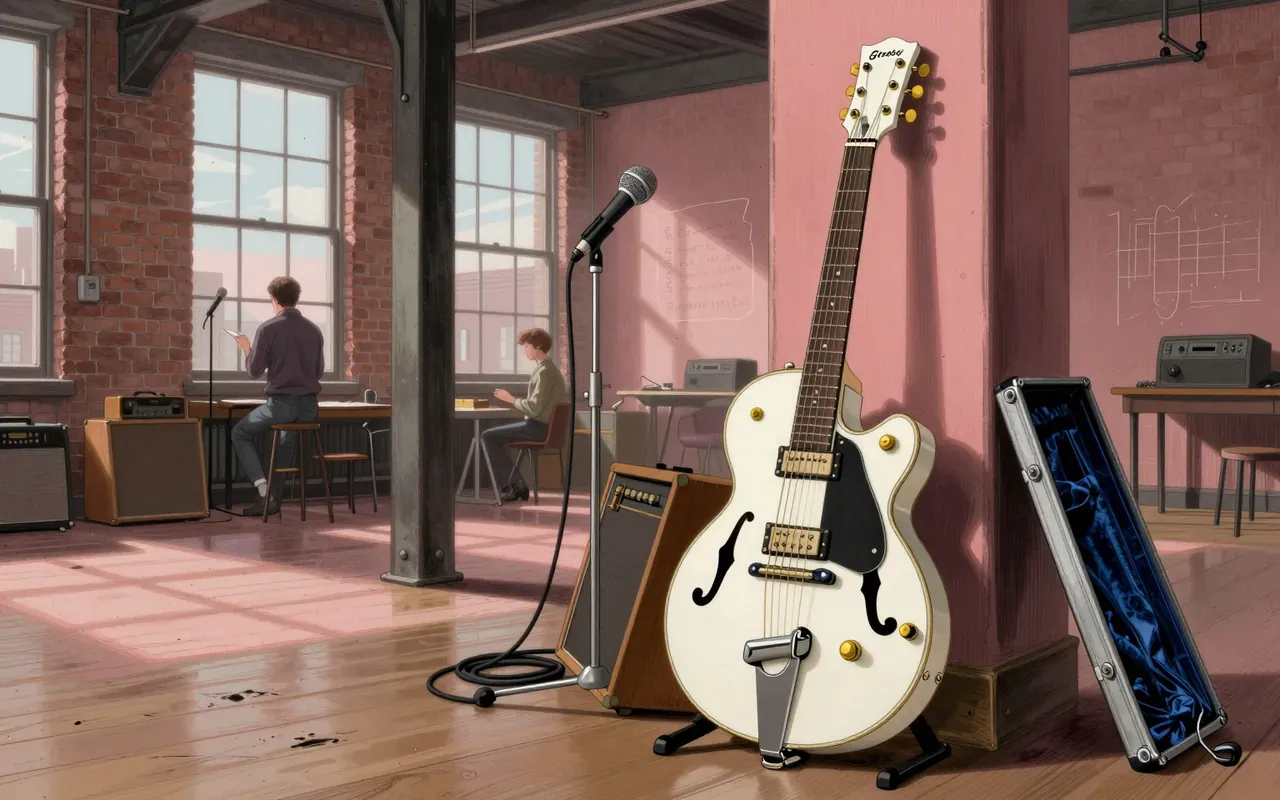
Gretsch White Falcon

Gretsch

The Gretsch White Falcon is an electric hollow-body guitar introduced in 1954 as a non-commercial showpiece for the NAMM Convention. It was conceived by Jimmie Webster as an improvement over the Gibson Super 400. Strong demand led to rushed production beginning in 1955 under model number 6136. Gretsch marketed it as 'the finest guitar we know how to make – and what a beauty!' and priced it at $600 — second only to Gibson's Super 400CESN. Its finish design drew from Gretsch drum finishes and American car aesthetics of the era.

fashion.briefs Fashion

All 9 in fashion →
10:05

C.P. Company

C.P. Company didn’t make fashion—it reverse-engineered protection.
9:35

G-Shock

A watch built to survive your life — not impress it.
8:30

Stone Island

Stone Island isn’t fashion — it’s textile engineering dressed as outerwear.
9:33

Marimekko

Armi Ratia · 1951

Marimekko is a Finnish textile and apparel company founded in Helsinki in 1951 by Viljo and Armi Ratia. It commissions artists to design bold graphic prints, then uses those prints in simple garments and home furnishings. Its early recognition at the 1957 Milan Triennale affirmed fashion as industrial art. Key outputs include the 1956 Jokapoika shirt and the 1964 Unikko pattern. It made important contributions to 1960s fashion through brightly coloured, simply styled products.

9:56

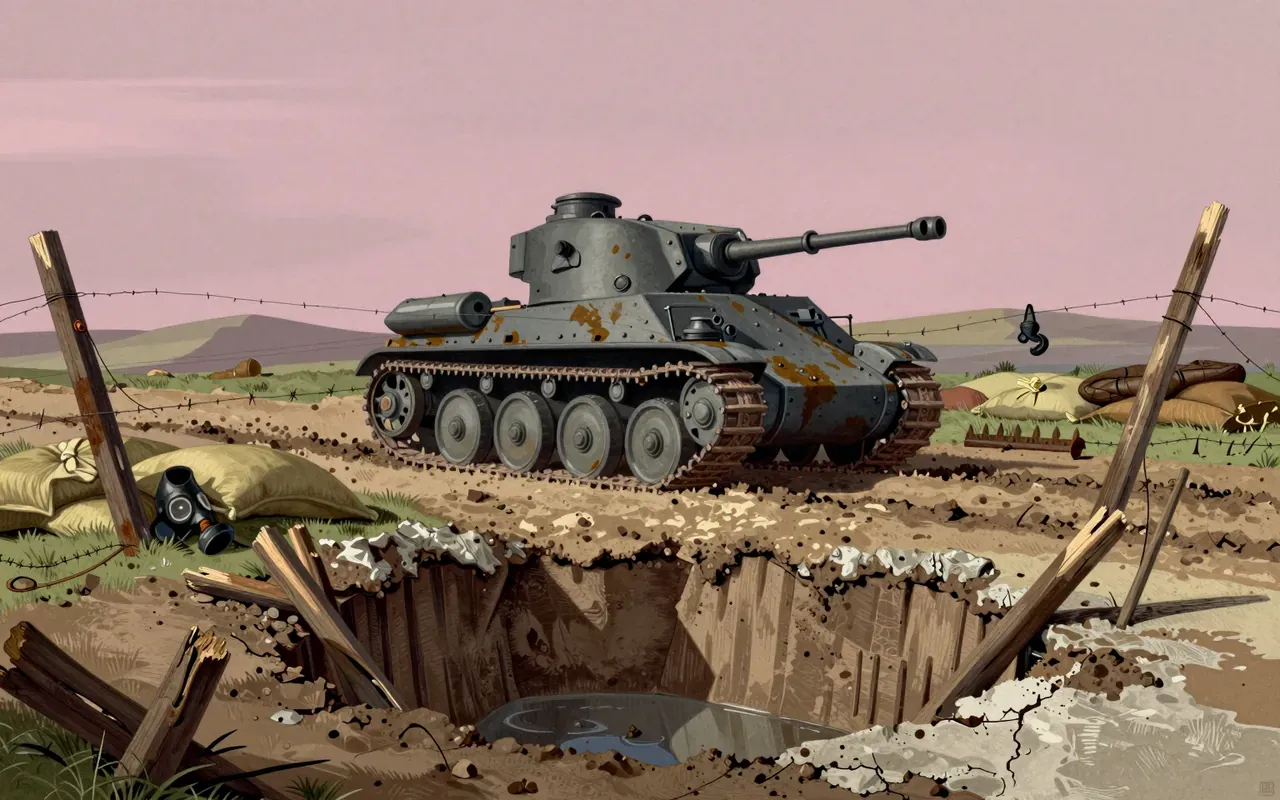
Cartier Tank

Louis Cartier · 1917

The Cartier Tank is a line of watches made by Cartier. It was created by Louis Cartier in 1917, and inspired by the new Renault tanks which Cartier saw in use on the Western Front. The prototype watch was presented by Cartier to General John J. Pershing of the American Expeditionary Force. The Tank was introduced in 1918, and entered full production in 1919, when six pieces were built. Its lines and proportions are similar to those of tanks used on First World War battlefields. Its strap is integrated into vertical sidebars called brancards. The defining features of a Tank watch include its bold Roman numeral dial with a chemin de fer chapter ring, sword-shaped blued steel hands, and a sapphire cabochon-surmounted crown.

9:02

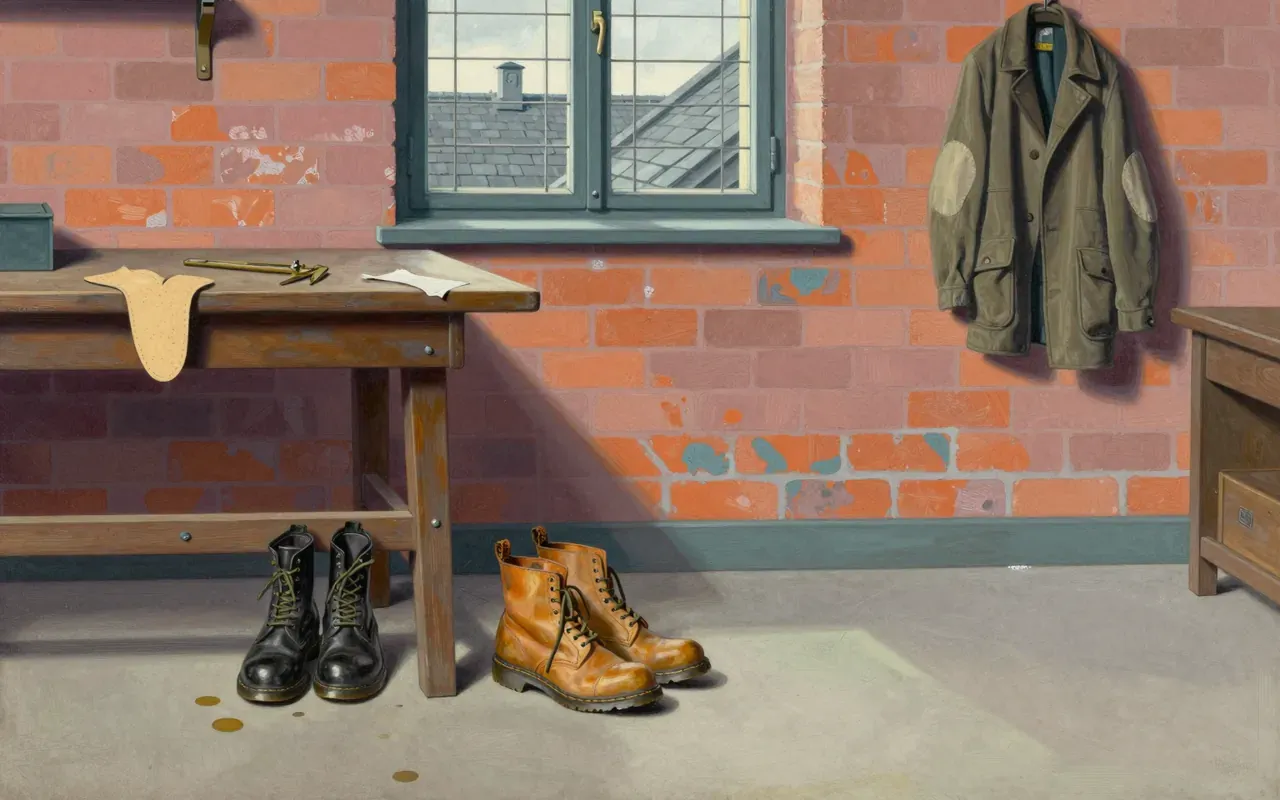
Dr. Martens

Klaus Märtens · 1951

Dr. Martens is a functional footwear innovation repurposed as cultural symbol — its origins in rehabilitation and post-war scarcity are routinely overwritten by its later adoption elsewhere.

8:24

Rolex Submariner

The Submariner stopped being a diver’s tool in the 1960s—and became the world’s most successful status symbol disguised as one.
8:21

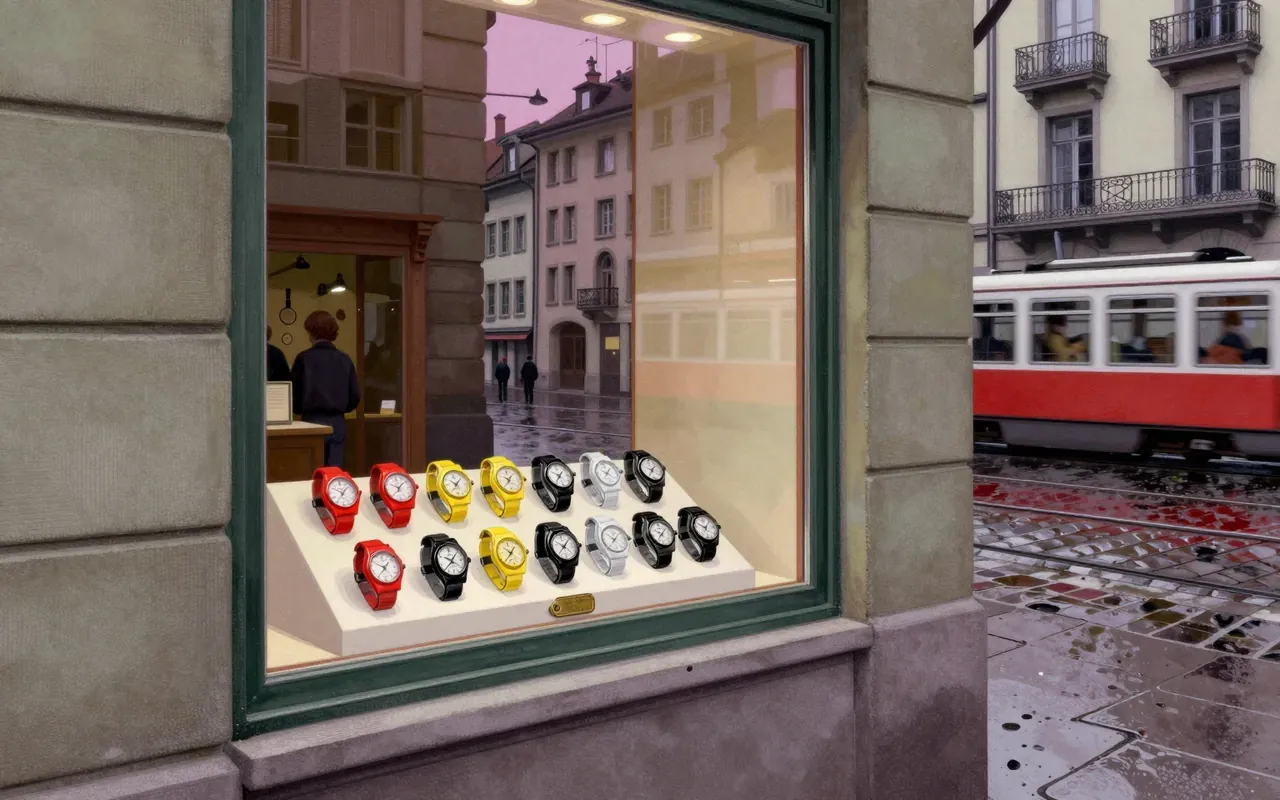
Swatch

Swatch didn’t save Swiss watchmaking—it outsourced its soul to plastic and price.