briefs
Topic · across the network

The body

The machine everyone owns and few can service.

29
briefs
7
subjects
11:31
average
334 min
in total
Abstraction 407Absurdism 137Acoustics 220Acting 65Adaptation 372Addiction 95Adolescence 202Advertising 77Age of exploration 14Ageing 113Agriculture 100Algorithms 114Ambition 46Anarchism 38Ancient Egypt 17Ancient Greece 38Ancient Rome 30Animals 172Anthropology 23Apartheid 12Architecture 165Archives 32Argentina 10Art Deco 26Artificial intelligence 78Astronomy 81Attention 42Australia 32Automation 73Avant-garde 164Aviation 79Banking 72Banned works 40Bauhaus 12Beer 5Behavioural economics 22Berlin 16Big tech 6Biodiversity 136Biography 86Birds 41Black holes 20Blockchain 12Boxing 14Branding 77Brazil 43Bread 29Britain 131Brutalism 4Bubbles 3Buddhism 28Byzantium 10California 17Canada 18Capitalism 94Cars 468Celebrity 59Censorship 110Cheese 24Chefs 9Chemistry 104Chess 2Childhood 87China 109Chocolate 8Christianity 49Cinematography 343Cities 90Class 485Climate change 107Club culture 100Cocktails 2Coffee 11Cognitive bias 14Collecting 16Colonialism 284Colour 42Comedy 89Community 52Complexity 21Computing 309Consciousness 16Conservatism 14Conspiracy theories 8Cooking 178Corruption 38Cosmology 31Cover versions 64Craft 116Crate digging 42Creativity 8Crime 234Cryptocurrency 8Cryptography 24Cuba 10Cybersecurity 30Dada 12Debt 38Decision-making 28Decolonisation 46Deep time 80Democracy 45Denim 16Deserts 45Detroit 17Dinosaurs 12Directing 168Disasters 59Disease 109DJ culture 89Dreams 32Drones 5Drum machines 96Dystopia 69East Africa 28Ecology 337Economics 36Editing 72Education 92Egypt 12Electric vehicles 59Emotion 22Empire 92Endurance 49Energy 120Engineering 541Entropy 8Epidemics 13Equality 9Espionage 31Ethics 44Evolution 174Existentialism 106Expertise 2Exploration 49Extinction 23Failure 37Family 240Fandom 22Fascism 45Fashion 215Fast fashion 12Fear 34Feminism 122Fermentation 126Film music 81Fishing 12Folklore 71Food history 588Football 16Forests 31Forgery 7France 163Fraud 15Free will 13Freedom 16French literature 15Friendship 24Furniture 36Gambling 14Gender 63Generations 28Genetics 87Geology 96Germany 66Globalisation 74Gothic 32Greece 5Grief 126Habits 6Happiness 2Hardware 709Haute couture 22Headphones 8Hi-fi 12Hinduism 12Hoaxes 1Human history 23Human nature 41Identity 138Illustration 8Impressionism 6Improvisation 249India 89Indonesia 15Industrial design 342Inequality 13Inflation 4Information 34Infrastructure 280Insects 29Intelligence 8Interiors 31Internet culture 88Invention 329Iran 41Islam 40Islands 17Israel 9Italy 52Jamaica 10Japan 114Jewellery 5Journalism 34Judaism 13Justice 42Korea 41Language 70Law 90Leadership 20Learning 6Liberalism 1Libraries 6Literary criticism 26London 12Loneliness 61Los Angeles 62Lost works 9Love 67Luxury 55Machine learning 15Management 10Maps 5Marketing 21Markets 51Mars 6Marxism 26Masculinity 46Materials 138Mathematics 79Meaning 6Medicine 124Memory 82Mental health 70Mesopotamia 4Mexico 38Migration 95Minimalism 68Mining 30Misinformation 9Modernism 63Money 24Monopoly 32Mortality 61Motivation 2Mountains 16Museums 27Mysticism 11Mythology 60Nationalism 40Neuroscience 23New York 36Nigeria 7Nihilism 10Noise 31Nostalgia 33Nuclear 29Nutrition 17Oceans 48Oil 42Open source 45Painting 18Palaeontology 29Parenting 14Paris 18Partition 6Patents 71Patronage 14Perception 44Personal style 27Personality 2Persuasion 8Peru 10Philosophy 77Photography 37Physics 206Plants 26Platforms 89Podcasting 1Poetry 25Poland 17Policing 34Pop Art 16Populism 2Portraiture 6Portugal 18Postmodernism 23Power 91Prehistory 24Preservation 28Printmaking 21Privacy 11Probability 6Productivity 1Programming 54Prohibition 1Propaganda 35Protest 75Pseudoscience 17Psychology 80Publishing 22Punishment 16Quantum mechanics 44Race 145Radio 30Railways 35Rave 17Realism 47Record labels 19Recording 810Relativity 23Religion 154Resilience 15Restaurants 30Restoration 2Retail 94Revolution 58Risk 18Ritual 96Robotics 26Romance 96Russia 58Salt 9Sampling 246Satire 84Scandinavia 28Scientific method 186Screenwriting 26Sculpture 7Secularism 2Self-deception 14Semiconductors 73Sexuality 102Ships 18Silence 24Silicon Valley 17Slavery 35Sleep 2Smartphones 27Sneakers 15Social media 58Socialism 9Software 68Songwriting 180Sound design 332Sound systems 20South Africa 19South East Asia 30Space exploration 84Spain 18Special effects 41Spices 62Spirits 12Sport 82Startups 21Statistics 10Status 9Stoicism 4Storytelling 68Strategy 70Street food 99Streetwear 16Studio craft 508Subcultures 59Sugar 12Supply chains 115Surrealism 53Surveillance 21Sustainability 30Synthesis 232Tailoring 37Taxation 14Tea 24Textiles 97Thailand 11The American Revolution 19The American South 88The Arab world 41The Arctic 19The Balkans 17The Belle Epoque 13The body 29The brain 26The Caribbean 28The civil rights movement 62The Cold War 160The eighties 268The Enlightenment 29The financial crisis 19The First World War 39The food industry 157The French Revolution 9The Gilded Age 9The Great Depression 18The Holocaust 20The Industrial Revolution 93The internet 61The interwar years 135The Middle Ages 35The Moon 4The music business 169The Netherlands 10The nineties 26The Olympics 10The pandemic 13The Reformation 1The Renaissance 16The Russian Revolution 19The Second World War 102The seventies 58The sixties 28The space race 5The United States 19The universe 7The Victorian era 37Therapy 20Tokyo 11Trade 48Tragedy 22Translation 5Trauma 85Travel 5True crime 2Turkey 18Typography 54Uniforms 23Unions 8Urban planning 66Utilitarianism 1Utopia 5Vaccines 10Vegetarianism 15Venture capital 6Video games 291Vietnam 12Vintage 65Vinyl 6Virtual reality 11War 169Watches 4Water 11Weather 29West Africa 29Wilderness 10Wine 3Work 22Workwear 19Worldbuilding 121

music.briefs Music

All 2 in music →
10:43

In Rainbows

Radiohead · 2007

In Rainbows is Radiohead’s seventh studio album, self-released in 2007. It was recorded between March 2005 and June 2007 across four locations: their Oxfordshire studio, Halswell House, Tottenham House, and the Hospital Club in London. After initial unproductive sessions without Nigel Godrich and a failed collaboration with Spike Stent, the band re-enlisted Godrich in 2006. The lyrics are less political and more personal than previous albums, exploring mortality, embodiment, and transience. Production techniques include merging rhythm tracks, phasing guitars inspired by Steve Reich, and capturing white noise via full-scale string clusters. The album runs 45 minutes. Its release used a 'pay what you want' digital download model. It won the 2009 Grammy Award for Best Alternative Music Album.

10:47

MAGDALENE

FKA twigs · 2019

Magdalene is FKA Twigs’s second studio album, released on 8 November 2019 after a four-year hiatus. It features self-production alongside Nicolas Jaar, Koreless, Daniel Lopatin, Skrillex, Benny Blanco, Michael Uzowuru, and Noah Goldstein. Its sound blends electronic art pop with 'lurid' modern dance and 'carnal' soul, defying genre classification while incorporating elements of avant-garde, R&B, trap, hip hop, trip hop, alt-pop, punk rock, industrial, opera, chamber pop, and Bulgarian folk. It samples 'Moma Hubava' by Le Mystère des Voix Bulgares in 'Holy Terrain' and 'Storm Clouds Rising' by the Florida Mass Choir in 'Fallen Alien'. Inspired by Twigs’s 2017 breakup with Robert Pattinson, it explores heartbreak, physical collapse, self-compassion, and emotional reassembly. Critical reception was universal, with the album ranking No. 1 on year-end lists from The A.V. Club, Clash, Now, and Time.

film.briefs Film

All 13 in film →
13:00

A History of Violence

David Cronenberg · 2005

David Cronenberg’s 2005 crime thriller adapts a graphic novel into a precise, unsentimental study of identity, memory, and embodied violence. Viggo Mortensen plays Tom Stall, a small-town diner owner whose past as hitman Joey Cusack resurfaces after he kills two robbers. The film tracks the unraveling of his family life and his return to Philadelphia, where violence proves inescapable — not as choice, but as somatic fact. Shot by Peter Suschitzky and scored by Howard Shore, it favours stillness over spectacle and implication over exposition.

13:00

Altered States

Ken Russell · 1980

Altered States (1980), directed by Ken Russell from Paddy Chayefsky’s novel, follows a scientist whose experiments with sensory deprivation and psychoactive drugs trigger a terrifying biological regression. Anchored by William Hurt’s debut performance and Dick Smith’s groundbreaking makeup effects, it merges psychological horror with surrealist science fiction. Though marked by creative conflict between writer and director, the film endures as a formally audacious, physically immersive inquiry into consciousness, identity, and the fragility of the human form.

13:00

Eyes Without a Face

Georges Franju, Claude Sautet · 1960

Eyes Without a Face (1960) is a French arthouse horror film directed by Georges Franju, following a plastic surgeon who kidnaps women to graft their faces onto his disfigured daughter. Shot by Eugen Schüfftan and scored by Maurice Jarre, it sustains a tone of poetic anguish rather than visceral terror. Its restrained performances, deliberate pacing, and clinical visuals have earned it retrospective acclaim as a landmark of moral and aesthetic horror.

13:00

First Man into Space

Robert Day · 1959

First Man into Space (1959) is a British science fiction-horror film directed by Robert Day, following a US Navy pilot who returns from extreme altitude encrusted in meteoric dust and transformed into a blood-dependent creature. Built on a tight budget and grounded in procedural realism, it prioritises physiological logic over myth or metaphor, using restrained performances, functional cinematography, and a lean narrative structure to sustain its central conceit. Though limited by its means, it delivers a coherent, atmospheric, and quietly tragic vision of spaceflight as irreversible bodily violation.

13:00

Flesh for Frankenstein

Paul Morrissey, Antonio Margheriti, Andy Warhol · 1973

Flesh for Frankenstein (1973) is a Paul Morrissey-directed body horror film shot in Rome, starring Udo Kier as a Serbian-obsessed Baron who constructs living specimens from corpses. Its deadpan satire targets eugenics, authoritarianism and sexual repression through grotesque, tactile set-pieces and stilted dialogue. Though credited to Warhol and Margheriti, Morrissey shaped its vision, aided by Luigi Kuveiller’s flat, theatrical cinematography and Claudio Gizzi’s jagged score. It is neither pure parody nor sincere horror, but a conceptual object that demands attention to texture, logic and failure.

13:00

Gray's Anatomy

Steven Soderbergh · 1996

Spalding Gray’s 1996 monologue film, directed by Steven Soderbergh, documents his diagnosis with macular pucker and his turn toward alternative treatments. Filmed in ten days with minimal staging, it relies entirely on Gray’s voice, syntax, and timing. Elliot Davis’s restrained cinematography and Cliff Martinez’s sparse score support rather than interpret. The film balances wit and vulnerability without resolving into either satire or sermon — though its final passages strain under the weight of their own metaphysical drift.

13:00

Hunger

Steve McQueen · 2008

Steve McQueen’s 2008 debut dramatises the 1981 IRA hunger strike in Maze Prison, focusing on Bobby Sands’s final weeks. Shot in stark, immersive style by Sean Bobbitt and edited by Joe Walker, it privileges physical detail over exposition, using long takes, minimal dialogue, and unflinching attention to the body’s decay and resilience. Michael Fassbender lost significant weight for the role. The film premiered at Cannes, winning the Caméra d’Or, and received widespread critical acclaim for its formal rigour and moral gravity.

13:00

Pina

Wim Wenders · 2011

Wim Wenders’ 2011 3D documentary Pina records performances by Tanztheater Wuppertal of four major works by Pina Bausch — Le sacre du printemps, Café Müller, Kontakthof (across three age groups), and Vollmond — filmed shortly after her death in 2009. Intercut are outdoor solos and duets around Wuppertal, accompanied by dancers’ voice-over reflections. Shot by Hélène Louvart and edited by Toni Froschhammer, the film treats choreography as living structure, not historical artefact.

design.briefs Design

All 3 in design →
9:25

Jürgen Mayer

Architecture that treats the body, technology, and nature as inseparable — not as themes, but as structural conditions.
9:02

April Greiman

A magazine that is an artwork, which is an object, which is... crazy.
8:53

Rei Kawakubo

Kawakubo’s work is not feminist expression — it is a deliberate refusal to let femininity define design.

games.briefs Games

All 4 in games →
12:10

Just Dance (video game)

Ubisoft · 2009

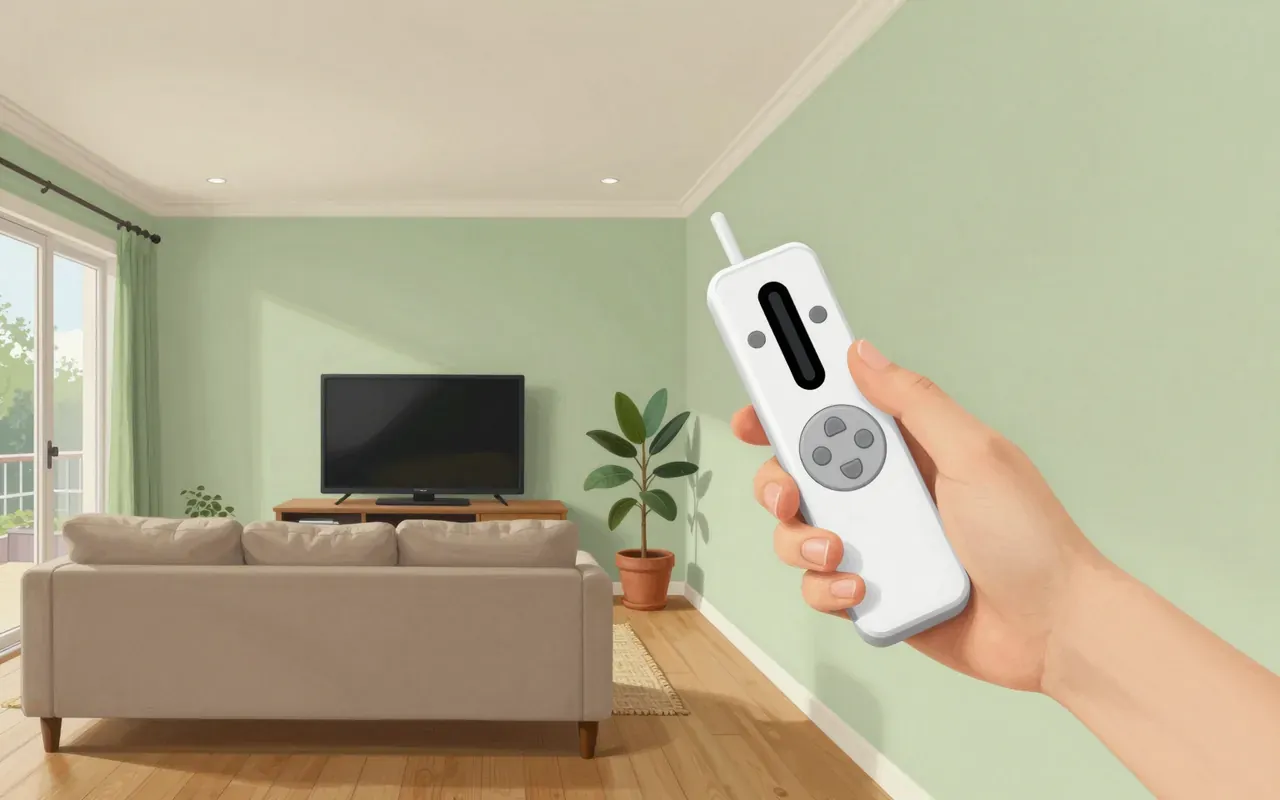
Just Dance (2009) is a Wii-exclusive rhythm game published by Ubisoft. Players use only the Wii Remote in their right hand to mirror on-screen dancers’ choreography. Moves are scored X, OK, or Great. Shake moves trigger a shake meter for bonus points. Each song has two scoring targets: 10,000 (Standard) and 15,000 (Master). Four modes include Standard, Warm Up, Strike a Pose, and Last One Standing. It is one of Ubisoft’s core, long-running franchises.

10:42

Mortal Kombat (2011 video game)

NetherRealm Studios · 2011

Mortal Kombat (2011) is a 2.5D fighting game developed by NetherRealm Studios and published by Warner Bros. Interactive Entertainment for PlayStation 3 and Xbox 360 in April 2011. It is the ninth installment in the Mortal Kombat series. The game runs at 60 fps on a strict two-dimensional plane, with 3D-rendered characters. Four controller buttons map to specific limbs. A three-tiered super meter charges through performing special moves, being blocked, or being hit — enabling enhanced specials (level one), combo interrupts (level two), and X-ray moves (level three), which show internal bone and organ damage. Extra modes include a multi-character story mode, Fatality training, Challenge Tower, tag team fighting, and online play.

9:52

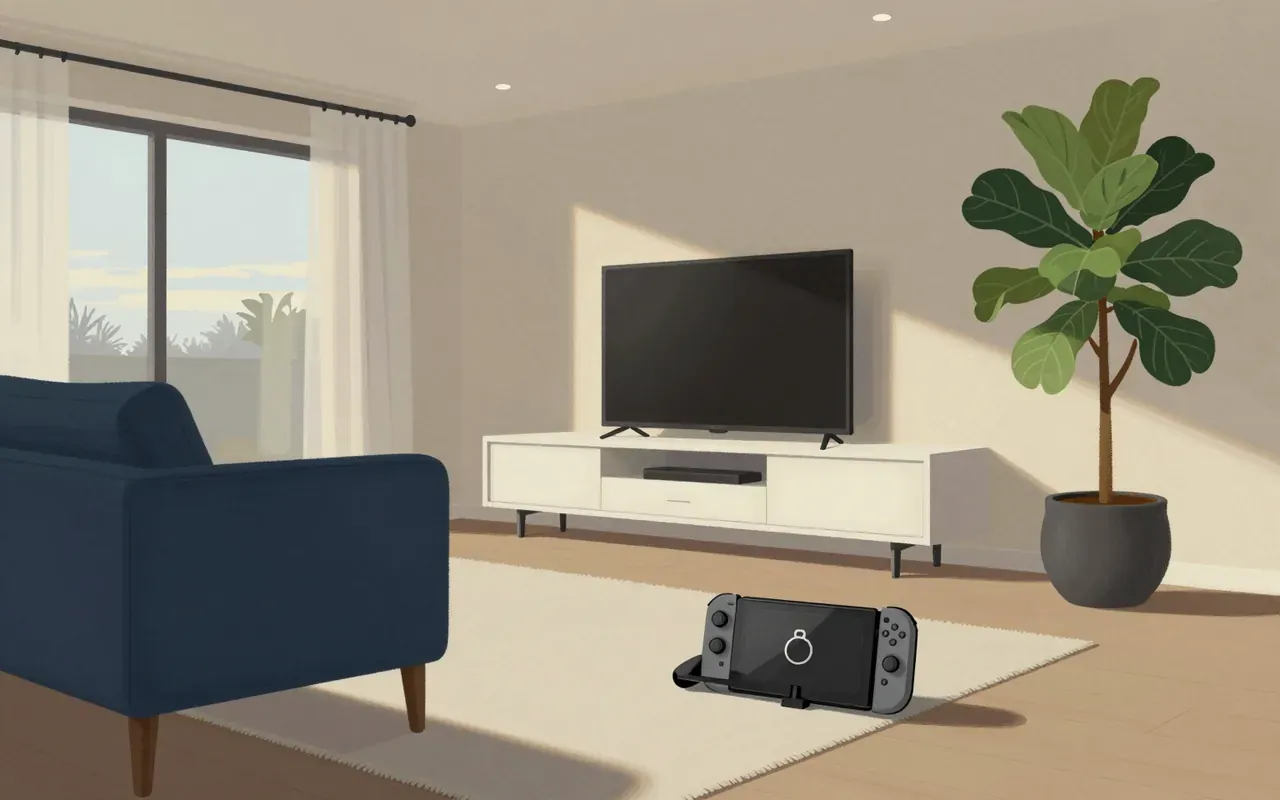
Ring Fit Adventure

Nintendo · 2019

Ring Fit Adventure is an exercising role-playing video game developed and published by Nintendo for the Nintendo Switch. It requires two physical components—the Ring-Con and the Leg Strap—to translate real-world movement and strain into in-game actions. Its main mode is a turn-based RPG where overworld navigation (running in place, jumping via Ring-Con squeeze-and-release) and combat (exercise-based attacks, abdominal press defence) are fully dependent on those accessories. Exercises are colour-coded by target muscle group: red for arms, blue for legs, yellow for core, green for yoga. The design prioritises embodied routine over mechanical depth or narrative ambition.

10:24

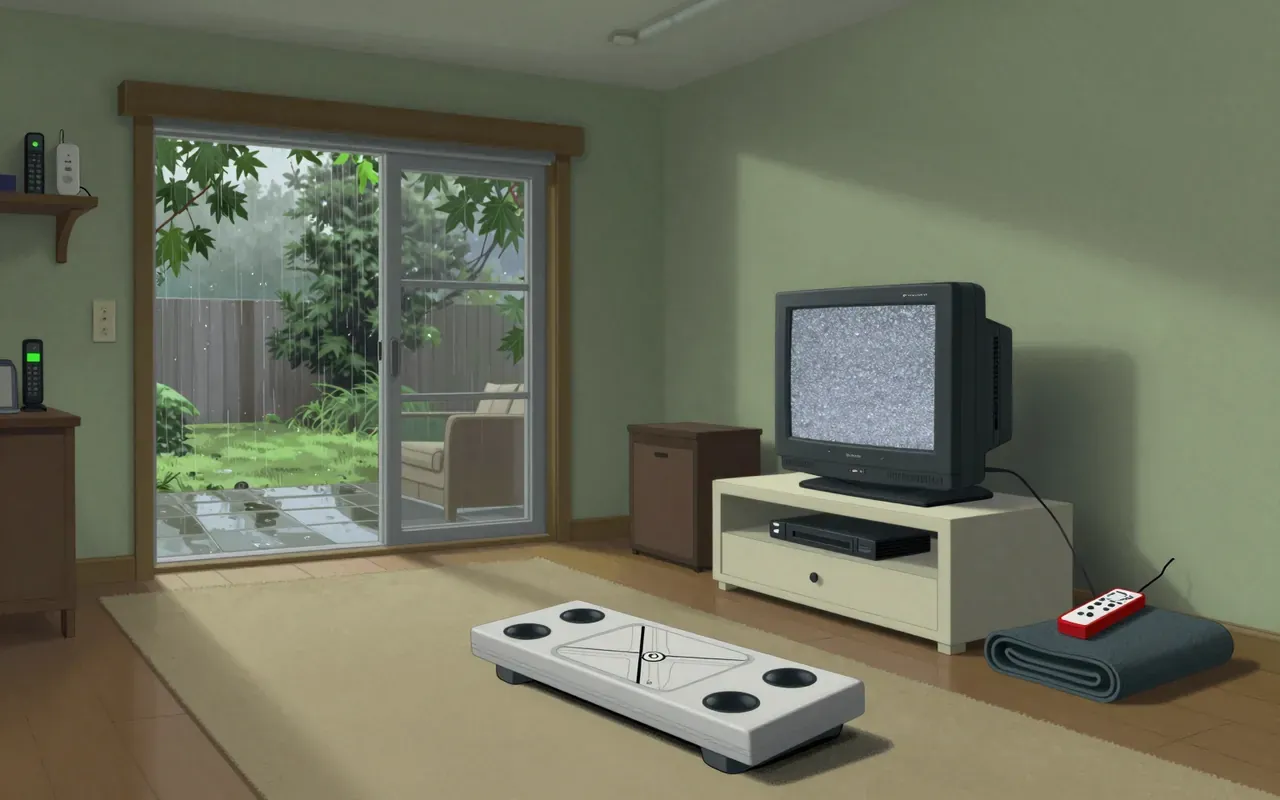
Wii Fit

Nintendo · 2007

Wii Fit is a simulation of physical discipline built around a single hardware input: the Wii Balance Board. It measures weight and centre of balance in real time. It offers over 40 activities — yoga, strength training, aerobics, balance games — all calibrated to that input. It supports up to eight user profiles, each tied to date of birth, height, and a Mii. It logs external activity manually. It uses an on-screen trainer in yoga and strength modes. It does not simulate athletic development. It simulates accountability.

technology.briefs Technology

All 1 in technology →
9:36

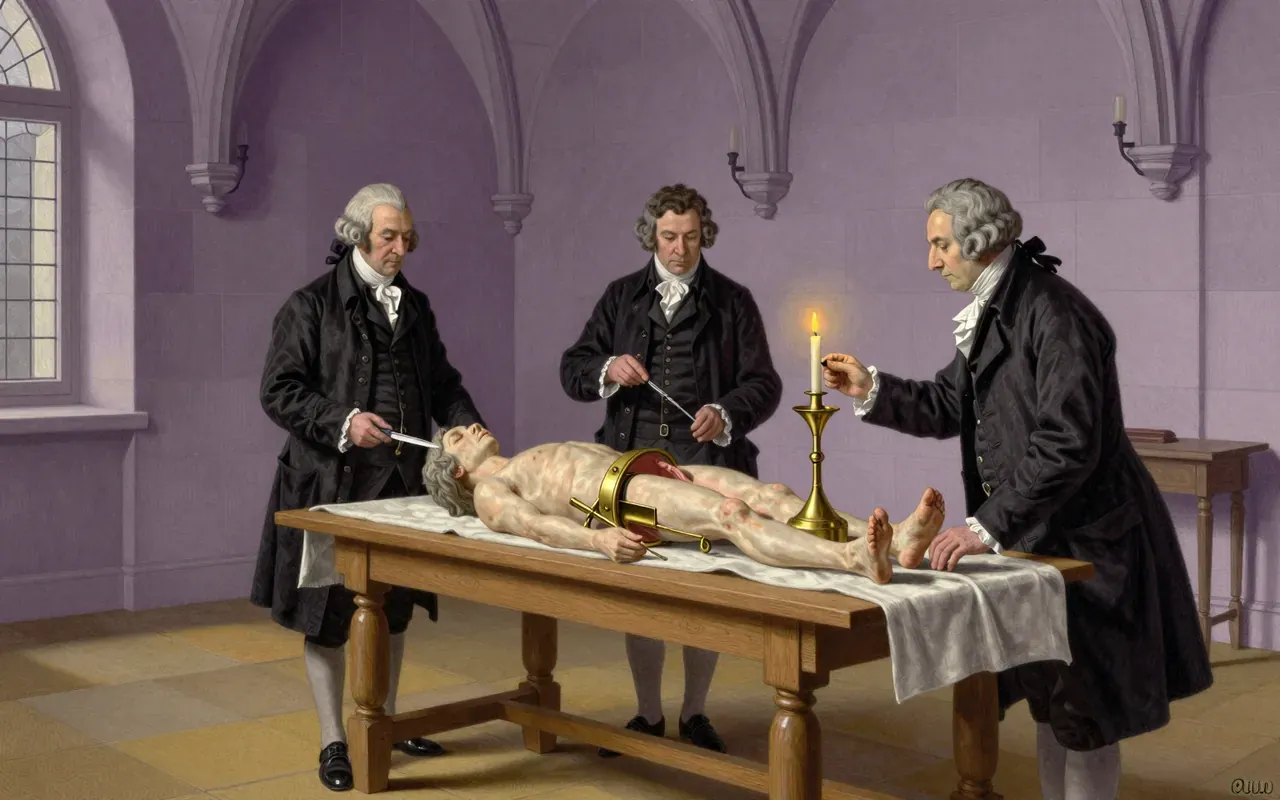
Endoscope

Philipp Bozzini

Bozzini’s Lichtleiter established endoscopy as a category: a purpose-built optical conduit for internal light and view. It worked technically in most cavities. It failed institutionally — blocked by authority, not physics. Its legacy is conceptual, not clinical.

culture.briefs Culture

All 4 in culture →
8:54

Ballet and fashion

Ballet costume didn’t inspire fashion—it trained it to see the body as architecture in motion.
9:29

Identity performance

Identity isn’t found. It’s performed — and constantly corrected when the audience doesn’t get the script.
10:25

Quantified self

Self-tracking doesn’t reveal who you are—it reveals what your tools were built to count.
8:23

Performance art

Performance art demands the artist’s body as proof—not illustration, not symbol, but irreplaceable evidence.

fashion.briefs Fashion

All 2 in fashion →
13:03

Corset

A garment that shaped bodies, then language, then medicine—and never stopped enforcing ideals under the guise of support.