briefs
Topic · across the network

The Arab world

One language, twenty-two states and no agreement about what that means.

41
briefs
8
subjects
6:07
average
251 min
in total
Abstraction 407Absurdism 137Acoustics 220Acting 65Adaptation 372Addiction 95Adolescence 202Advertising 77Age of exploration 14Ageing 113Agriculture 100Algorithms 114Ambition 46Anarchism 38Ancient Egypt 17Ancient Greece 38Ancient Rome 30Animals 172Anthropology 23Apartheid 12Architecture 165Archives 32Argentina 10Art Deco 26Artificial intelligence 78Astronomy 81Attention 42Australia 32Automation 73Avant-garde 164Aviation 79Banking 72Banned works 40Bauhaus 12Beer 5Behavioural economics 22Berlin 16Big tech 6Biodiversity 136Biography 86Birds 41Black holes 20Blockchain 12Boxing 14Branding 77Brazil 43Bread 29Britain 131Brutalism 4Bubbles 3Buddhism 28Byzantium 10California 17Canada 18Capitalism 94Cars 468Celebrity 59Censorship 110Cheese 24Chefs 9Chemistry 104Chess 2Childhood 87China 109Chocolate 8Christianity 49Cinematography 343Cities 90Class 485Climate change 107Club culture 100Cocktails 2Coffee 11Cognitive bias 14Collecting 16Colonialism 284Colour 42Comedy 89Community 52Complexity 21Computing 309Consciousness 16Conservatism 14Conspiracy theories 8Cooking 178Corruption 38Cosmology 31Cover versions 64Craft 116Crate digging 42Creativity 8Crime 234Cryptocurrency 8Cryptography 24Cuba 10Cybersecurity 30Dada 12Debt 38Decision-making 28Decolonisation 46Deep time 80Democracy 45Denim 16Deserts 45Detroit 17Dinosaurs 12Directing 168Disasters 59Disease 109DJ culture 89Dreams 32Drones 5Drum machines 96Dystopia 69East Africa 28Ecology 337Economics 36Editing 72Education 92Egypt 12Electric vehicles 59Emotion 22Empire 92Endurance 49Energy 120Engineering 541Entropy 8Epidemics 13Equality 9Espionage 31Ethics 44Evolution 174Existentialism 106Expertise 2Exploration 49Extinction 23Failure 37Family 240Fandom 22Fascism 45Fashion 215Fast fashion 12Fear 34Feminism 122Fermentation 126Film music 81Fishing 12Folklore 71Food history 588Football 16Forests 31Forgery 7France 163Fraud 15Free will 13Freedom 16French literature 15Friendship 24Furniture 36Gambling 14Gender 63Generations 28Genetics 87Geology 96Germany 66Globalisation 74Gothic 32Greece 5Grief 126Habits 6Happiness 2Hardware 709Haute couture 22Headphones 8Hi-fi 12Hinduism 12Hoaxes 1Human history 23Human nature 41Identity 138Illustration 8Impressionism 6Improvisation 249India 89Indonesia 15Industrial design 342Inequality 13Inflation 4Information 34Infrastructure 280Insects 29Intelligence 8Interiors 31Internet culture 88Invention 329Iran 41Islam 40Islands 17Israel 9Italy 52Jamaica 10Japan 114Jewellery 5Journalism 34Judaism 13Justice 42Korea 41Language 70Law 90Leadership 20Learning 6Liberalism 1Libraries 6Literary criticism 26London 12Loneliness 61Los Angeles 62Lost works 9Love 67Luxury 55Machine learning 15Management 10Maps 5Marketing 21Markets 51Mars 6Marxism 26Masculinity 46Materials 138Mathematics 79Meaning 6Medicine 124Memory 82Mental health 70Mesopotamia 4Mexico 38Migration 95Minimalism 68Mining 30Misinformation 9Modernism 63Money 24Monopoly 32Mortality 61Motivation 2Mountains 16Museums 27Mysticism 11Mythology 60Nationalism 40Neuroscience 23New York 36Nigeria 7Nihilism 10Noise 31Nostalgia 33Nuclear 29Nutrition 17Oceans 48Oil 42Open source 45Painting 18Palaeontology 29Parenting 14Paris 18Partition 6Patents 71Patronage 14Perception 44Personal style 27Personality 2Persuasion 8Peru 10Philosophy 77Photography 37Physics 206Plants 26Platforms 89Podcasting 1Poetry 25Poland 17Policing 34Pop Art 16Populism 2Portraiture 6Portugal 18Postmodernism 23Power 91Prehistory 24Preservation 28Printmaking 21Privacy 11Probability 6Productivity 1Programming 54Prohibition 1Propaganda 35Protest 75Pseudoscience 17Psychology 80Publishing 22Punishment 16Quantum mechanics 44Race 145Radio 30Railways 35Rave 17Realism 47Record labels 19Recording 810Relativity 23Religion 154Resilience 15Restaurants 30Restoration 2Retail 94Revolution 58Risk 18Ritual 96Robotics 26Romance 96Russia 58Salt 9Sampling 246Satire 84Scandinavia 28Scientific method 186Screenwriting 26Sculpture 7Secularism 2Self-deception 14Semiconductors 73Sexuality 102Ships 18Silence 24Silicon Valley 17Slavery 35Sleep 2Smartphones 27Sneakers 15Social media 58Socialism 9Software 68Songwriting 180Sound design 332Sound systems 20South Africa 19South East Asia 30Space exploration 84Spain 18Special effects 41Spices 62Spirits 12Sport 82Startups 21Statistics 10Status 9Stoicism 4Storytelling 68Strategy 70Street food 99Streetwear 16Studio craft 508Subcultures 59Sugar 12Supply chains 115Surrealism 53Surveillance 21Sustainability 30Synthesis 232Tailoring 37Taxation 14Tea 24Textiles 97Thailand 11The American Revolution 19The American South 88The Arab world 41The Arctic 19The Balkans 17The Belle Epoque 13The body 29The brain 26The Caribbean 28The civil rights movement 62The Cold War 160The eighties 268The Enlightenment 29The financial crisis 19The First World War 39The food industry 157The French Revolution 9The Gilded Age 9The Great Depression 18The Holocaust 20The Industrial Revolution 93The internet 61The interwar years 135The Middle Ages 35The Moon 4The music business 169The Netherlands 10The nineties 26The Olympics 10The pandemic 13The Reformation 1The Renaissance 16The Russian Revolution 19The Second World War 102The seventies 58The sixties 28The space race 5The United States 19The universe 7The Victorian era 37Therapy 20Tokyo 11Trade 48Tragedy 22Translation 5Trauma 85Travel 5True crime 2Turkey 18Typography 54Uniforms 23Unions 8Urban planning 66Utilitarianism 1Utopia 5Vaccines 10Vegetarianism 15Venture capital 6Video games 291Vietnam 12Vintage 65Vinyl 6Virtual reality 11War 169Watches 4Water 11Weather 29West Africa 29Wilderness 10Wine 3Work 22Workwear 19Worldbuilding 121

music.briefs Music

All 1 in music →
9:30

Dónde están los ladrones?

Shakira · 1998

Dónde Están los Ladrones? is Shakira’s fourth studio album, released in September 1998. Recorded over nine months at Crescent Moon Studios in Miami—the studio of Gloria and Emilio Estefan—it features rock en español blended with Latin pop and Middle Eastern musical influences. Shakira led artistic production with full control over material, arrangements, and final approval; Emilio Estefan served as executive producer. Vintage equipment—including old amplifiers and a 40-year-old German microphone—was used alongside innovative instrumental mixes. Collaborators included Luis Fernando Ochoa, Lester Mendez, Javier Garza, Pablo Flores, and Estéfano Salgado. The album topped the U.S. Latin Albums chart for 11 weeks, sold over 7 million copies globally, and earned a 1999 Grammy nomination for Best Latin Rock or Alternative Album. It represents the culmination of Shakira’s early Spanish-language career and the foundation for her subsequent global expansion.
film.briefs Film

All 5 in film →
13:00

Arabian Nights

Pier Paolo Pasolini · 1974

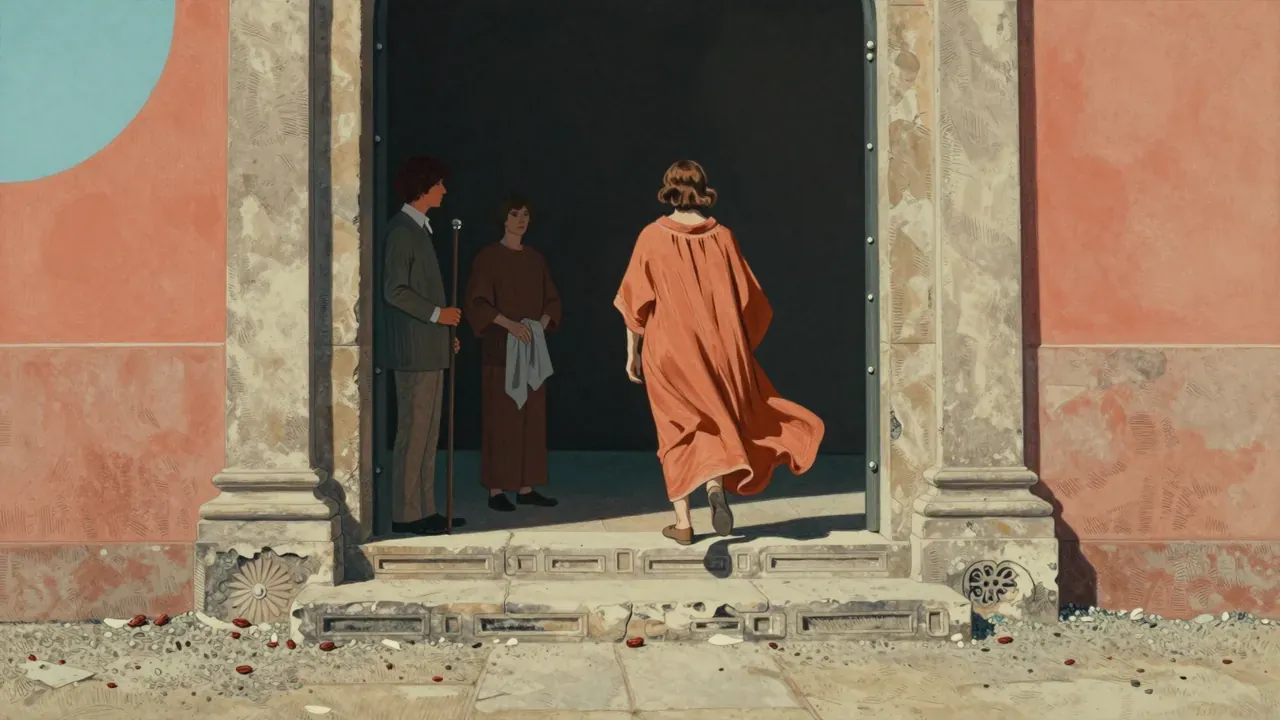
Pier Paolo Pasolini’s 1974 Arabian Nights is the final film of his ‘Trilogy of Life’, adapting fragments from the One Thousand and One Nights across real locations in Yemen, Iran, Ethiopia and Nepal. It abandons the frame narrative to focus on bodily pleasure, poetic recitation and episodic storytelling, using non-professional actors, long takes and Ennio Morricone’s sparse score. Though formally daring and visually rich, its resistance to psychology and narrative cohesion divides viewers. It won the Cannes Grand Prix in 1974.

13:00

Cairo Station

Youssef Chahine · 1958

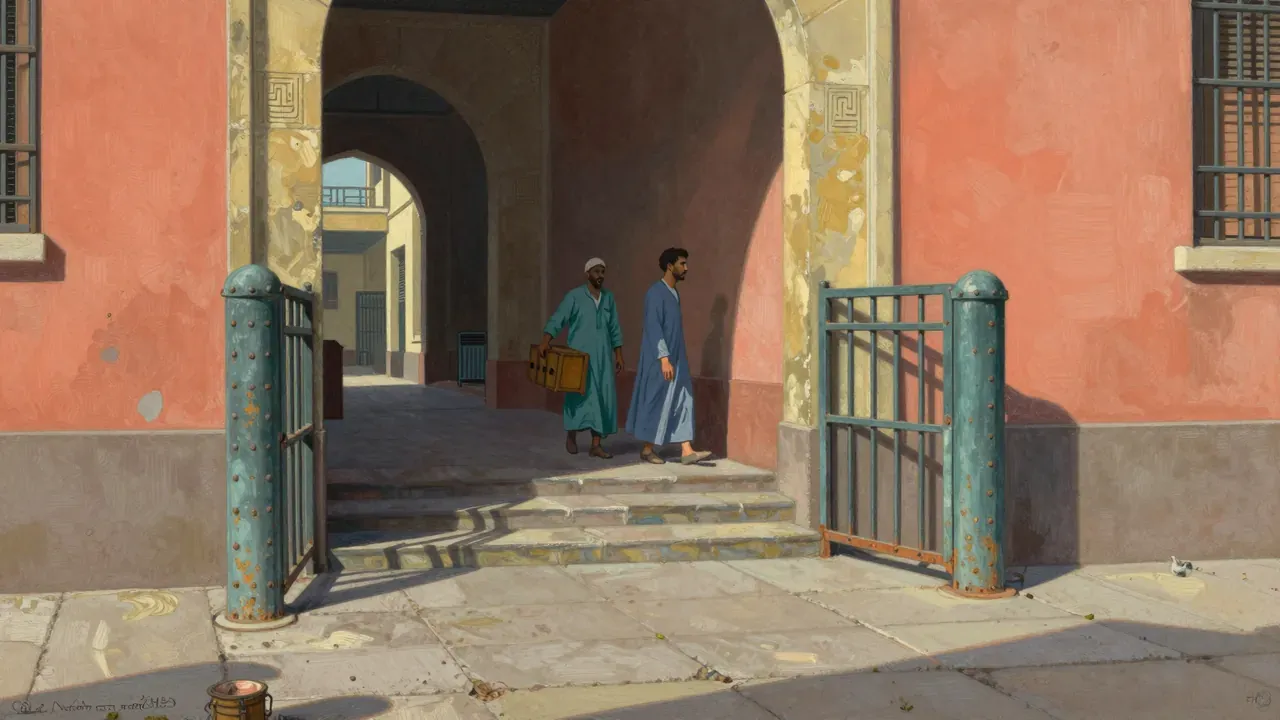
Youssef Chahine’s 1958 Cairo Station is a tightly wound drama set in Cairo’s main train station, following Qinawi — a lame newspaper seller whose obsession with a cold-drink vendor curdles into violence amid a backdrop of union organising and urban anonymity. Shot in Egyptian Arabic with neorealist restraint and noir-inflected tension, it treats environment as psychology made visible. Though initially controversial in Egypt, it has since been recognised as a landmark of Arab and world cinema.

13:00

Chronicle of the Years of Fire

Mohammed Lakhdar-Hamina · 1975

Chronicle of the Years of Fire (1975), directed by Mohammed Lakhdar-Hamina, follows Ahmed, an Algerian peasant, across seventeen years leading to the 1954 uprising against French rule. Structured in six chapters, it charts the slow, embodied formation of national consciousness under colonialism — through drought, conscription, broken promises and massacre. Shot by Marcello Gatti and scored by Philippe Arthuys, it favours duration over drama, collective experience over individual psychology. It won the Palme d’Or at Cannes and remains a landmark of postcolonial cinema.

13:00

Trances

Ahmed El Maanouni · 1981

Trances (1981) is Ahmed El Maanouni’s docufiction portrait of Moroccan band Nass El Ghiwane, filmed in Morocco during live performances, interviews, and everyday moments. Blending contemporary footage with silent colonial-era archival clips, it foregrounds voice, rhythm, and communal presence over narrative or exposition. Restored in 2007 and distributed by Criterion, it remains a singular work of musical and cultural testimony.

13:00

Lawrence of Arabia

David Lean · 1962

David Lean’s 1962 epic follows T. E. Lawrence’s immersion in the Arab Revolt during the First World War. Peter O'Toole stars in a performance defined by restraint and volatility, supported by Freddie Young’s monumental Super Panavision 70 cinematography and Maurice Jarre’s evocative score. The film prioritises atmosphere over exposition, using vast, still landscapes to chart internal collapse and reinvention. Though rooted in history, it functions as a psychological portrait — of identity, allegiance and the cost of translation between worlds.

history.briefs History

All 4 in history →
9:35

Suez Crisis

1956

A tripartite invasion that won every battle and lost every argument.

12:35

Baghdad

762 AD

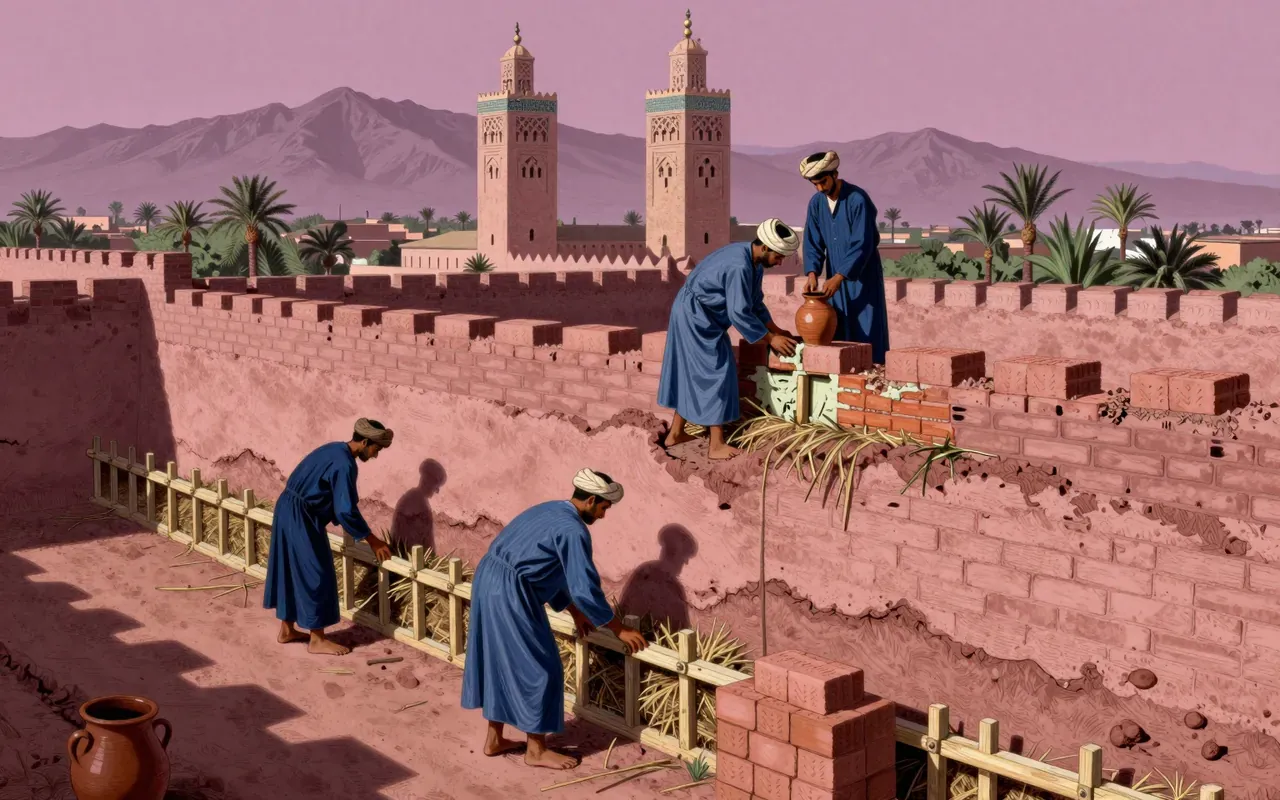
Baghdad’s founding in 762 was a decisive, documented act of imperial design — not evolution, not accident. It created a new kind of capital: planned, symbolic, and engineered for intellectual and administrative dominance. Its scale, longevity and influence are verifiable. Its motives and internal politics are not.

9:54

First Intifada

December 1987–1991

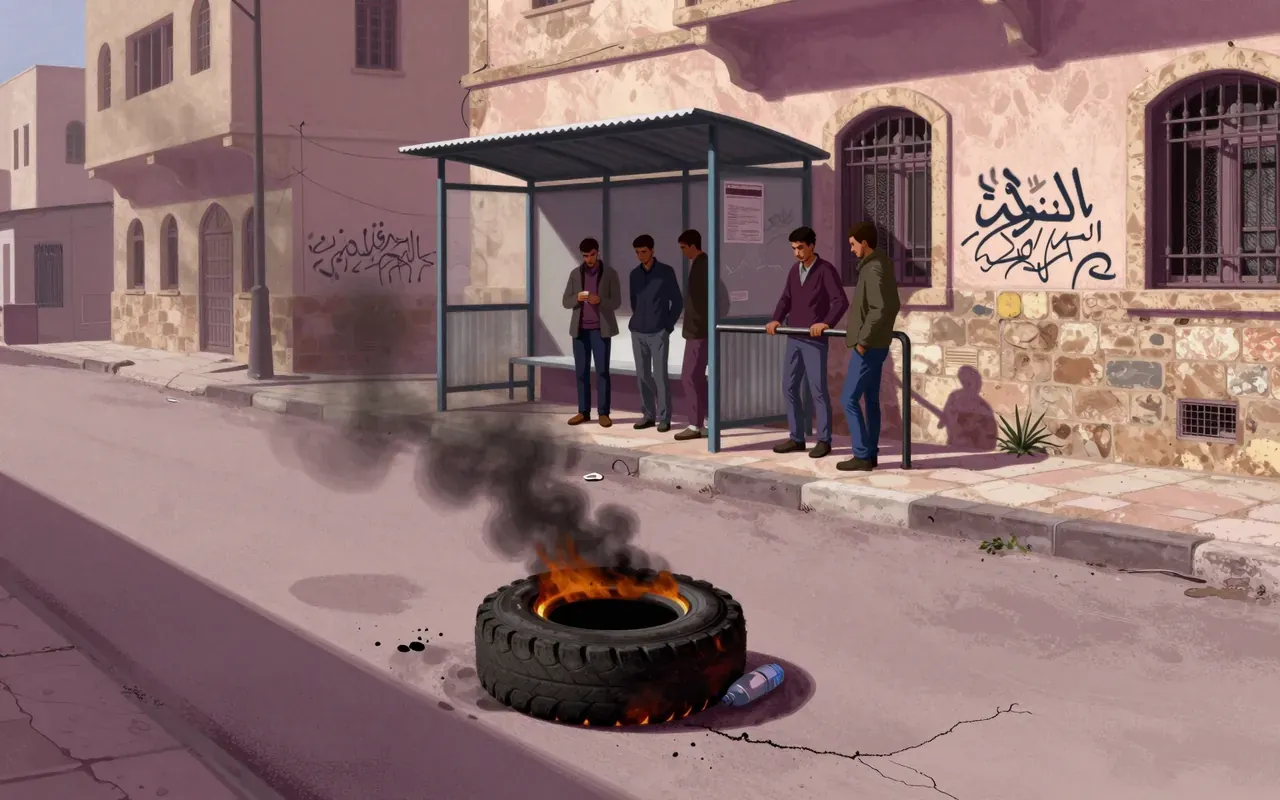
The First Intifada was a locally led, mixed-method uprising beginning in December 1987 in the Jabalia refugee camp, combining non-violent civil resistance (strikes, boycotts, tax refusal) with violent tactics (stone-throwing, Molotov cocktails, graffiti, barricading), and lasting until at least 1991.

10:26

Iraqi invasion of Kuwait

2 August 1990

The Iraqi invasion of Kuwait was a swift, centrally ordered act of annexation — verified by its codename, timing, troop composition, and administrative reorganisation. It triggered the first major test of UN collective security after the Cold War. The record shows no ambiguity in sequence or outcome — but also no evidence of motive, dissent, or alternative interpretations. Its legacy is procedural: it proved the Security Council could unify and enforce borders — but only once, under narrow conditions.

games.briefs Games

All 1 in games →
8:32

Insurgency (video game)

New World Interactive · 2014

Insurgency (2014) is a tactical shooter defined by omission: no crosshair, no health bar, no minimap, no instant respawn. Players join Security or Insurgents in a fictional Middle Eastern conflict. At round start, they spend supply points on class-specific weapons. Guns kill fast. Death means spectating until their team completes an objective. Every design choice removes feedback to force presence, patience, and trust.

business.briefs Business

All 1 in business →
11:28

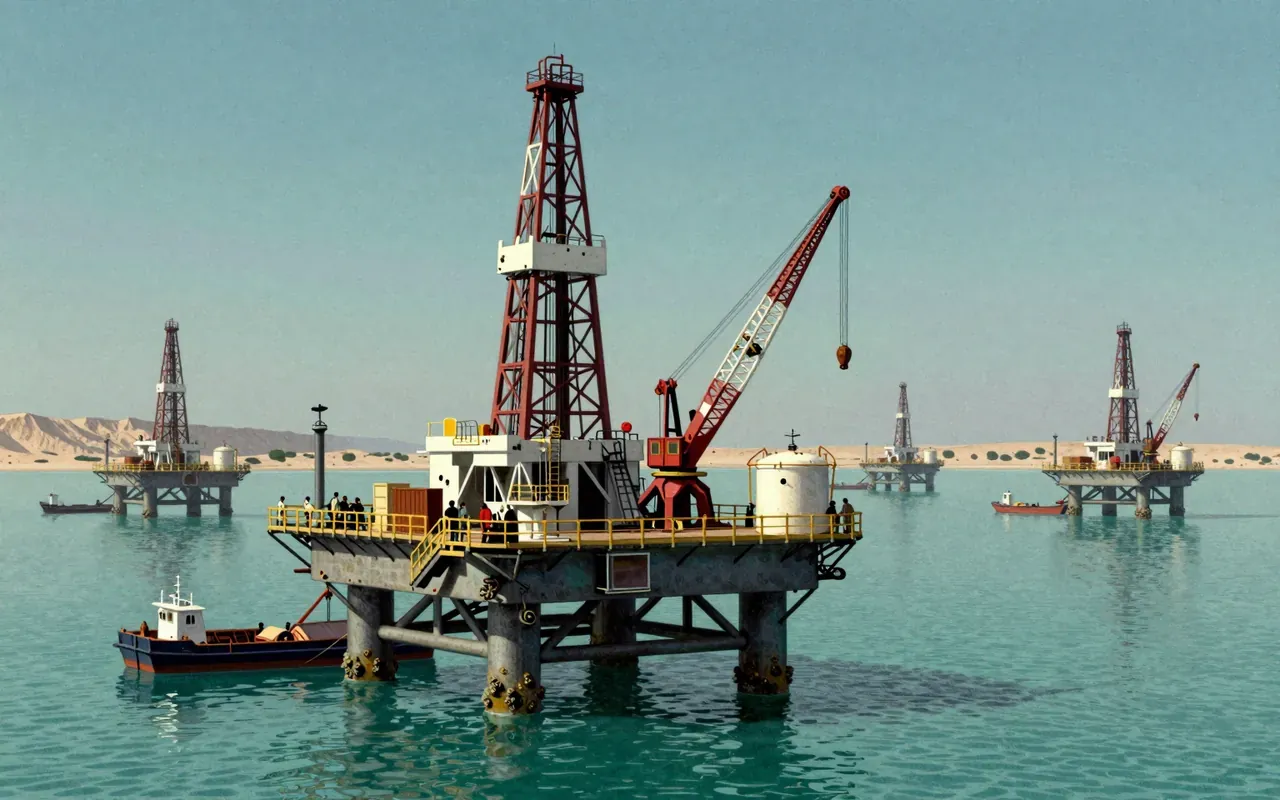
Saudi Aramco

Abdul Aziz ibn Saud · 1988

Saudi Aramco is the majority state-owned national oil company of Saudi Arabia. It holds the world's largest proven crude oil reserves and largest daily oil production. It operates the world's largest single hydrocarbon network, the Master Gas System. Its shares began trading on the Saudi Exchange on 11 December 2019, reaching a market capitalisation of about US$1.88 trillion. Its origins lie in a 1933 concession granted by Ibn Saud and executed by Chevron Corporation.

culture.briefs Culture

All 3 in culture →
10:09

Ibn Rushd al-Jadd

He didn’t just interpret law—he weaponised it against Christians who sided with Aragon.
8:08

Muhammad

Muhammad was not just a prophet—he was a leader who fused religion, war, and statecraft in seventh-century Arabia.

food.briefs Food

All 24 in food →
7:44

Maqluba

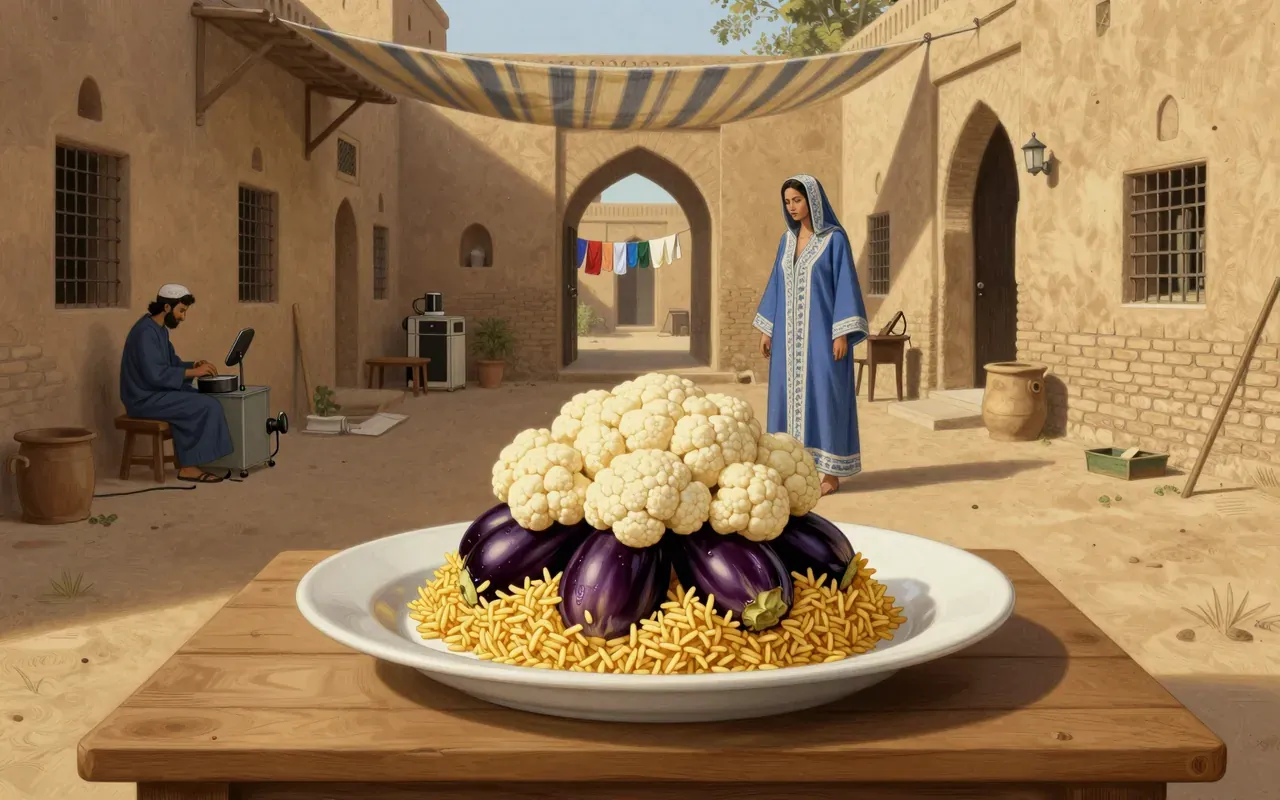
Maqluba isn’t about authenticity — it’s about the physics of inversion.
9:38

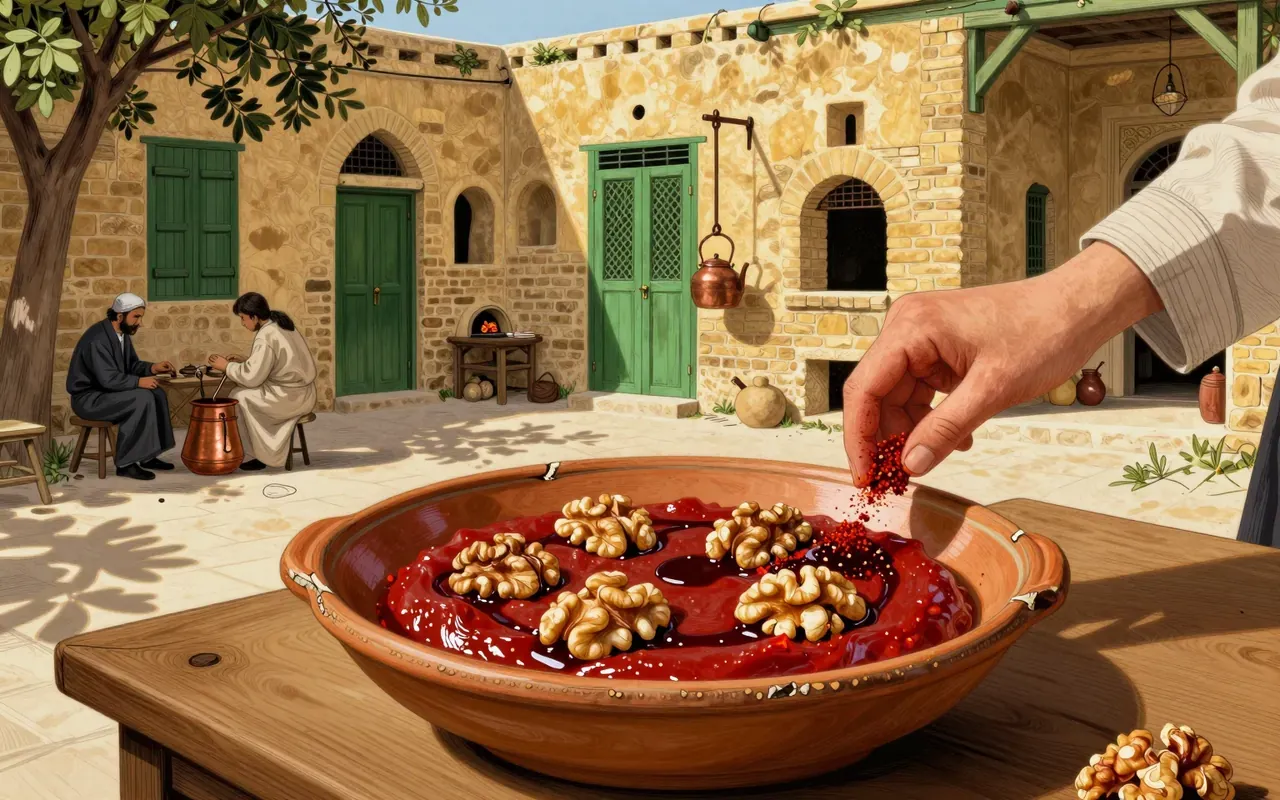
Muhammara

A dip that refuses dairy, demands mortar work, and proves Aleppo’s palate was never monochrome.
8:36

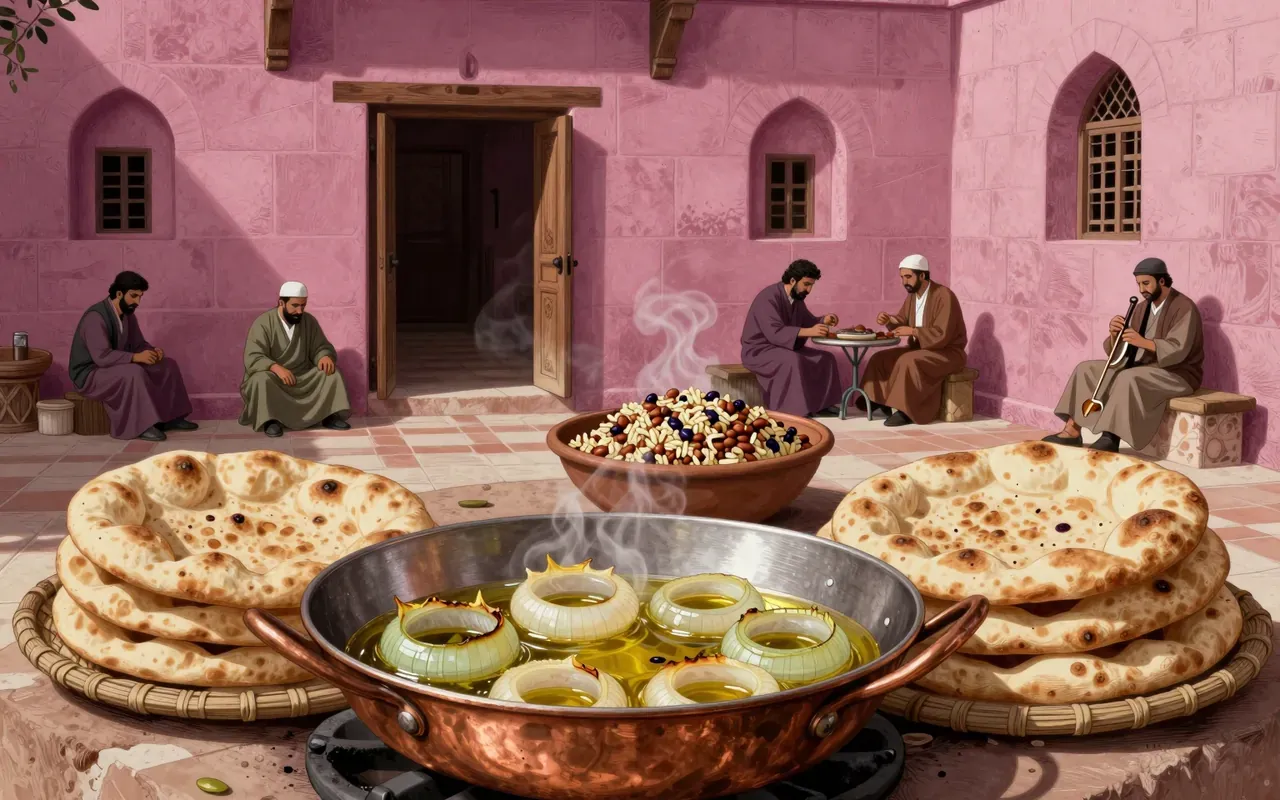
Mujaddara

A dish that feeds across faiths without asking for shared belief.
8:24

Lokma

Lokma isn’t Turkish or Greek—it’s Abbasid, and it’s been migrating since the 13th century.
1:02

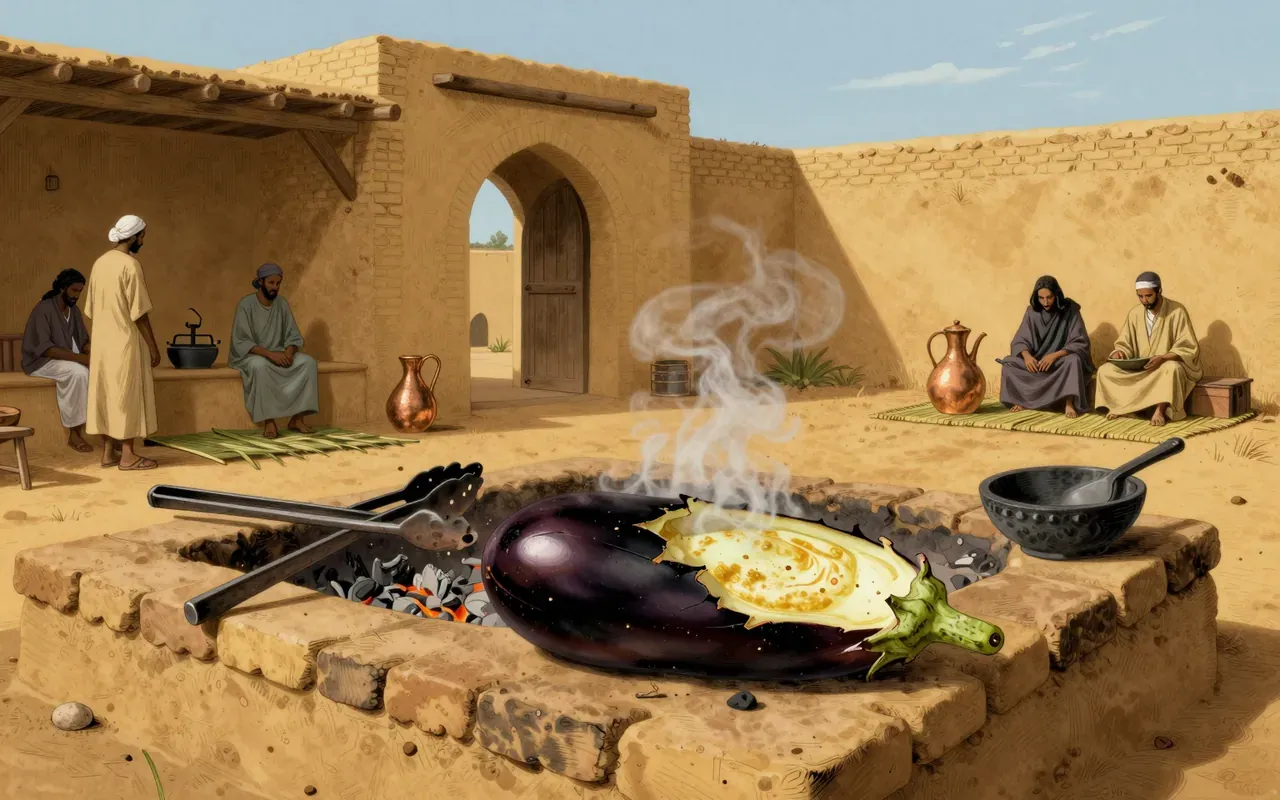
Baba ghanoush

A Levantine appetizer of roasted eggplant, tahini, olive oil, lemon juice, and seasonings.
1:04

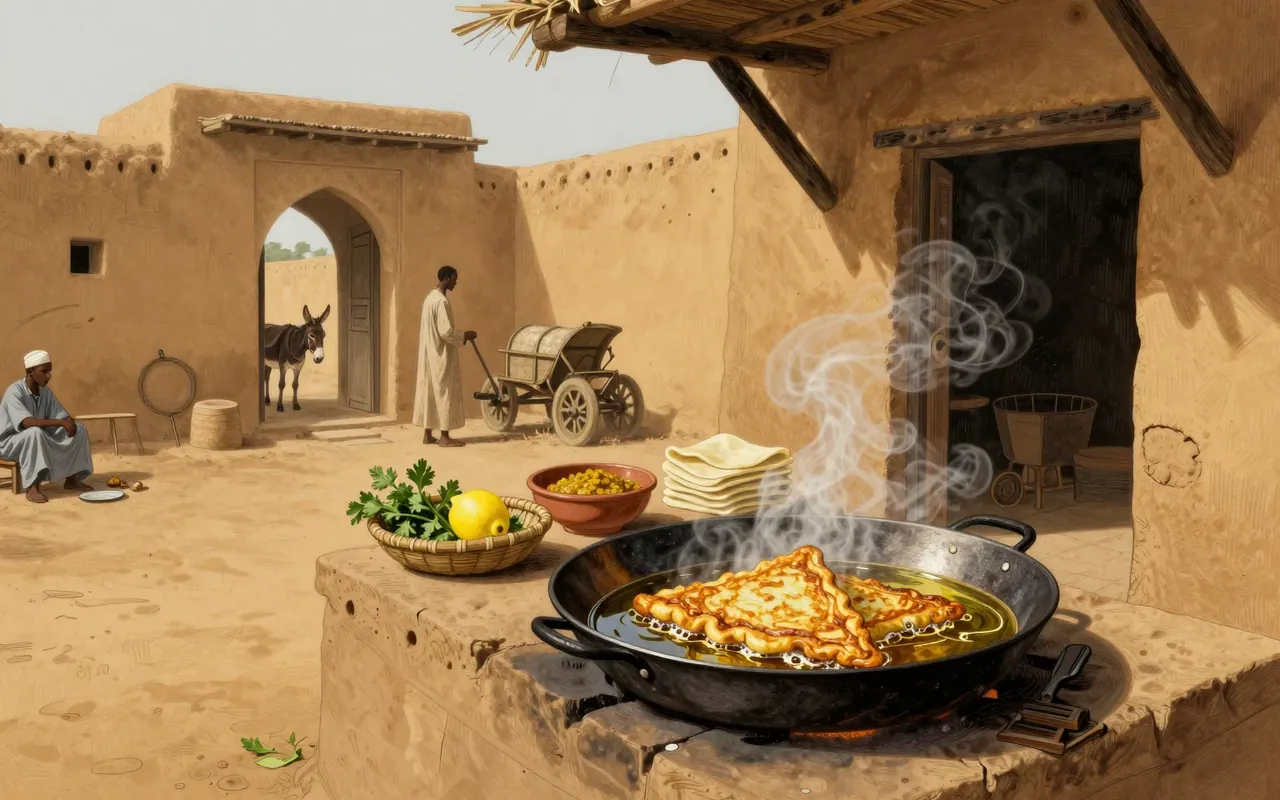
Brik

A North African triangular pastry pocket, commonly deep-fried, filled with egg, tuna, harissa, onion, and parsley.
1:09

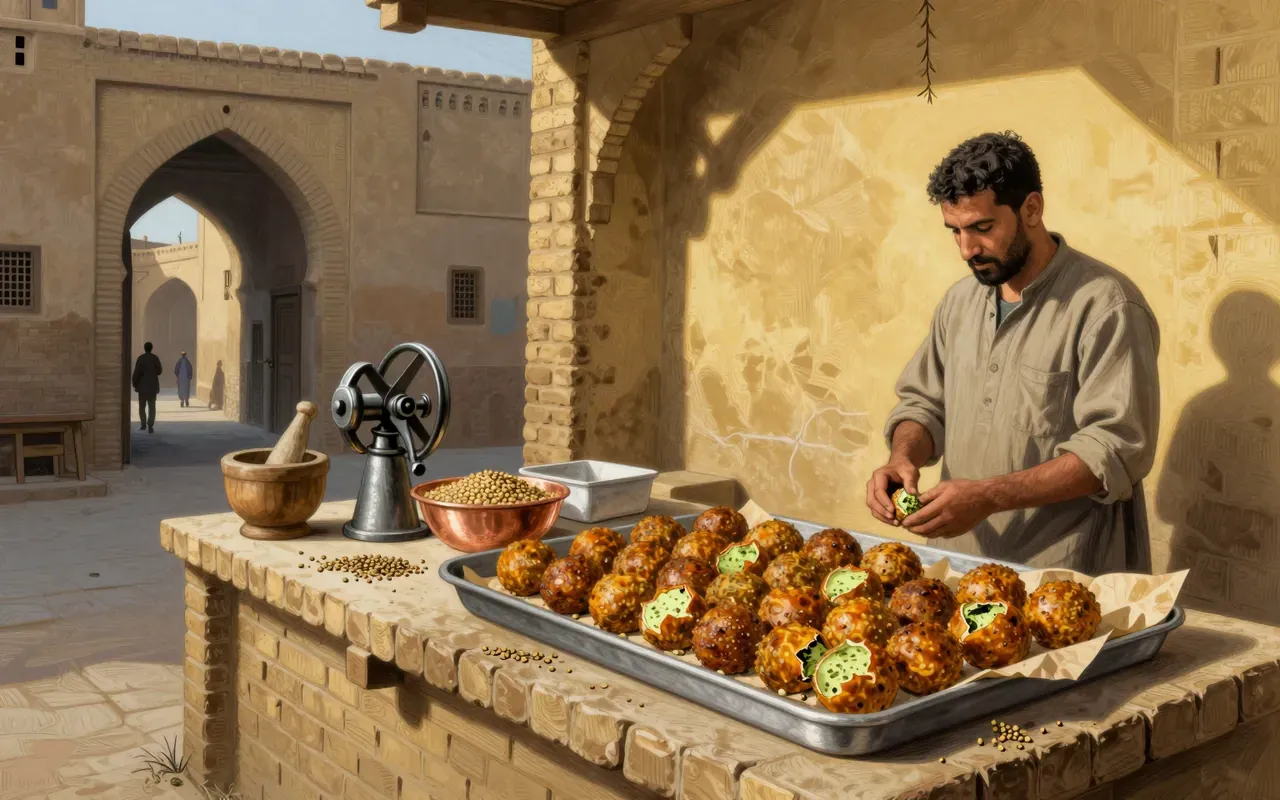
Falafel

A deep-fried or baked fritter made from soaked, uncooked chickpeas and herbs, shaped into balls or patties.
1:08

Fatteh

A layered Arab dish of crumbled or toasted flatbread topped with other foods.

fashion.briefs Fashion

All 2 in fashion →
10:00

Thawb

A formal robe built for heat, hierarchy and holiness—not comfort, change or universality.
8:46

Keffiyeh

A sun shield turned political weapon by decree—not culture.